
Art movement · c. 1590–1750 · Europe
Baroque Art and Paintings
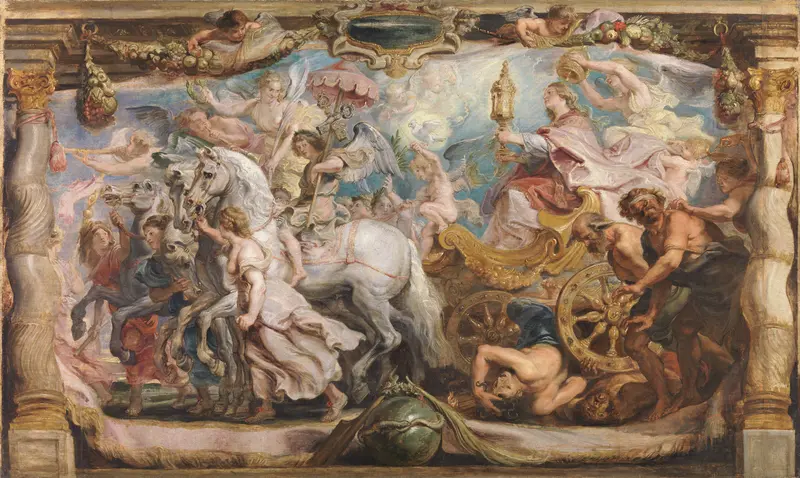
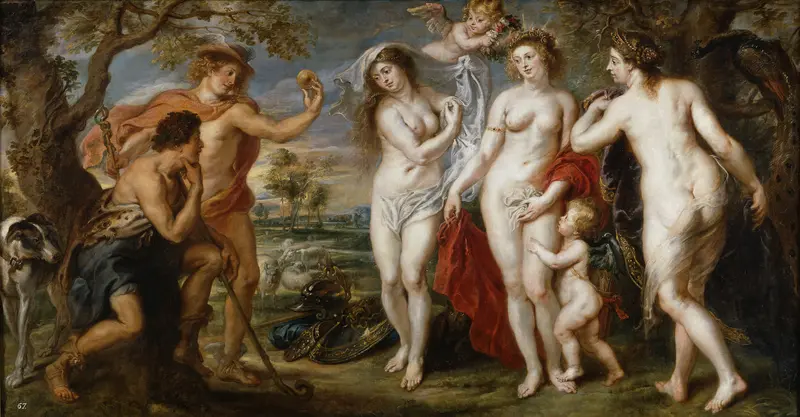
Baroque is an art movement that began in Rome at the end of the 1500s and spread across Europe: dramatic, emotional art of bold realism, strong contrasts of light and dark, and sweeping diagonals, designed to impress the viewer. It lasted from about 1590 to 1750 and was at its height in Rome from about 1630 to 1680. Its painters include Caravaggio, Artemisia Gentileschi, Peter Paul Rubens, Diego Velázquez and Anthony van Dyck.
It grew up with the Catholic Counter-Reformation, which wanted art that moved the faithful, but it also served kings and private collectors. Caravaggio's The Calling of Saint Matthew, commissioned for a Roman church in 1600, lights a dark tax office with a single shaft of light as Christ points to the tax collector Matthew.
Browse 6,263 Baroque paintings and artworks below, all public domain and free to download.
Selected and written by Pavel MazuelasUpdated November 5, 2026
Part of Art Movements and Painting StylesRelated: Dutch Golden Age, Rococo, Famous Portrait Paintings
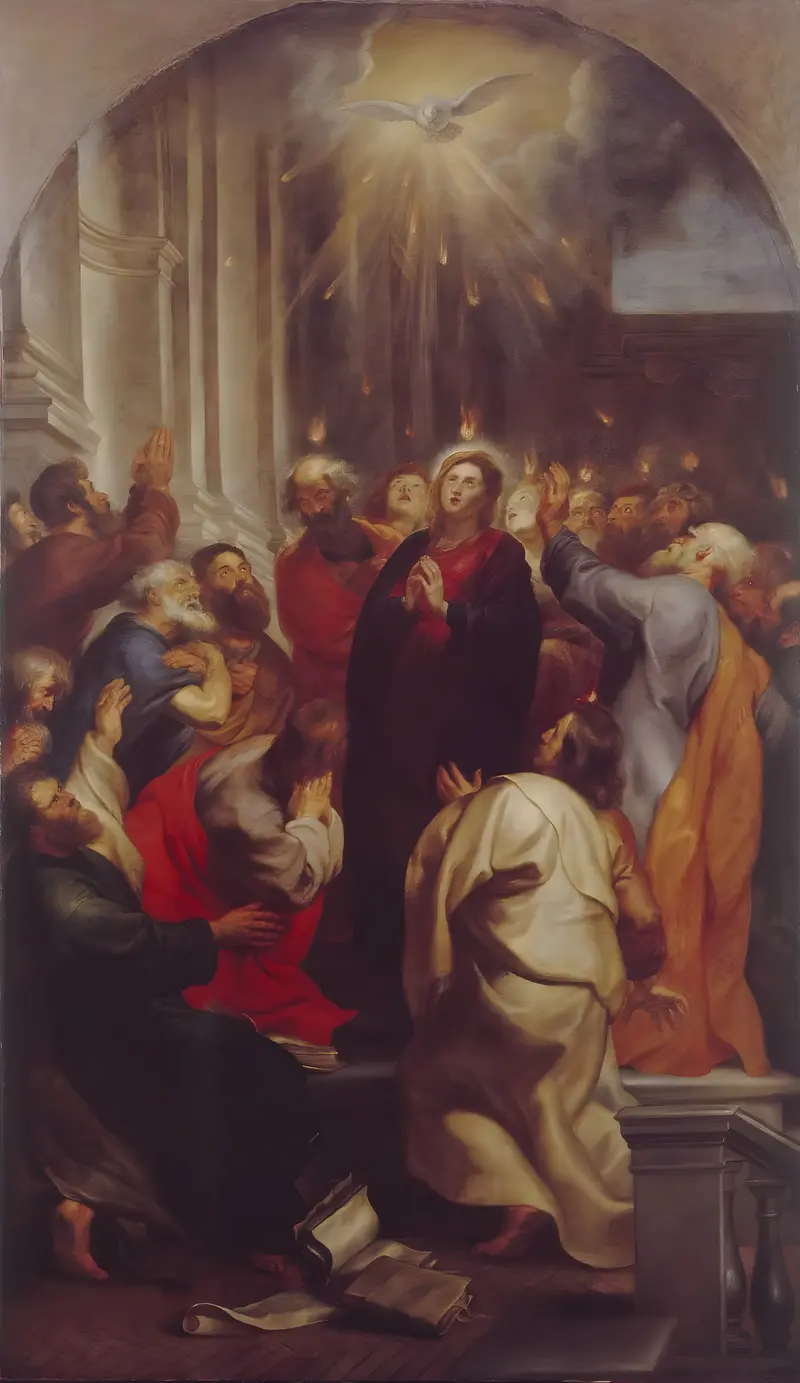
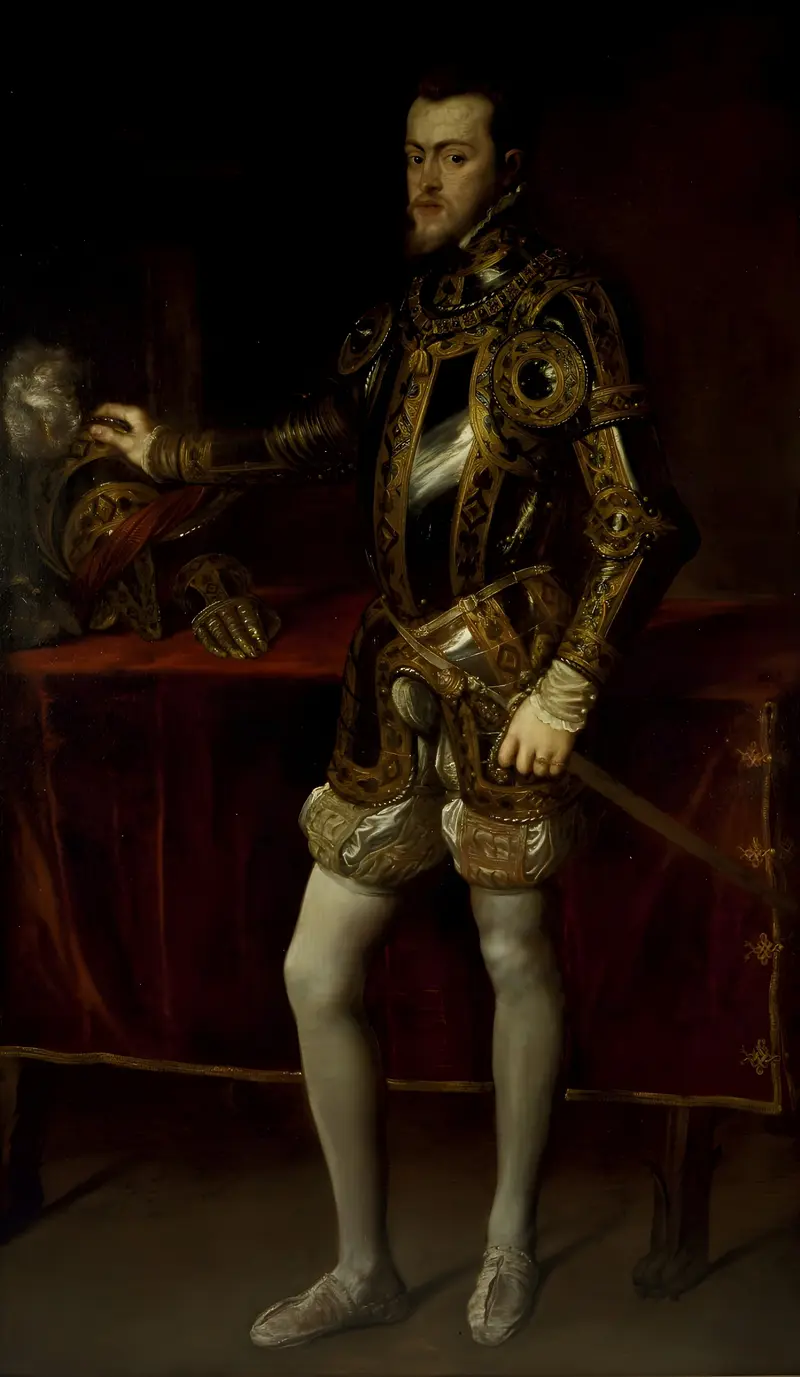
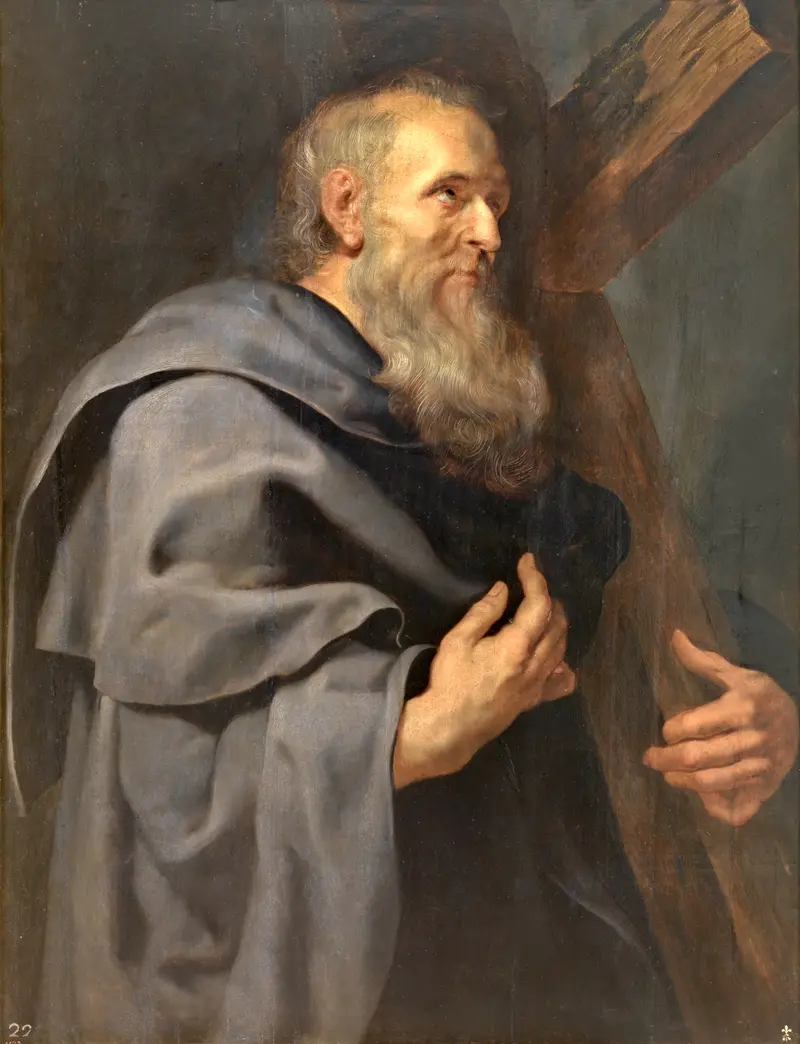
All Baroque paintings and artworks
Religious paintings, portraits, myths, landscapes, history scenes and etchings. All public domain, free to download.













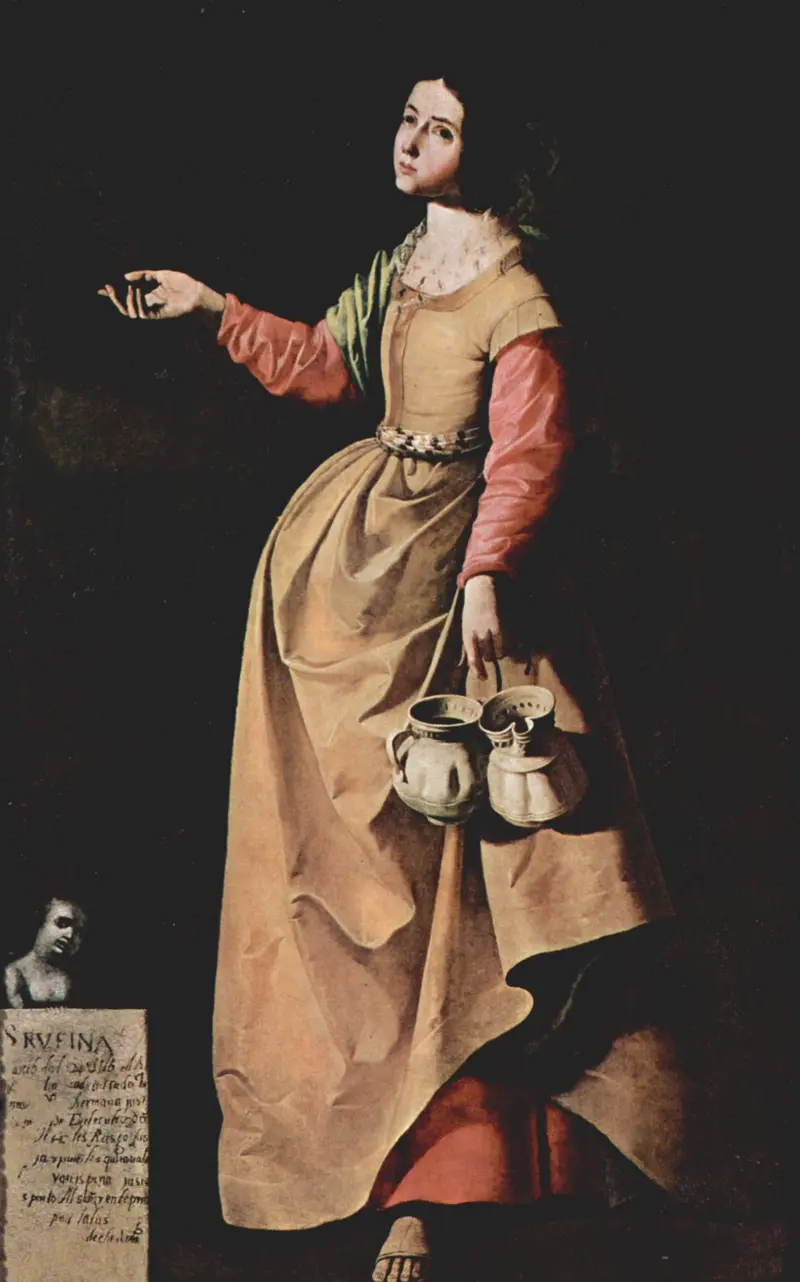

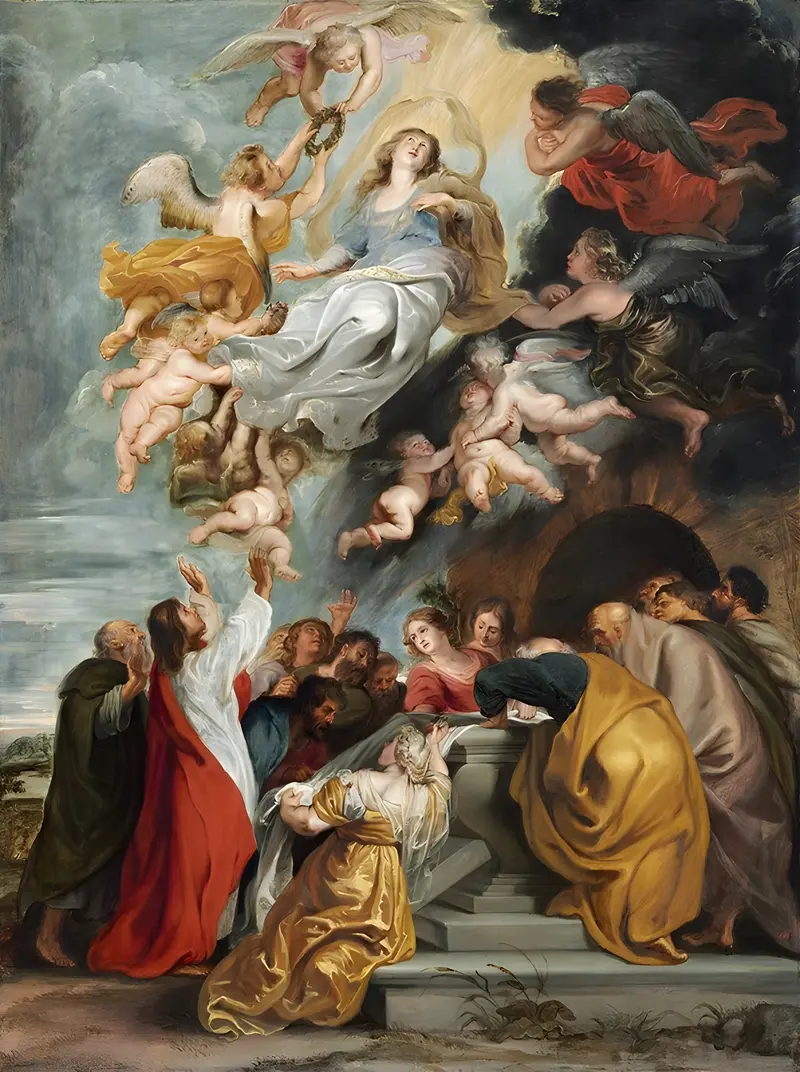
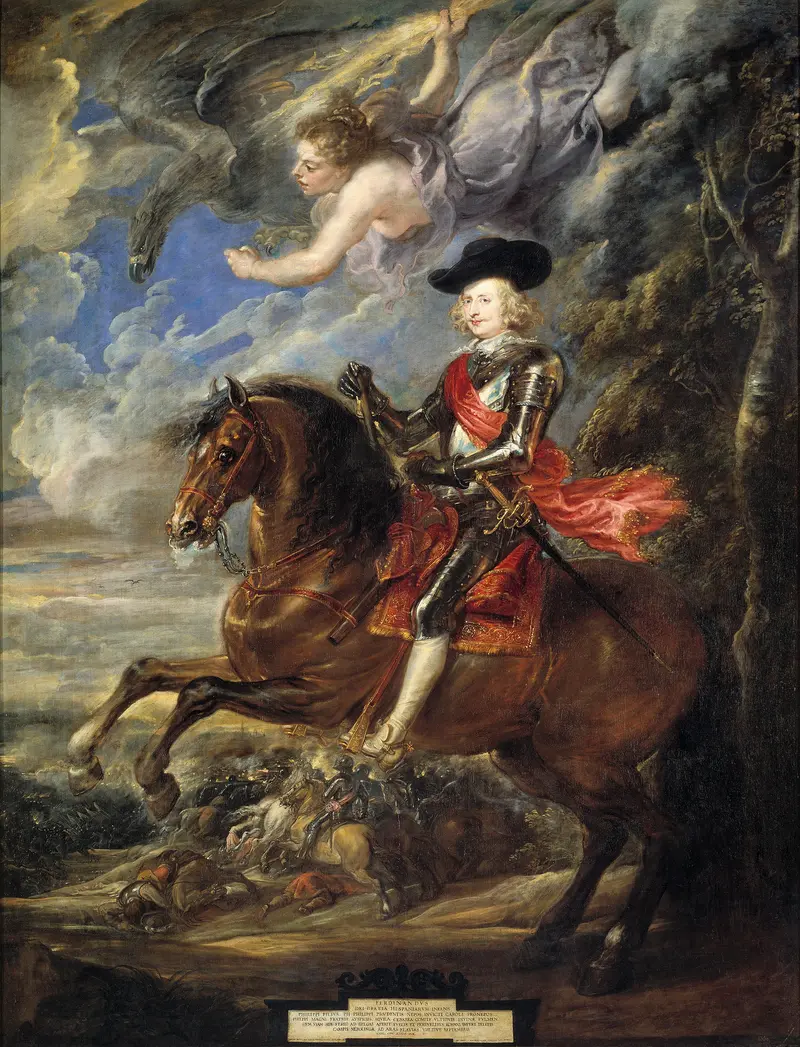
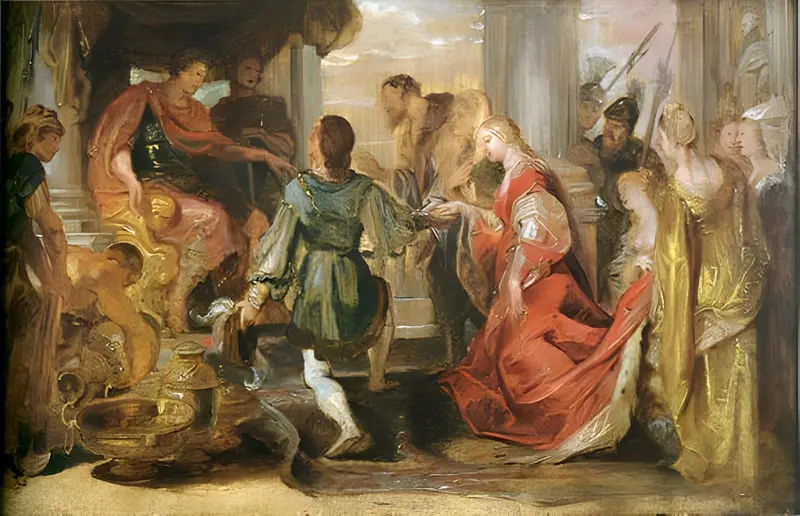
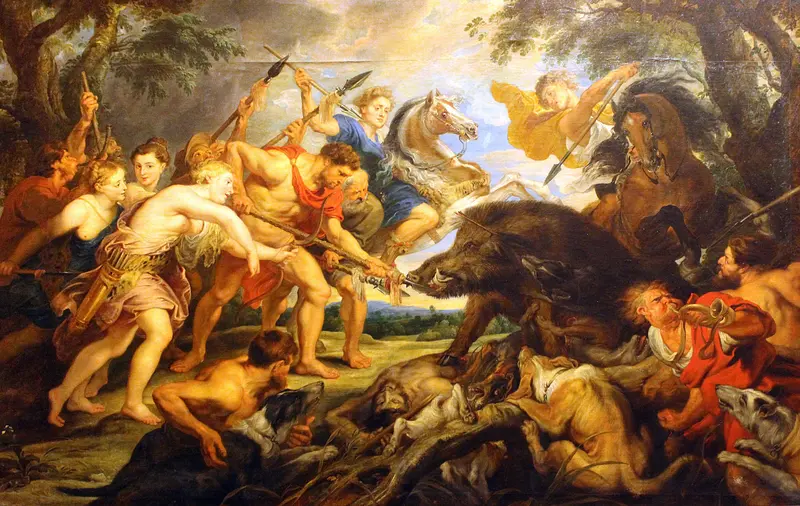
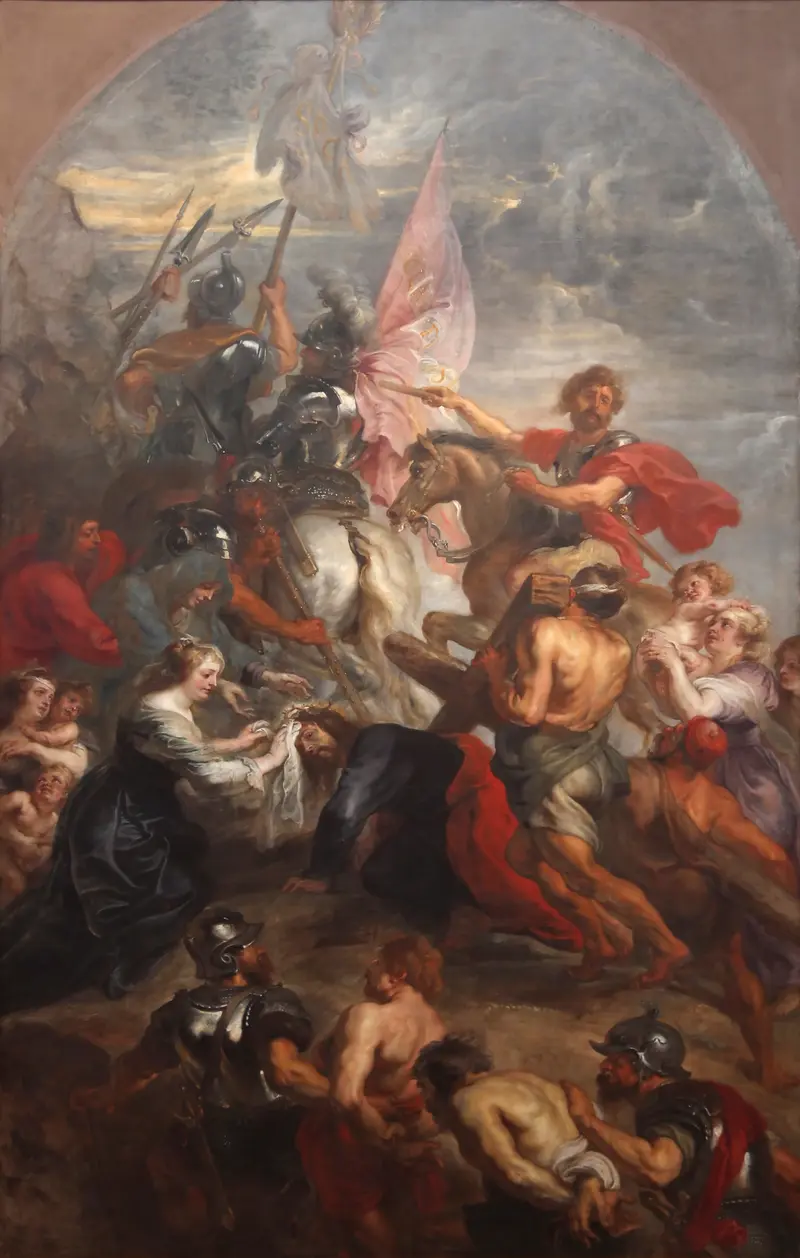
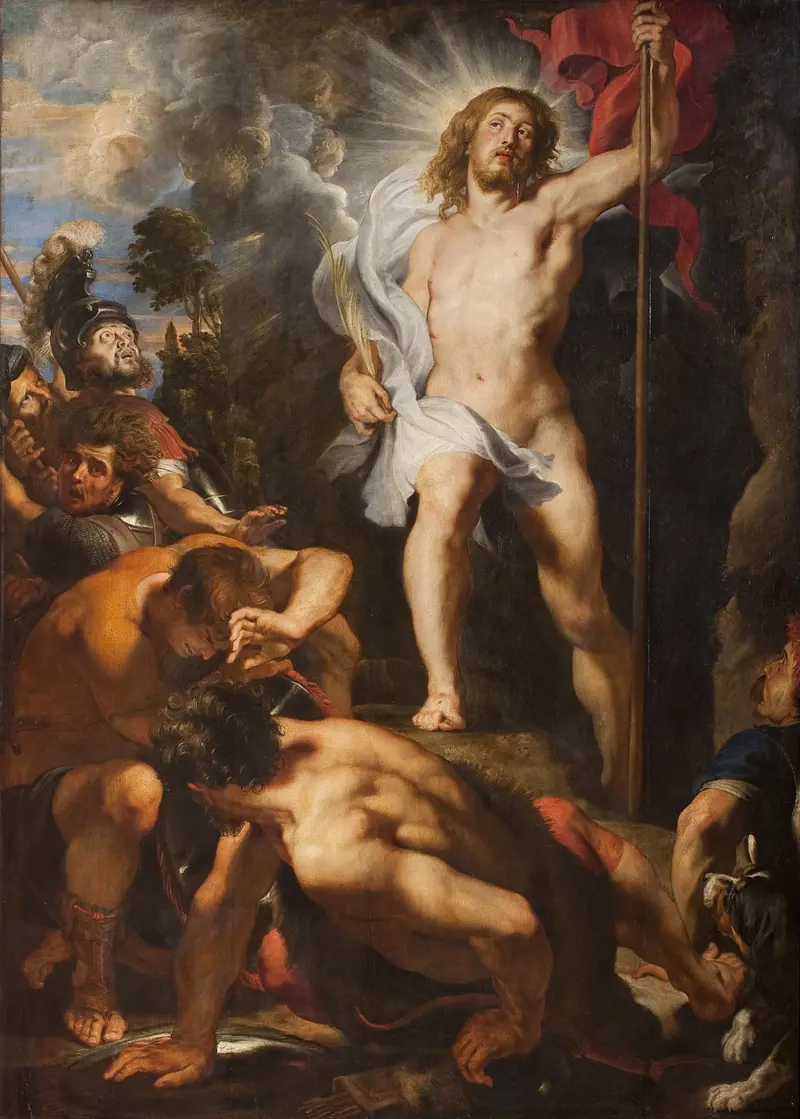
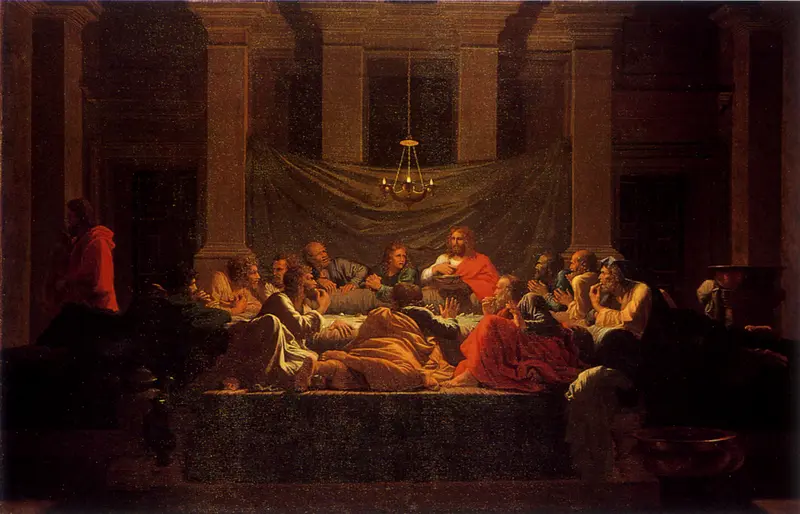
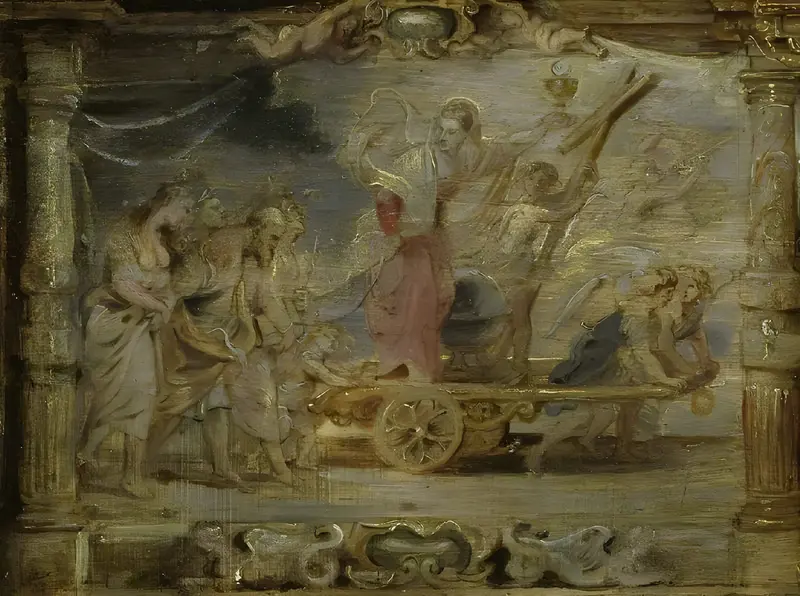
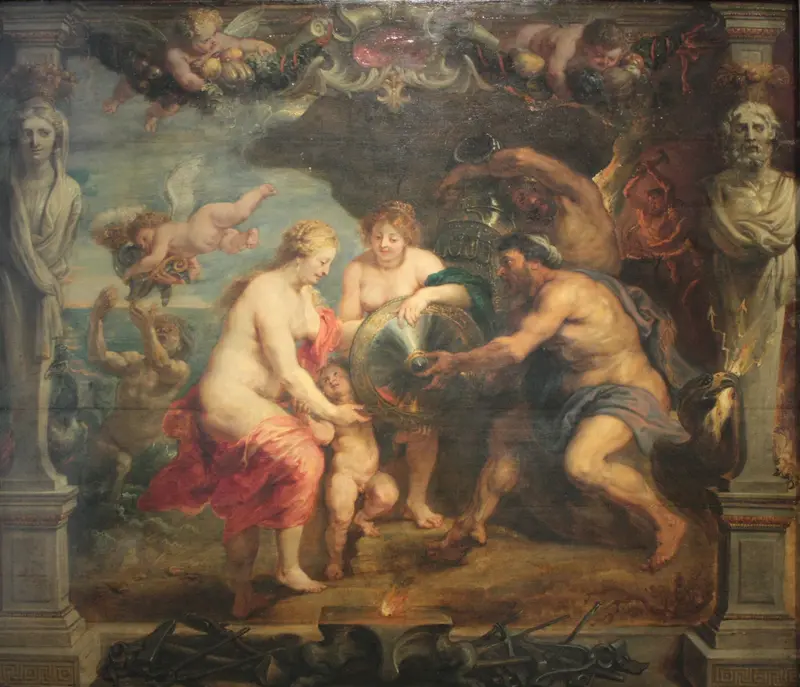
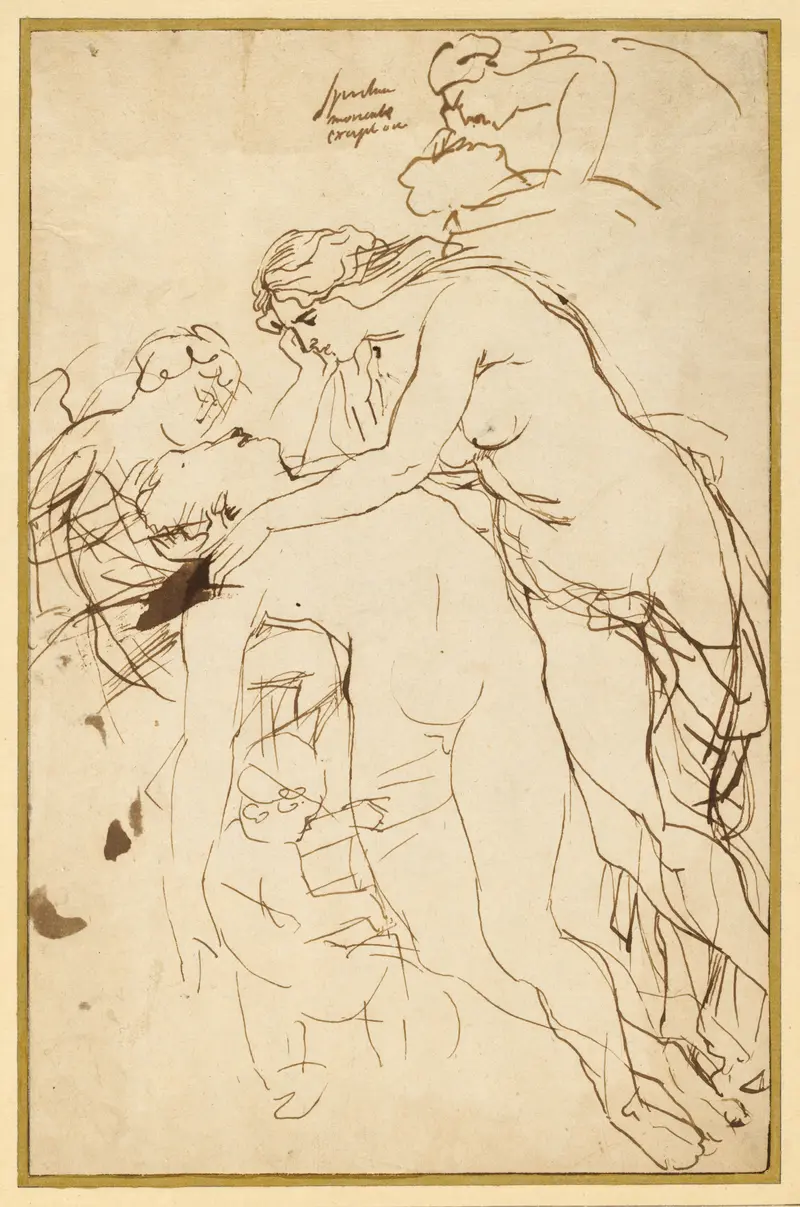
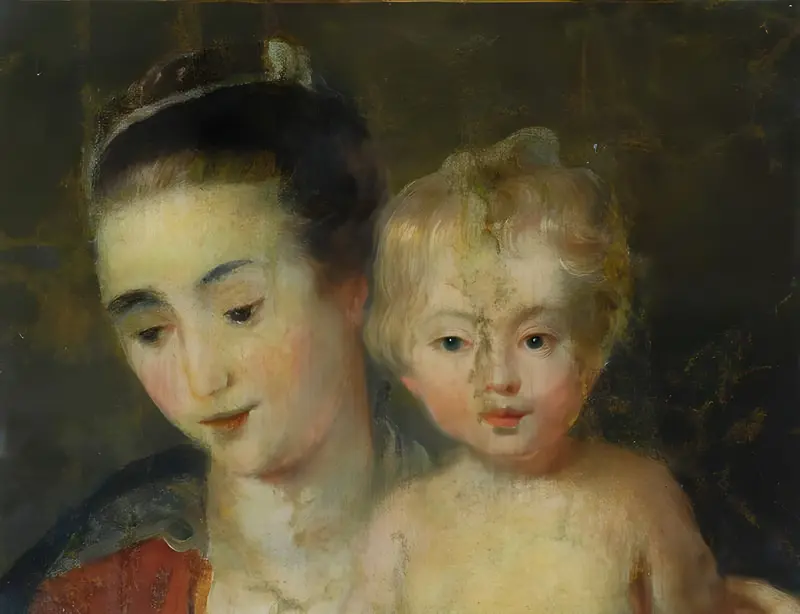
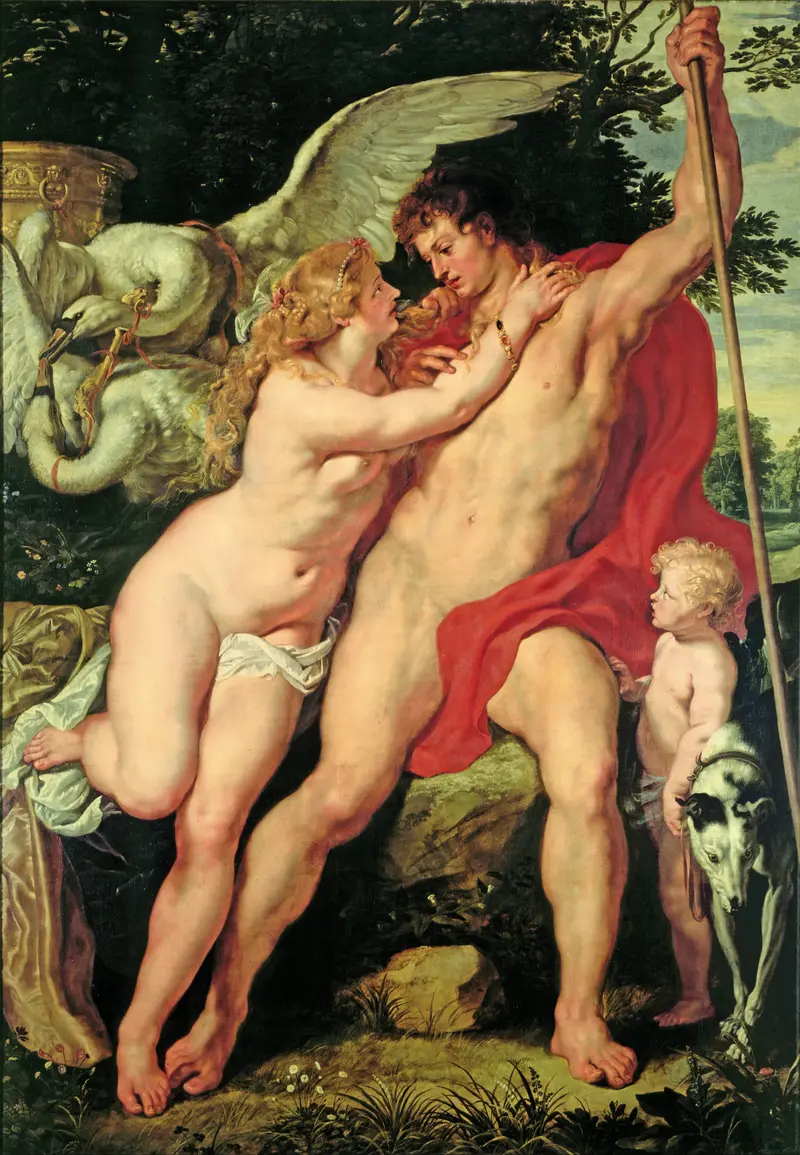
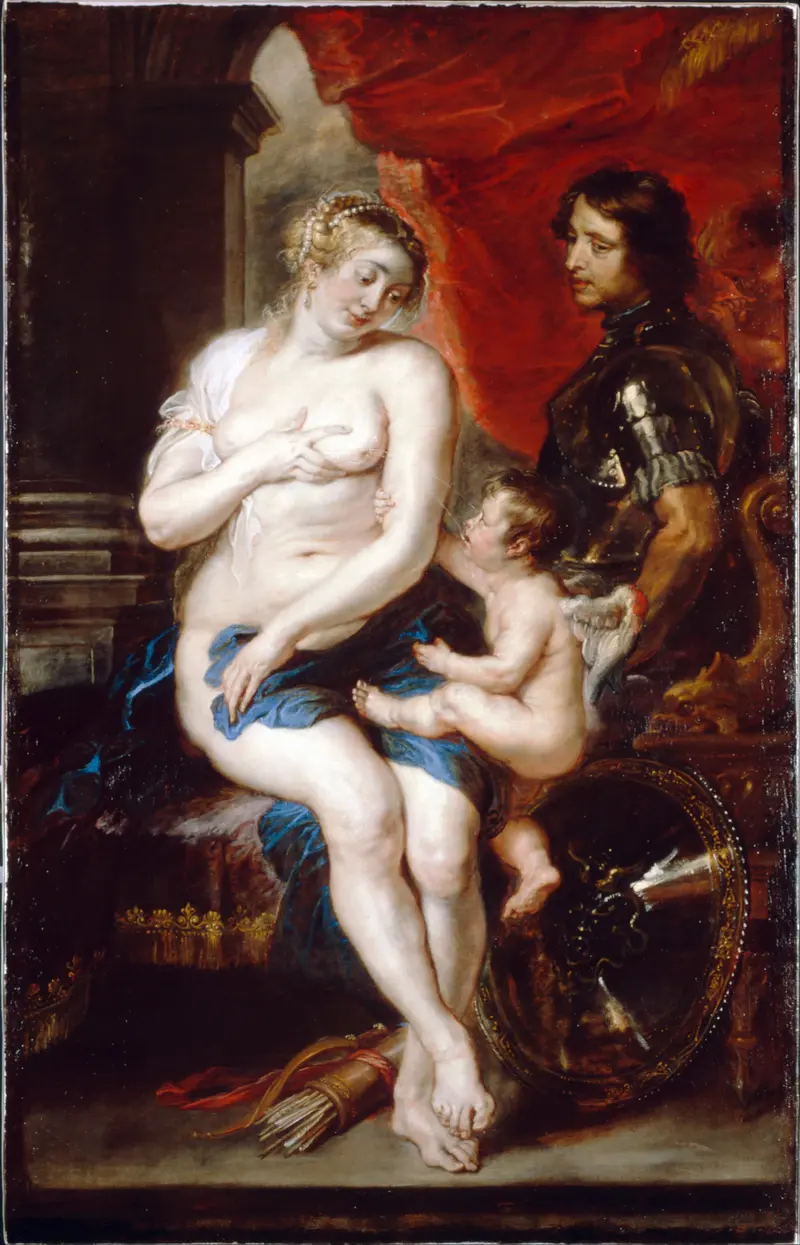
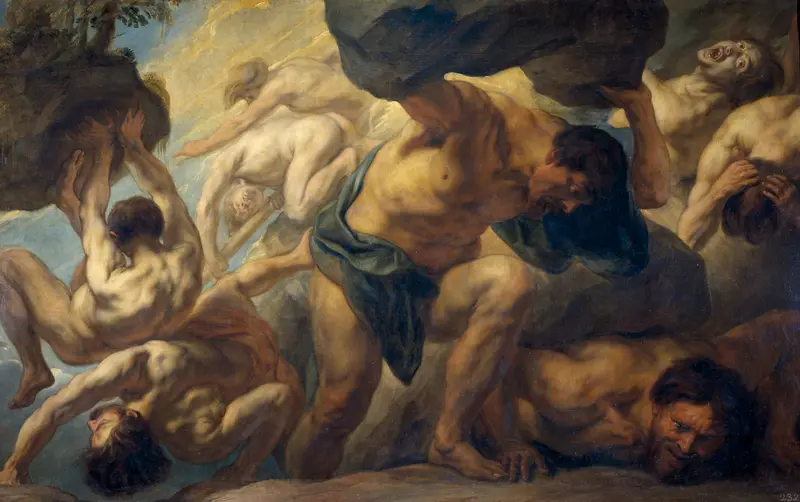

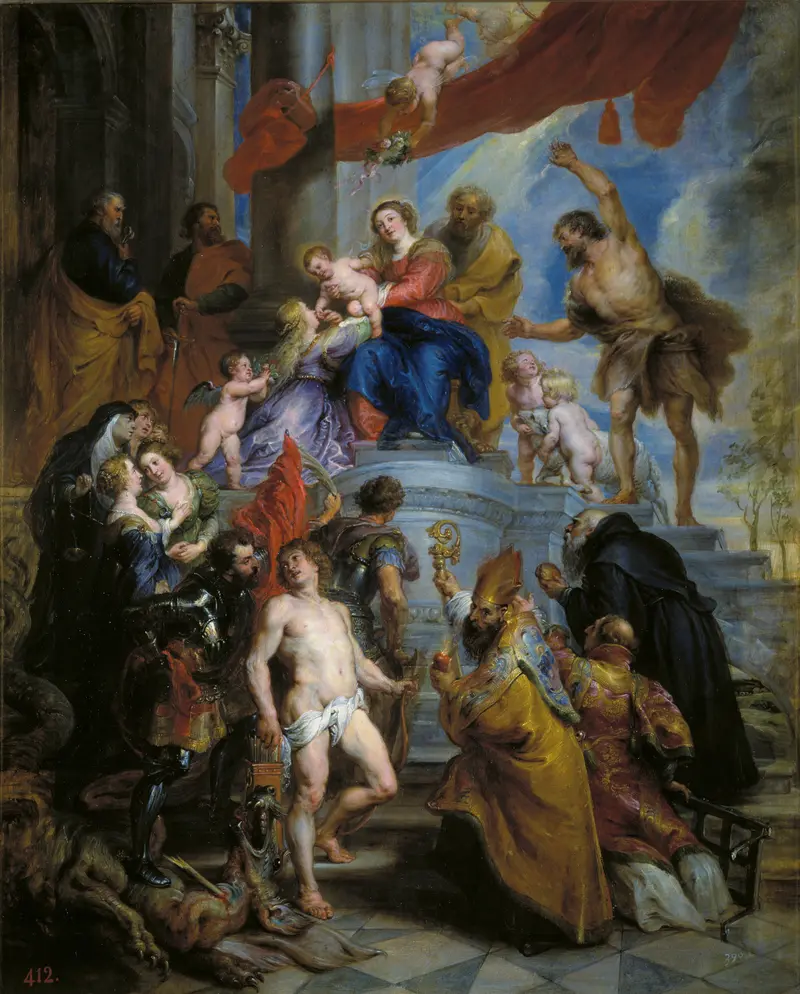
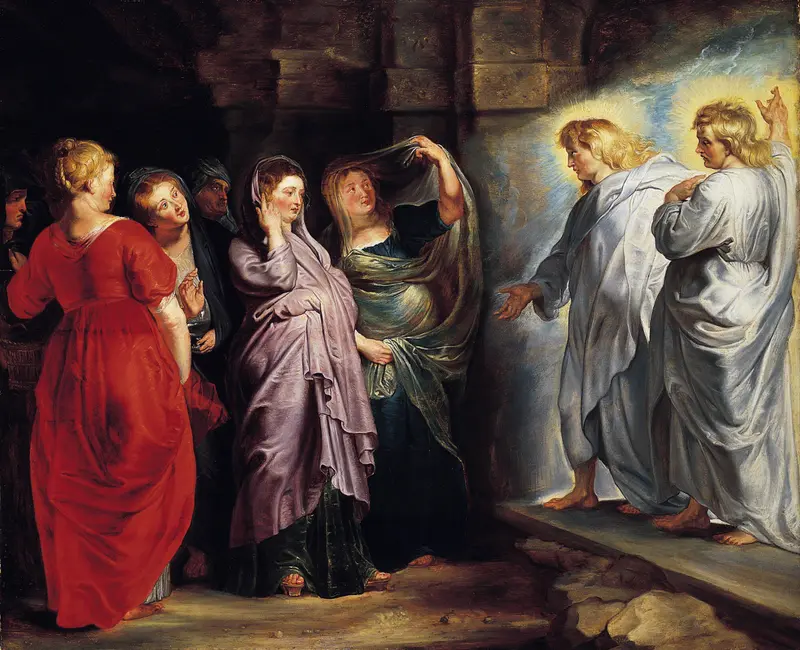
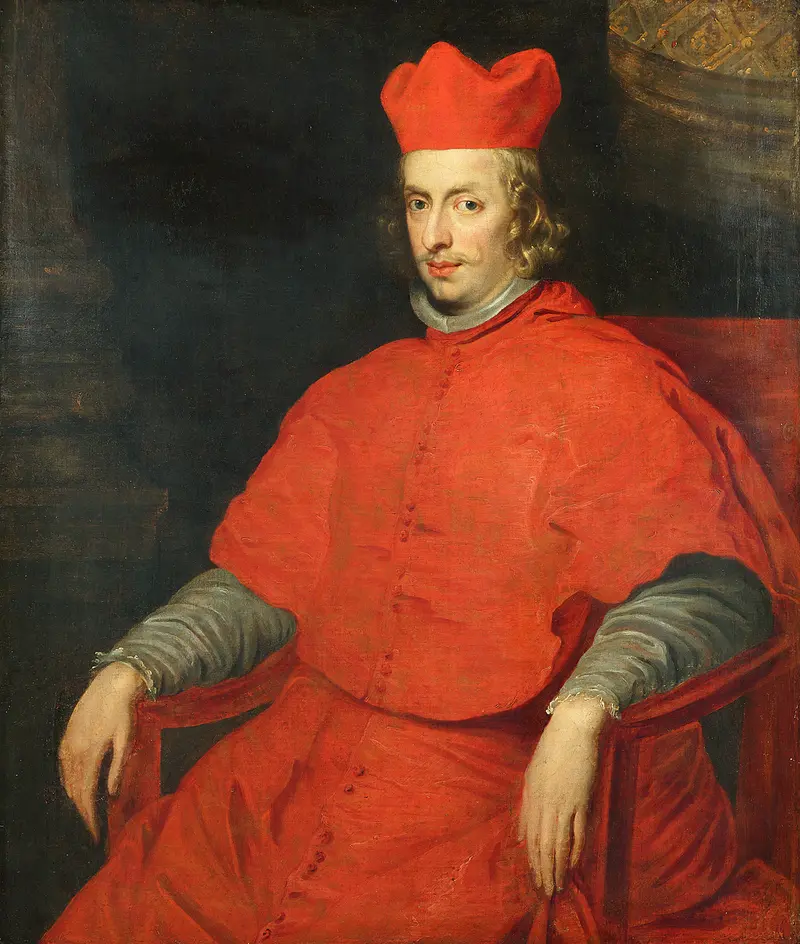

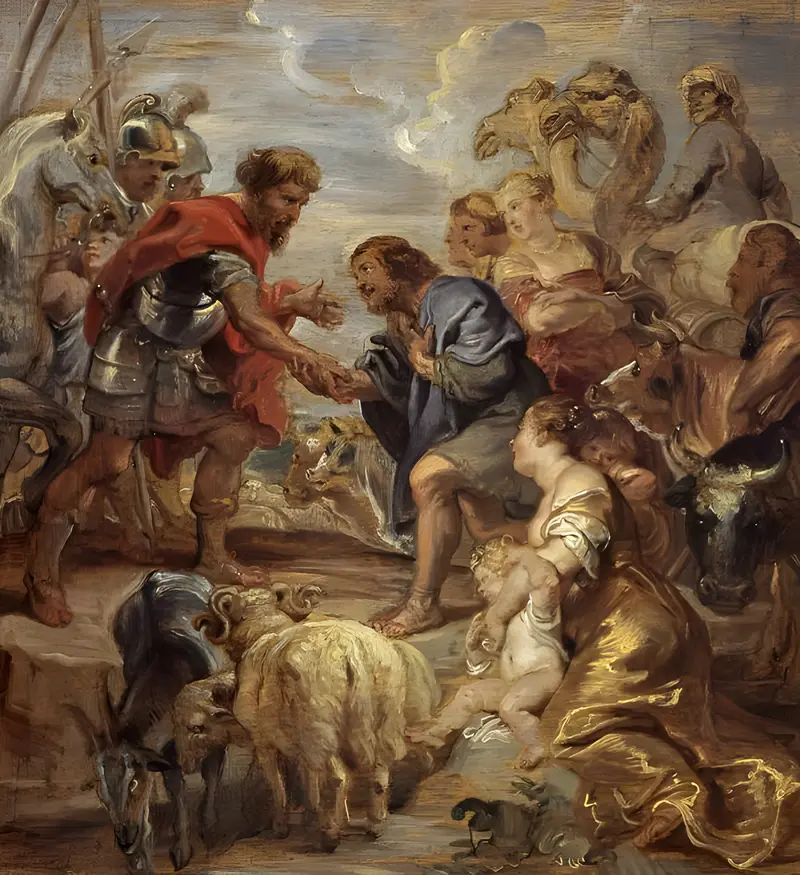



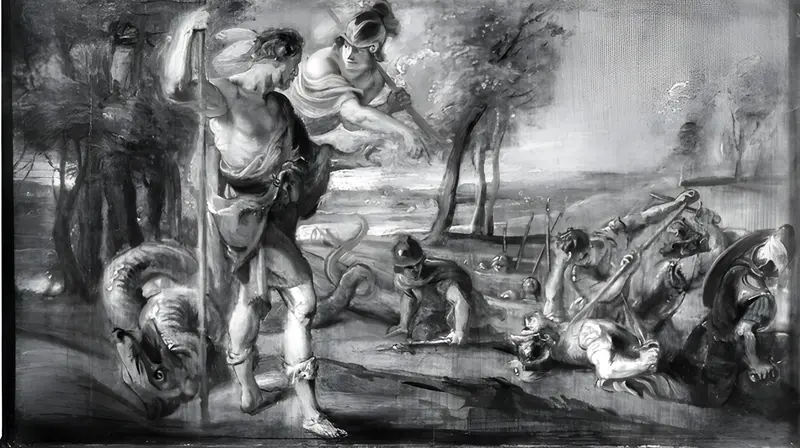
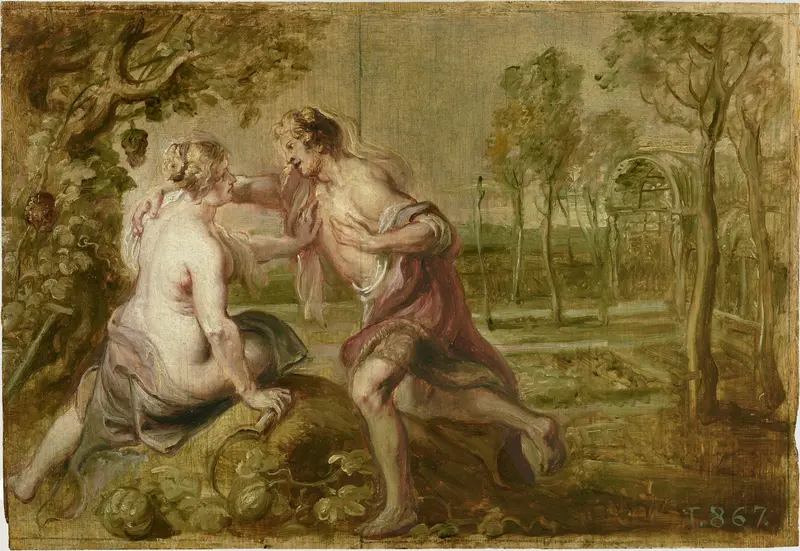



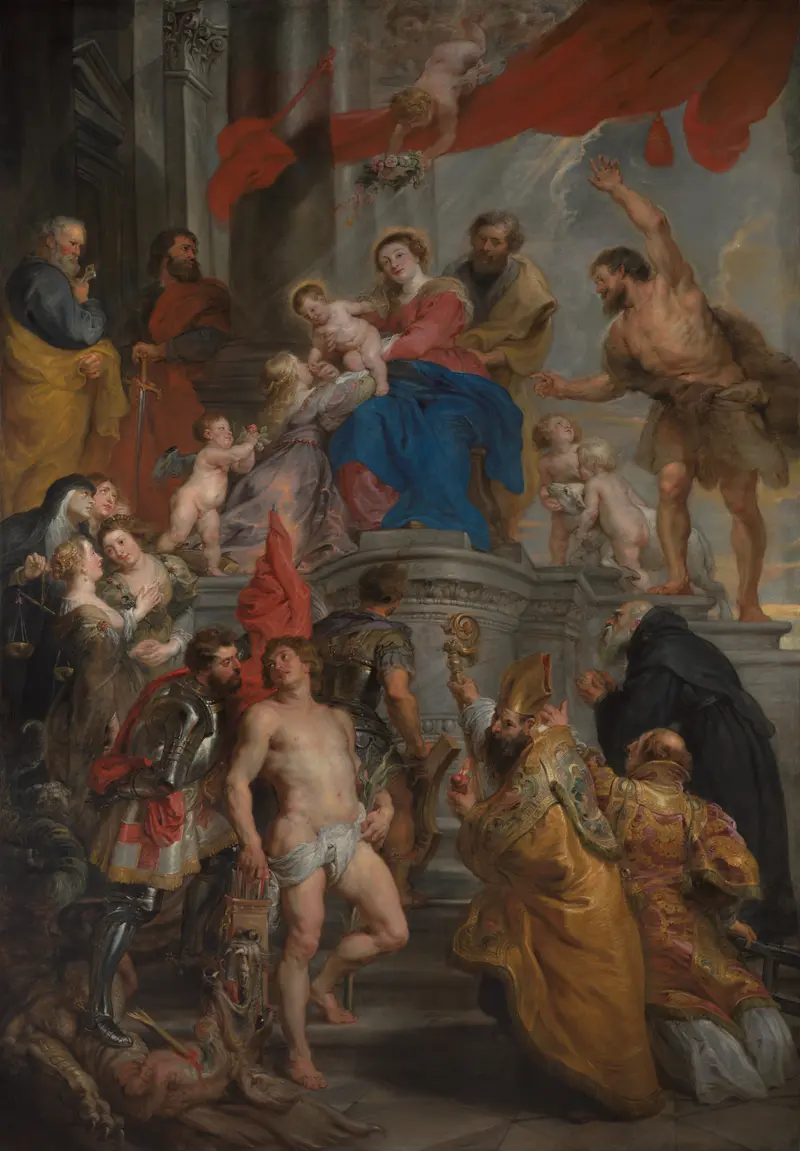






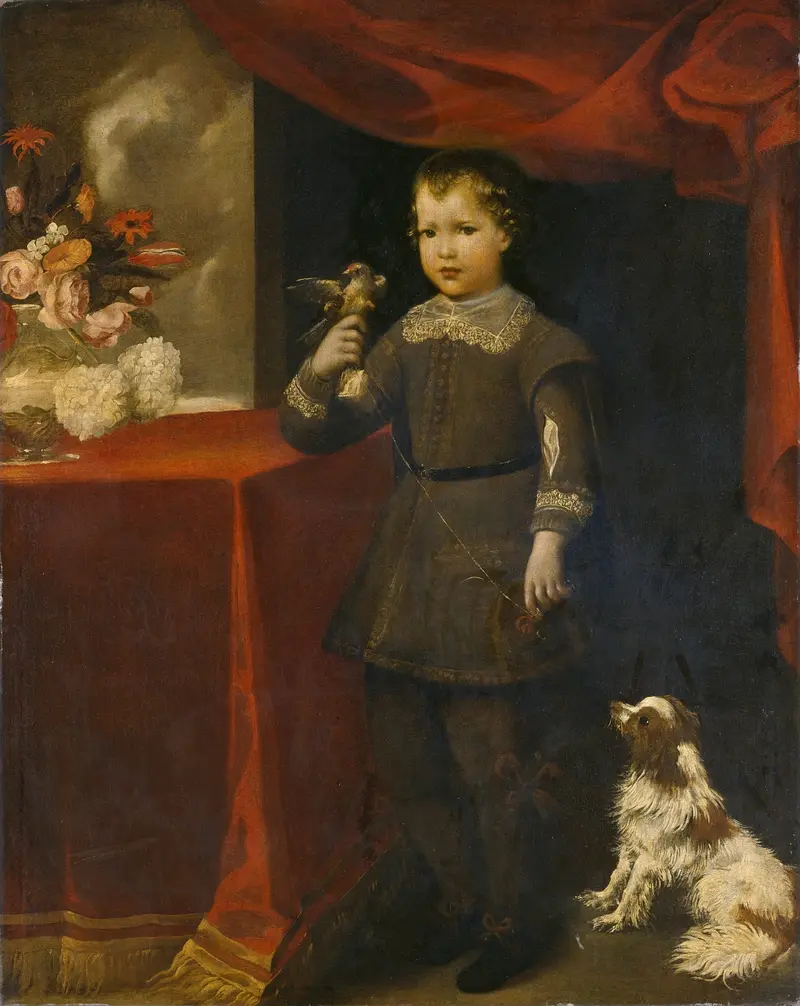


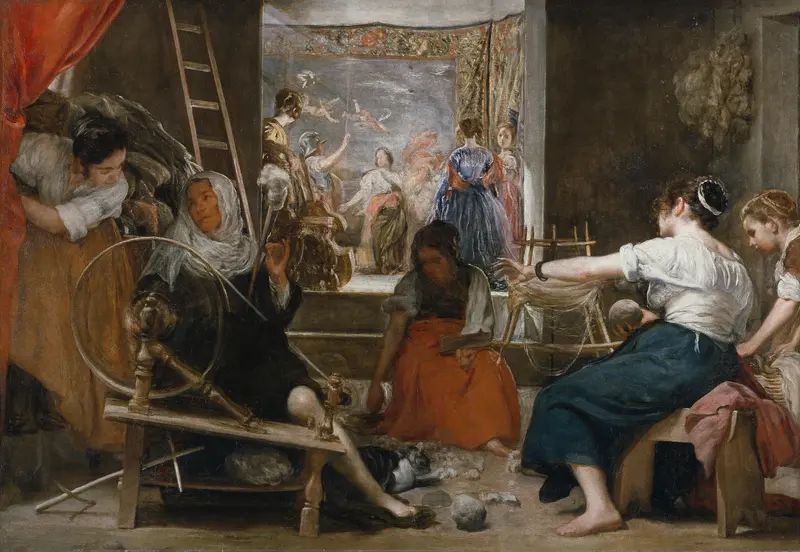
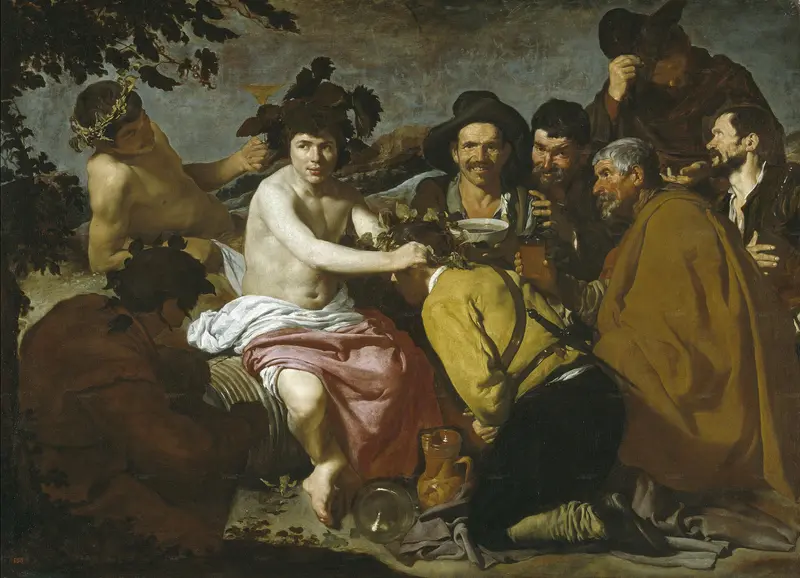
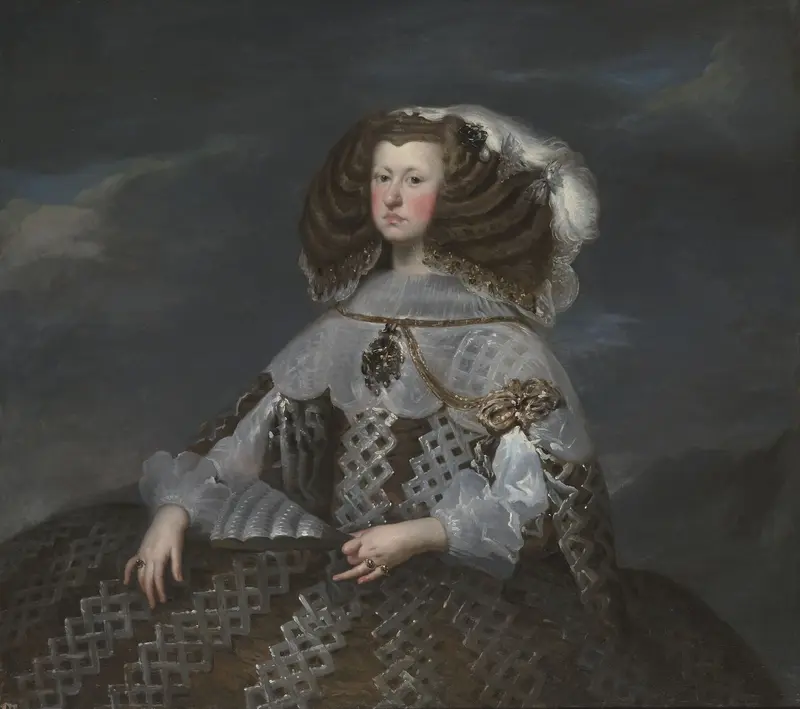
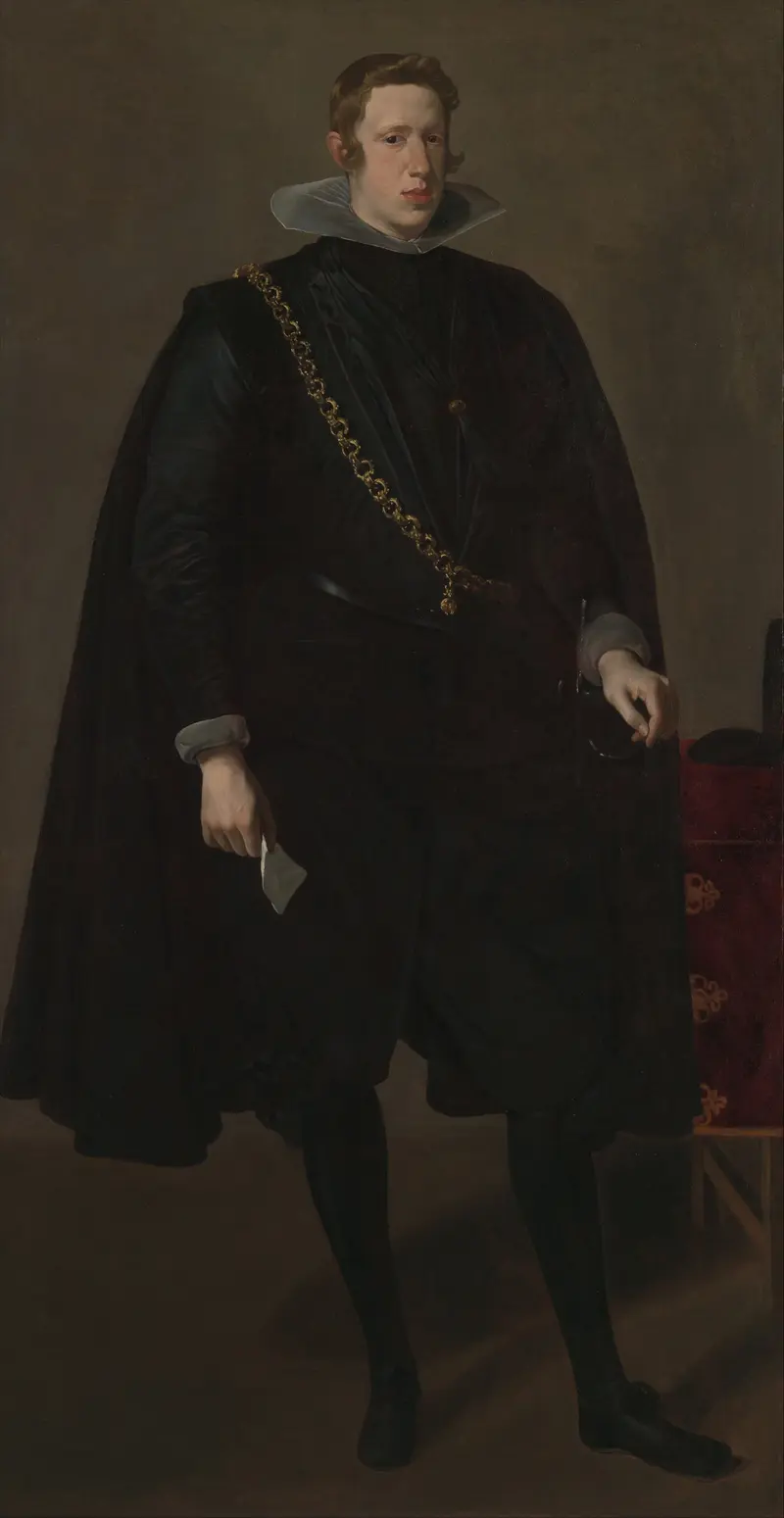
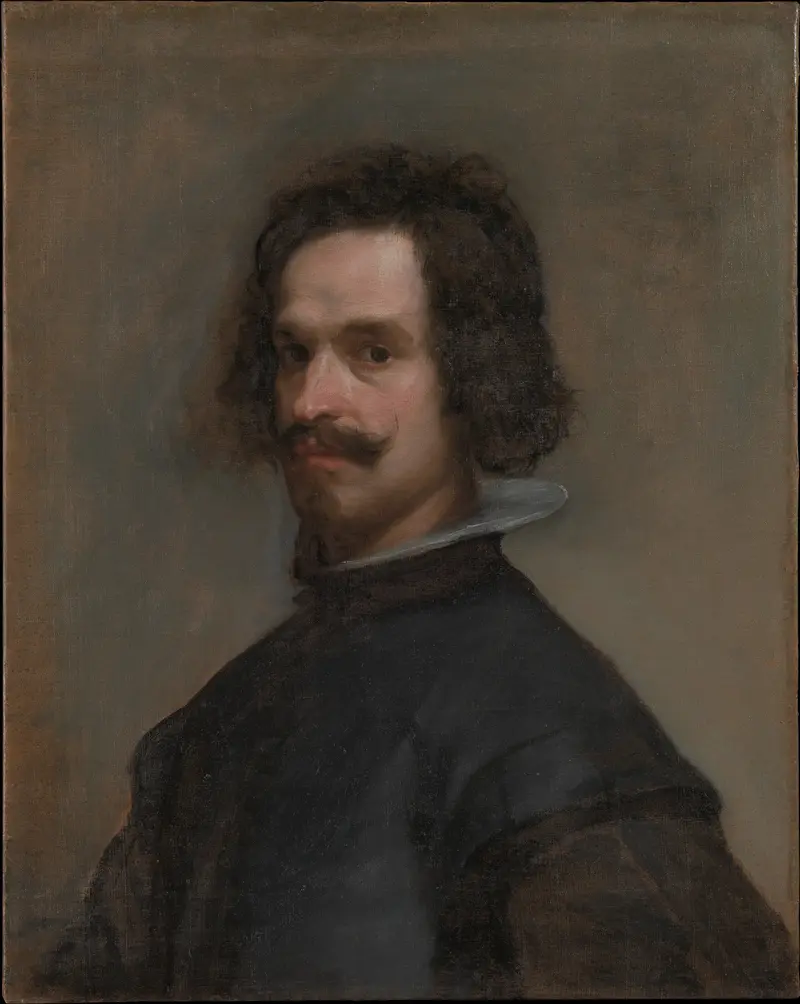

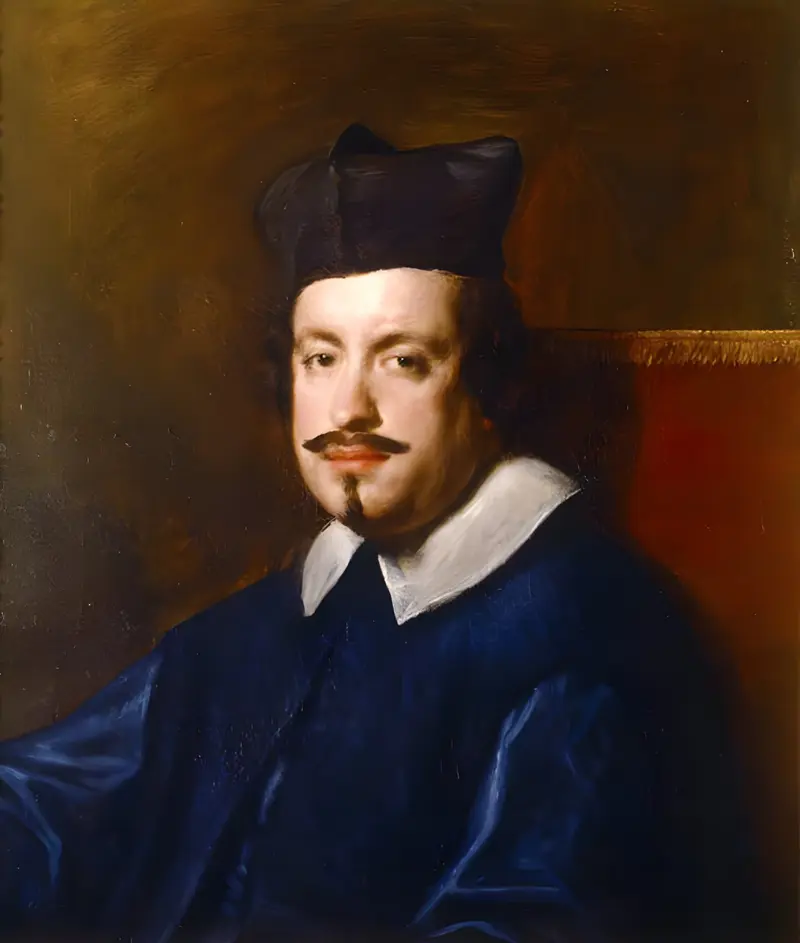
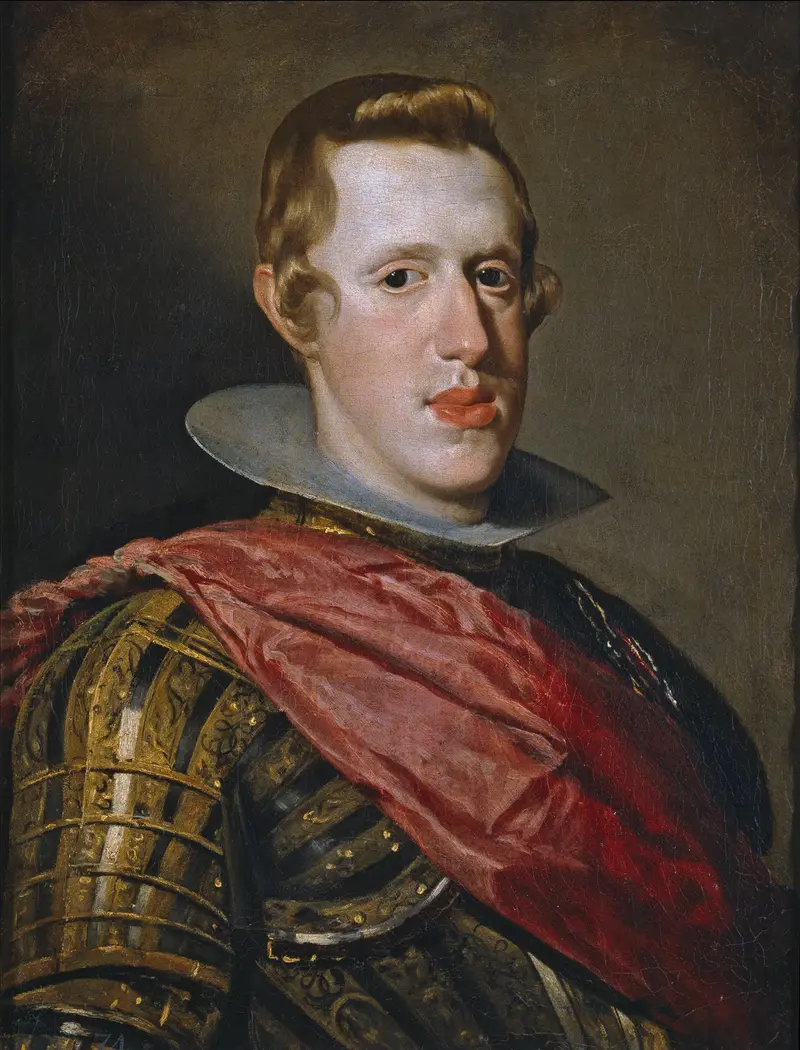
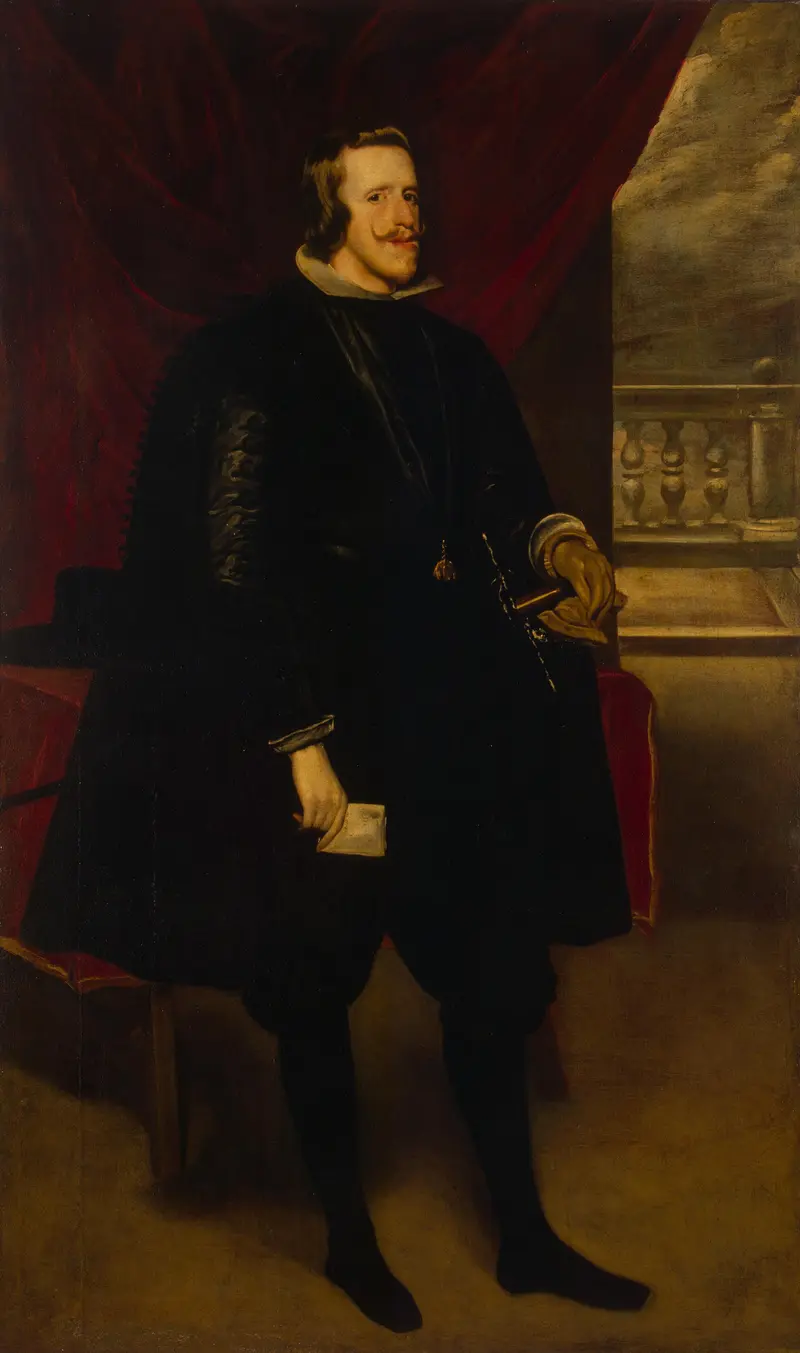
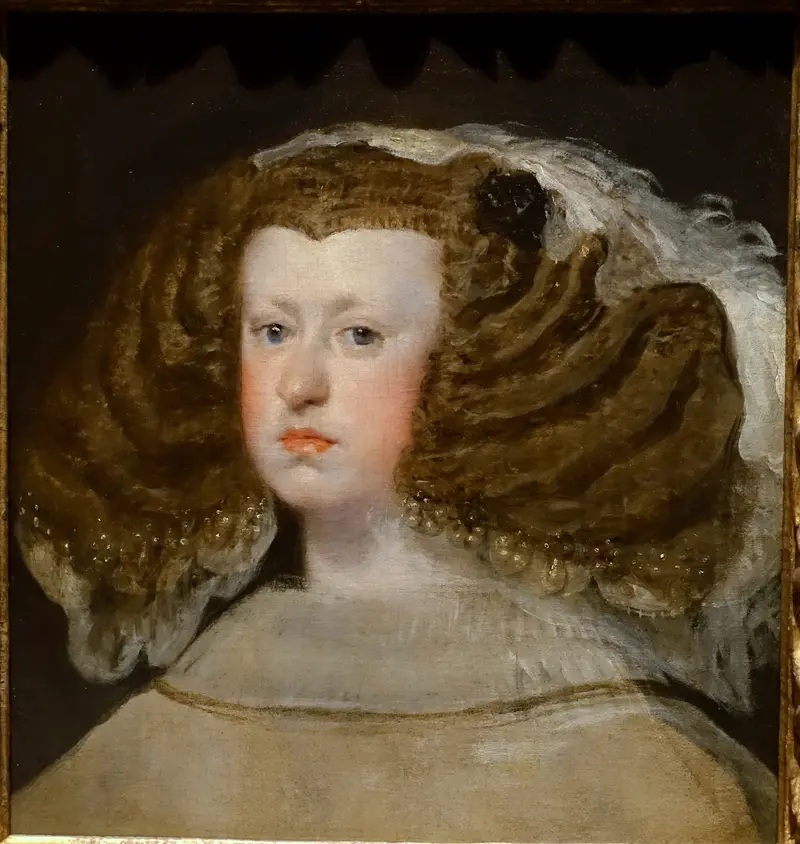
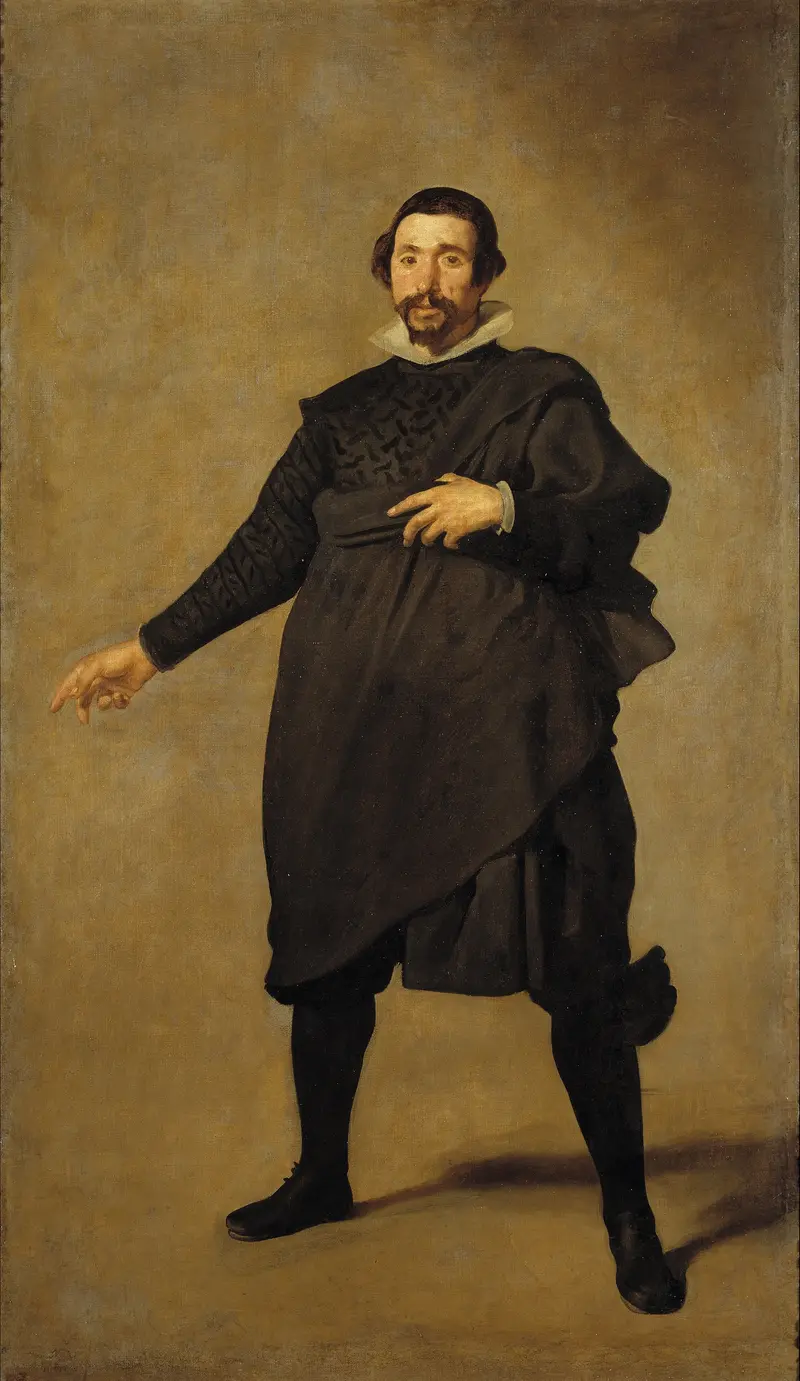
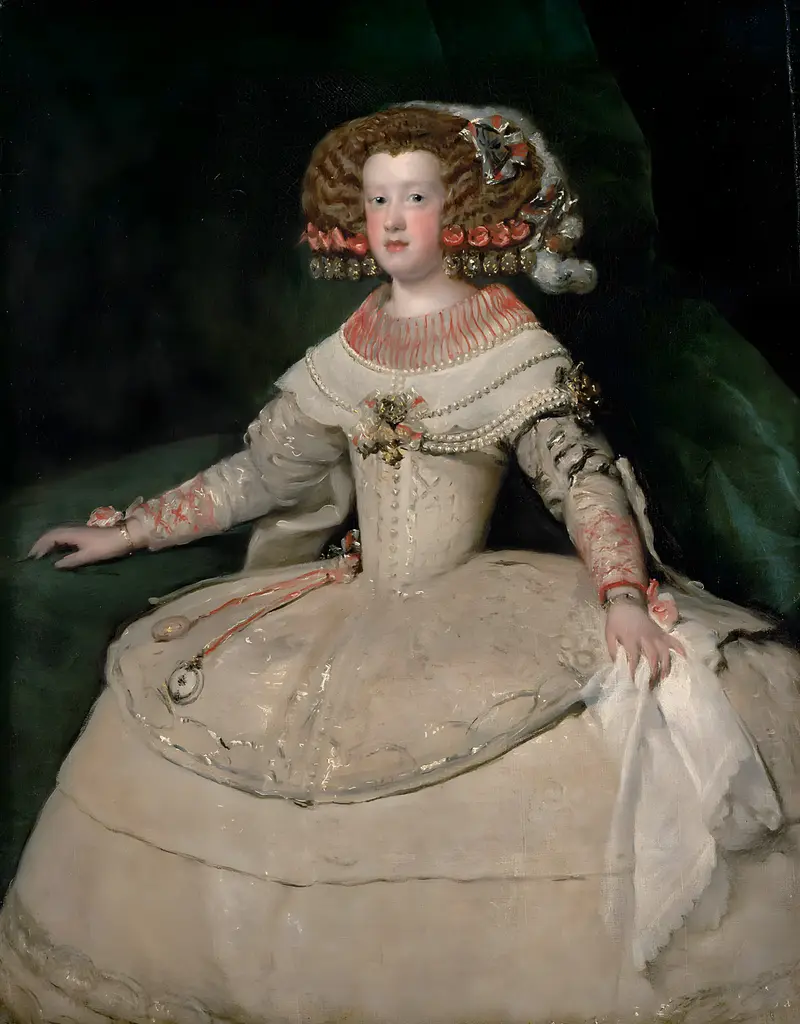
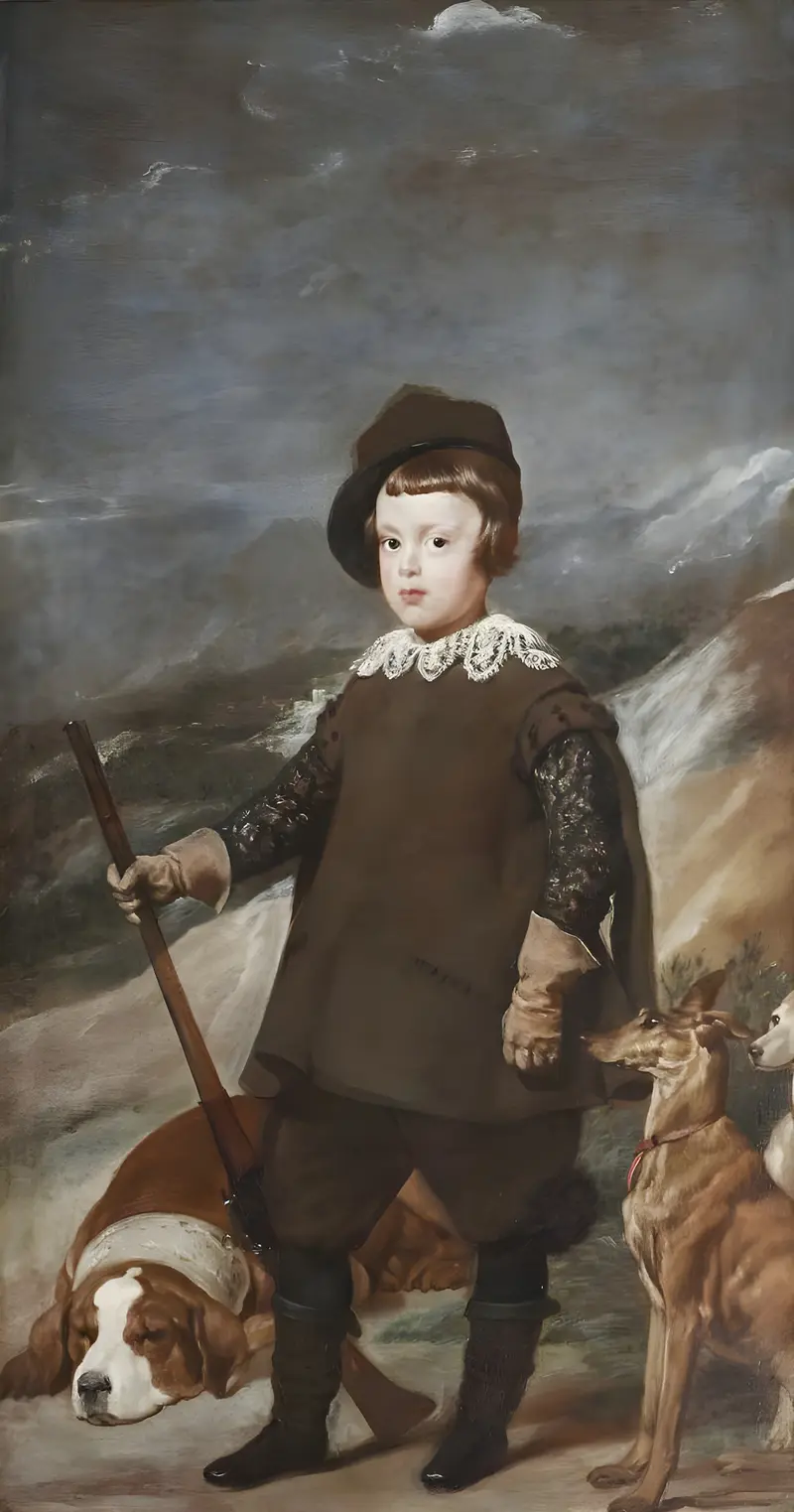
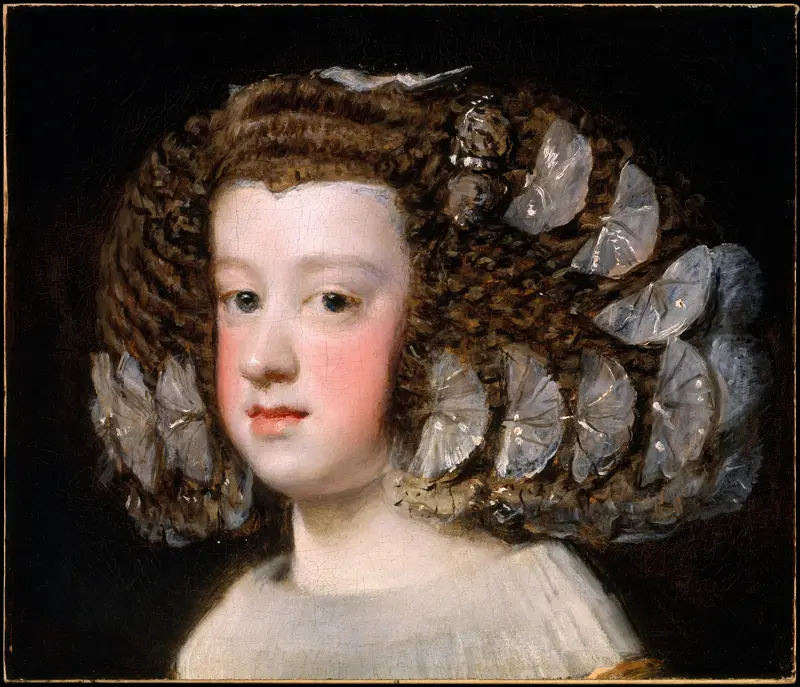
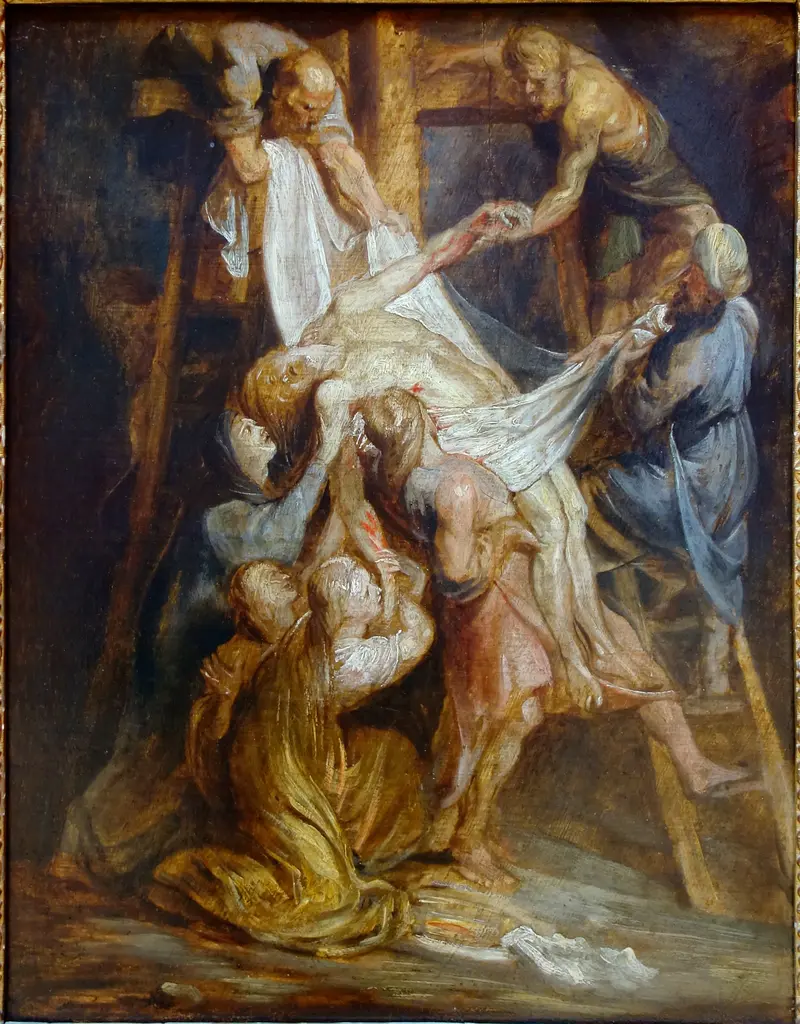
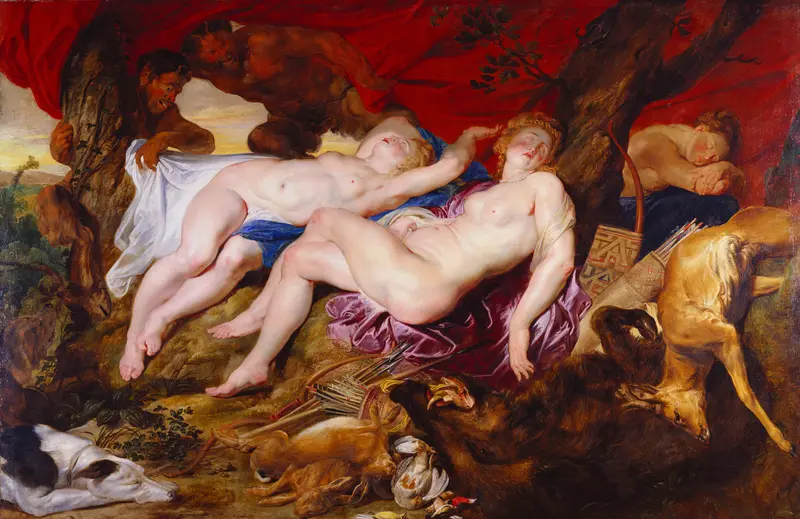
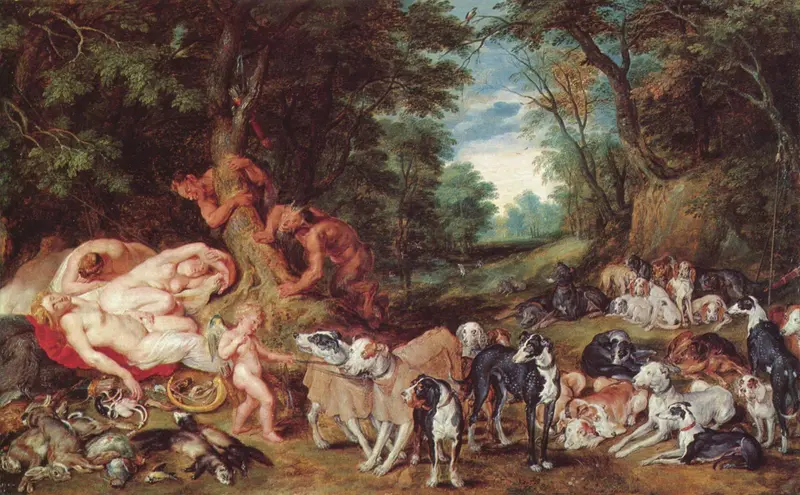
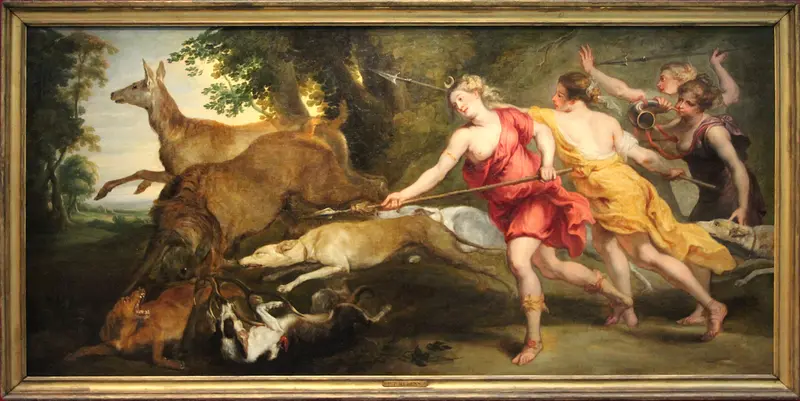
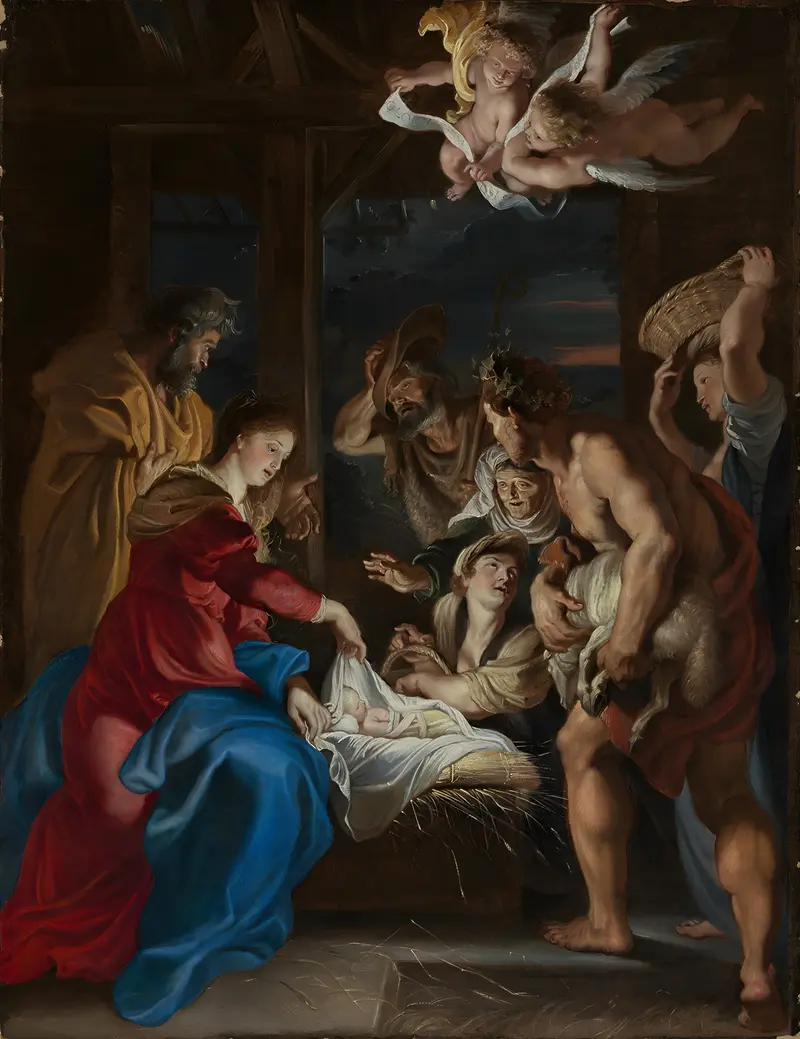
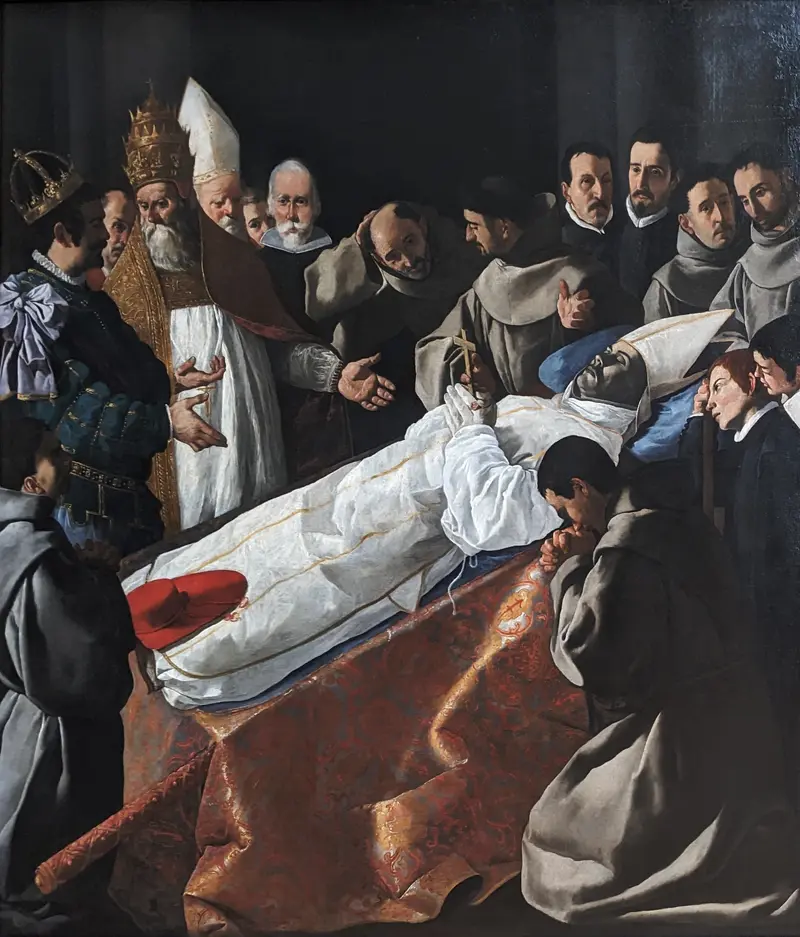
Famous Baroque paintings
The best-known paintings of the Baroque era. Click any painting to see it up close and download it free.
 Las MeninasDiego Velázquez
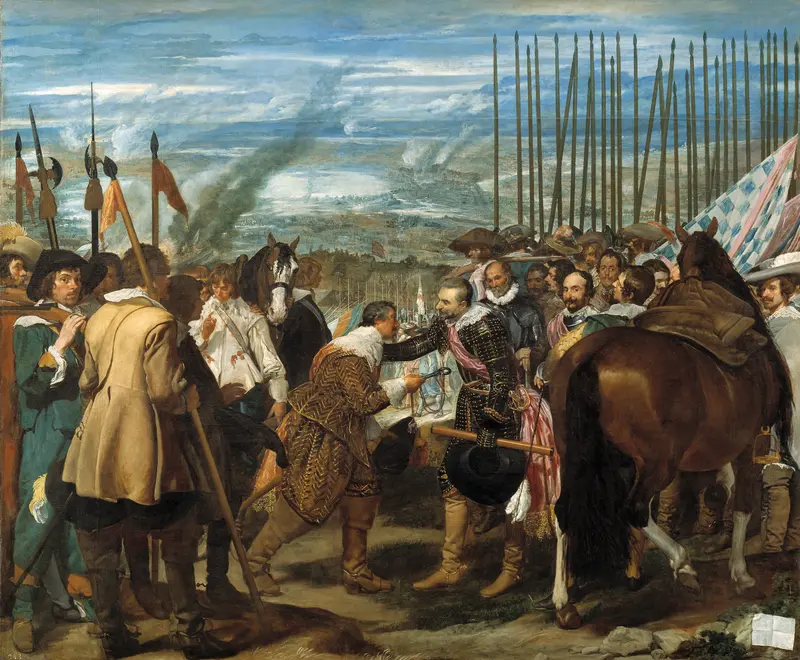 The Surrender of BredaDiego Velázquez
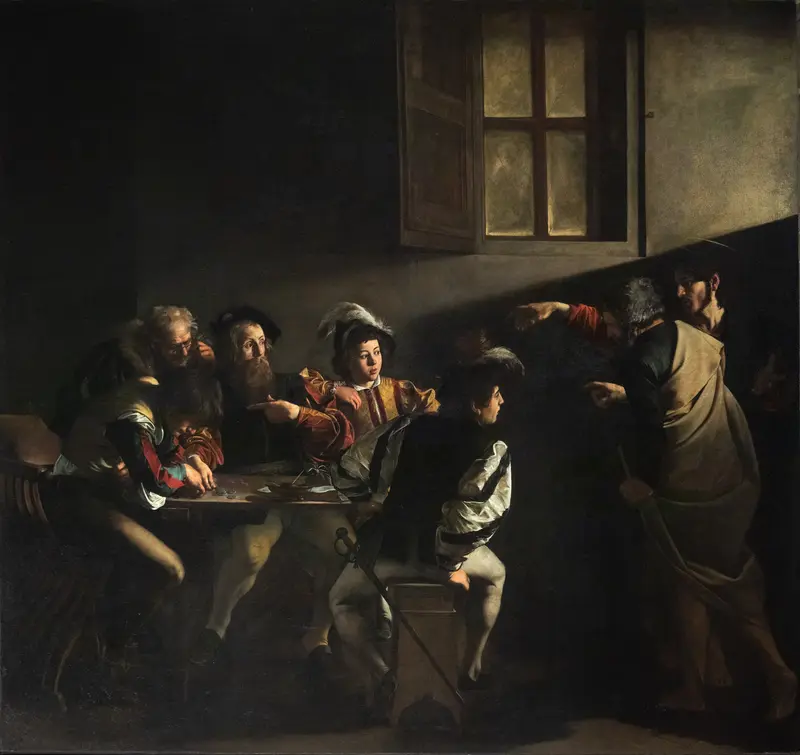 The Calling of Saint MatthewCaravaggio
 The Rokeby VenusDiego Velázquez
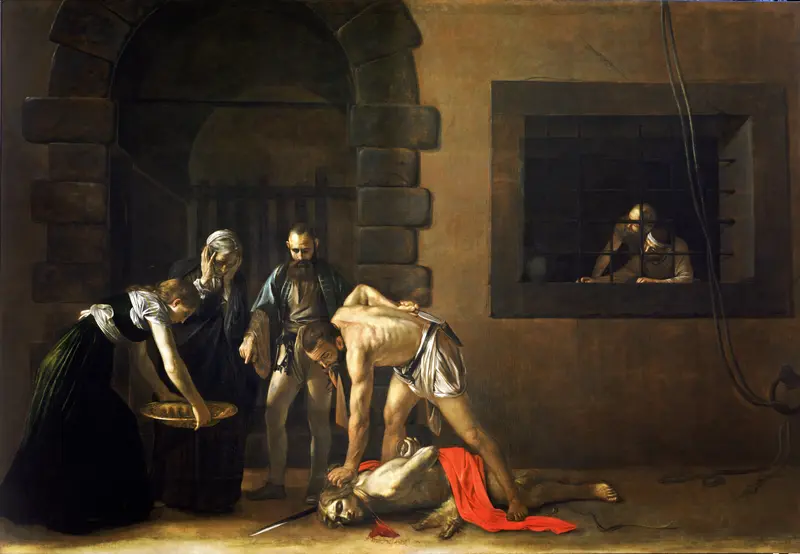 The Beheading of Saint John the BaptistCaravaggio
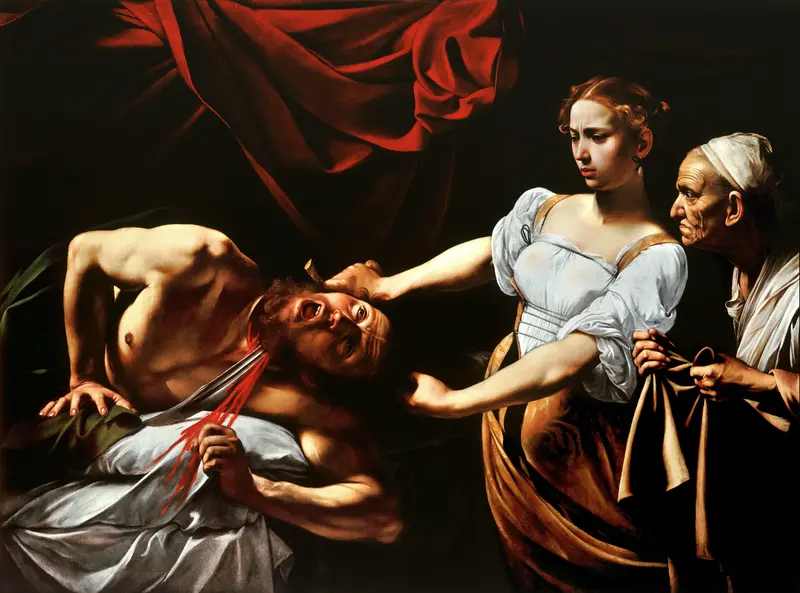 Judith Beheading HolofernesCaravaggio
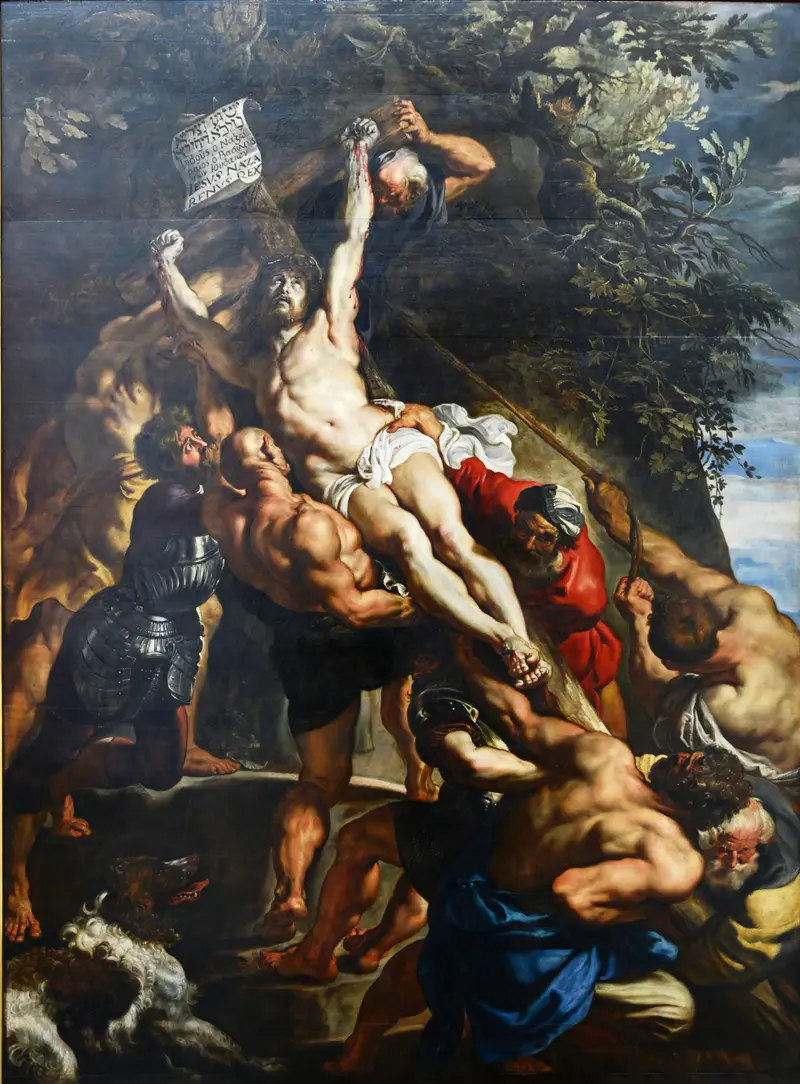 The Elevation of the CrossPeter Paul Rubens
 Judith Slaying HolofernesArtemisia Gentileschi
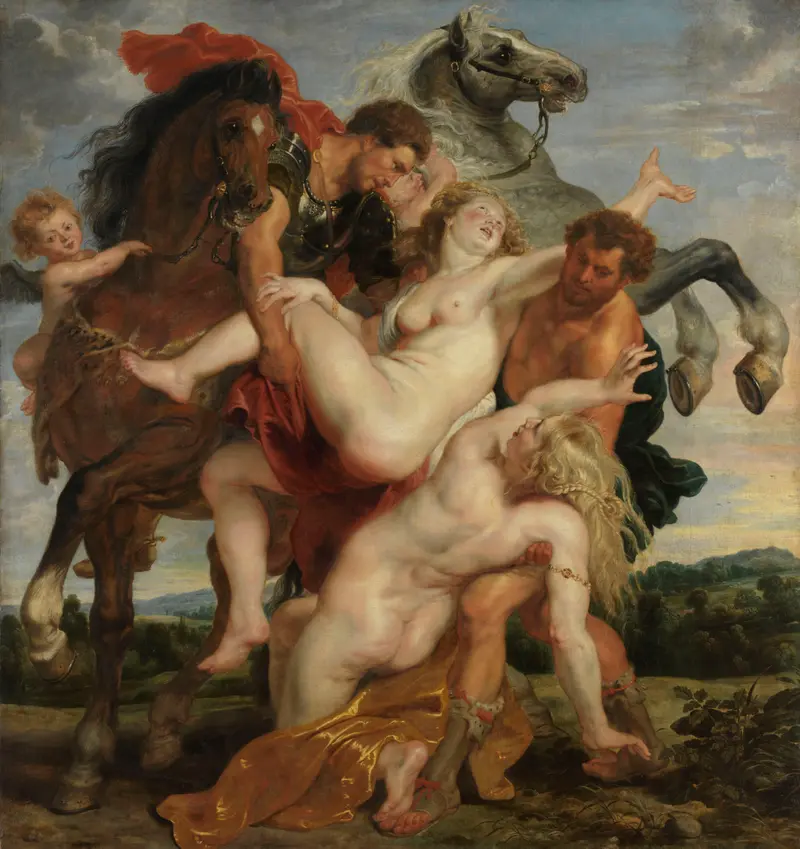 The Rape of the Daughters of LeucippusPeter Paul Rubens
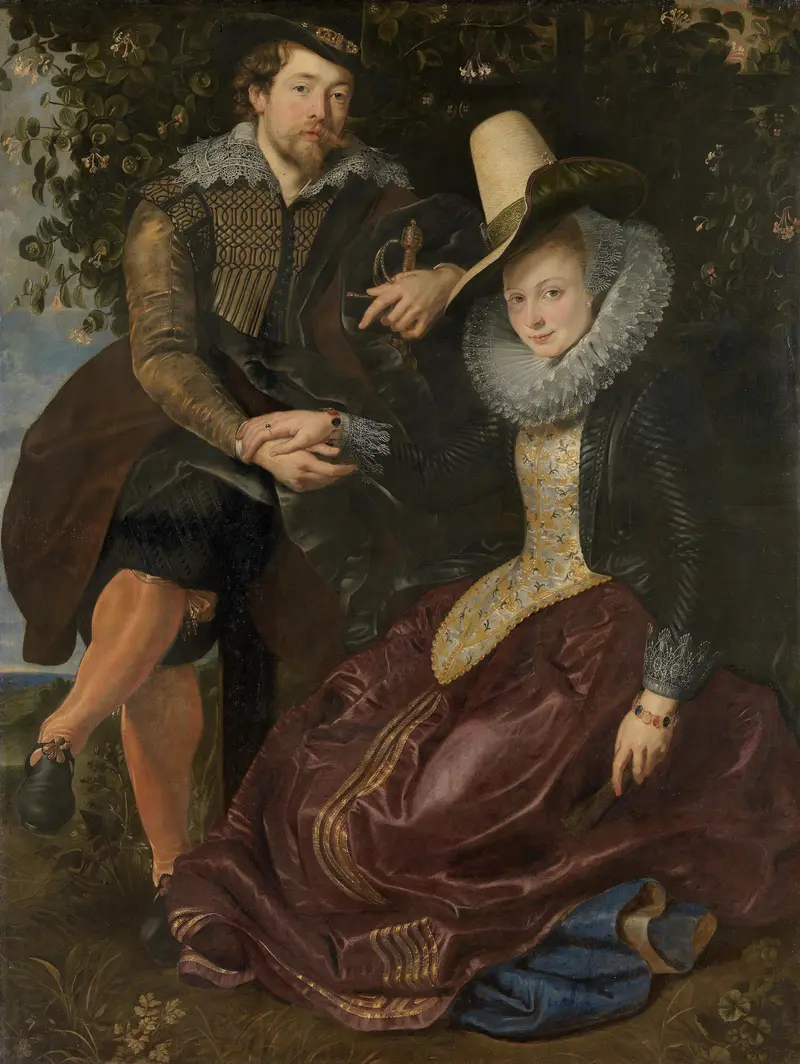 Rubens and Isabella Brant in the Honeysuckle BowerPeter Paul Rubens
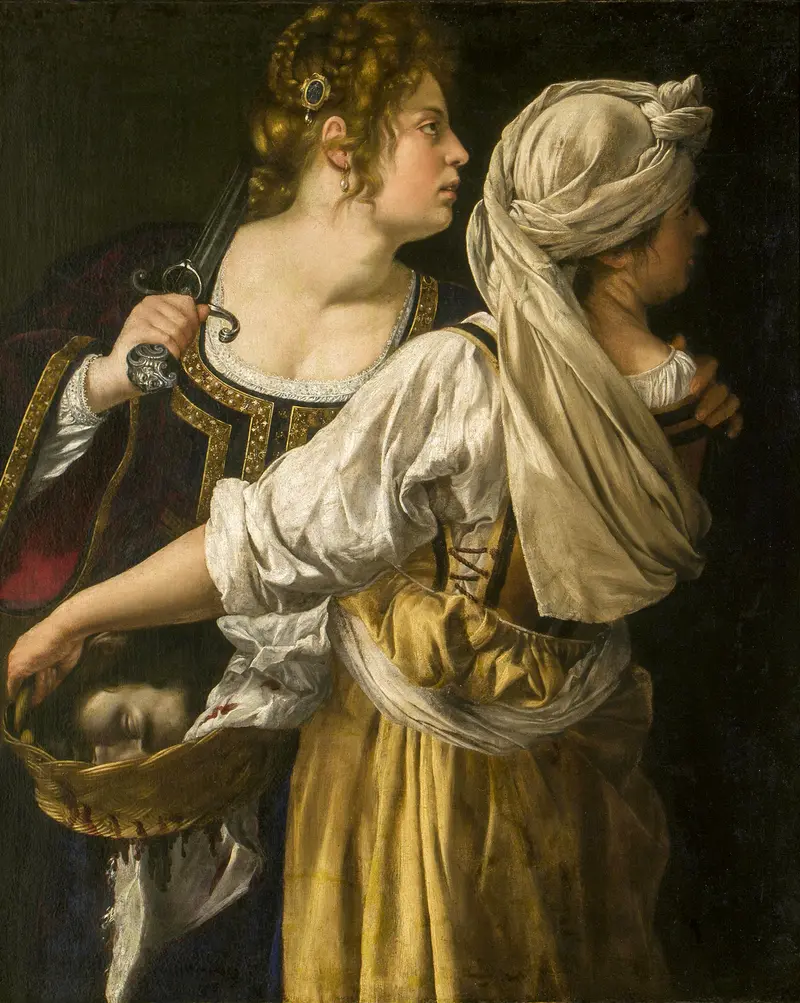 Judith and Her MaidservantArtemisia Gentileschi
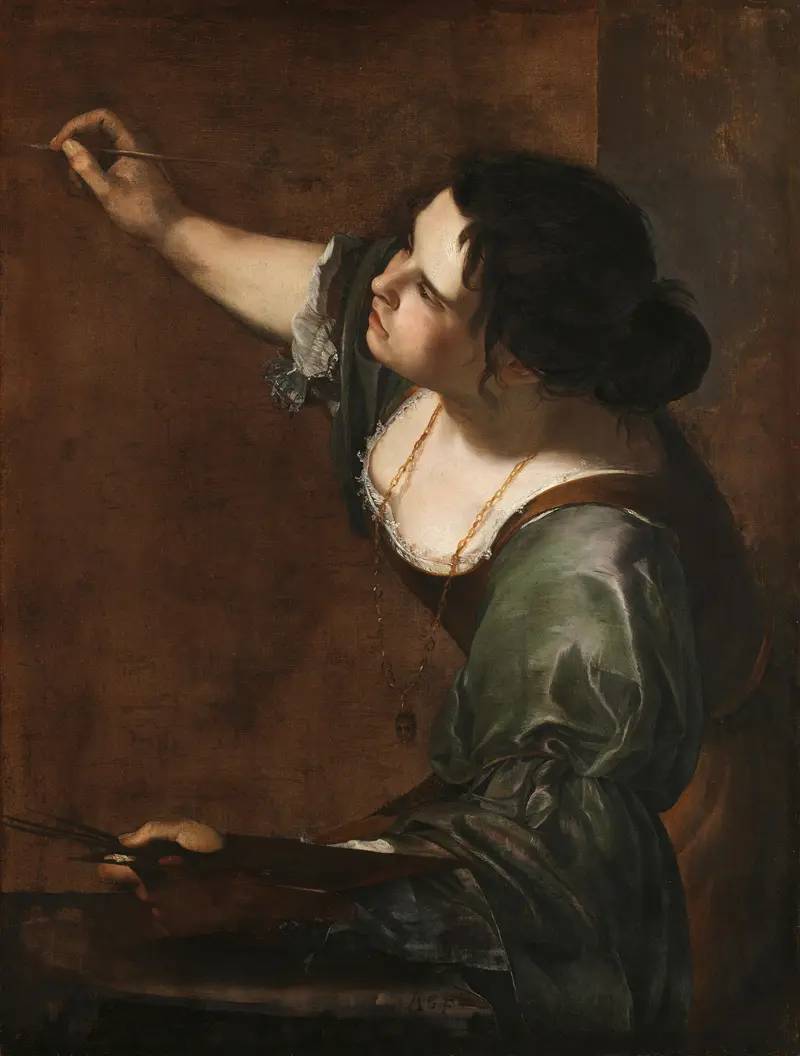 Self-Portrait as the Allegory of PaintingArtemisia Gentileschi
Famous Baroque artists
Ten Baroque painters at the heart of the movement, from Caravaggio and Artemisia Gentileschi in Italy to Rubens in Antwerp and Velázquez in Madrid. Each link opens all their paintings.
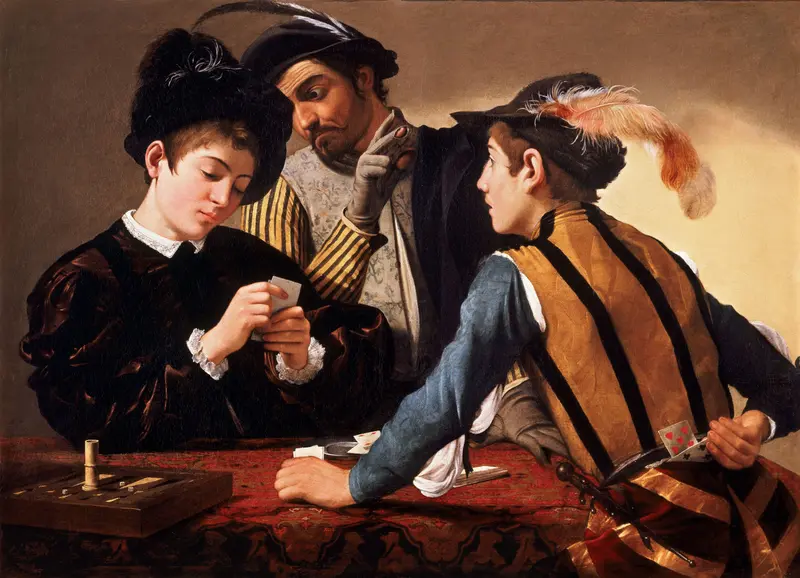 Caravaggio1571–1610. Moved to Rome in 1592; his dramatic, almost theatrical lighting and his ordinary working people as saints made him controversial, popular and hugely influential across Europe.
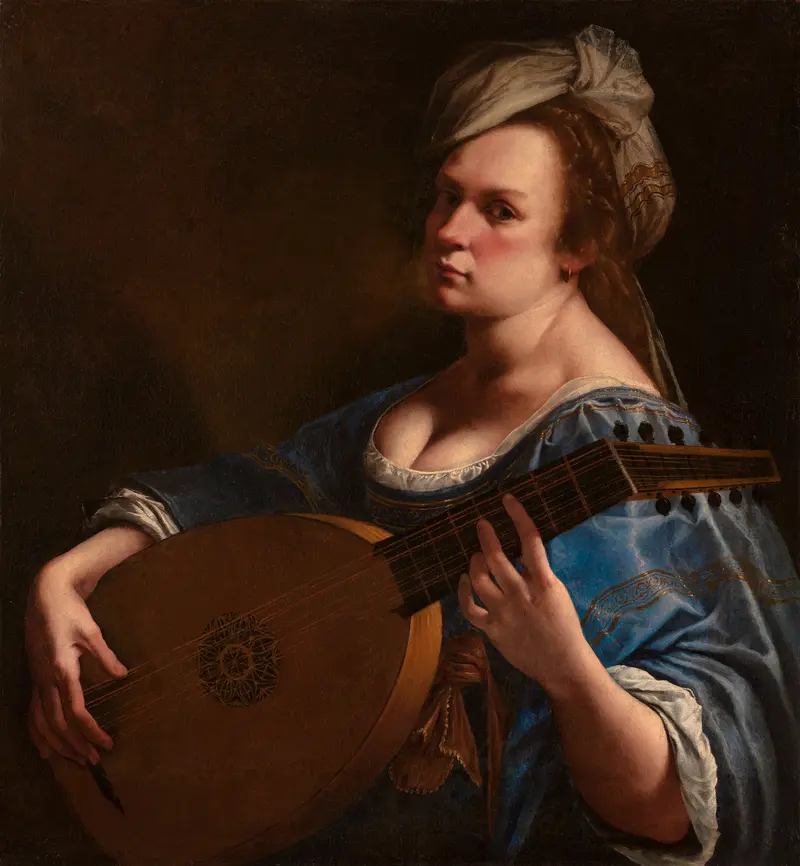 Artemisia Gentileschi1593–1654 or later. The most celebrated female painter of the 17th century, says the National Gallery in London; she worked in Rome, Florence, Venice, Naples and London.
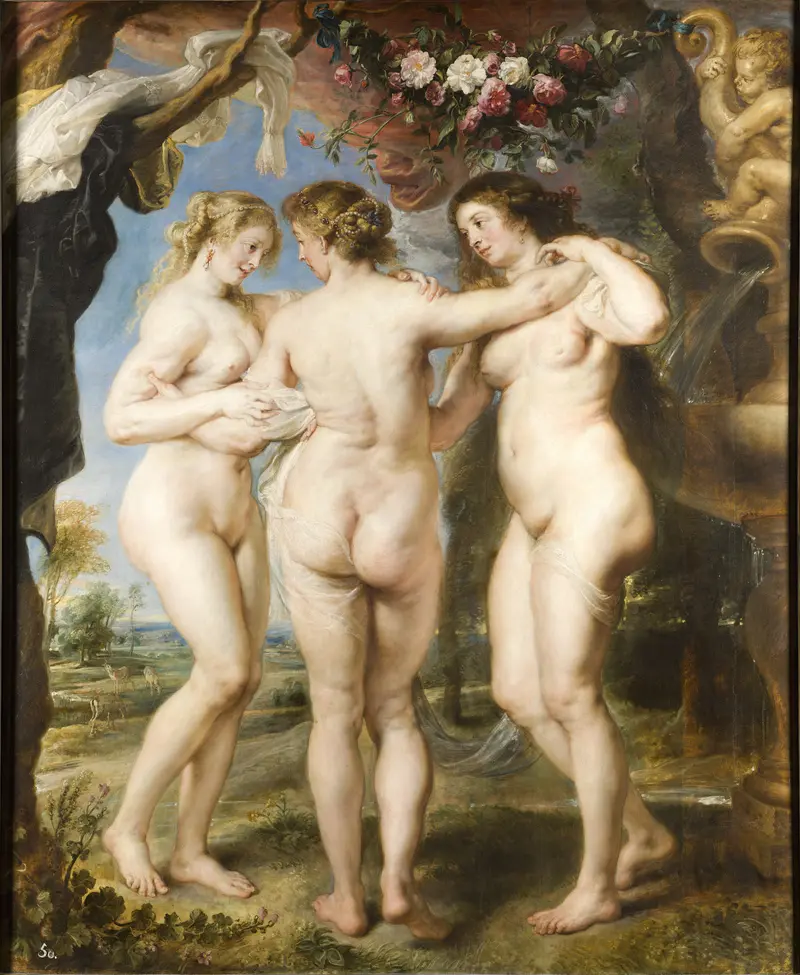 Peter Paul Rubens1577–1640. Court painter in Antwerp from 1609 and a diplomat; his large workshop's major business was altarpieces, and he painted the Banqueting House ceiling in London for Charles I.
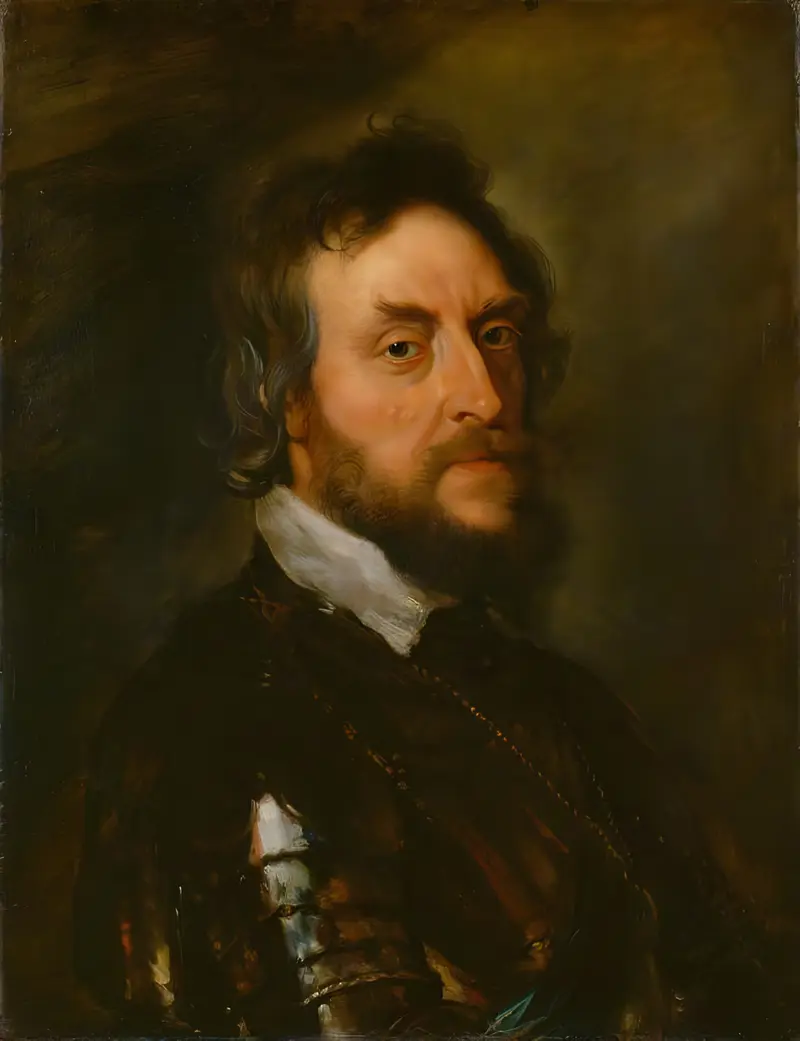
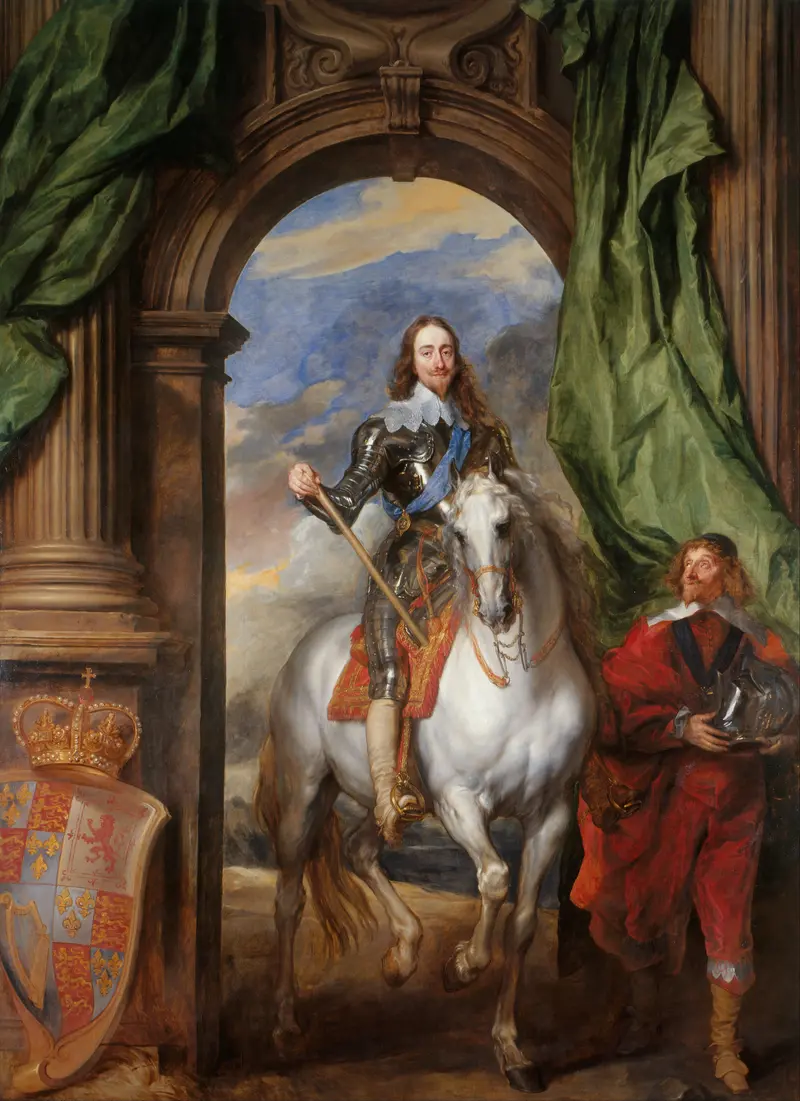 Anthony van Dyck1599–1641. Rubens's great pupil, Tate says, and Charles I's court painter from 1632; his portraits of the king and his family set a new standard for English portraiture.
 Diego Velázquez1599–1660. Born in Seville and court painter to Philip IV from 1623, he responded early to Caravaggio's dark, dramatic style and painted himself at work in Las Meninas.
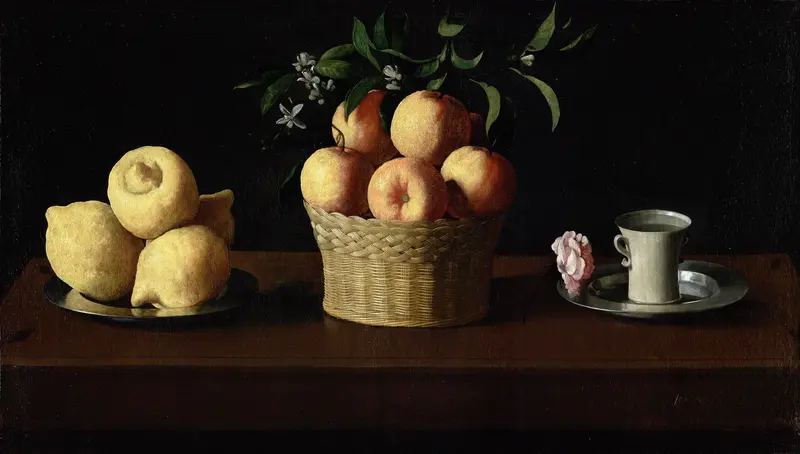 Francisco de Zurbarán1598–1664. The leading painter in Seville between Velázquez's move to Madrid in 1623 and Murillo's rise in the 1650s; his direct, intensely spiritual pictures owe much to Caravaggio's realism.
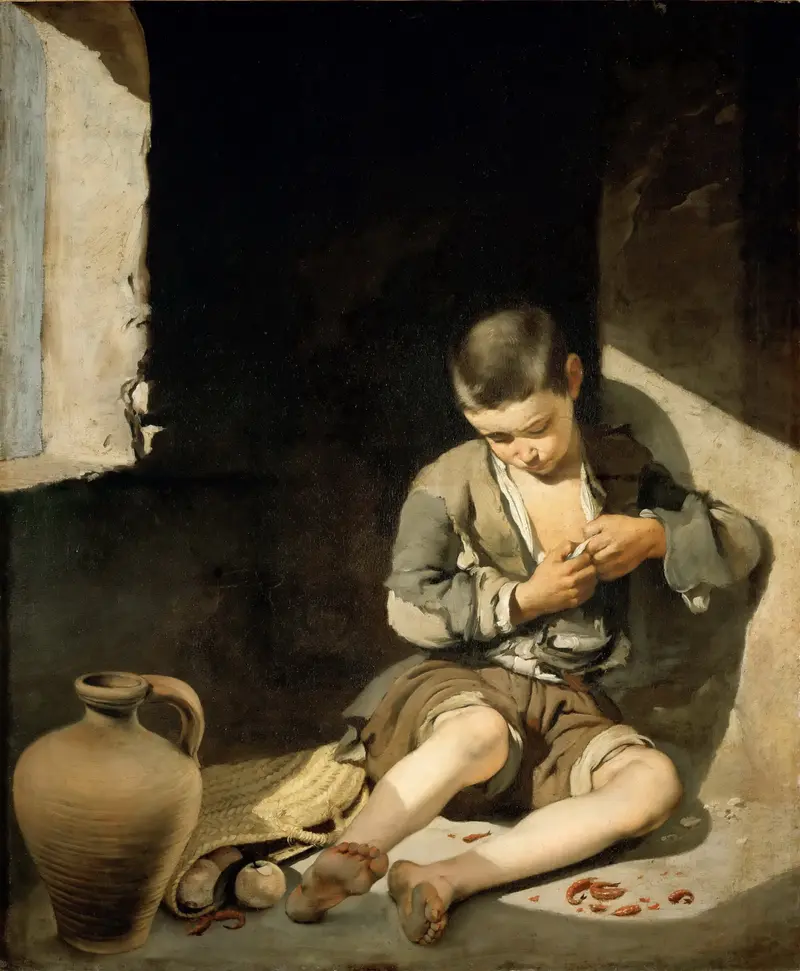 Bartolomé Esteban Murillo1617–1682. The leading painter in Seville in the later 17th century, known for his many Immaculate Conceptions and his scenes from everyday life.
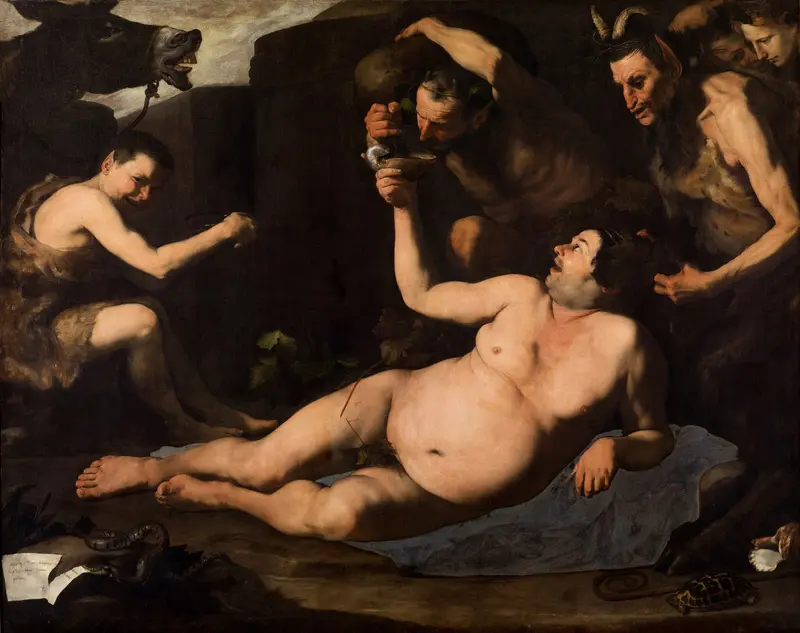 Jusepe de Ribera1591–1652. Born near Valencia, he settled in Naples in 1616 and became known for the realism of violent subjects such as The Martyrdom of Saint Bartholomew.
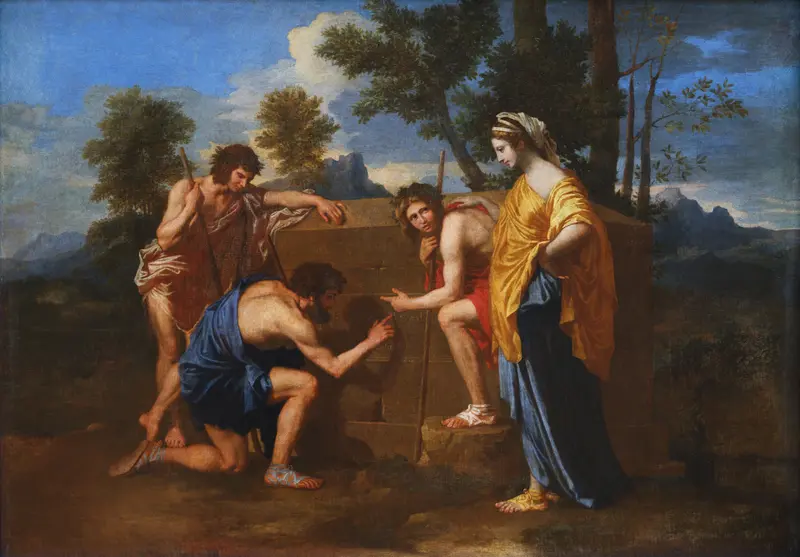 Nicolas Poussin1594–1665. A Frenchman who lived most of his life in Rome, studying ancient remains and Raphael and bringing a powerful discipline to his compositions.
 Guido Reni1575–1642. Trained in Bologna, probably in the Carracci workshop; in Rome from 1602 to 1613 he painted the ceiling fresco Aurora, then ran a busy studio back in Bologna.
Caravaggio and his followers
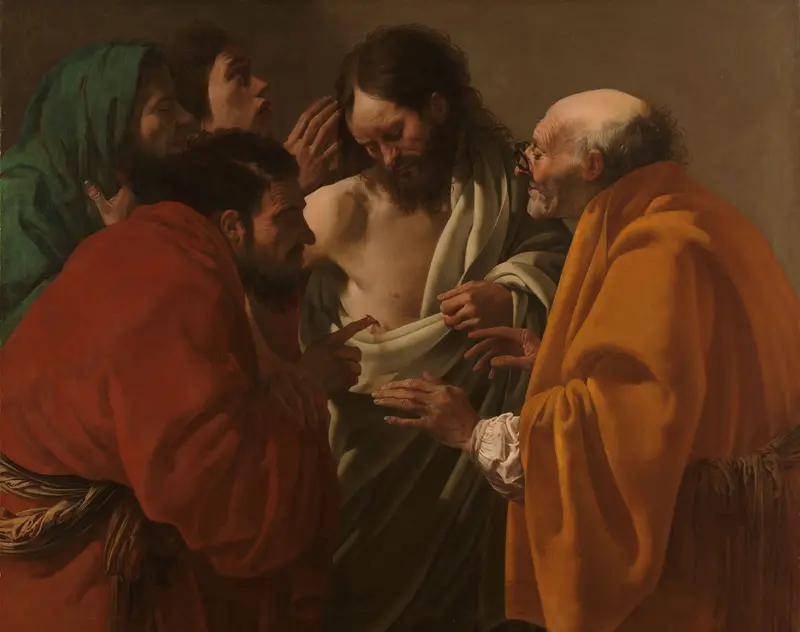
Caravaggio's dark, dramatically lit paintings with un-idealized models were copied all over Europe, the National Gallery in London says. His late works, and those of many followers such as Bartolomeo Manfredi and the Dutch painter Hendrick ter Brugghen, are often called tenebrist: faces and hands catch the light against a mostly dark setting.
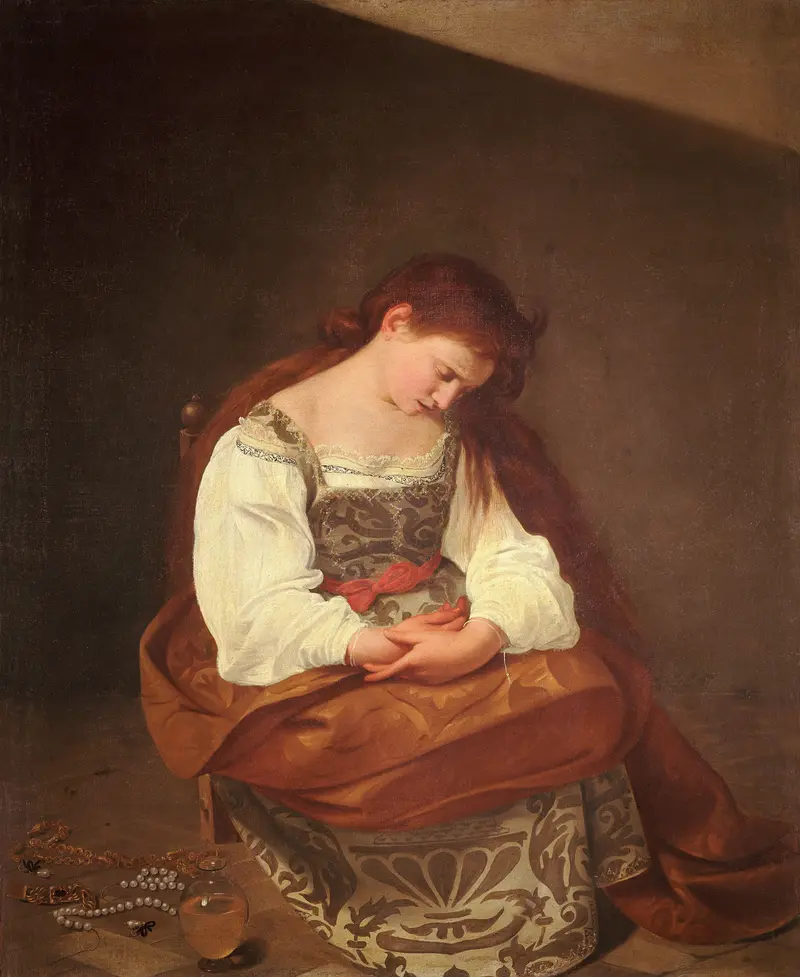
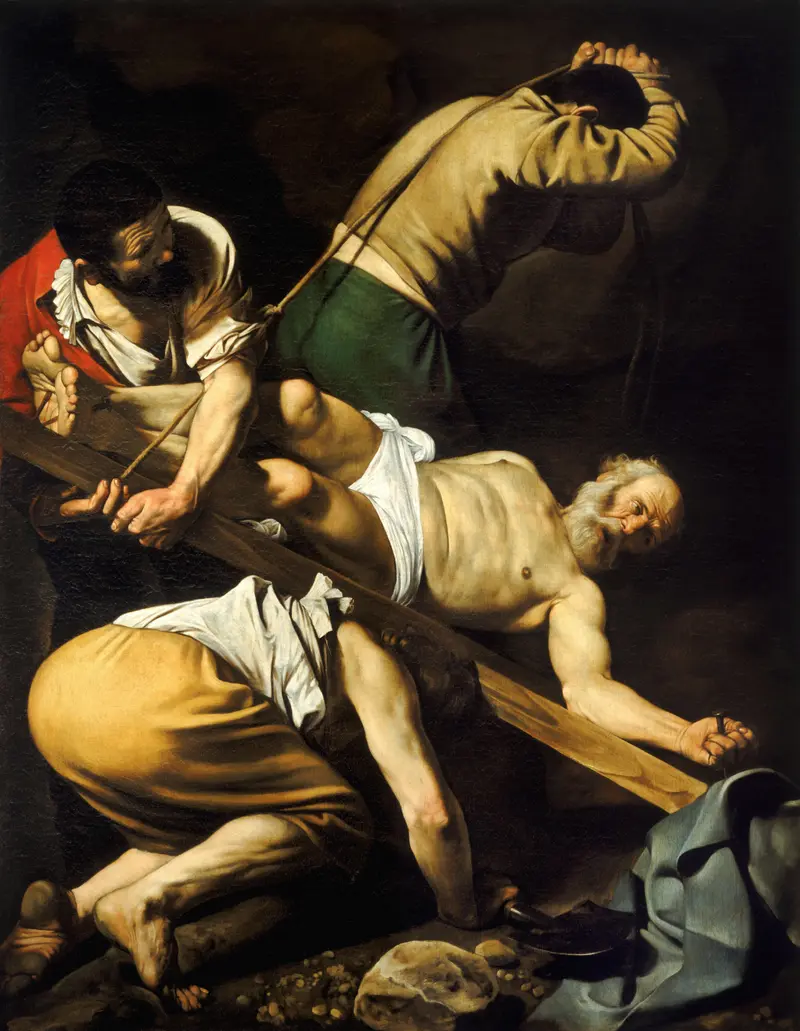
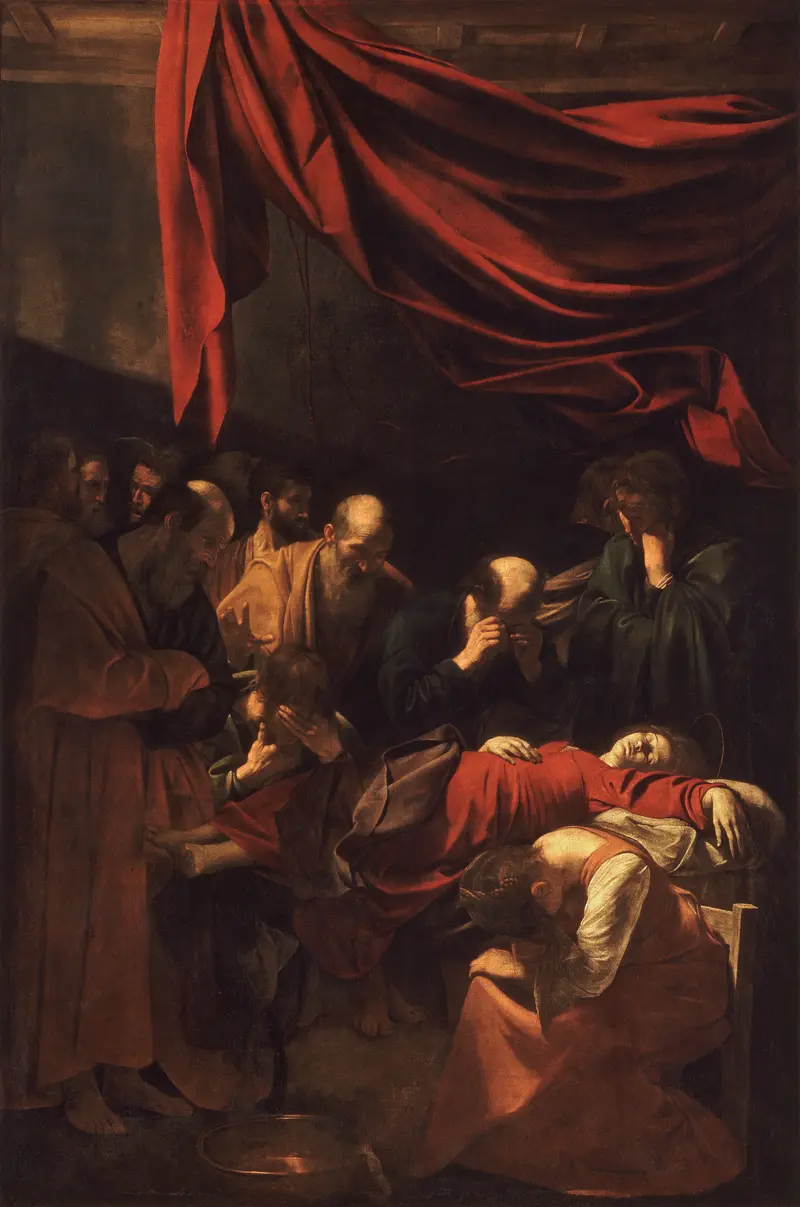


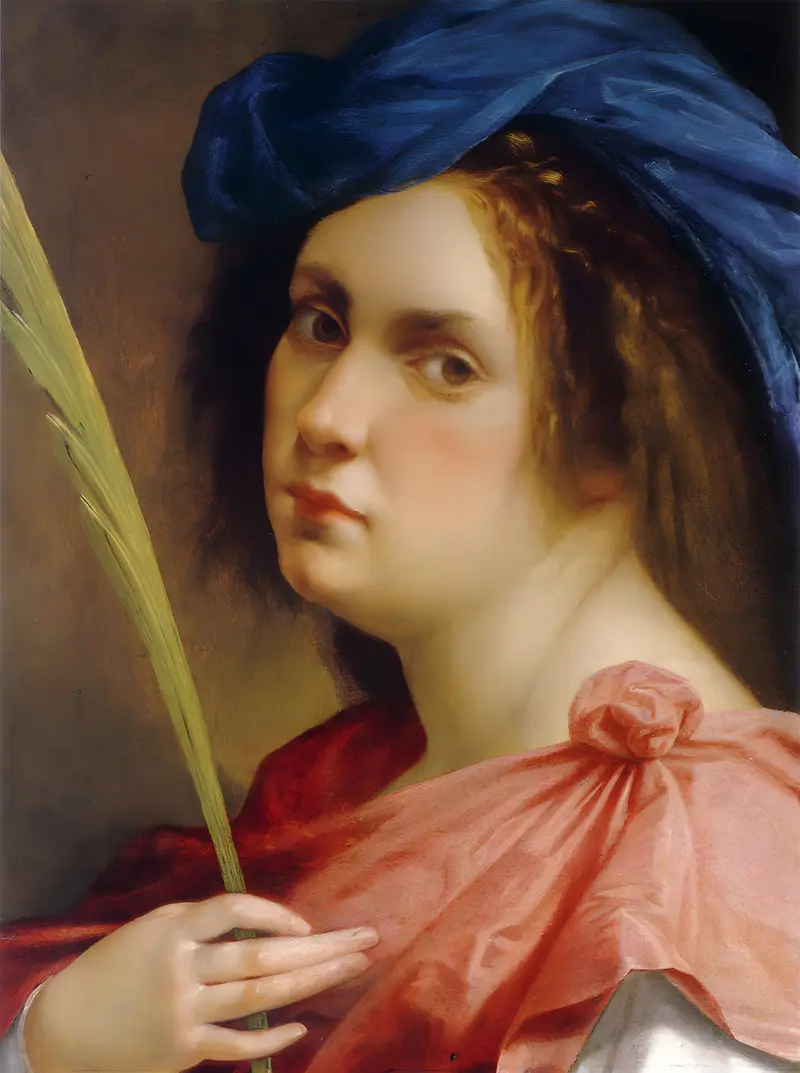
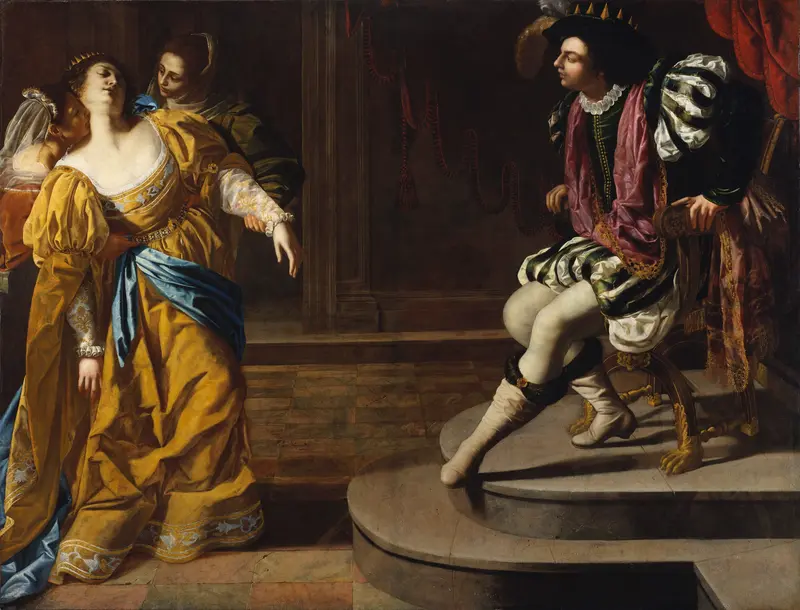
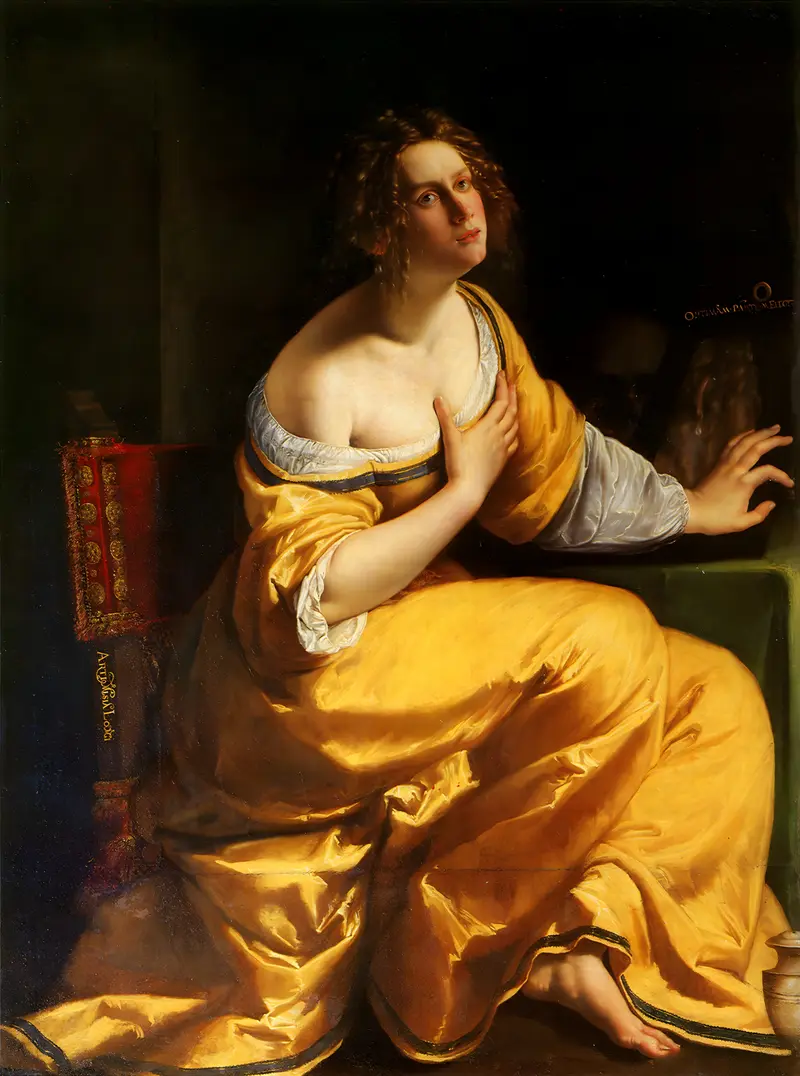
Artemisia Gentileschi paintings
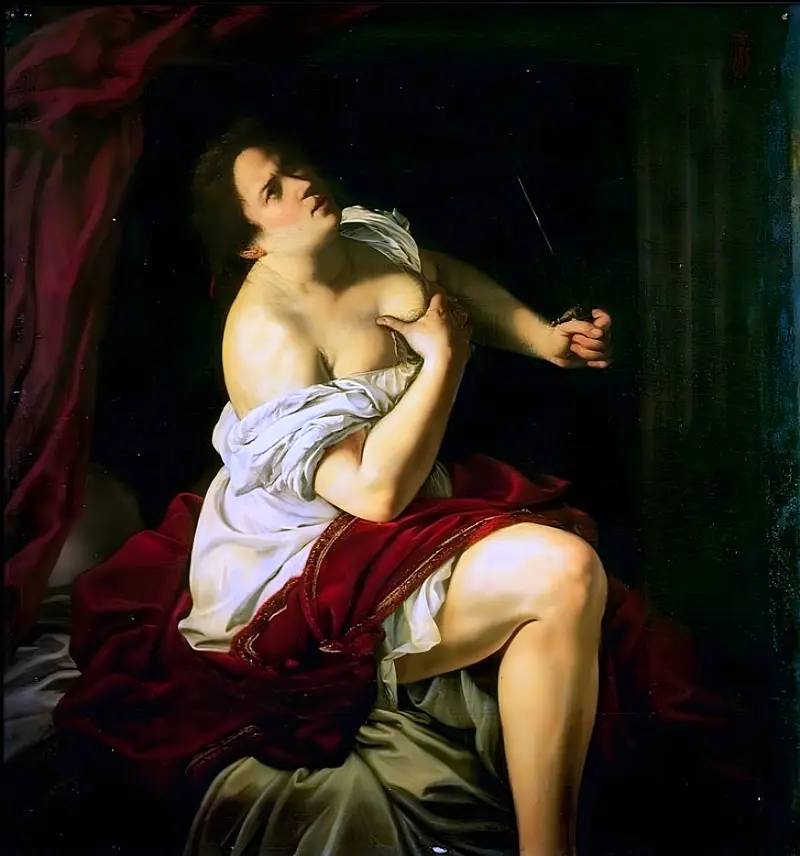
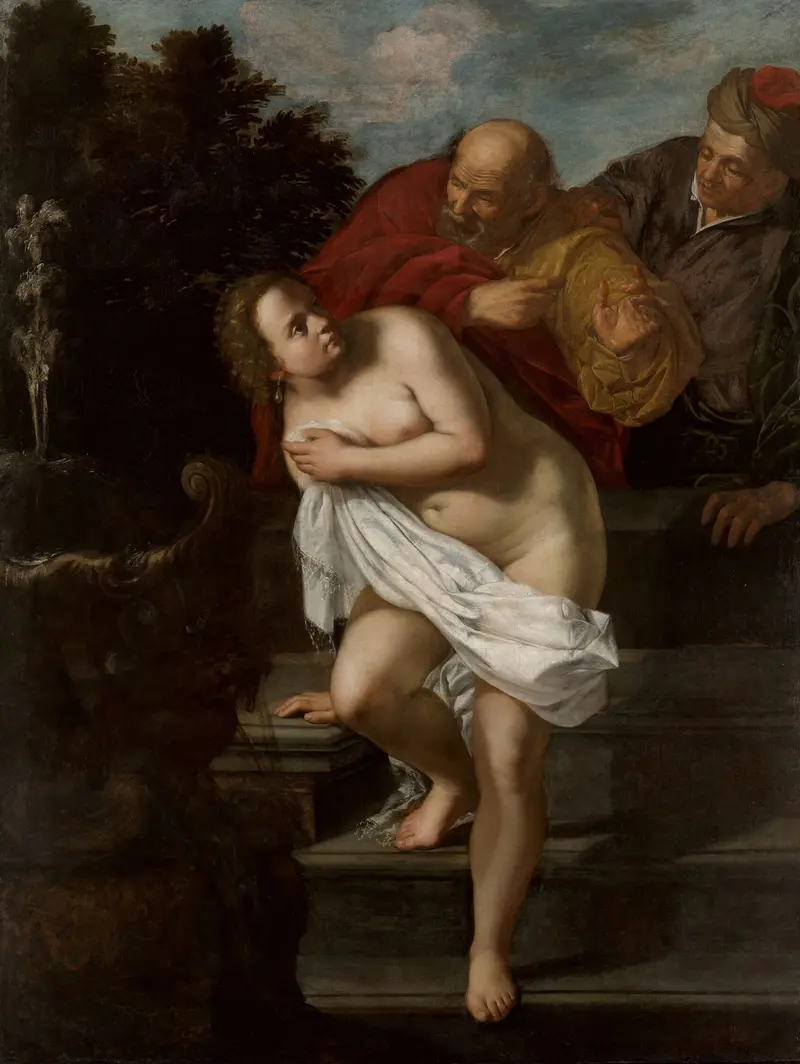
Artemisia painted heroines from the Bible and ancient history, among them Esther, Lucretia and Mary Magdalene, and the Royal Collection notes that her own likeness has been found in many of her paintings, such as the Self-Portrait as a Female Martyr. The National Gallery in London calls her the most celebrated female painter of the 17th century.

Baroque portraits
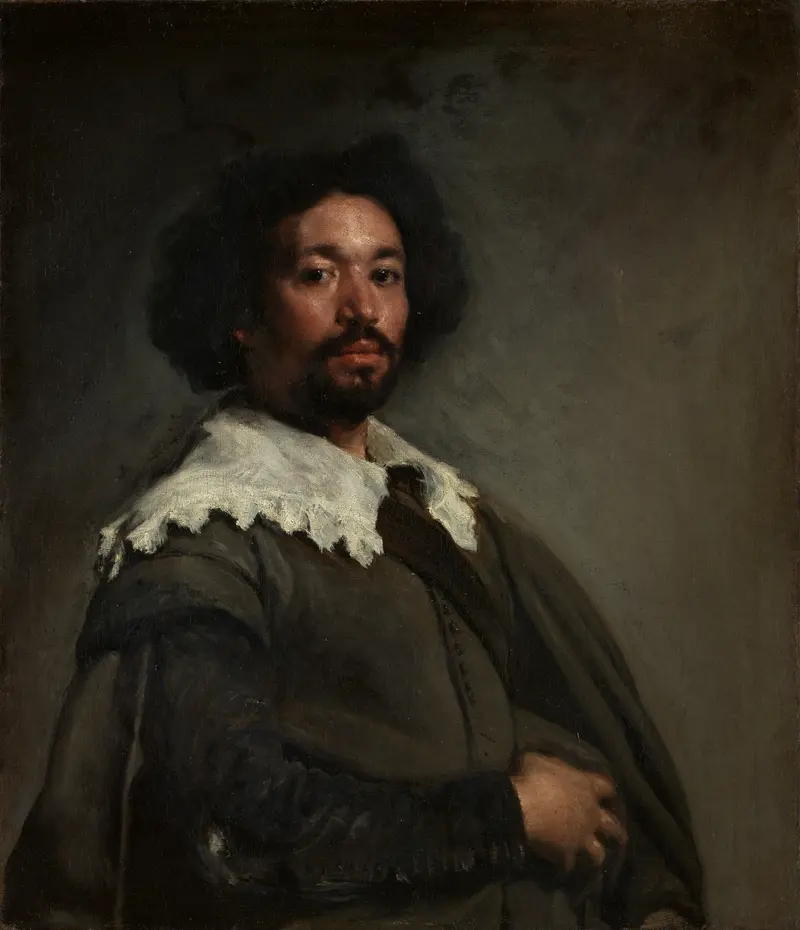
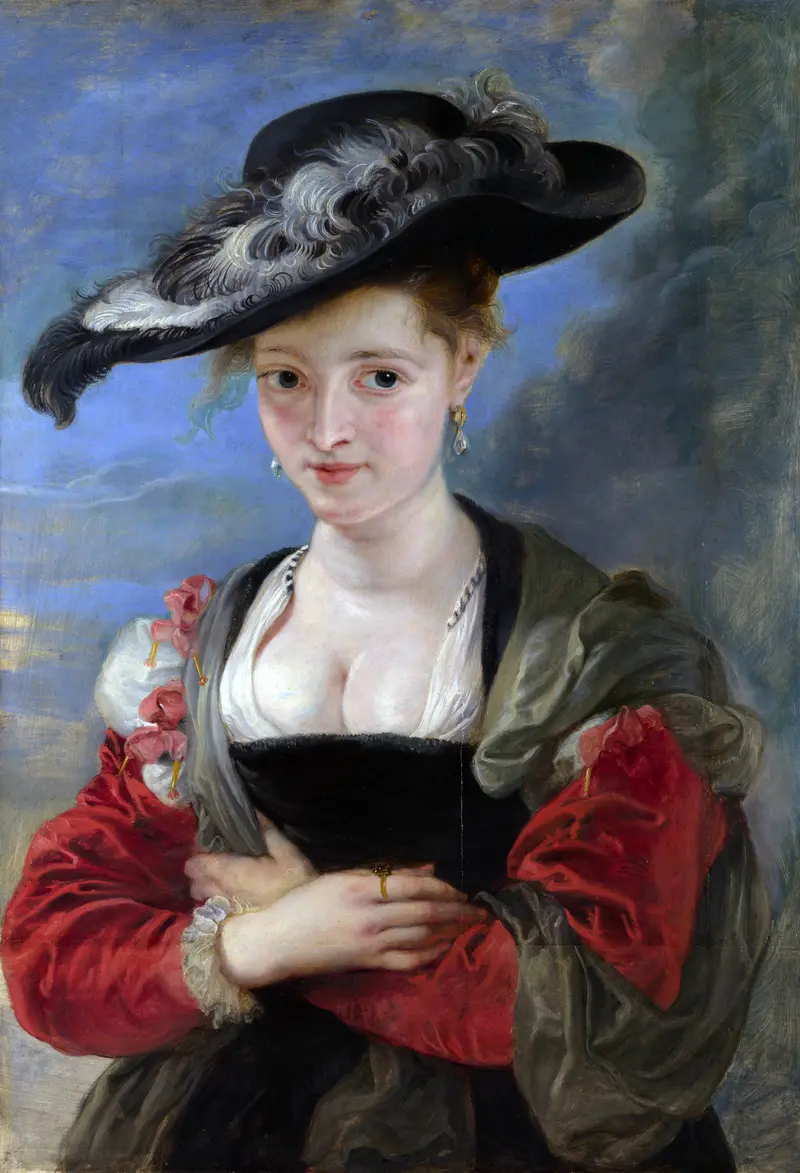
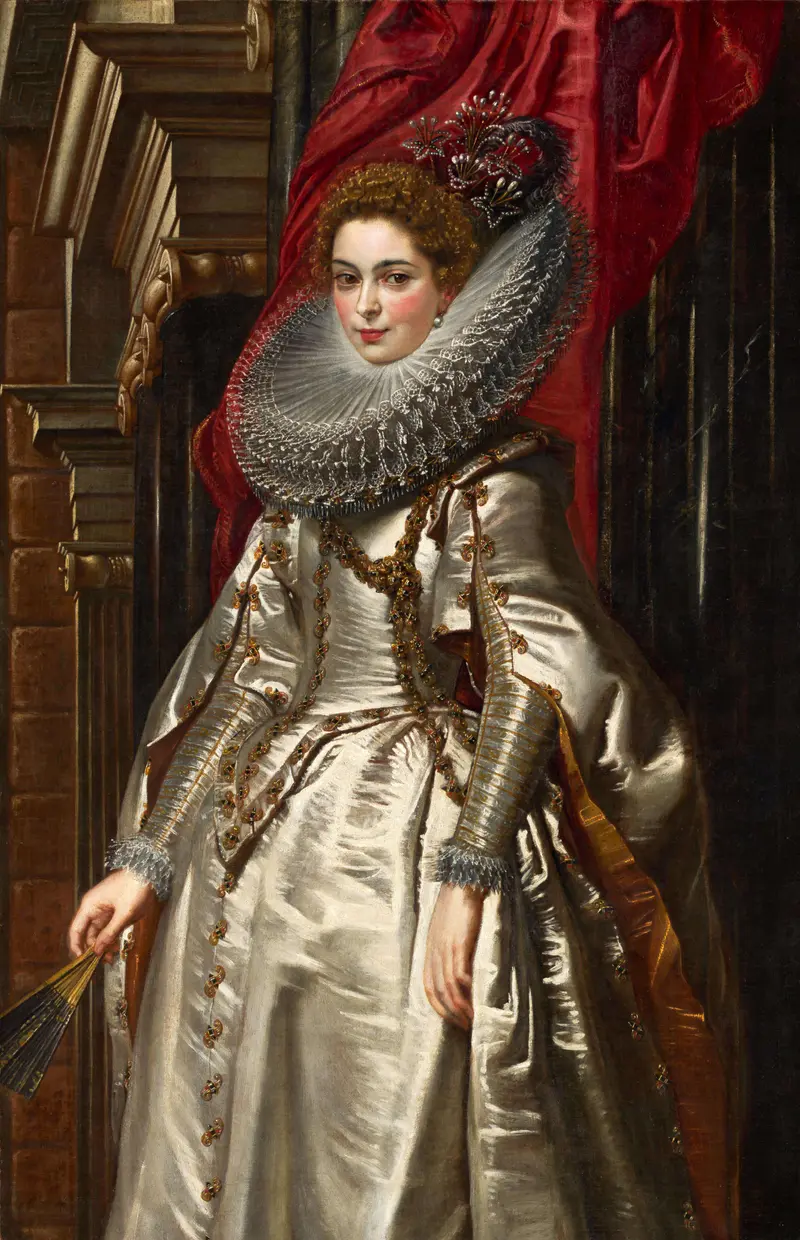
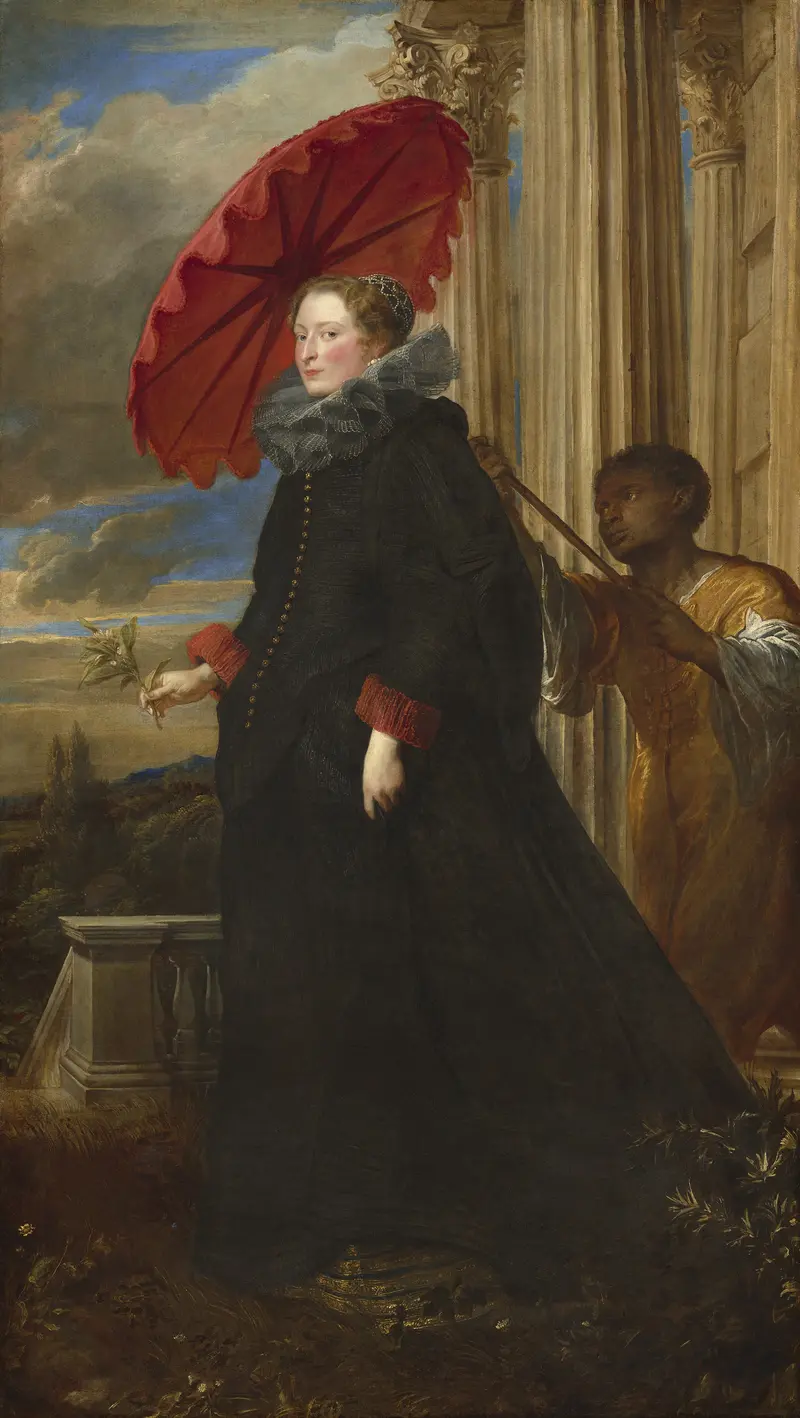
Baroque was a style for portraits too, Tate notes. Velázquez painted Pope Innocent X during his second stay in Italy, from 1649, and Juan de Pareja, his assistant, in 1650; Van Dyck's portraits of Genoese patricians were very well received, and his flattering likenesses of Charles I set a new standard at the English court.


Characteristics of Baroque art: how to recognize it
Light against dark
A single shaft of light crosses the dark room and falls on Matthew and the men counting coins as Christ points to him. The Getty's definition of Baroque names a tendency toward contrasts of light against dark, and the National Gallery in London says Caravaggio used such contrasts for the sake of drama.
The Calling of Saint Matthew, Caravaggio
Diagonals and movement
The cross cuts across the panel on a steep diagonal as the men strain to raise it, so the whole picture seems to move. The National Gallery in London describes Baroque works as dramatic and exuberant, with diagonal compositions, and names Rubens as an example.
Elevation of the Cross (central panel), Peter Paul Rubens
Real people, as if you were there
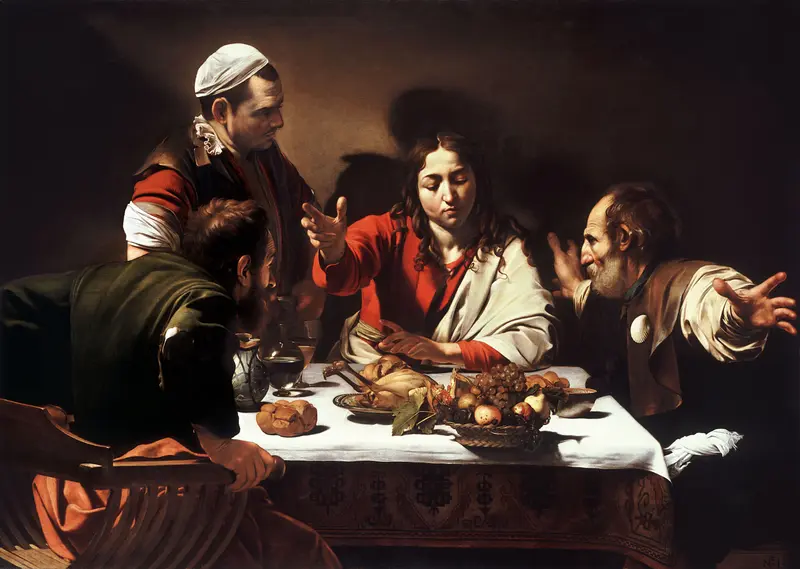
Caravaggio painted the disciples as ordinary working men with lined faces and ragged clothes, and one flings out an arm toward us. Tate calls this the bold realism of Baroque, which gave viewers the impression they were witnessing an actual event.
Supper at Emmaus, Caravaggio
Drama at its peak
Artemisia shows the very moment of the killing, with the maid pinning Holofernes down as Judith cuts. Tate names a direct emotional appeal among the marks of Baroque art, and here nothing is held back.
Judith Slaying Holofernes, Artemisia Gentileschi
Faith made spectacular
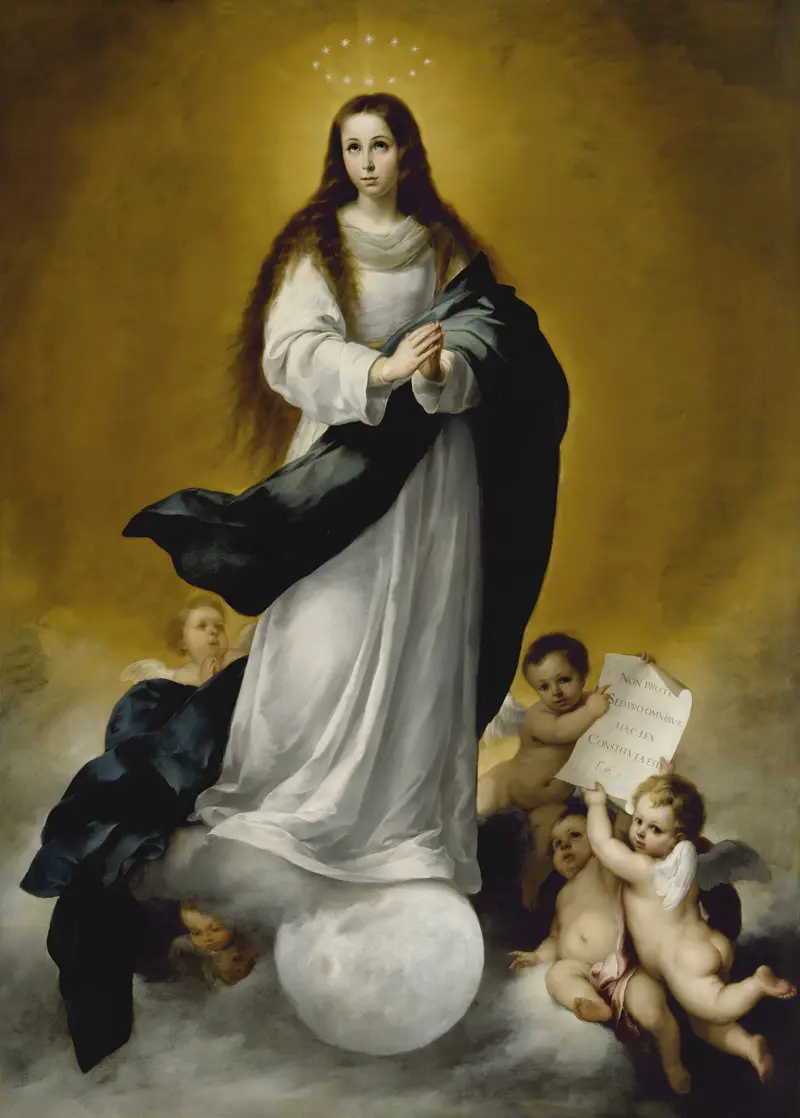
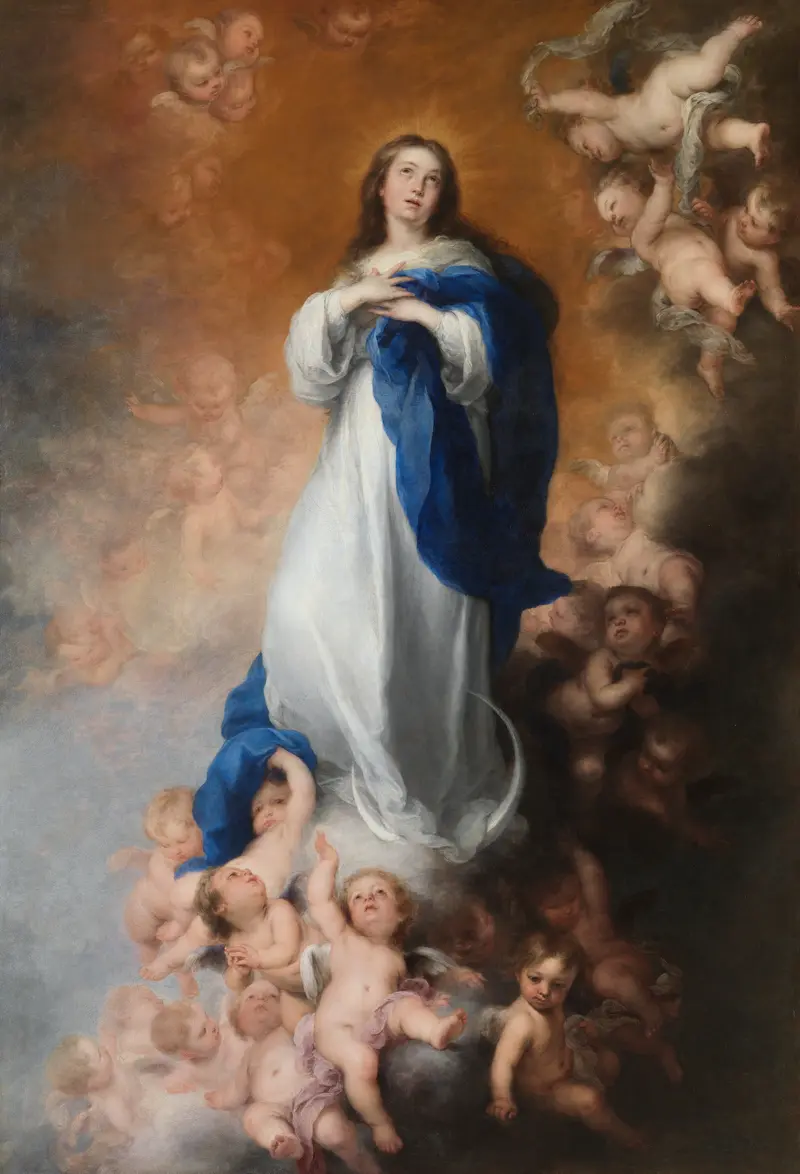
The Virgin rises on clouds full of child angels in a swirl of white and blue. Tate associates Baroque with the Catholic Counter-Reformation, whose reinvigorated spirit its movement and emotional appeal suited, and Murillo painted the Immaculate Conception many times.
The Immaculate Conception of Los Venerables, Bartolomé Estebán Murillo
Courts and kings, too
Velázquez painted himself at work at the Spanish court, beside the king's daughter and her attendants. Tate notes that Baroque was not only religious: it can be seen in portraits, still lifes and mythical subjects as well.
Las Meninas, Diego Velázquez
Before and after Baroque
 Renaissancec. 1400–1600
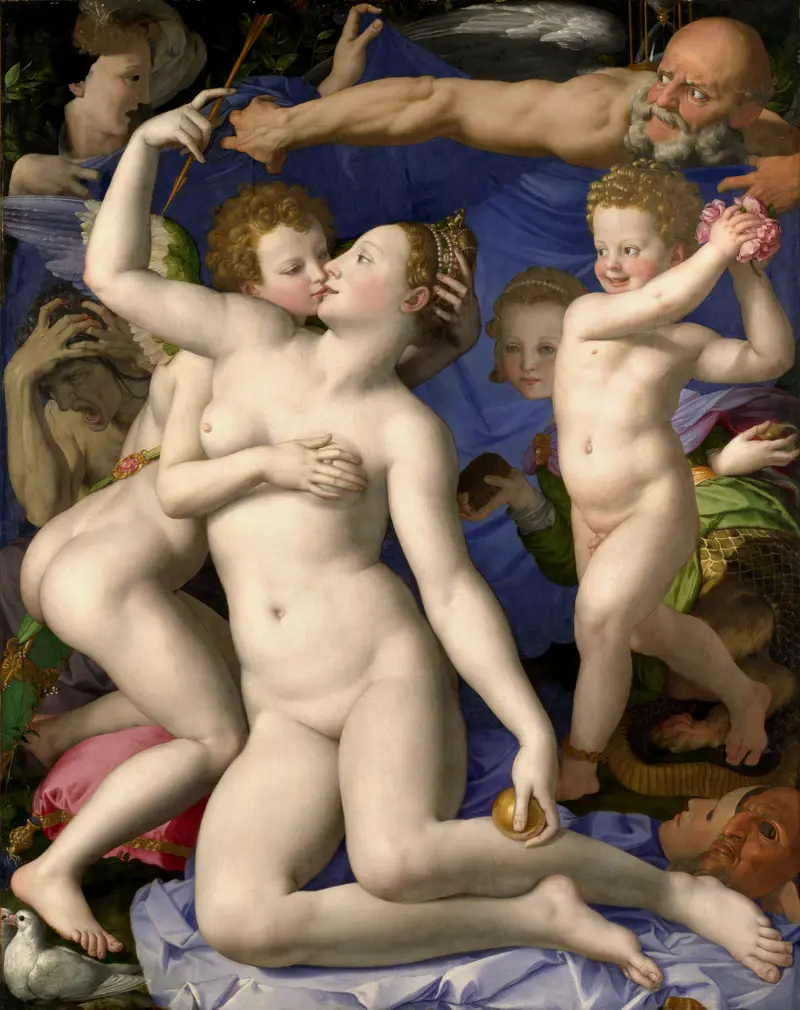 Mannerismc. 1520–1600
- Baroquec. 1590–1750
 Rocococ. 1715–1770s
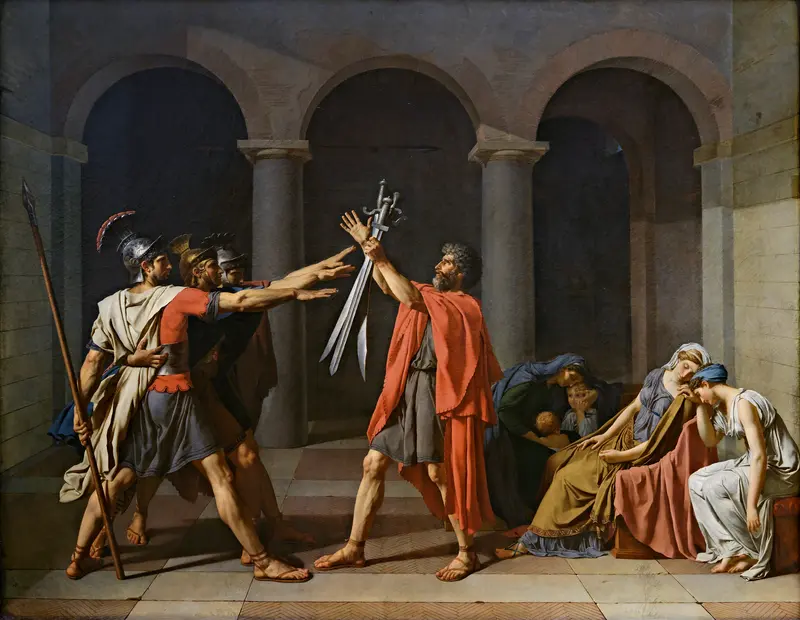 Neoclassicismc. 1750–1850
Baroque vs Renaissance and Mannerism
| Compared | Renaissance | Mannerism | Baroque |
|---|---|---|---|
| When | c. 1400–1600 | c. 1520–1600 | c. 1590–1750 |
| Composition | Balanced and harmonious | Artificial and complex | Strong diagonals and curves, full of movement |
| Figures | Idealized, after Greek and Roman models | Elongated, elegant, stylized | Lifelike, often ordinary people |
| Aim | Revive the ideals of ancient art | Show off skill and sophisticated elegance | Move and impress the viewer |
| Famous example | Leonardo, Mona Lisa | Bronzino, Venus, Cupid, Folly and Time | Velázquez, Las Meninas |
| Key artists | Leonardo, Michelangelo, Raphael | Pontormo, Bronzino, El Greco | Caravaggio, Rubens, Velázquez, Artemisia Gentileschi |
List of famous Baroque paintings and their artists
The famous Baroque paintings: who painted them, when, and where each one is today.
Show the listHide the list
| Painting | Painted by | Year | Medium | Size | Located in | City |
|---|---|---|---|---|---|---|
| Las Meninas | Diego Velázquez | 1656 | Oil on canvas | 318 × 276 cm (125.2 × 108.7 in) | Museo del Prado | Madrid |
| The Surrender of Breda | Diego Velázquez | 1634–1635 | Oil on canvas | 307 × 367 cm (120.9 × 144.5 in) | Museo del Prado | Madrid |
| The Calling of Saint Matthew | Caravaggio | c. 1600 | Oil on canvas | 322 × 340 cm (126.8 × 133.9 in) | San Luigi dei Francesi | Rome |
| The Rokeby Venus | Diego Velázquez | 1647–1651 | Oil on canvas | 122.5 × 177 cm (48.2 × 69.7 in) | National Gallery London | London |
| The Beheading of Saint John the Baptist | Caravaggio | 1608 | Oil on canvas | 361 × 520 cm (142.1 × 204.7 in) | St. John's Co-Cathedral | Valletta |
| Judith Beheading Holofernes | Caravaggio | c. 1598–1599 | Oil on canvas | 145 × 195 cm (57.1 × 76.8 in) | Galleria Nazionale d'Arte Antica | Rome |
| The Elevation of the Cross | Peter Paul Rubens | 1610–1611 | Oil on panel | 460 × 640 cm (181.1 × 252 in) (open triptych) | Cathedral of Our Lady | Antwerp |
| Judith Slaying Holofernes | Artemisia Gentileschi | c. 1612–1613 | Oil on canvas | 158.8 × 125.4 cm (62.5 × 49.4 in) | Museo di Capodimonte | Naples |
| The Rape of the Daughters of Leucippus | Peter Paul Rubens | c. 1618 | Oil on canvas | 224 × 210.5 cm (88.2 × 82.9 in) | Alte Pinakothek | Munich |
| Rubens and Isabella Brant in the Honeysuckle Bower | Peter Paul Rubens | c. 1609–1610 | Oil on canvas | 178 × 136.5 cm (70.1 × 53.7 in) | Alte Pinakothek | Munich |
| Judith and Her Maidservant | Artemisia Gentileschi | 1618–1619 | Oil on canvas | 114 × 93.5 cm (44.9 × 36.8 in) | Galleria Palatina | Florence |
| Self-Portrait as the Allegory of Painting | Artemisia Gentileschi | c. 1638–1639 | Oil on canvas | 98.6 × 75.2 cm (38.8 × 29.6 in) | Royal Collection | London |
| Hercules Fighting the Nemean Lion | Francisco de Zurbarán | 1634 | Oil on canvas | 151 × 166 cm (59.4 × 65.4 in) | Museo del Prado | Madrid |
| Charles I in Three Positions | Anthony van Dyck | 1635–1636 | Oil on canvas | 84.4 × 99.4 cm (33.2 × 39.1 in) | Royal Collection | Windsor |
| Cupid and Psyche | Anthony van Dyck | 1639–1640 | Oil on canvas | 200.2 × 192.6 cm (78.8 × 75.8 in) | Royal Collection | London |
| Virgin and Child with a Rosary | Bartolomé Esteban Murillo | c. 1650–1655 | Oil on canvas | 166 × 112 cm (65.4 × 44.1 in) | Museo del Prado | Madrid |
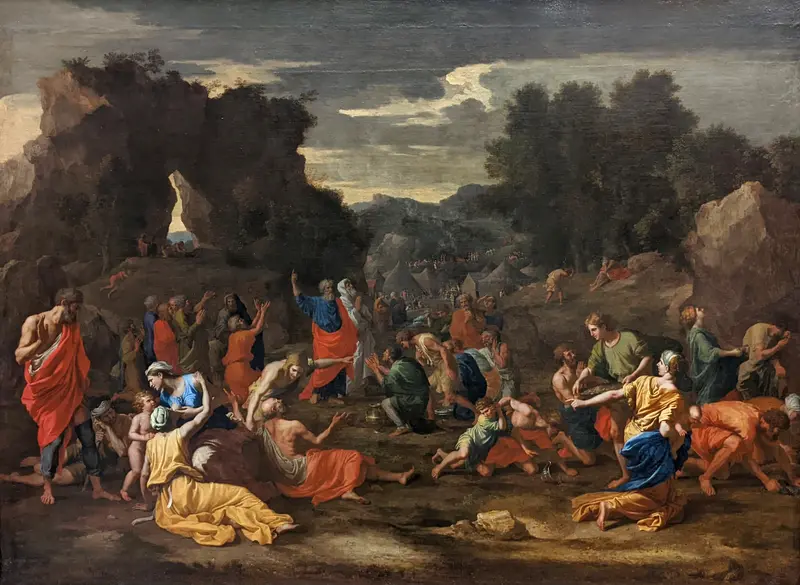
| The Adoration of the Golden Calf | Nicolas Poussin | 1633–1634 | Oil on canvas | 153.4 × 211.8 cm (60.4 × 83.4 in) | National Gallery London | London |
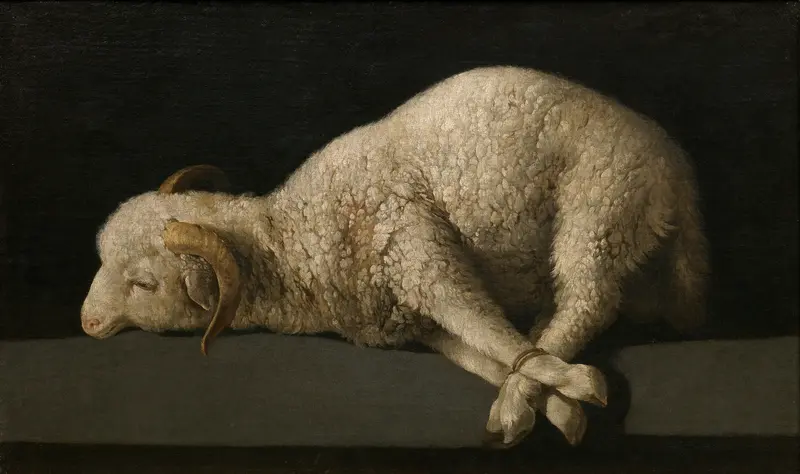
| Agnus Dei | Francisco de Zurbarán | c. 1635 | Oil on canvas | 37.3 × 62 cm (14.7 × 24.4 in) | Museo del Prado | Madrid |
| Two Women at a Window | Bartolomé Esteban Murillo | c. 1655–1660 | Oil on canvas | 125.1 × 104.5 cm (49.3 × 41.1 in) | National Gallery of Art Washington | Washington, DC |
| The Clubfoot | Jusepe de Ribera | 1642 | Oil on canvas | 164 × 94 cm (64.6 × 37 in) | Louvre Museum | Paris |
| The Immaculate Conception of Los Venerables | Bartolomé Esteban Murillo | c. 1660–1665 | Oil on canvas | 274 × 190 cm (107.9 × 74.8 in) | Museo del Prado | Madrid |
| The Flight into Egypt | Adam Elsheimer | 1609 | Oil on copper | 30.6 × 41.5 cm (12 × 16.3 in) | Alte Pinakothek | Munich |
| Charles I at the Hunt | Anthony van Dyck | c. 1635 | Oil on canvas | 266 × 207 cm (104.7 × 81.5 in) | Louvre Museum | Paris |
| Saint Margaret of Antioch | Francisco de Zurbarán | c. 1630–1634 | Oil on canvas | 163 × 105 cm (64.2 × 41.3 in) | National Gallery London | London |
| A Dance to the Music of Time | Nicolas Poussin | c. 1634–1636 | Oil on canvas | 82.5 × 104 cm (32.5 × 40.9 in) | Wallace Collection | London |
Baroque art: questions and answers
What does Baroque mean in art?
In art, Baroque means the dramatic, emotional style that dominated European painting, sculpture and architecture from about 1590 to 1750. Tate calls it the dominant style of the seventeenth century, characterized by self-confidence, dynamism and a realistic approach to depiction. The National Gallery in London uses the word for large, dramatic and exuberant works with diagonal compositions and illusionistic effects meant to impress the viewer, and says the term was at first derogatory and may come from the Portuguese barroco, an irregular pearl.
Sources: Tate: Baroque · National Gallery: Baroque (glossary) · Getty AAT: Baroque
What are the characteristics of Baroque art?
Baroque paintings use strong contrasts of light and dark, sweeping diagonals and curves, movement, bold realism and open emotion. The Getty's art vocabulary lists an emphasis on spectacle and emotional content, contrasts of light against dark and of mass against void, and strong diagonals and curves. Tate adds dynamic movement, a bold realism that gave viewers the impression they were witnessing an actual event, and a direct emotional appeal. Many painters followed Caravaggio in lighting faces and hands against a mostly dark setting, a manner known as tenebrism.
Sources: Getty AAT: Baroque · Tate: Baroque · National Gallery: Tenebrism (glossary)
When did the Baroque period start and end?
The Baroque period ran from about 1590 to 1750, according to the Getty's art vocabulary, and Tate dates its height in Rome to about 1630–1680. In France it gave way in the early 1700s to Rococo, a lighter style that Tate describes as a reaction to the Baroque grandeur of Versailles after the death of Louis XIV; the National Gallery in London ties Rococo to the reign of Louis XV, from 1715. Neoclassicism followed from about 1750, Tate says.
Sources: Getty AAT: Baroque · Tate: Baroque · Tate: Rococo · National Gallery: Rococo (glossary) · Tate: Neoclassicism
Where did Baroque art begin?
Baroque art began in Rome and spread from there across Europe, Tate says. Caravaggio moved to Rome in 1592 and Annibale Carracci was working there by 1595, and the Catholic Counter-Reformation, which shaped much Baroque religious art, was most effective in Italy and Spain, according to the National Gallery in London. Rubens came home from Italy to Antwerp in 1608, Velázquez became court painter in Madrid in 1623, and Van Dyck settled at the court of Charles I in London in 1632.
Sources: Tate: Baroque · National Gallery: Caravaggio · National Gallery: Annibale Carracci · National Gallery: The Counter-Reformation (glossary) · National Gallery: Peter Paul Rubens · National Gallery: Diego Velázquez · National Gallery: Anthony van Dyck
Who started Baroque art?
No single artist started it, but two painters working in Rome around 1600 shaped Baroque painting: Caravaggio and Annibale Carracci. The National Gallery in London says Caravaggio's dramatic, almost theatrical lighting made his paintings controversial, popular and hugely influential on later painters all over Europe. Annibale Carracci, who painted the ceiling of the gallery in Palazzo Farnese from about 1595 to 1603–04, came to be seen as rescuing Italian art from the excesses of Mannerism and the overstated realism of Caravaggio; Guido Reni and Domenichino trained with the Carracci in Bologna.
Sources: National Gallery: Caravaggio · National Gallery: Annibale Carracci
Why was Baroque art so dramatic?
Baroque art was dramatic because it was meant to move and impress people, above all on behalf of the Catholic Church. Tate links the style to the Counter-Reformation and says its dynamic movement, bold realism and direct emotional appeal were ideally suited to proclaiming the reinvigorated spirit of the Church. The National Gallery in London explains that the Council of Trent specified the kind of imagery that would best serve the Church, and describes Baroque works as using diagonal compositions and illusionistic effects to impress the viewer. The same drama was used for portraits, myths and still lifes, Tate notes.
Sources: Tate: Baroque · National Gallery: The Counter-Reformation (glossary) · National Gallery: Baroque (glossary)
Who are the famous Baroque artists?
The best-known Baroque artists include the painters Caravaggio, Artemisia Gentileschi, Peter Paul Rubens, Diego Velázquez and Anthony van Dyck, and the sculptor Gian Lorenzo Bernini. In Italy, Annibale Carracci, Guido Reni and Guercino worked in Rome and Bologna, and the National Gallery in London calls Artemisia the most celebrated female painter of the 17th century. In Spain, Velázquez was court painter to Philip IV and Zurbarán and then Murillo led painting in Seville; in Flanders, Van Dyck was the most important painter after Rubens. Dutch painters such as Rembrandt and Vermeer, have their own page, the Dutch Golden Age.
Sources: Tate: Baroque · National Gallery: Artemisia Gentileschi · National Gallery: Guido Reni · National Gallery: Guercino · National Gallery: Diego Velázquez · National Gallery: Francisco de Zurbarán · National Gallery: Bartolomé Esteban Murillo · National Gallery: Jusepe de Ribera · National Gallery: Anthony van Dyck · National Gallery: Nicolas Poussin
What is the difference between Baroque and Renaissance art?
Renaissance art aimed at balance, harmony and the ideals of ancient Greece and Rome, while Baroque art aimed at drama, movement and emotion. Tate describes the Renaissance as the revival of art that began in Italy around 1400 and peaked with Leonardo, Michelangelo and Raphael in about 1500–1530, and says the style was later transformed in Mannerism and then the Baroque. Where Renaissance masters such as Raphael favored harmonious compositions, Baroque painters used strong diagonals, contrasts of light against dark and a bold realism meant to make viewers feel they were witnessing a real event, according to the Getty and Tate.
Sources: Tate: Renaissance · Tate: Mannerist · Getty AAT: Baroque · Tate: Baroque
What is the difference between Baroque and Mannerism?
Mannerism, about 1520–1600, prized artificial elegance, while the Baroque that followed it turned to bold realism and direct emotion. Tate describes Mannerism as a style of artificiality, elegance and sensuous distortion of the human figure, with highly artificial compositions that showed off the artist's skill, and the National Gallery in London notes its unnaturalistic color, used for decorative and expressive effect. Annibale Carracci, one of the painters who shaped the Baroque in Rome, came to be seen as rescuing Italian art from the excesses of Mannerism, the National Gallery says.
Sources: Tate: Mannerist · National Gallery: Mannerist (glossary) · National Gallery: Annibale Carracci
What is tenebrism in Baroque painting?
Tenebrism is painting in which faces and hands are lit by bright highlights against a mostly dark setting, a manner associated with Caravaggio and his followers. The National Gallery in London says the term comes from the Italian tenebroso, meaning darkened or obscuring, and that Caravaggio's late paintings and those of many of his followers are often described as tenebrist. It is related to chiaroscuro, Italian for light-dark: the National Gallery notes that Caravaggio used such contrasts for the sake of drama, while Leonardo had used them to make his figures look three-dimensional.
Sources: National Gallery: Tenebrism (glossary) · National Gallery: Chiaroscuro (glossary)
Who was Artemisia Gentileschi?
Artemisia Gentileschi (1593–1654 or later) was an Italian Baroque painter whom the National Gallery in London calls the most celebrated female painter of the 17th century. Born in Rome and trained by her father, Orazio Gentileschi, she signed and dated her earliest known painting, Susanna and the Elders, in 1610. After the 1612 trial in which the painter Agostino Tassi was found guilty of raping her, she moved to Florence, and she later worked in Rome, Venice, Naples and London for patrons including the Grand Duke of Tuscany, Philip IV of Spain and Charles I of England.
Sources: National Gallery: Artemisia Gentileschi · Royal Collection Trust (Google Arts & Culture)
What is Flemish Baroque painting?
Flemish Baroque painting is the art of Antwerp and the Spanish-ruled southern Netherlands in the 1600s, led by Peter Paul Rubens and Anthony van Dyck. Rubens returned to Antwerp in 1608 after eight years in Italy, became court painter to the Archdukes Albert and Isabella in 1609 and ran a large workshop whose major business was altarpieces, the National Gallery in London says. Van Dyck, in the Gallery's words the most important Flemish painter of the century after Rubens, settled at the English court in 1632. Unlike the Protestant Dutch Republic to the north, Antwerp belonged to an empire ruled by Catholic Spain.
Sources: National Gallery: Peter Paul Rubens · National Gallery: Anthony van Dyck · Tate: Baroque
Where can you see famous Baroque paintings?
Many famous Baroque paintings are in Madrid, London, Paris, Rome and Munich. The Museo del Prado in Madrid holds Velázquez's Las Meninas and The Surrender of Breda; the National Gallery in London has Velázquez's Rokeby Venus, Caravaggio's Supper at Emmaus and Poussin's Adoration of the Golden Calf; and the Louvre in Paris has Ribera's The Clubfoot and Van Dyck's Charles I at the Hunt. In Rome, Caravaggio's paintings of Saint Matthew still hang in the church of San Luigi dei Francesi, and the Alte Pinakothek in Munich has major works by Rubens.
Sources: National Gallery, London · National Gallery, London · National Gallery, London · Louvre Museum · Louvre Museum · San Luigi dei Francesi, Rome: Caravaggio (French) · Alte Pinakothek, Munich
Is Baroque art in the public domain, and can I download it free?
Yes. Every painter in the famous list on this page died before 1700, so their paintings are in the public domain in the United States and in countries where copyright ends 70 years after the artist's death. You can download them free and use them for anything, including commercial projects. A few countries have their own rules on photographs of artworks, so check them if you publish outside the U.S.
Sources: Cornell University Library: Copyright Term and the Public Domain
How we chose the famous paintings
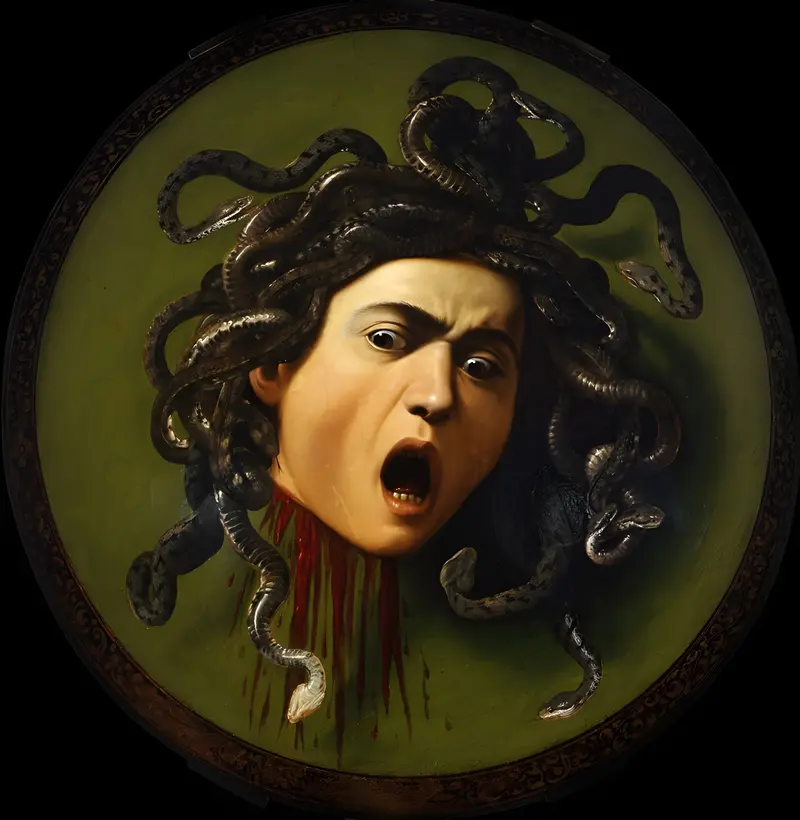
The famous paintings on this page are the Baroque paintings known most widely around the world, measured by the number of languages that have an encyclopedia entry about each one, checked in November 2026. No painter has more than three of them, which is why Caravaggio's Supper at Emmaus and Medusa and Velázquez's Las Hilanderas are not among them; Caravaggio and Artemisia Gentileschi have their own rows further up.
We include only paintings that our catalogue, the holding museum or Wikidata classes as Baroque, and only paintings, not Bernini's sculpture or Baroque architecture. Dutch paintings of the same century, such as Rembrandt's and Vermeer's, have their own page, Dutch Golden Age, so they are not counted here. Rubens's The Elevation of the Cross is a three-part altarpiece; we show its central panel.
Dates, sizes and locations come from the museums' own records and from Wikidata.
Spotted a mistake? Tell us and we will correct it.