
Abreuvoir en hiver — History & Facts
Did the painter know this moment would outlive them? The scene captured within Abreuvoir en hiver speaks volumes about the delicate interplay between nature and the rhythm of life. Focus on the gentle curve of the frozen water, where ripples of ice mimic the fleeting movement of swans gliding across the surface. Notice how the pale blues and whites dominate the composition, creating a serene yet stark winter landscape. The delicate brushstrokes impart a sense of softness, inviting the viewer’s eye to wander from the foreground to the distant horizon, where trees stand like sentinels cloaked in snow. Within this tranquil setting lies a contrast between the stillness of winter and the silent vibrancy of life.
The play of light captures the essence of movement, as though the ice is both a barrier and a passage, a reminder of nature's duality. Tiny flecks of color peek through the white expanse, hinting at life beneath the surface, while the untouched snow reflects a moment frozen in time, evoking both peace and the inevitable passage of seasons. Victor Charreton painted this piece during a period of transformation in the late 19th century, likely influenced by the Impressionist movement. Living in France, he sought to capture the essence of landscapes with a focus on light and color.
As he developed his distinct style, Charreton's works began to reflect a deep appreciation for nature's subtleties, mirroring the broader cultural shifts in the art world toward capturing ephemeral moments.
More Artworks by Victor Charreton
Browse all →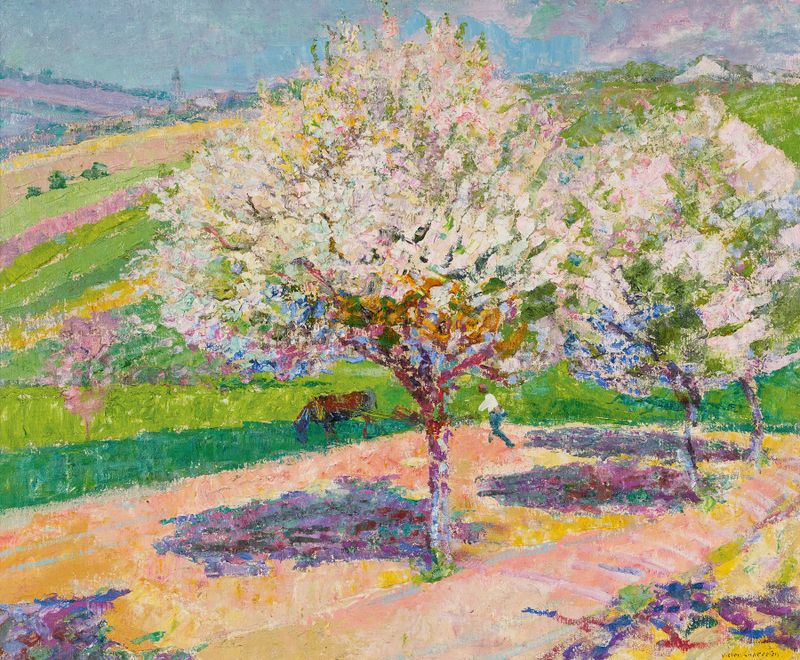
Arbres En Fleur Dans La Prairie
Victor Charreton
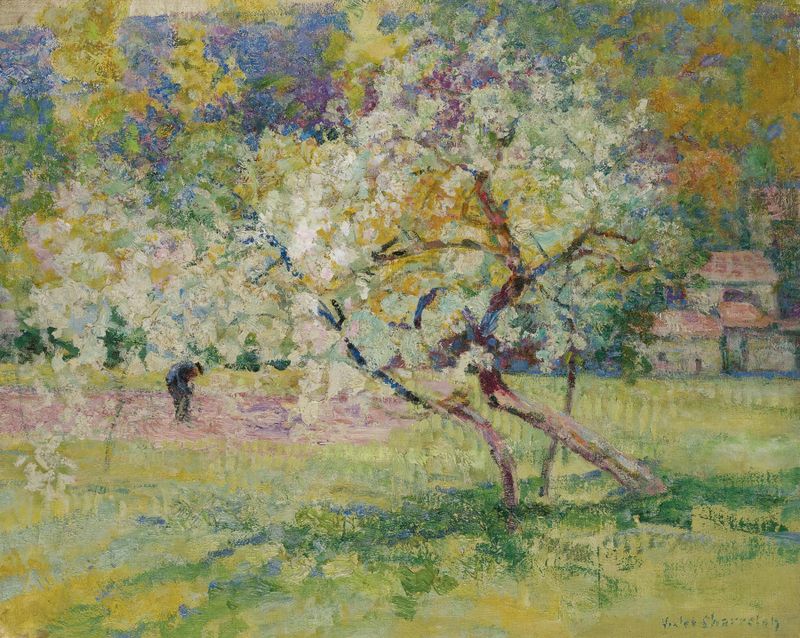
Arbres En Fleur Dans La Prairie, Auvergne
Victor Charreton

Spring trees
Victor Charreton

La cabane à Jassat, Auvergne, effet de soleil sur neige
Victor Charreton
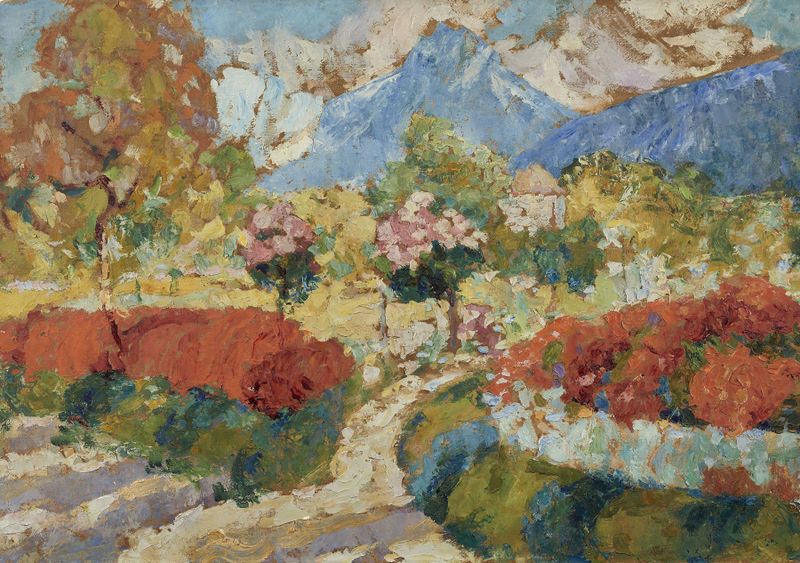
Pigeonnier dans un massif de fleurs
Victor Charreton
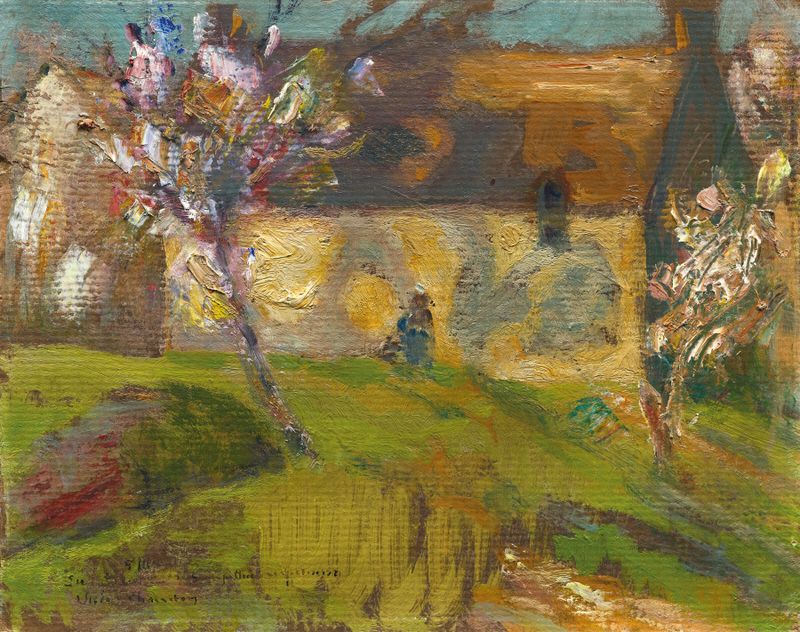
Paysage
Victor Charreton

Village provençal
Victor Charreton
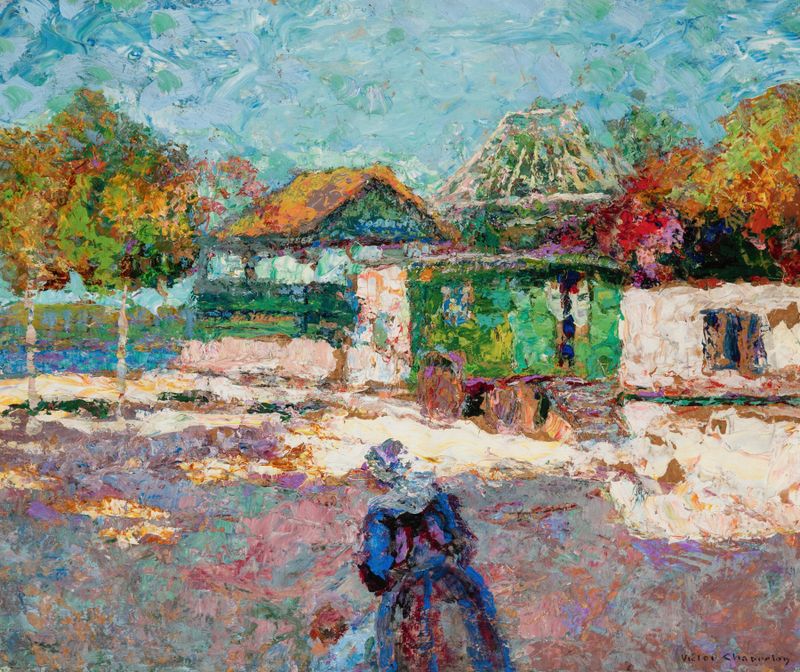
Afternoon stroll
Victor Charreton
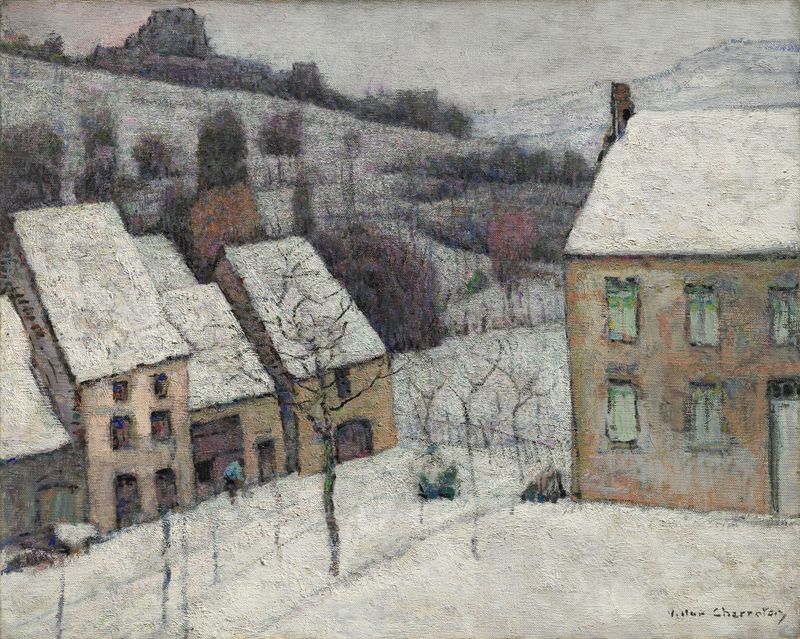
Murol in the Snow
Victor Charreton
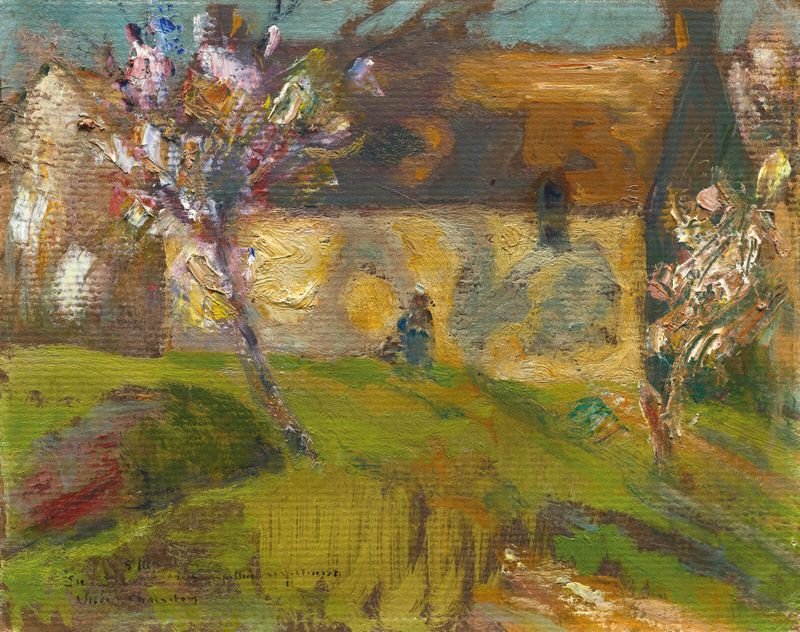
Paysage
Victor Charreton





