
Paysage — History & Facts
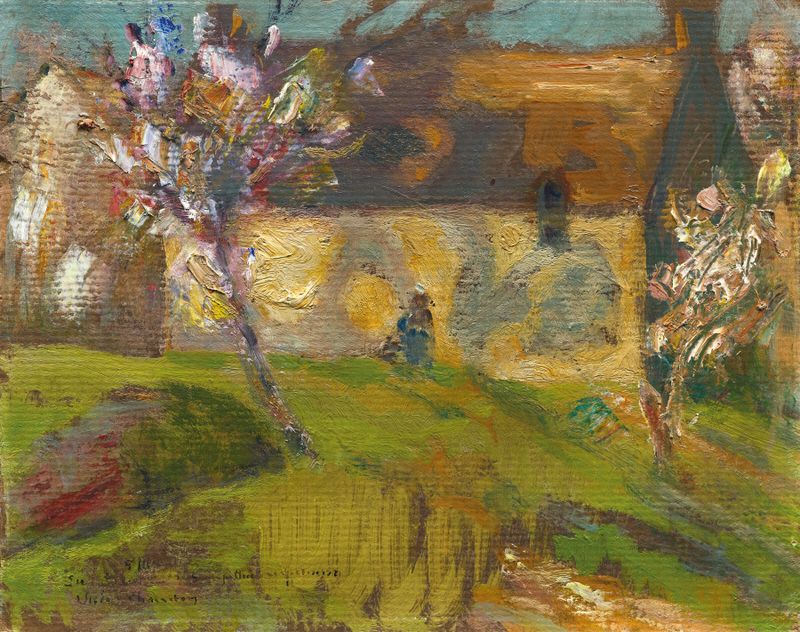
When did color learn to lie? The hues that dance across the canvas whisper of a reality both dreamlike and elusive, inviting the viewer to question the veracity of their perception. Look to the left, where vibrant strokes of cobalt blue and emerald green intermingle, suggesting a landscape that is at once familiar yet transformed. Notice how the luminous touches blend seamlessly into one another, crafting a textured depth that pulls you in like the gentle embrace of twilight. The artist’s choice of palette creates a sense of fluidity, guiding your eye across the undulating hills and skies that pulse with an inner light, hinting at the poetry of nature. Glimpse the playful interplay of shadow and light, revealing a tension between the real and the imagined.
Here, the juxtaposition of bold colors against soft pastels evokes a sense of nostalgia, inviting contemplation about the passage of time and the fleeting nature of beauty. The work suggests that what we see can often be an illusion, a dreamscape that dances just out of reach of our grasp. Created during a period of experimentation in the early 20th century, this piece reflects the artist's embrace of impressionism and the changing landscape of artistic expression. Charreton painted during a time when the art world was increasingly exploring abstraction and emotive color, as he sought to capture the essence of nature through a lens that blurred the boundaries of perception and reality.
More Artworks by Victor Charreton
Browse all →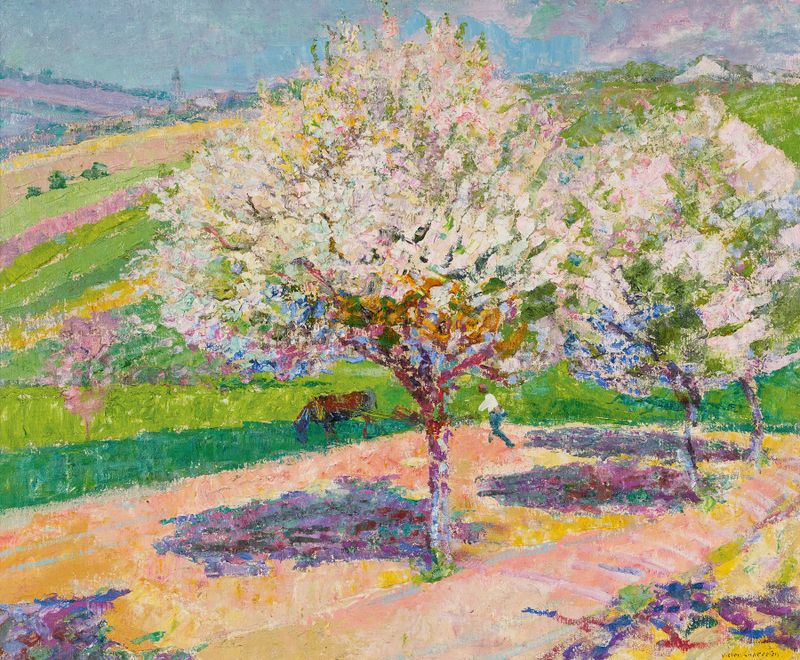
Arbres En Fleur Dans La Prairie
Victor Charreton
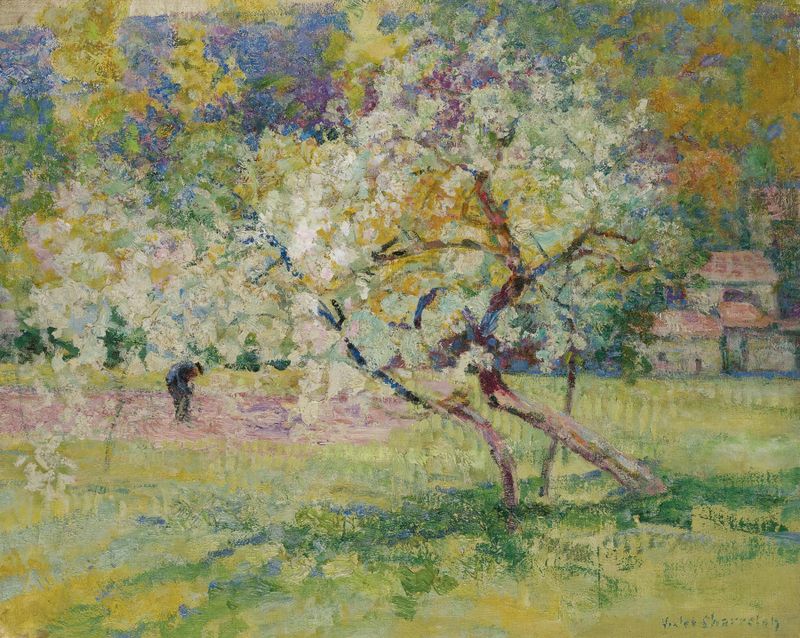
Arbres En Fleur Dans La Prairie, Auvergne
Victor Charreton

Spring trees
Victor Charreton
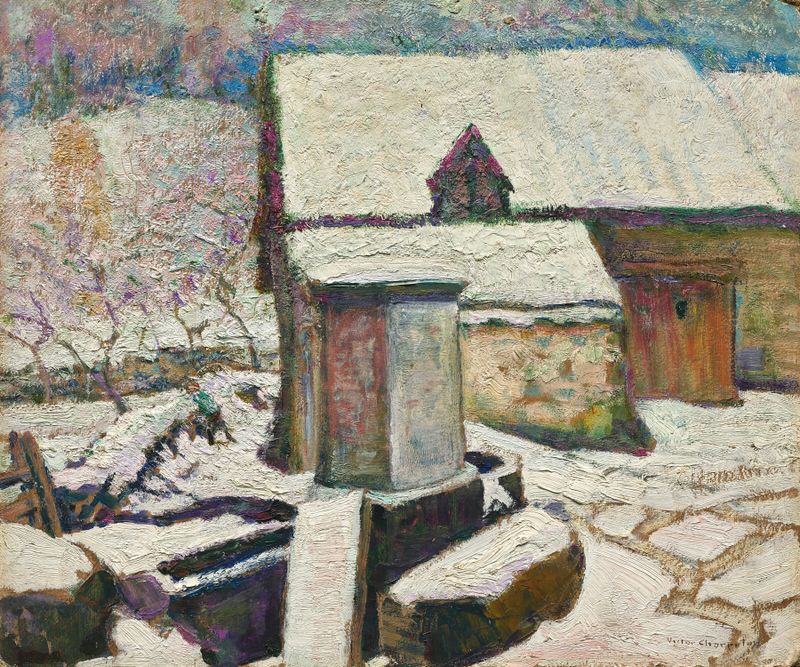
Abreuvoir en hiver
Victor Charreton

La cabane à Jassat, Auvergne, effet de soleil sur neige
Victor Charreton
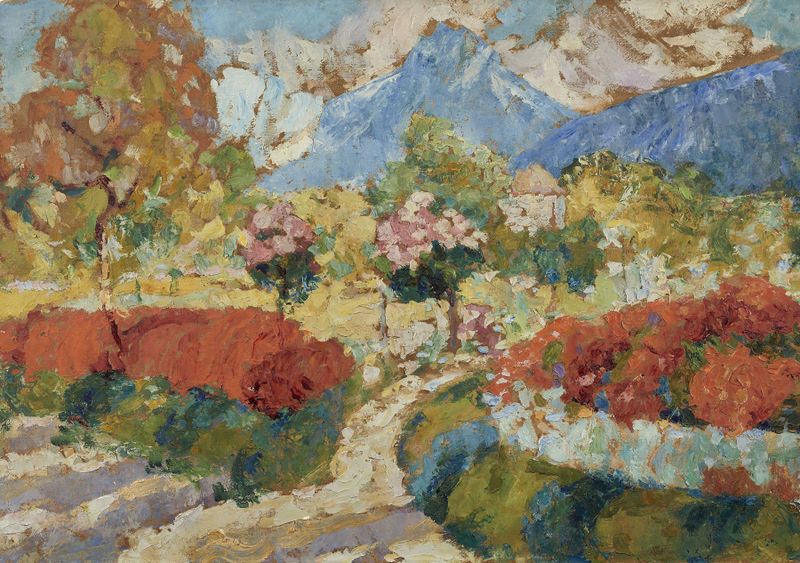
Pigeonnier dans un massif de fleurs
Victor Charreton
Paysage
Victor Charreton

Village provençal
Victor Charreton
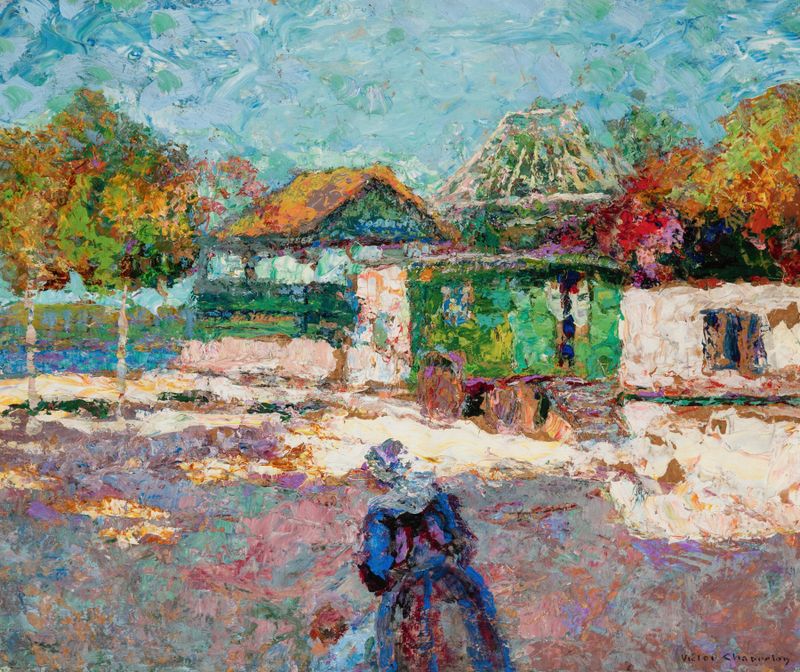
Afternoon stroll
Victor Charreton
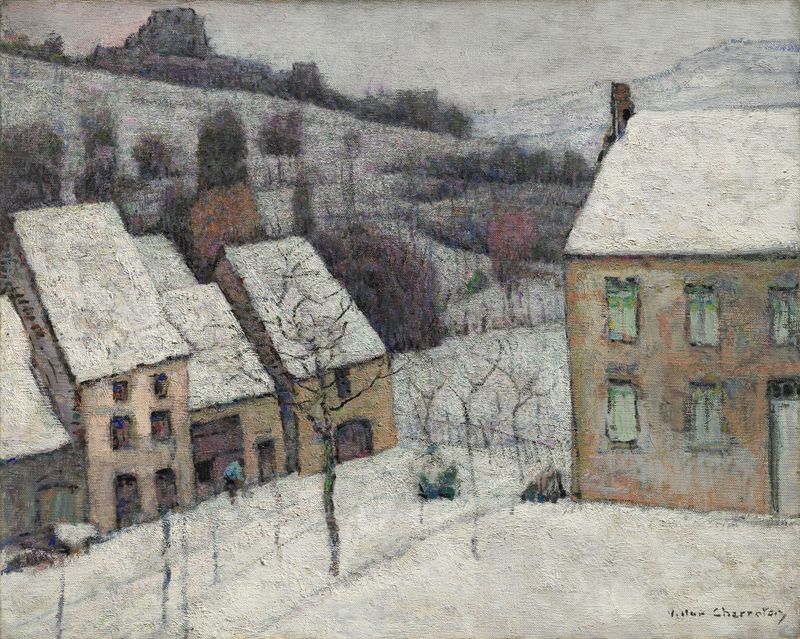
Murol in the Snow
Victor Charreton





