Abstract — History & Facts
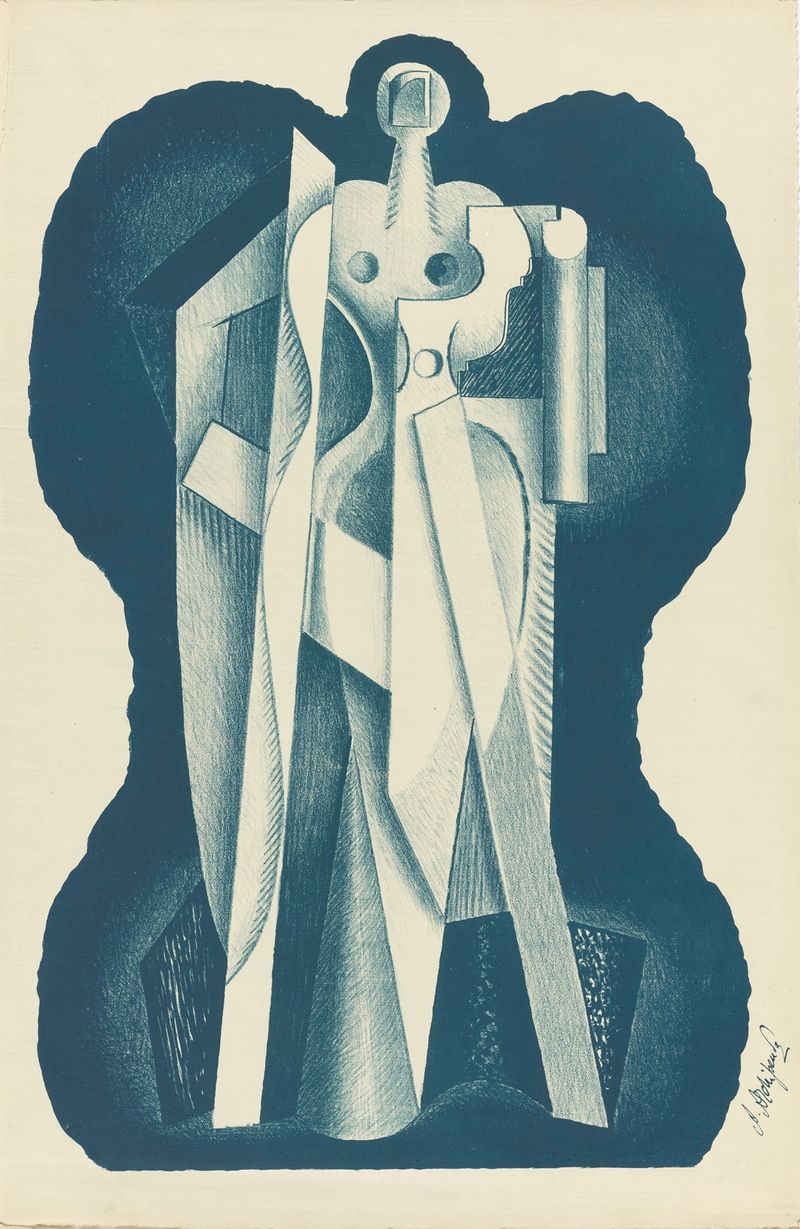
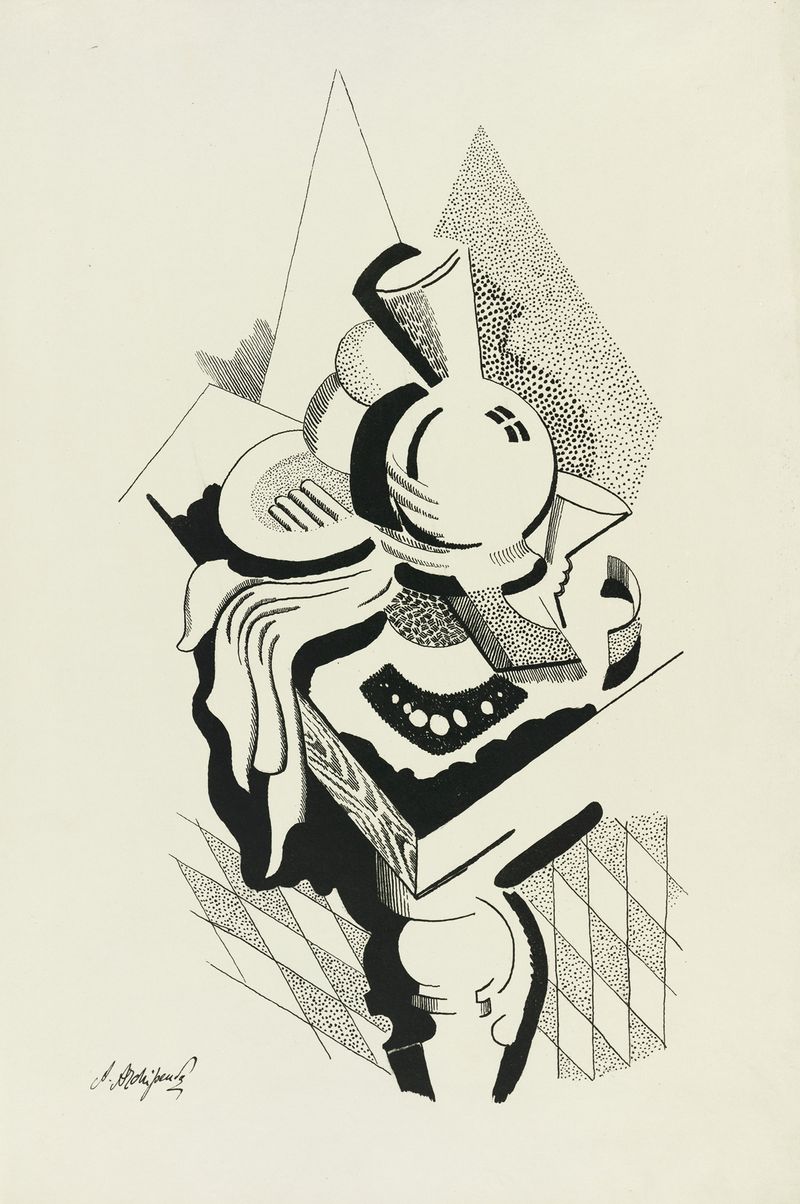
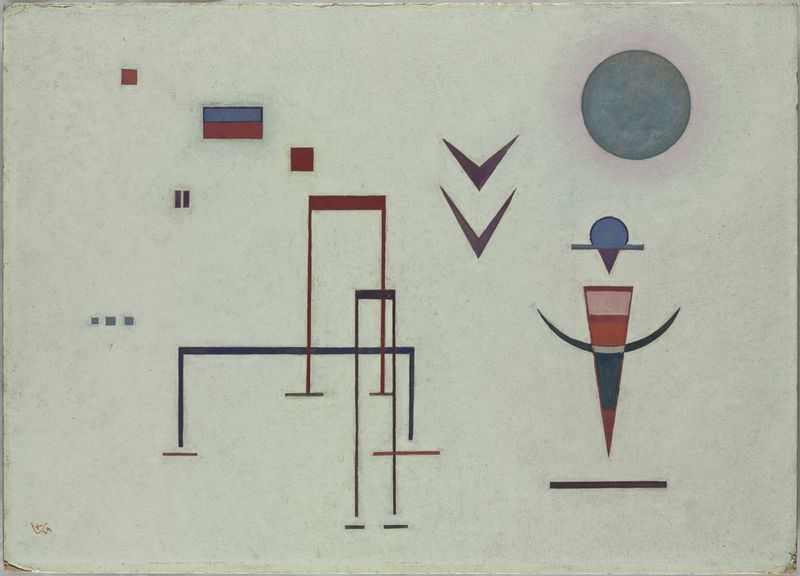
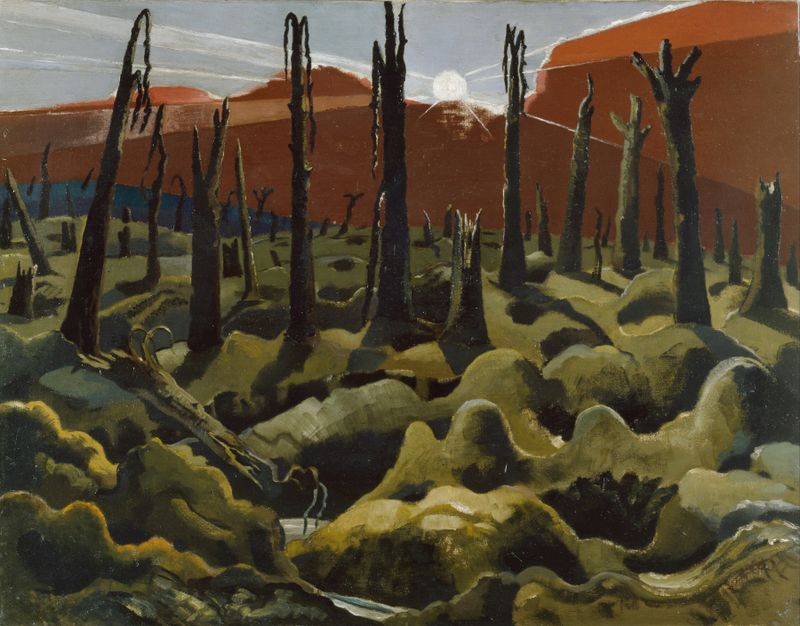
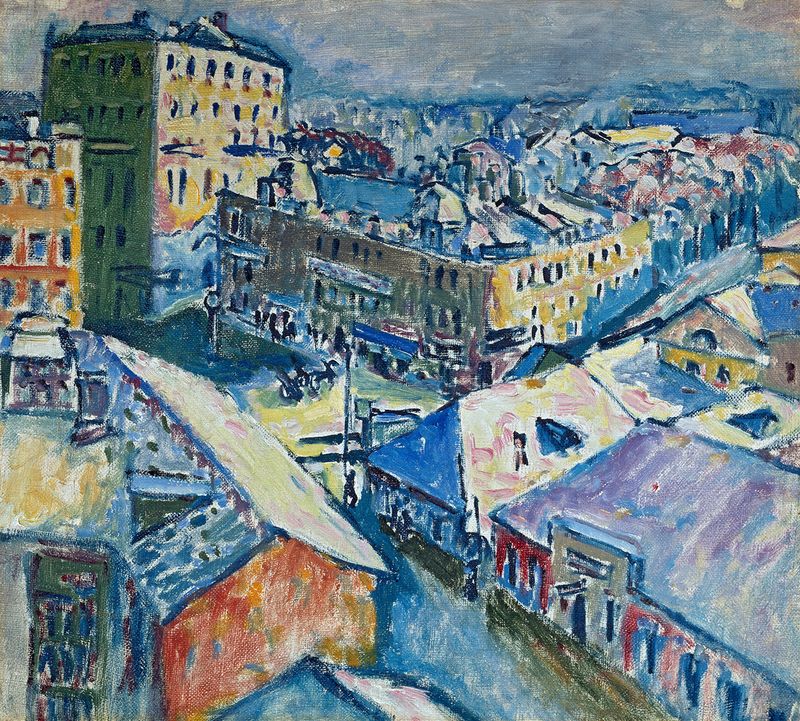
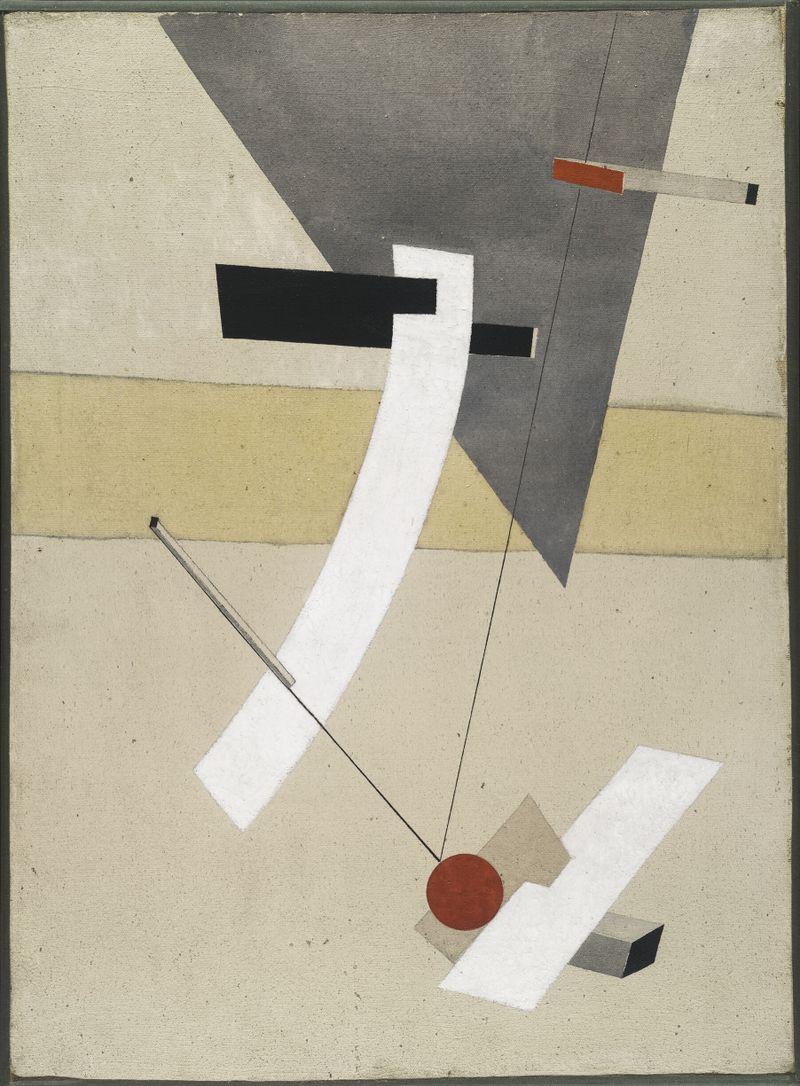
Can beauty exist without sorrow? This question reverberates through the heart of Abstract, a piece that captivates with its haunting allure and palpable yearning. The artwork invites viewers to contemplate the delicate balance between despair and grace, suggesting that the two are entwined in a dance as old as time itself. Look closely at the swirling forms that command the canvas, where shades of muted browns and grays intermingle with splashes of vibrant color. Notice how the composition flows organically, drawing the eye toward the central figure, obscured yet compelling.
The texture conveys emotion—rough and smooth areas create a dialogue that echoes both struggle and serenity, while the interplay of light and shadow gives depth and complexity to the piece. Within this abstraction, the tension between movement and stillness is palpable. The sinuous lines evoke a sense of longing, as if the forms reach for something just out of grasp. Hidden in the folds of the composition are echoes of the human experience—loss, hope, and the relentless pursuit of beauty amid chaos.
Each stroke tells a story, inviting a personal interpretation that resonates deep within the soul. Created in the 19th century, this work emerged during a transformative period in the art world, where traditional boundaries were being challenged. The artist, a follower of Rodin, sought to capture the raw emotion and physicality that defined the era's artistic exploration. While grappling with the evolution of sculptural form, they embraced abstraction, embracing the notion that art could convey complex human feelings beyond the representational.