Abstract — History & Facts
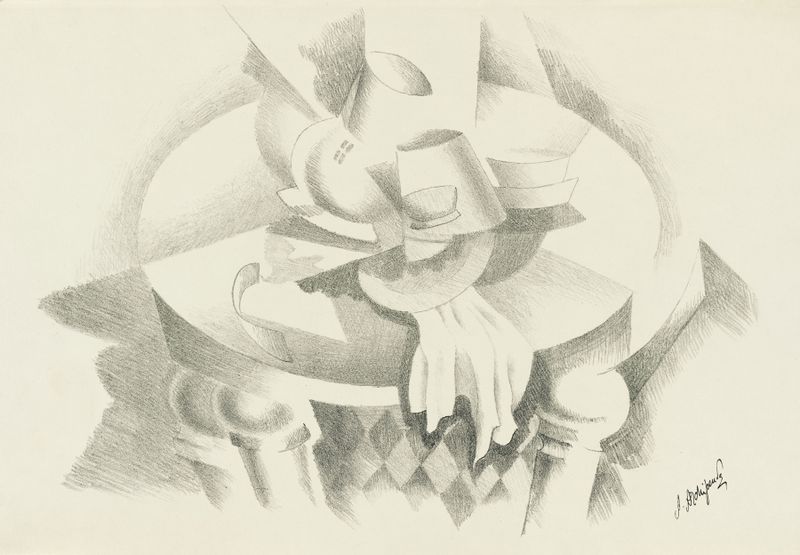
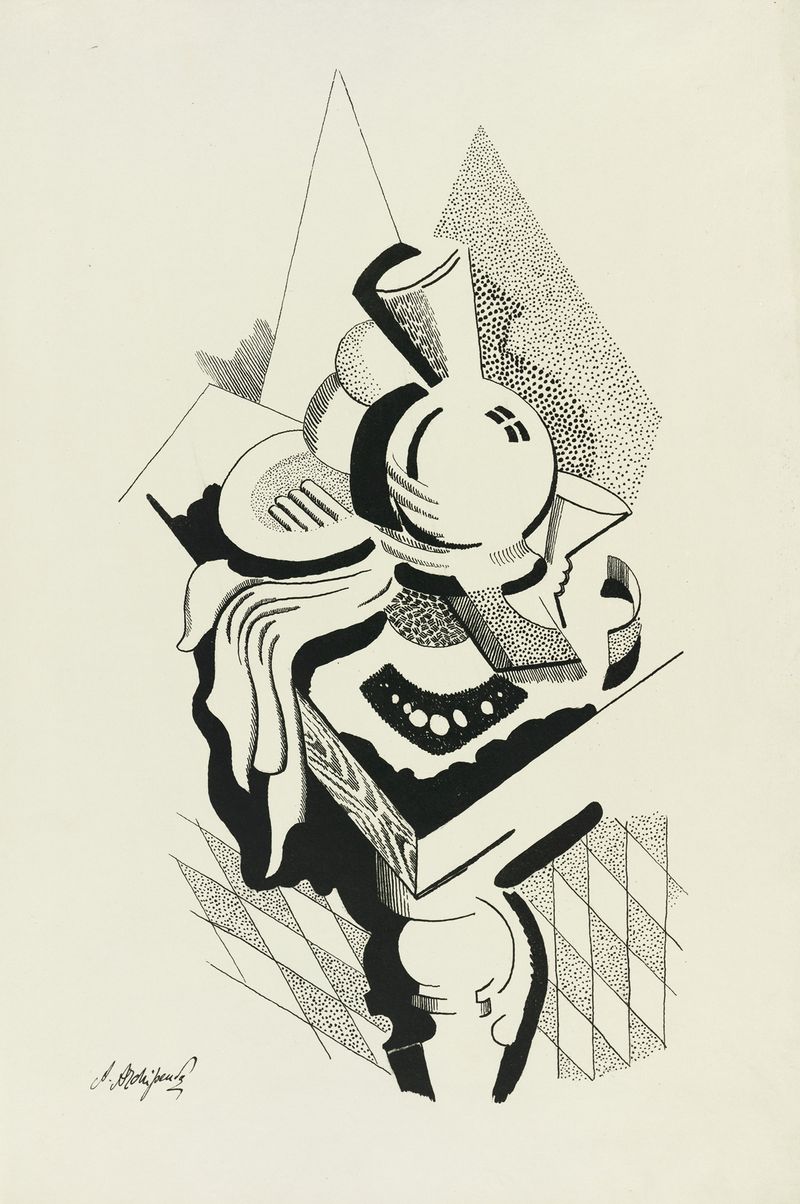
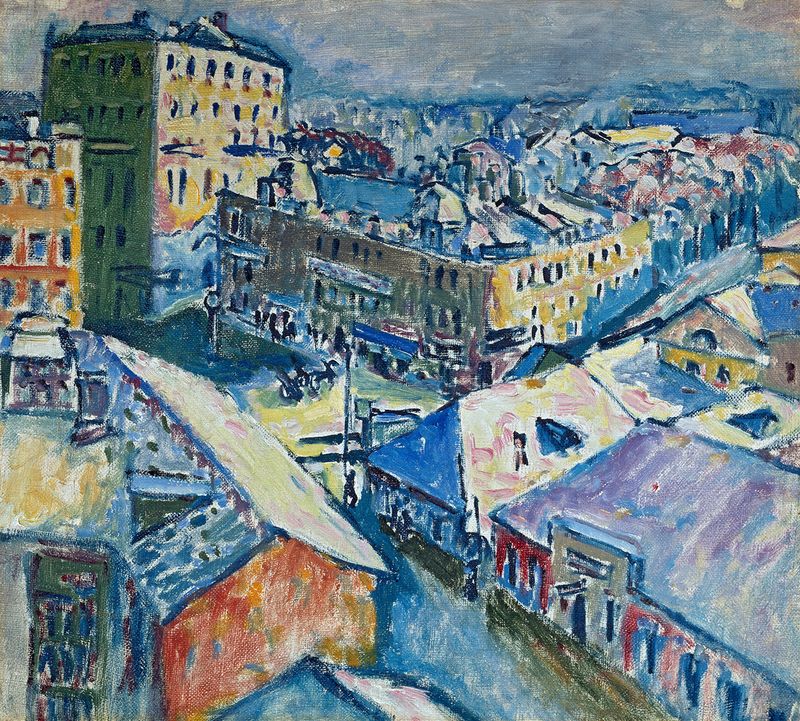
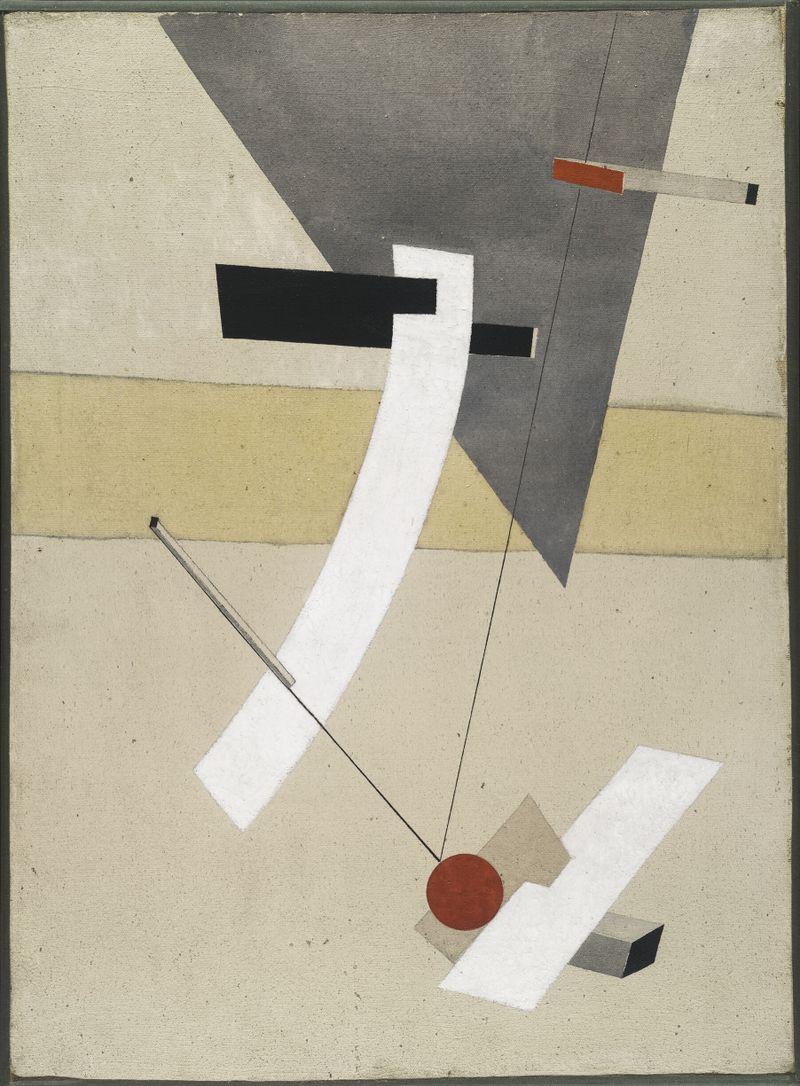
Could beauty survive in a century of chaos? The question hangs in the air, as the very essence of the artwork teeters on the edge of illusion and reality. Look closely at the interplay of form and void, where the spirit of movement dances through the composition. Notice how the sculptural elements appear to shift and bend, inviting the eye to flow over surfaces that suggest both solidity and fragility. The muted palette imbues the piece with an ethereal quality, allowing the light to envelop the contours, creating an ever-changing dialogue between shadow and brightness. Within the undulating shapes lie profound contrasts—a celebration and critique of the world around it.
The tension between the organic and the abstract evokes a sense of longing, as if the work yearns to transcend its physicality. Each curve and angle speaks to the tumultuous era it represents, a reminder that amidst turmoil, the quest for beauty can still emerge, albeit in fragmented forms. In the late 19th century, the artist, inspired by the pioneering spirit of Auguste Rodin, sought to redefine the boundaries of artistic expression. This was a time marked by rapid industrialization and social upheaval, pushing artists to explore new realms of thought and technique.
The creation of this piece reflects a deep engagement with those shifting paradigms, as it embraces ambiguity and complexity, marrying the past with the uncertainties of the future.