Abstract — History & Facts
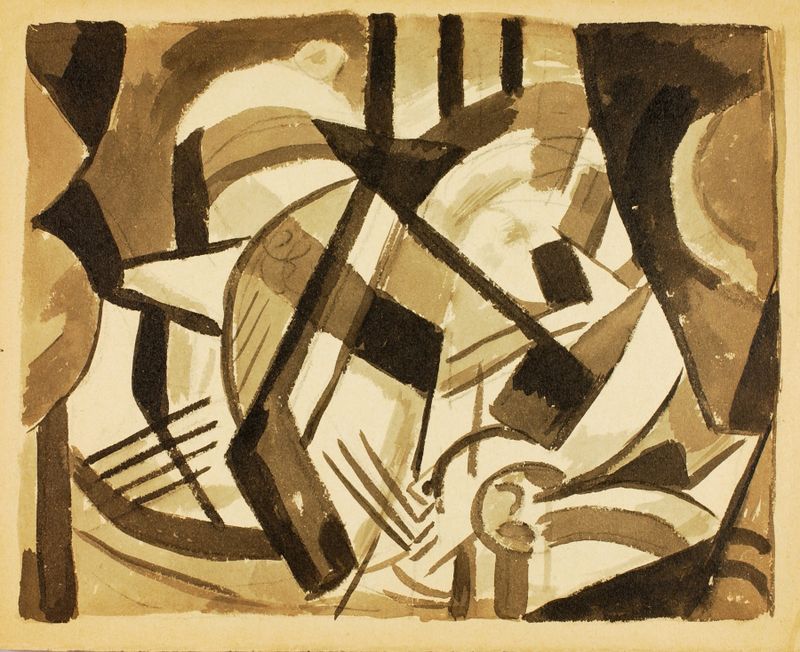
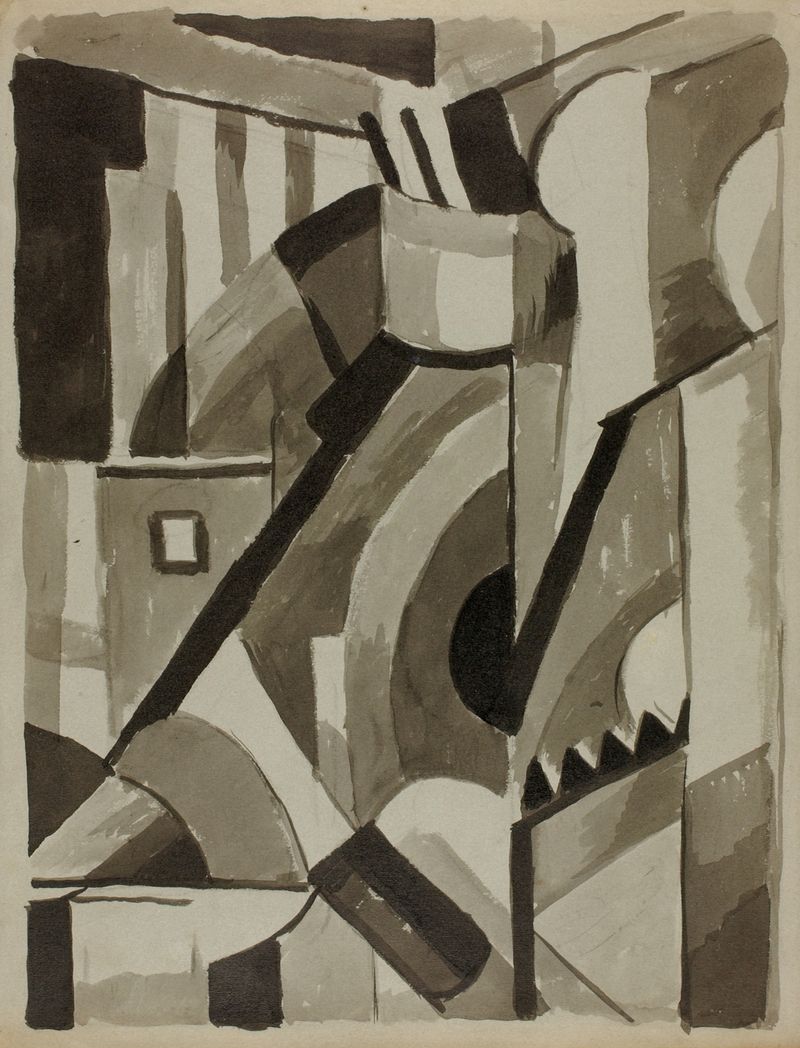
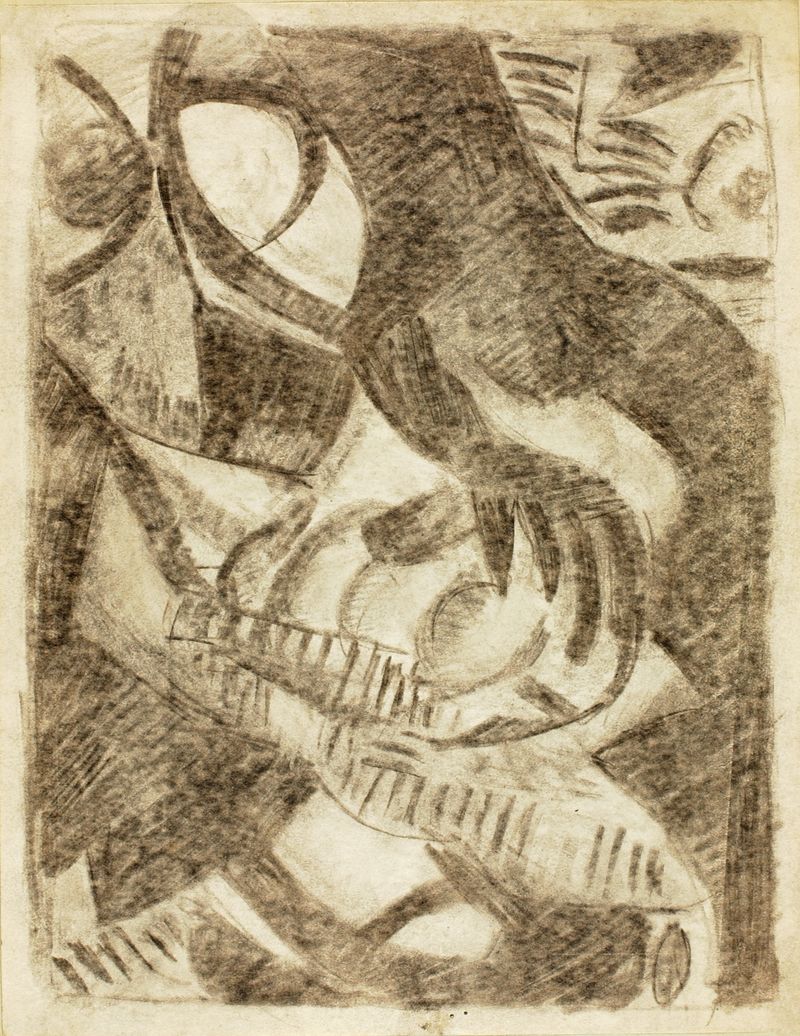
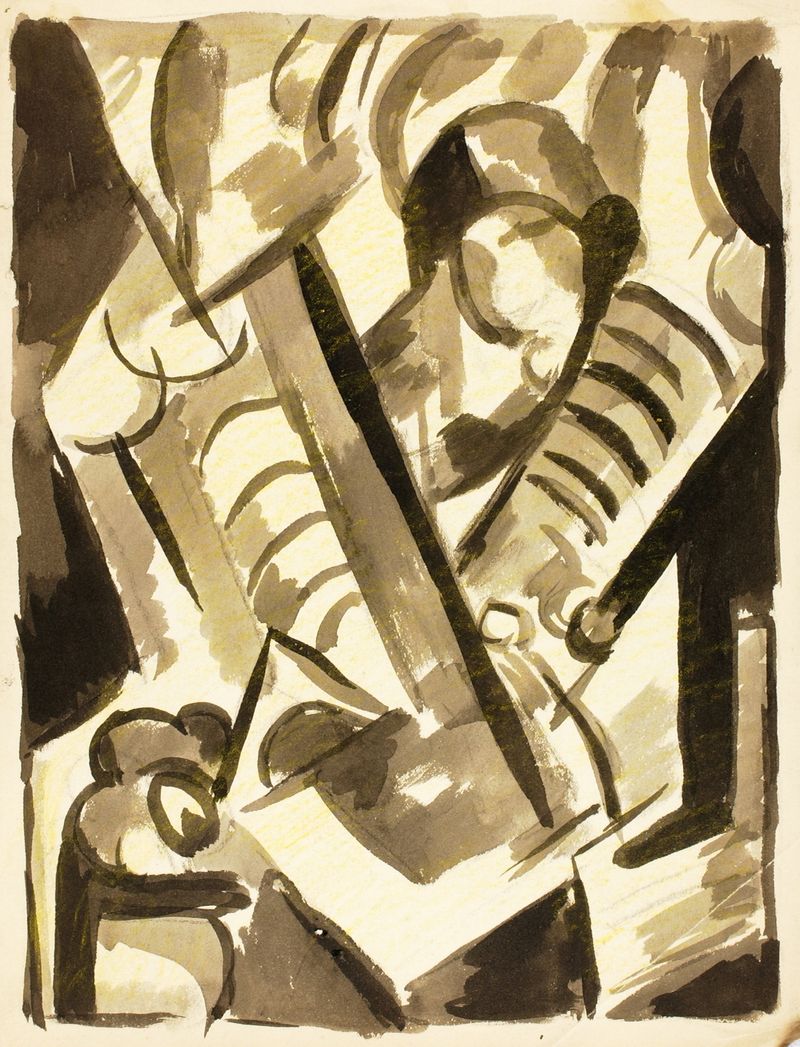
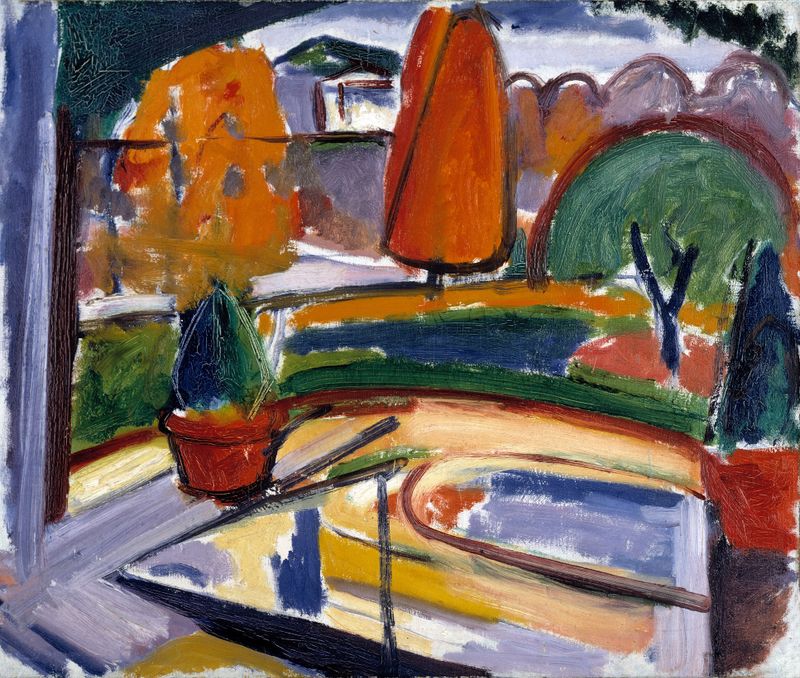
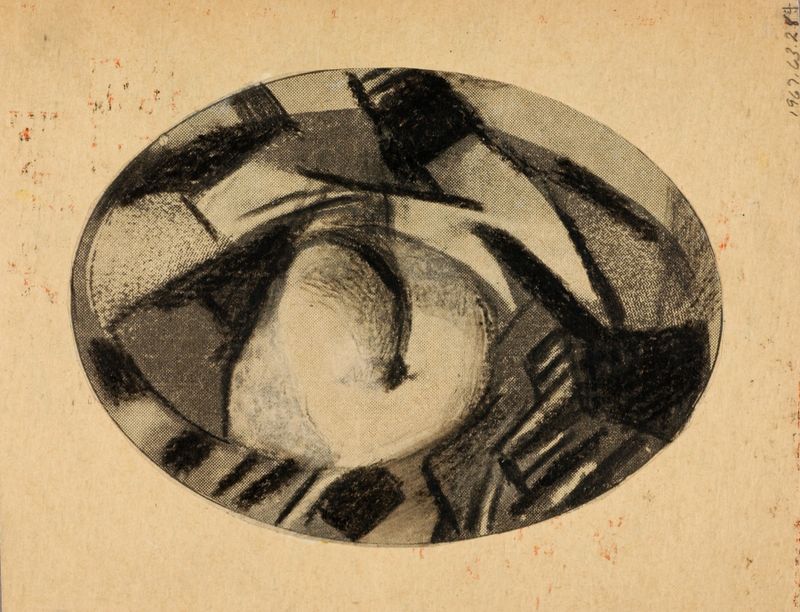
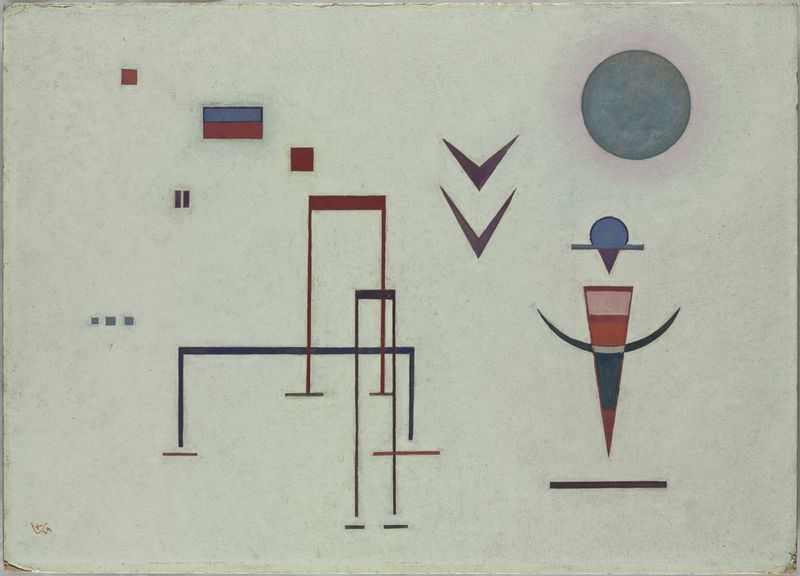
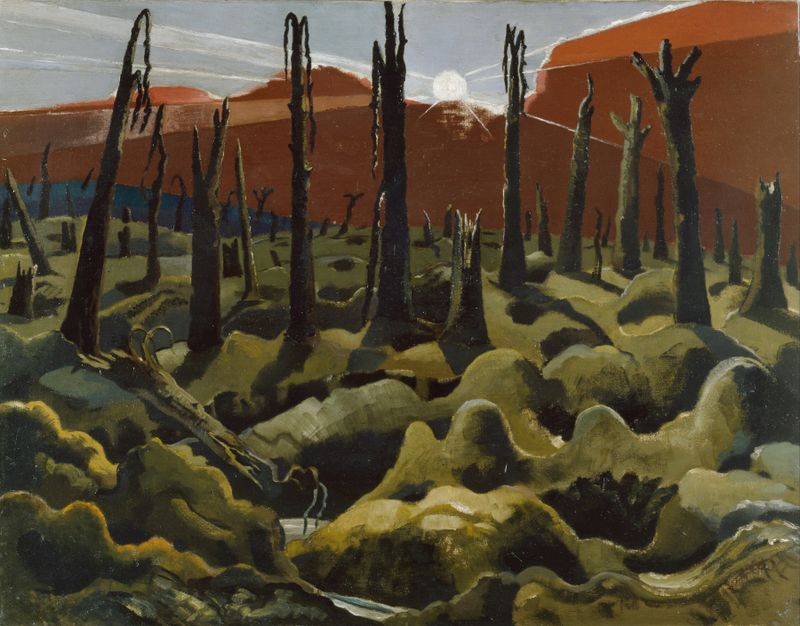
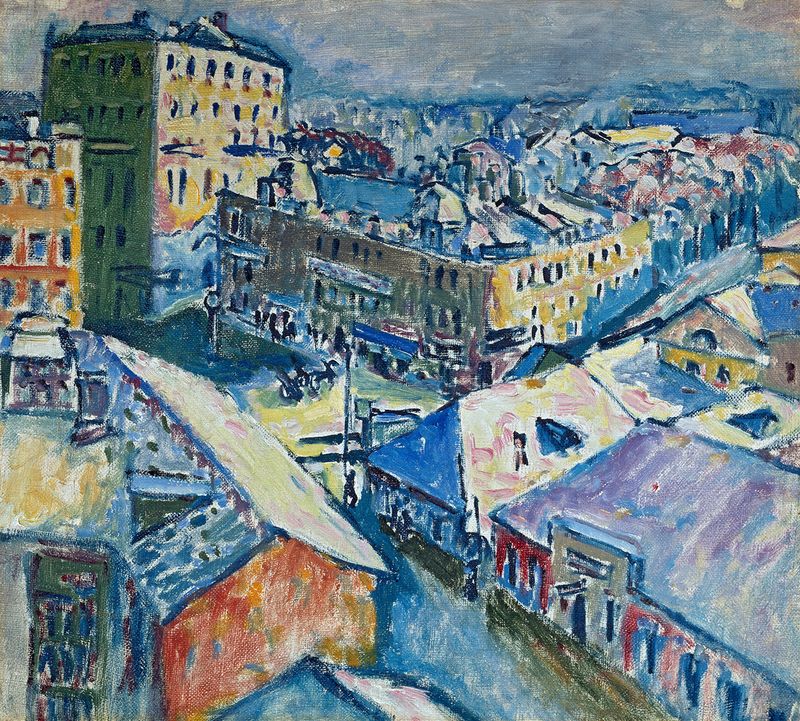
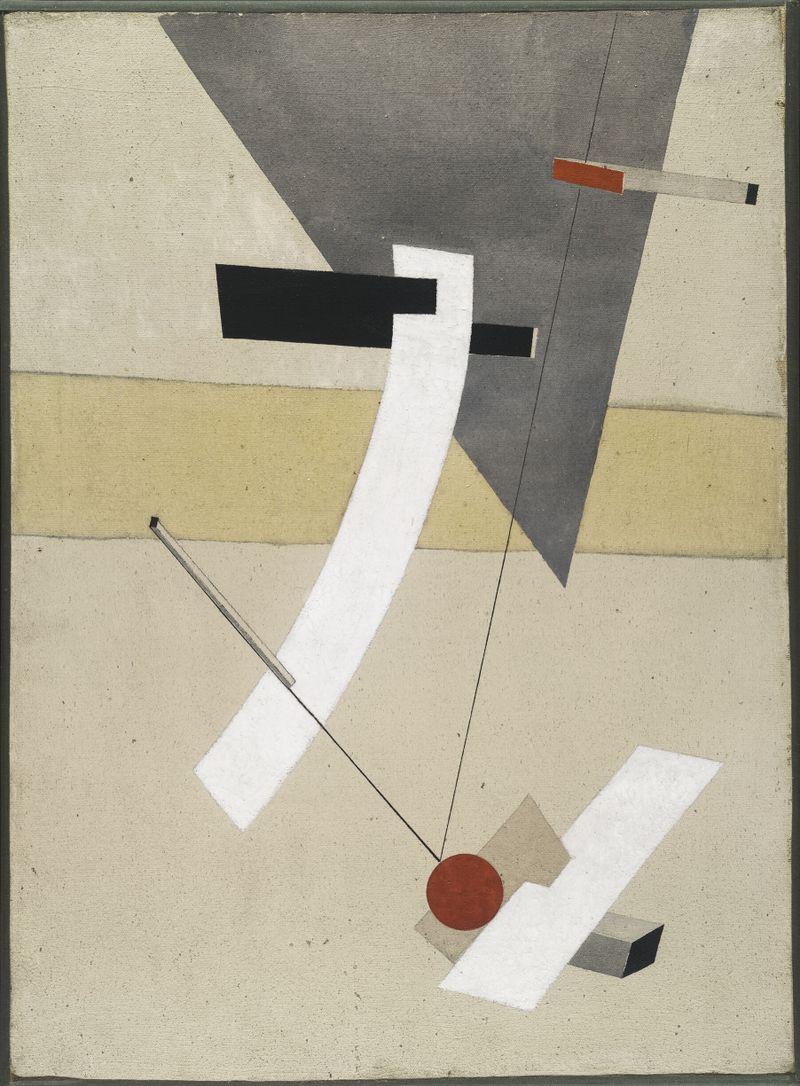
In a society saturated with superficiality, some creations hold a mirror to our innermost truths, inviting us to explore the depths of our existence. Focus first on the interplay of colors at the center of Abstract. Swirls of deep blues and fiery oranges collide and blend, creating a vortex that draws the viewer in. Notice how the brushstrokes are both chaotic and purposeful, as if the artist is wrestling with emotion while simultaneously striving for harmony.
The edges of the canvas pulse with softer hues, suggesting the gentle ebb and flow of thought, while sharp angles provoke a sense of tension. This careful balance and contrasting technique illuminate the duality of human experience. As you delve deeper, identify the hidden figures formed within the chaos, fleeting and ghost-like, that hint at the unresolved stories we carry. Shadows lurk at the edges, evoking feelings of anxiety and uncertainty, yet the vibrant core offers a glimmer of hope, suggesting that amid turmoil, clarity can emerge.
This juxtaposition resonates with the universal struggle between darkness and light, inviting contemplation on the duality of the soul. Carl Newman created Abstract during an era when the art world was grappling with the rise of Modernism, a time filled with both excitement and dissonance. His work emerged amid personal challenges and a desire to express the complexities of human emotion. The exploration of abstraction was not merely a stylistic choice but a deliberate reflection of the tumultuous times, underscoring a search for meaning in an often chaotic universe.