Abstract — History & Facts
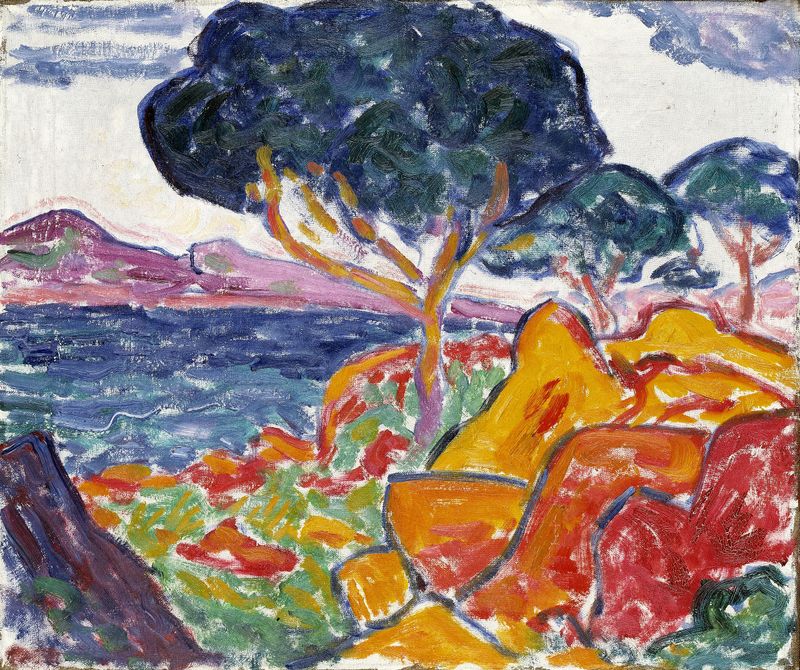
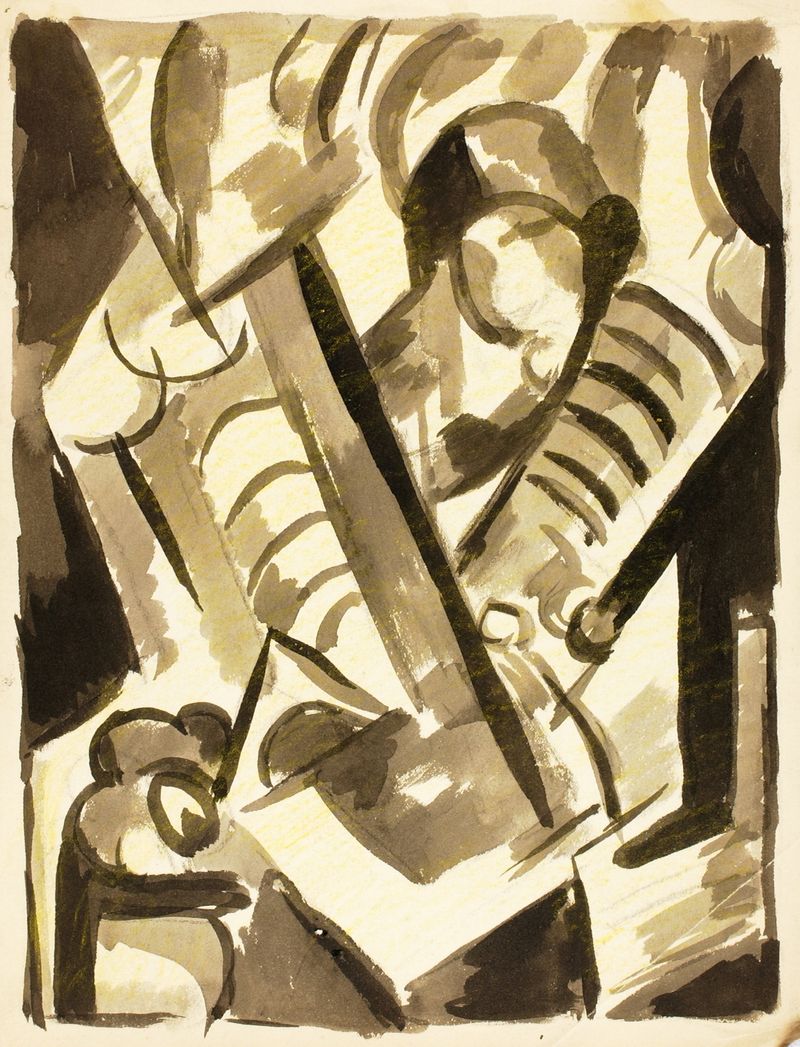
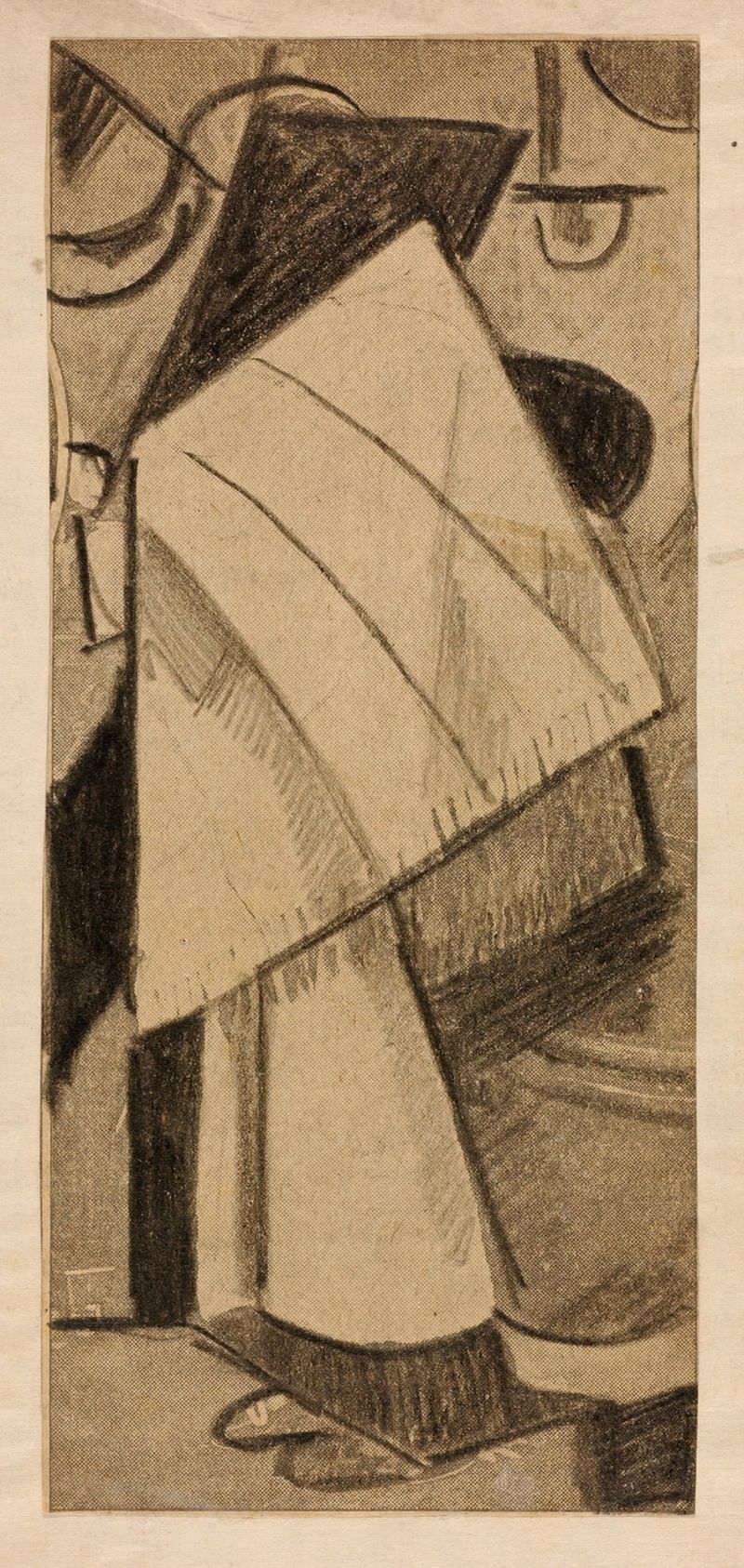
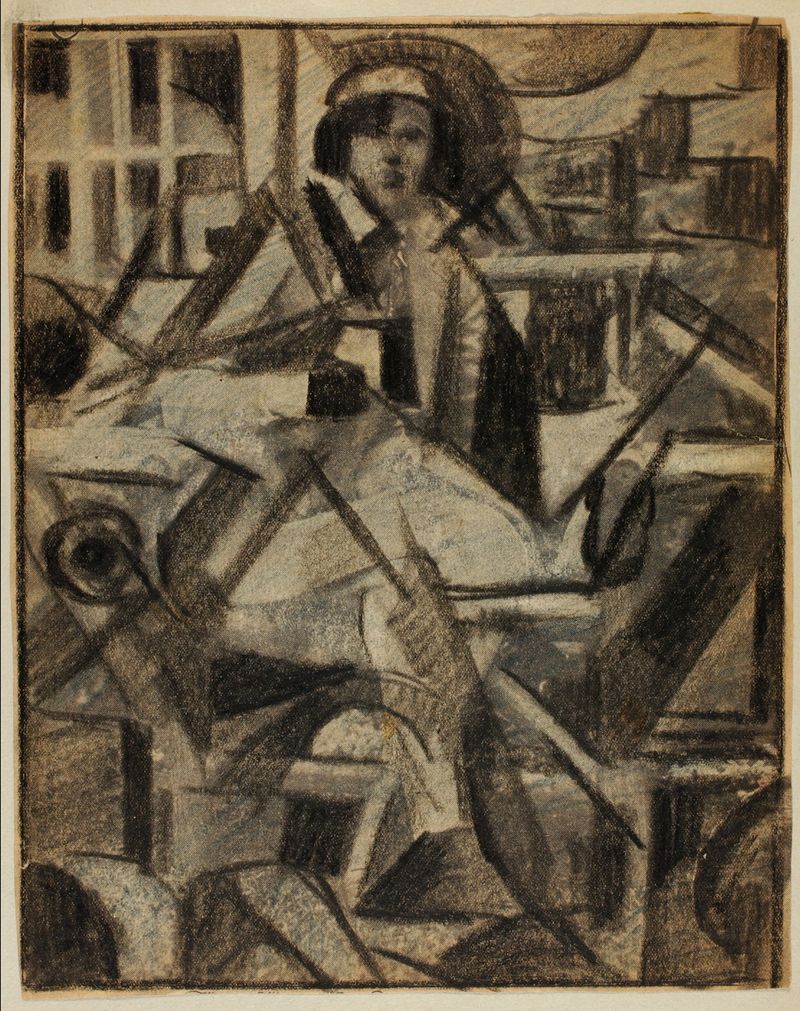
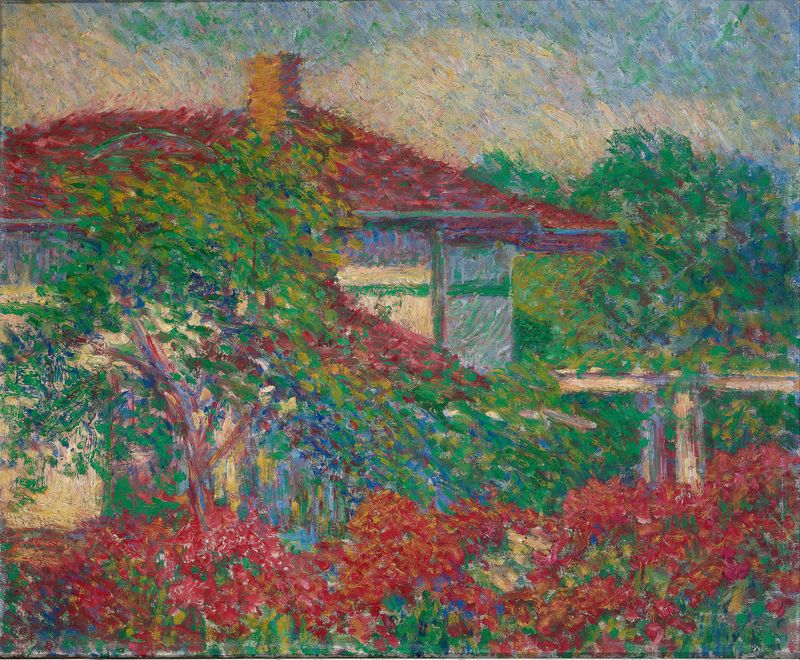
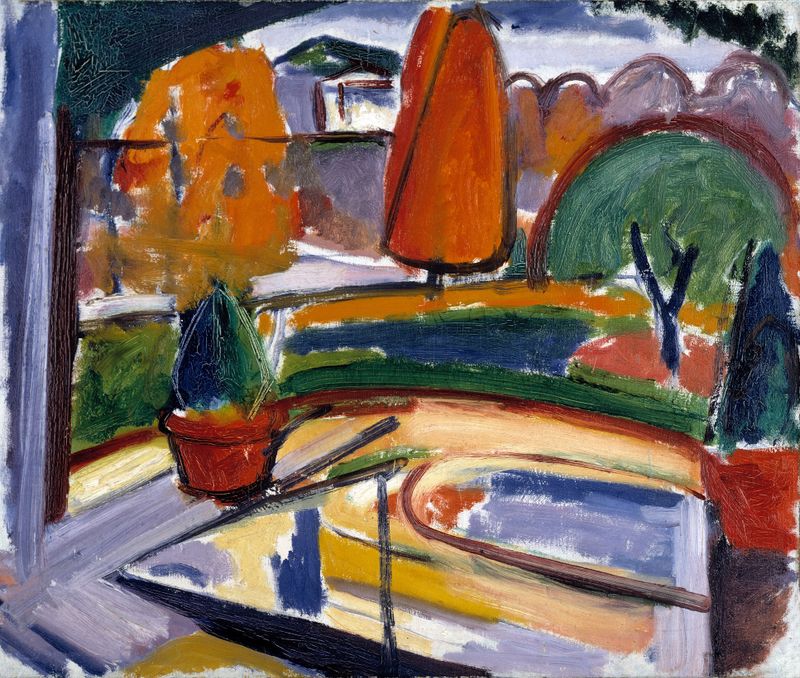
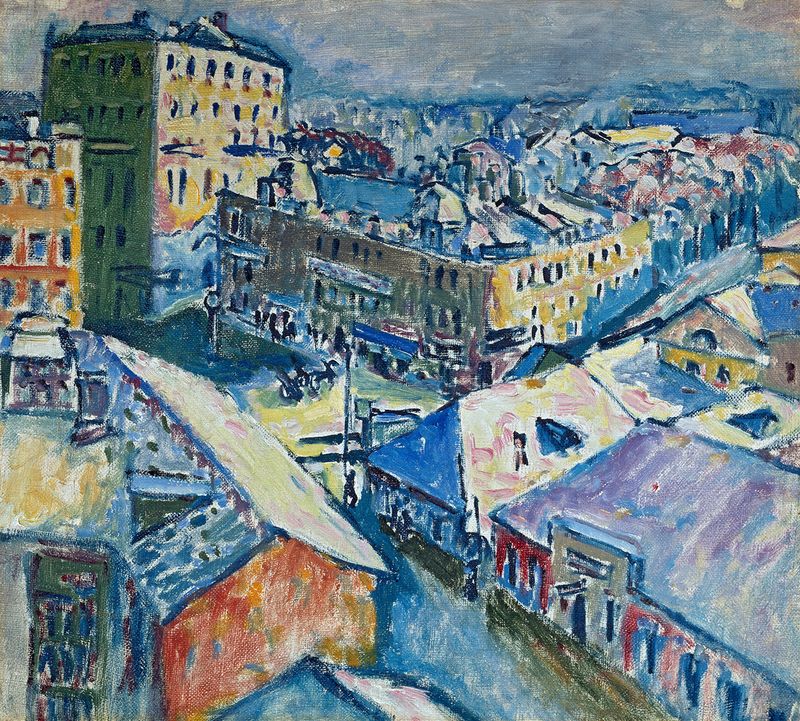
In a world where emotions collide and intertwine, there lies a profound melancholy waiting to be unraveled. Focus on the central swath of deep indigo that anchors the composition, an ocean of sorrow enveloping the surrounding hues. Notice how jagged strokes of burnt orange and muted ochre cut through the blue, creating a tension that invites both discomfort and contemplation. The artist’s use of texture, evident through layered applications and swirling patterns, draws you deeper into the emotional landscape, blending chaos into a semblance of harmony. The contrasts within this piece are striking; the interplay of warm and cool tones reflects the duality of human experience.
While the deeper blues may evoke sadness, the fiery accents hint at the resilience found within despair. Small hints of lighter shades peek through, suggesting the flicker of hope that resides even in the darkest moments—a delicate balance of light and shadow, despair and resilience. Carl Newman created this work during a period of introspection and turbulence in his life, though the exact date remains uncertain. Emerging from a time when abstraction began to challenge traditional paradigms, the artist was influenced by the ethos of post-war existentialism and the search for meaning in a rapidly changing world.
This piece stands as a testament to his exploration of inner emotions, reflecting not only his personal journey but also the broader artistic conversation taking shape in the mid-20th century.