Abstract Composition — History & Facts
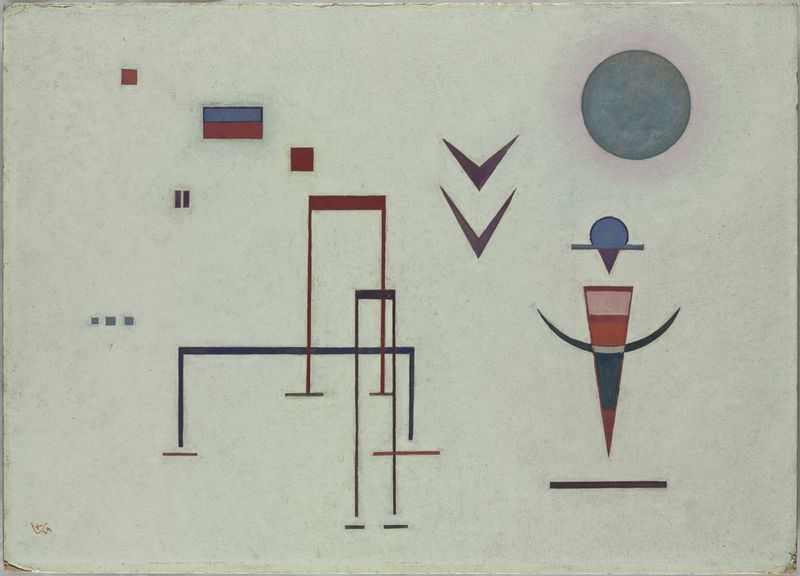
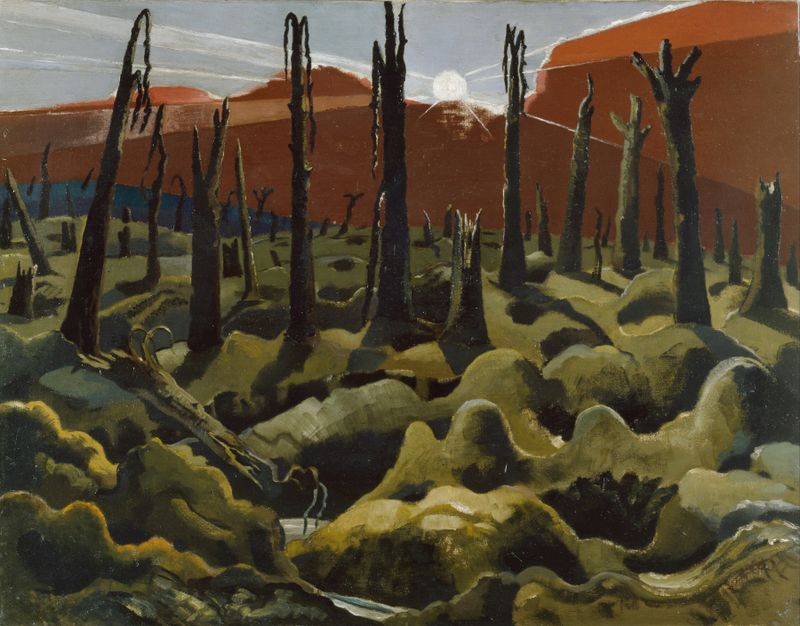
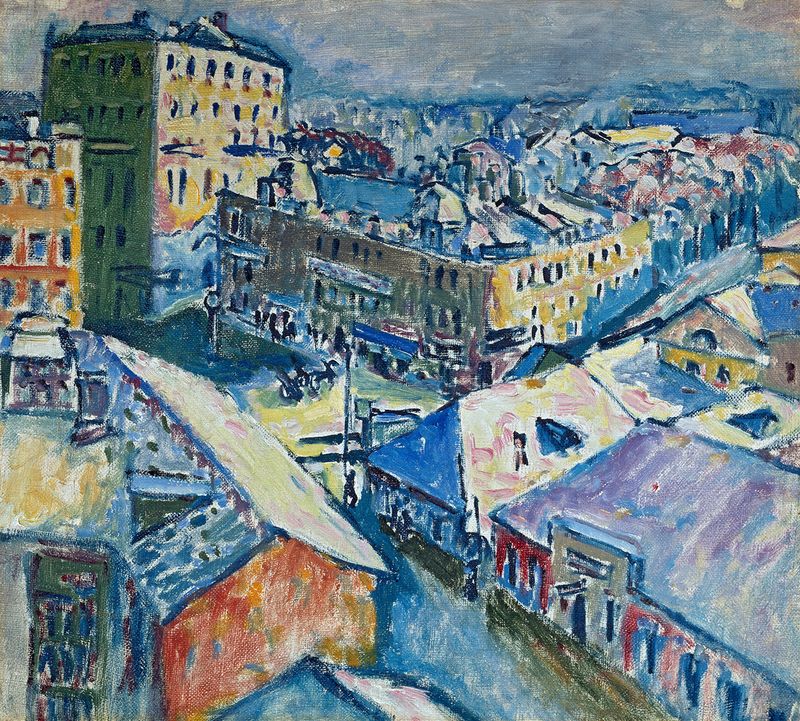
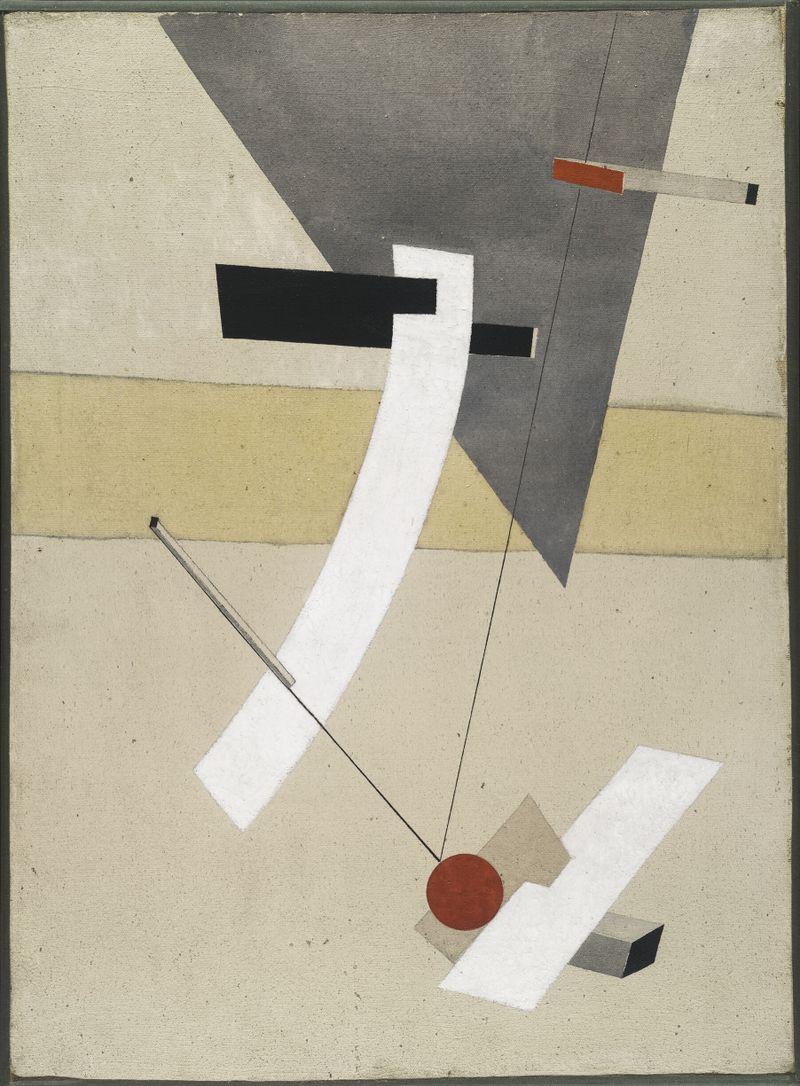
In a time marred by uncertainty and loss, how does one reconcile the chaos around them with the desire for beauty and connection? Look to the swirling forms that dominate the canvas; they dance in vibrant hues of blue and gold. Notice how the shapes intertwine, creating a sense of movement that seems to defy stillness. The brushwork reveals a meticulous hand, guiding the eye through a labyrinth of emotion.
A contrast between the boldness of the colors and the softness of their transitions captures the tension between hope and despair. Within this abstract composition lies a poignant exploration of loss. The juxtaposition of seemingly chaotic elements hints at the turmoil of the early 20th century, a world on the brink of war. Each curve and line evokes a sense of longing—the desire to find order in the midst of disarray.
Even in abstraction, there is a yearning for connection, a reminder of what is at stake when everything feels fragile. During the years 1914 to 1916, Atkinson navigated a rapidly changing art scene, influenced by movements such as Futurism and Cubism. This period was marked by significant personal and societal upheaval, as the shadow of World War I loomed large. In this context, Abstract Composition emerges as a testament to Atkinson's exploration of the human experience, reflecting the inner turmoil of an artist grappling with the world’s disarray.