
Art movement · c. 1860s–1970s · International
Modernism Art and Paintings
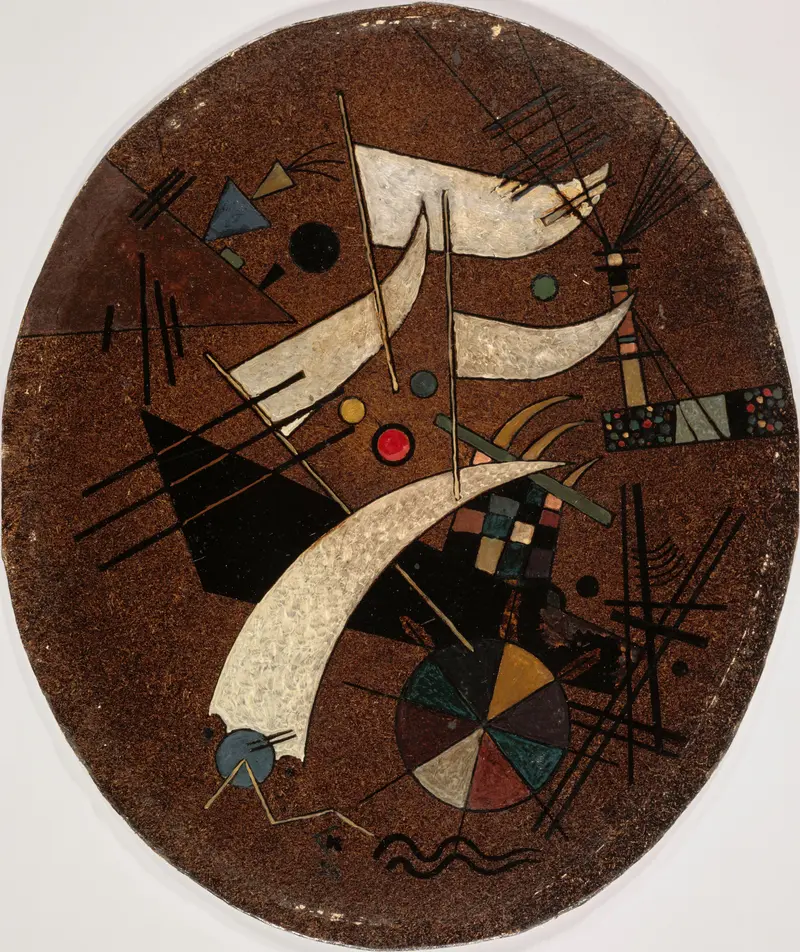
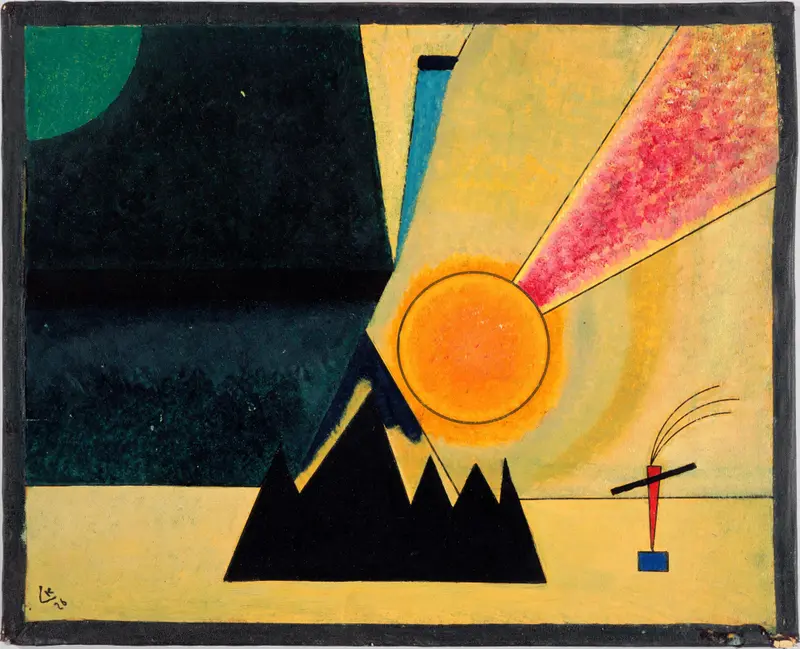
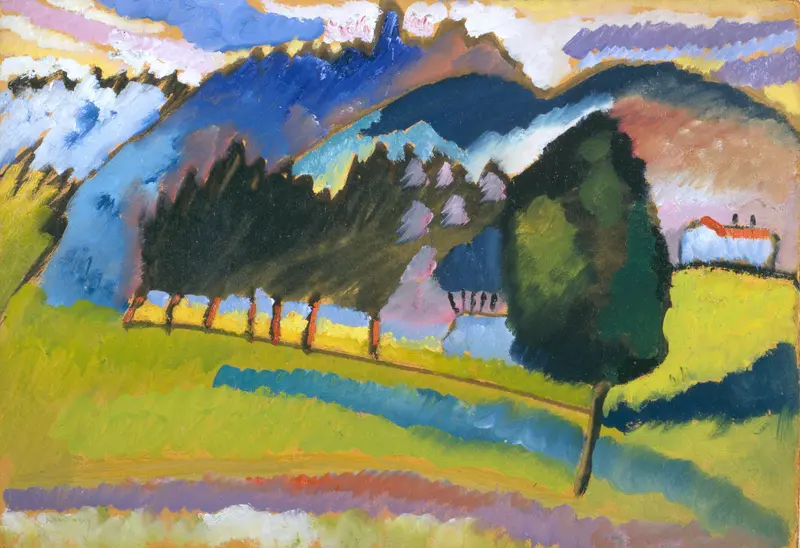
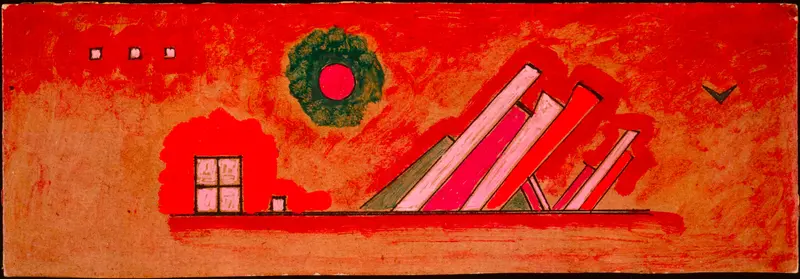
Modernism is the umbrella art movement of the modern age: the many styles, from realism to abstraction, that rejected tradition and experimented boldly with form, materials and technique from the 1860s to the 1970s. Tate traces it from the realism of Gustave Courbet to the abstract art of the 1960s, and describes it as a global movement that, from the early decades of the twentieth century, sought an art in tune with modern industrial life. Its painters include Henri Matisse, Kazimir Malevich, Piet Mondrian, Wassily Kandinsky and Amedeo Modigliani.
In our catalog the Modernism label holds more than 4,000 works, mostly made between 1900 and 1940: paintings by Modigliani, Matisse, Klee, Léger, Kandinsky and Mondrian, but also posters, prints and the Catalan painters Santiago Rusiñol and Ramon Casas. Tate counts Malevich's Black Square among the key moments of modernism; it headed the list of his works when he first showed it in St Petersburg in December 1915.
Browse 4,401 Modernism paintings and artworks below, all public domain and free to download.
Selected and written by Pavel MazuelasUpdated November 5, 2026
Part of Art Movements and Painting StylesRelated: Expressionism, Cubism, Famous Abstract Paintings
All Modernism paintings and artworks
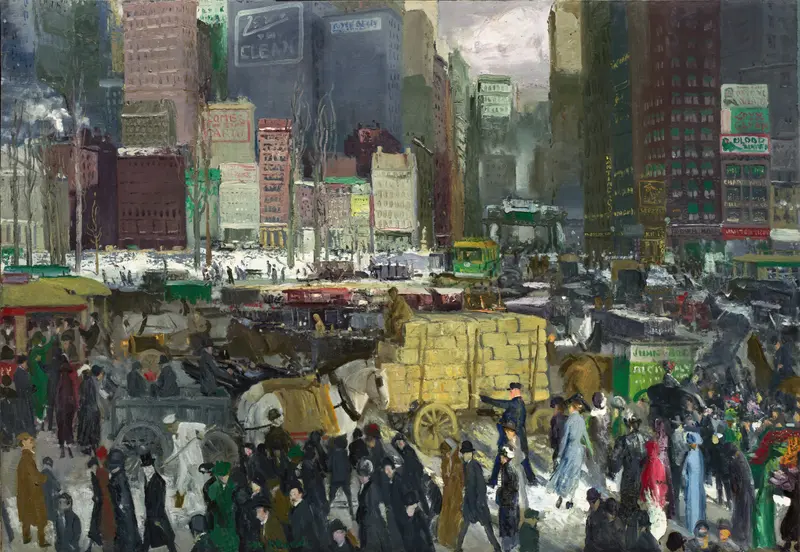
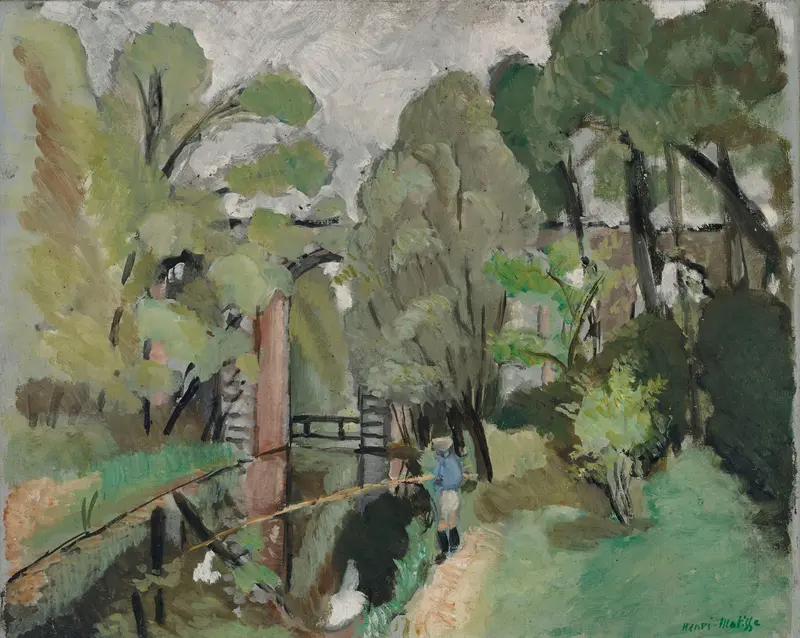
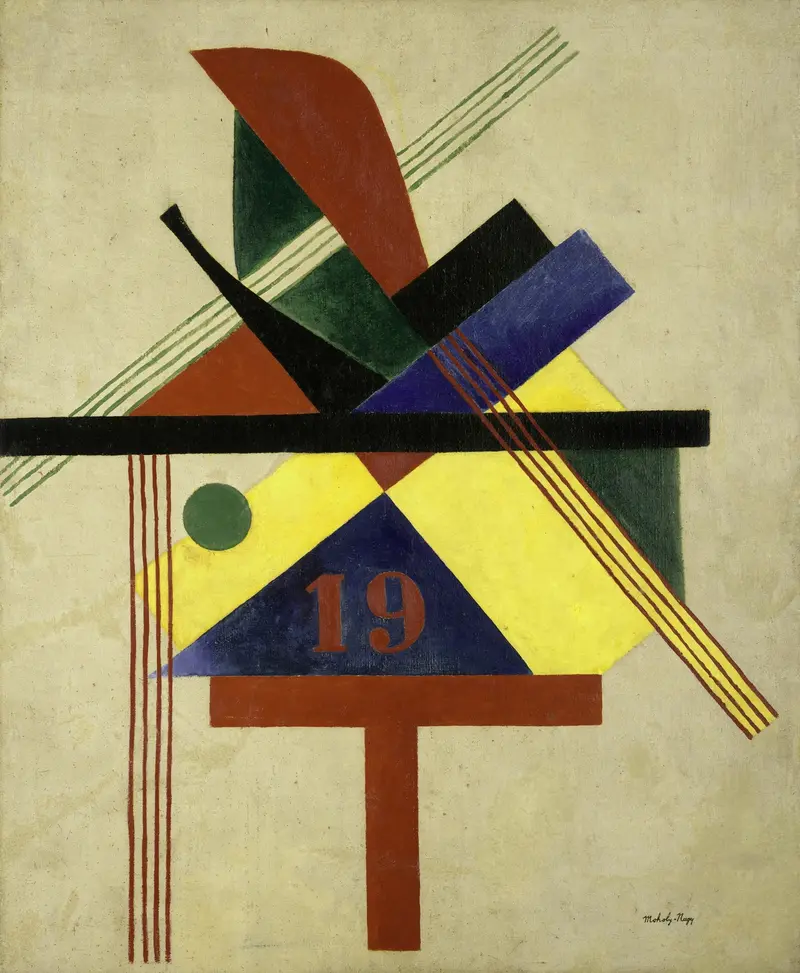
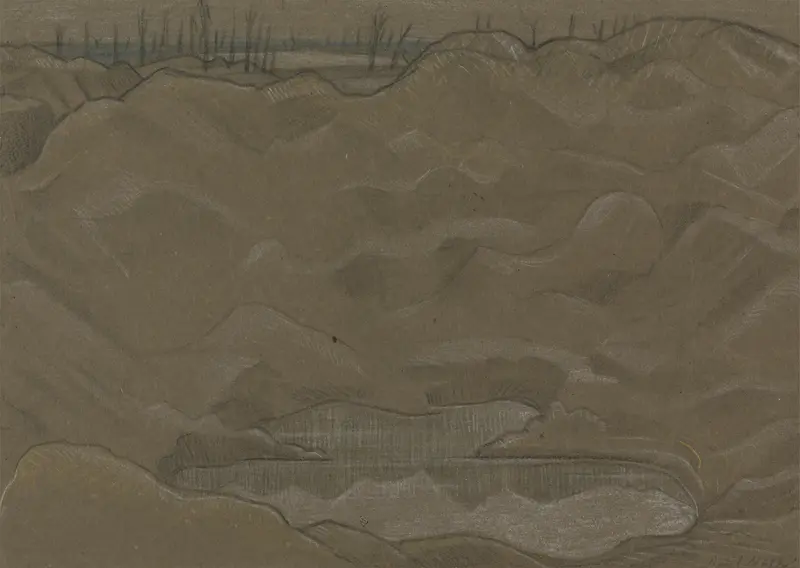
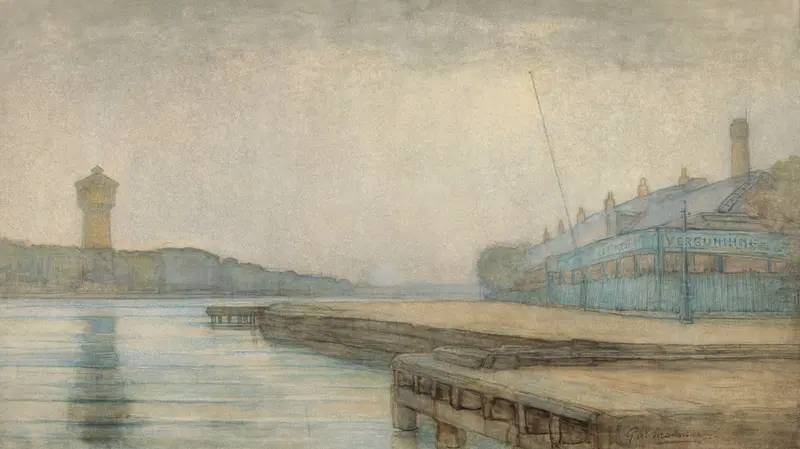
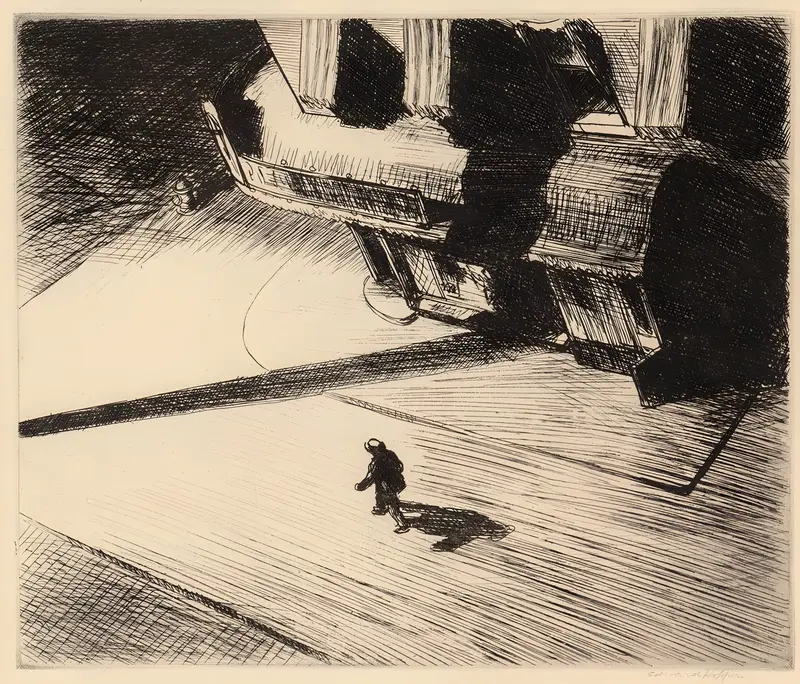
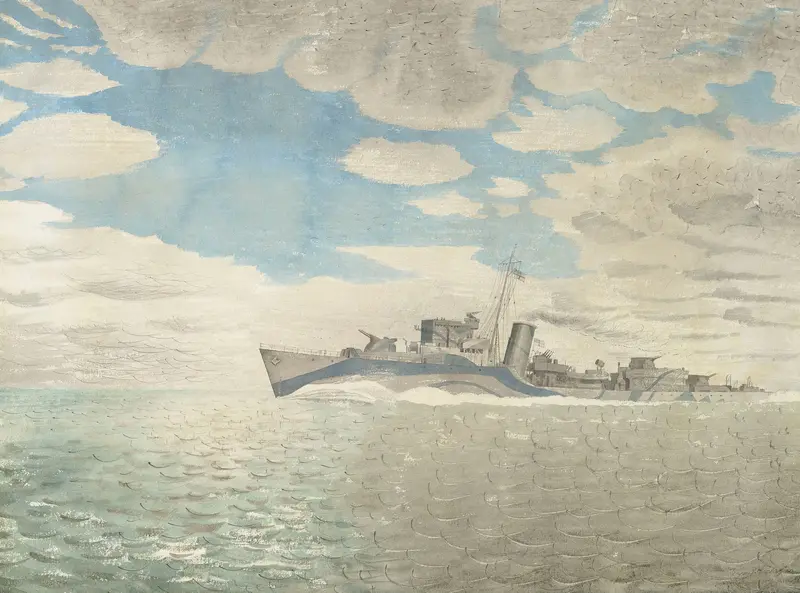
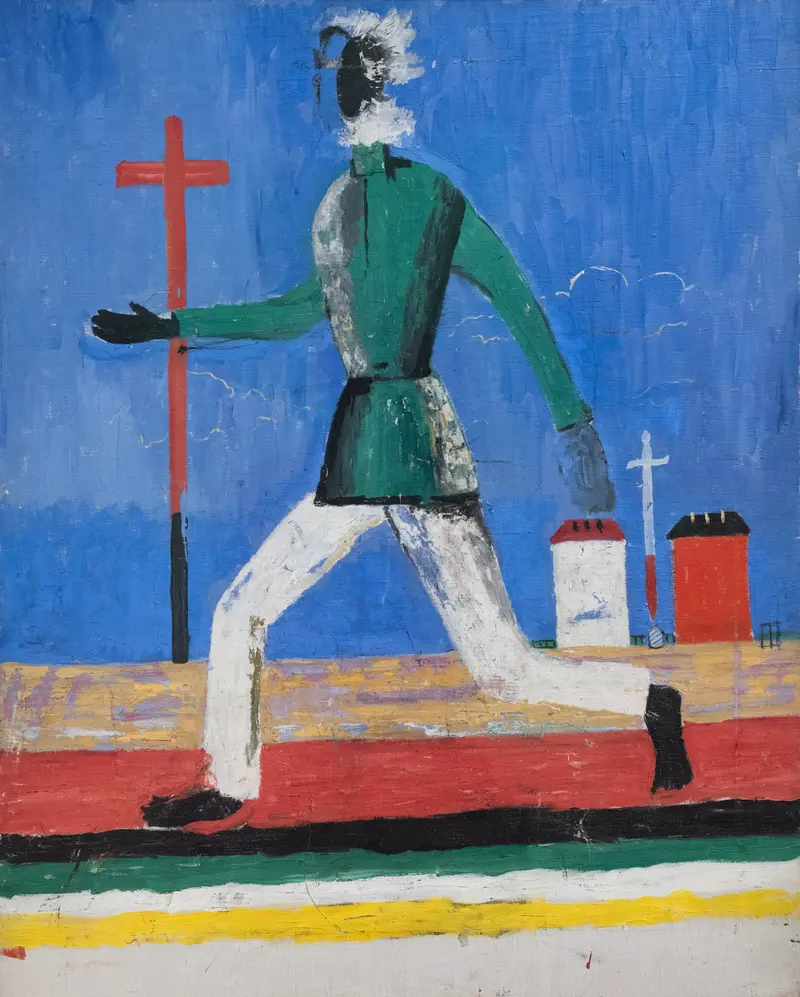
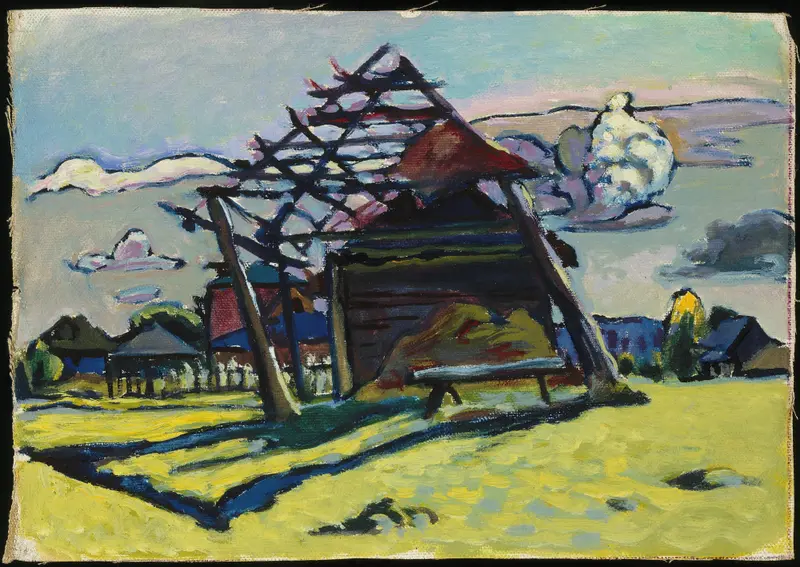
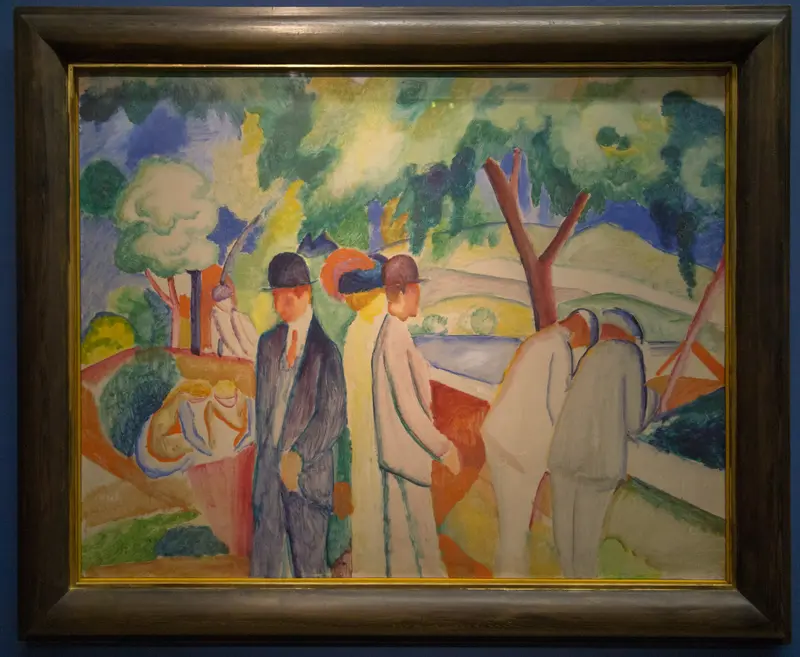
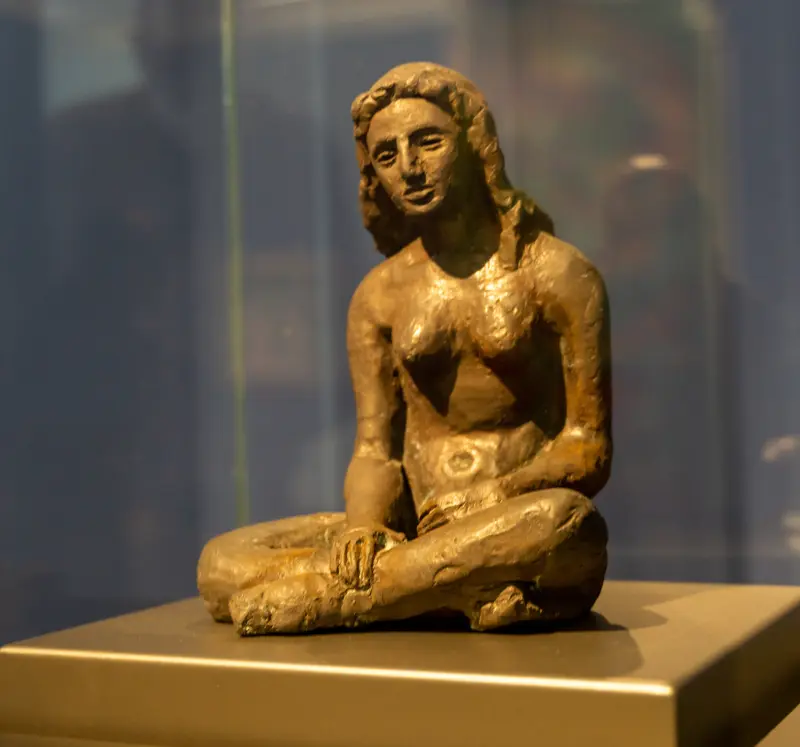
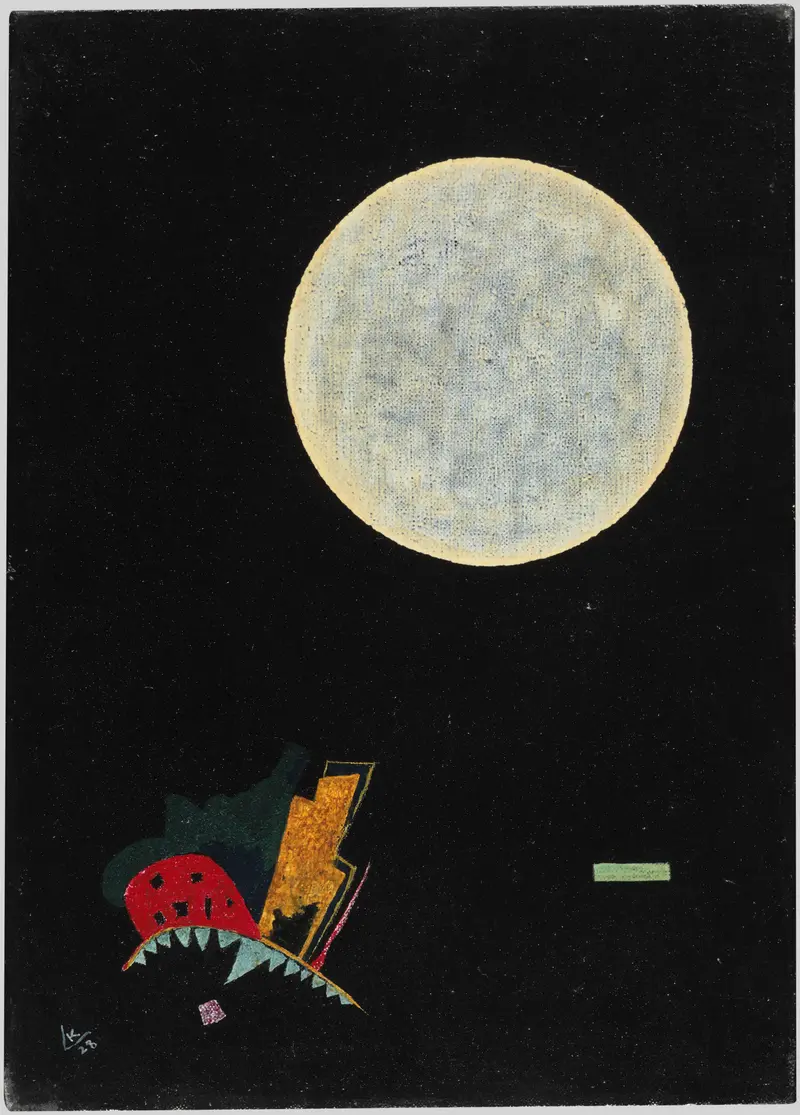
Landscapes, portraits, figures, city views, abstract paintings and posters. All public domain, free to download.




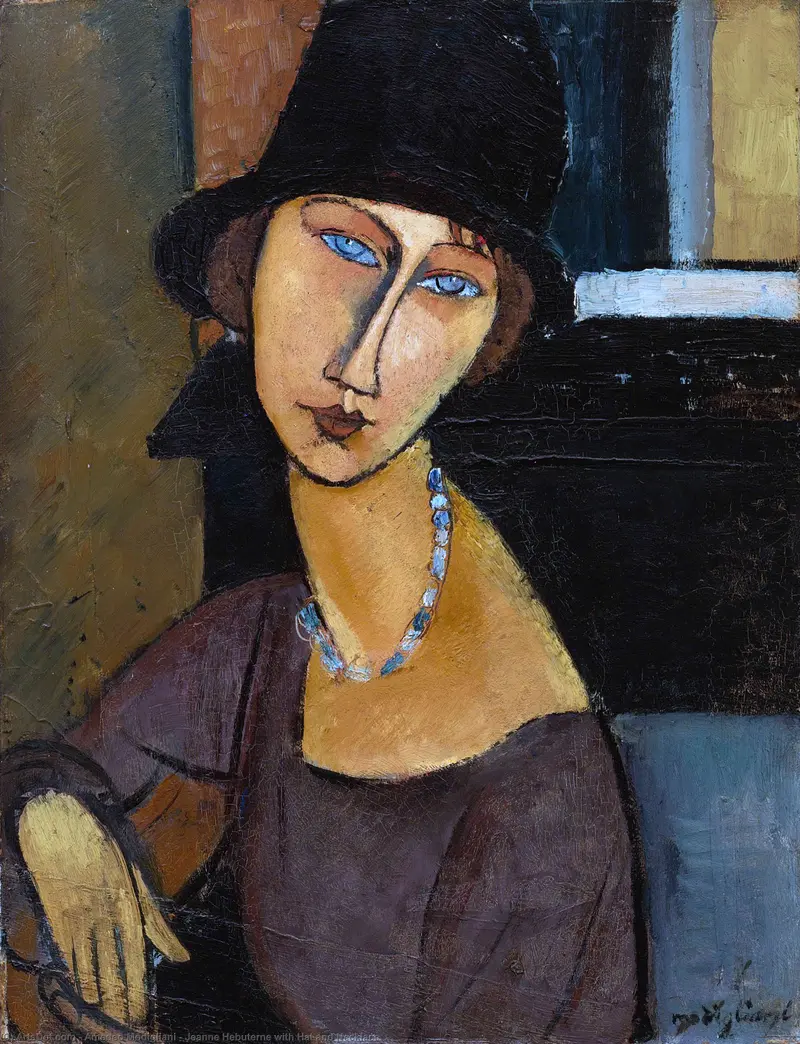
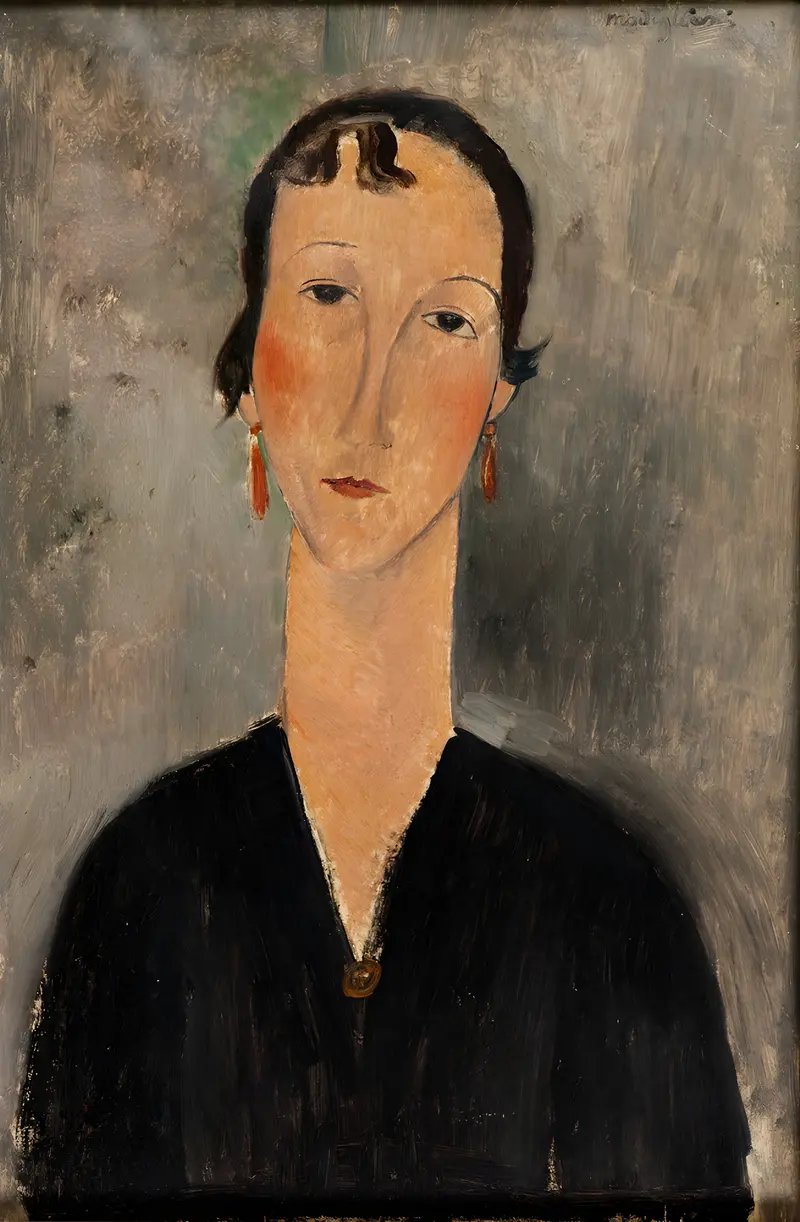
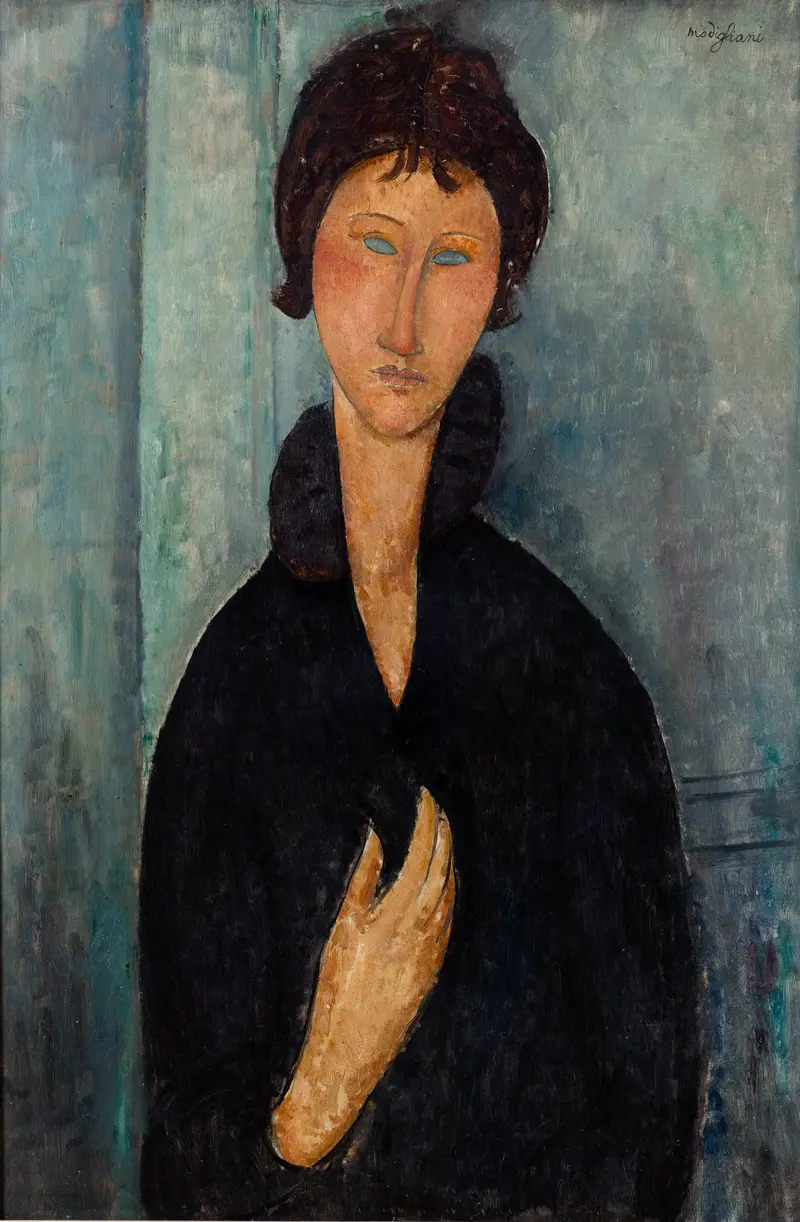
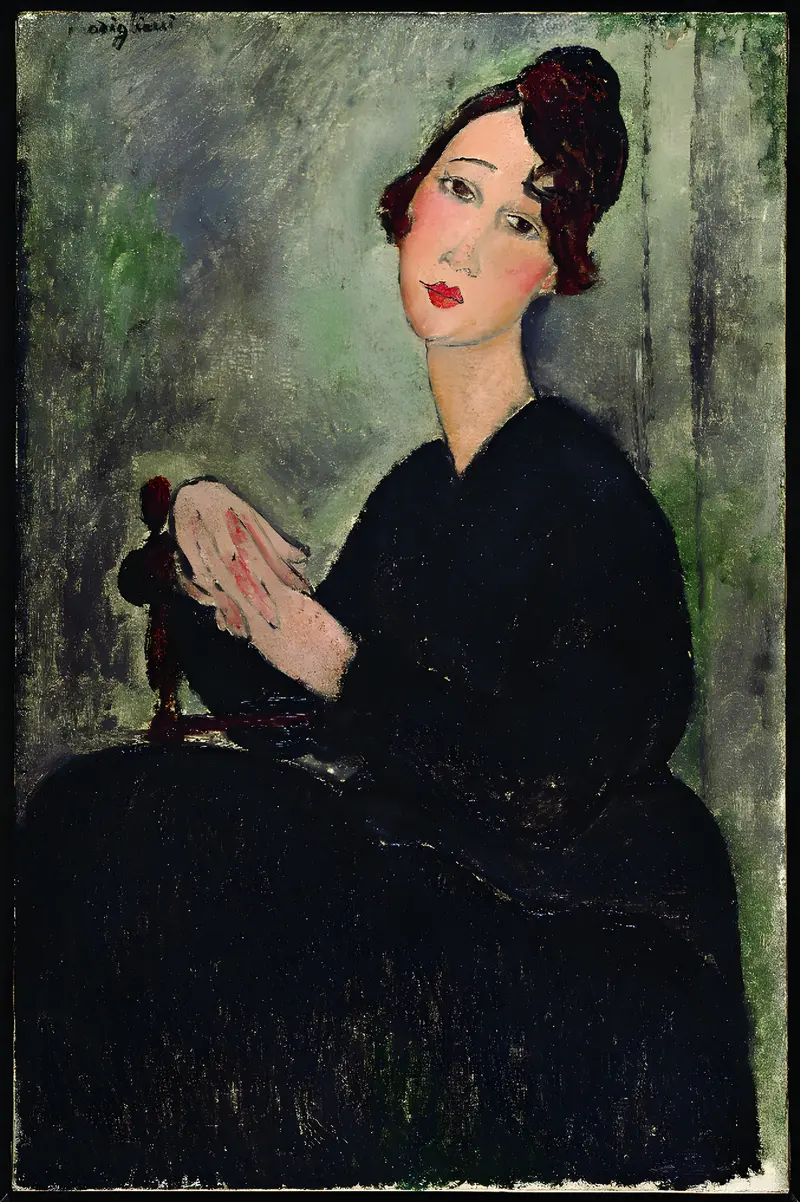



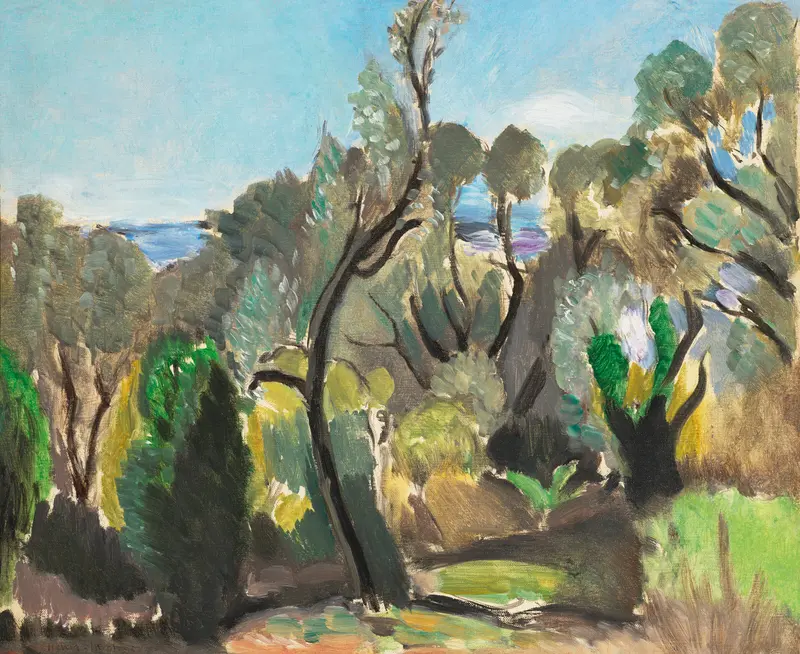

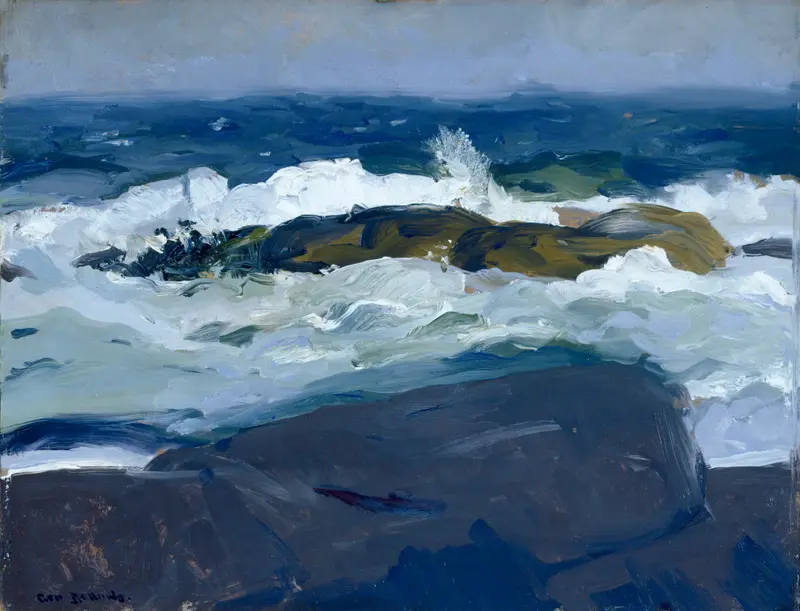
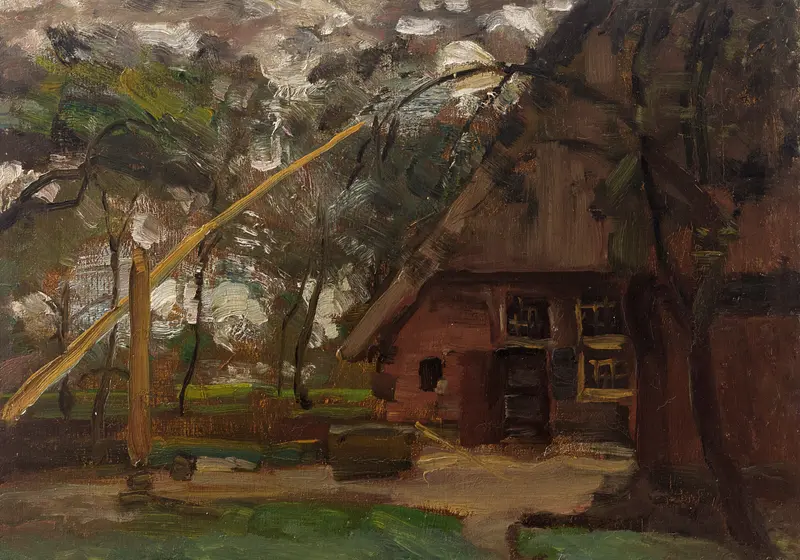








Famous modernist paintings
The best-known modernist paintings that are in the public domain. Click any painting to see it up close and download it free.
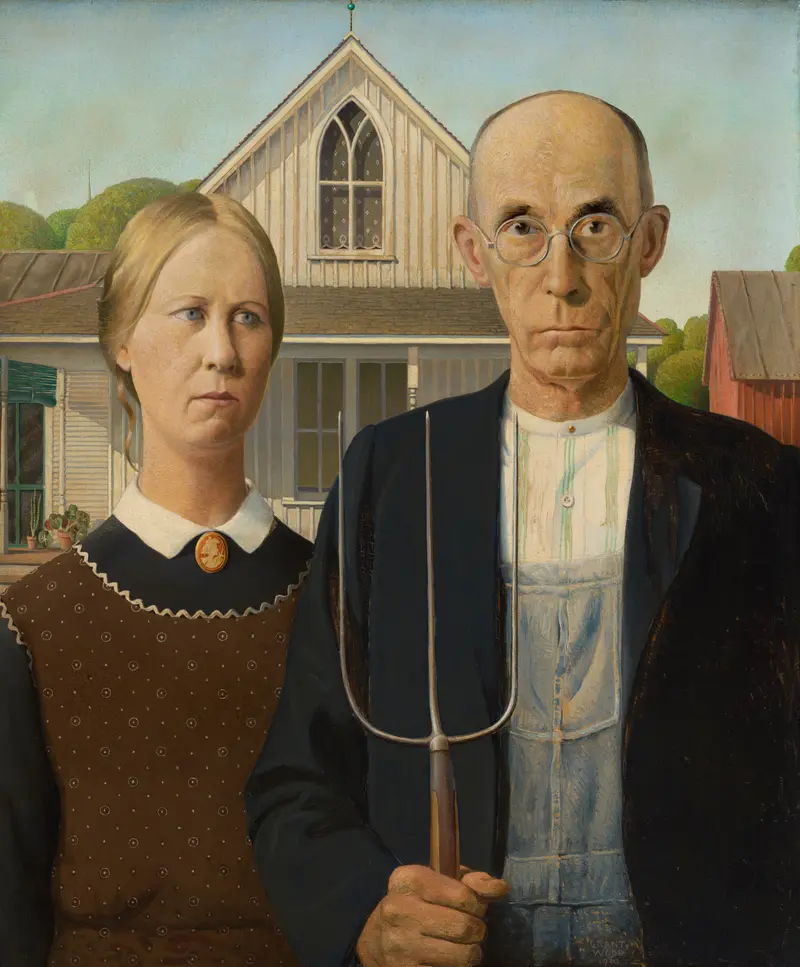 American GothicGrant Wood
 Black SquareKazimir Malevich
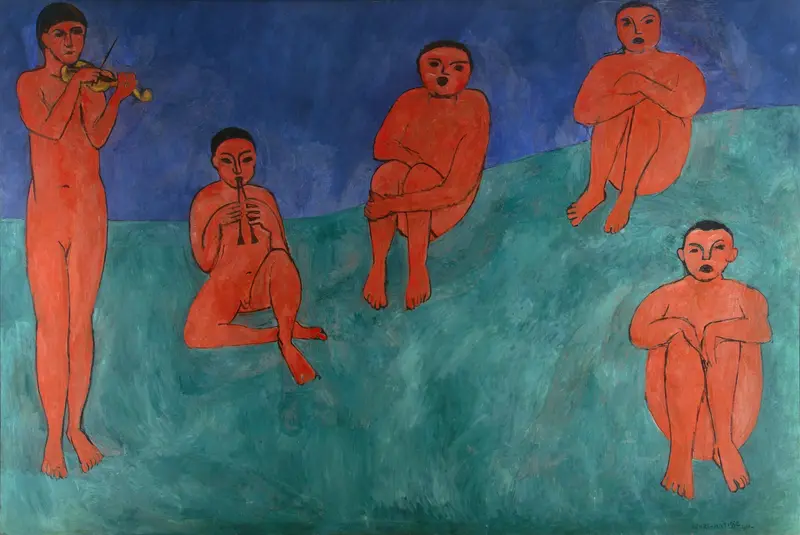
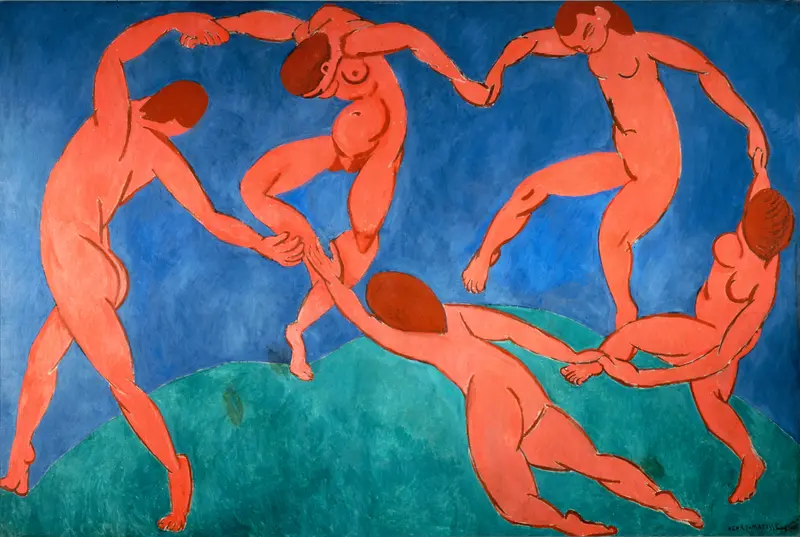 The DanceHenri Matisse
 AliceAmedeo Modigliani
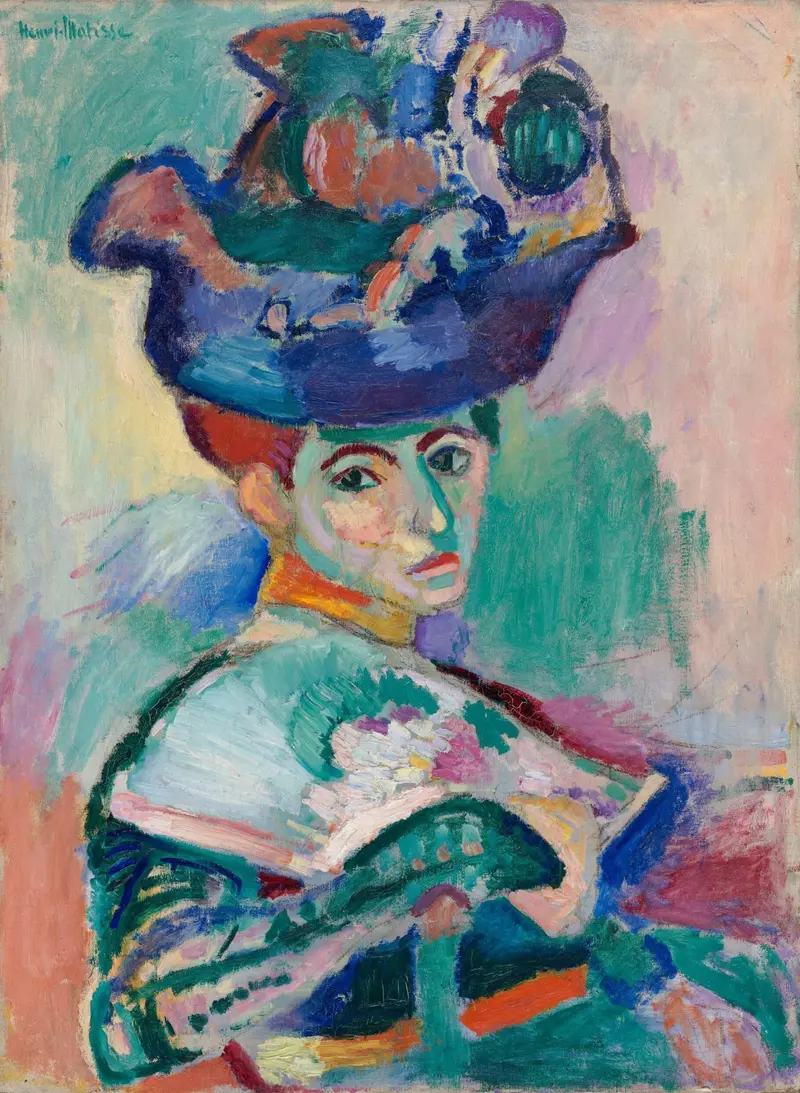 Woman with a Hat (Femme au chapeau)Henri Matisse
 Red Square (Painterly Realism of a Peasant Woman in Two Dimensions)Kazimir Malevich
 Suprematist Composition: White on WhiteKazimir Malevich
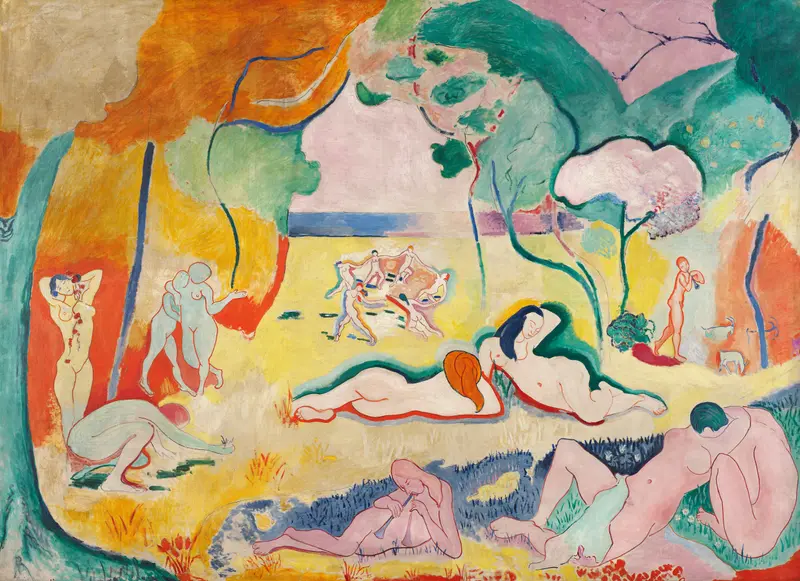 Le Bonheur de vivre (The Joy of Life)Henri Matisse
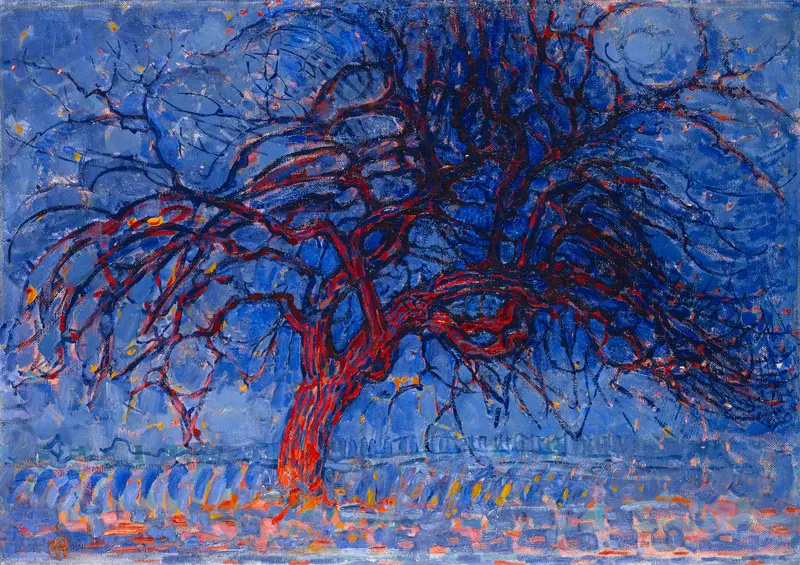 The Red Tree (Evening)Piet Mondrian
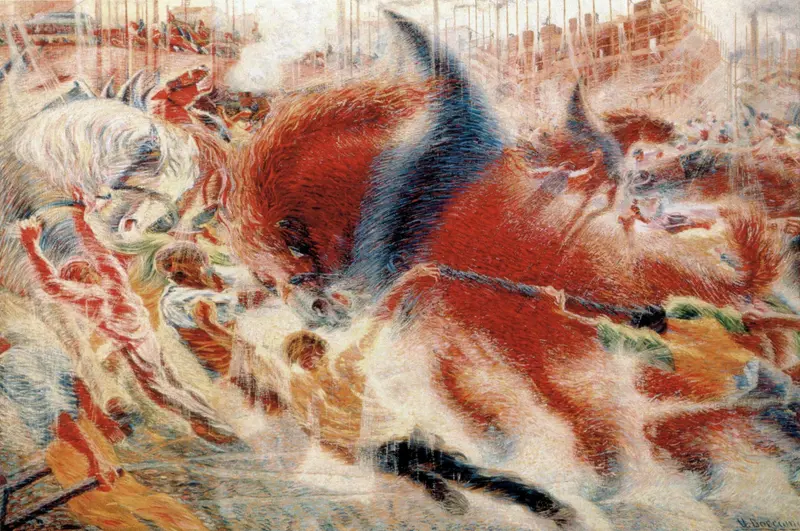 The City RisesUmberto Boccioni
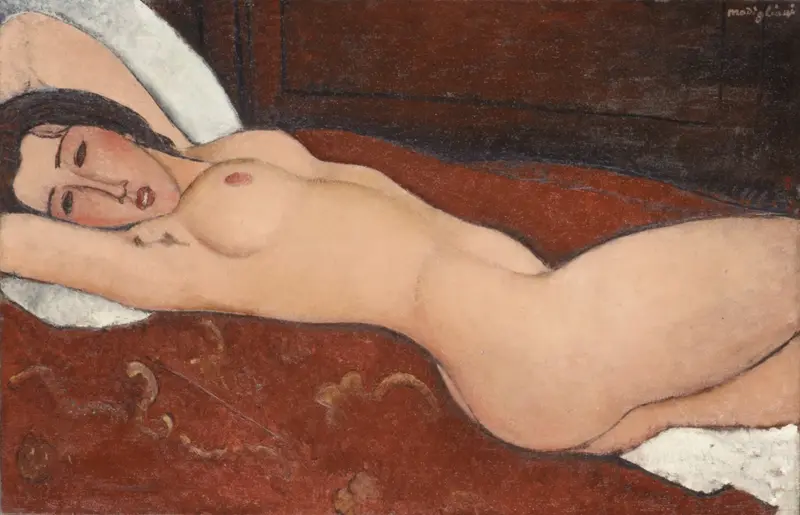
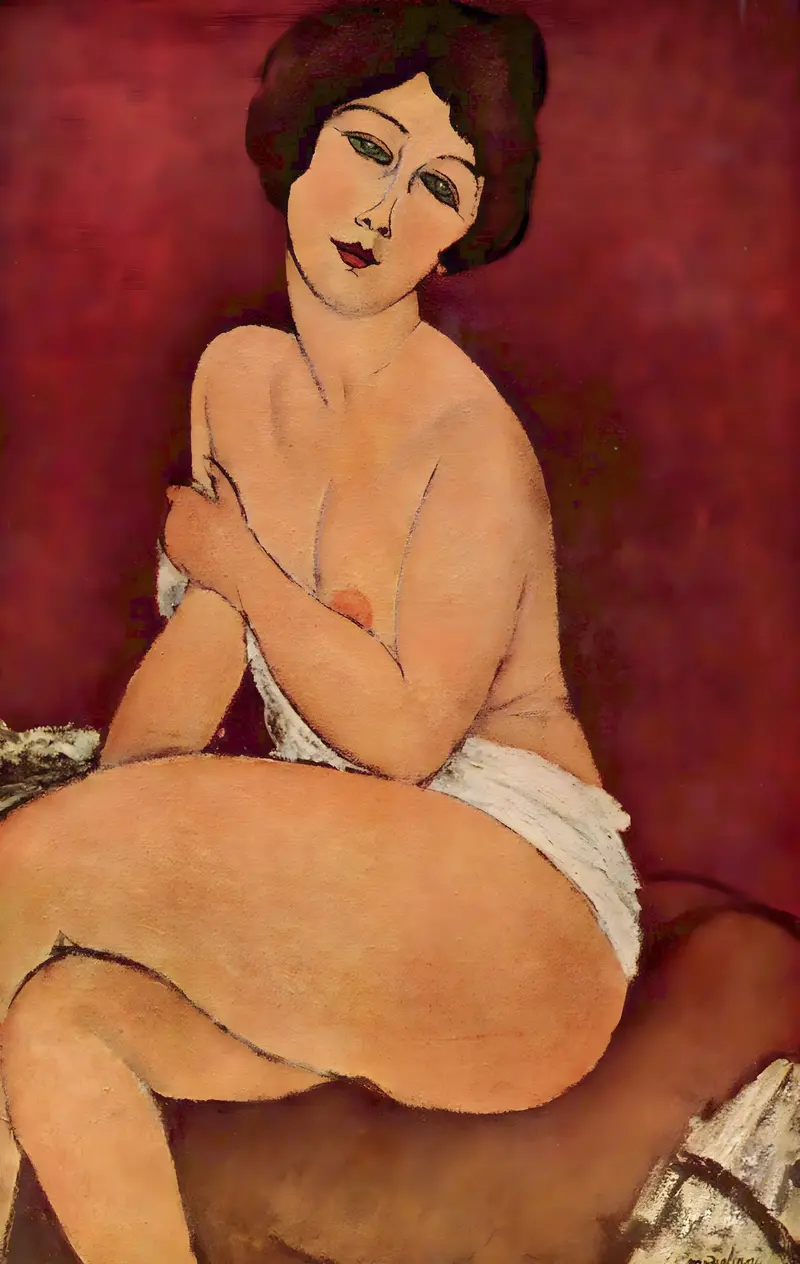 Nude Sitting on a Divan (La Belle Romaine)Amedeo Modigliani
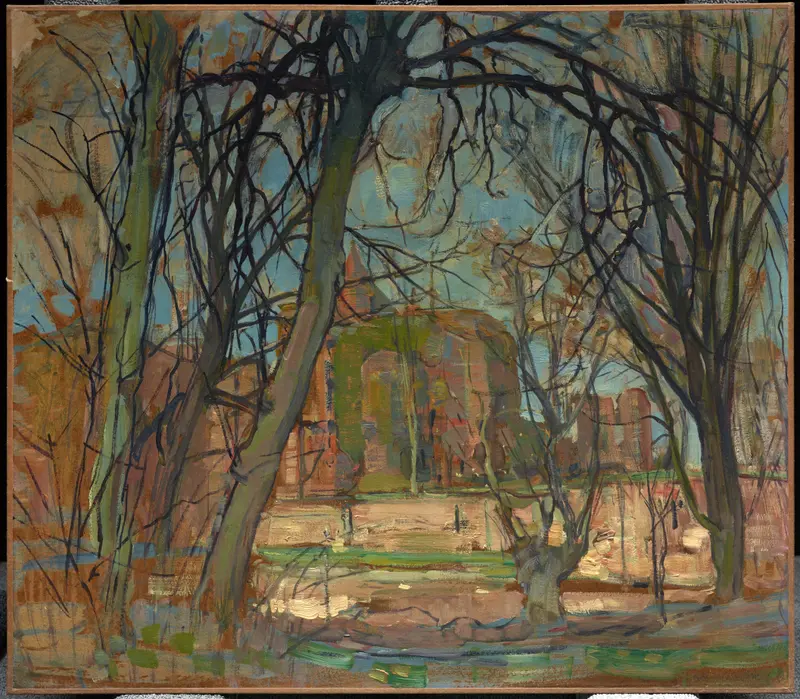
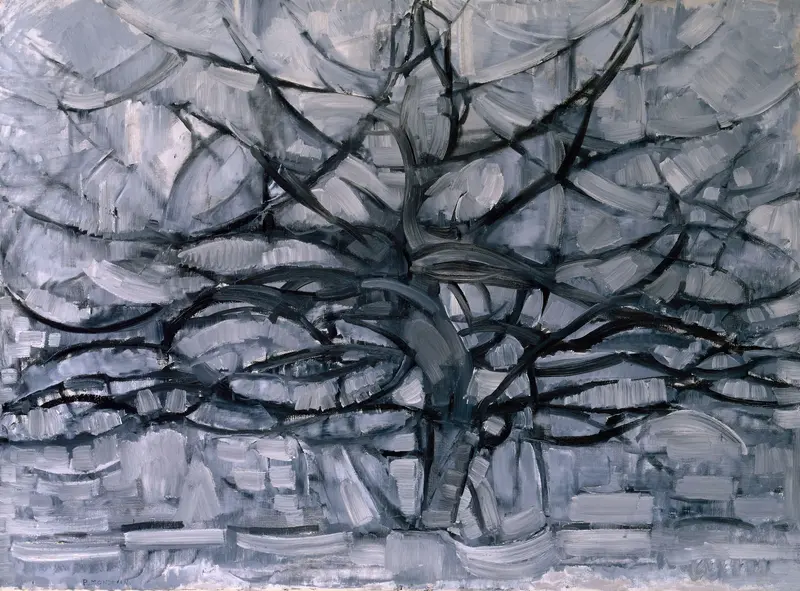 Gray TreePiet Mondrian
Famous Modernism artists
Ten modernist painters whose work is in the public domain, from Matisse and Malevich to Mondrian and the Swedish pioneer of abstraction Hilma af Klint. Each link opens all their paintings.
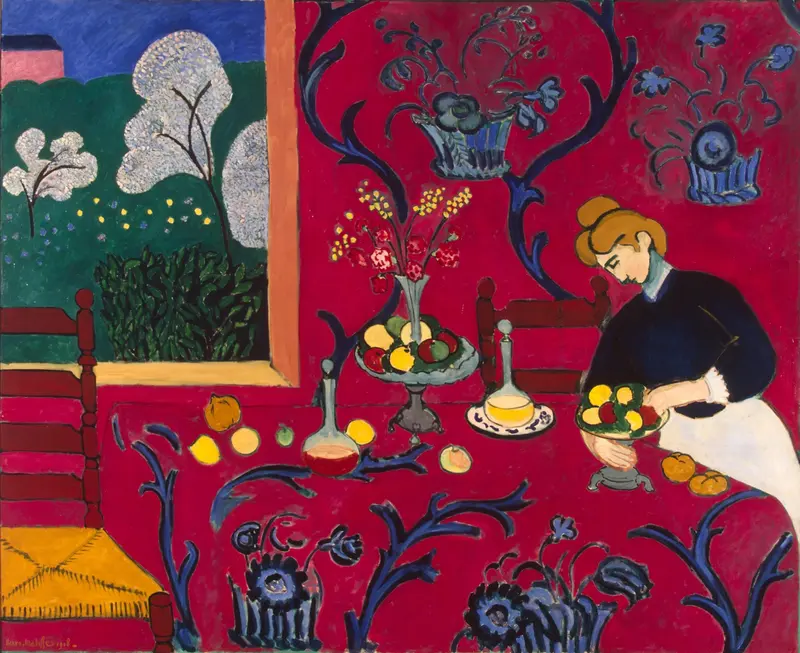 Henri Matisse1869–1954. A critic named the Fauves in Paris in 1905 after seeing work by Matisse and André Derain; Tate notes Matisse kept their bright, emotive color and simple shapes all his career.
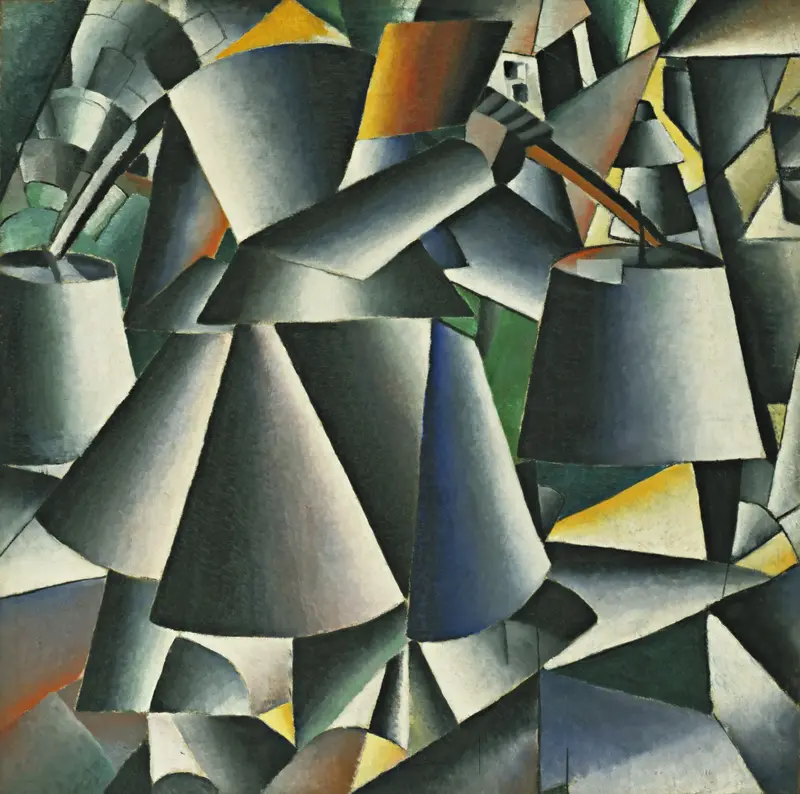 Kazimir Malevich1878–1935. Founded Suprematism, first shown in St Petersburg in 1915 with Black Square; after Stalin's rise his career languished and he returned to figurative painting, Tate notes.
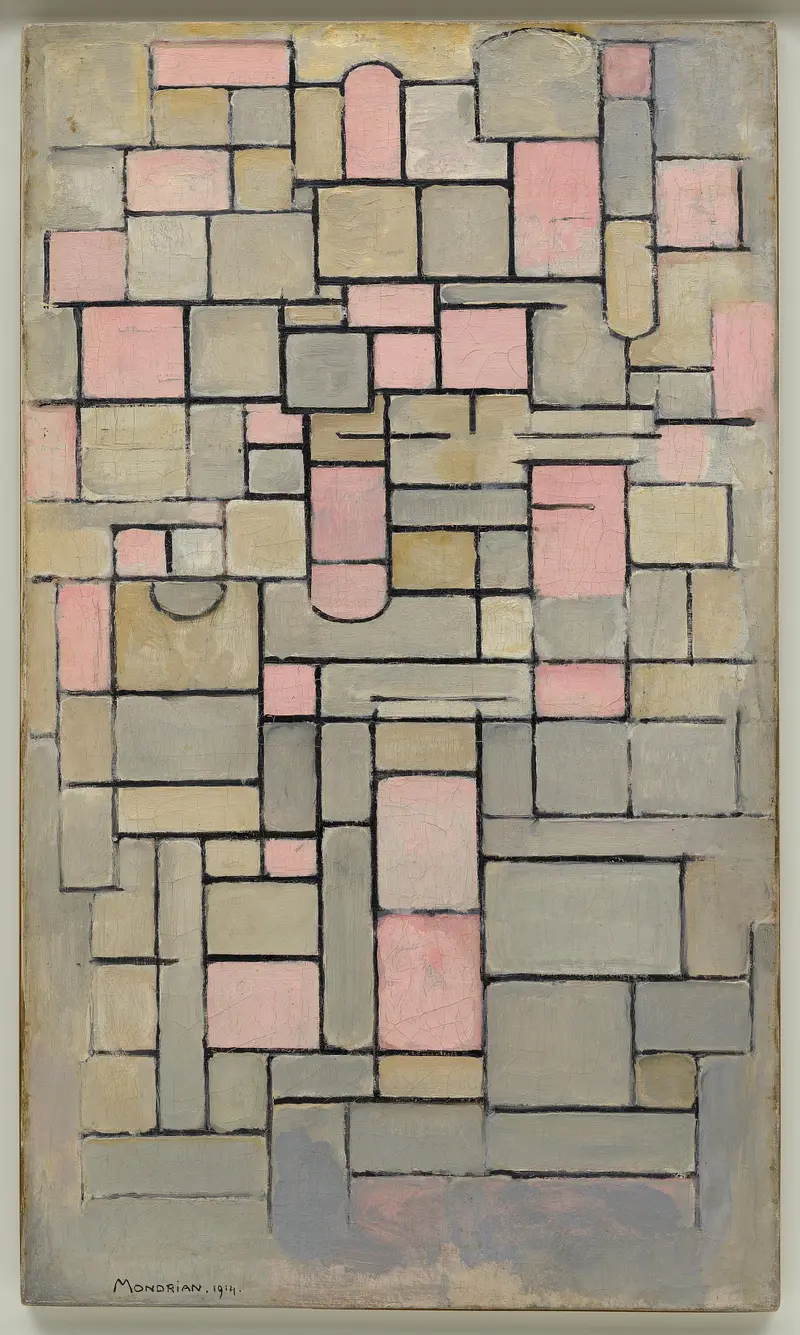
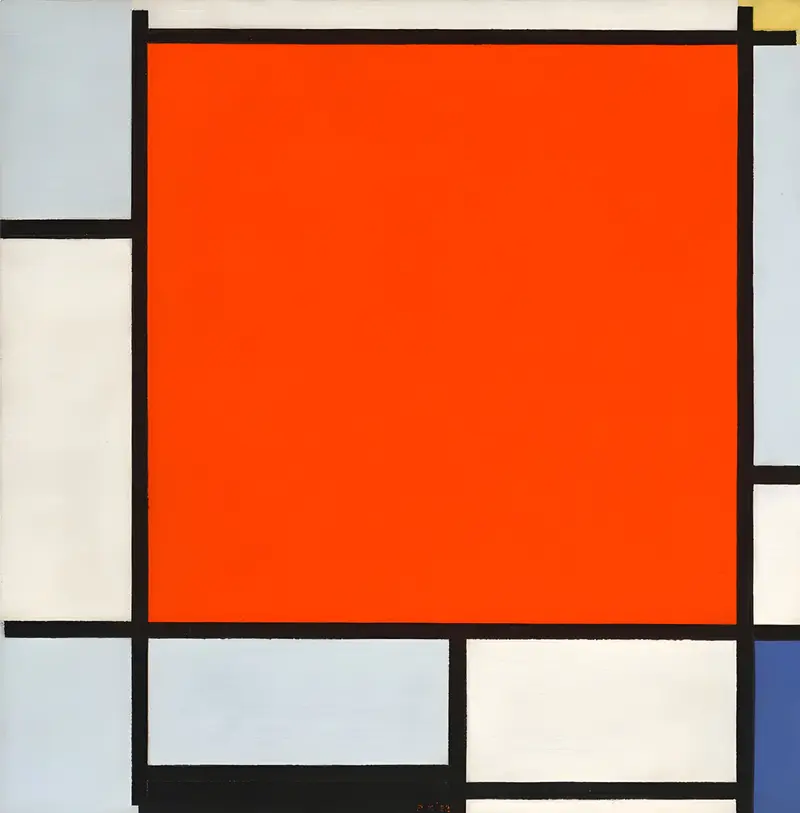 Piet Mondrian1872–1944. Founded De Stijl with Theo van Doesburg in 1917 and named his art of horizontal and vertical lines and primary colors Neoplasticism; Tate calls him a pioneer of pure abstraction.
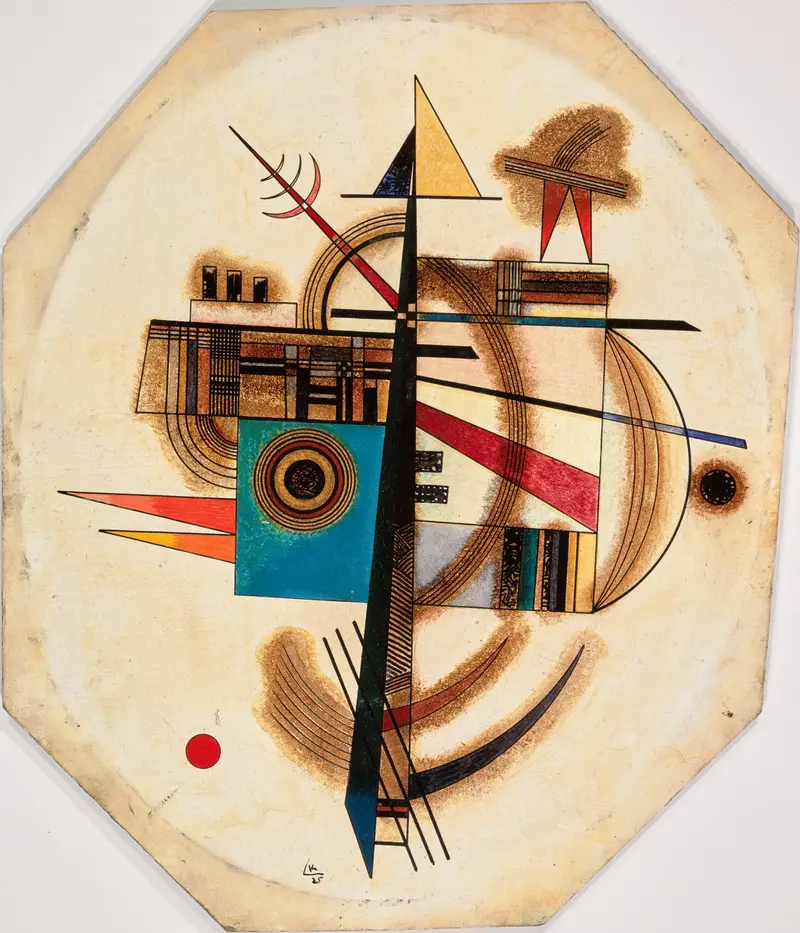
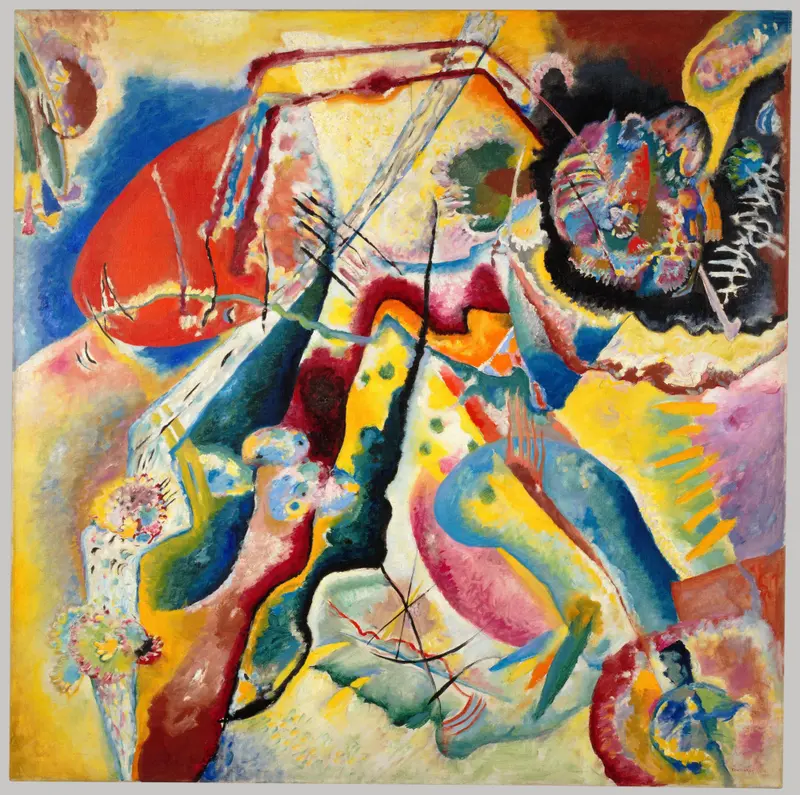
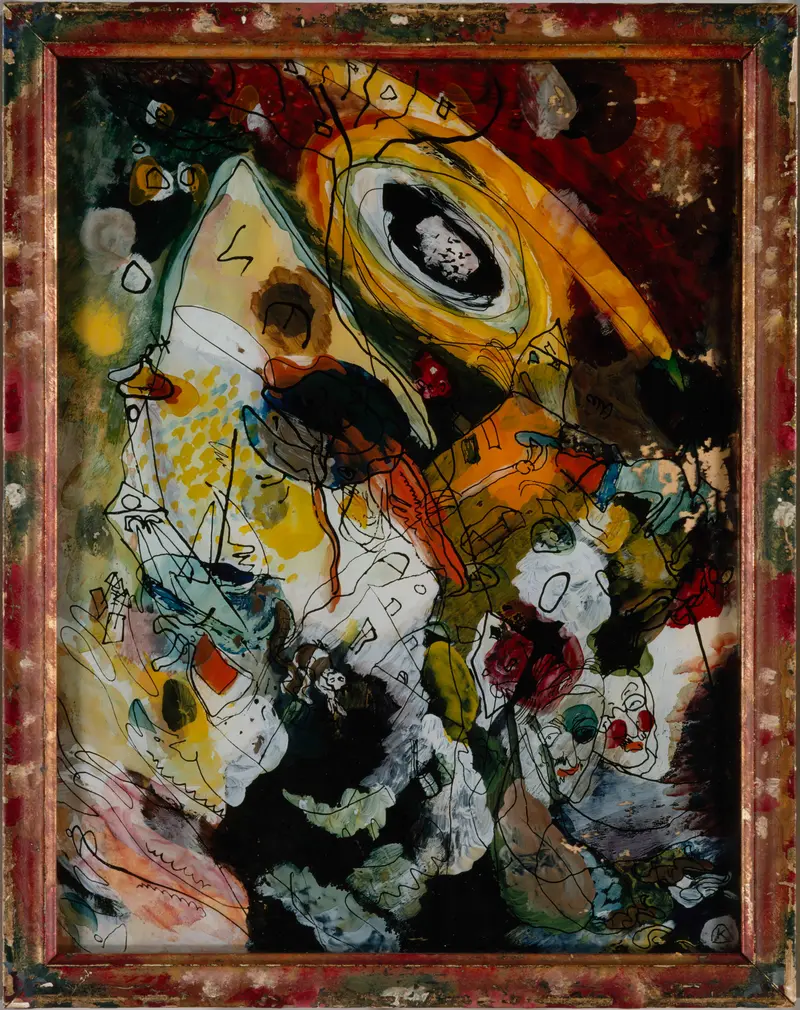
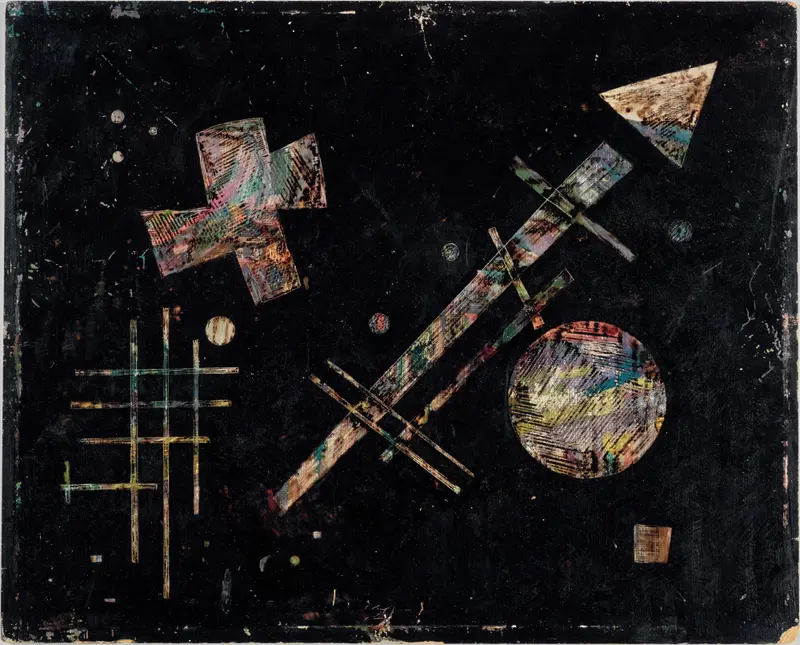
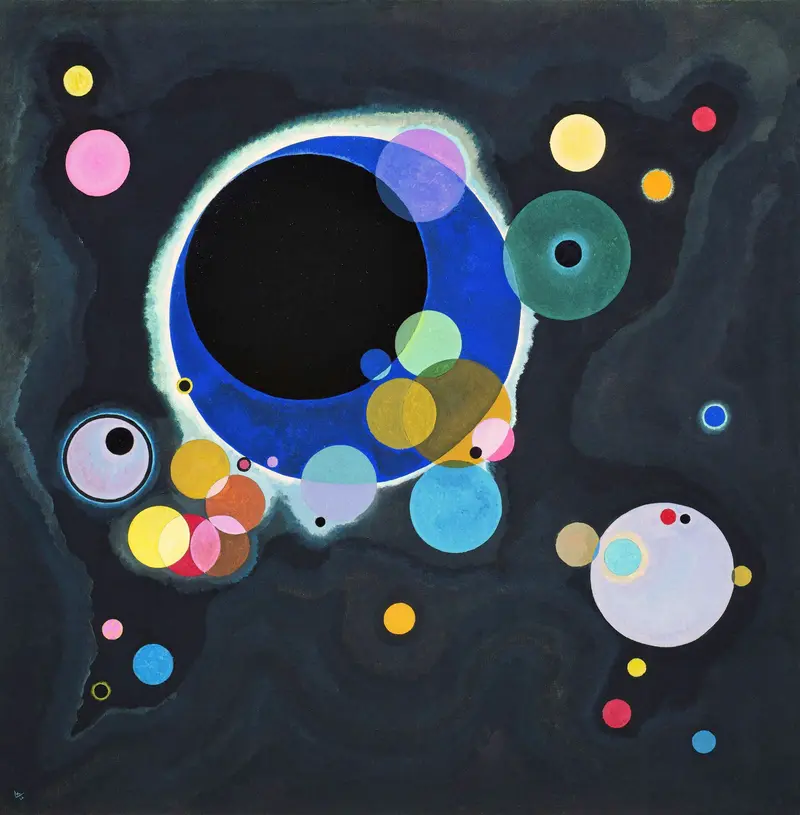 Wassily Kandinsky1866–1944. After his years in Moscow his lyrical abstraction took on geometric forms; at the Bauhaus, where he taught from 1922, circles took over, culminating in Several Circles, the Guggenheim notes.
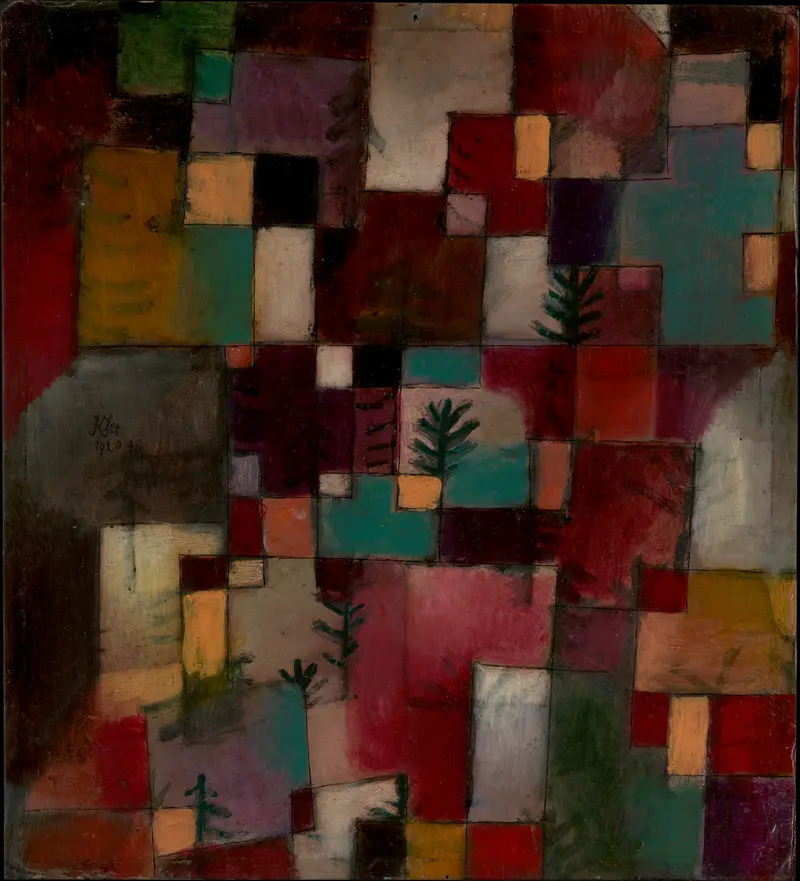 Paul Klee1879–1940. Taught at the Bauhaus in Weimar and Dessau for a decade; the Guggenheim notes that the Blue Rider group, Dada, the Surrealists and the Bauhaus all embraced his work.
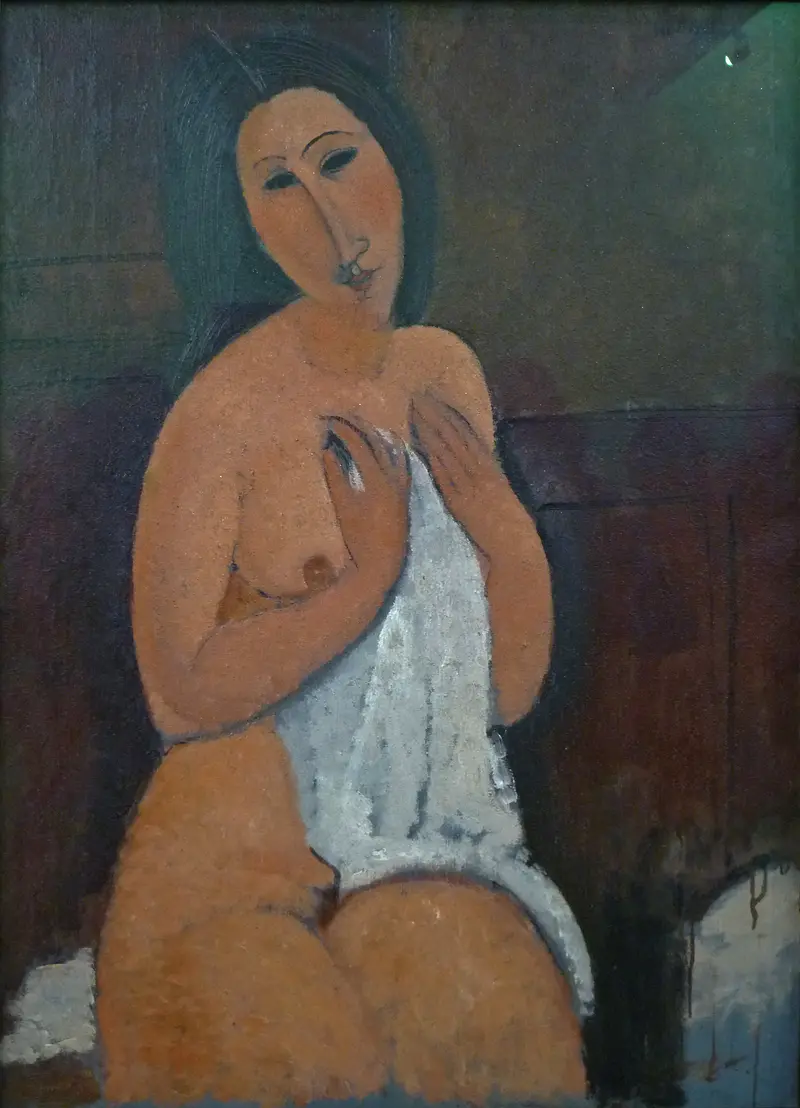
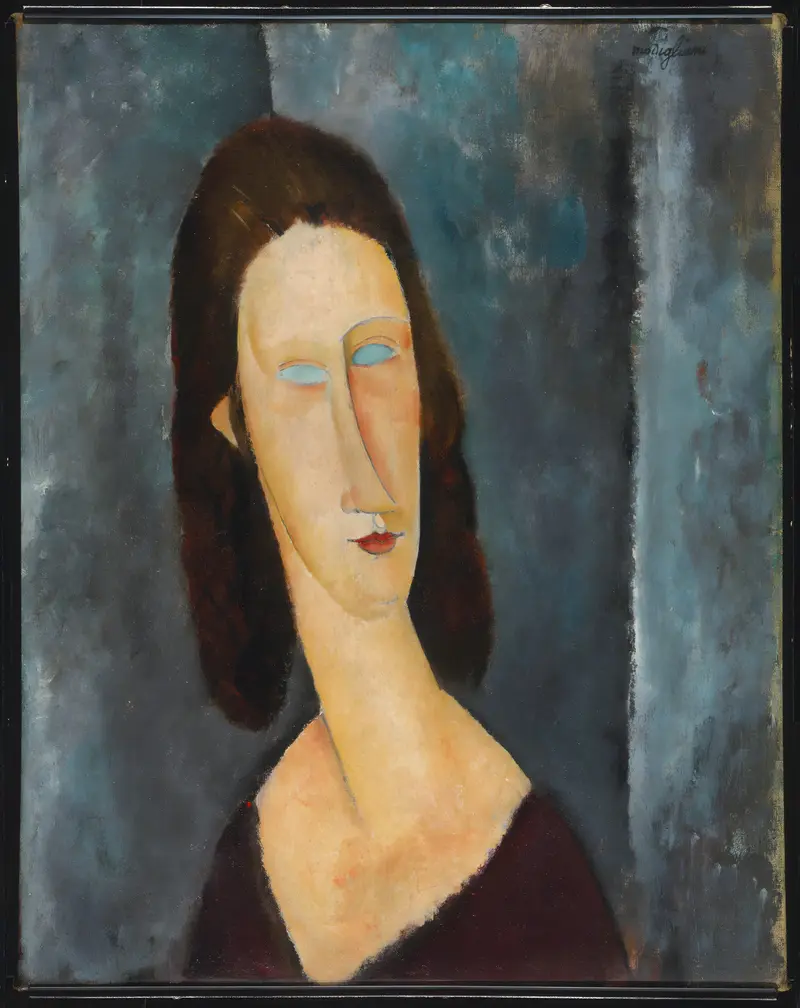
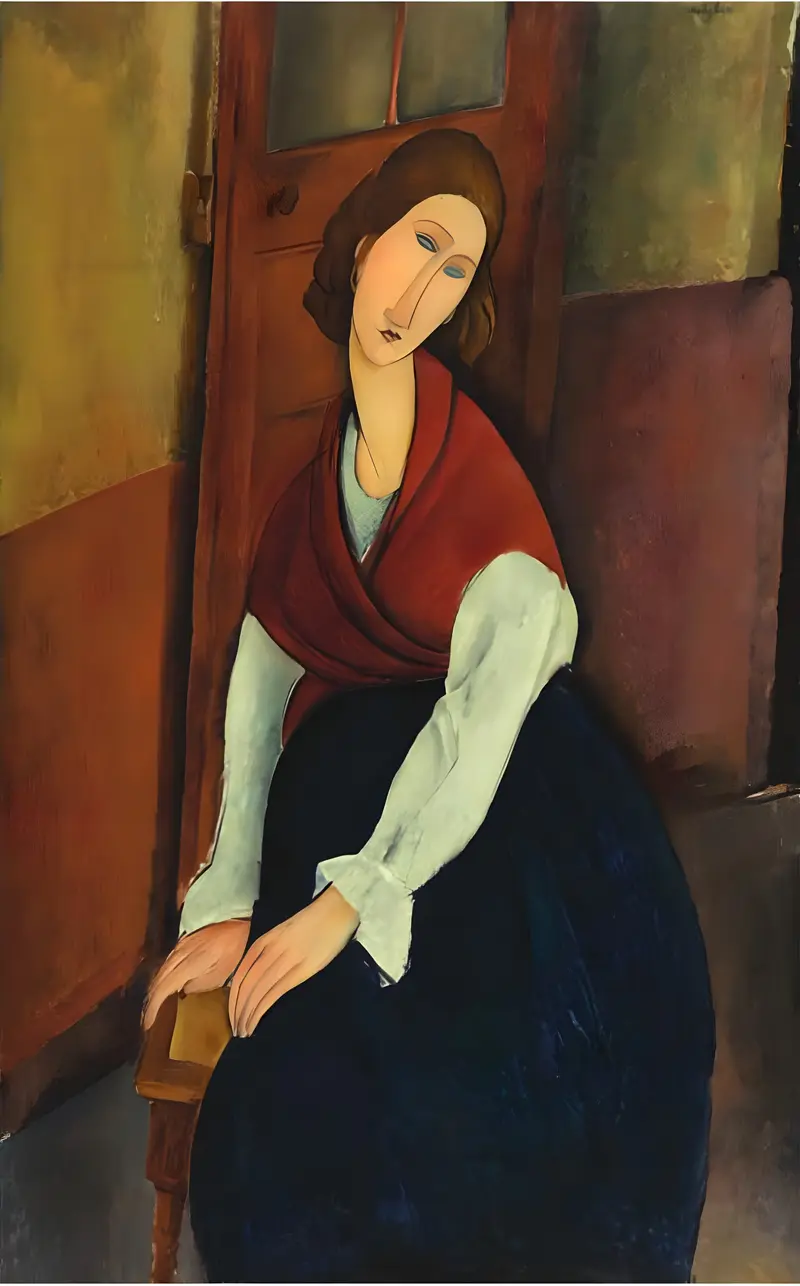
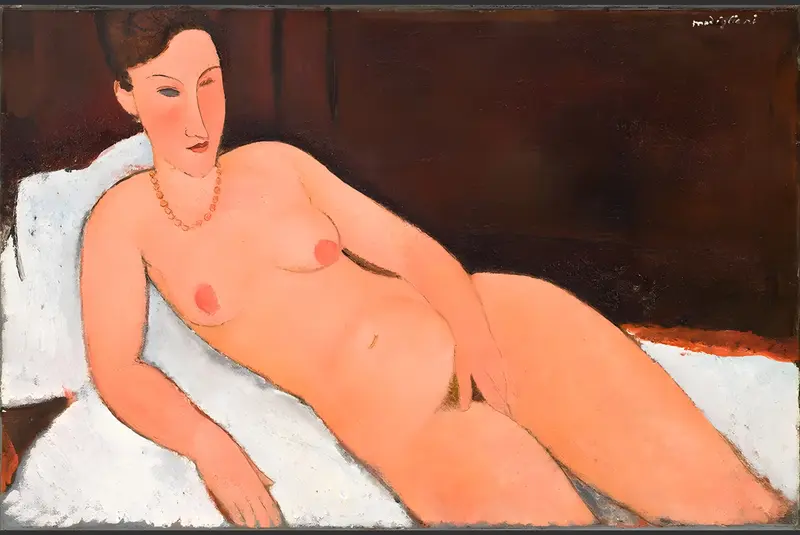
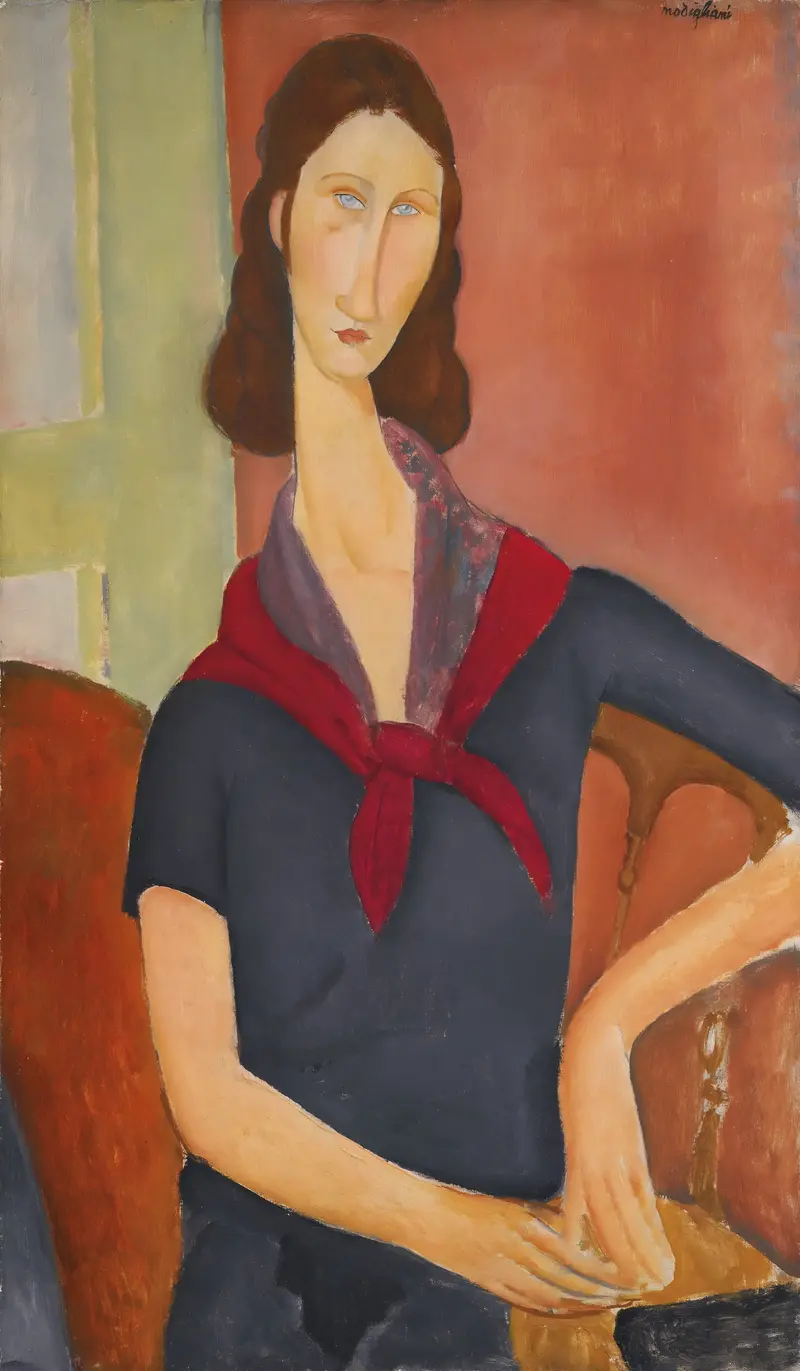
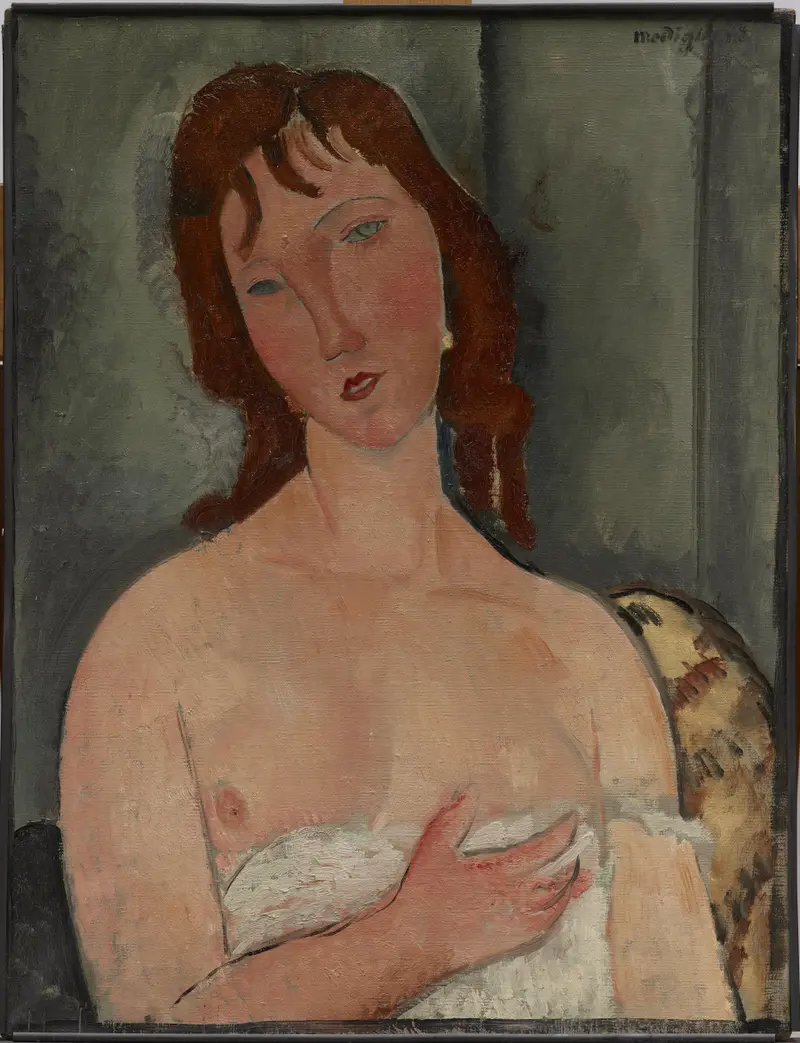
 Amedeo Modigliani1884–1920. Italian painter of Montparnasse whose elongated faces recall African masks and medieval art; his work found a market only after his early death, the Art Institute of Chicago notes.
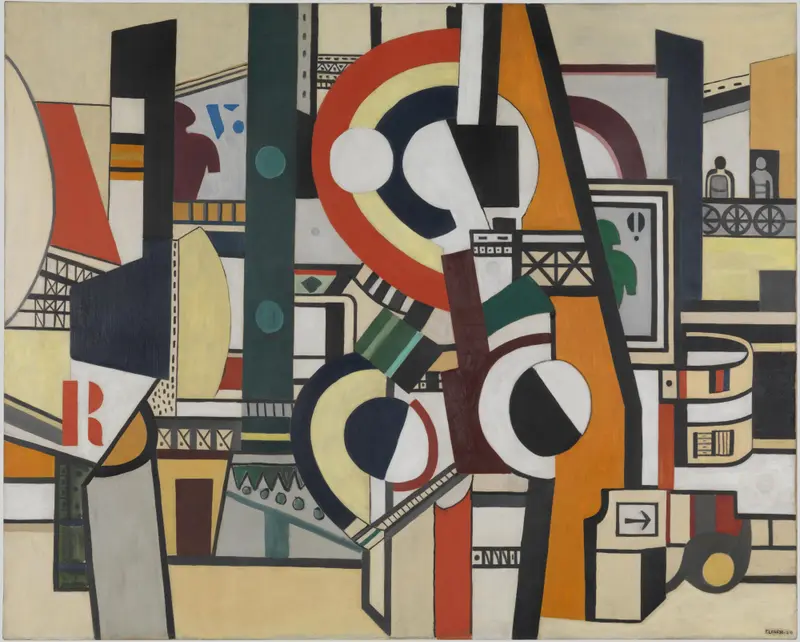 Fernand Léger1881–1955. Built his pictures on a law of contrasts between forms and colors and, after the First World War, made the city and the machine his subjects, the Musée de Grenoble says.
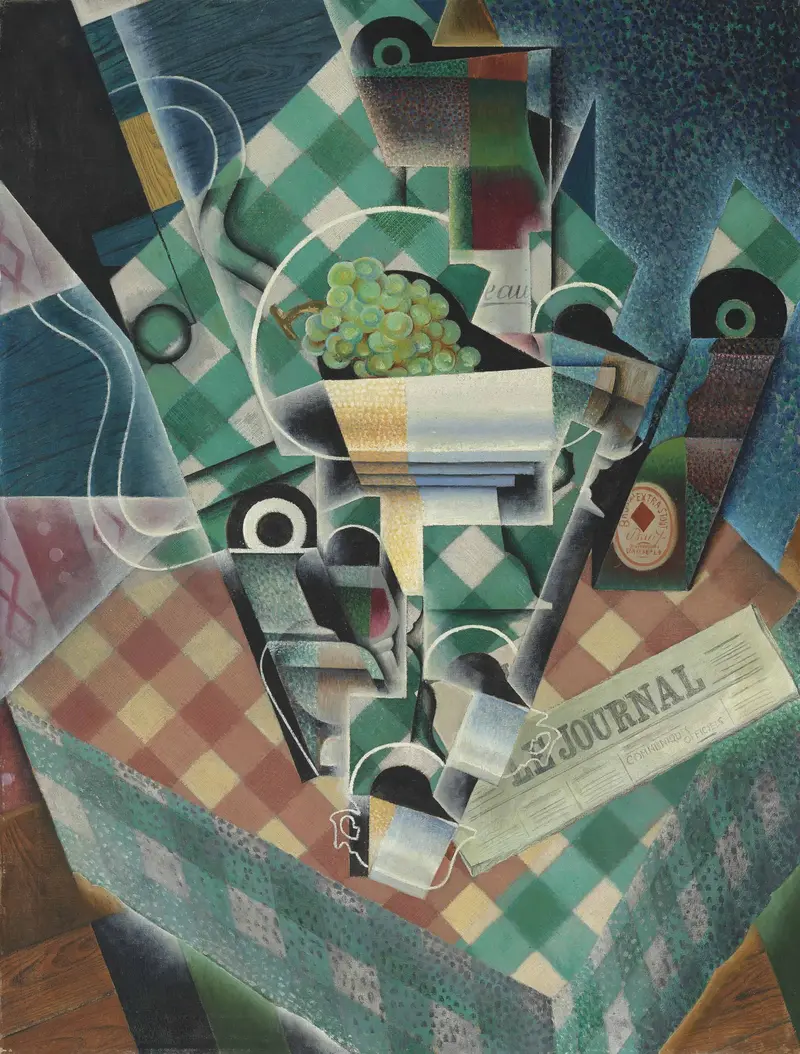 Juan Gris1887–1927. Spanish painter who moved to Paris in 1906 and joined Picasso and Braque in Cubism; the Art Institute of Chicago notes his more systematic geometry.
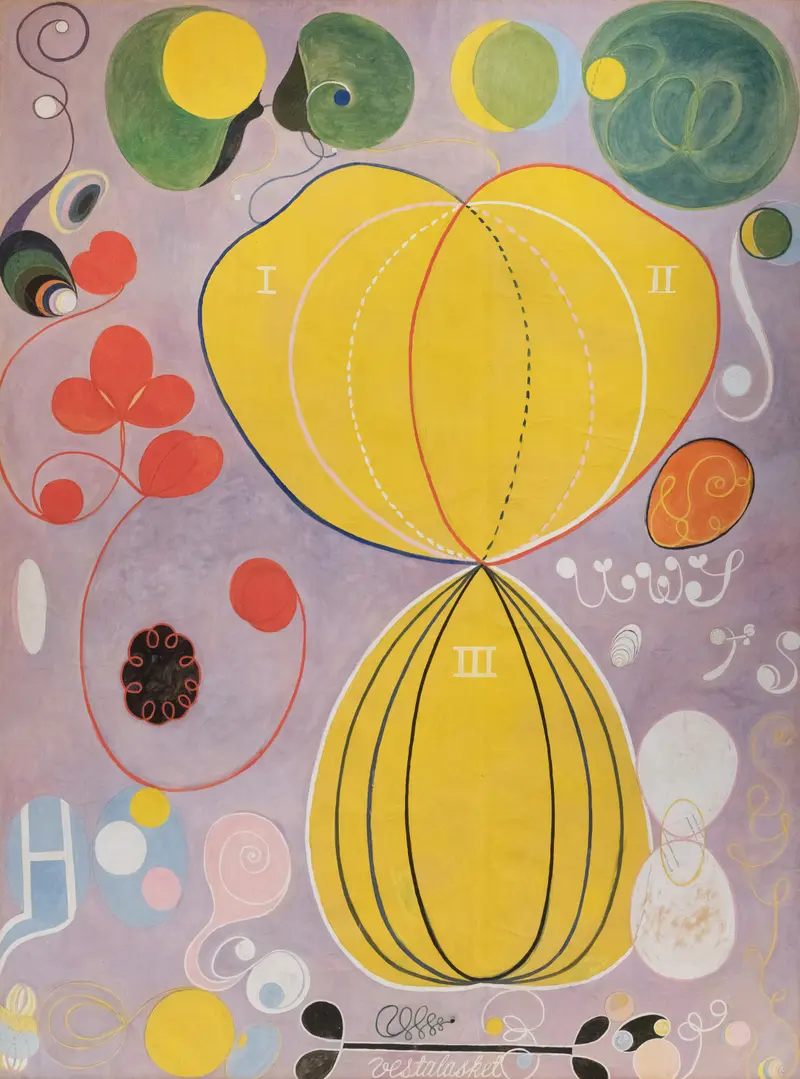 Hilma af Klint1862–1944. Swedish painter who began radically abstract paintings in 1906, years before Kandinsky, Malevich and Mondrian, but kept them private; they were barely seen until 1986, the Guggenheim says.
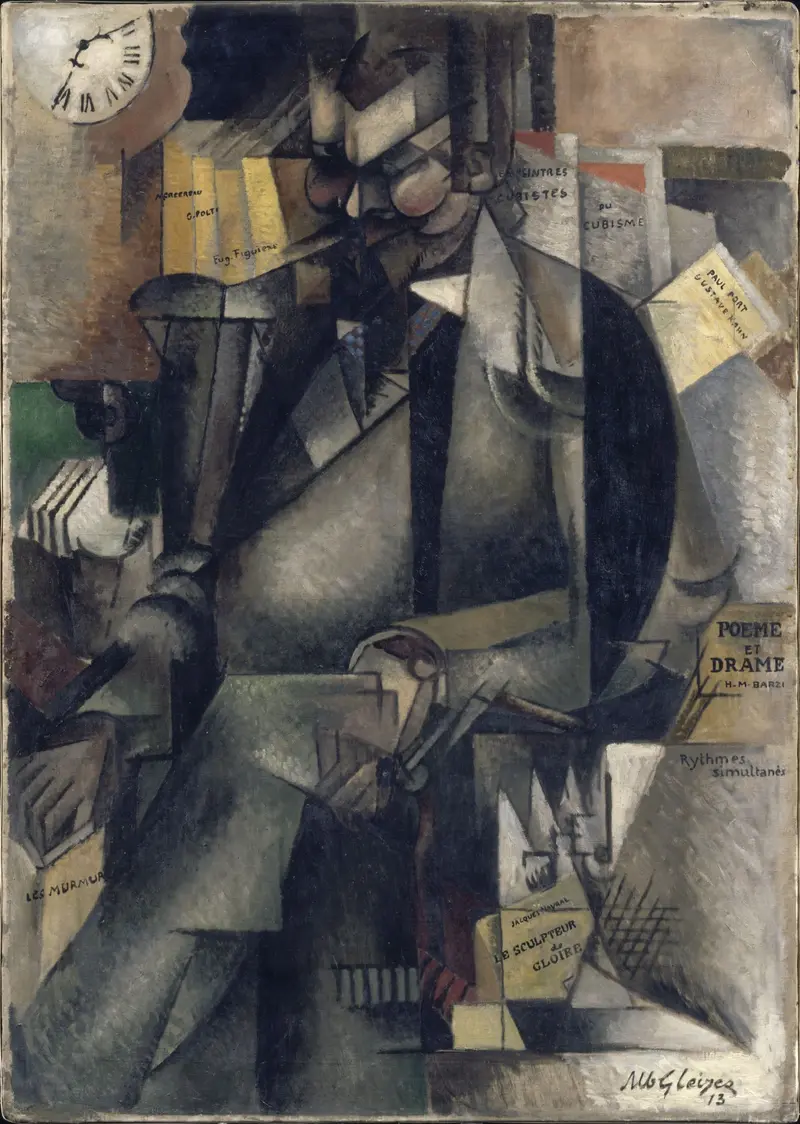 Albert Gleizes1881–1953. French Cubist who published Du Cubisme with Jean Metzinger in 1912; his Woman with Animals of 1914 is in the Peggy Guggenheim Collection in Venice.
Malevich and Suprematism
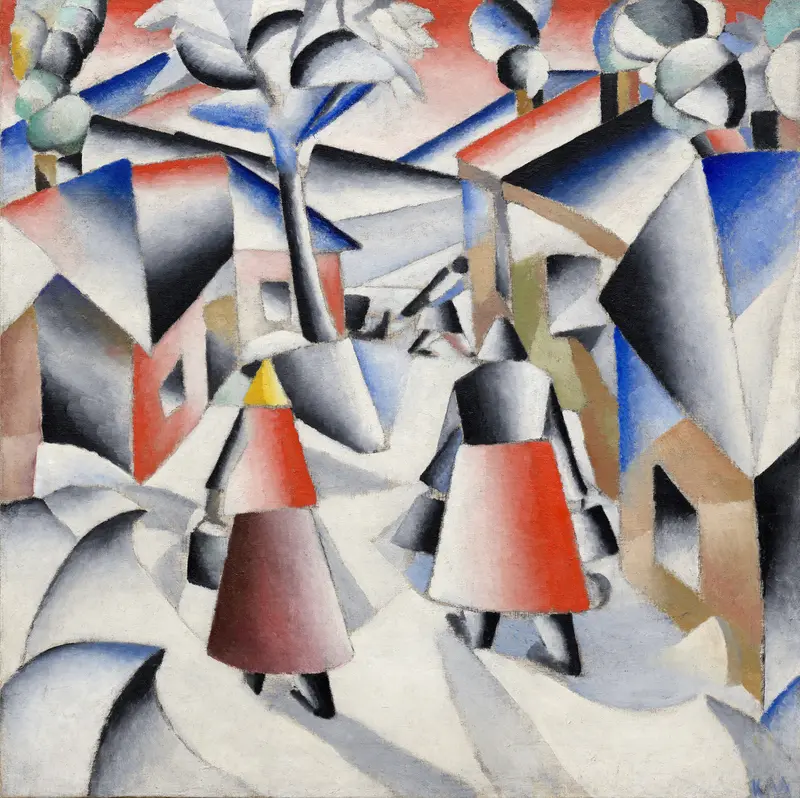
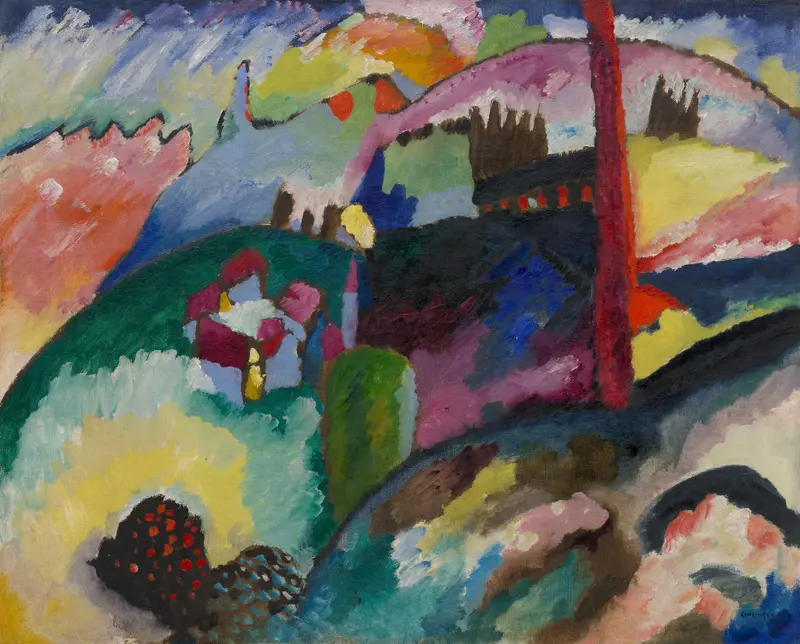
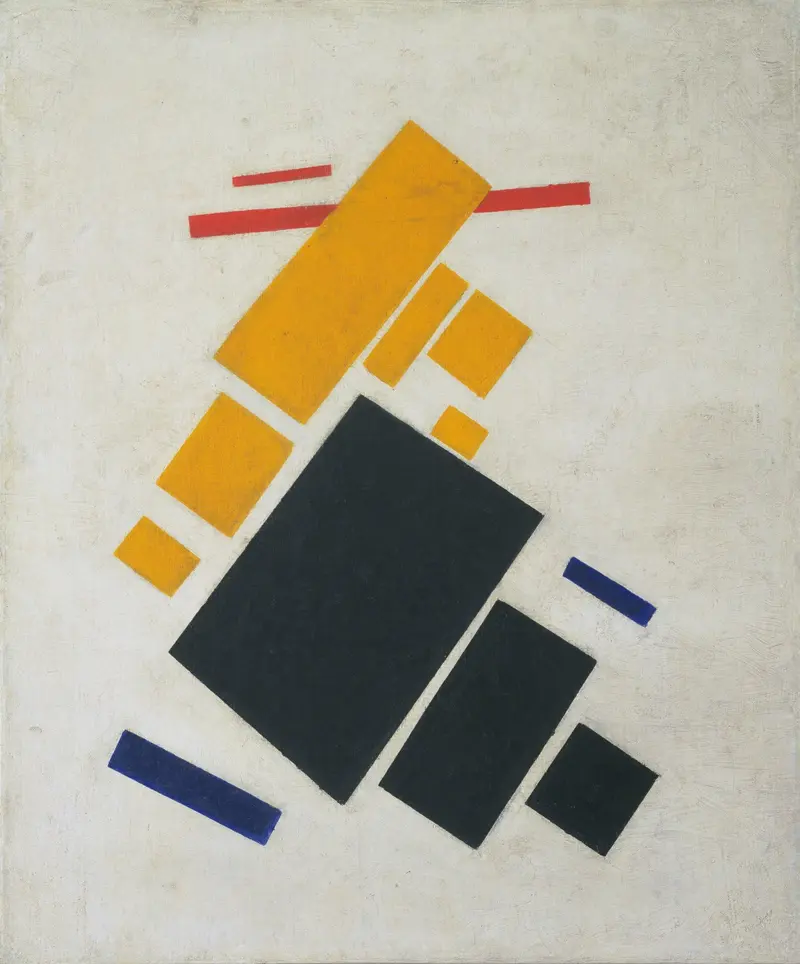
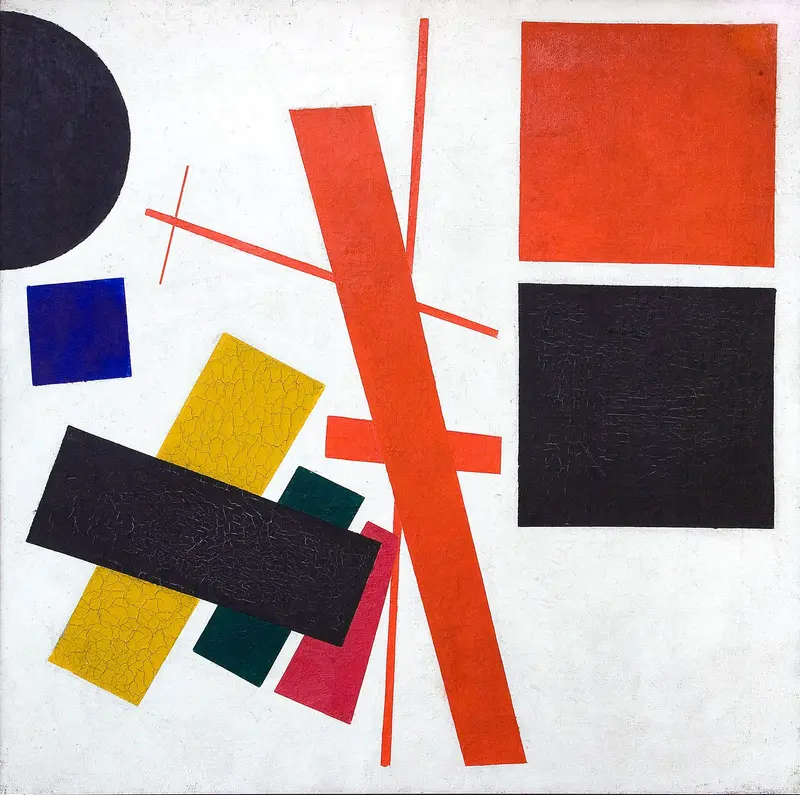
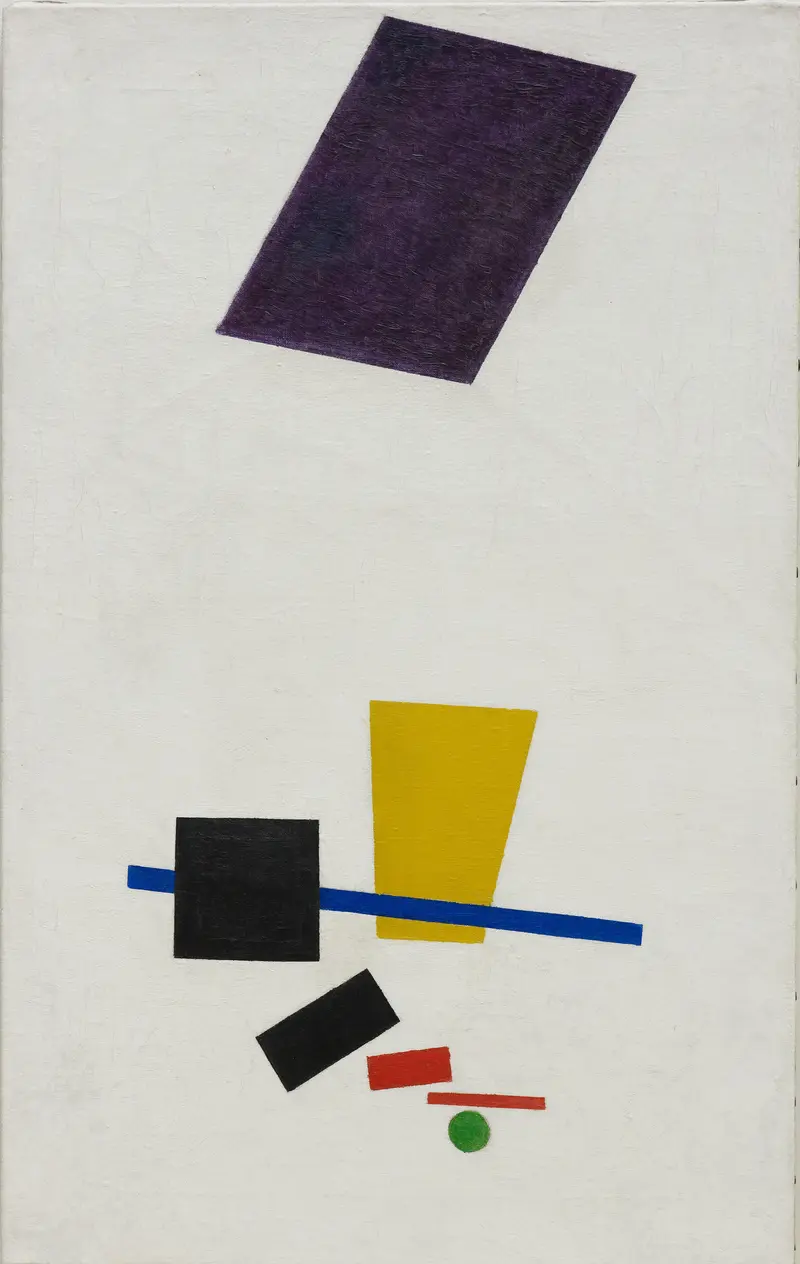
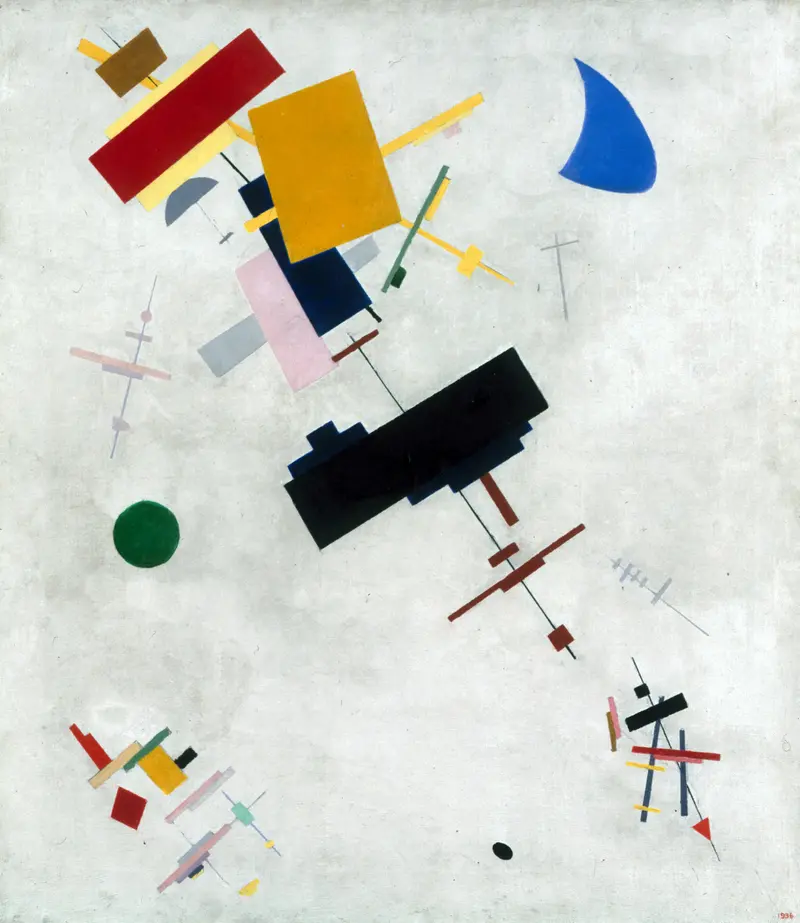
Malevich gave the name Suprematism to the abstract art he developed from 1913: squares, circles and lines in a few colors, floating on a white ground. He showed these pictures unframed and without a fixed orientation, the Art Institute of Chicago notes; the Guggenheim calls his Morning in the Village after Snowstorm a stop on his way there.
Futurism
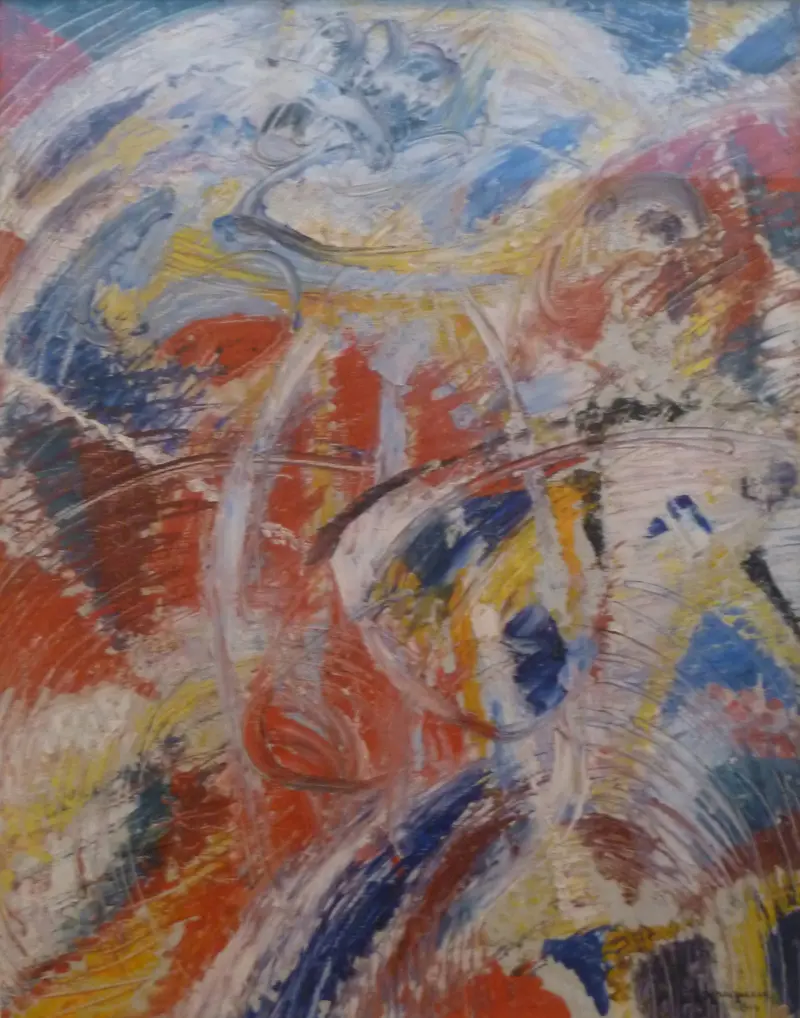
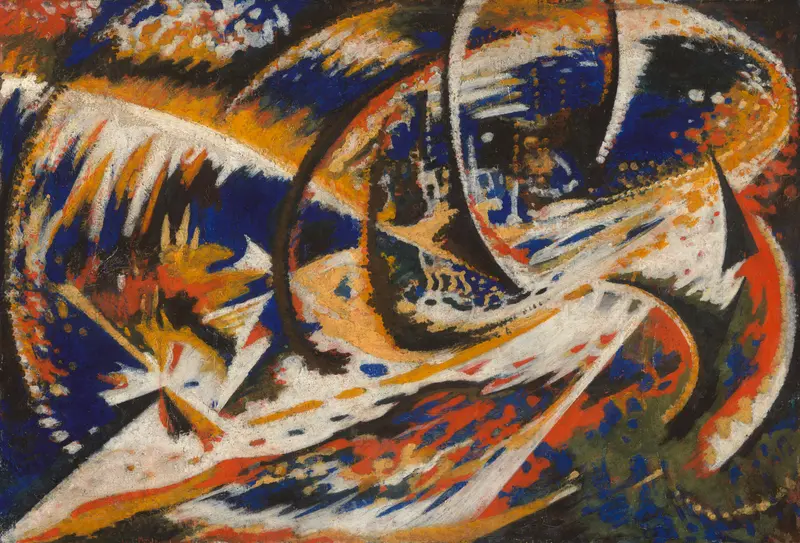
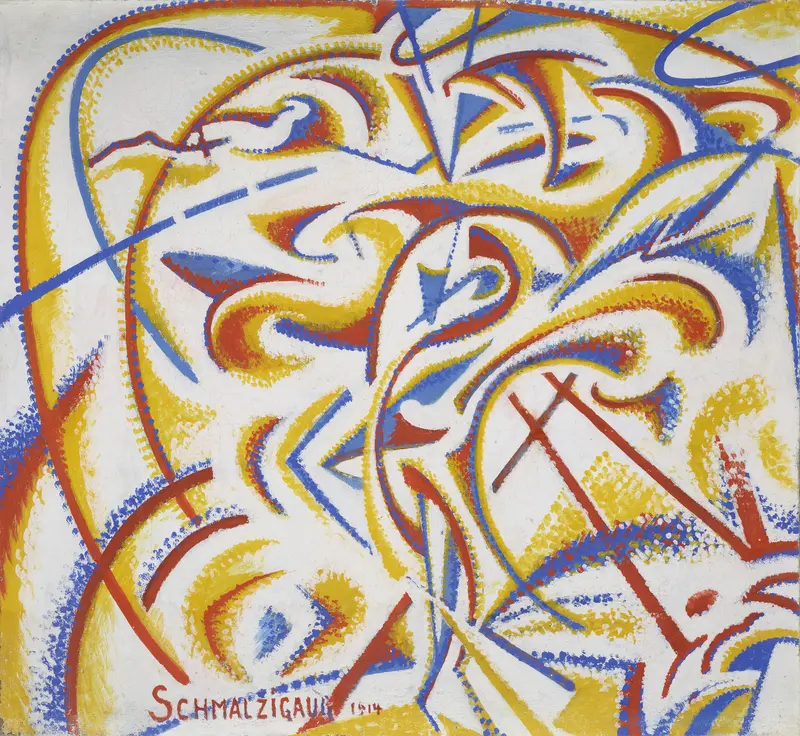
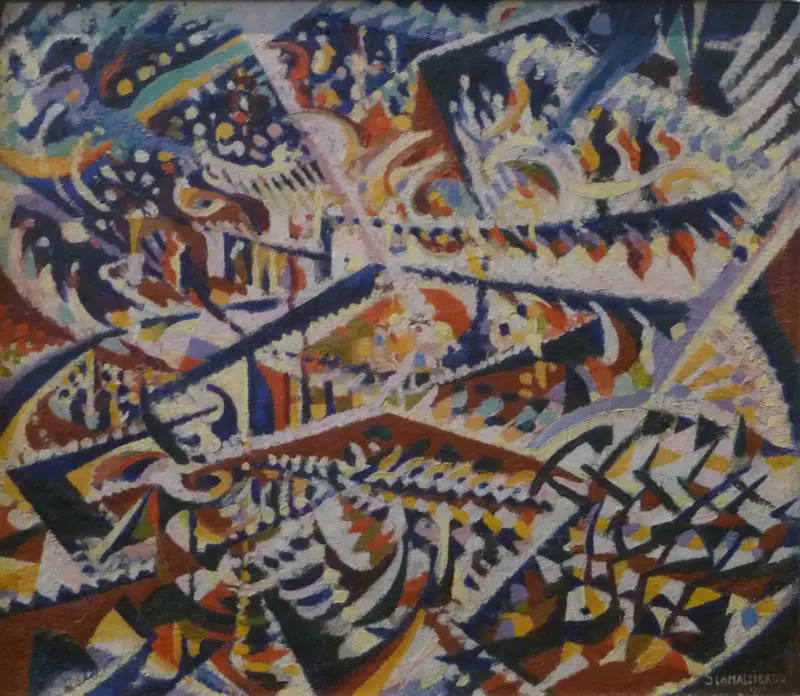
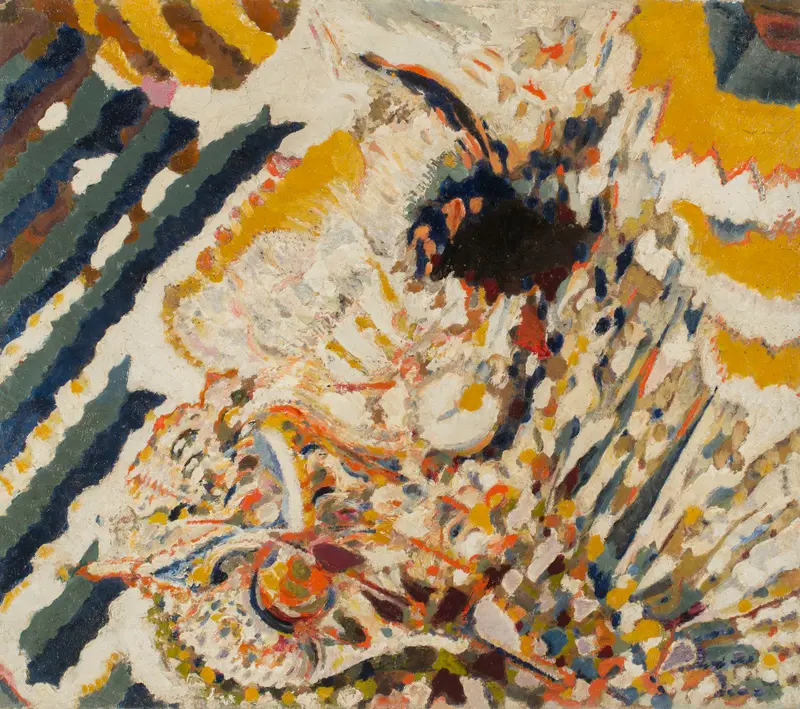
Futurism, launched by the Italian poet Marinetti in 1909, set out to capture the speed and energy of the modern world. The Belgian painter Jules Schmalzigaug took it up after seeing the Futurists' exhibition in Paris in 1912, painting dancers, crowds and light; our catalog also files Joseph Stella's Brooklyn Bridge under Futurism.

American modernist painters
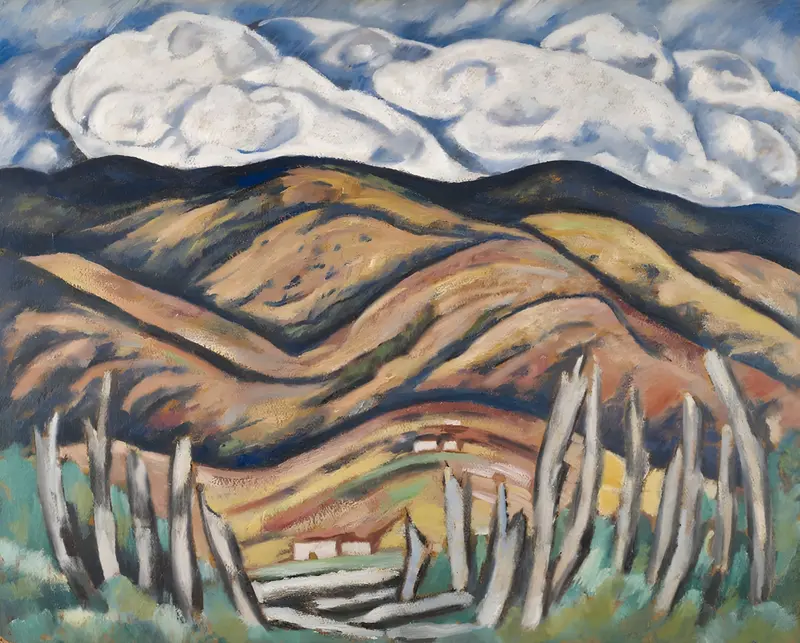
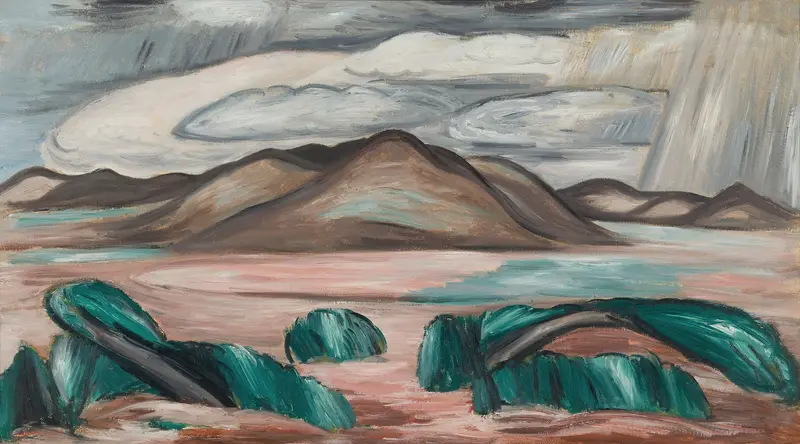
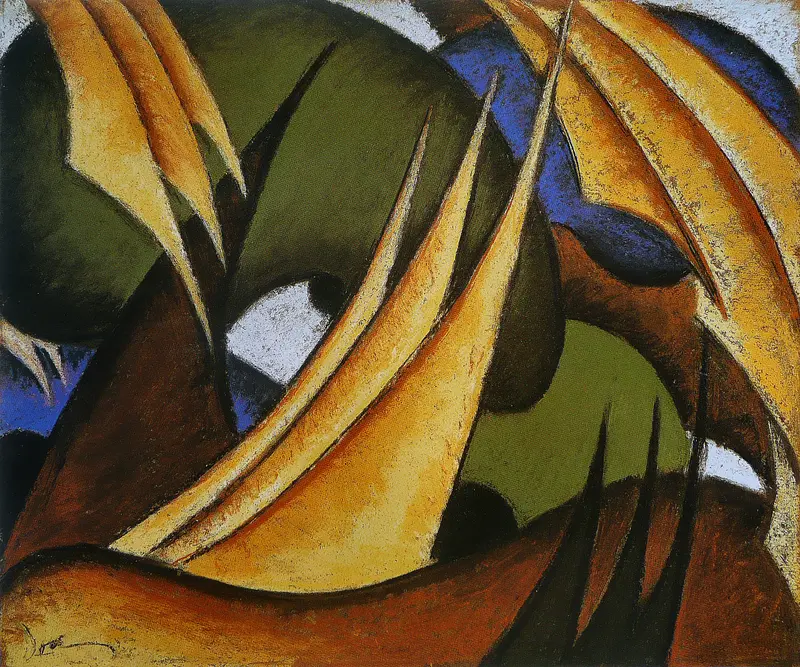
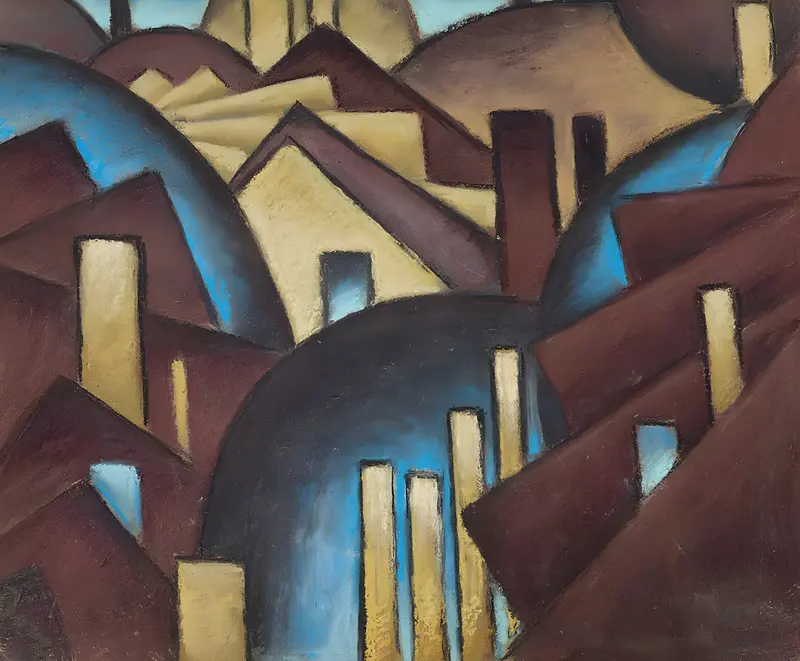
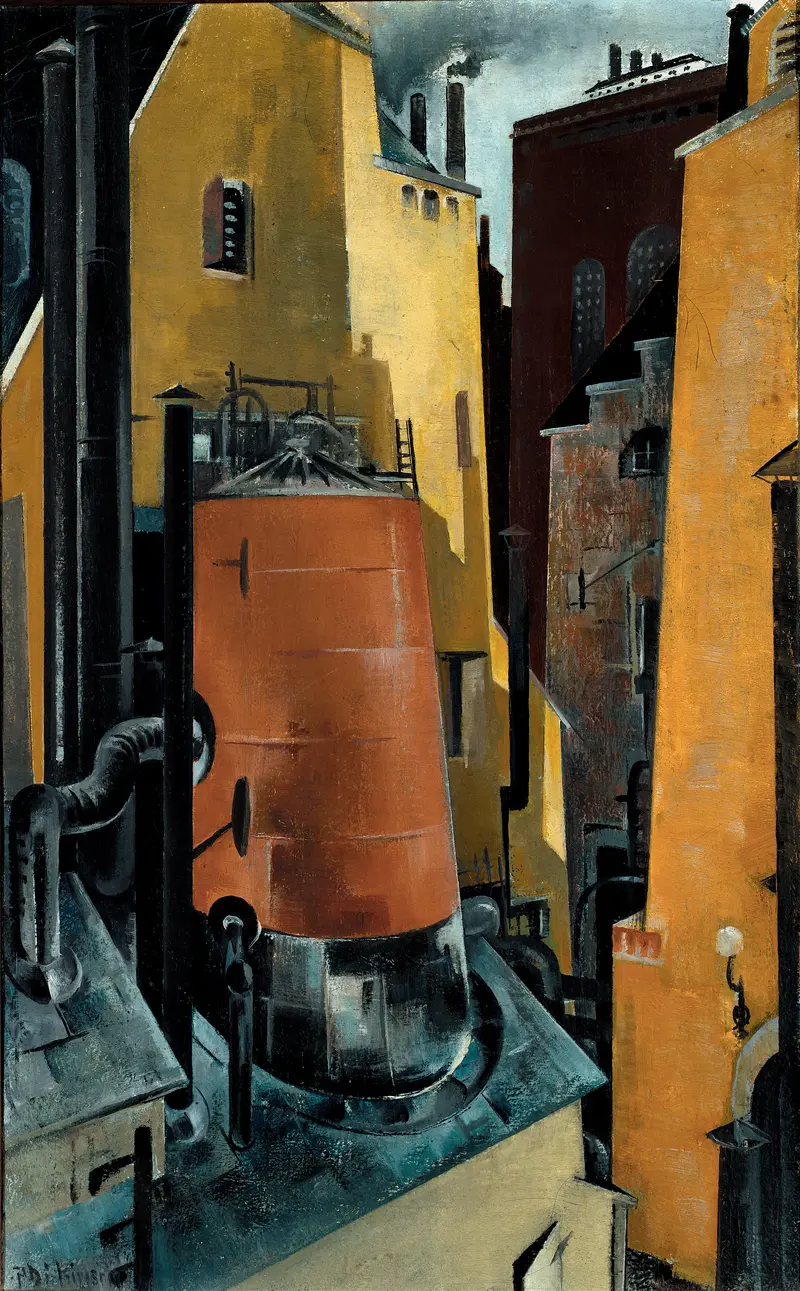
Americans brought the new art home: Preston Dickinson studied in Paris from 1911 to 1914, Arthur Dove experimented early with abstraction, and Marsden Hartley spent 18 months in New Mexico in 1918–19, the Art Institute of Chicago notes.

Characteristics of Modernism art: how to recognize it
A break with realistic depiction
Malevich took away everything but a square. Tate puts a rejection of history and conservative values, such as the realistic depiction of subjects, first among the principles of modernist art.
Black Square, Kazimir Malevich
Bold, non-naturalistic color
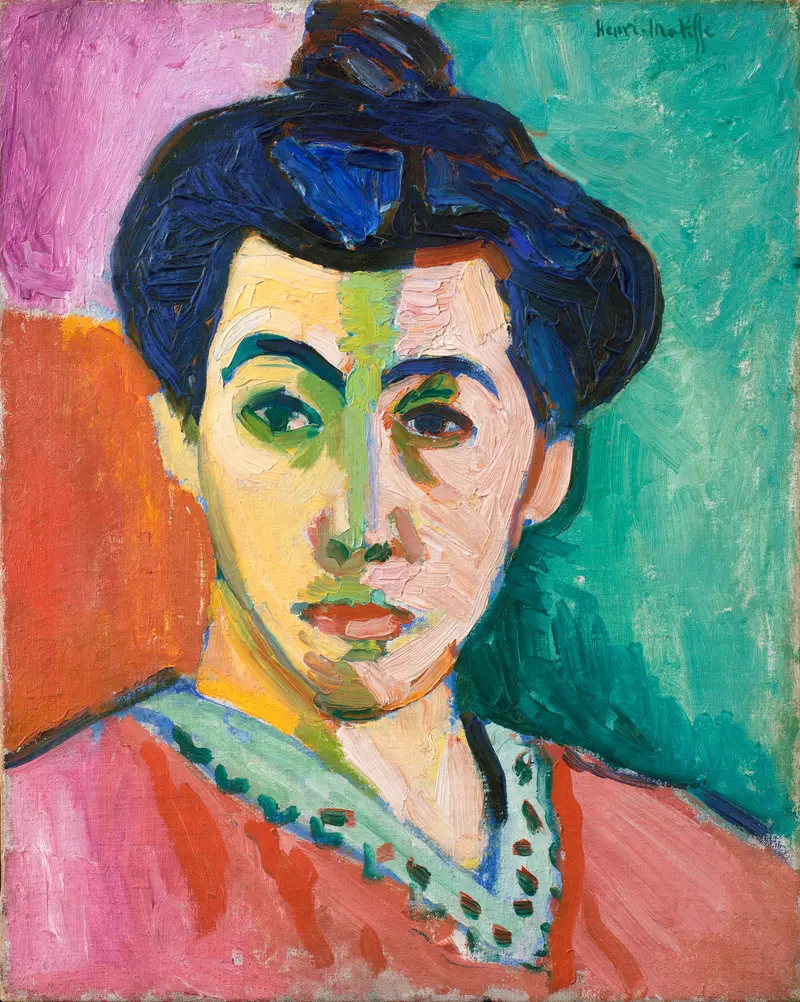
A green stripe runs down the nose and across the forehead of Matisse's wife. SFMOMA notes that he was painting in colors that did not match observed reality, and that doing so on a woman's face shocked the Paris public in 1905.
Woman with a Hat, Henri Matisse

Many viewpoints at once
Gris breaks Picasso's head and body into planes and simple geometric shapes. Tate describes Cubism as bringing different views of a subject together in one picture, so that it looks fragmented and abstracted.
Portrait of Picasso, Juan Gris
Speed and the modern city
Workers, horses and scaffolding dissolve into streaks of color. Futurism, Tate says, aimed to capture the dynamism and energy of the modern world and celebrated industry and technology.
The City Rises, Umberto Boccioni

Pure abstraction: lines and primary colors
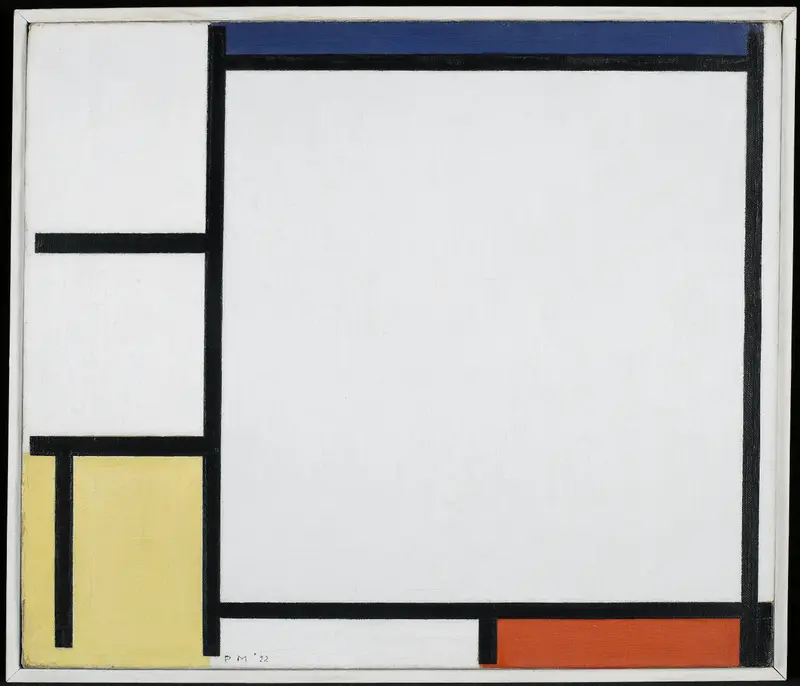
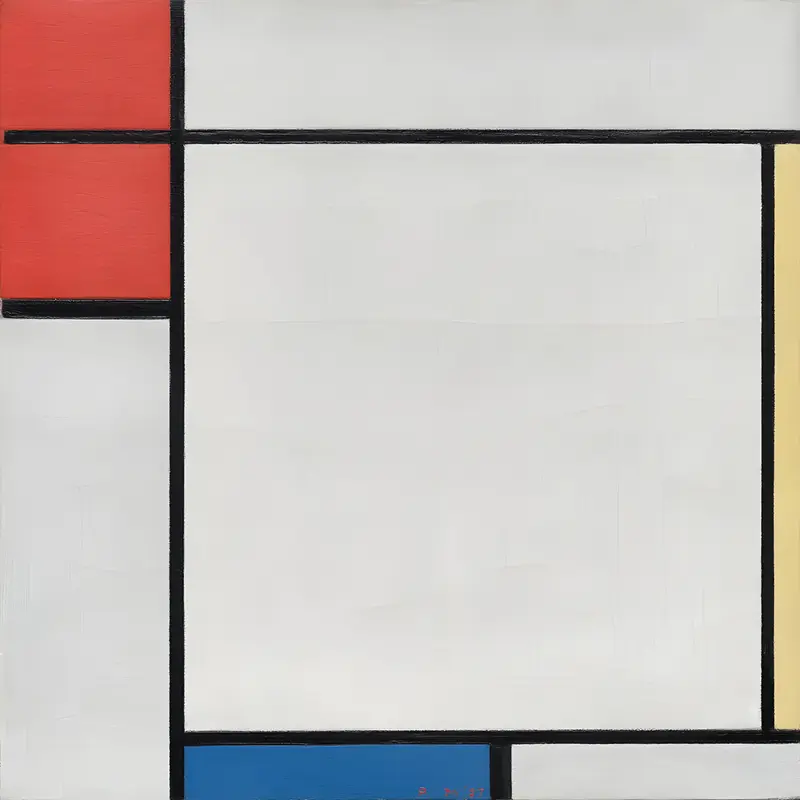
Only vertical and horizontal lines, white, and red, blue and yellow. Tate names Malevich and Mondrian as the pioneers of pure abstract painting in about 1910–20.
Composition II in Red, Blue, and Yellow, Piet Mondrian
New materials and methods
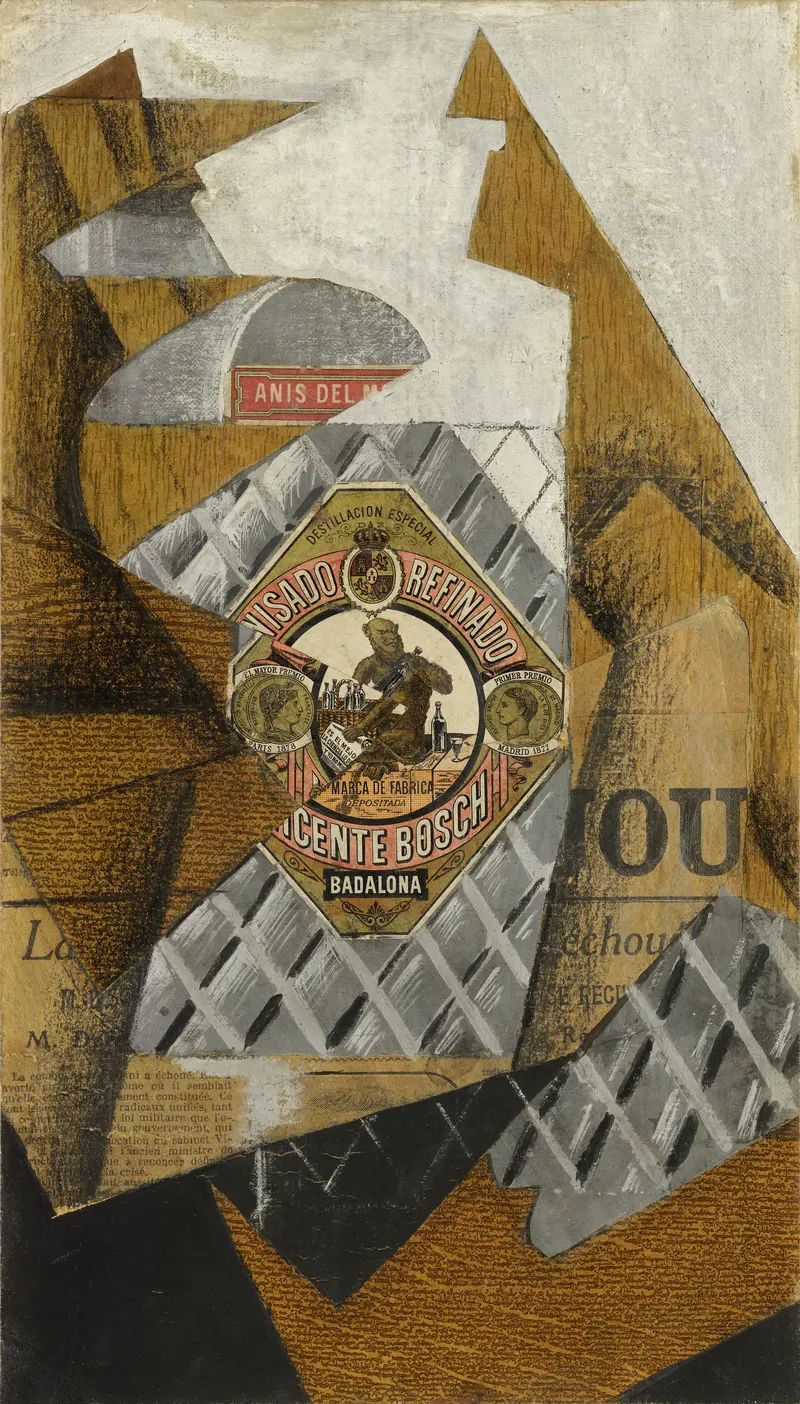
Gris glued a real liqueur label onto the canvas. Tate lists an emphasis on materials, techniques and processes among the principles of modernism, and the Museo Reina Sofía notes that Gris took up collage in 1912.
The Bottle of Anís del Mono, Juan Gris
Before and after Modernism
 Realismc. 1840–1880
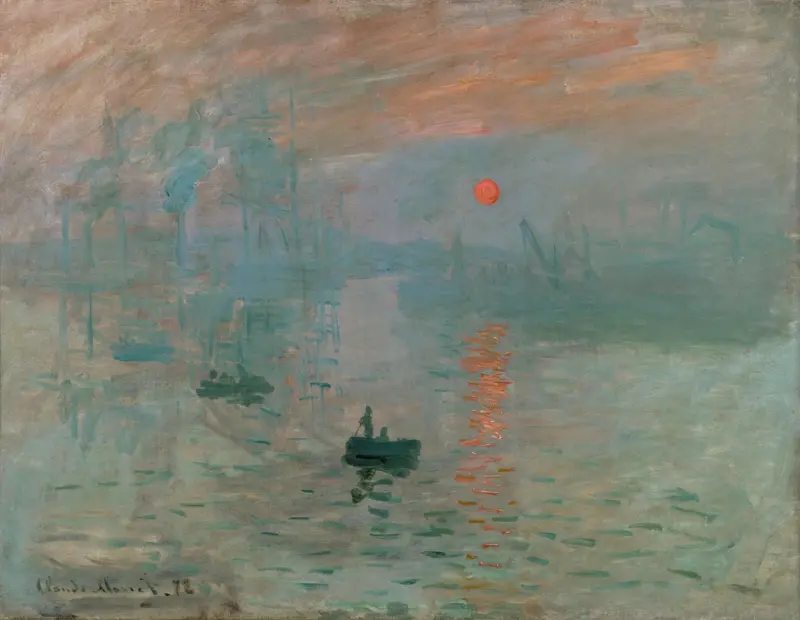 Impressionismc. 1867–1886
 Post-Impressionismc. 1886–1905
- Modernismc. 1860s–1970s
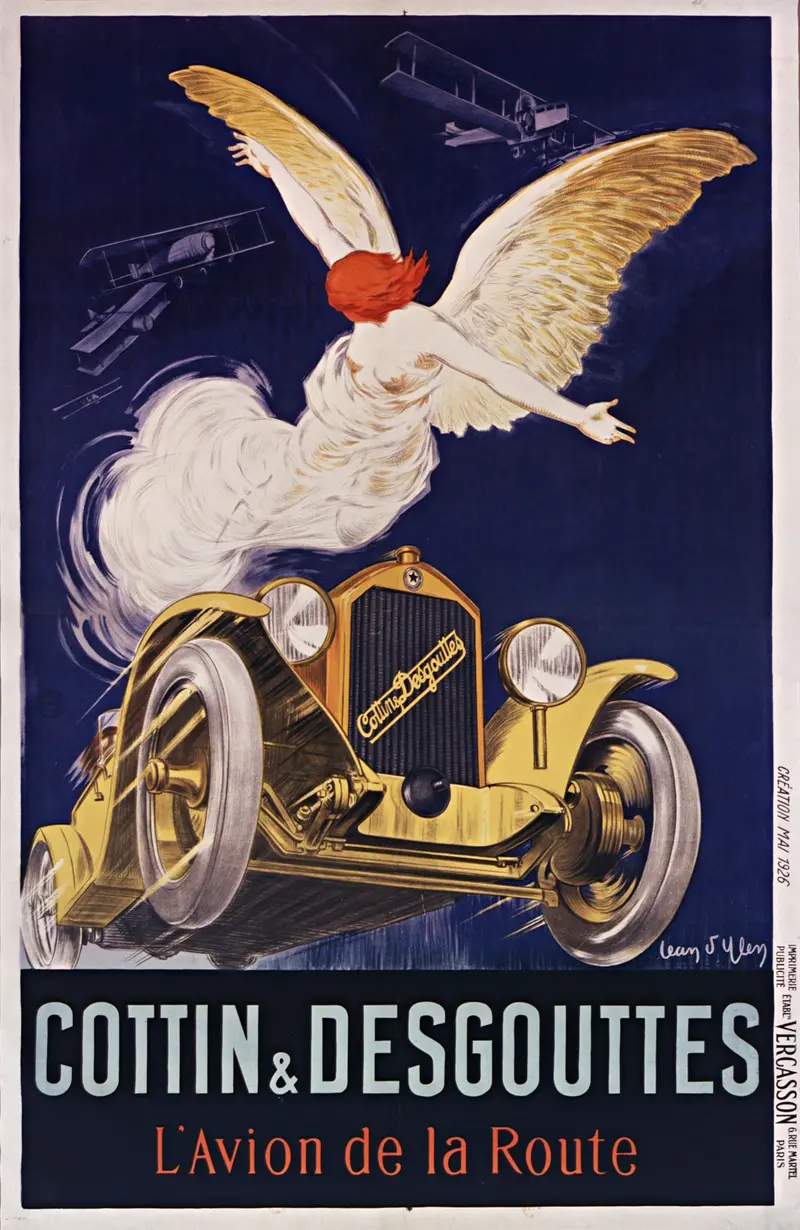 Art Deco1920s–1930s
Modernism vs Realism and Postmodernism
| Compared | Realism | Modernism | Postmodernism |
|---|---|---|---|
| When | c. 1840–1880 | c. 1860s–1970s | From about 1970 |
| Subject | Everyday life: peasants, workers, city streets | Form, color and the materials of art, often with no subject at all | Anything, including popular culture and the styles of the past |
| Aim | Truth to life, without idealizing | A break with tradition and a new art for the modern world | Doubt about universal truths; irony and mixed styles |
| Famous example | Courbet, A Burial at Ornans | Malevich, Black Square | Koons, Three Ball Total Equilibrium Tank |
| Key artists | Courbet, Millet, Daumier | Matisse, Malevich, Mondrian, Kandinsky | Jeff Koons, Damien Hirst, Gilbert & George |
List of famous modernist paintings and their artists
The famous modernist paintings: who painted them, when, and which museum or collection holds each one.
Show the listHide the list
| Painting | Painted by | Year | Medium | Size | Located in | City |
|---|---|---|---|---|---|---|
| American Gothic | Grant Wood | 1930 | Oil on beaverboard | 78 × 65.3 cm (30.7 × 25.7 in) | Art Institute of Chicago | Chicago |
| Black Square | Kazimir Malevich | 1915 | Oil on canvas | 79.5 × 79.5 cm (31.3 × 31.3 in) | Tretyakov Gallery | Moscow |
| The Dance | Henri Matisse | 1910 | Oil on canvas | 260 × 391 cm (102.4 × 153.9 in) | Hermitage Museum | St Petersburg |
| Alice | Amedeo Modigliani | 1916–1919 | Oil on canvas | 78.5 × 39 cm (30.9 × 15.4 in) | Statens Museum for Kunst | Copenhagen |
| Woman with a Hat (Femme au chapeau) | Henri Matisse | 1905 | Oil on canvas | 80.8 × 59.7 cm (31.8 × 23.5 in) | San Francisco Museum of Modern Art | San Francisco |
| Red Square (Painterly Realism of a Peasant Woman in Two Dimensions) | Kazimir Malevich | 1915 | Oil on canvas | 53 × 53 cm (20.9 × 20.9 in) | Russian Museum | St Petersburg |
| Suprematist Composition: White on White | Kazimir Malevich | 1918 | Oil on canvas | 79.4 × 79.4 cm (31.3 × 31.3 in) | Museum of Modern Art | New York |
| Le Bonheur de vivre (The Joy of Life) | Henri Matisse | 1905–06 | Oil on canvas | 176.5 × 240.7 cm (69.5 × 94.8 in) | Barnes Foundation | Philadelphia |
| The Red Tree (Evening) | Piet Mondrian | 1908–1910 | Oil on canvas | 70 × 99 cm (27.6 × 39 in) | Kunstmuseum Den Haag | The Hague |
| The City Rises | Umberto Boccioni | 1910 | Oil on canvas | 199.3 × 301 cm (78.5 × 118.5 in) | Museum of Modern Art | New York |
| Nude Sitting on a Divan (La Belle Romaine) | Amedeo Modigliani | 1917 | Oil on canvas | 100 × 65 cm (39.4 × 25.6 in) | Private collection | |
| Gray Tree | Piet Mondrian | 1911 | Oil on canvas | 79.7 × 109.1 cm (31.4 × 43 in) | Kunstmuseum Den Haag | The Hague |
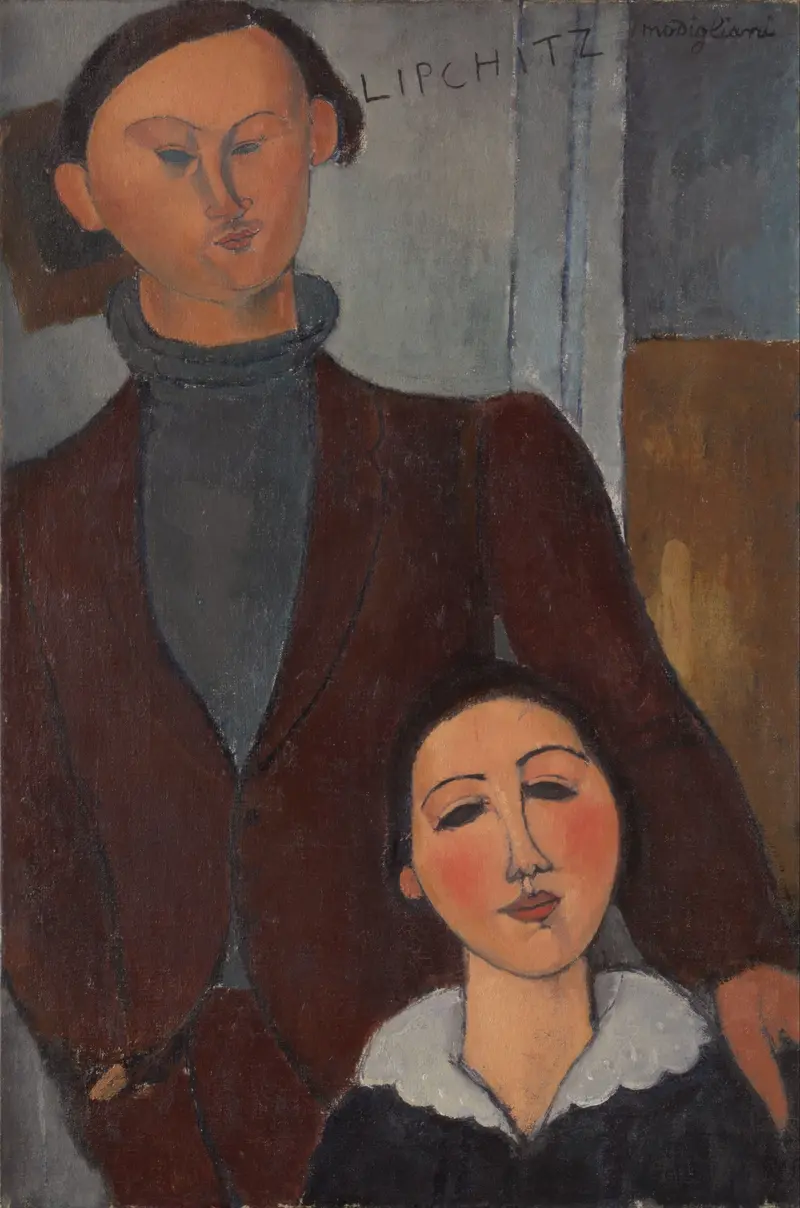
| Jacques and Berthe Lipchitz | Amedeo Modigliani | 1916 | Oil on canvas | 81.3 × 54.3 cm (32 × 21.4 in) | Art Institute of Chicago | Chicago |
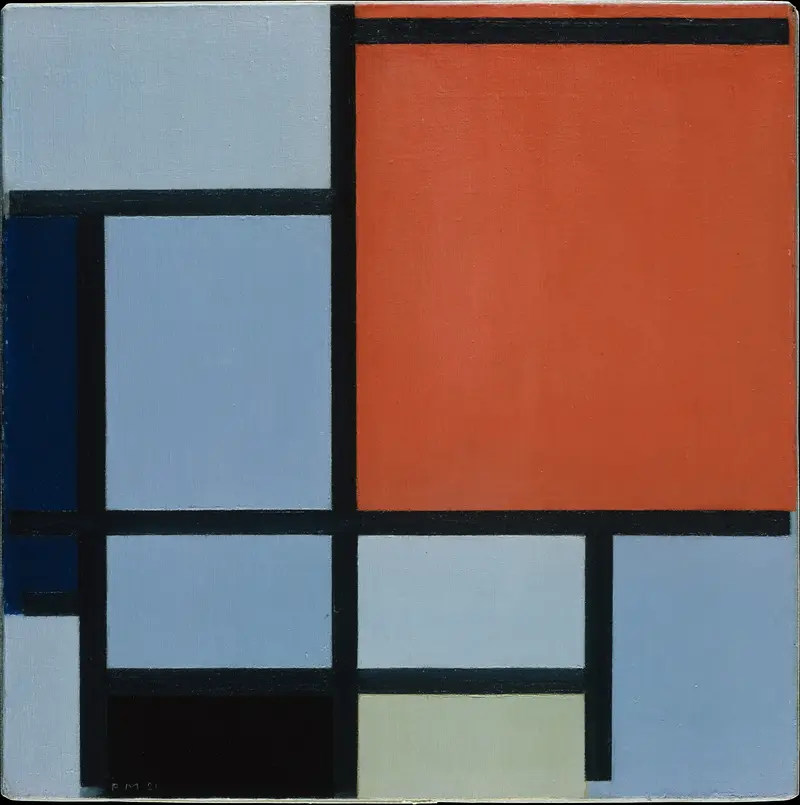
| Composition with Red, Blue and Yellow | Piet Mondrian | 1930 | Oil on canvas | 45 × 45 cm (17.7 × 17.7 in) | Kunsthaus Zürich | Zurich |
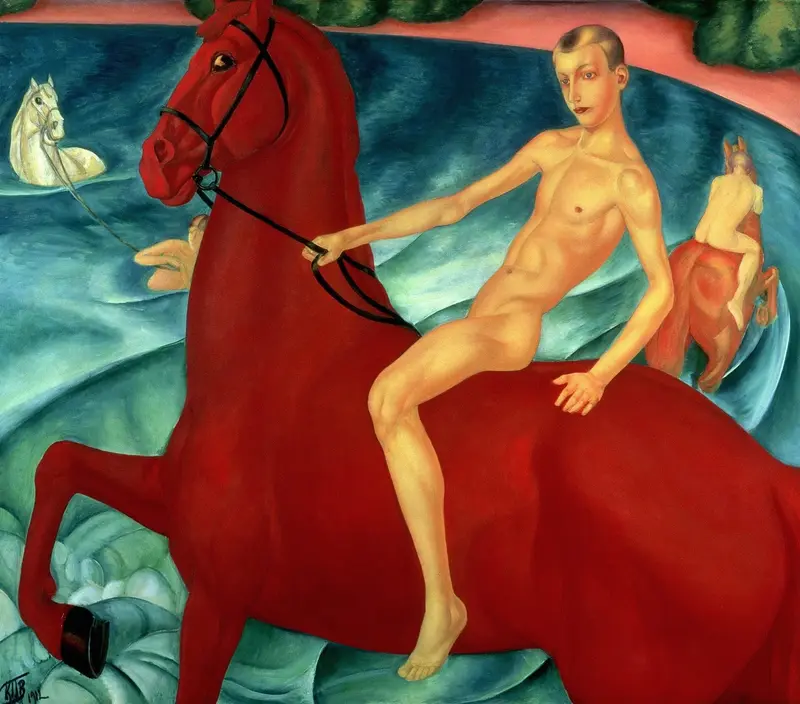
| Bathing of a Red Horse | Kuzma Petrov-Vodkin | 1912 | Oil on canvas | 160 × 186 cm (63 × 73.2 in) | Tretyakov Gallery | Moscow |
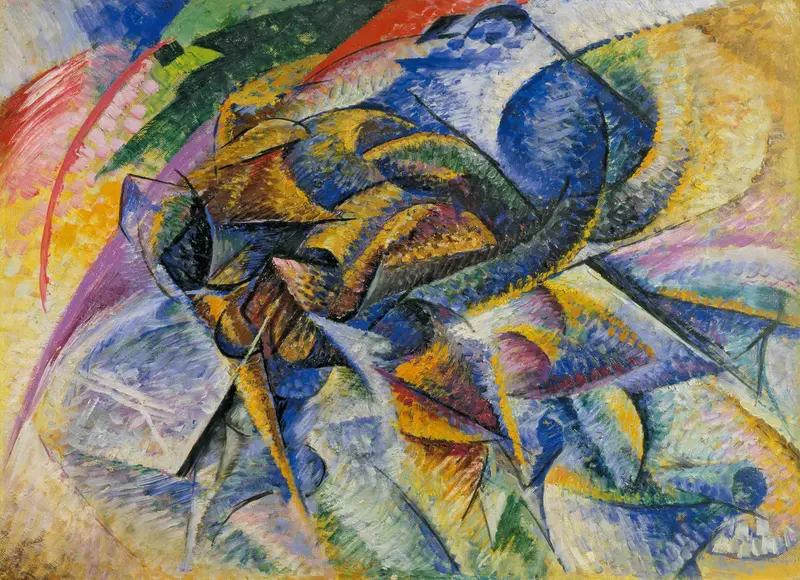
| Dynamism of a Cyclist | Umberto Boccioni | 1913 | Oil on canvas | 70 × 95 cm (27.6 × 37.4 in) | Museo del Novecento | Milan |
| On White II (Auf Weiss II) | Wassily Kandinsky | 1923 | Oil on canvas | 105 × 98 cm (41.3 × 38.6 in) | Musée National d'Art Moderne | Paris |
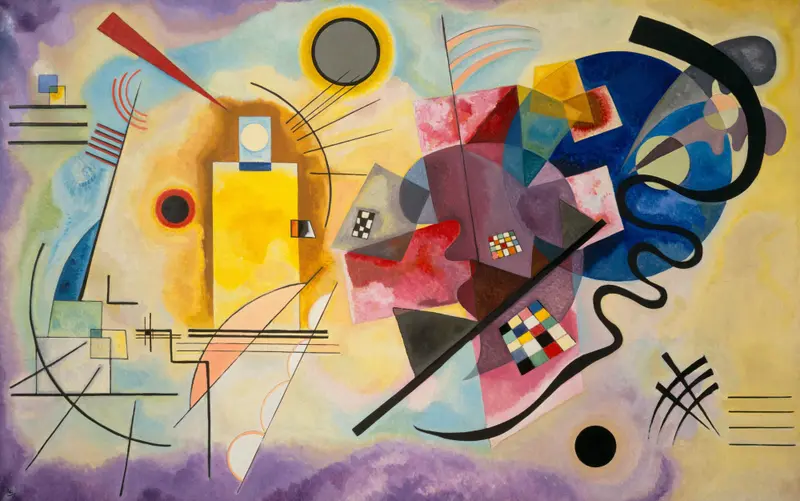
| Yellow-Red-Blue (Gelb-Rot-Blau) | Wassily Kandinsky | 1925 | Oil on canvas | 128 × 201.5 cm (50.4 × 79.3 in) | Musée National d'Art Moderne | Paris |
| Composition 8 | Wassily Kandinsky | 1923 | Oil on canvas | 140.3 × 200.7 cm (55.2 × 79 in) | Guggenheim Museum | New York |
| The Bottle of Anís del Mono | Juan Gris | 1914 | Oil, collage and graphite on canvas | 41.8 × 24 cm (16.5 × 9.4 in) | Museo Reina Sofia | Madrid |
| The Greyhounds (Os Galgos) | Amadeo de Souza-Cardoso | c. 1911 | Oil on canvas | 100 × 73 cm (39.4 × 28.7 in) | Centro de Arte Moderna Gulbenkian | Lisbon |
| Villa R | Paul Klee | 1919 | Oil on cardboard | 26.5 × 22.4 cm (10.4 × 8.8 in) | Kunstmuseum Basel | Basel |
| Portrait of Pablo Picasso | Juan Gris | 1912 | Oil on canvas | 93.3 × 74.4 cm (36.7 × 29.3 in) | Art Institute of Chicago | Chicago |
| Still Life with Candlestick (Nature morte au chandelier) | Fernand Léger | 1922 | Oil on canvas | 116 × 80 cm (45.7 × 31.5 in) | Musée d'Art Moderne de la Ville de Paris (stolen in 2010) | Paris |
| The Bathers (Les Baigneuses) | Albert Gleizes | 1912 | Oil on canvas | 105 × 171 cm (41.3 × 67.3 in) | Musée d'Art Moderne de la Ville de Paris | Paris |
Modernism: questions and answers
What is modernism in art, and what does it mean?
In art, modernism means the many modern styles, from realism to abstraction, that broke with tradition and experimented boldly with form, materials and technique, from the 1860s to the 1970s. Tate describes it as a global movement that, from the early decades of the twentieth century, sought an art in tune with modern industrial life. The Getty's art vocabulary calls it a succession of twentieth-century avant-garde movements formed in reaction to social modernity. It is an umbrella term, not one style.
Sources: Tate: Modernism · Getty AAT: Modernist
Is modern art the same as modernism?
Largely, yes. Tate says the terms modernism and modern art are generally used for the same succession of art movements, from the realism of Gustave Courbet to abstract art and its developments in the 1960s. Art made after that, from about 1970, is usually called postmodern or contemporary; Tate dates the first use of the term postmodernism to around 1970.
Sources: Tate: Modernism · Tate: Postmodernism
What are the characteristics of modernism art?
Modernist art breaks with tradition and experiments with form. Tate lists its underlying principles as a rejection of history and conservative values, such as the realistic depiction of subjects; innovation and experimentation with shapes, colors and lines, with a tendency toward abstraction; and an emphasis on materials, techniques and processes. Much of it was also utopian, linked to ideal visions of society and a belief in progress.
Sources: Tate: Modernism
When did modernism start and end?
Modernism began in the mid-1800s, peaked in the early 1900s and lasted until about 1970. Tate traces the succession of modern movements from the realism of Gustave Courbet to the abstract art of the 1960s, by which time modernism had become a dominant idea of art; a reaction followed that was soon called postmodernism. The Getty's vocabulary likewise says modernism was eclipsed by postmodernism, which began in the 1970s.
Sources: Tate: Modernism · Getty AAT: Modernist · Tate: Postmodernism
Which art movements are part of modernism?
Modernism takes in many movements. Tate calls Fauvism one of the first avant-garde modernist movements of the twentieth century, counts Futurism among the modernist movements and calls Suprematism one of the key movements of modernist art. Cubism, De Stijl, Constructivism and abstract art belong to the same story, and Tate's modernism glossary links them all, from Realism and Impressionism to Minimalism in the 1960s.
Sources: Tate: Fauvism · Tate: Futurism · Tate: Suprematism · Tate: Modernism
Which famous modern artists belong to Modernism?
Tate's glossary names Pablo Picasso and Georges Braque as the inventors of Cubism, Henri Matisse and André Derain as the painters whose work gave the Fauves their name, Kazimir Malevich as the founder of Suprematism, and Piet Mondrian and Theo van Doesburg as the founders of De Stijl; it calls Malevich and Mondrian the pioneers of pure abstract painting. Wassily Kandinsky, Paul Klee, Fernand Léger and Amedeo Modigliani were modernists too. Picasso died in 1973, so his works are not shown here; every painter in the famous list died in 1955 or earlier.
Sources: Tate: Cubism · Tate: Fauvism · Tate: Suprematism · Tate: De Stijl · Tate: Abstract art
What are famous examples of modern art and modernist paintings?
Famous examples include Malevich's Black Square (1915), Matisse's The Dance (1910) and Le Bonheur de vivre (1905–06), Boccioni's The City Rises (1910), Mondrian's grids of the 1920s and Grant Wood's American Gothic (1930), which the Art Institute of Chicago files under both Realism and Modernism. Tate presents Black Square as one of the key moments of modernism, and the Barnes Foundation calls Le Bonheur de vivre one of the watershed paintings in the history of European modernism.
Sources: Tate: Modernism · Barnes Foundation · Art Institute of Chicago
Is American Gothic a modernist painting?
Partly. The Art Institute of Chicago, which owns American Gothic, classes it under both Realism and Modernism. Grant Wood painted it in a sharp, realistic manner in 1930. When the museum showed it that year, many viewers read it as a satire of midwesterners out of step with a modernizing world, although Wood meant it as a positive picture of rural American values.
Sources: Art Institute of Chicago
What is the difference between modernism and postmodernism?
Modernism believed in progress and in finding new, pure forms for the modern world; postmodernism, from about 1970, doubted universal truths and mixed styles with irony. Tate says modernism was based on idealism, reason and a utopian vision of society, and that modernists championed clarity and simplicity. Postmodernism grew from skepticism, embraced complex and often contradictory layers of meaning, and broke down the line between high art and popular culture.
Sources: Tate: Postmodernism · Tate: Modernism
What is Suprematism?
Suprematism is the name Kazimir Malevich gave to the abstract art he developed from 1913: basic geometric forms such as squares, circles and lines in a few colors, floating on a white ground. Tate says the first exhibition of Suprematist paintings opened in St Petersburg in December 1915, with Black Square at the head of Malevich's list. The Art Institute of Chicago adds that he showed the works unframed and without a fixed orientation.
Sources: Tate: Suprematism · Art Institute of Chicago: Malevich, Painterly Realism of a Football Player
What is Futurism in art?
Futurism was an Italian movement that set out to capture the speed, dynamism and energy of the modern world. Tate says the poet Filippo Tommaso Marinetti launched it in 1909 with a manifesto on the front page of Le Figaro, and that its chief painters were Giacomo Balla, Umberto Boccioni and Gino Severini. Futurist painting borrowed from Neo-Impressionism and Cubism to show movement.
Sources: Tate: Futurism
What is Catalan Modernisme?
Modernisme is the name of the renewal of art, architecture and design in Catalonia in the late 1800s and early 1900s, when, the museum says, Rusiñol and Casas led Catalan art's access to modernity. The Museu Nacional d'Art de Catalunya says Ramon Casas and Santiago Rusiñol laid the first stone of that renewal, bringing in aspects of French Impressionism, and the museum shows its decorative arts, from interiors by Gaudí and Puig i Cadafalch to furniture and jewelry. Our catalogue files about 90 works by Casas and Rusiñol under Modernism.
Sources: Museu Nacional d'Art de Catalunya · Museu Nacional d'Art de Catalunya: Santiago Rusiñol
Is modernist art in the public domain?
Only part of it. In the United States, works published before 1931 are now in the public domain; in countries where copyright lasts for the artist's life plus 70 years, works by artists who died before 1956 are free. Pablo Picasso (1881–1973) and many later modernists died after 1955, so their works are not in the famous list. Every painter in the famous list died in 1955 or earlier, and every painting in it was made before 1931.
Sources: Cornell University Library: Copyright Term and the Public Domain · Tate: Abstract art
Where can you see famous modernist paintings?
In New York, the Museum of Modern Art holds Malevich's White on White and Boccioni's The City Rises, and the Guggenheim holds Kandinsky's Composition 8. In Paris, the Centre Pompidou has Kandinsky's On White II and Yellow-Red-Blue. In Moscow the Tretyakov Gallery has Black Square and Petrov-Vodkin's Bathing of a Red Horse; in St Petersburg the Hermitage has Matisse's The Dance and the Russian Museum has Red Square. American Gothic is at the Art Institute of Chicago, Woman with a Hat at SFMOMA and Le Bonheur de vivre at the Barnes Foundation in Philadelphia.
Sources: Tretyakov Gallery (Russian) · Tretyakov Gallery (Russian) · Guggenheim Museum: Composition 8 · Centre Pompidou, Musée National d'Art Moderne (French) · Russian Museum · Art Institute of Chicago · San Francisco Museum of Modern Art · Barnes Foundation
How we chose the famous paintings
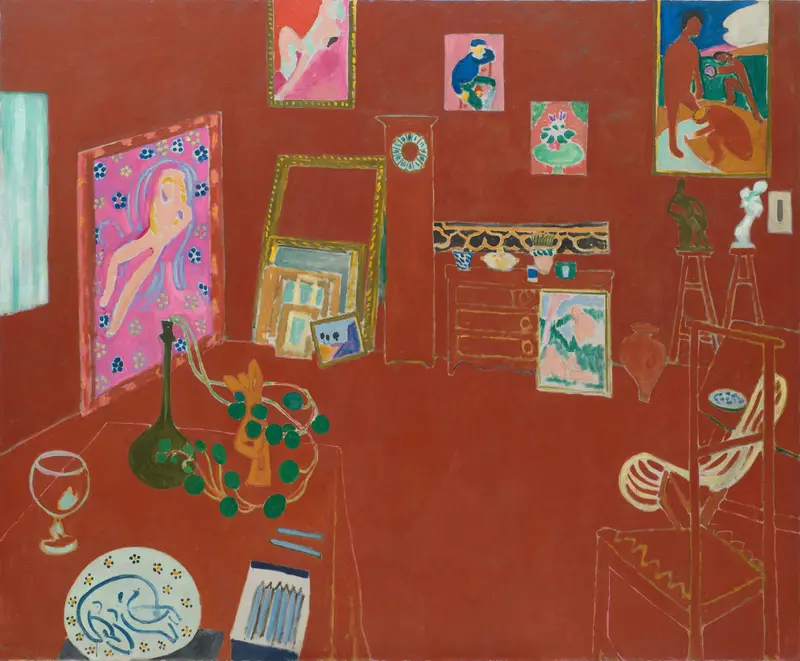
The famous paintings on this page are the modernist paintings known most widely around the world, measured by the number of languages that have an encyclopedia entry about each one, checked in November 2026. No painter has more than three of them, which is why Matisse's Harmony in Red appears only on his card further down. We include only painters who died in 1955 or earlier and paintings made before 1931, so that every work is in the public domain in the United States and in Europe; that leaves out the best-known modern pictures by Picasso, Braque, Miró and Dalí, and later works such as Mondrian's Broadway Boogie Woogie.
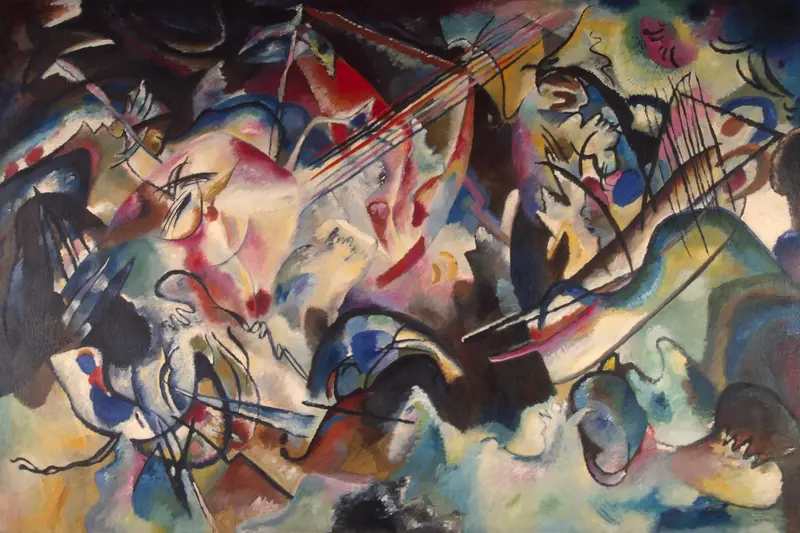
Modernism is an umbrella, so the list mixes works our catalog files under Modernism with works from movements inside it, such as Suprematism, Futurism, Cubism and De Stijl, and with Grant Wood's American Gothic, which the Art Institute of Chicago classes as both Realism and Modernism. Kandinsky's Munich paintings of 1909–1914, such as Composition VII, are on our Expressionism page, so here he is shown through his Bauhaus years.
Dates, sizes and locations come from the museums' own records and from Wikidata.
Spotted a mistake? Tell us and we will correct it.