Abstract–Seated Figure — History & Facts
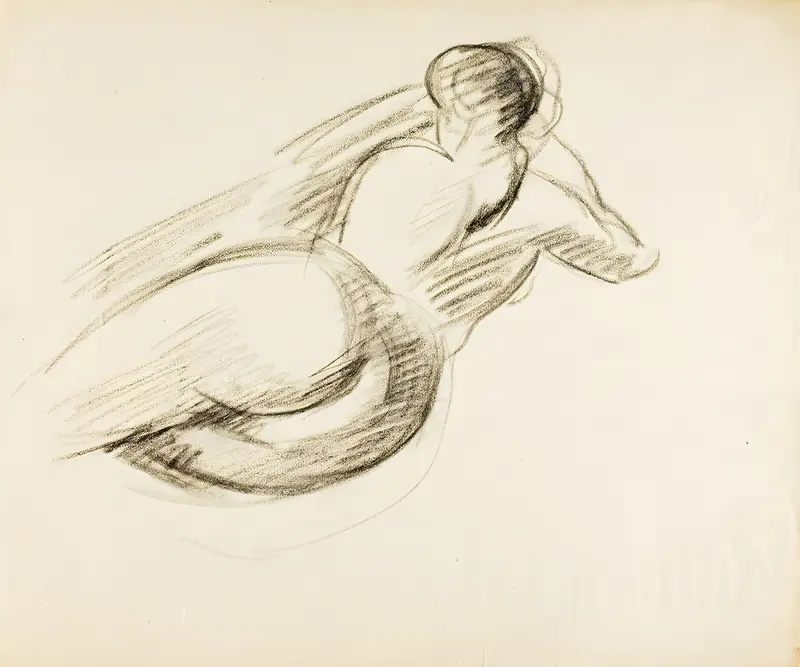
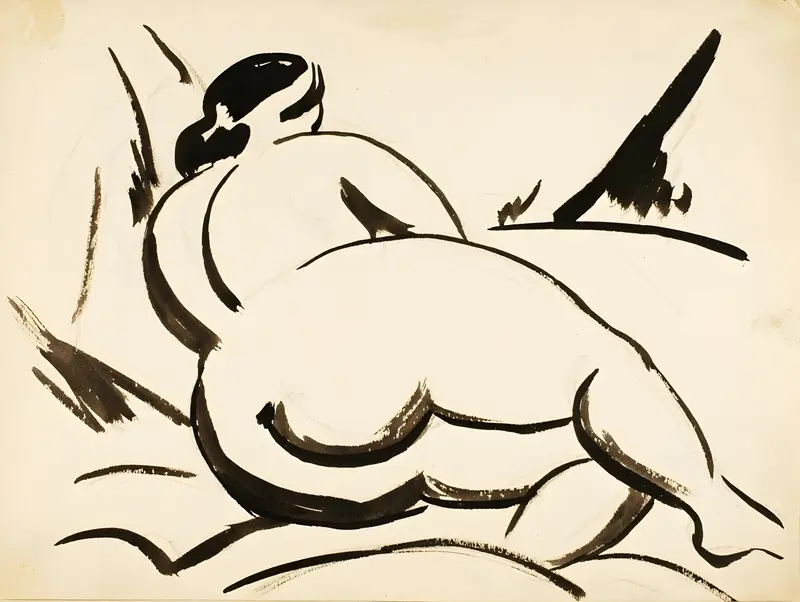
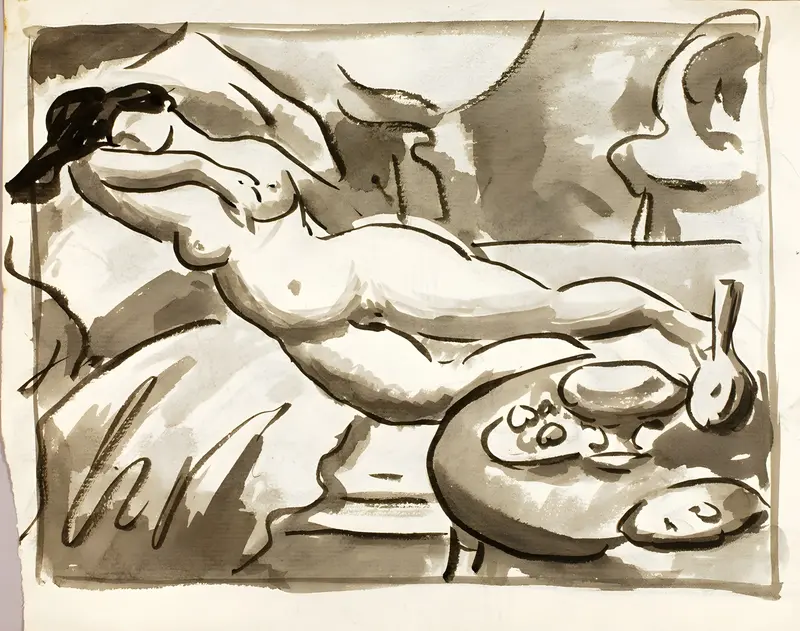
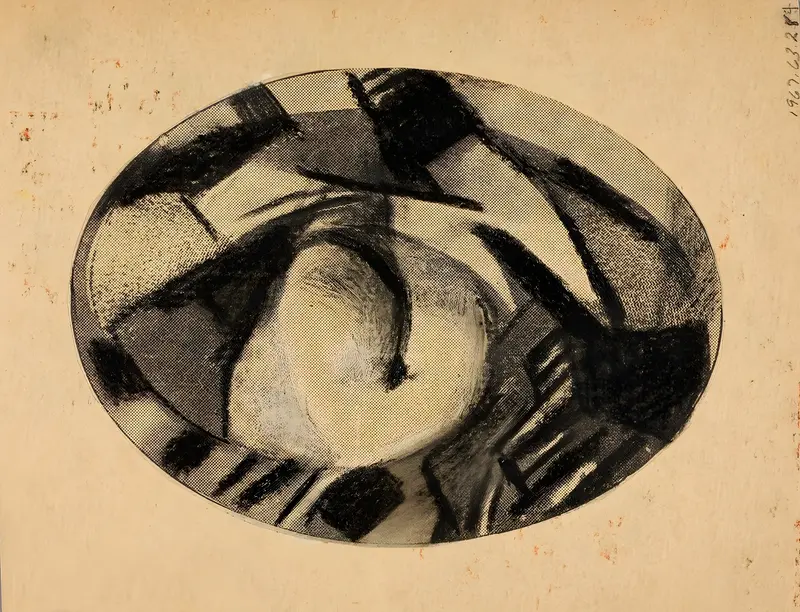
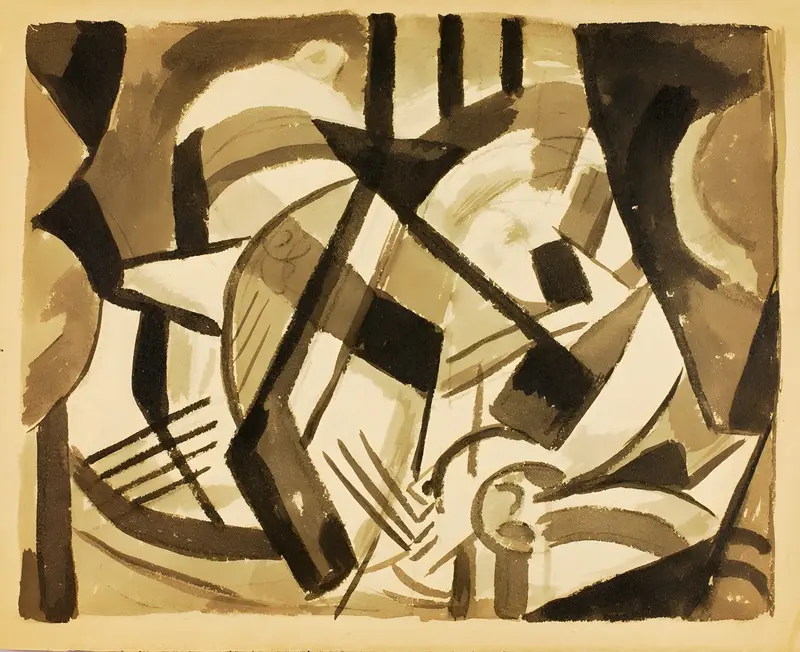
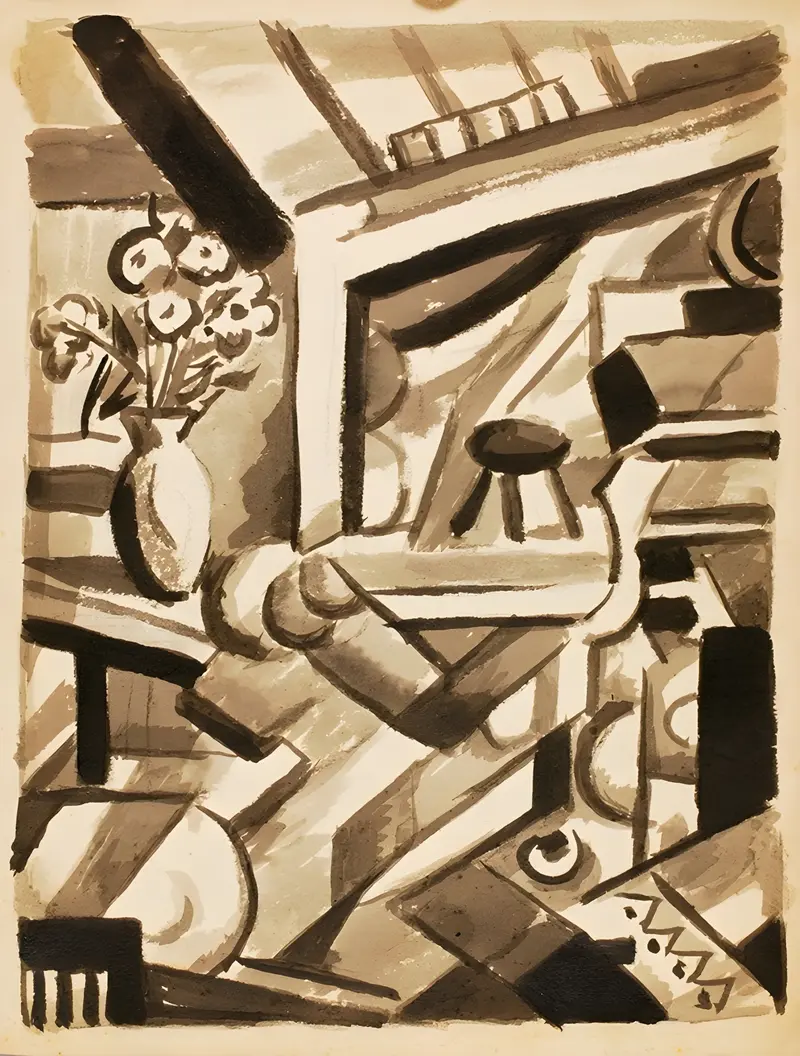
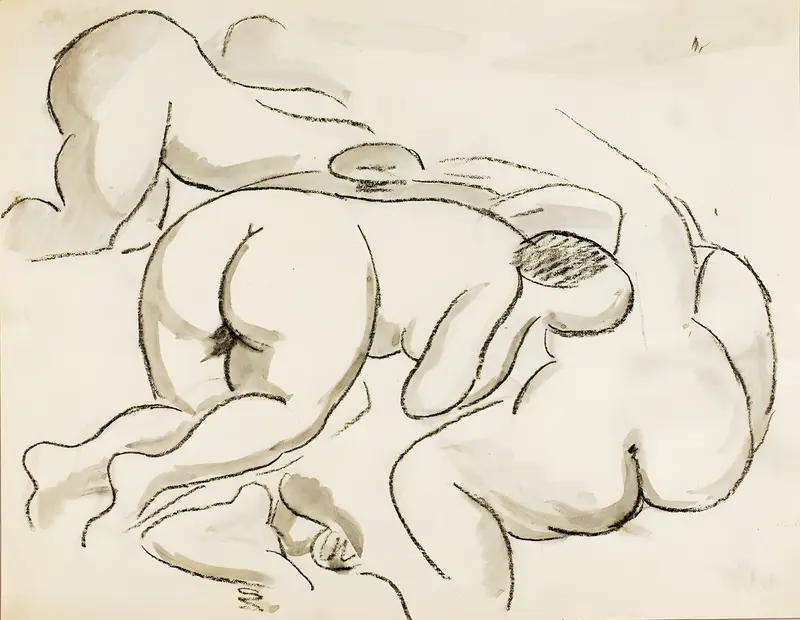
In Abstract–Seated Figure, the viewer encounters a striking composition dominated by bold colors. The figure is abstracted, with exaggerated shapes that suggest a human form. The background is a blend of vibrant hues that enhance the figure's presence.
This painting invites viewers to interpret the emotions and meanings behind the abstraction. The painting employs a variety of colors, primarily focusing on reds, blues, and yellows. The brushwork is dynamic, creating a sense of movement within the static figure. The use of oil on canvas allows for rich textures and depth in the colors.
Viewers can appreciate the layering techniques that contribute to the overall impact of the piece. Carl Newman was known for his contributions to modernist art, often exploring themes of abstraction and form. Abstract–Seated Figure exemplifies his style, showcasing his ability to transform the human figure into an expressive form. An interesting fact about this work is that it reflects Newman's interest in the emotional aspects of abstraction, inviting viewers to engage with their interpretations.
This piece is a testament to the evolving nature of modernist art in the mid-20th century.