Abstraction — History & Facts
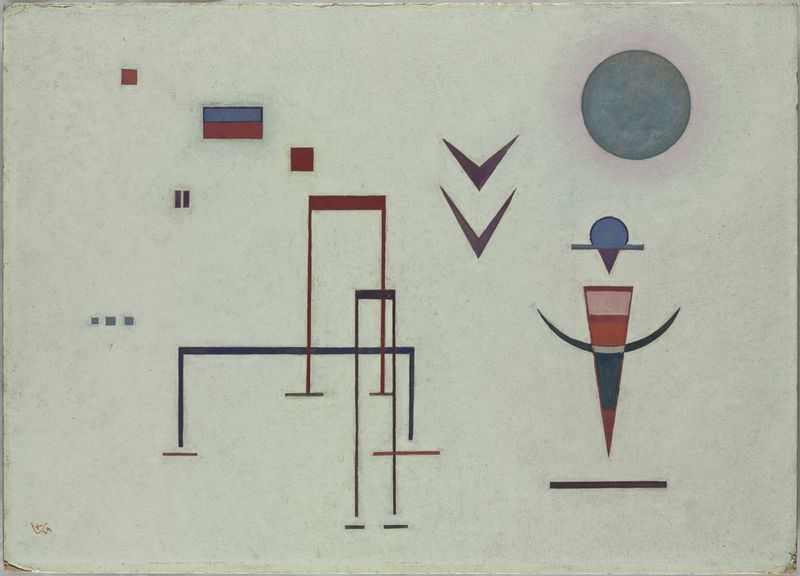
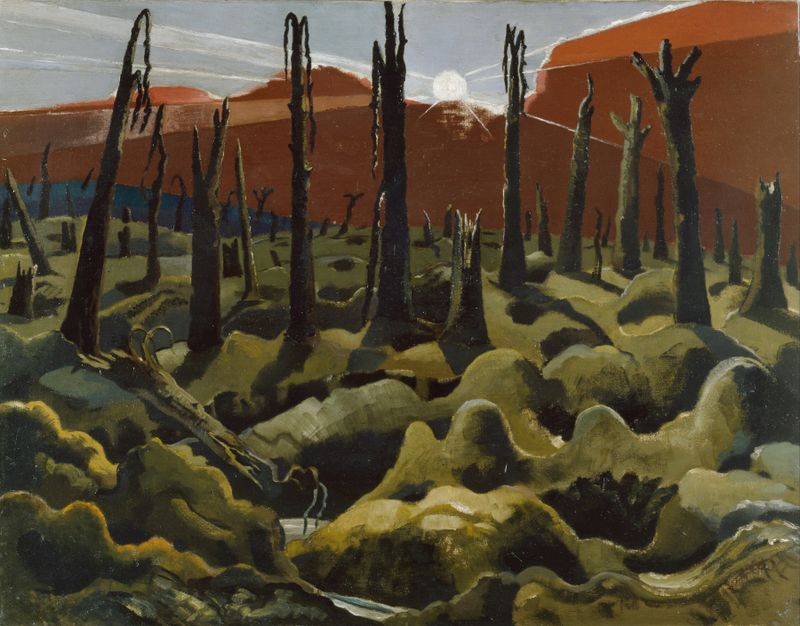
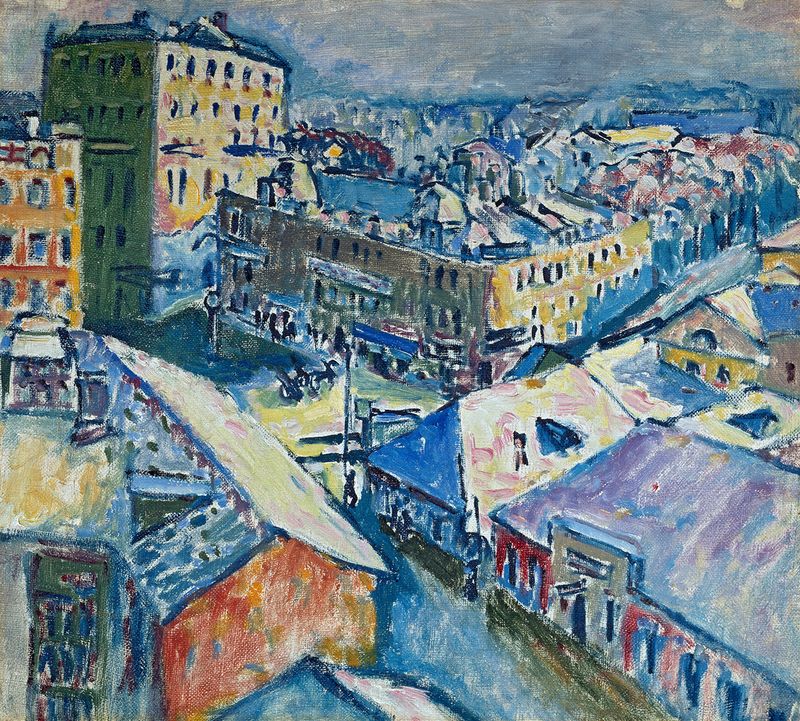
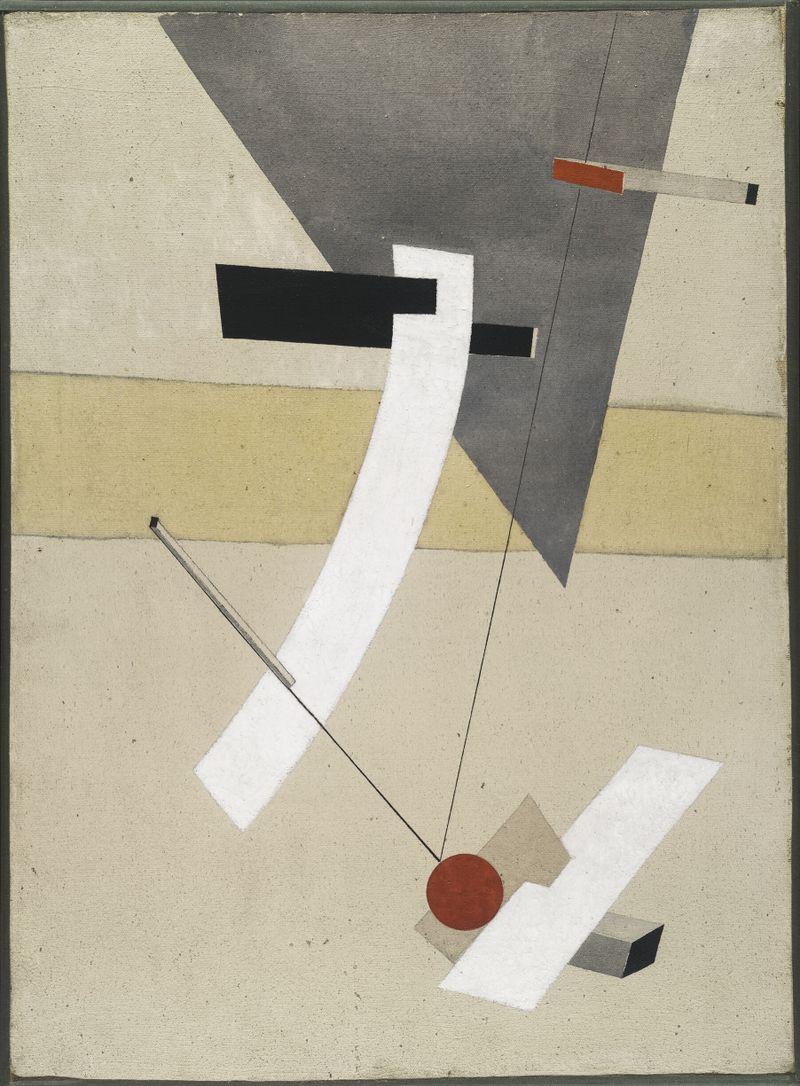
Could beauty survive in a century of chaos? In the tumult of the 20th century, Abstraction stands as a vivid testament to the awakening of the human spirit amidst the disarray. Look to the center of the canvas, where vibrant colors swirl and collide in a cacophony of emotion. The artist employs bold brushstrokes that seem to pulse with life, drawing the eye into a dance of reds, blues, and yellows. Notice how the layering creates depth, inviting the viewer to peel back the surface and uncover the hidden harmonies within the tumult.
The interplay of light and shadow adds a dynamic quality, suggesting movement and change, as if the painting itself breathes. This work speaks to the tension between chaos and order. The jagged edges juxtaposed with softer, flowing forms evoke a sense of conflict, while the vibrant palette instills a feeling of hope. Each stroke carries with it an emotional weight, suggesting that even in tumultuous times, beauty can emerge from the struggle.
The layering of colors mirrors the complexity of the human experience, where joy and despair coexist, often in a single moment. Sewell Sillman created Abstraction during a period marked by rapid social and political upheaval. Painting in mid-20th century America, he sought to break free from traditional forms and explore new artistic expressions. This was a time when artists were experimenting with abstraction, moving away from representational art to reflect the complexities of modern life.
Sillman’s work encapsulates this shift, embodying the spirit of innovation that defined the era.