Abstraction — History & Facts
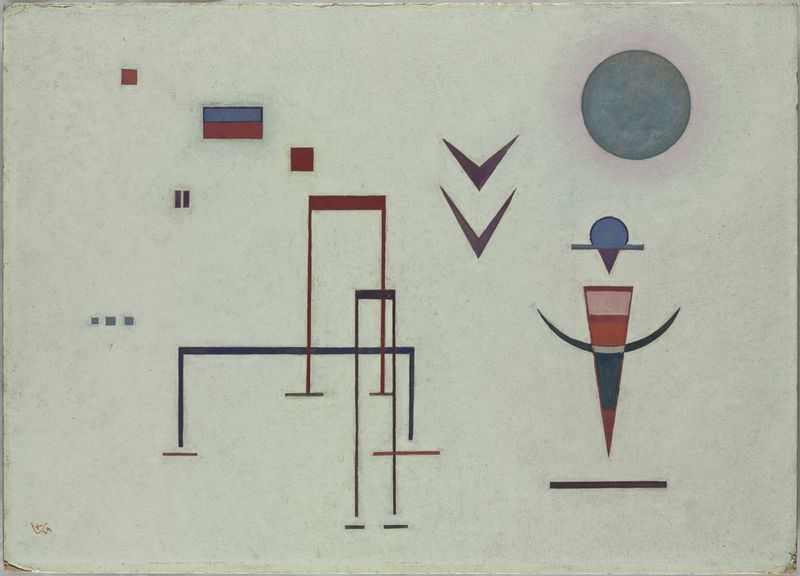
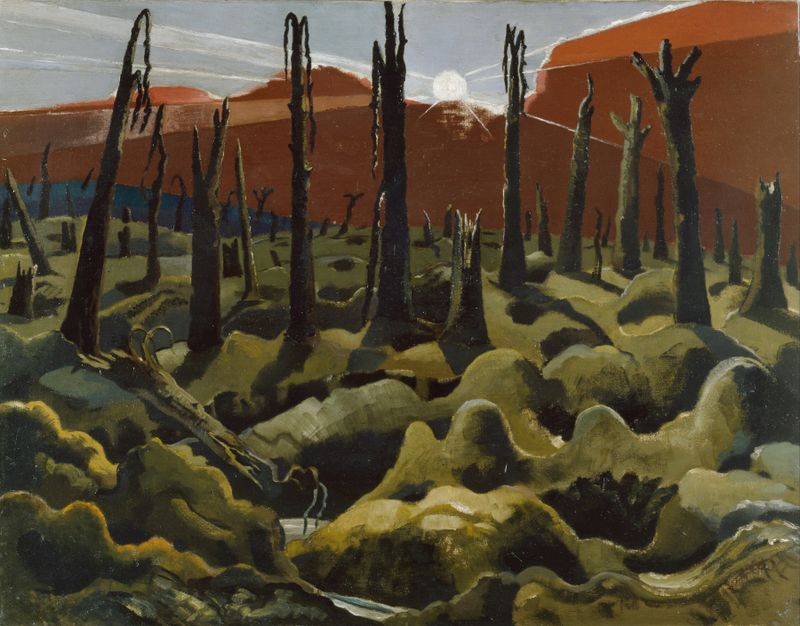
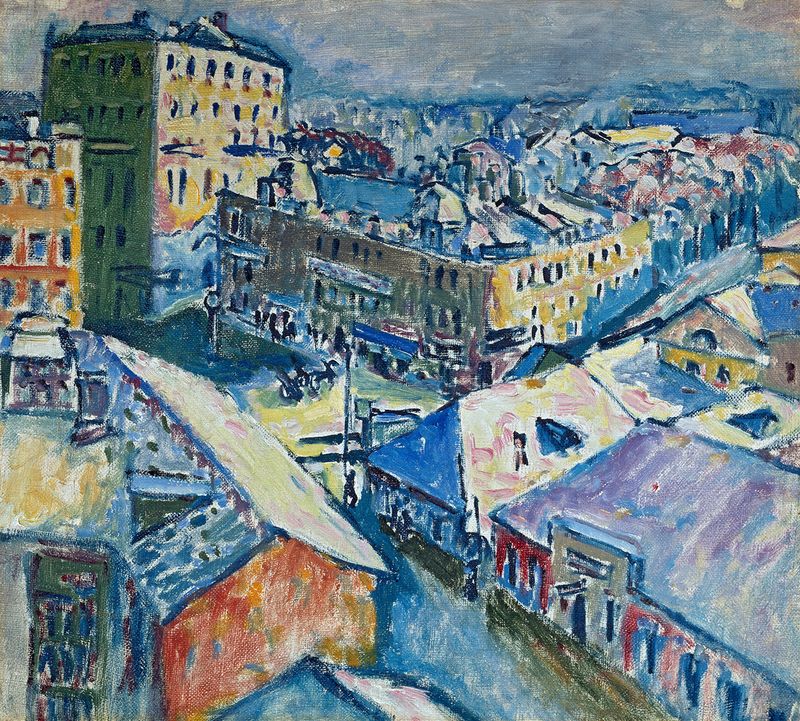
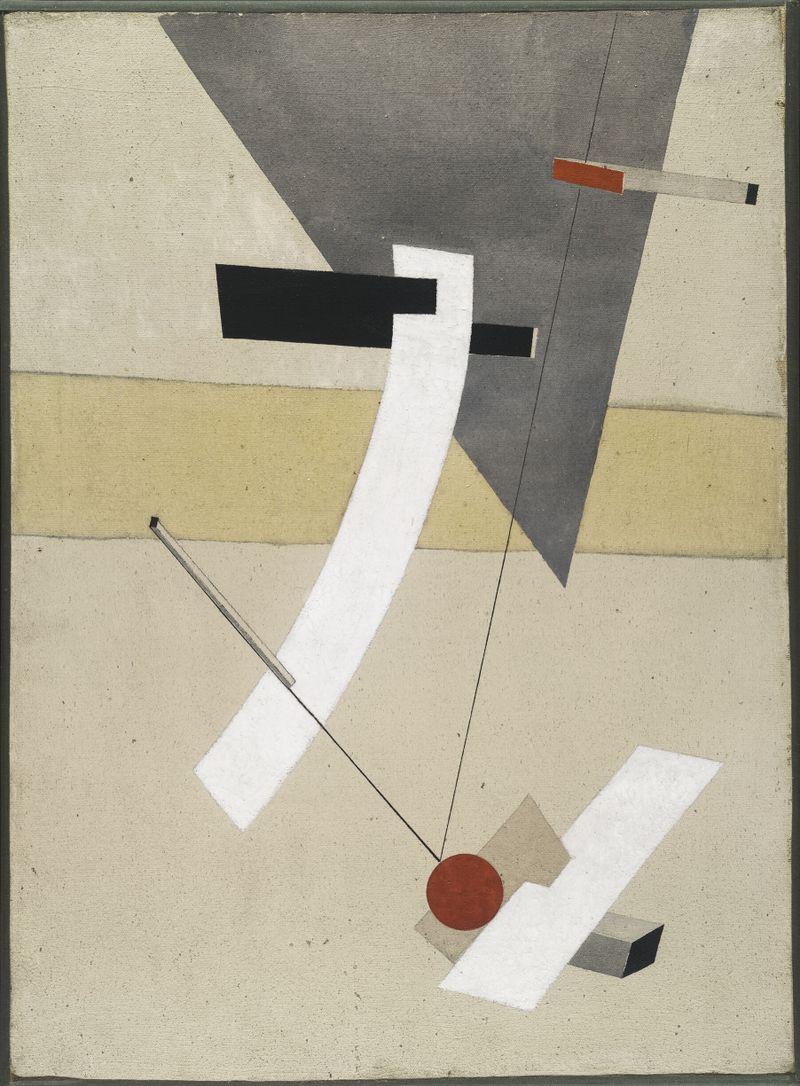
What secret hides in the quiet of the canvas? In the world of abstraction, echoes of loneliness resonate, inviting the viewer to explore the depths of emotion woven into every brushstroke. Focus on the interplay of shapes and colors that dance across the surface; the bold strokes in deep blues and muted grays draw the eye to the center where tension builds. Notice how the artist's use of layering creates a sense of depth, as though hidden stories lie beneath the surface, waiting to be unearthed. The composition teeters on the edge of chaos and harmony, compelling a reflection on the nature of solitude. The emotional tension in this piece lies within the contrast between vibrant colors and the starkness of empty spaces.
Each bold stroke represents a moment of expression, yet the surrounding voids emphasize the loneliness that often accompanies these thoughts. The layers of paint become a metaphor for the complexity of our inner lives, a reminder that even in isolation, there are subtle currents of feeling that bind us to one another. Burhan Doğançay created Abstraction in the latter half of the 20th century, a time when the art world was experiencing a shift toward modernism and the exploration of abstract forms. Living and working primarily in Paris at this time, he engaged with various artistic movements that challenged traditional representation.
This period in his life was marked by a deep introspection, as he sought to convey the complexities of human emotion through his work, even as the world around him was in flux.