Abstraction — History & Facts
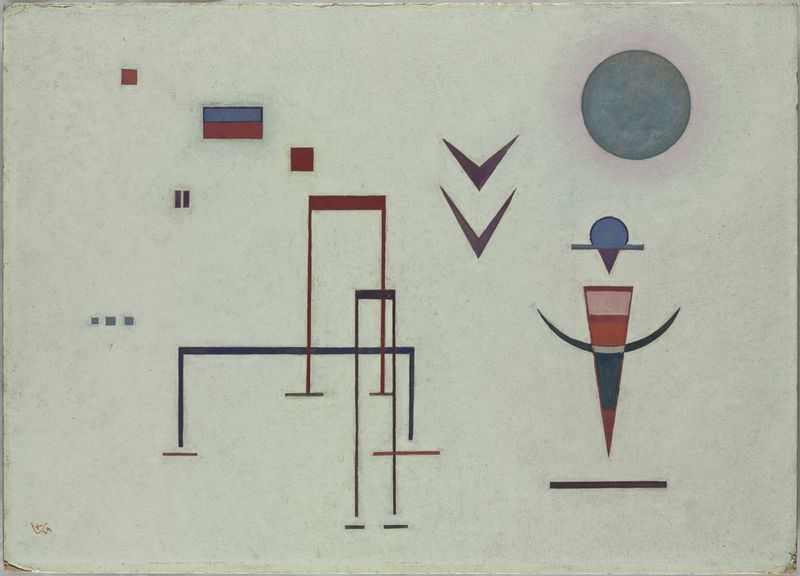
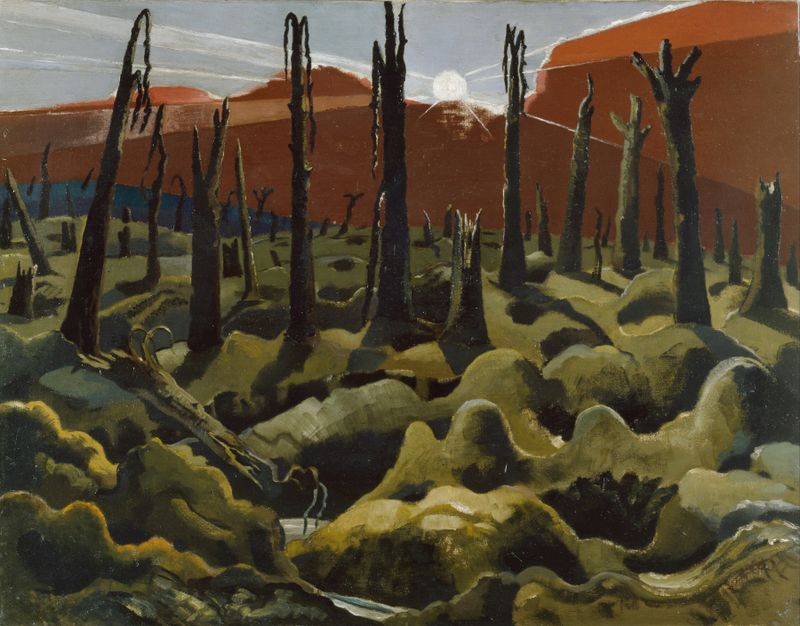
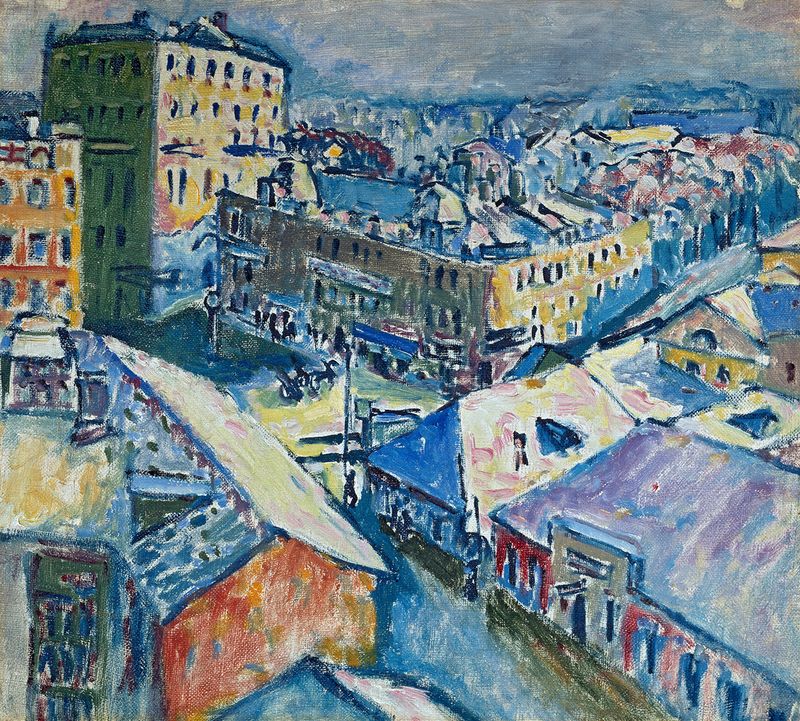
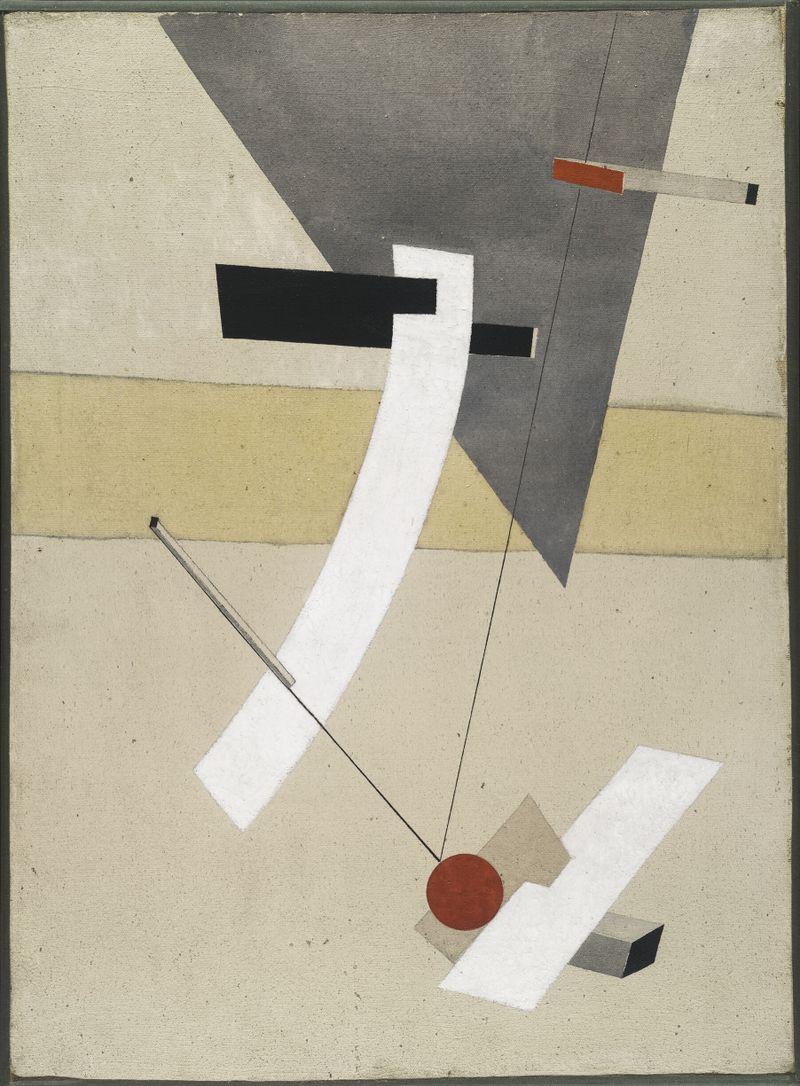
What if silence could speak through light? In the depths of each brushstroke, Abstraction conveys the haunting echoes of loss, inviting us to confront our own quiet revelations. Focus first on the bold lines that crisscross the canvas, creating a dynamic rhythm that leads the eye across the surface. Notice the vibrant colors—deep blues and fiery reds—that pulse with emotion, evoking both turmoil and tranquility. The interplay of shapes, some sharp and jagged while others are soft and flowing, reflects the complexity of human experience, capturing the dichotomy of joy amidst sorrow. Beyond the striking visual impact lies a narrative of transformation.
Each layer of paint tells a story of absence and yearning, as if the artist has woven his memories into this tapestry. Look closely at the subtle gradation of hues, hinting at the shadows of what once was, and consider how the empty spaces resonate with potential and longing. In this interplay of presence and absence, we find an invitation to reflect on our own journeys of loss. Burhan Doğançay created Abstraction in the tumultuous 20th century, a time marked by significant social and artistic upheaval.
Living in a world that was rapidly changing, he sought to express the complexities of identity and emotion through his work. This period in his life was characterized by a growing interest in non-representational art, as he explored the depths of abstraction, ultimately finding a voice that reflected his personal experiences and the collective human condition.