
Adalia, Asia Minor — History & Facts
In the stillness of a moment captured, a world unfolds, revealing the profound awe that nature can inspire. Look to the left at the dramatic cliffs that rise majestically from the shore, their craggy forms echoing the strength of the landscape. Notice how the sunlight spills over the rocky outcrops, creating a warm glow that contrasts sharply with the cool, deep blues of the distant sea. The artist employs a delicate palette, where the soft greens of the foreground invite you into the scene, while the tranquil water reflects the expansive sky, filled with wisps of cloud.
The meticulous brushwork draws the eye across the canvas, guiding it from the rugged terrain to the calm horizon. Beneath this serene exterior lies a rich tapestry of contrasts and emotions. The interplay between the roughness of the cliffs and the softness of the waves hints at nature’s duality — both ferocious and peaceful. The sailboats, small and isolated, evoke a sense of human vulnerability amidst the grandeur of the landscape, making the viewer ponder the relationship between mankind and nature.
The tranquil scene encourages reflection on the awe that such vistas inspire, merging the vastness of the world with intimate human experience. In 1844, the artist painted this scene while traversing Asia Minor, during a time when the Romantic movement was gaining momentum. His exploration reflected a growing fascination with the natural world, pushing against the constraints of neoclassical principles. As Europe stood on the brink of industrialization, the painter sought to capture the sublime beauty of untouched landscapes, leaving behind a legacy of appreciation for nature's wonders in a rapidly changing world.
More Artworks by Miner Kilbourne Kellogg
Browse all →
General Andrew Jackson
Miner Kilbourne Kellogg
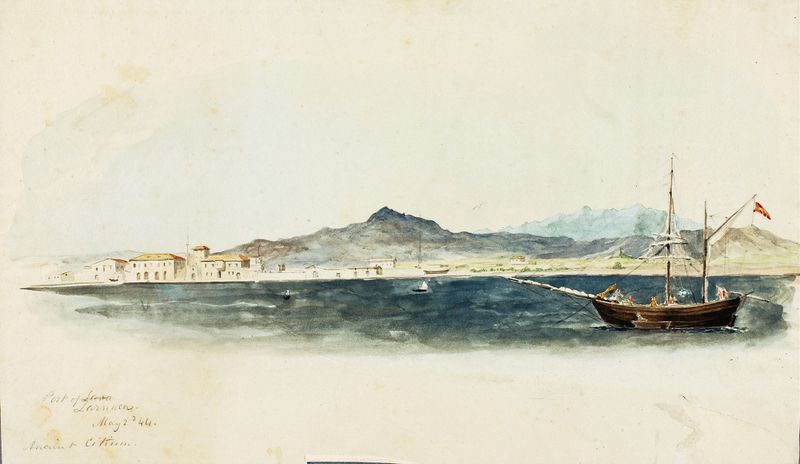
Port of Larnaca
Miner Kilbourne Kellogg
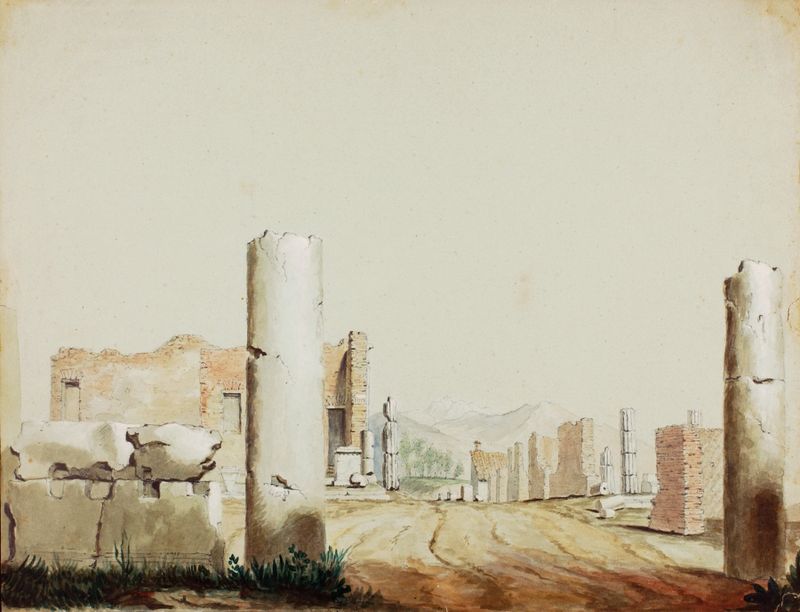
Pompeii, Italy
Miner Kilbourne Kellogg
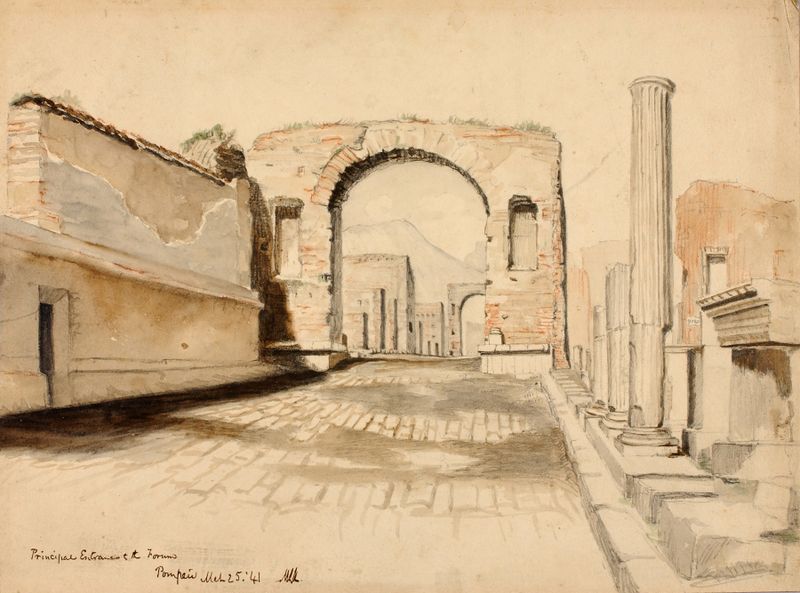
Principal Entrance To The Forum, Pompeii
Miner Kilbourne Kellogg

Tomb of Virgil, Naples
Miner Kilbourne Kellogg

Ancient And Modern Egypt
Miner Kilbourne Kellogg

Fire Island Lighthouse
Miner Kilbourne Kellogg

Saltwood Castle
Miner Kilbourne Kellogg

Glacier And Falls
Miner Kilbourne Kellogg
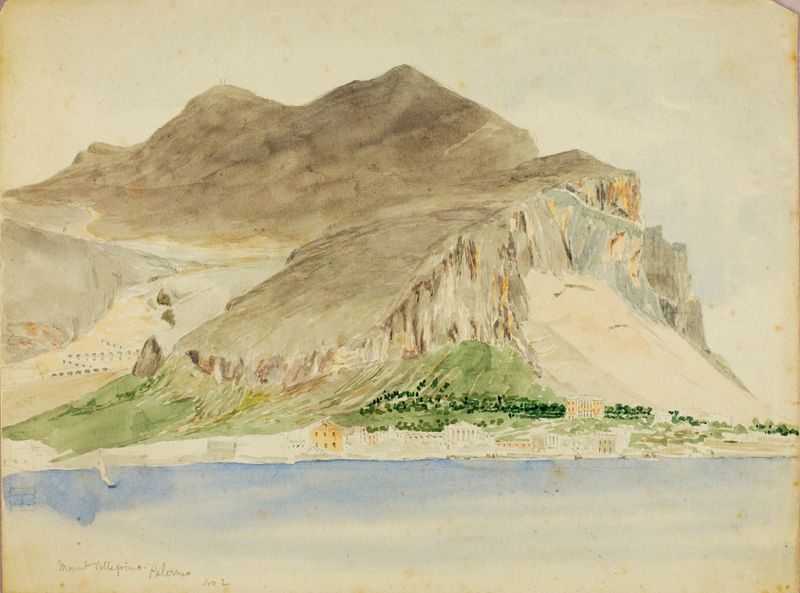
Mt. Pellegrino, Palermo
Miner Kilbourne Kellogg





