
Tomb of Virgil, Naples — History & Facts
In a world that often overlooks the sublime whispers of mortality and memory, art stands as a testament to innocence, even when faced with the inevitable passage of time. Look to the center of the piece, where a solemn monument rises against a backdrop of lush foliage, its stone facade capturing the tender touch of sunlight during a fleeting afternoon. The delicate interplay of light and shadow creates a serene atmosphere, inviting the viewer to consider the significance of the resting place. Notice how the greenery envelops the tomb, a soft embrace that speaks to the harmony between nature and remembrance, while muted hues of green and earthy tones breathe life into the scene. The artwork resonates with hidden meanings—an interplay of permanence and transience, where the solidity of the tomb contrasts with the ephemeral beauty of the surrounding landscape.
The peaceful expression of the monument suggests a reverence for the past, while the vibrant foliage symbolizes the innocence of life that persists even in the face of death. Each detail, from the gentle curves of the stone to the fluttering leaves, encapsulates the delicate balance between loss and continuity. Created during a period of artistic exploration in the mid-19th century, the artist found inspiration in the romantic notion of nature as a custodian of memory. Though the exact date remains unknown, Kellogg's work reflects a time when artists began to embrace themes of nostalgia and the serene beauty of the natural world, emerging from the shadows of earlier, more dramatic styles.
This piece serves as a quiet contemplation of life and legacy, echoing the innocence that remains intertwined with the essence of existence.
More Artworks by Miner Kilbourne Kellogg
Browse all →
General Andrew Jackson
Miner Kilbourne Kellogg
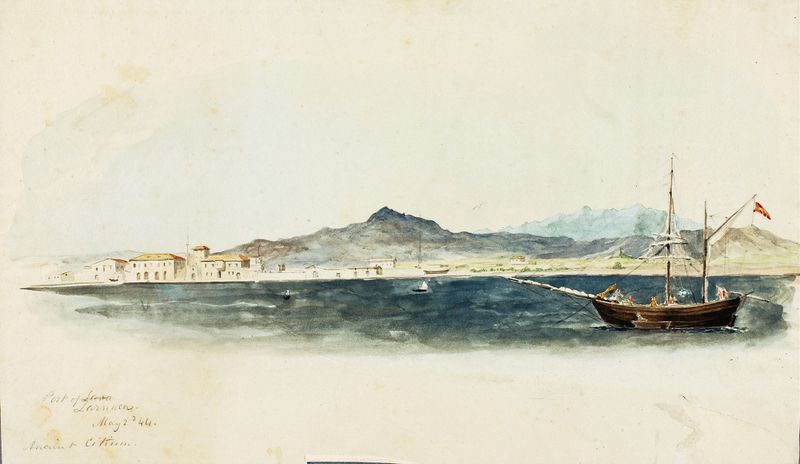
Port of Larnaca
Miner Kilbourne Kellogg
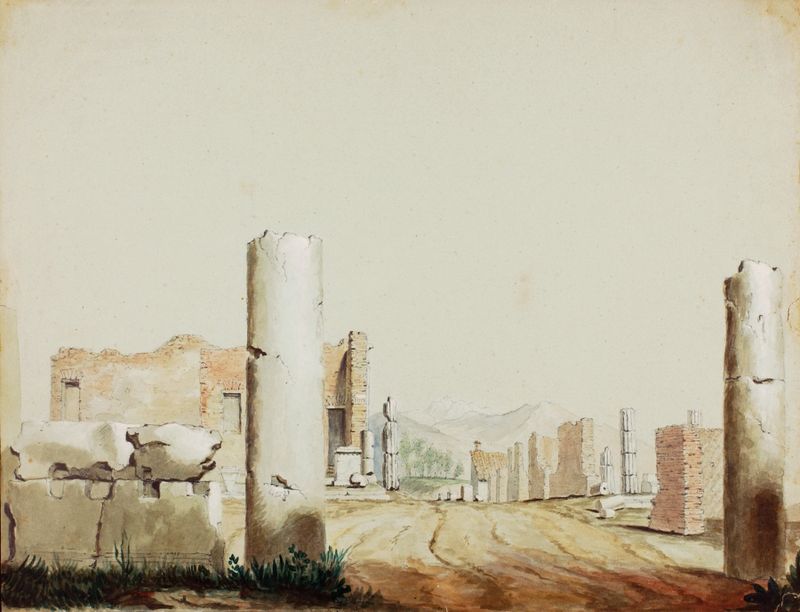
Pompeii, Italy
Miner Kilbourne Kellogg
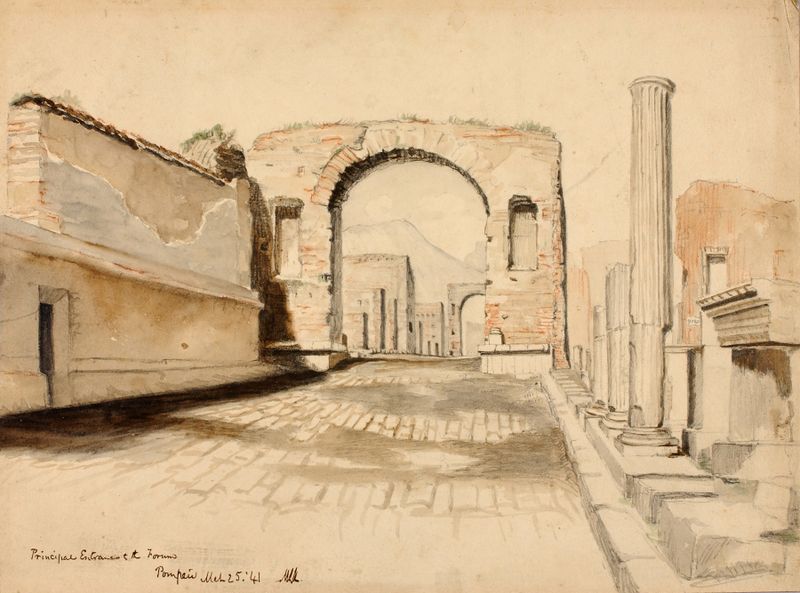
Principal Entrance To The Forum, Pompeii
Miner Kilbourne Kellogg

Ancient And Modern Egypt
Miner Kilbourne Kellogg

Adalia, Asia Minor
Miner Kilbourne Kellogg

Fire Island Lighthouse
Miner Kilbourne Kellogg

Saltwood Castle
Miner Kilbourne Kellogg

Glacier And Falls
Miner Kilbourne Kellogg
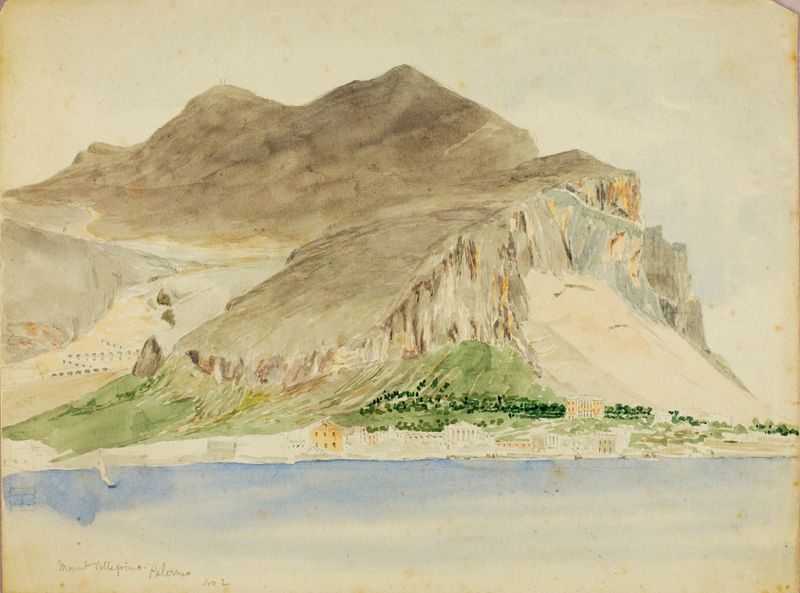
Mt. Pellegrino, Palermo
Miner Kilbourne Kellogg





