
Adam en Eva en de Dood — History & Facts
In the stillness of this piece, unease creeps through the canvas, where humanity’s primal fears are laid bare. Look to the center of the composition where the figures of Adam and Eve stand, their bodies tense and rigid under the weight of discovery. The muted palette of earth tones envelops them, enhancing the somber atmosphere while sharp contrasts of light and shadow shape their expressions—fear, regret, and inevitability etched into their forms. In the background, the skeletal figure of Death looms, a chilling reminder of mortality that disrupts the serene landscape, compelling the viewer to confront the consequences of choice. As you peer closer, notice the intricate details—the ever-watchful gaze of Eve cast downwards, burdened by knowledge; Adam’s hands fidgeting as if grappling with the gravity of their fate.
The juxtaposition of the lush, vibrant flora against the stark, bony apparition of Death amplifies the tension between life and mortality. Each element serves as a testament to humanity's struggle with temptation and its dire ramifications, cultivating an atmosphere thick with dread. Created in 1543, this piece emerged during a period of profound religious turmoil in Europe, where the Reformation was challenging long-held beliefs. Working in Nuremberg, Hans Sebald Beham grappled with these existential themes, reflecting anxieties about sin and salvation through his intricate engravings.
This artwork captures not only the spirit of its time but also timeless fears that resonate across centuries.
More Artworks by Hans Sebald Beham
Browse all →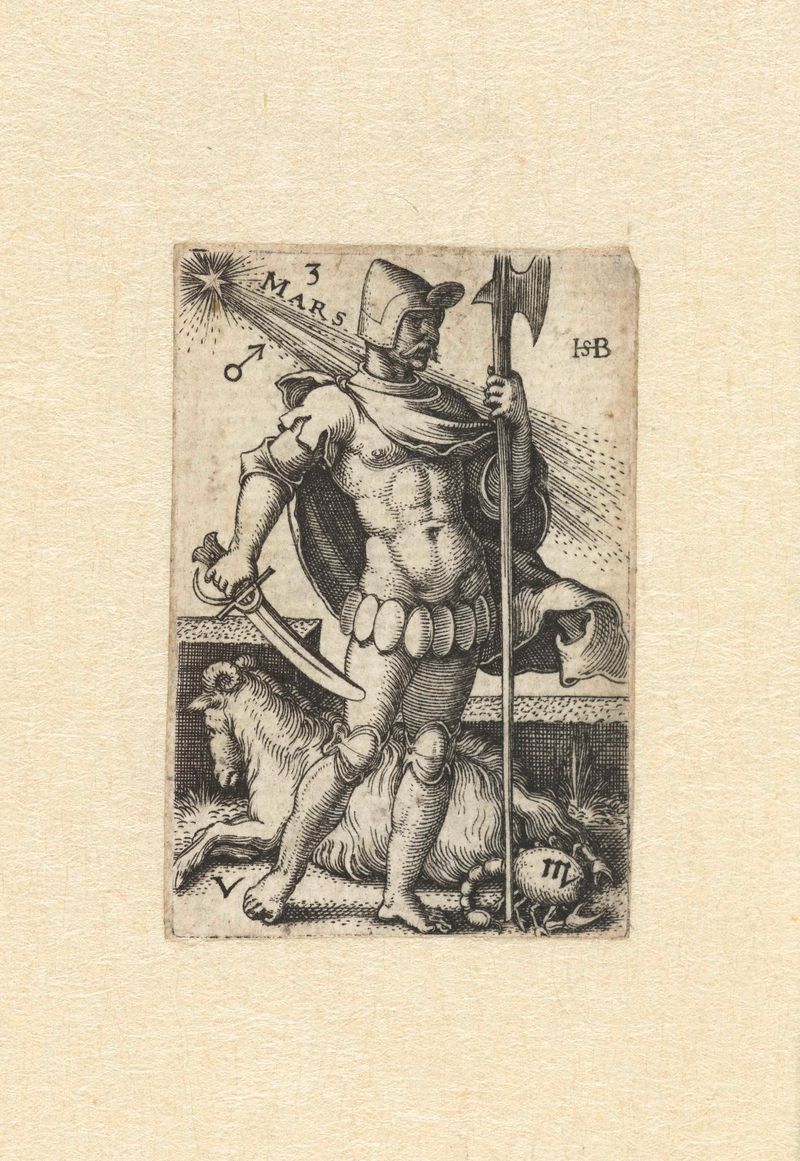
Mars met sterrenbeelden Ram en Schorpioen
Hans Sebald Beham

Achilles in gevecht met Hector
Hans Sebald Beham
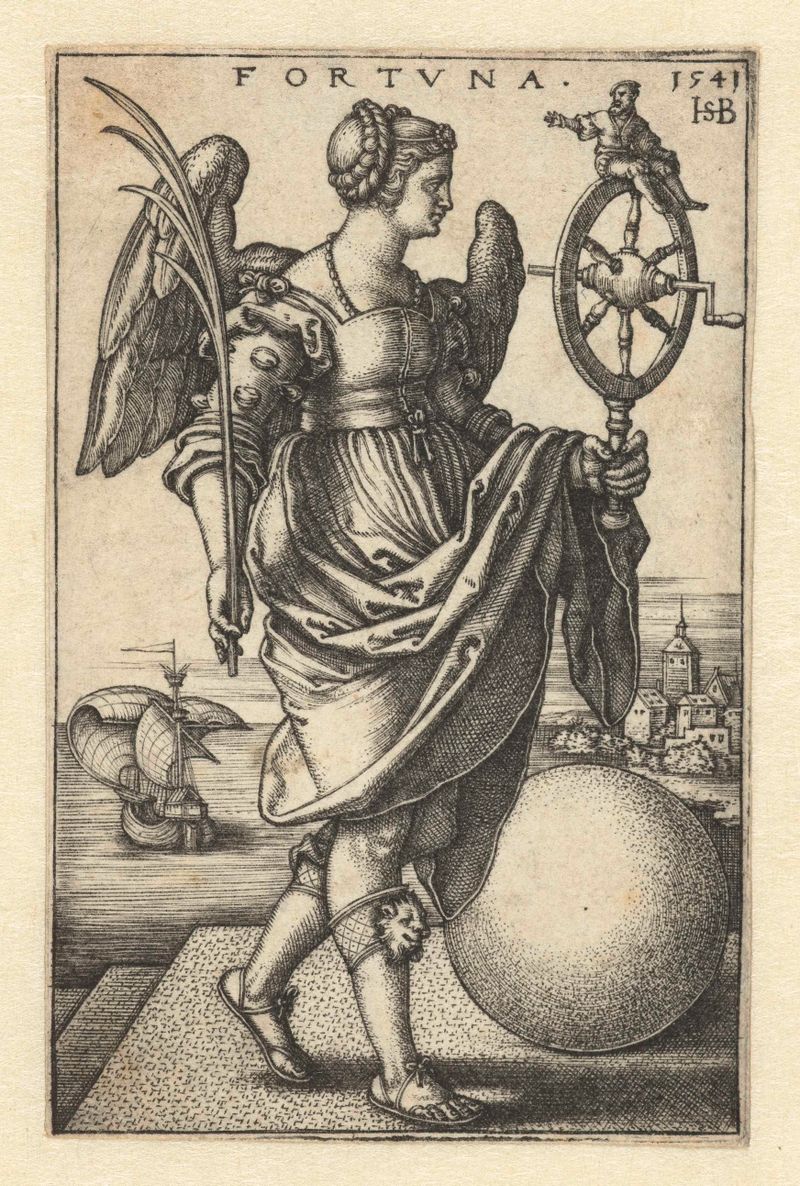
Fortuna
Hans Sebald Beham

Hercules worstelt met Antaeus
Hans Sebald Beham

Twee muzikanten met schalmey en doedelzak
Hans Sebald Beham

Voorzichtigheid (Prudentia)
Hans Sebald Beham

Hercules in gevecht met de Trojanen
Hans Sebald Beham
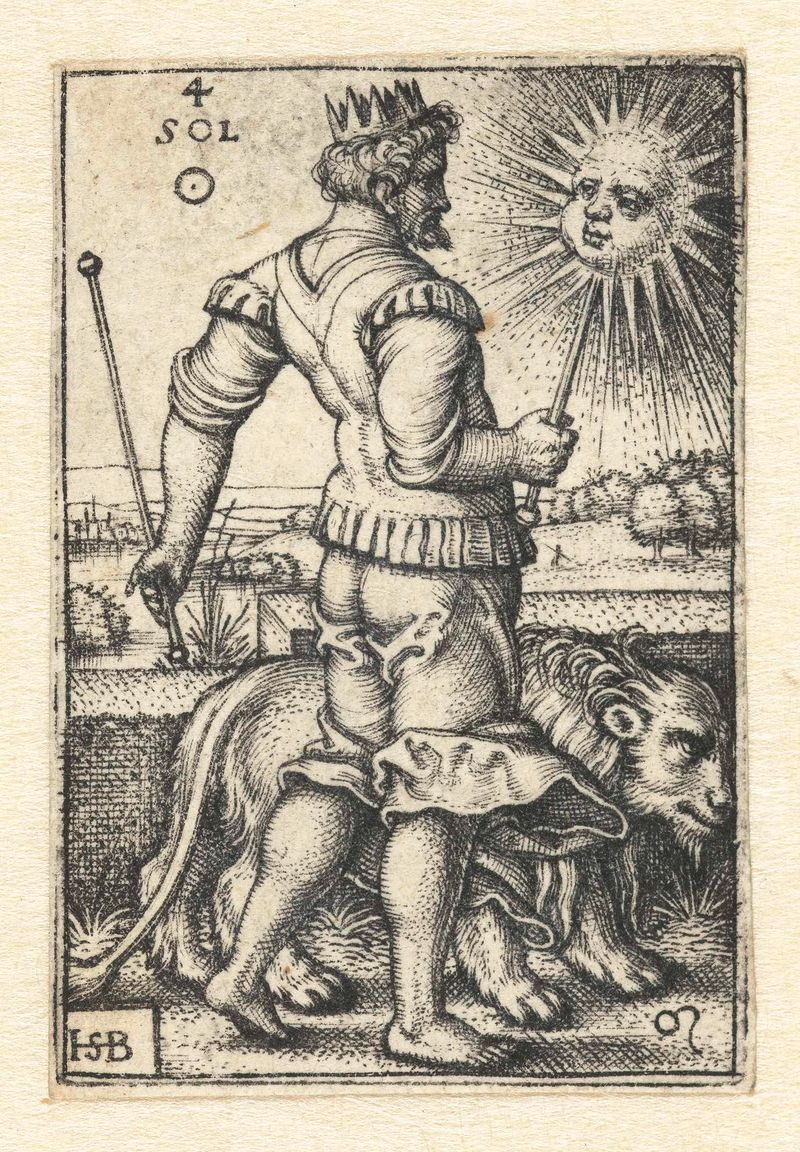
Apollo (Sol) met sterrenbeeld Leeuw
Hans Sebald Beham
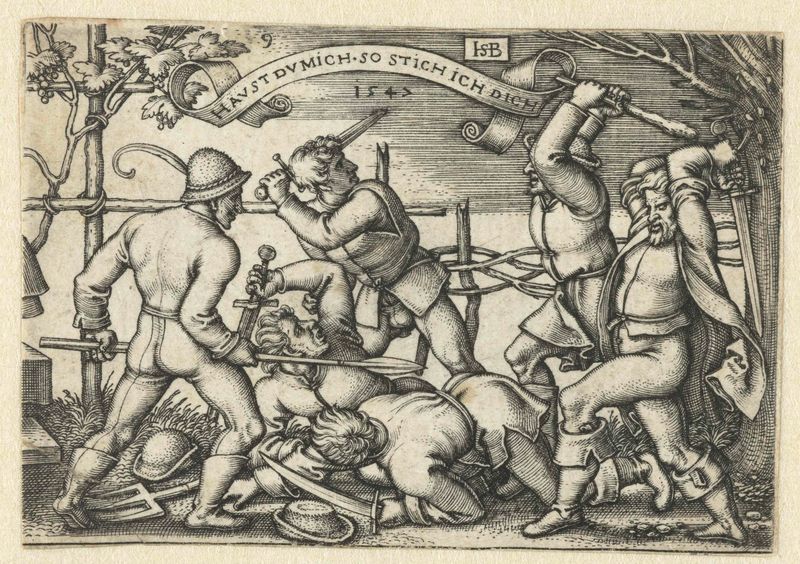
Vechtende boeren met zwaarden
Hans Sebald Beham
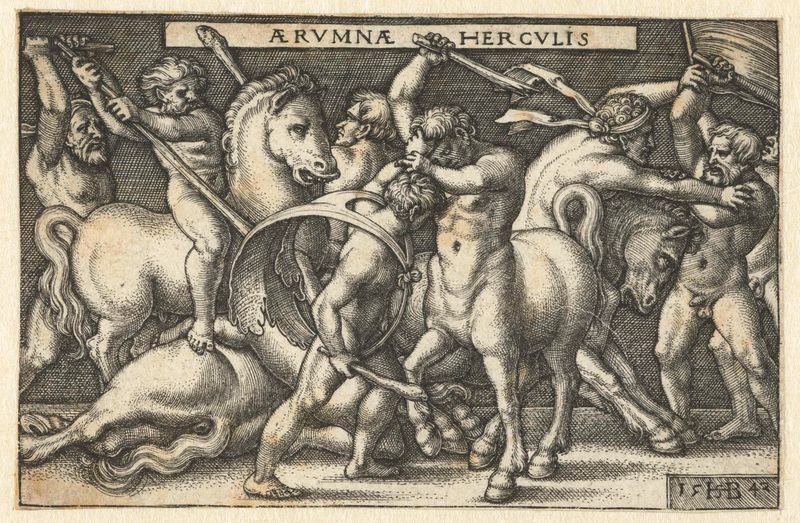
Hercules in gevecht met centaurs
Hans Sebald Beham
More Religious Art
Browse all →
The Return of the Prodigal Son
Rembrandt van Rijn

The Garden of Earthly Delights
El Bosco

Count Orgaz’ funeral
El Greco

The Hundred Guilder Print: the central piece with Christ preaching, the plate arched
Rembrandt van Rijn

The Descent from the Cross
Rogier van der Weyden

The return of the prodigal son
Rembrandt van Rijn