
Adam en Eva en de Dood — History & Facts
Could a single brushstroke hold eternity? In Adam en Eva en de Dood, the fleeting moment of life and its inevitable end is captured with a precision that resonates through the ages, embodying a profound sense of longing that echoes in the hearts of humanity. Look to the center of the composition, where Adam and Eve are entwined in a moment of tranquility that starkly opposes the looming figure of Death behind them. Notice the delicate detailing of their forms, the gentle curves of their bodies contrasting with the sharp, skeletal silhouette of the specter. The muted earth tones of the figures are juxtaposed against the cold gray of Death, emphasizing the fragile beauty of life in the face of mortality.
Light dances across their skin, illuminating vulnerability, while shadows cling to the edges, hinting at the darkness that inevitably encroaches. Delve deeper into the expressions on Adam and Eve's faces; they convey a complex mixture of serenity and trepidation. Their hands, almost reaching out to one another, symbolize a yearning for connection, yet they are haunted by the presence of Death, creating a palpable tension of desire tangled with despair. The lush garden around them, filled with life and abundance, serves as a bittersweet reminder of what must eventually fade, imbuing the piece with an emotional gravitas that transcends time. Created in 1543 during the height of the Northern Renaissance, this work reflects the artist's deep engagement with themes of morality and human existence.
Beham, a prominent figure in the printmaking movement, was influenced by the socio-religious upheaval of his time, as the Reformation reshaped perspectives on life, death, and divine judgment. This piece thus encapsulates not only a personal reflection on mortality but also a broader commentary on the human condition amidst the changing tides of belief and art.
More Artworks by Hans Sebald Beham
Browse all →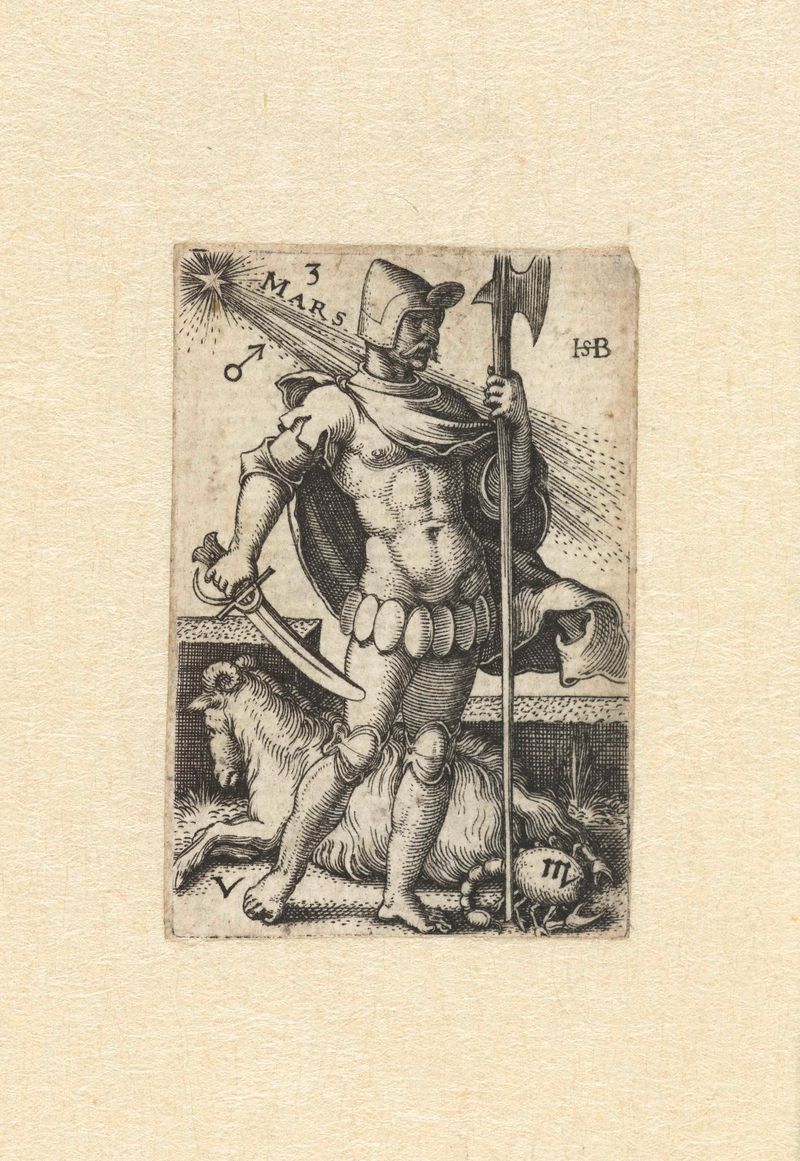
Mars met sterrenbeelden Ram en Schorpioen
Hans Sebald Beham

Achilles in gevecht met Hector
Hans Sebald Beham
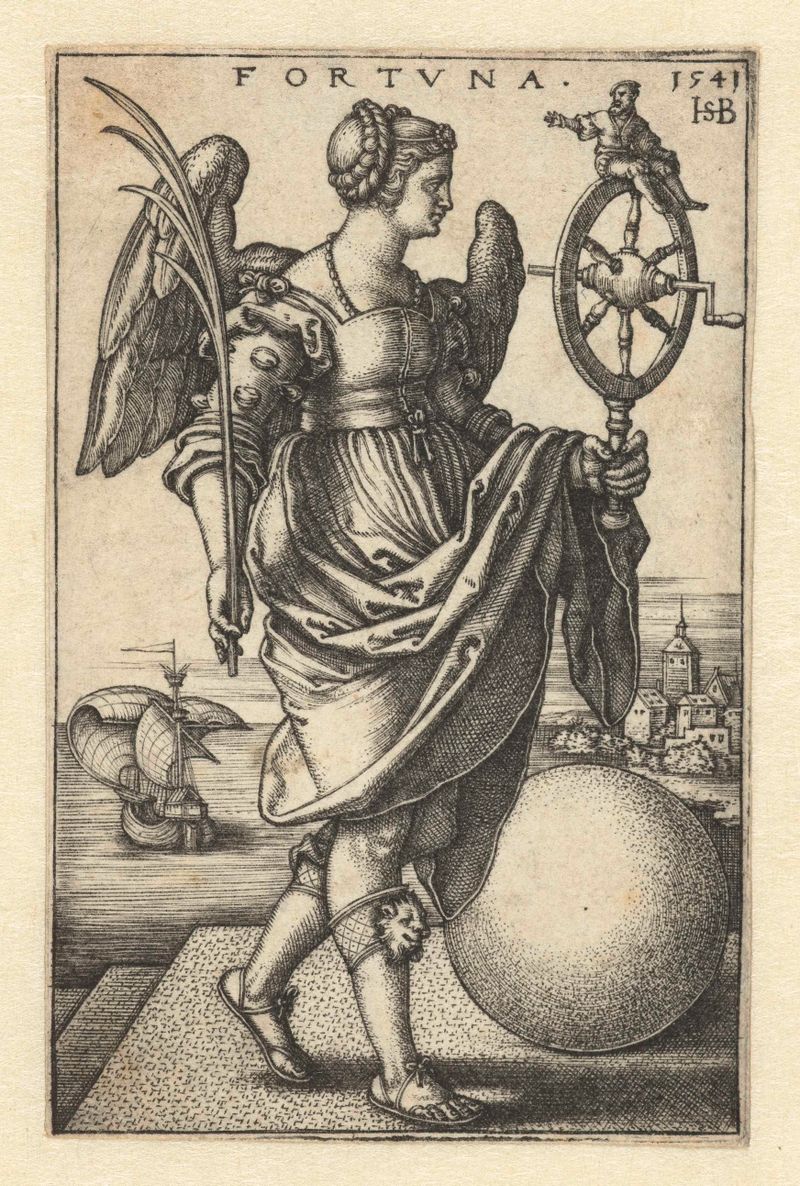
Fortuna
Hans Sebald Beham

Hercules worstelt met Antaeus
Hans Sebald Beham

Twee muzikanten met schalmey en doedelzak
Hans Sebald Beham

Voorzichtigheid (Prudentia)
Hans Sebald Beham

Hercules in gevecht met de Trojanen
Hans Sebald Beham
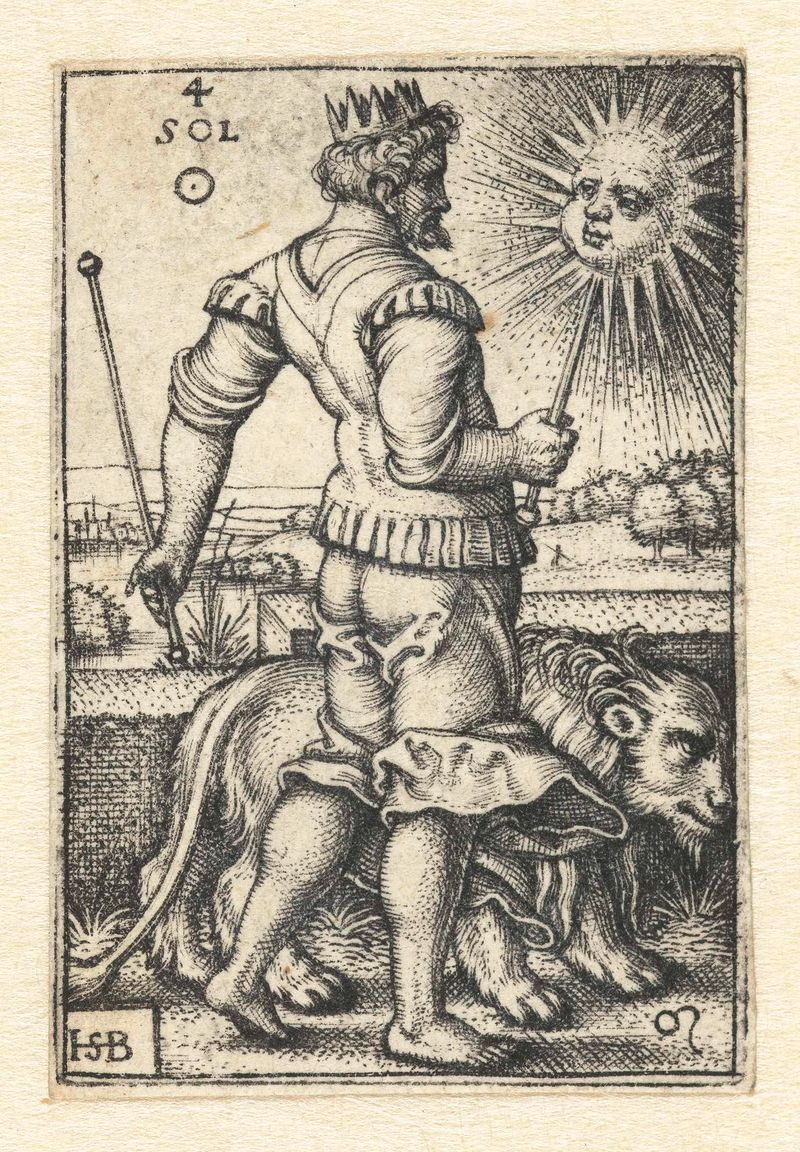
Apollo (Sol) met sterrenbeeld Leeuw
Hans Sebald Beham
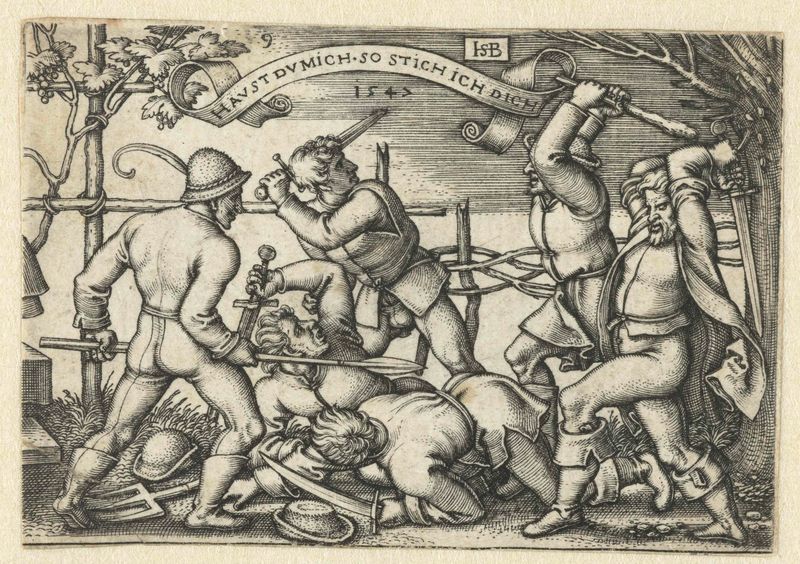
Vechtende boeren met zwaarden
Hans Sebald Beham
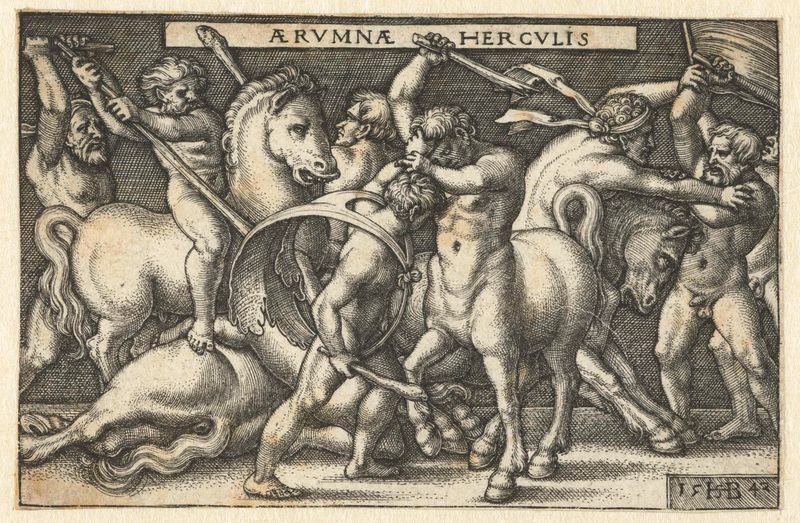
Hercules in gevecht met centaurs
Hans Sebald Beham
More Religious Art
Browse all →
The Return of the Prodigal Son
Rembrandt van Rijn

The Garden of Earthly Delights
El Bosco

Count Orgaz’ funeral
El Greco

The Hundred Guilder Print: the central piece with Christ preaching, the plate arched
Rembrandt van Rijn

The Descent from the Cross
Rogier van der Weyden

The return of the prodigal son
Rembrandt van Rijn