Aihe Suursaaresta — History & Facts
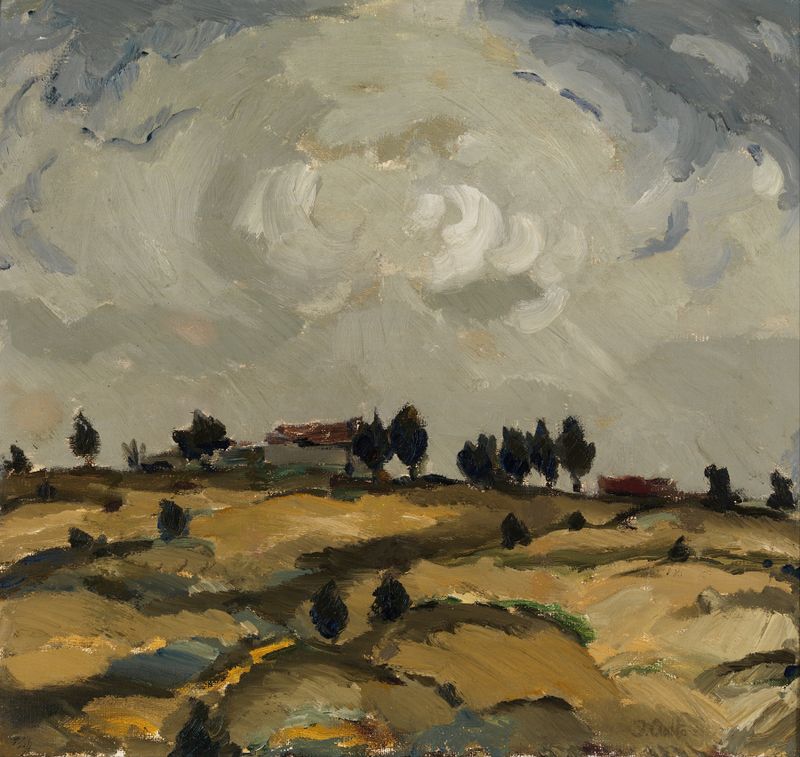
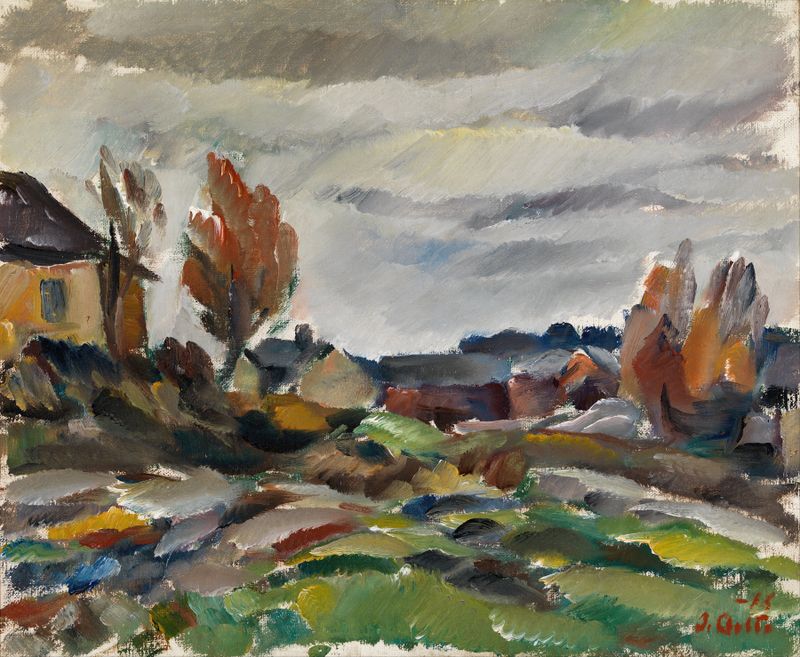
Can beauty exist without sorrow? In Aihe Suursaaresta, the haunting landscapes unfold to reveal a world that teeters on the edge of emptiness, evoking a sense of poignant longing. Look to the foreground, where the rugged rocks anchor the composition, their dark hues contrasting sharply against the ethereal blues of the sea. The artist employs a delicate palette, blending soft whites and muted grays to capture the essence of a cloudy sky, which hangs low as if mourning the landscape below. Notice how the waves gently lap at the shore, their rhythmic motion providing a subtle pulse that vibrates with both life and isolation.
Each brushstroke feels meticulously placed, creating a textured surface that invites the viewer to reach out and touch the very essence of this serene yet desolate place. Beneath the tranquil exterior lies a profound tension. The isolation of the rocky outcrop seems to symbolize the human experience of solitude and despair, inviting contemplation of the void that exists alongside beauty. The interplay of light and shadow draws attention to the fragile balance between hope and desolation, reminding us that even the most breathtaking scenes can evoke feelings of loss.
This juxtaposition speaks to the bittersweet nature of existence, where moments of serenity are often tinged with an underlying melancholy. Painted in 1925, Aihe Suursaaresta emerged during a transformative period for Ilmari Aalto, who was exploring the relationship between nature and human emotion. At this time, Finland was grappling with its national identity, and the artist's focus on the stark yet beautiful landscape reflects a broader artistic movement toward introspection and expression. This work stands as a testament to the artist's evolving vision, capturing the essence of a time steeped in both hope and uncertainty.