Air and Sunshine — History & Facts
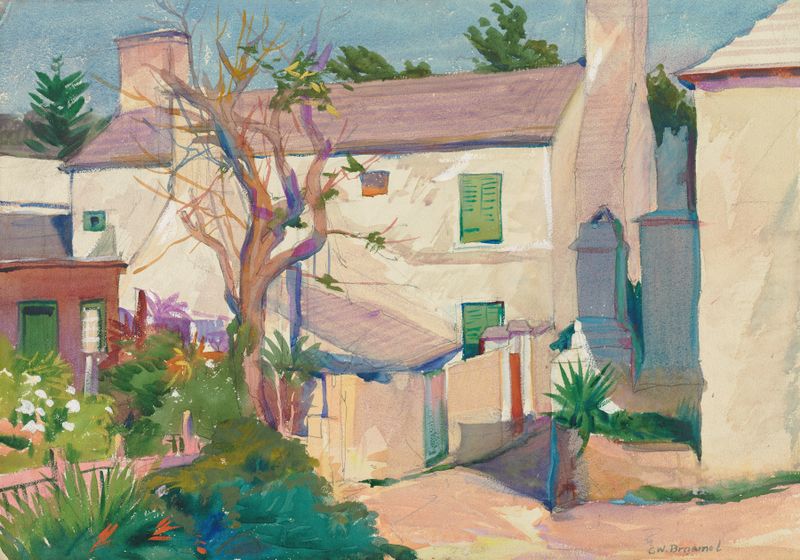
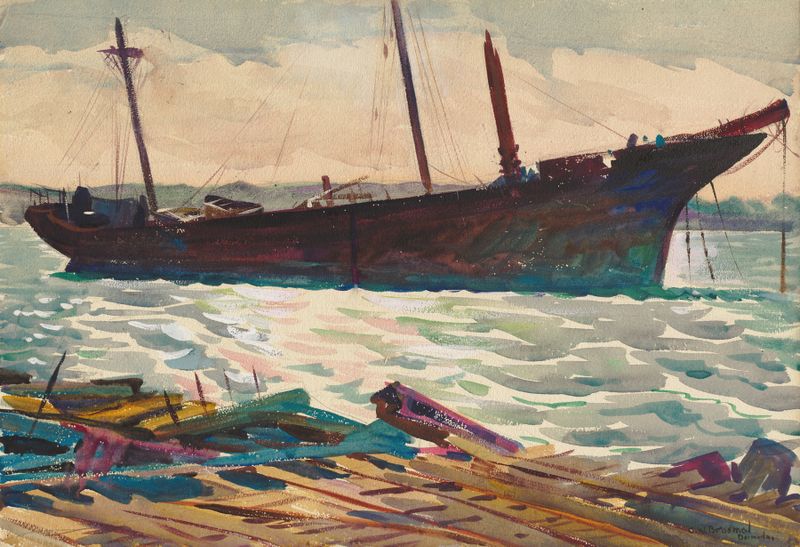
Could a single brushstroke hold eternity? In Air and Sunshine, light dances across the canvas, revealing a world where shadows and brilliance coexist in a delicate balance. Look to the left at the gentle curves of the landscape, where the colors blend seamlessly—muted greens and vibrant yellows whisper tales of warmth and life. Notice how the light falls upon the foreground, illuminating patches of grass while casting long shadows that stretch across the surface, inviting you to wander deeper into the scene. The brushwork is loose yet deliberate, each stroke a testament to the artist's deft hand, pulling your eye through the landscape's serene expanse. The interplay of light and shadow evokes a sense of duality, embodying tranquility yet hinting at the unknown lurking in the darkness.
The warm hues suggest a sun-soaked afternoon, yet the shadows provoke a quiet unease, reminding us of the fleeting nature of time and existence. In this delicate tension, one can sense the artist's contemplation of both the beauty and ephemerality of life itself, a reminder that light is never truly without its counterpart. In 1924, Broemel created this piece amid a broader movement towards modernism, where artists increasingly experimented with abstraction and the representation of light and atmosphere. Living in the United States, he was influenced by the changing art world that sought to capture the essence of experience rather than mere representation.
This period marked a pivotal moment in his career, as he endeavored to blend realism with a more expressive approach to color and form.