Dancing Light of Morning — History & Facts
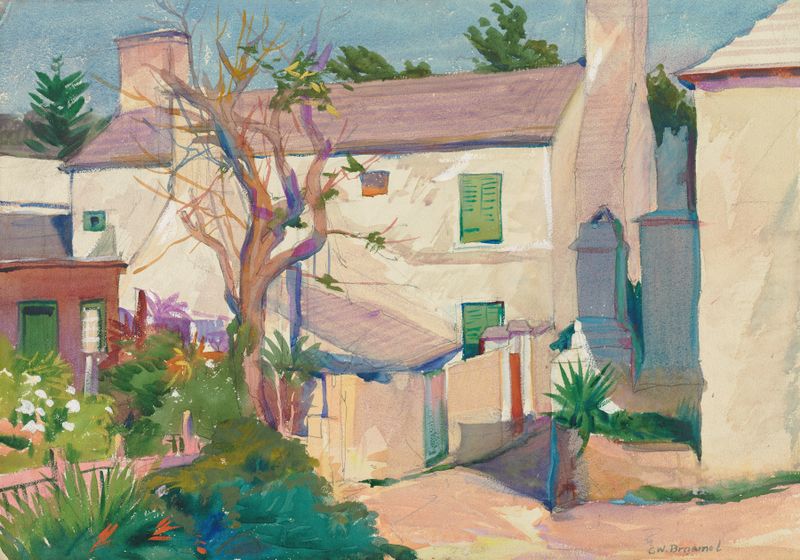
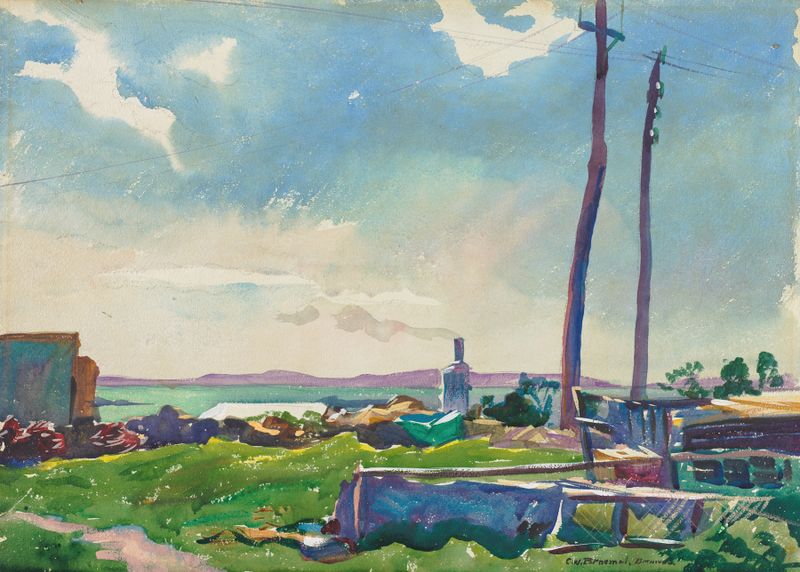
What if beauty was never meant to be finished? This notion swells in the quiet spaces of Dancing Light of Morning, where the ephemeral plays against the eternal, shimmering with the loneliness of its moment. Look to the center, where soft rays of dawn penetrate a mist-laden landscape. The hues of light transition from delicate pastels to brighter yellows, creating an ethereal glow that envelops the canvas. Notice how this light dances across the organic shapes of trees and hills, guiding your eye through a gentle maze of texture and color.
The brush strokes are fluid, a testament to the artist's mastery in capturing motion and stillness simultaneously. Amidst the beauty, a feeling of solitude lurks. The trees, though alive with color, stand isolated, casting long shadows that stretch and retreat across the canvas—perhaps symbols of the artist's own introspection. The layers of light suggest a fleeting moment, while the silence of the landscape whispers tales of yearning.
This juxtaposition reveals the deeper truth: beauty flourishes in solitude, a reminder of the transient nature of existence. In 1925, Broemel painted this work during a period of deep personal reflection. Living in the aftermath of World War I, he sought solace in nature's beauty, using art as a means to navigate his own sense of loss and isolation. As modern art movements flourished around him, his dedication to capturing light and mood set him apart, allowing his introspective journey to flourish on the canvas.