
Aizendo, shrine for Indian God of will power — History & Facts
In the stillness of a sacred space, light becomes a conduit for introspection and reverence, dancing softly through the air. Here, the essence of willpower emerges, beckoning the viewer to consider the unseen force that drives us all. Look to the center of the composition, where the shrine stands as an emblem of strength and determination. The artist employs muted earth tones, allowing the soft glow of light to illuminate the delicate details of the offerings and the intricate carvings of the deity.
Notice how shadows linger at the edges, enhancing the sense of depth and inviting contemplation around the shrine’s serenity. Hidden beneath the surface, the artwork speaks of dualities: the vibrancy of the offerings clashing poignantly with the stillness of the shrine, symbolizing the balance between chaos and calm. Each object is meticulously placed, suggesting a relationship between the tangible and the spiritual, while the light, almost alive, breathes warmth and hope into the scene, contrasting with the somber undertones of sacrifice and aspiration. In 1947, Rinsaku created this work during a time of profound change in Japan. Rebuilding from the devastation of World War II, the artist sought to explore the themes of resilience and spiritual renewal.
Amidst a cultural renaissance, he channeled the essence of his heritage and beliefs into Aizendo, bridging tradition with the pressing realities of his contemporary world.
More Artworks by Akamatsu Rinsaku
Browse all →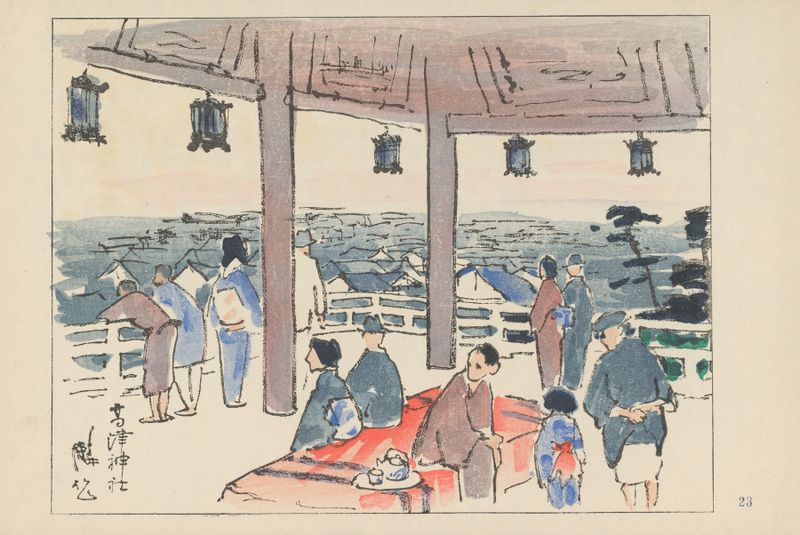
Kozu shrine dedicated to Nintoku Emperor
Akamatsu Rinsaku
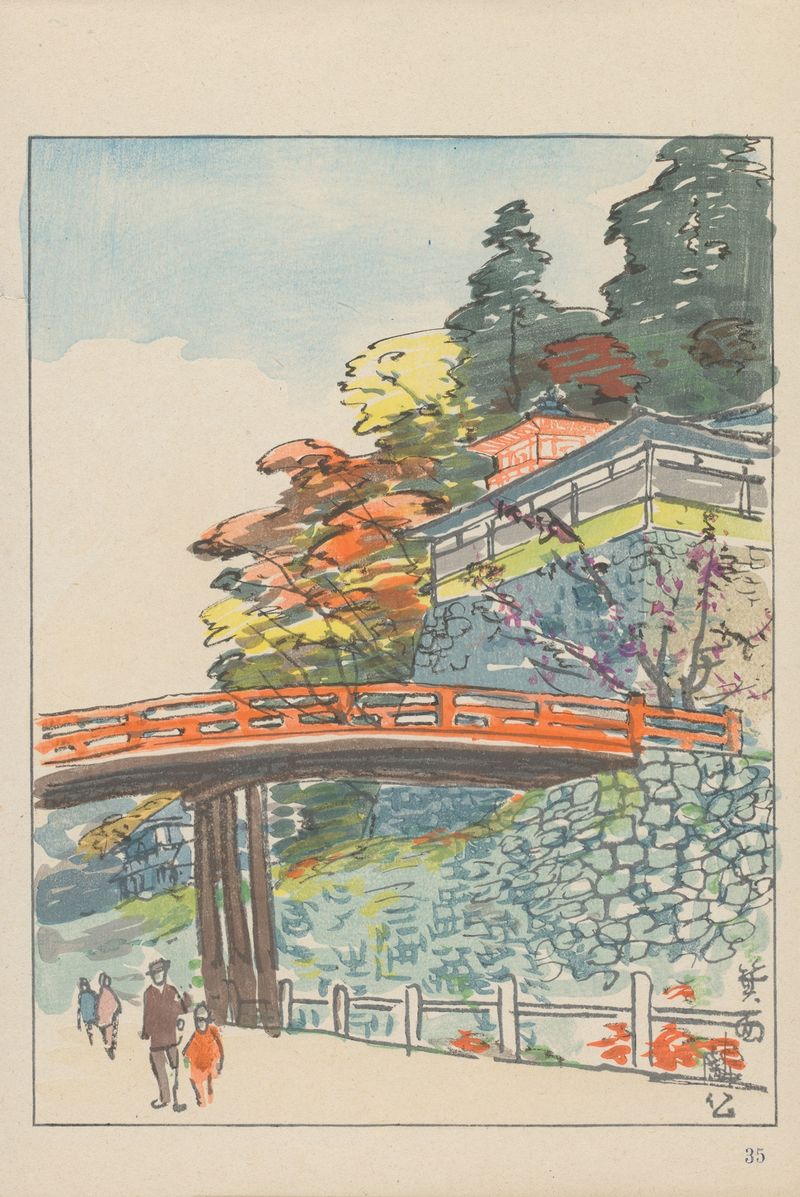
Minoo, National Park
Akamatsu Rinsaku
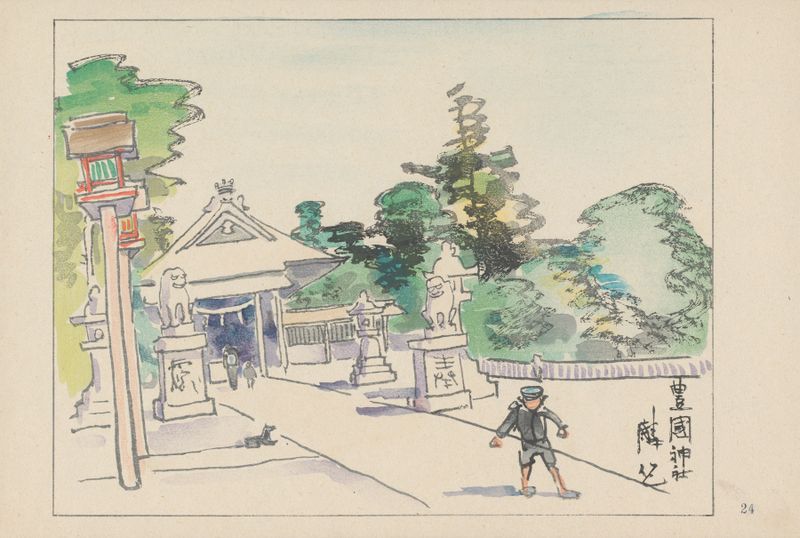
Toyokuni shrine dedicated to Toyotomi Hideyoshi
Akamatsu Rinsaku

Tsumura betsuin, the agency of Nishi-honganji
Akamatsu Rinsaku
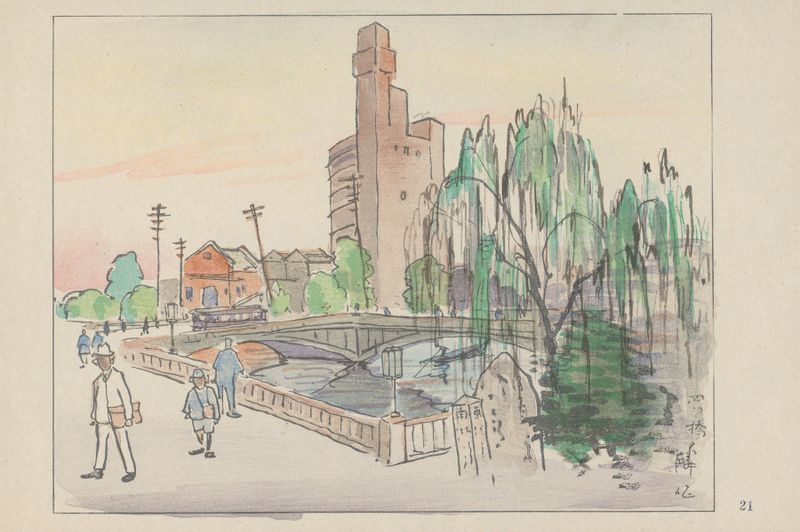
Yotsubashi, four joint bridges
Akamatsu Rinsaku
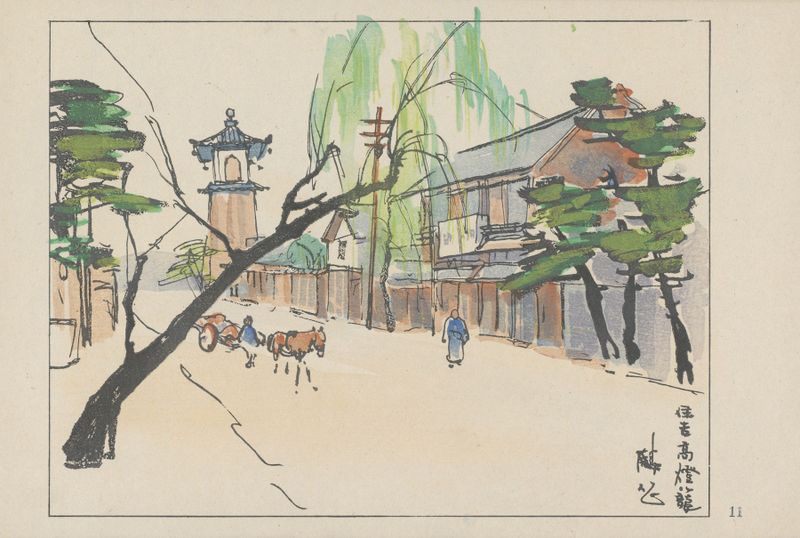
The high lanton at Sumiyoshi, a light house in older time
Akamatsu Rinsaku
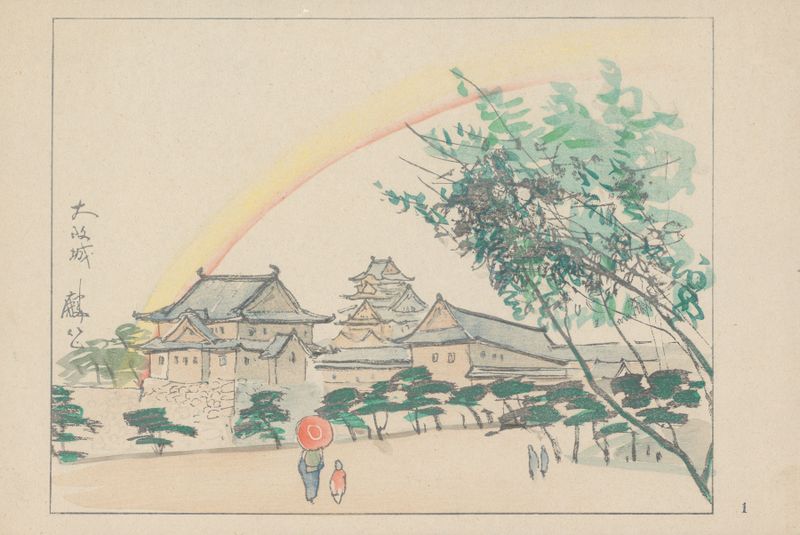
Osaka Castle, built by Toyotomi Hideyoshi in 1585 A.D
Akamatsu Rinsaku
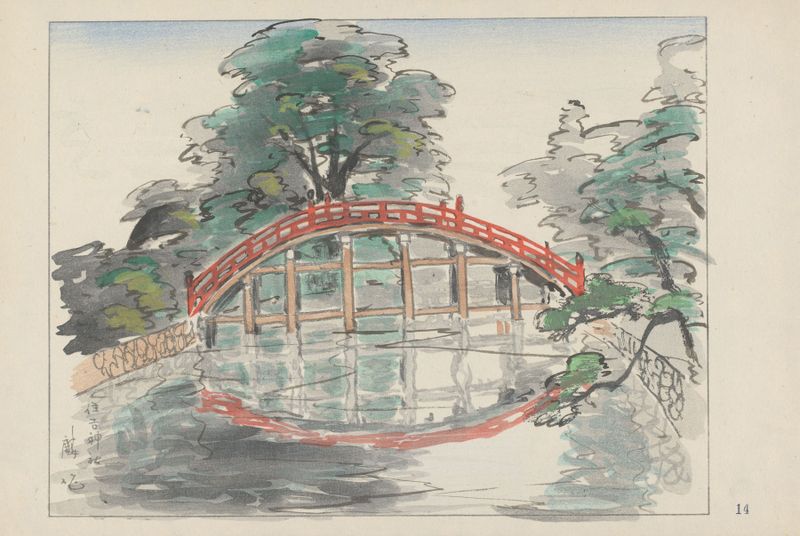
Sumiyoshi Shinto shrine
Akamatsu Rinsaku
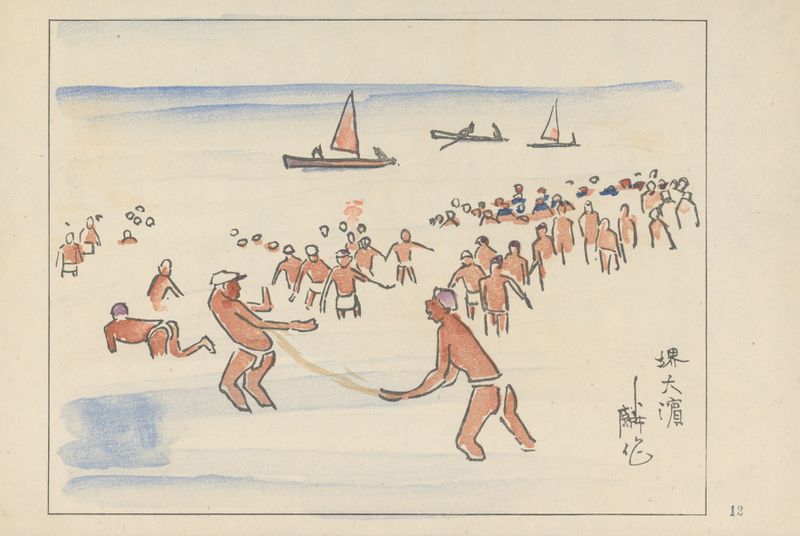
Sakai Ohama, swiming beach
Akamatsu Rinsaku

Kawaguchi, the estuary of Yodo river
Akamatsu Rinsaku
More Religious Art
Browse all →
The Return of the Prodigal Son
Rembrandt van Rijn

The Garden of Earthly Delights
El Bosco

Count Orgaz’ funeral
El Greco

The Hundred Guilder Print: the central piece with Christ preaching, the plate arched
Rembrandt van Rijn

The Descent from the Cross
Rogier van der Weyden

The return of the prodigal son
Rembrandt van Rijn