
Alexis bij de lindeboom — History & Facts
What if beauty was never meant to be finished? In Alexis bij de lindeboom, the viewer is drawn into a moment of quiet contemplation, suspended in time beneath the generous shade of a linden tree. Look to the left at the figure of Alexis, poised gracefully, his gaze directed upwards. The meticulous detail of Chodowiecki’s line work captures the texture of the tree’s bark, contrasting against the smoothness of the young man's complexion. Notice how dappled light filters through the foliage, creating a soft chiaroscuro that not only illuminates the scene but also imbues it with a serene intimacy.
The carefully chosen hues of green and earthy browns evoke a sense of harmony, inviting us to linger in this tranquil setting. Within this serene tableau lies a deeper commentary on the transience of beauty and existence. The linden tree, often associated with love and fidelity, stands as a silent witness to the fleeting nature of youth, while Alexis’ upward gaze hints at aspirations that may remain unfulfilled. The tension between the solidity of the tree and the ephemeral nature of the moment captures the universal struggle between permanence and the passage of time, urging the viewer to reflect on their own life’s journey. Created between 1770 and 1775, this piece showcases Chodowiecki at a pivotal moment in his career in Berlin, where he sought to blend the emerging styles of the Enlightenment with his own unique sensibilities.
It was a period marked by intellectual fervor, and the artist's work often mirrored the Enlightenment’s themes of nature, beauty, and the introspection of the human experience, making this painting a resonant reflection of its time.
More Artworks by Daniel Nikolaus Chodowiecki
Browse all →
Louise en haar vader Johann Ludwig bezoeken Alexis in de gevangenis
Daniel Nikolaus Chodowiecki
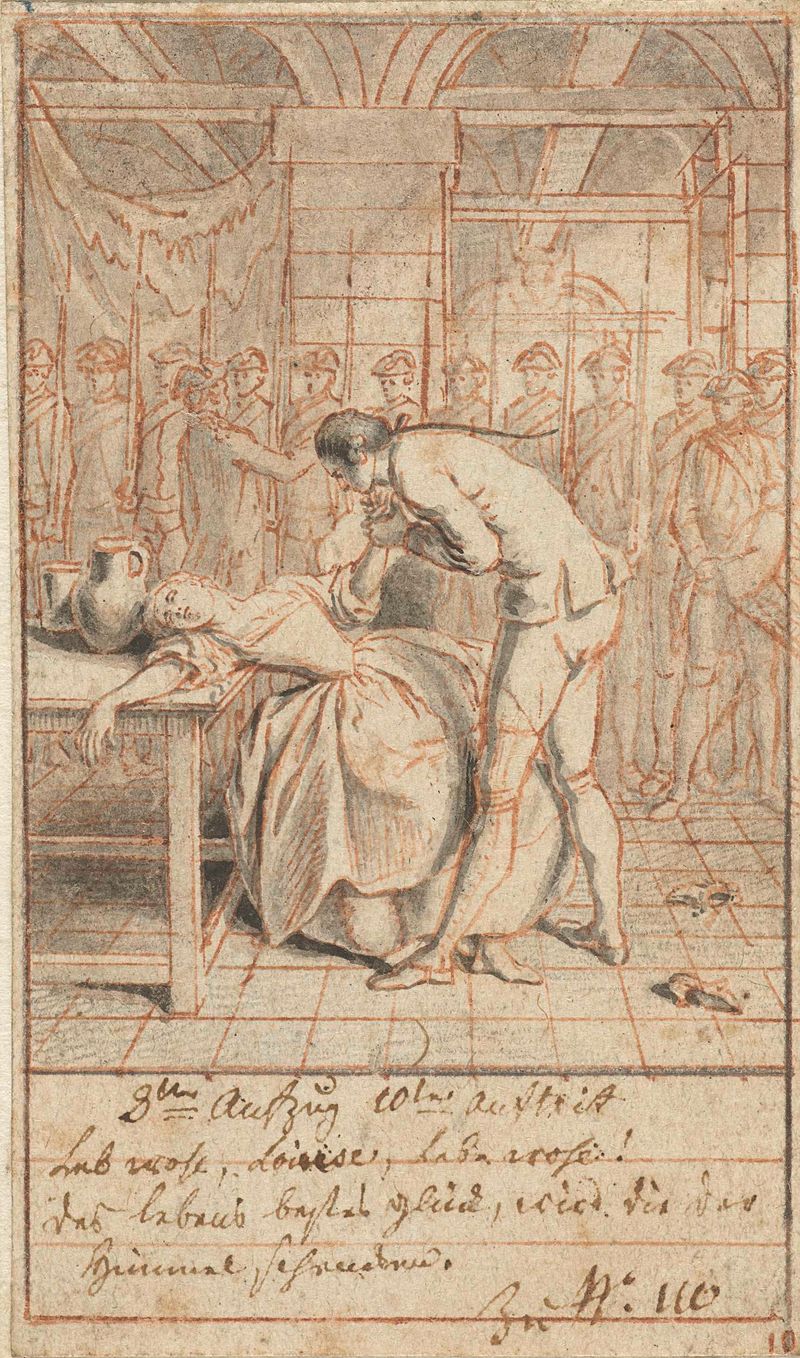
Alexis buigt zich over de flauwgevallen Louise
Daniel Nikolaus Chodowiecki

Louise komt bij en bevindt zich alleen in de gevangenis
Daniel Nikolaus Chodowiecki

Lotte overhandigt pistolen aan Werthers bediende
Daniel Nikolaus Chodowiecki

Louise en Alexis omhelzen elkaar op een plein
Daniel Nikolaus Chodowiecki
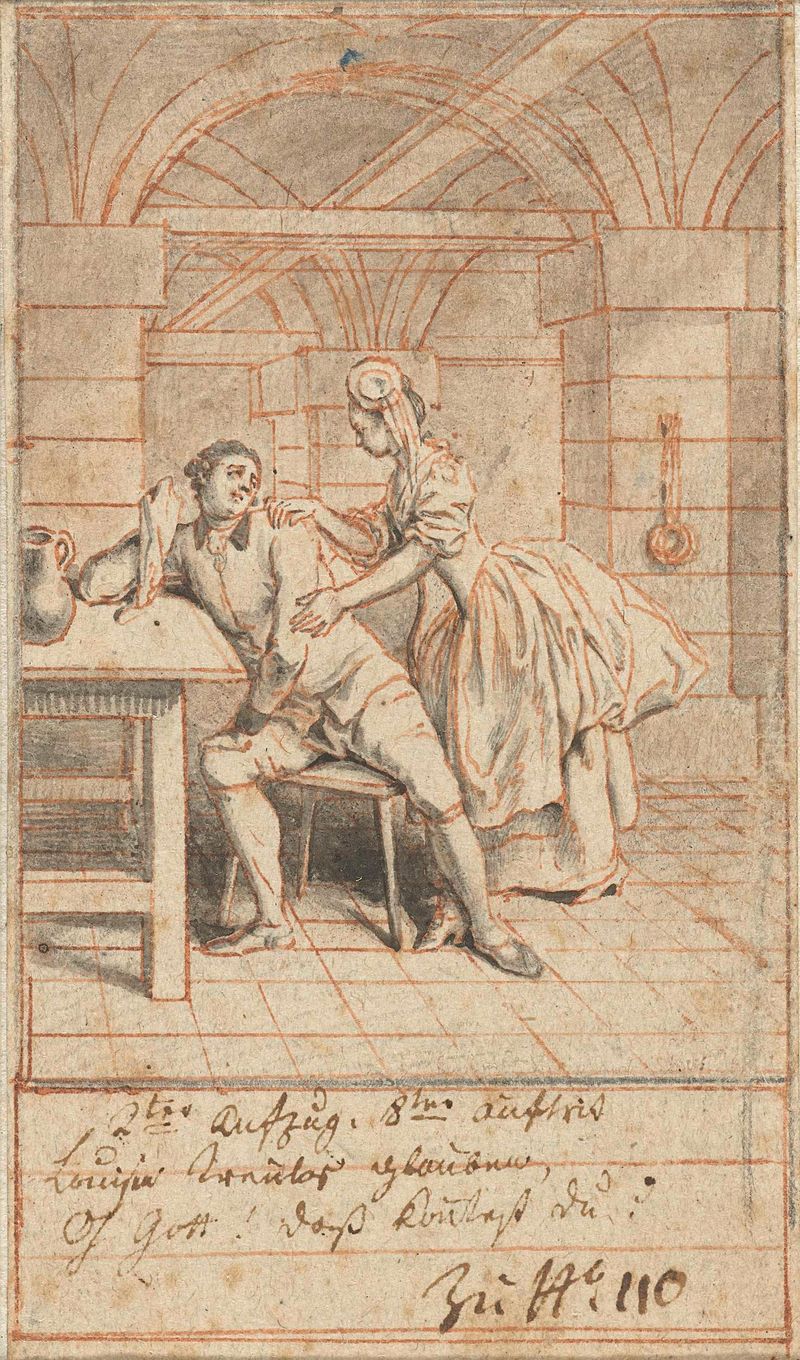
Louise bezoekt Alexis in de gevangenis
Daniel Nikolaus Chodowiecki

Louise staande onder een lindeboom
Daniel Nikolaus Chodowiecki
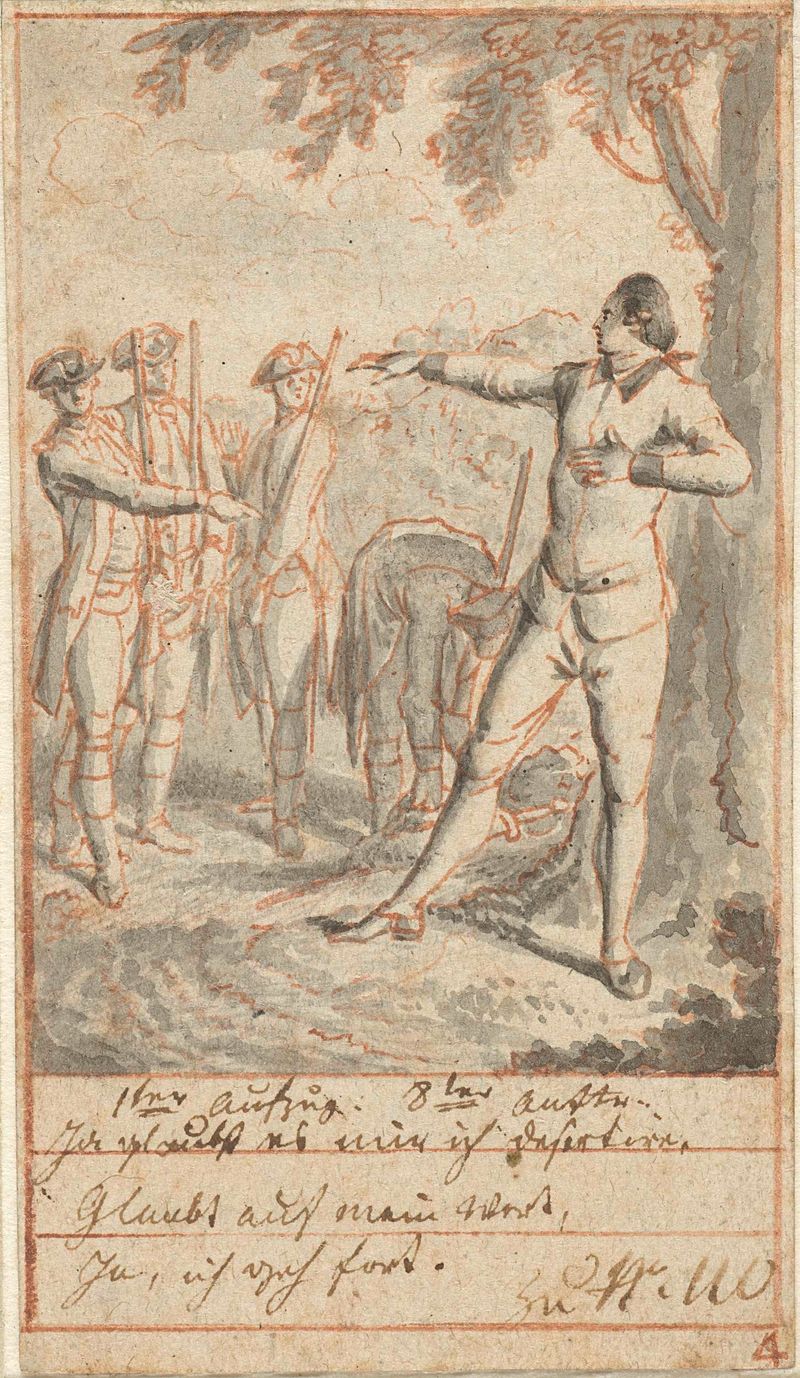
Alexis en brigadier Courchemin met soldaten bij lindeboom
Daniel Nikolaus Chodowiecki
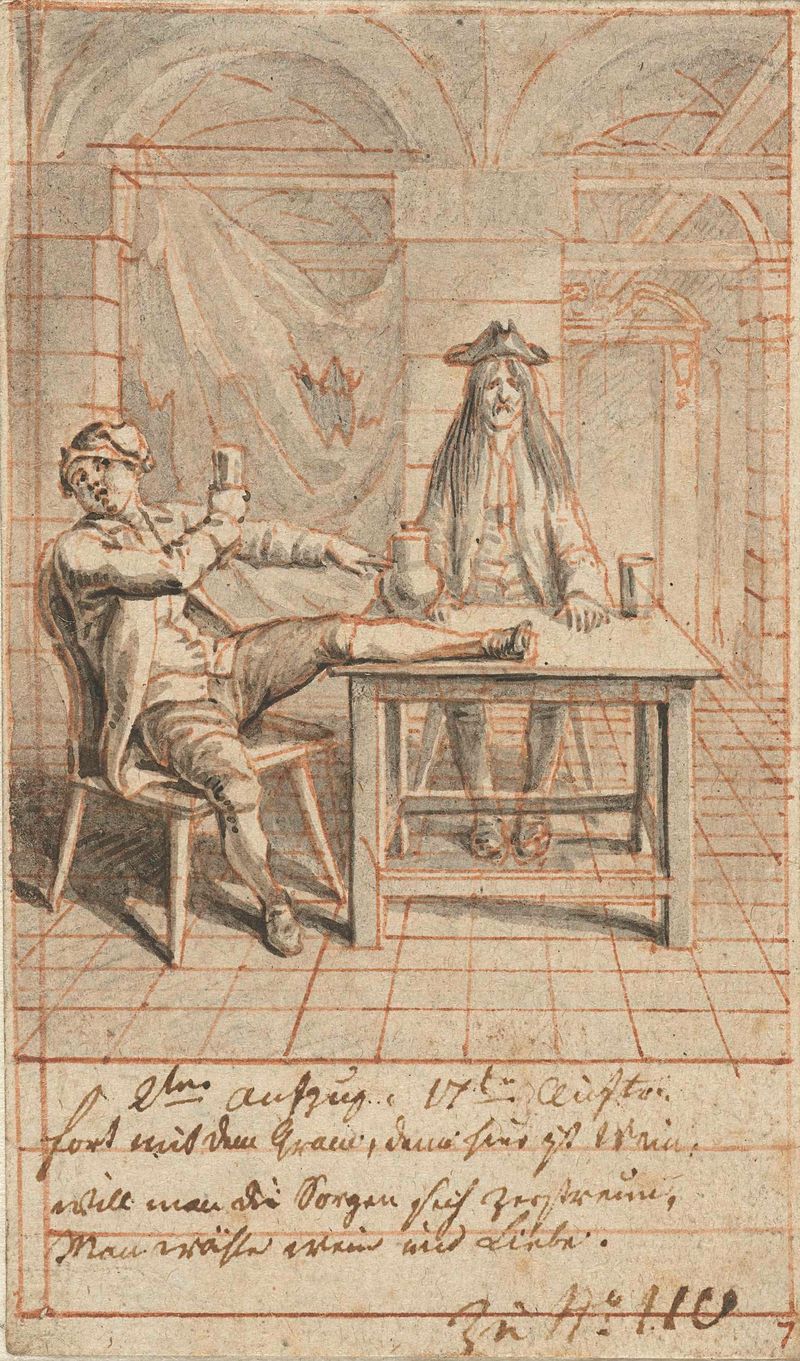
Himmelsturm en Bertram
Daniel Nikolaus Chodowiecki

Courchemin met Himmelsturm en cipier
Daniel Nikolaus Chodowiecki
More Portrait Art
Browse all →
Las meninas
Diego Velázquez

Self-portrait with a Bandaged Ear and Pipe
Unidentified artist

Girl with a Pearl Earring
Johannes Vermeer

The Sampling Officials of the Amsterdam Drapers’ Guild, Known as ‘The Syndics’
Rembrandt van Rijn

The Hundred Guilder Print: the man seen on the back in the lower left corner
Rembrandt van Rijn

Portrait of Dr Gachet
Vincent van Gogh