
All Souls’ Day — History & Facts
Who listens when art speaks of silence? The weight of memory rests heavily on the canvas, whispering the stories of those who have come before us. Look to the center, where a solitary figure stands amidst a landscape infused with muted tones. The soft brushstrokes blend earth and sky, evoking an ethereal quality that invites contemplation. Notice the gentle interplay of light and shadow wrapping around the figure, suggesting a fragile connection to the past.
The sparse, barren setting amplifies the sense of solitude, while hints of ghostly outlines in the background evoke the presence of the departed, creating an emotional echo within the stillness. Beneath the surface lies a poignant tension between remembrance and absence. The artist’s choice of palette—grays and browns tinged with hints of blue—mirrors the somber nature of the subject, while the figure’s posture speaks of longing and introspection. The absence of vibrant color enhances the feeling of loss, inviting viewers to reflect on their own memories and the invisible threads that bind them to loved ones.
This quiet urgency compels us to confront the interplay of life and death, urging us to listen to the silence imbued with meaning. Gustáv Mallý painted this piece between 1918 and 1928, a period marked by profound change in post-World War I Europe. Living in Czechoslovakia, Mallý, influenced by the symbolic and expressionist movements, sought to capture emotional depth through evocative imagery. The tumult of the time echoed in his works, reflecting a collective grappling with grief and memory, making All Souls’ Day a haunting meditation on mortality and remembrance.
More Artworks by Gustáv Mallý
Browse all →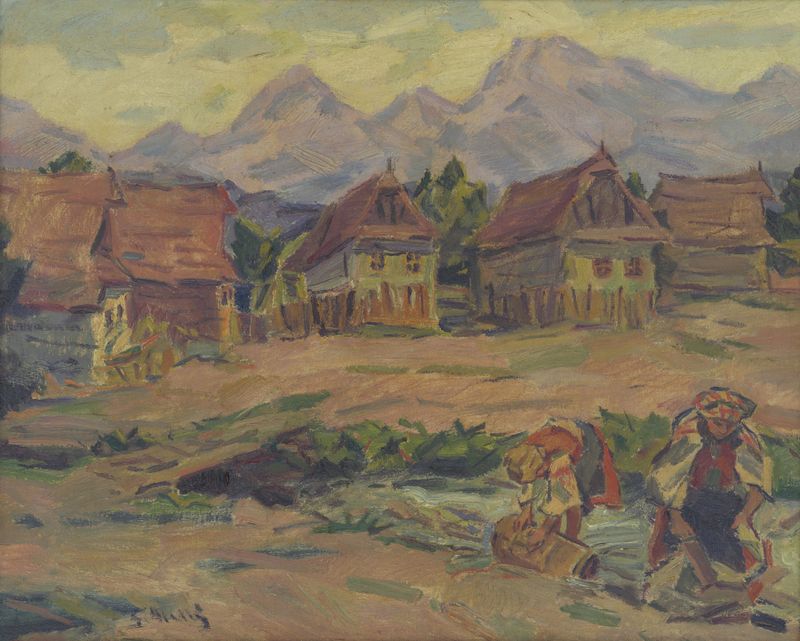
On a Brook below the Tatras
Gustáv Mallý
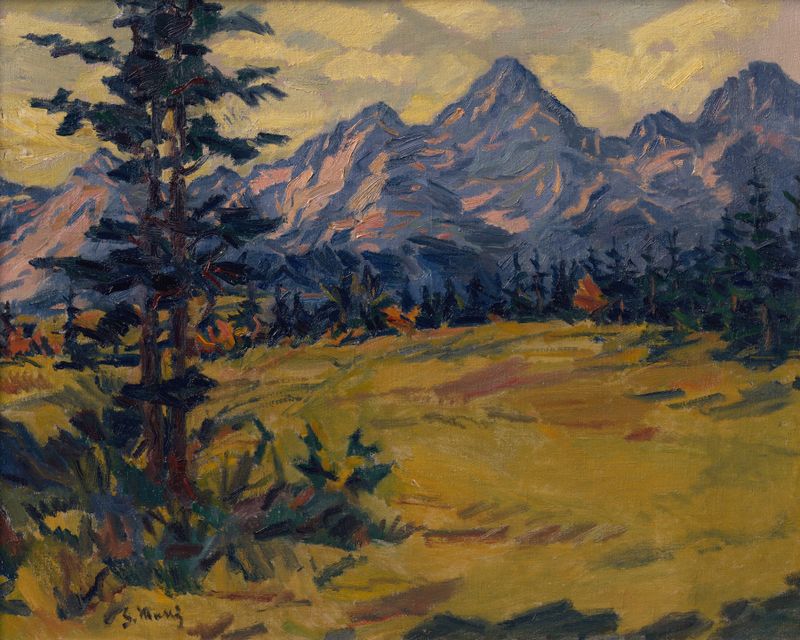
Tatras Landscape
Gustáv Mallý
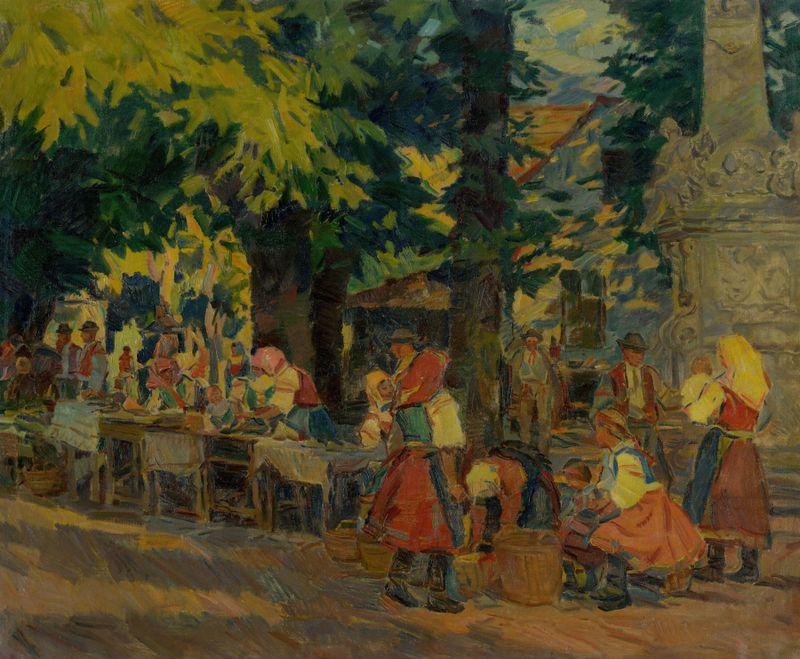
Fair in Marianka
Gustáv Mallý
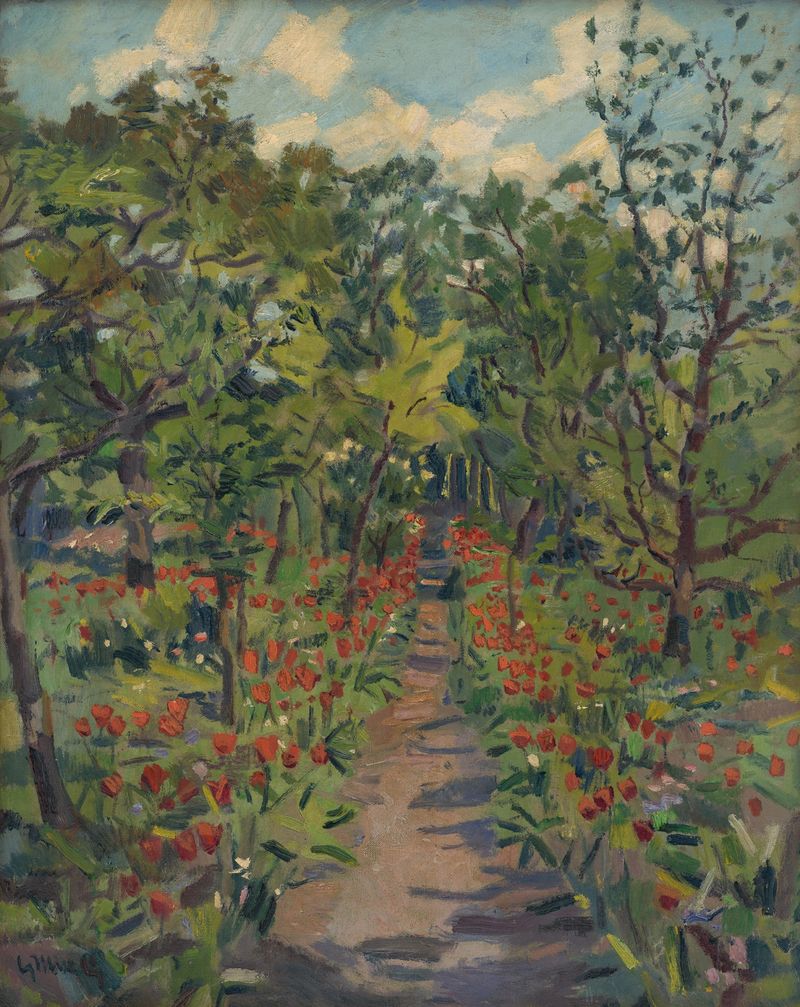
Walk in Petržalka Park
Gustáv Mallý

From the Tatras
Gustáv Mallý

Chief Shepherd with Sheep
Gustáv Mallý

Landscape from Petržalka
Gustáv Mallý
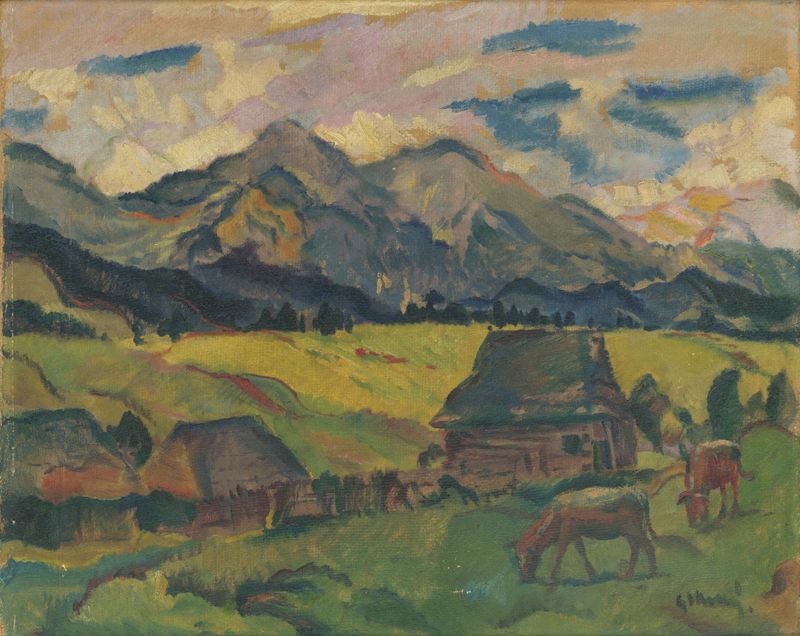
Motif from Ždiar
Gustáv Mallý
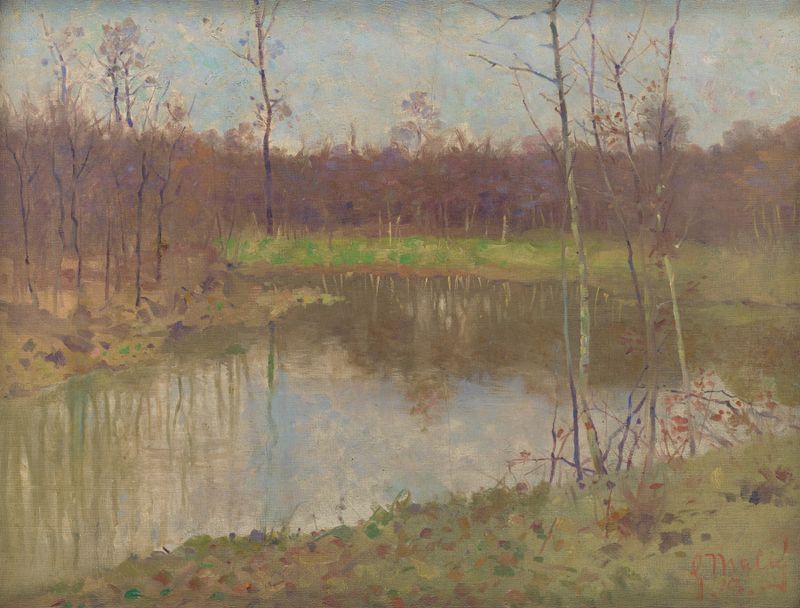
Landscape with a Fishpond
Gustáv Mallý
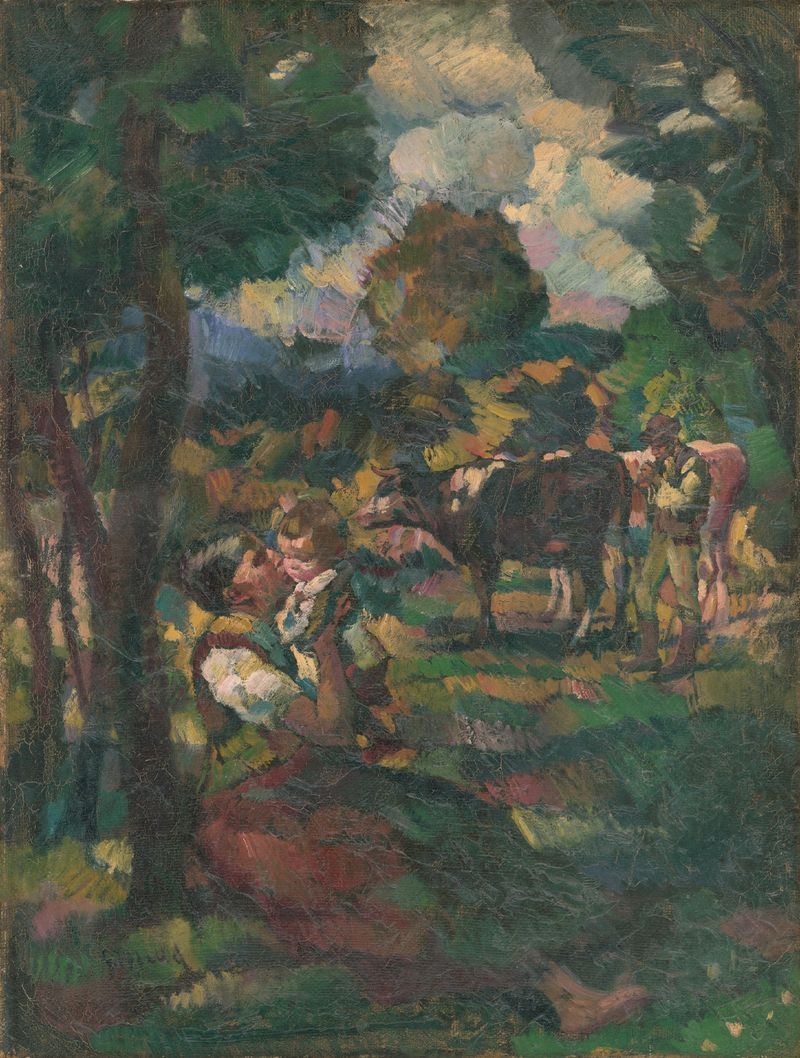
Summer
Gustáv Mallý
More Religious Art
Browse all →
The Return of the Prodigal Son
Rembrandt van Rijn

The Garden of Earthly Delights
El Bosco

Count Orgaz’ funeral
El Greco

The Hundred Guilder Print: the central piece with Christ preaching, the plate arched
Rembrandt van Rijn

The Descent from the Cross
Rogier van der Weyden

The return of the prodigal son
Rembrandt van Rijn