On a Brook below the Tatras — History & Facts
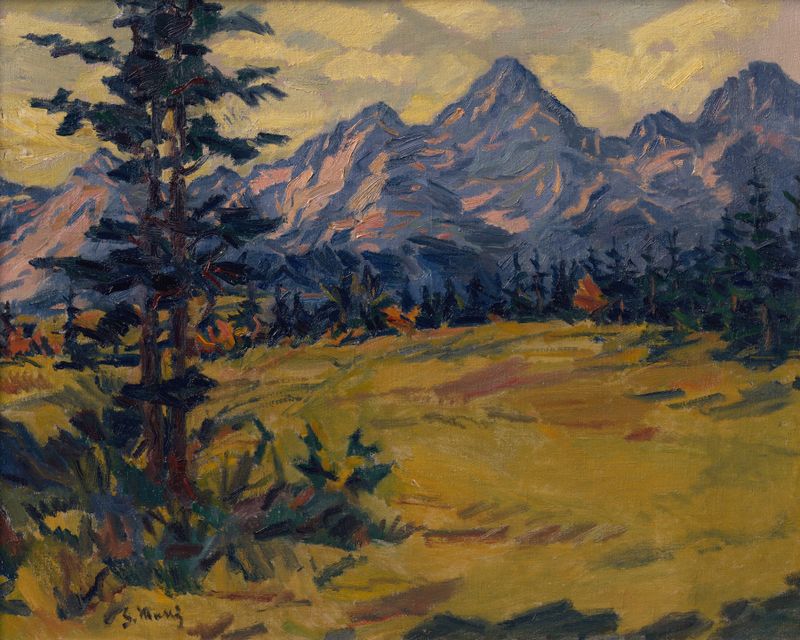
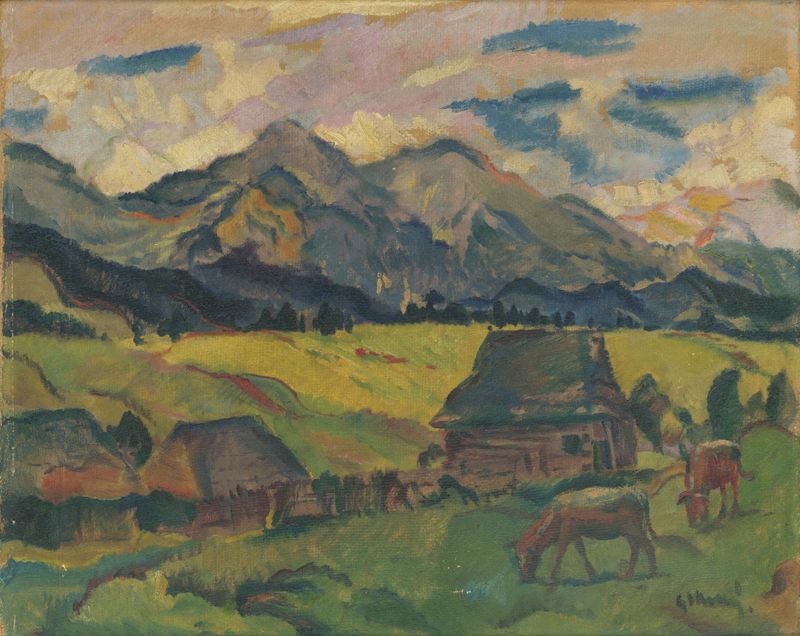
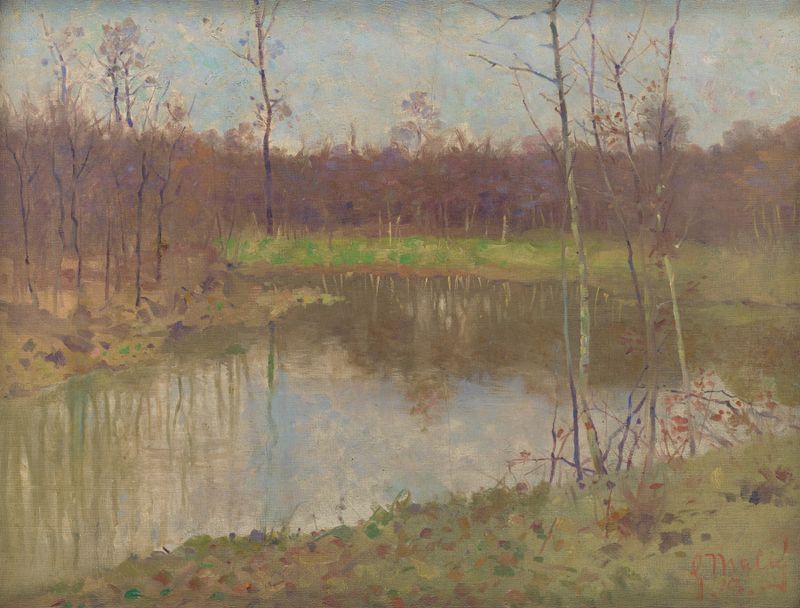
Could a single brushstroke hold eternity? In On a Brook below the Tatras, the serenity of nature quietly whispers promises of hope, capturing the essence of a moment suspended in time. Focus first on the gentle curve of the brook, where cool, crystalline waters carve their path through a lush, vivid landscape. The artist’s careful layering of greens and blues invites the viewer to glide along with the flowing water. Notice how the light dances upon the surface, sparkling with life as it reflects the surrounding mountains, their proud peaks softly shrouded in mist.
The composition creates a palpable harmony, drawing the eye through each brushstroke as if inviting you to step into this tranquil scene. Yet, beneath the surface calm lies a deeper narrative—an interplay between nature's permanence and the fleeting human experience. The contrasting ruggedness of the Tatras against the delicate brook suggests a journey of resilience, while the soft hues evoke a sense of nostalgia and yearning. Each detail, from the flowing water to the distant mountains, becomes a metaphor for hope and healing, reminding us that beauty can emerge from the complexities of life. Gustáv Mallý painted this piece between 1930 and 1935, during a time when Europe was grappling with political upheaval and social transformation.
Living in Slovakia, the artist sought inspiration from the natural landscapes around him, reflecting both the serenity of his surroundings and the tumultuous emotions of the era. This painting serves as a testament to his ability to convey profound feelings through the lens of the Slovak countryside, encapsulating a moment of solace amid chaos.