
Allegorical Sketch of Victory — History & Facts
In Allegorical Sketch of Victory, vibrant colors dominate the canvas, with a central figure symbolizing triumph. The figure is adorned with laurel leaves, a traditional emblem of victory. Surrounding this figure are various allegorical elements that suggest themes of glory and achievement.
The background features a dynamic interplay of light and shadow, enhancing the sense of movement and energy. The sketch is executed in a loose, fluid style typical of Robert Smirke's work during the Romantic period. The use of color is expressive, with bold contrasts that draw the viewer's eye to the central figure. While the exact medium is unknown, it appears to be a combination of pencil and watercolor, allowing for both precision and fluidity.
The dimensions are approximately 25 x 35 cm, indicating its nature as a sketch rather than a finished painting. Robert Smirke was known for his historical and allegorical works, often blending classical themes with Romantic sensibilities. This particular sketch likely served as a preparatory study for a larger piece or as a standalone exploration of the theme of victory. An interesting fact about this work is that it reflects the early 19th-century fascination with heroism and national pride, which was prevalent in British art at the time.
Smirke's ability to convey complex themes through simple forms is a hallmark of his artistic approach.
More Artworks by Robert Smirke

Hotspur and the Plotters at Bangor
Robert Smirke
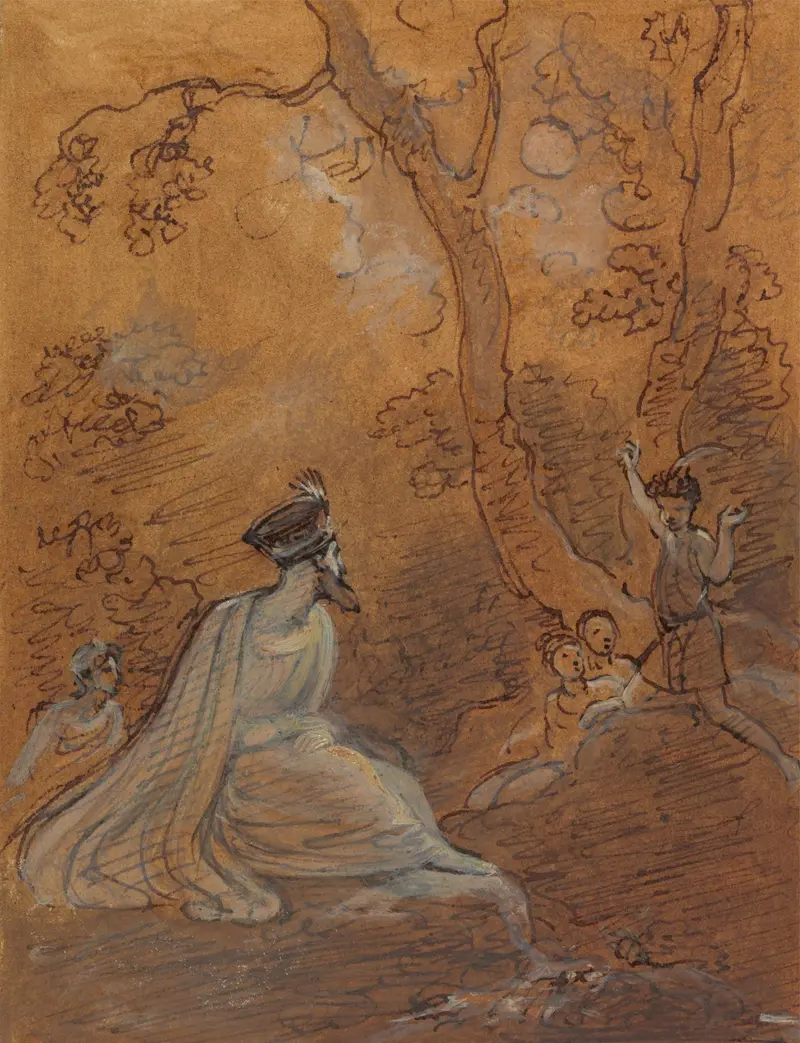
Oberon and Puck
Robert Smirke
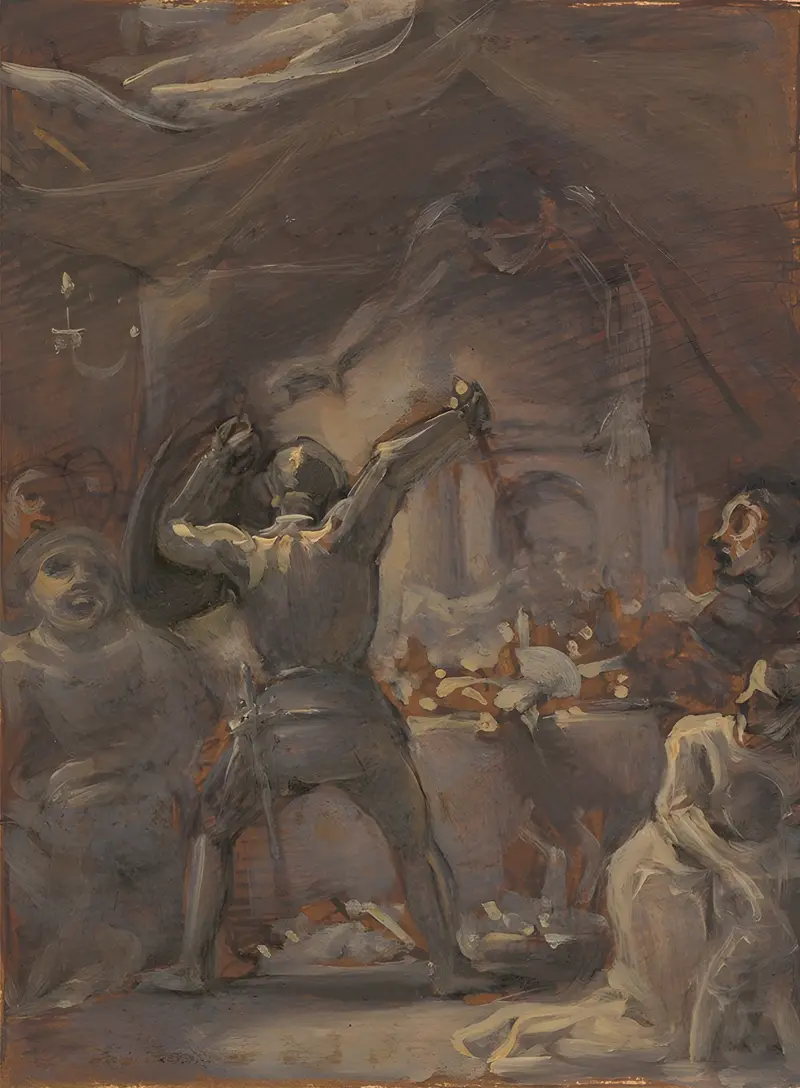
One from Illustrations to Shakespeare
Robert Smirke
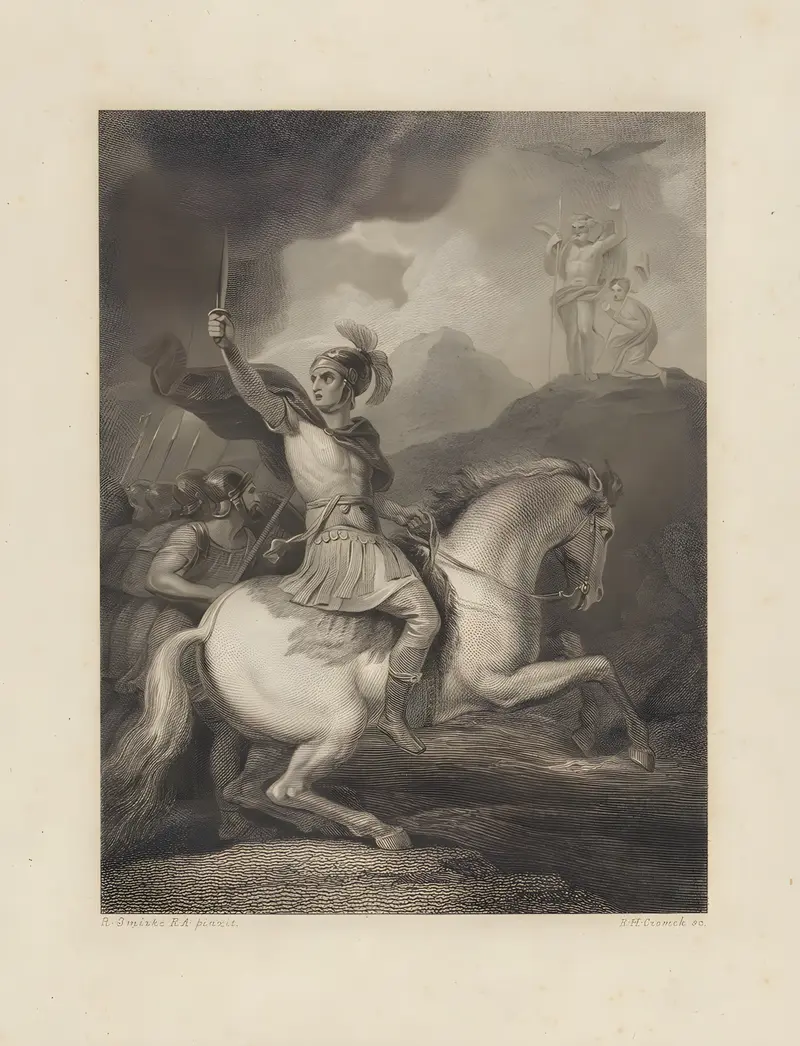
Cesar Passing the Rubicon
Robert Smirke
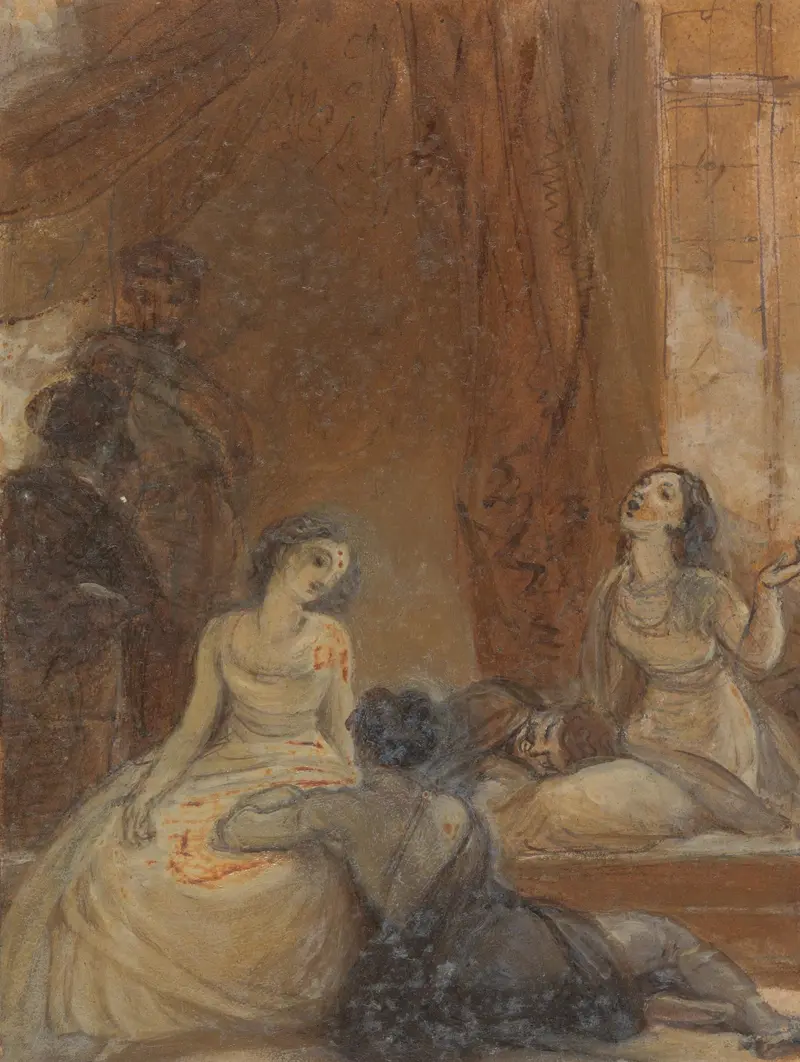
Lady Mortimer’s Welsh Song
Robert Smirke
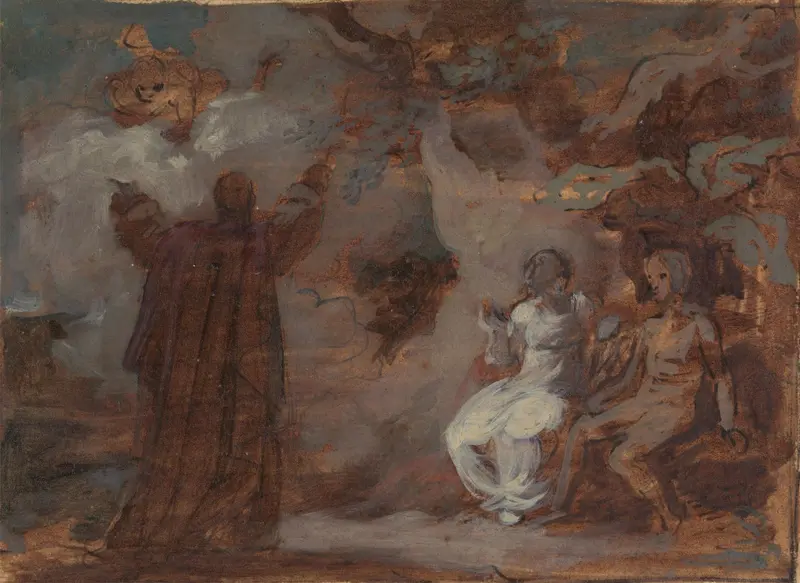
Prospero Conjuring a Masque for Ferdinand and Miranda
Robert Smirke

Master William Page and Sir Hugh Evans
Robert Smirke
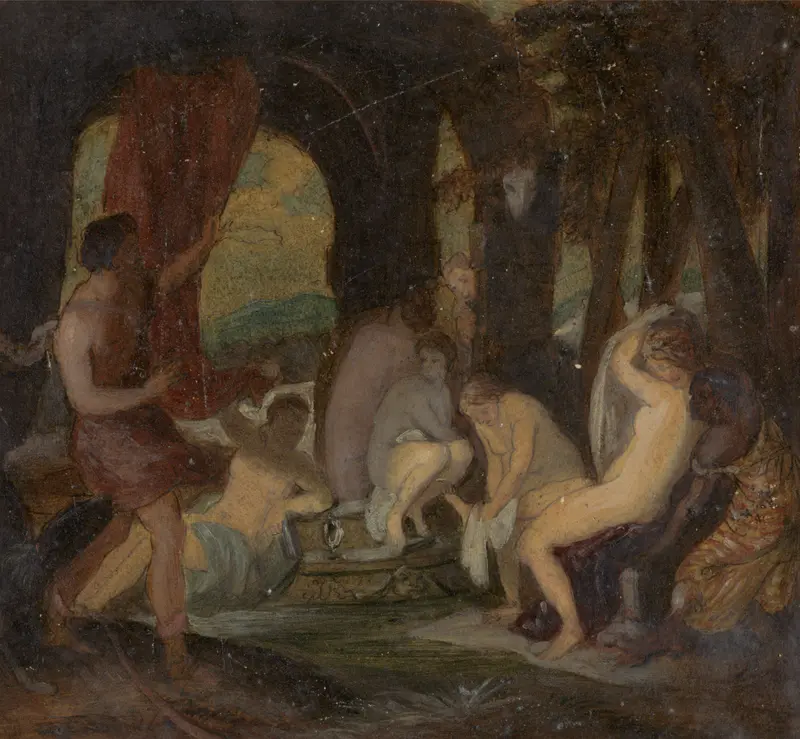
Diana and Actaeon
Robert Smirke
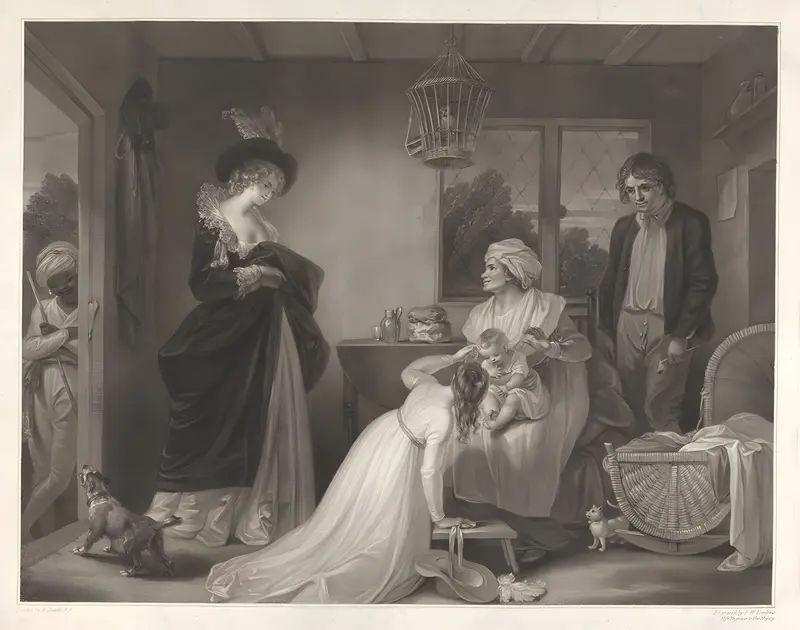
As You Like It; Act II, Scene VII; The Seven Ages Man (First Age)
Robert Smirke

As You Like It; Act II, Scene VII; The Seven Ages Man (Third Age)
Robert Smirke





