Alpine brook with houses — History & Facts
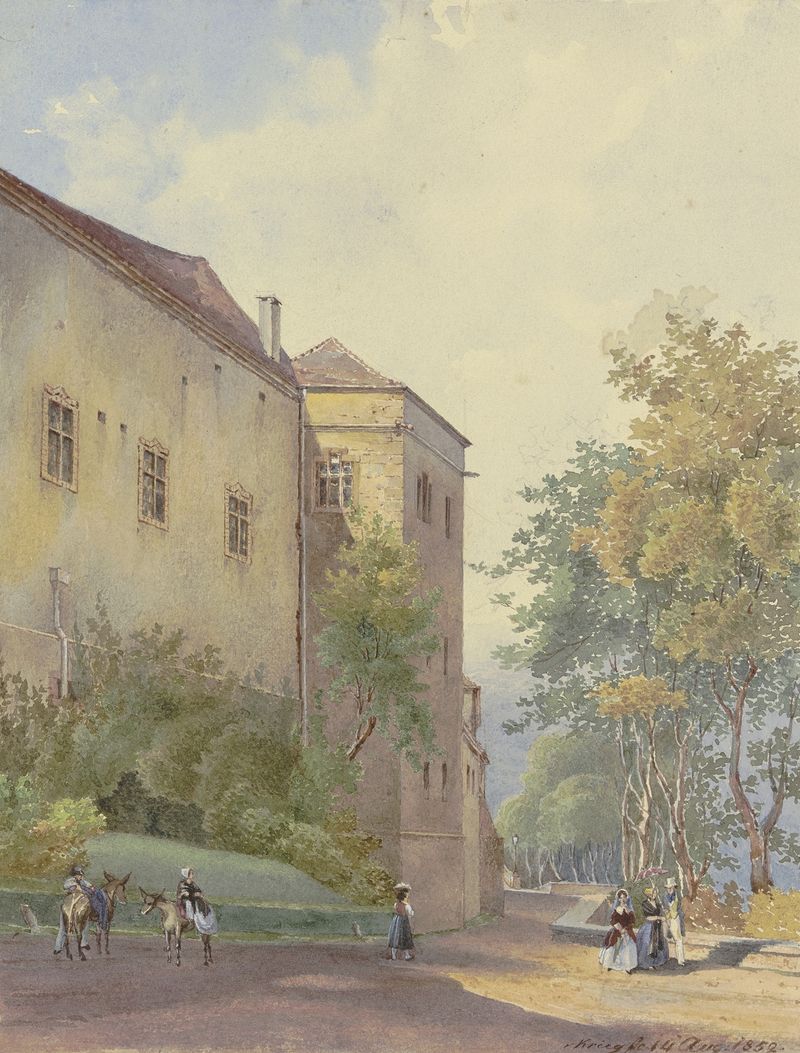
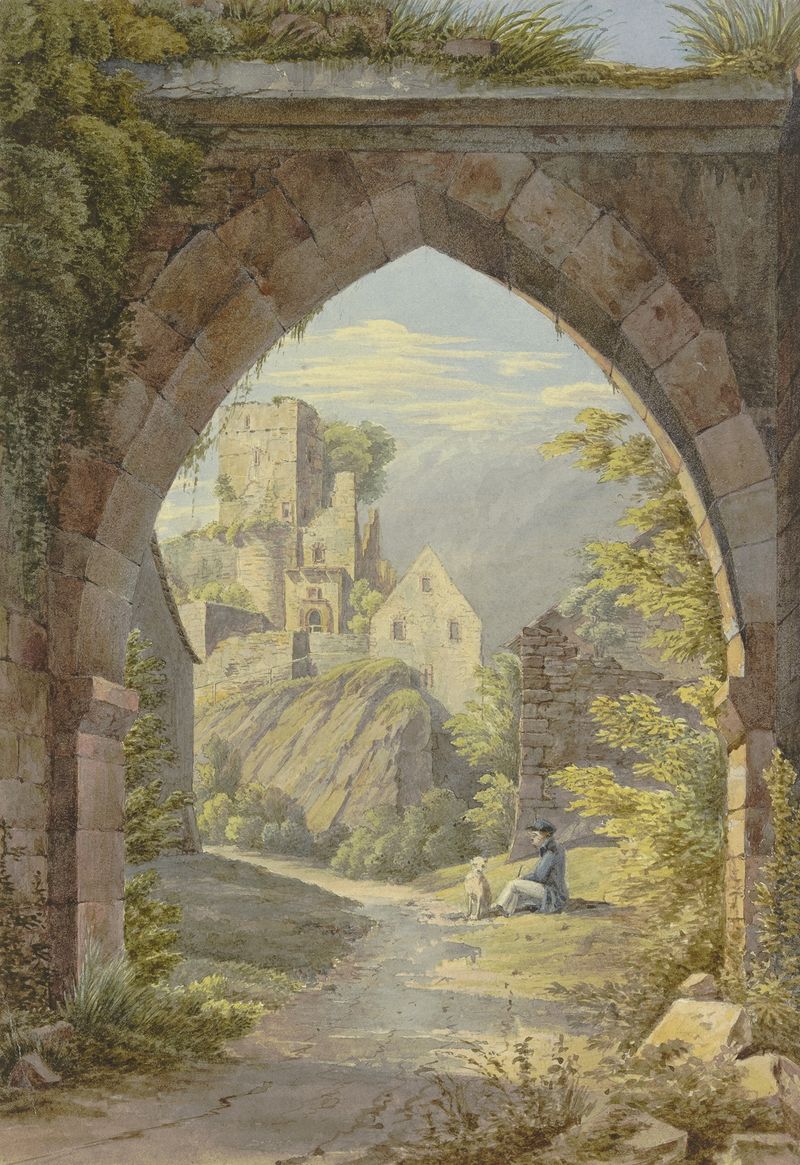
Could beauty survive in a century of chaos? This question resonates deeply within the tranquil confines of a picturesque landscape, inviting viewers to pause and reflect amidst the clamor of the modern world. Look closely at the gentle cascade of the brook that meanders through the foreground, its crystalline waters catching glimmers of sunlight. Notice how the vibrant greens of the alpine flora contrast with the muted tones of the quaint houses nestled in the distance, each brushstroke weaving a narrative of harmony. The delicate interplay of light and shadow creates a sense of depth, pulling the viewer’s gaze deeper into the canvas, as if urging one to step into this serene retreat. Amidst the idyllic appearance lies a subtle tension: the calmness of nature juxtaposed against the mere existence of man-made structures.
The houses, though charming, evoke a sense of isolation, hinting at a yearning for connection with the natural world. Each element, from the gnarled tree on the riverbank to the distant peaks, speaks to a desire for solace, a reminder of the fragile balance between human life and the beauty that surrounds it. Georg Von Krieg painted this serene vision during an era marked by tumult and change, though the exact date remains unknown. Living in Central Europe, he was influenced by the Romantic movement that sought to capture the sublime beauty of nature.
In a time when industrialization threatened to overshadow the landscape, his work stands as a quiet testament to the enduring allure of the natural world, an invitation to cherish the beauty that persists despite the chaos.