
Am Bach — History & Facts
What if beauty was never meant to be finished? In the delicate brush strokes of Marie Egner's Am Bach, one finds a world poised between completion and vacuity, suggesting that perfection may reside in the invitation of the unfinished. Look to the left, where a gentle stream dances across the canvas, its ripples capturing glittering fragments of sunlight. The artist employs a palette of soft greens and blues, blending the colors seamlessly to evoke a sense of tranquility. Notice how the trees, bent slightly as if whispering secrets to the water, create a soft frame that draws the eye inward.
The composition feels alive, as though nature itself breathes in the quietude of the moment. Yet, beneath this serene surface lies a tension—a hint of the void. The scattered patterns of light and shadow dance on the water's surface, suggesting an ephemeral beauty that teeters on the edge of disappearance. There’s a longing in the brushwork, a subtle reminder that even in nature’s calm, a specter of solitude lingers.
Each detail, from the curling reeds to the distant horizon, speaks to the artist's exploration of the delicate balance between presence and absence. During the time of creating Am Bach, Egner was immersed in the vibrant art scene of late 19th-century Austria, an era marked by the Impressionist movement's influence. This period witnessed her embrace of plein air painting, reflecting her desire to capture the transient effects of light. Although the exact date of this work remains uncertain, it embodies her commitment to portraying the beauty in nature’s fleeting moments amid an evolving artistic landscape.
More Artworks by Marie Egner
Browse all →
Late Summer on the Salzburger Moor near Untersberg
Marie Egner
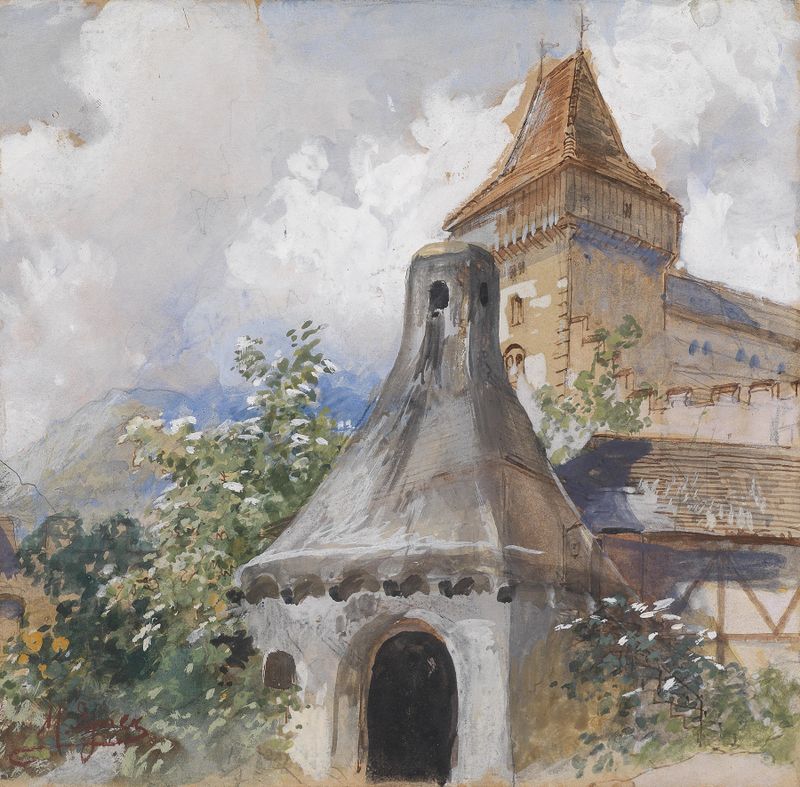
Burg und Dörrofen
Marie Egner
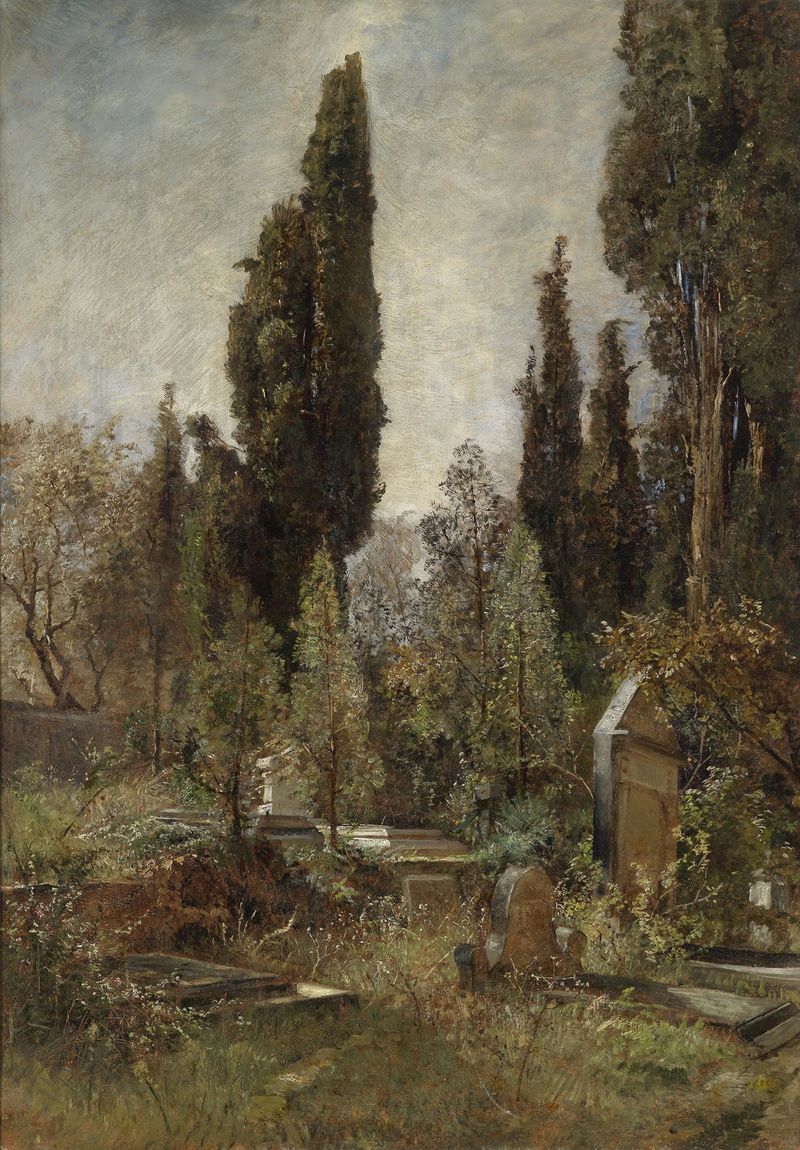
Alter Friedhof
Marie Egner

Blick gegen den Bisamberg
Marie Egner

Evening in Brittany
Marie Egner
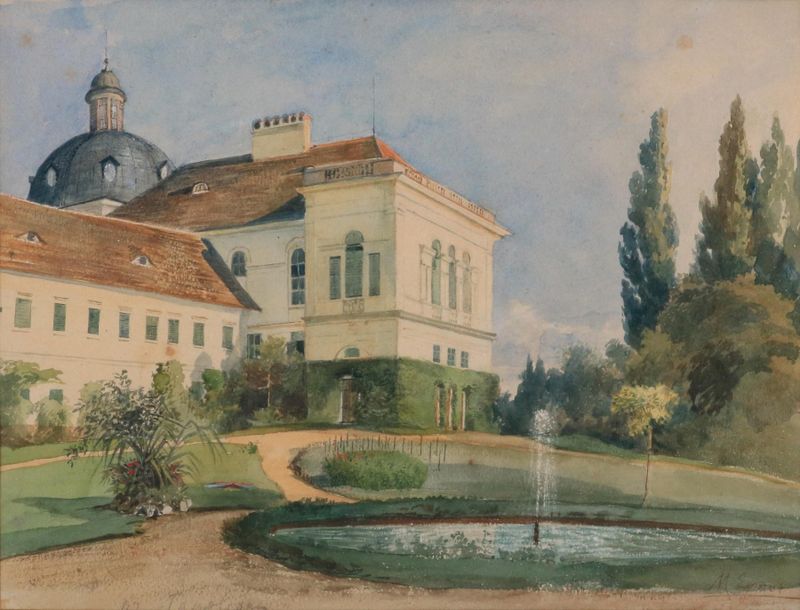
Schlosspark mit Springbrunnen
Marie Egner

A view of the courtyard at No. 8 Dreilaufergasse, 1070 Vienna
Marie Egner
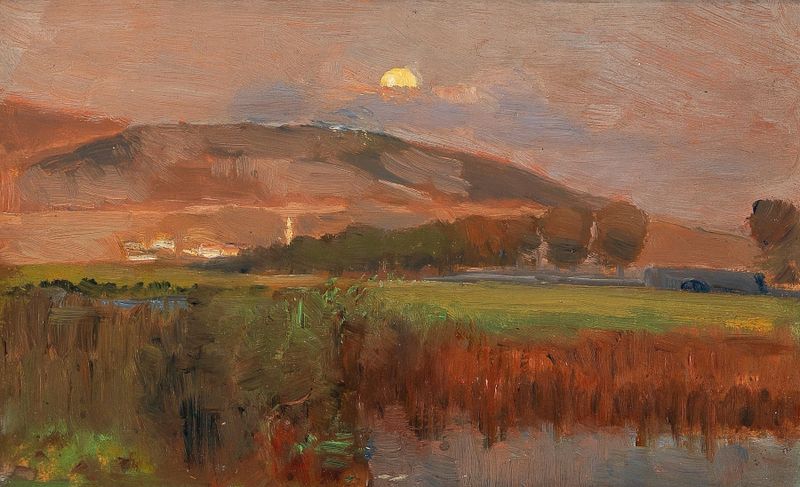
Abendstimmung
Marie Egner

Landschaftsstück
Marie Egner

Old Mill in Gastein
Marie Egner





