
Alter Friedhof — History & Facts
In the stillness of Alter Friedhof, an unsettling energy permeates the air, hinting at stories of melancholy and madness that linger just beneath the surface. Each stroke invites the viewer to confront what is often brushed aside — the fragility of life and the shadows that dance in its wake. Look to the left at the twisted trees, their gnarled branches extending into the somber sky. The muted greens and grays create a haunting atmosphere, while the delicate play of light filters through the foliage, illuminating the gravestones scattered on the ground.
Notice how the composition is framed by the encroaching shadows, hinting at both the passage of time and the inevitability of decay. This careful layering of color and texture reveals not only the physical landscape but also the emotional weight it carries. Delve into the contrasts found in the painting: the vibrant life hinted at in the underbrush against the stark stillness of the headstones. The quietness of the cemetery, juxtaposed with the dynamic turbulence of nature, speaks to the madness that lurks in the passing moments of life.
Each element within the scene resonates with a profound tension, evoking contemplations of mortality intertwined with fleeting beauty. Marie Egner painted Alter Friedhof around 1883-1884, a time when she was establishing her reputation in Vienna amid the burgeoning Symbolist movement. This period saw a growing interest in the psychological depths of human experience, a theme that echoed in her work. The artist's exploration of somber themes within a tranquil setting reflects not only her personal encounters with grief but also the broader cultural shifts regarding death and remembrance that marked the late 19th century.
More Artworks by Marie Egner
Browse all →
Late Summer on the Salzburger Moor near Untersberg
Marie Egner
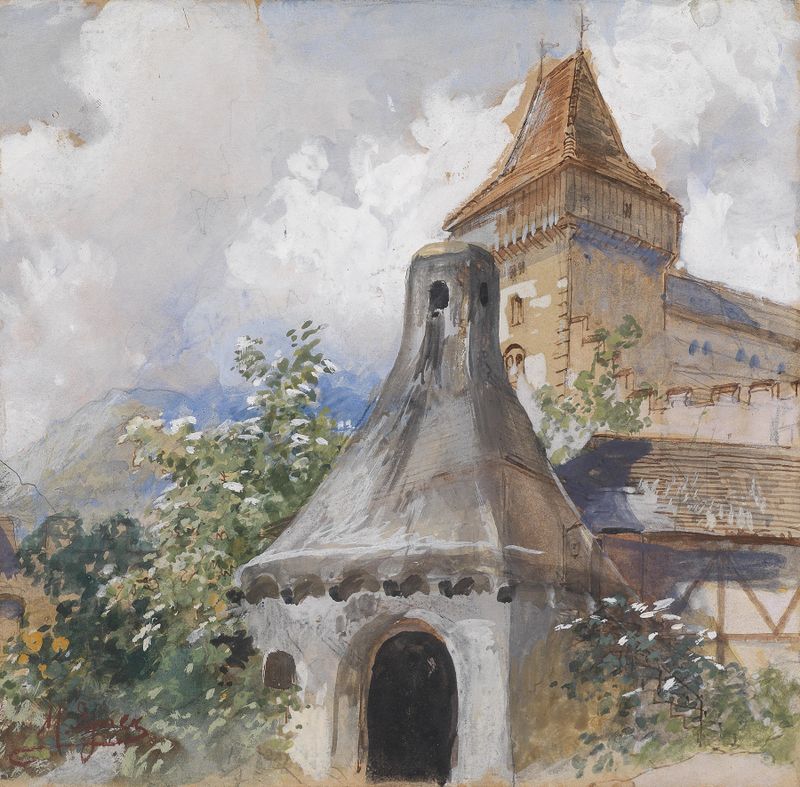
Burg und Dörrofen
Marie Egner

Blick gegen den Bisamberg
Marie Egner

Evening in Brittany
Marie Egner
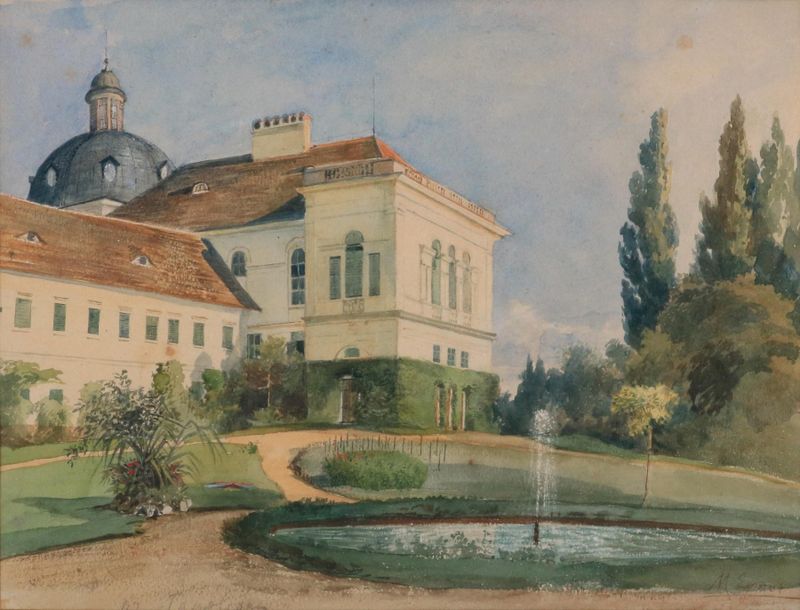
Schlosspark mit Springbrunnen
Marie Egner

A view of the courtyard at No. 8 Dreilaufergasse, 1070 Vienna
Marie Egner
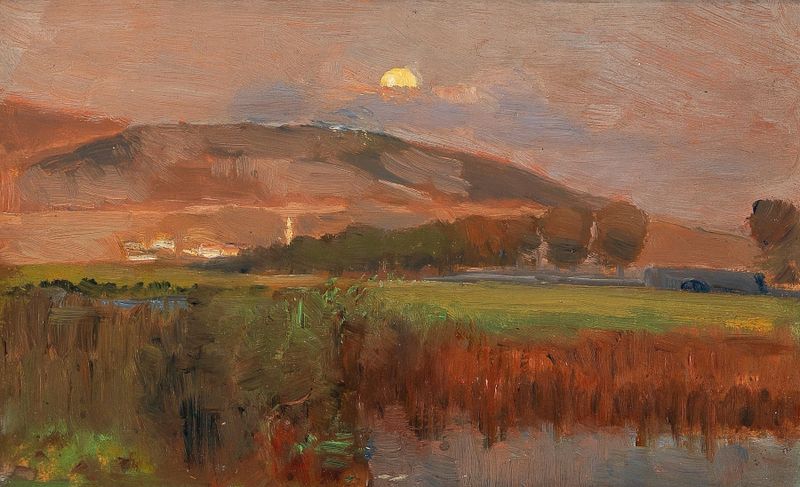
Abendstimmung
Marie Egner

Landschaftsstück
Marie Egner

Old Mill in Gastein
Marie Egner
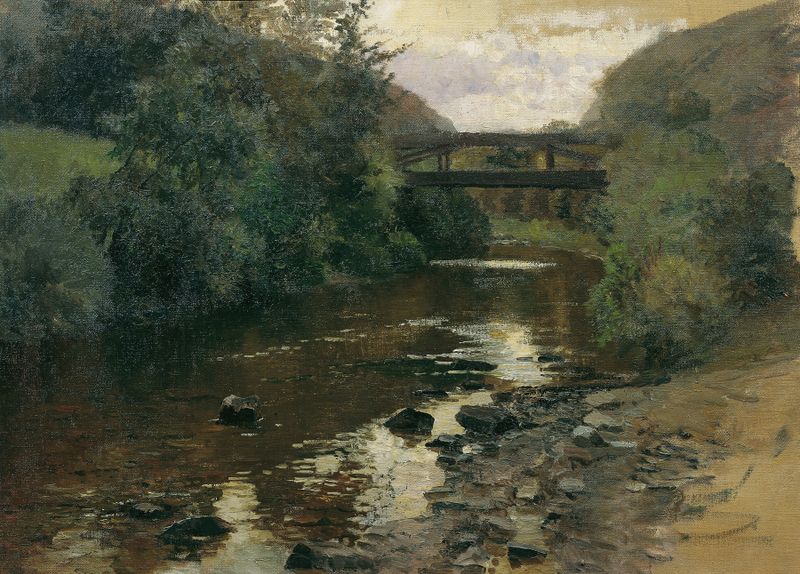
Waldwasser mit Brücke
Marie Egner





