
Am Brunnen — History & Facts
What if beauty was never meant to be finished? In a world where nature is both fleeting and eternal, the gentle elegance of a moment can stir the soul in profound ways. Begin by examining the foliage framing the scene. Look to the vibrant greens that envelop the characters; their depth invites you to linger. Notice how the sun-dappled light filters through the leaves, casting a soft glow that accentuates the innocence of the figures gathered around the well.
The serene water reflects the shimmering hues, drawing your gaze inward, while the delicate strokes of the artist evoke a sense of tranquility that permeates the entire composition. Now, delve deeper into the interactions of the figures. The children’s playful gestures contrast strikingly with the stillness of the well, hinting at the carefree nature of youth amidst the eternal cycle of life. Each expression carries a whisper of innocence, as if they are momentarily untouched by the complexities of the world.
This juxtaposition of childhood joy and the enduring elements of nature creates an emotional tension that resonates across time, reminding us of life’s fragile beauty. During the period Aberli created this work, likely in the mid-18th century in Switzerland, he sought to capture the idyllic rural scenes and the simplicity of life around him. This was a time when European art was shifting away from the grandeur of Baroque towards the subtleties of pastoral landscapes and everyday life, reflecting a growing appreciation for the beauty in nature and the innocence of youth.
More Artworks by Johann Ludwig Aberli
Browse all →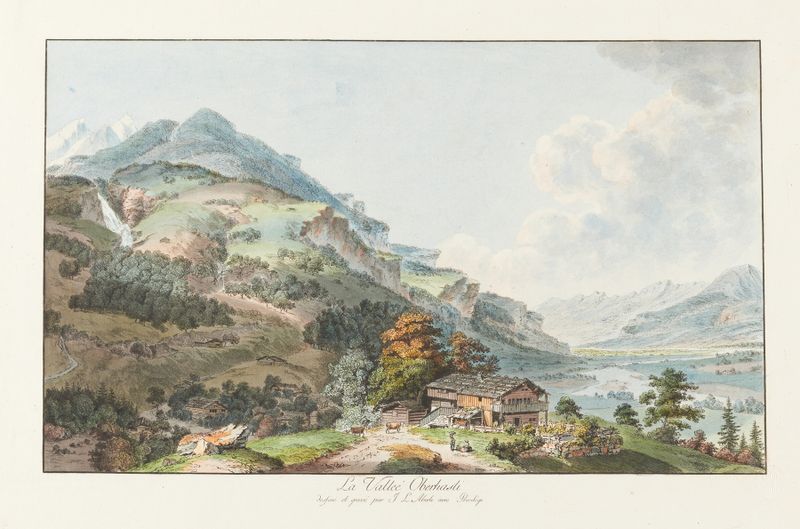
La Vallée Oberhasli
Johann Ludwig Aberli
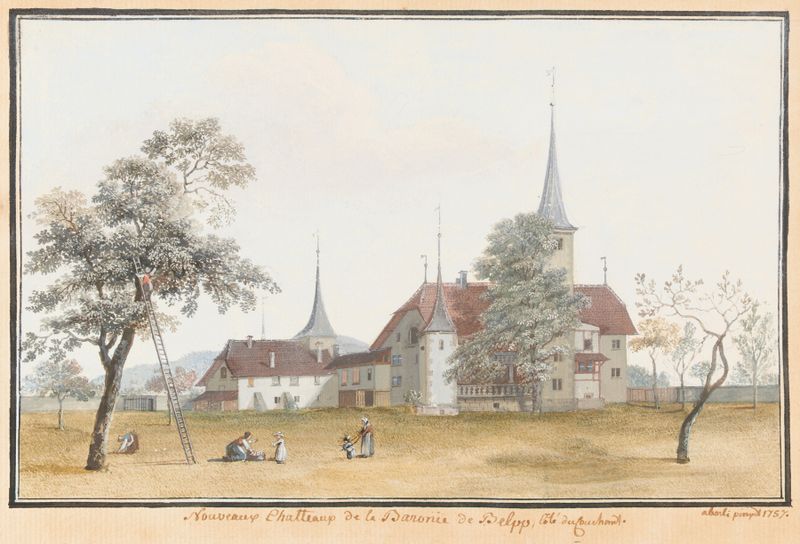
Nouveaux Chatteaux de la Baronie de Belpp; Côté du Couchant
Johann Ludwig Aberli
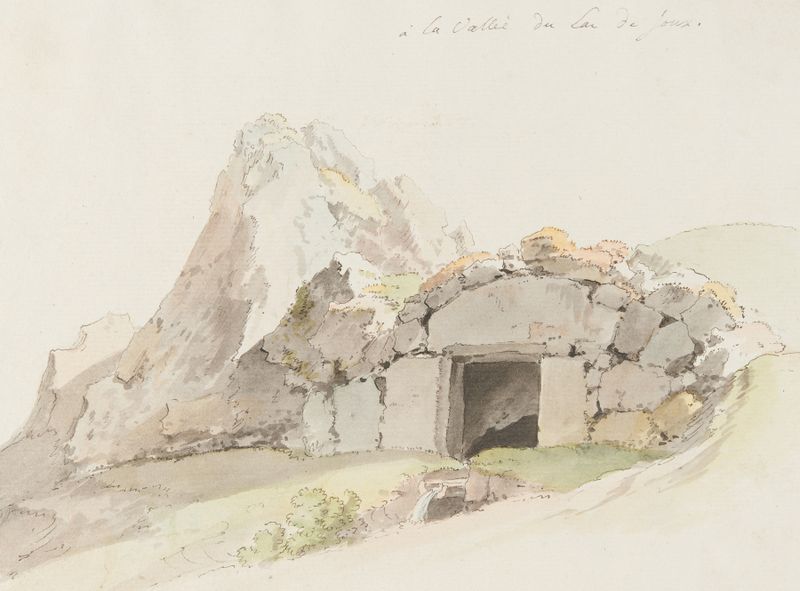
à la Vallèe du Lac de Joux
Johann Ludwig Aberli
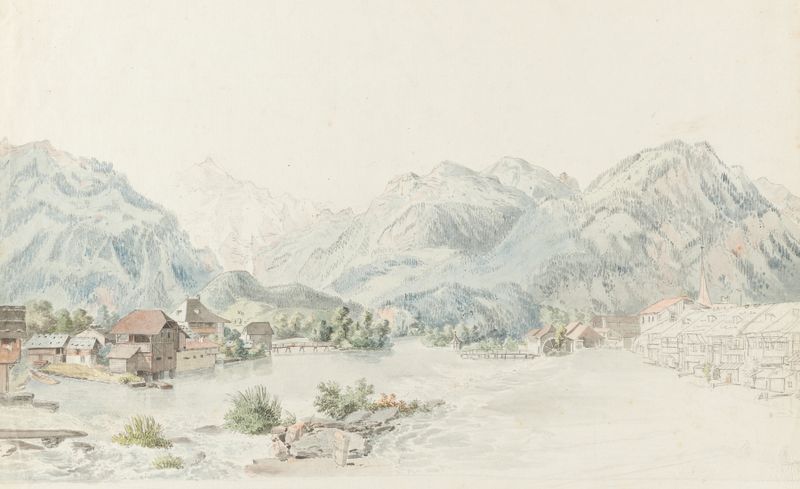
Ansicht von Unterseen
Johann Ludwig Aberli
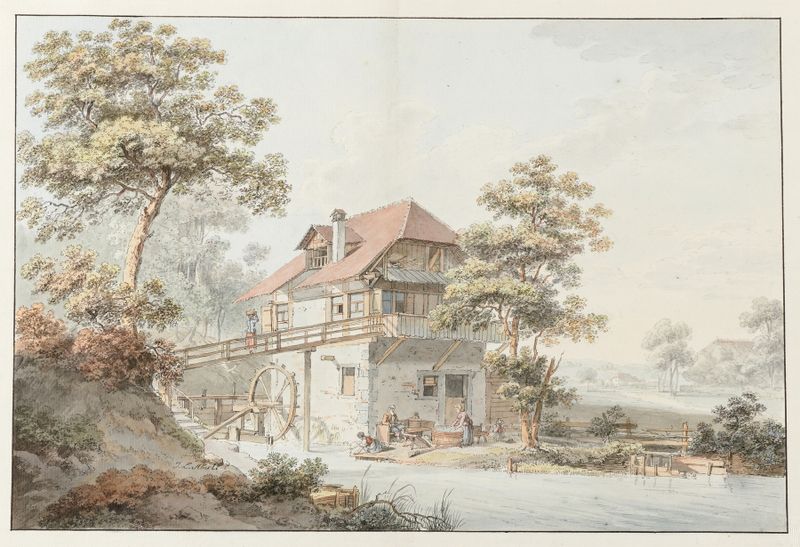
Ansicht einer Mühle im Berner Mittelland.
Johann Ludwig Aberli
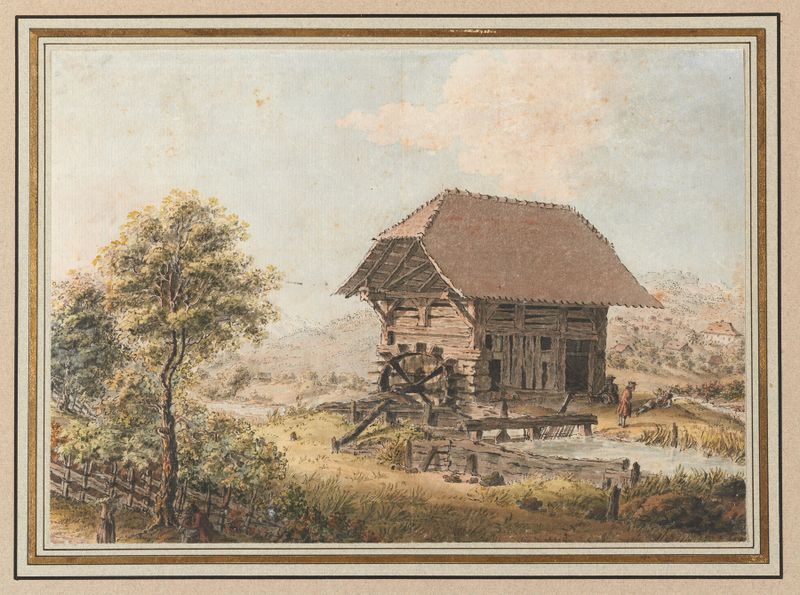
Ansicht einer Mühle im Berner Mittelland
Johann Ludwig Aberli
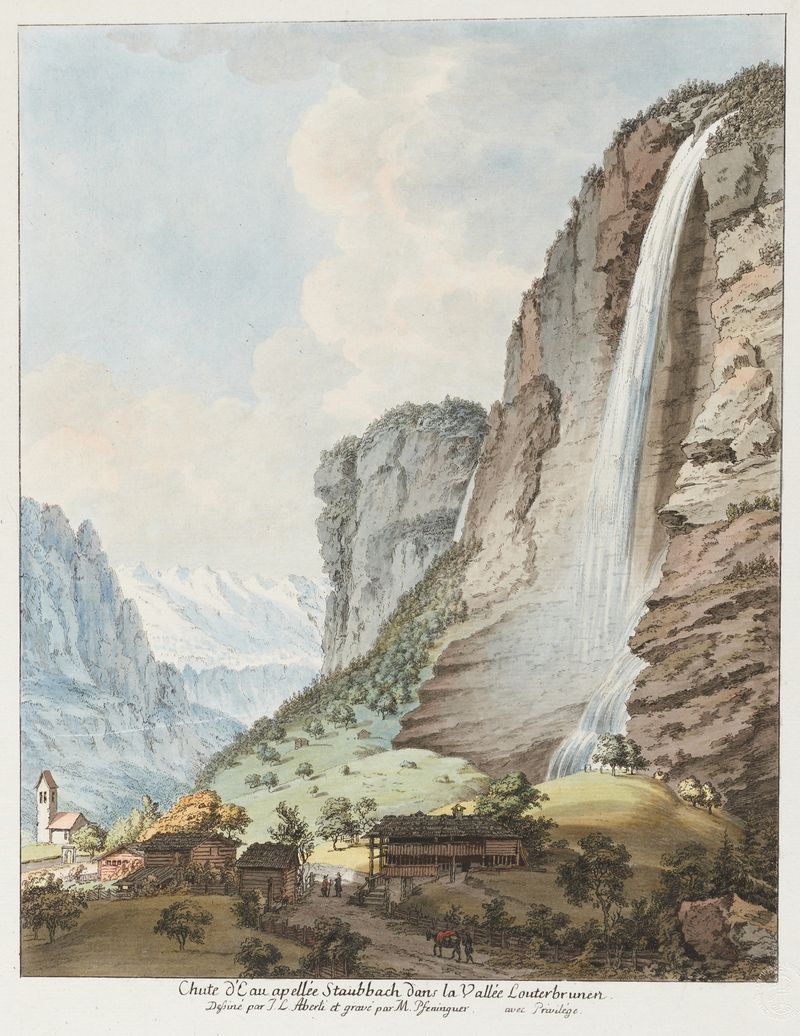
Chute d’Eau apellée Staubbach dans la Vallée Louterbrunnen
Johann Ludwig Aberli
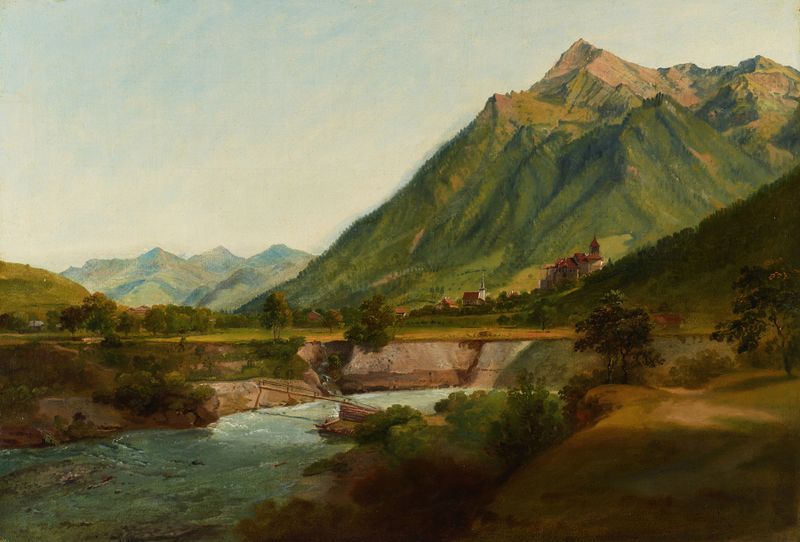
Vue du Château de Wimmis et des environs
Johann Ludwig Aberli
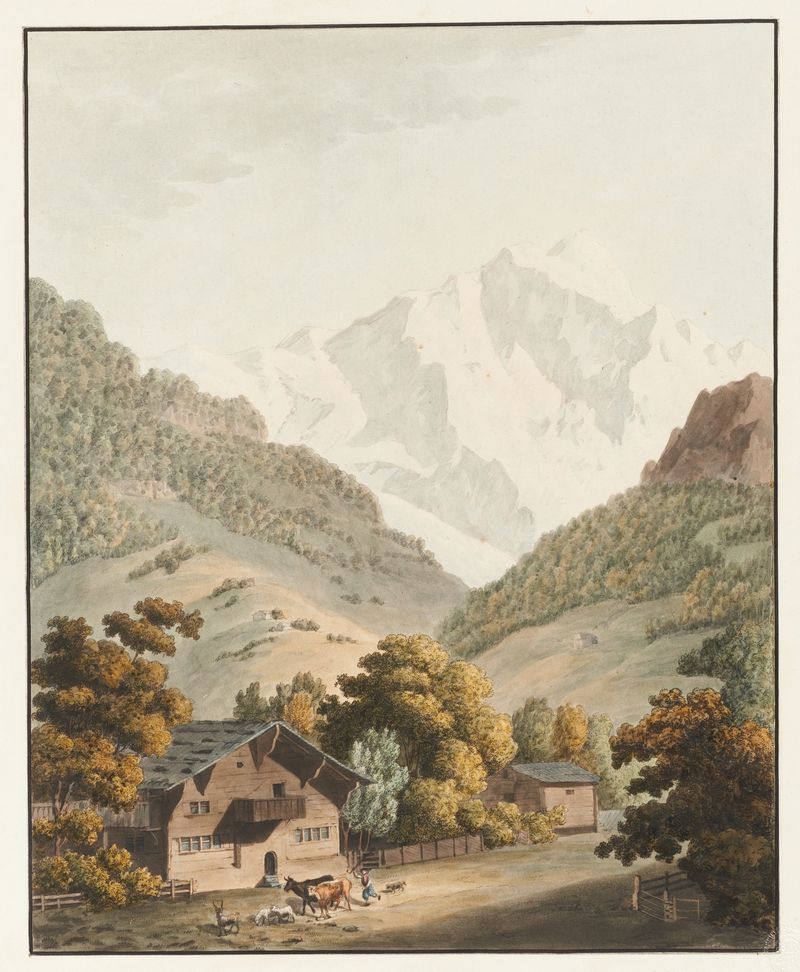
Vue du Jungfrau-Horn
Johann Ludwig Aberli
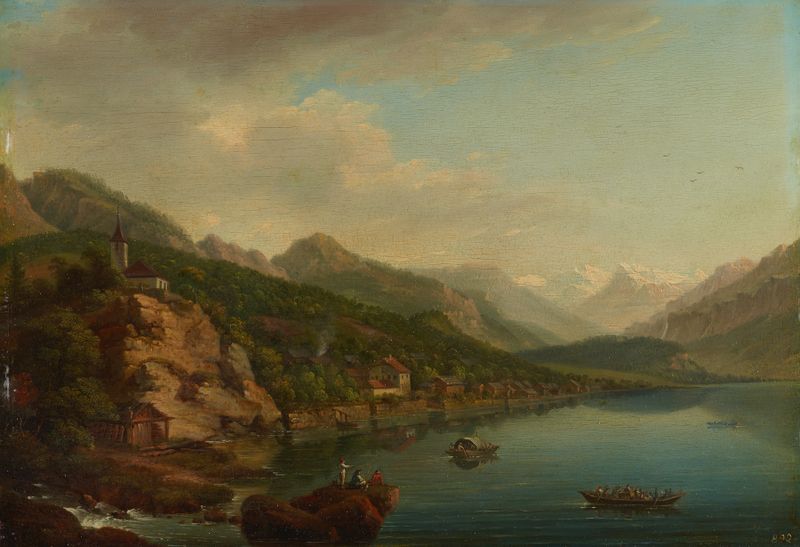
Vue du Village et du Lac de Brientz
Johann Ludwig Aberli





