
An Actor on Stage — History & Facts
What if beauty was never meant to be finished? In the fleeting moments of performance, art awakens something eternally resonant within us. Look closely at the figure poised at the center of this work. The actor, adorned in a vibrant kimono, captures the viewer's gaze with an outstretched hand, as if inviting us into the very essence of the unfolding drama. Notice how the rich colors of the fabric contrast with the muted background, drawing our attention to the intricate patterns that tell stories of their own.
The delicate brushwork speaks to a mastery of technique, capturing not just the visual but the emotional pulse of the moment. Beneath the surface, the painting reveals a world of contrasts. The actor's expression oscillates between concentration and exuberance, symbolizing the duality of performance: the public facade versus the private self. The stillness of the stage is punctuated by the dynamic energy radiating from the performer, igniting a sense of anticipation in the viewer.
The ethereal interplay of light and shadow further enhances this tension, suggesting that every moment is both ephemeral and eternal. Created during the Edo period, between 1720 and 1730, this artwork reflects a significant transformation in Japanese culture, where theater flourished as a prominent art form. The artist, though unknown, contributed to the ukiyo-e tradition, capturing not only the performing arts but also the vibrant life of urban Edo. It was a time of flourishing creativity, as artists began to explore new themes and styles, inviting audiences to experience the beauty of fleeting moments.
More Artworks by Unknown Artist
Browse all →
Ridder, Dood en Duivel
Unknown Artist
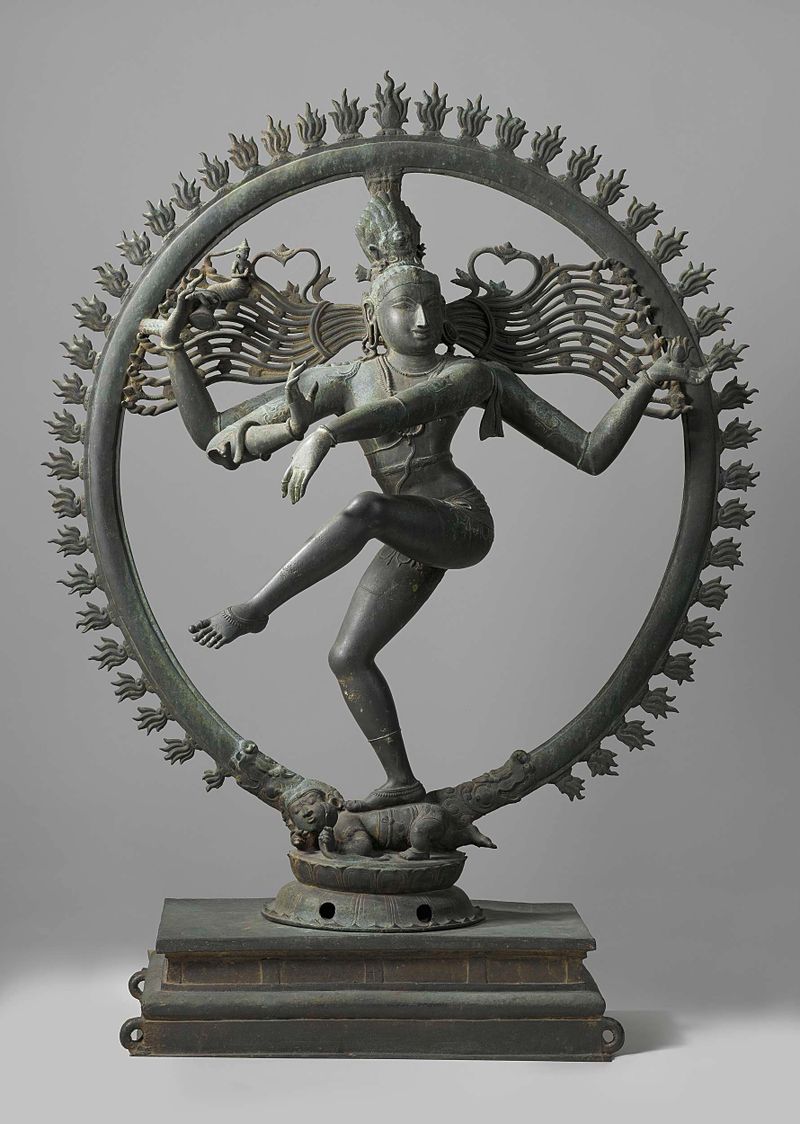
Shiva Nataraja
Unknown Artist
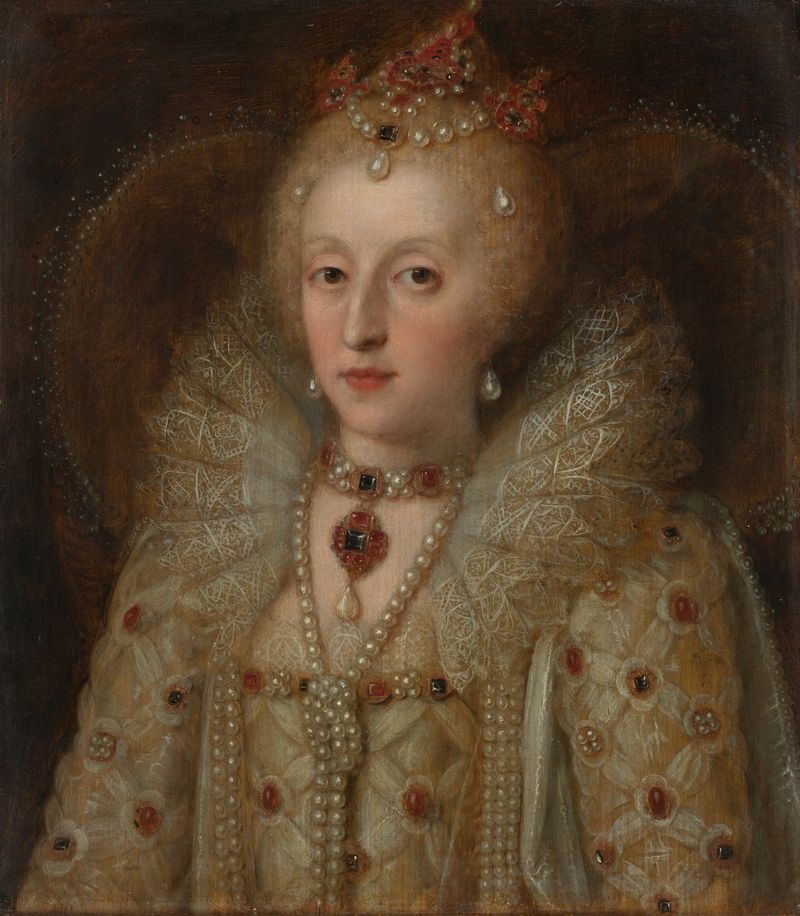
Portrait of Elizabeth I, Queen of England
Unknown Artist
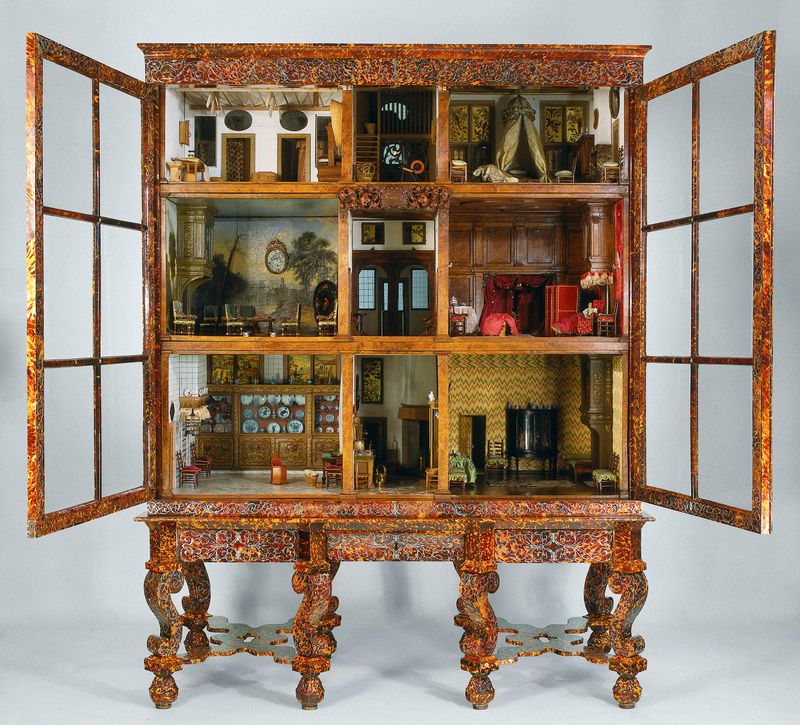
Dolls’ house of Petronella Oortman
Unknown Artist
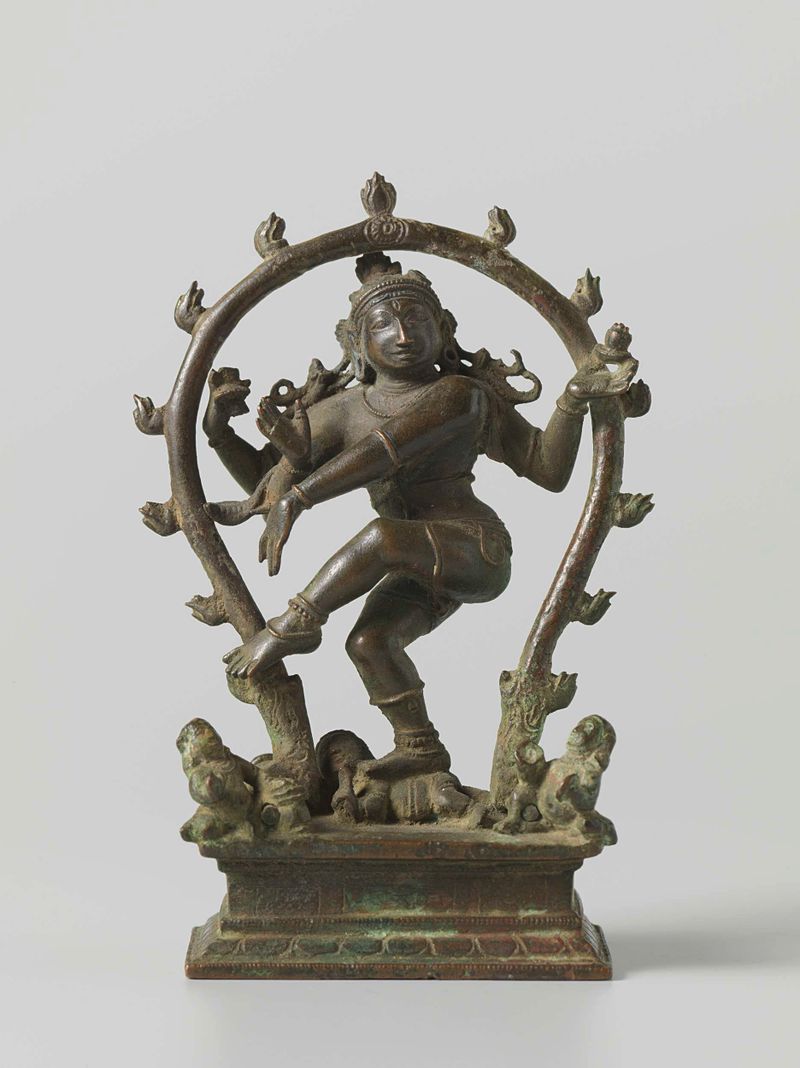
Shiva Nataraja
Unknown Artist

The Tale of Genji
Unknown Artist

The Tale of Genji
Unknown Artist

Cong
Unknown Artist
The bodhisattva Maitreya
Unknown Artist

Teabowl with a 'hare's fur' glaze
Unknown Artist





