
An Afternoon view of Snowy Woods — History & Facts
In its stillness, it captures the pulse of creation, an invitation to explore the intersection of nature and artistic expression. Look to the center of the canvas, where the tranquil white expanse of snow blankets the forest floor. The delicate brushwork reveals each crystalline flake, while the trees stand tall, their dark trunks and branches forming a striking contrast against the soft snowy backdrop. Notice the gentle play of light filtering through the branches, casting ethereal shadows that dance across the ground, inviting you to step into the serene embrace of this winter wonderland. As you delve deeper, consider the emotional tension between the stillness of the scene and the subtle movement suggested by the bending branches and whispering winds.
There’s a quiet beauty in the isolation, yet it speaks to the bond between humanity and nature, a reminder of fleeting moments in time. Each tree and tuft of snow seems to hold a story, embodying both the harshness and tranquility of winter. The artwork evokes a contemplative state, encouraging introspection and a connection to the cycles of life and creation. During the period around 1880 to 1936, the artist found himself immersed in the Dutch landscape, inspired by the natural world that surrounded him.
As he painted An Afternoon View of Snowy Woods, he was part of the broader Romantic tradition that sought to capture nature’s fleeting beauty. The era was marked by a growing appreciation for plein air painting, allowing the artist to forge a connection with his environment while reflecting the artistic shifts of his time.
More Artworks by Louis Apol
Browse all →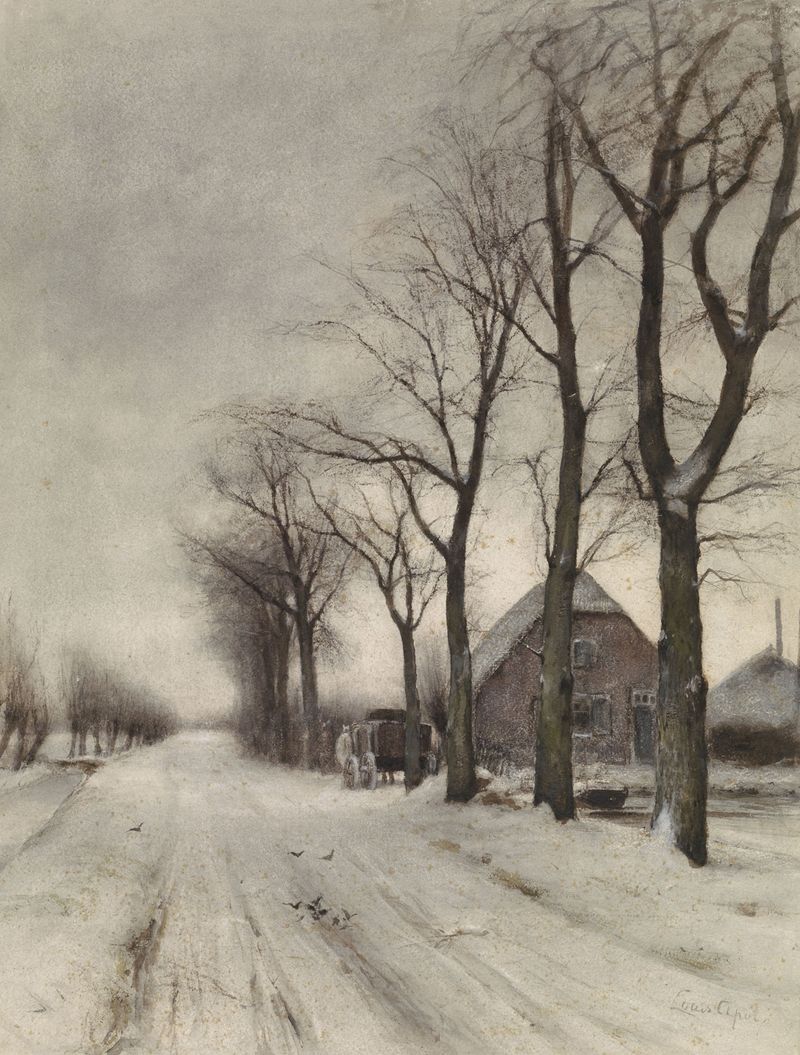
Winterlandschap met boerderij aan een laan
Louis Apol

Winterlandschap met huizen aan een vaart
Louis Apol

A snow covered path in winter
Louis Apol
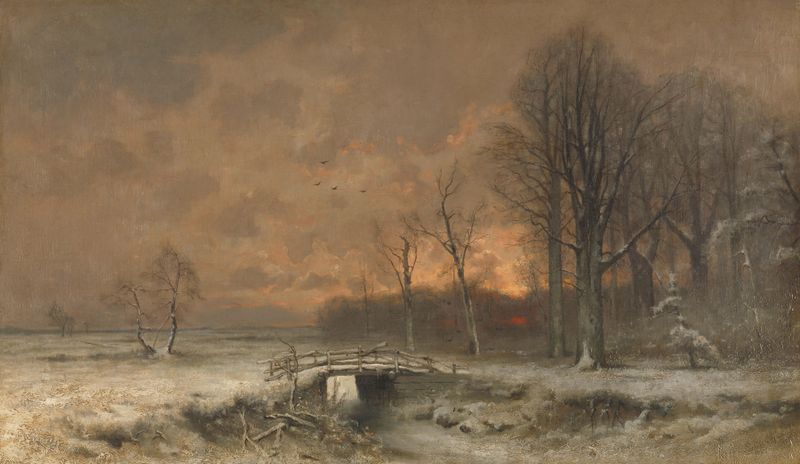
Winter Scene with the Sun Setting Behind Trees
Louis Apol
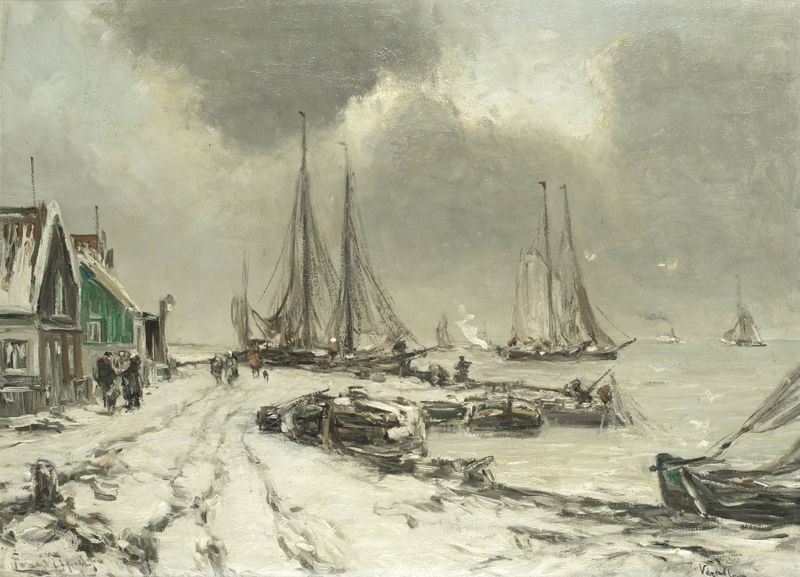
Volendam
Louis Apol
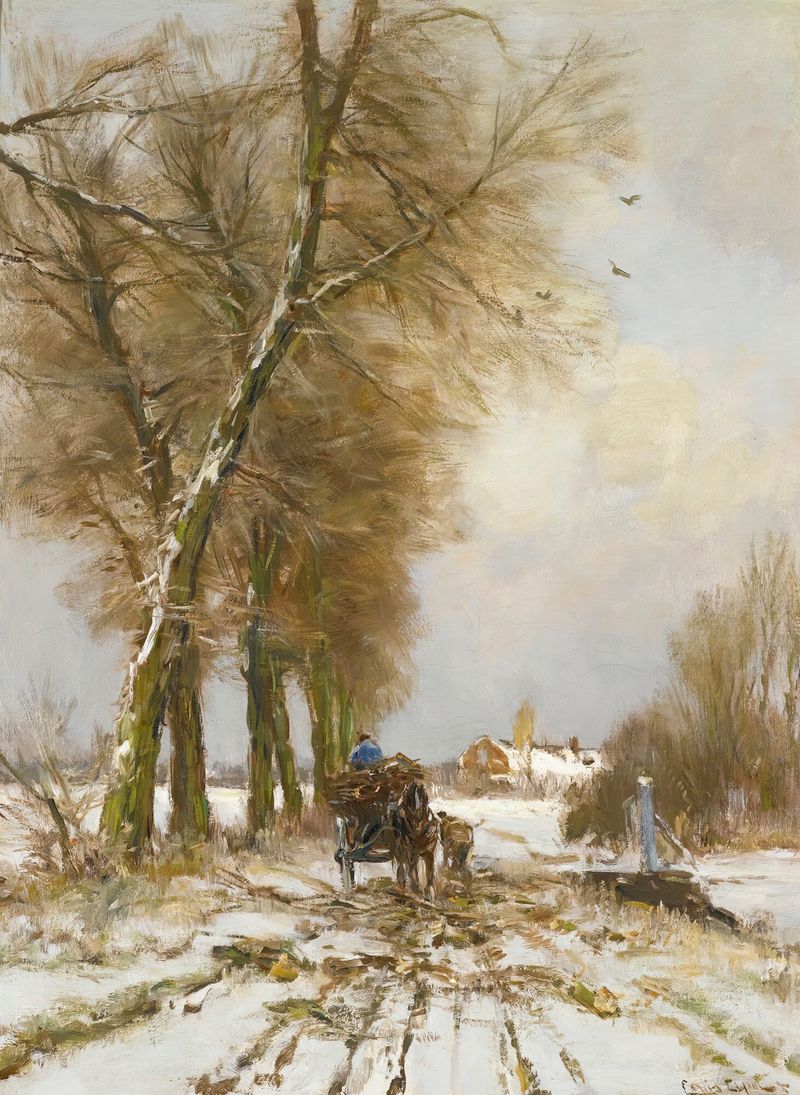
Figures On A Snowy Path
Louis Apol
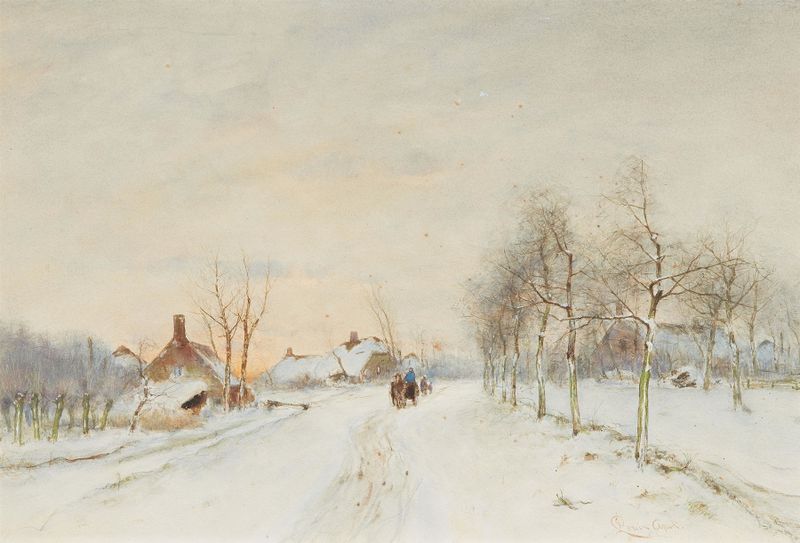
Winterlandschaft
Louis Apol

A January Evening in the Woods of The Hague
Louis Apol
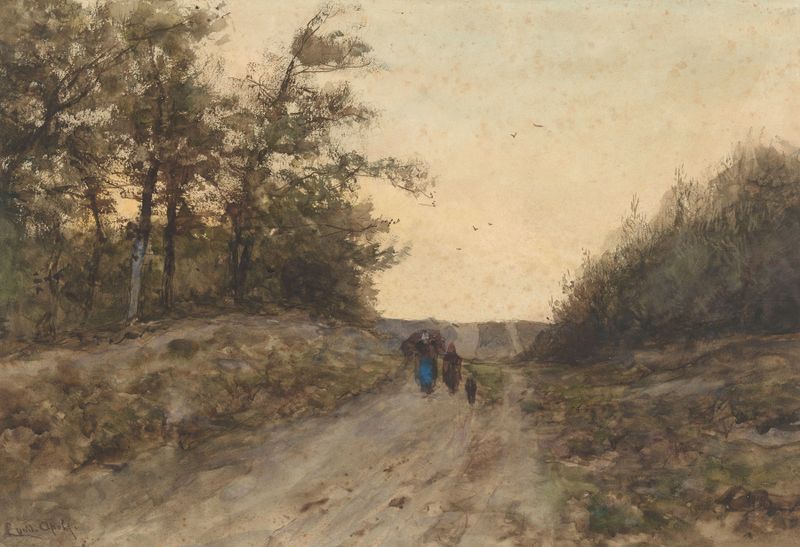
Landschap met figuren op een landweg
Louis Apol
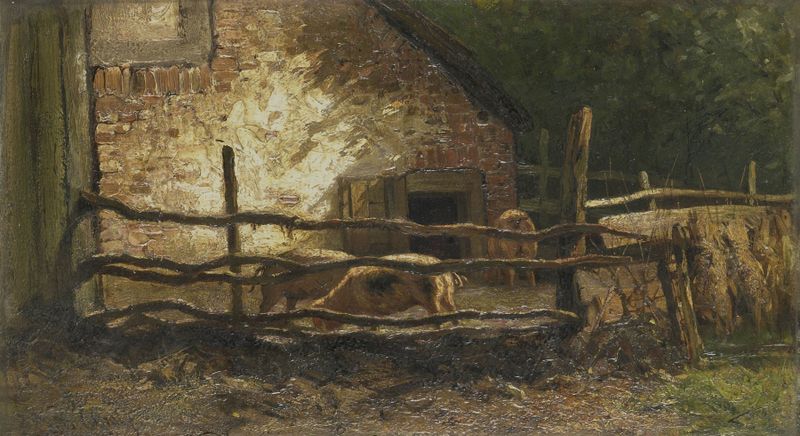
Pigs in a Sty
Louis Apol





