
Volendam — History & Facts
In the delicate interplay of memory and melancholy, the essence of existence often finds its home in the quiet moments we capture. Look to the center of the canvas, where the quaint village of Volendam unfolds, its rooftops huddled close together against the encroaching dusk. The cool blue of the water contrasts with the warm, golden hues of the setting sun, casting long shadows that stretch across the foreground. The brushwork is both gentle and precise, allowing the viewer to feel the chill of the air and the whisper of a breeze that carries secrets of days gone by.
Each stroke invites contemplation, drawing the eye into a world that feels both familiar and elusive. Within this scene, a profound tension emerges between the tranquility of the village and the poignant sense of time slipping away. The stillness of the water mirrors the stillness of life, suggesting that beneath the serene surface, currents of change are always at play. The soft outlines of the boats, seemingly anchored in their tasks, evoke a sense of nostalgia, reminding us of fleeting moments and lives lived on the cusp of remembrance.
The overall atmosphere resonates with a melancholic beauty, where every detail serves as a vessel for lost time. The artist, active during the late 19th century, created Volendam during a period marked by significant developments in Dutch landscape painting. As the Impressionist movement took root, capturing changing light and atmosphere became paramount. Apol's work reflects a transitional phase in the art world, balancing traditional techniques with the emerging modern sensibility, all while he navigated the personal and artistic influences that shaped his interpretation of rural life.
More Artworks by Louis Apol
Browse all →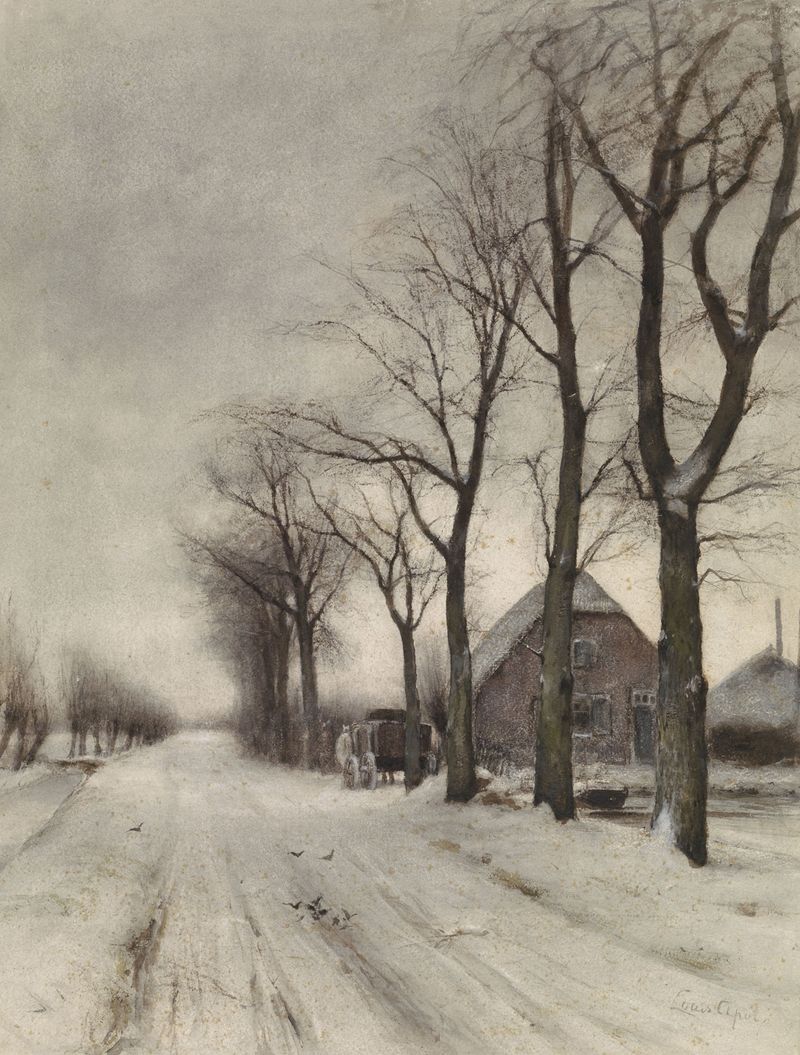
Winterlandschap met boerderij aan een laan
Louis Apol

Winterlandschap met huizen aan een vaart
Louis Apol

A snow covered path in winter
Louis Apol
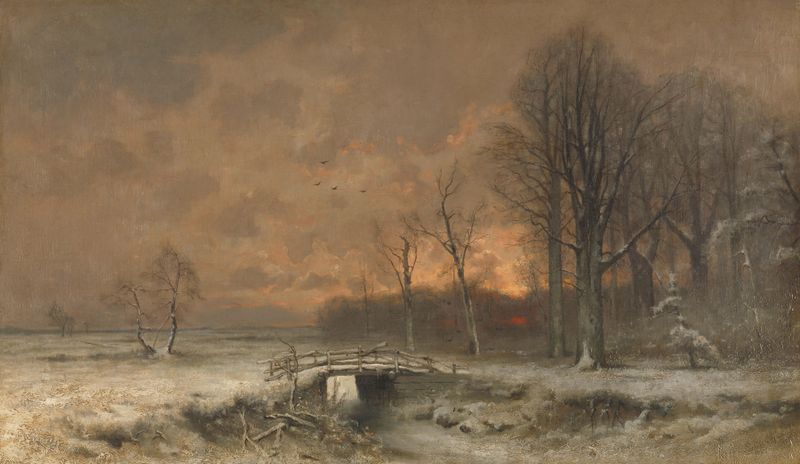
Winter Scene with the Sun Setting Behind Trees
Louis Apol
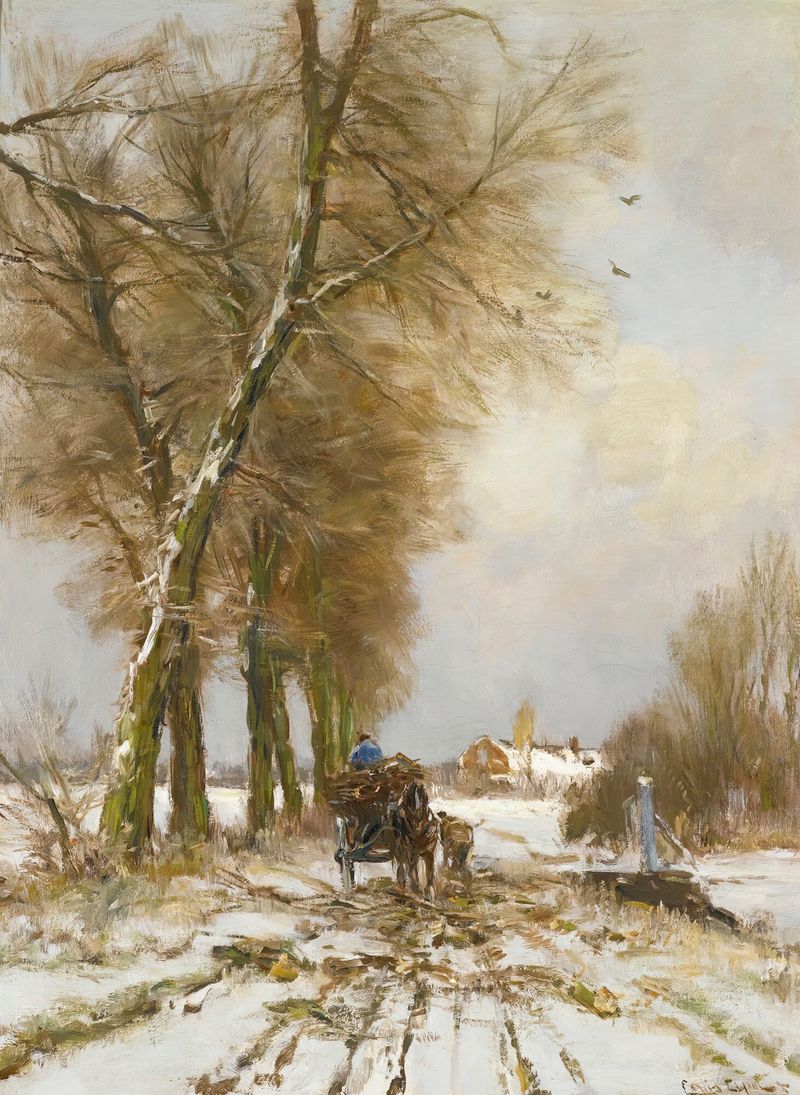
Figures On A Snowy Path
Louis Apol
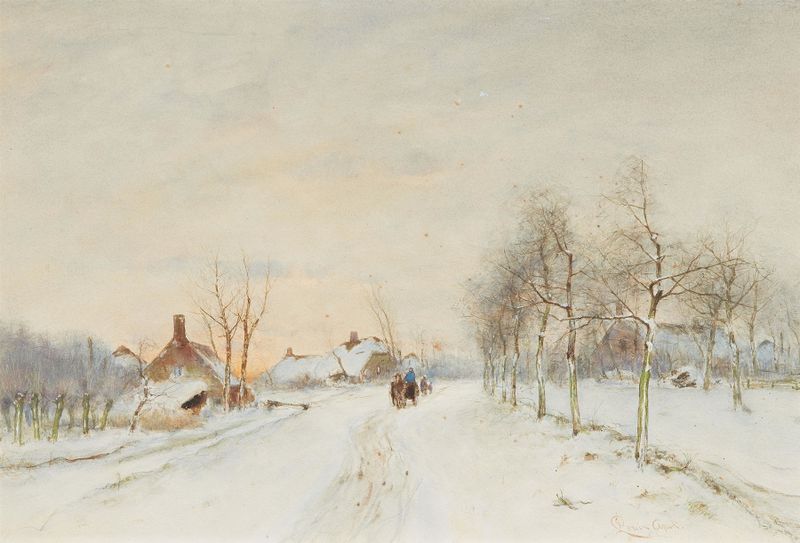
Winterlandschaft
Louis Apol

A January Evening in the Woods of The Hague
Louis Apol
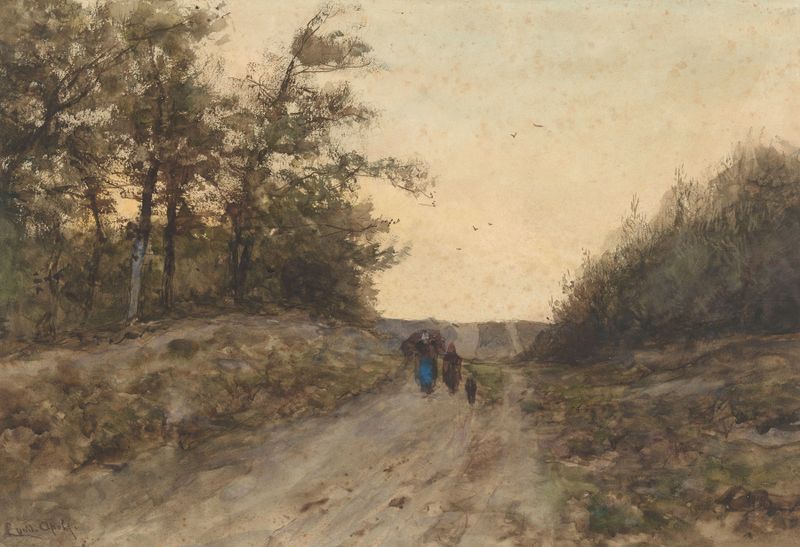
Landschap met figuren op een landweg
Louis Apol
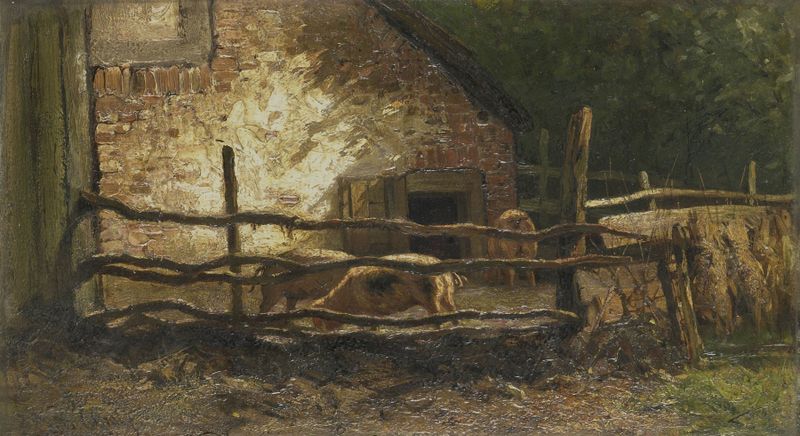
Pigs in a Sty
Louis Apol
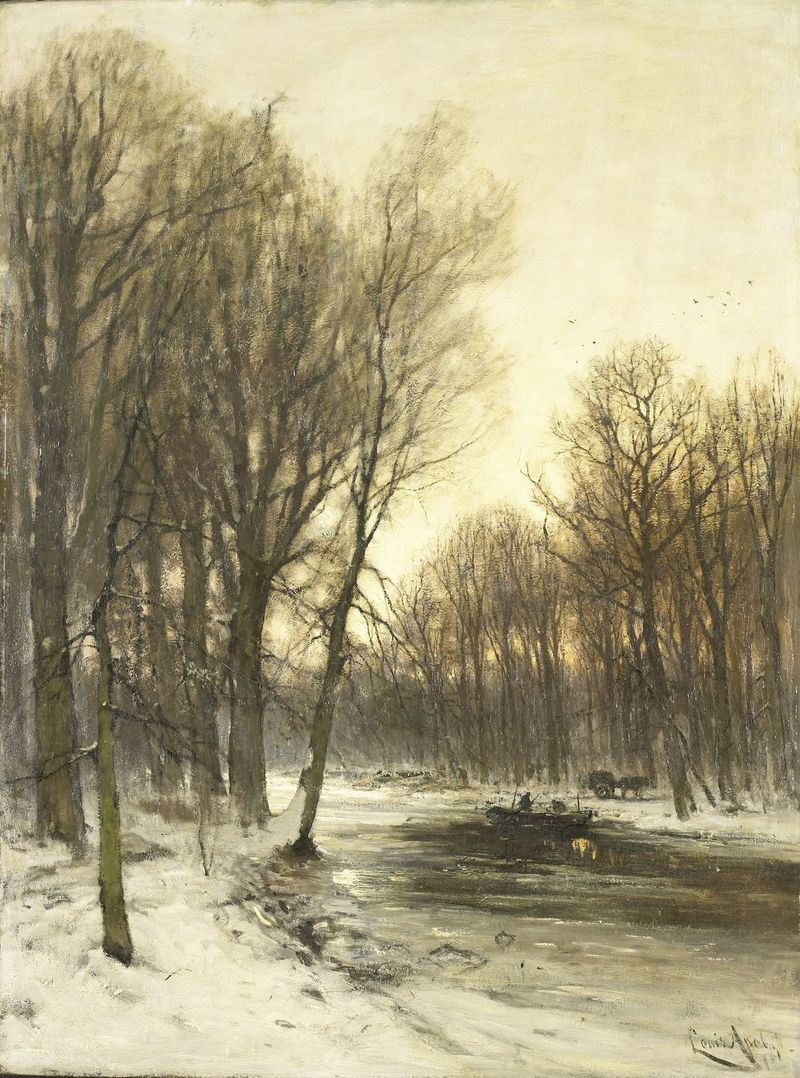
An Afternoon view of Snowy Woods
Louis Apol





