
An Album Page with a Battle Scene from Borzunama — History & Facts
The dust hangs heavy in the air as warriors clash in a fierce battle, the sound of swords ringing out like a desperate symphony. Brightly clad figures are caught mid-action, their faces etched with determination and fear, while the chaos draws the eye to the vivid colors of their garments. Sunlight streams through the haze, illuminating the fierce intensity of the moment and casting long shadows that add to the scene's palpable tension. Look to the center of the painting, where the primary clash unfolds.
Notice how the artist has skillfully arranged the figures to create a dynamic sense of motion; their limbs outstretched as if frozen in a single heartbeat. The vibrant reds and blues of the warriors’ attire contrast starkly with the muted earth tones of the battlefield, emphasizing the fragility of life amidst the violence. As your gaze shifts across the canvas, the intricate details of armor and weaponry invite closer inspection—each brushstroke a testament to meticulous craftsmanship. Yet beneath the surface of this chaos lies a deeper narrative.
The juxtaposition of the warriors' fierce resolve against the sprawling, desolate background speaks to the transience of power and glory—how quickly honor can slip through one’s fingers. The delicacy of the flowers patterned in the borders serves as a poignant reminder of life's fragility amidst the brutality of conflict, suggesting that even in the throes of battle, beauty and tenderness can exist simultaneously. Created during the 16th century, this work emerged within the context of the Safavid dynasty, a time marked by cultural flourishing in Persia. The artist, emerging at a time of political strife yet artistic renaissance, poured their passion into capturing these moments of valor and humanity.
The painting reflects not only the tumultuous spirit of its era but also the intricate interplay between conflict and beauty that characterizes Islamic art of the time.
More Artworks by Islamic

Layla Visiting Majnun in the Desert, page from a copy of the Khamsa of Nizami
Islamic
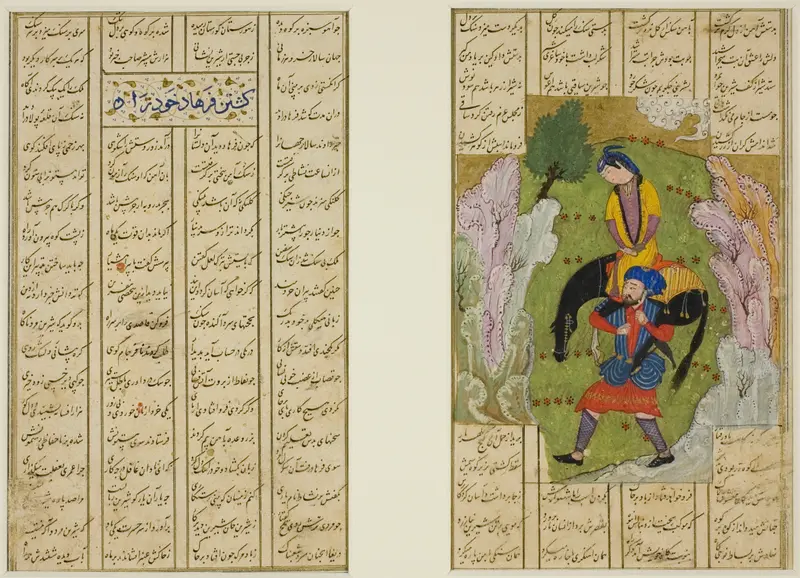
Farhad Carrying Shirin and Her Horse, from a copy of the Khamsa of Nizami
Islamic
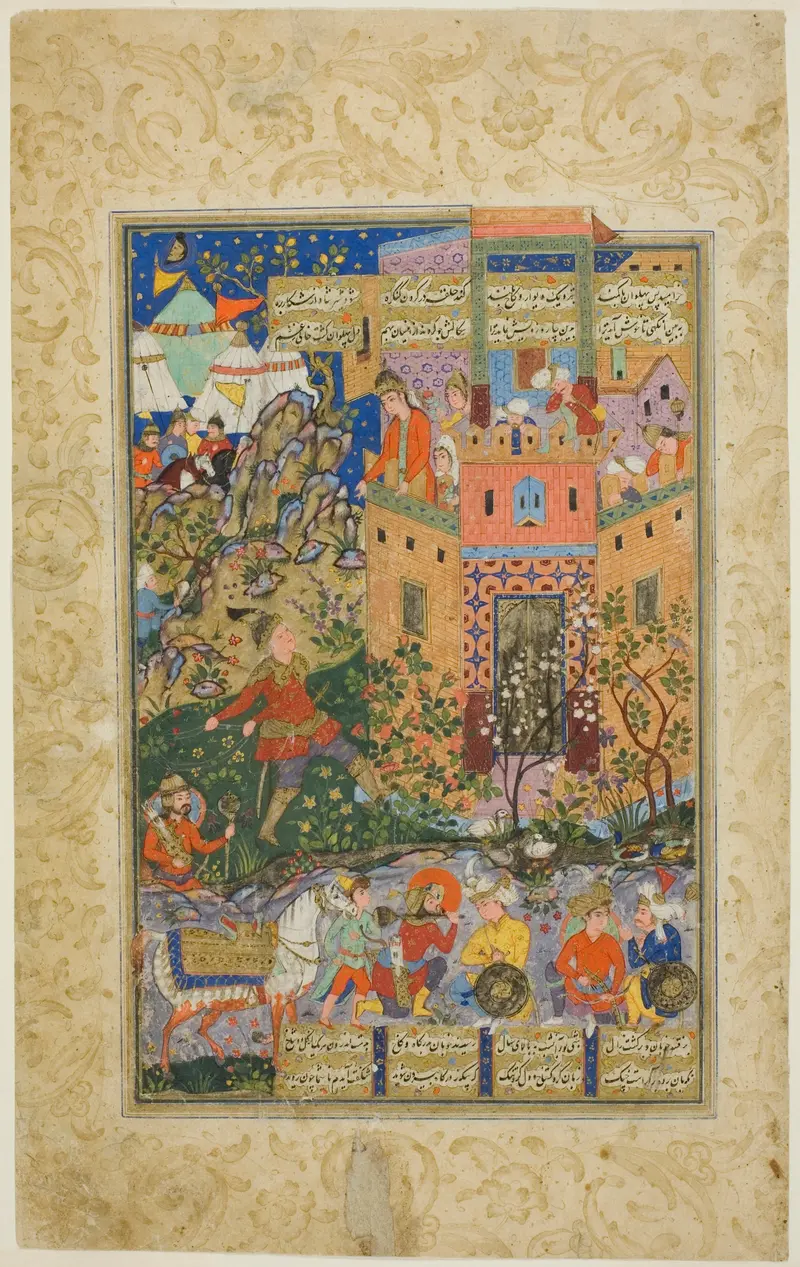
Zal Climbing to Rudaba, page from a copy of the Shahnama of Firdausi
Islamic
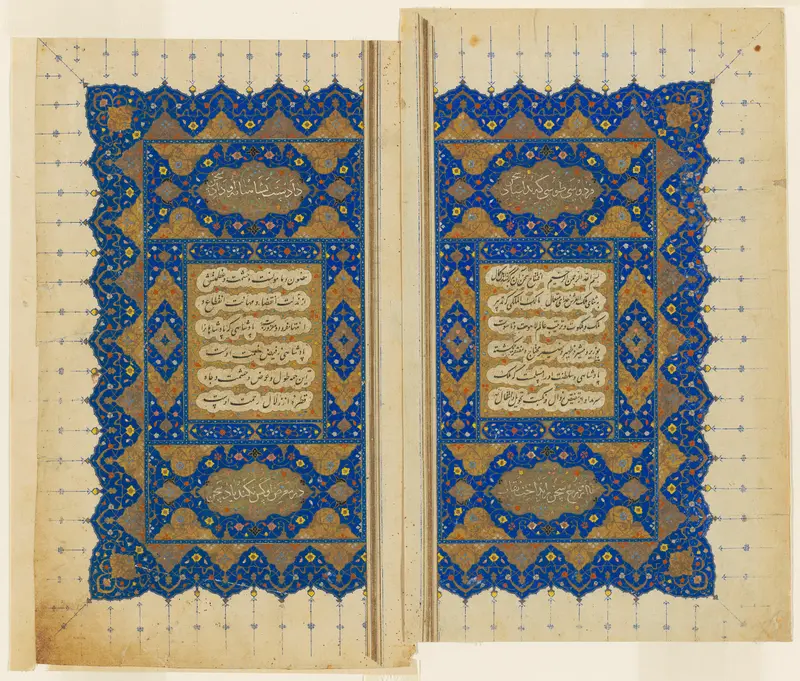
Double Title Page of a copy of the Shahnama of Firdausi
Islamic

The Ascent of the Prophet to Heaven, Page from the Khamsa of Nizami
Islamic
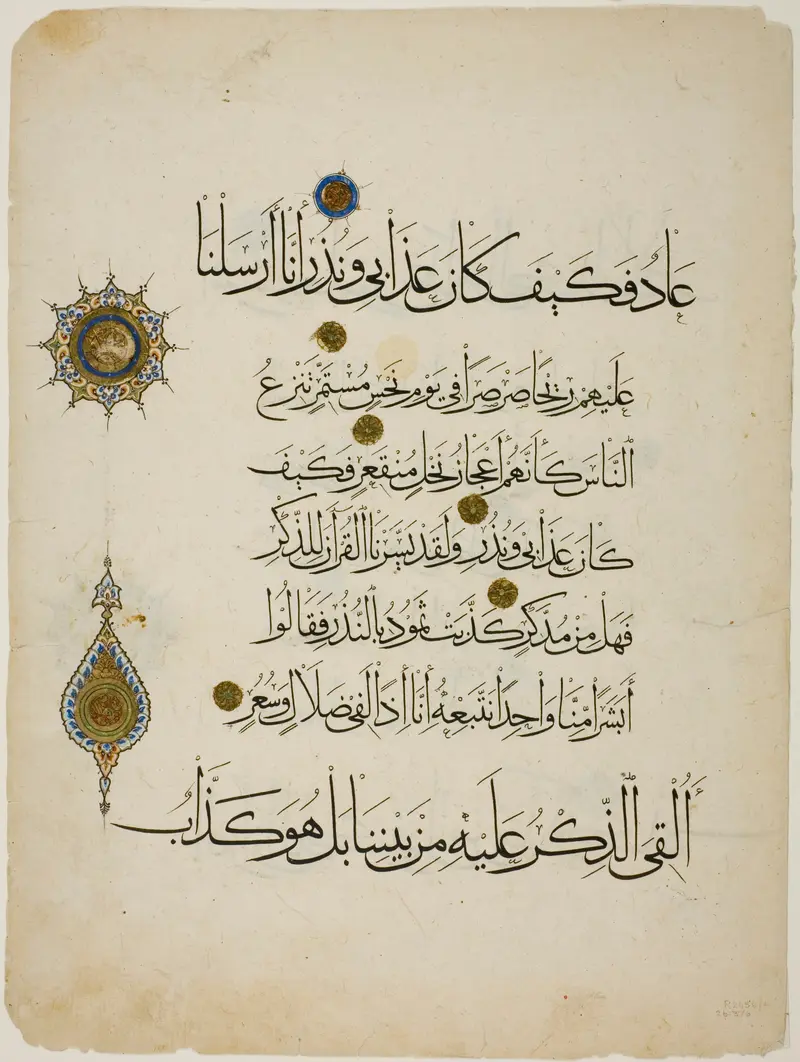
Qur'an Manuscript in Muhaqqaq
Islamic
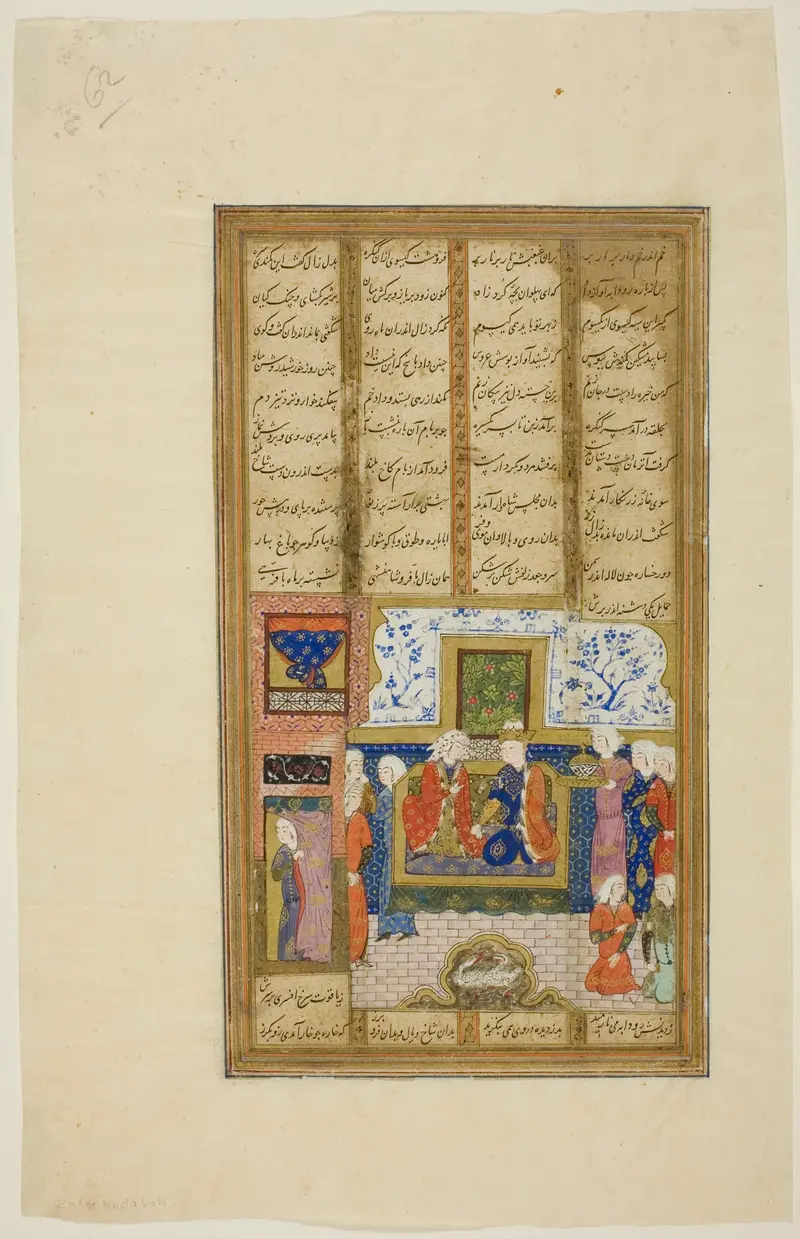
Zal and Rudaba in a Palace, page from a copy of the Shahnama of Firdausi
Islamic
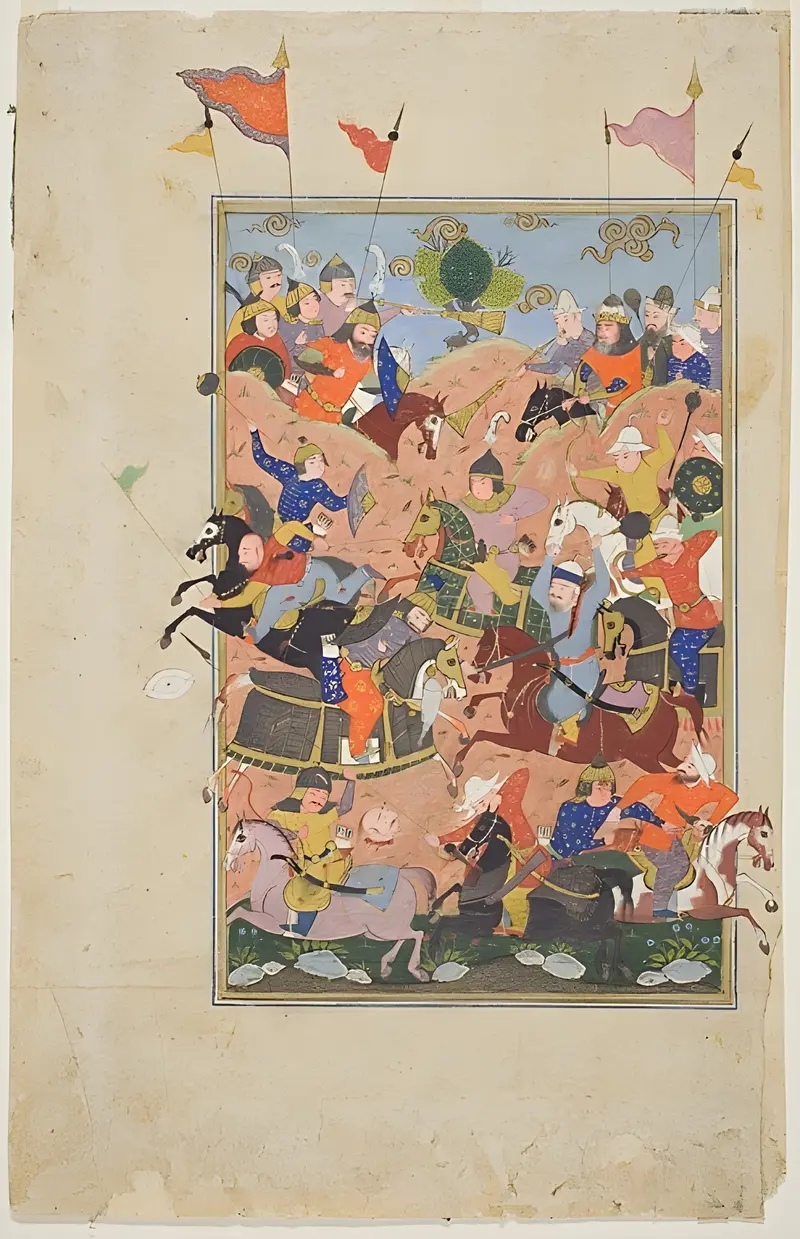
A Battle Scene from a Shahnama Manuscript
Islamic
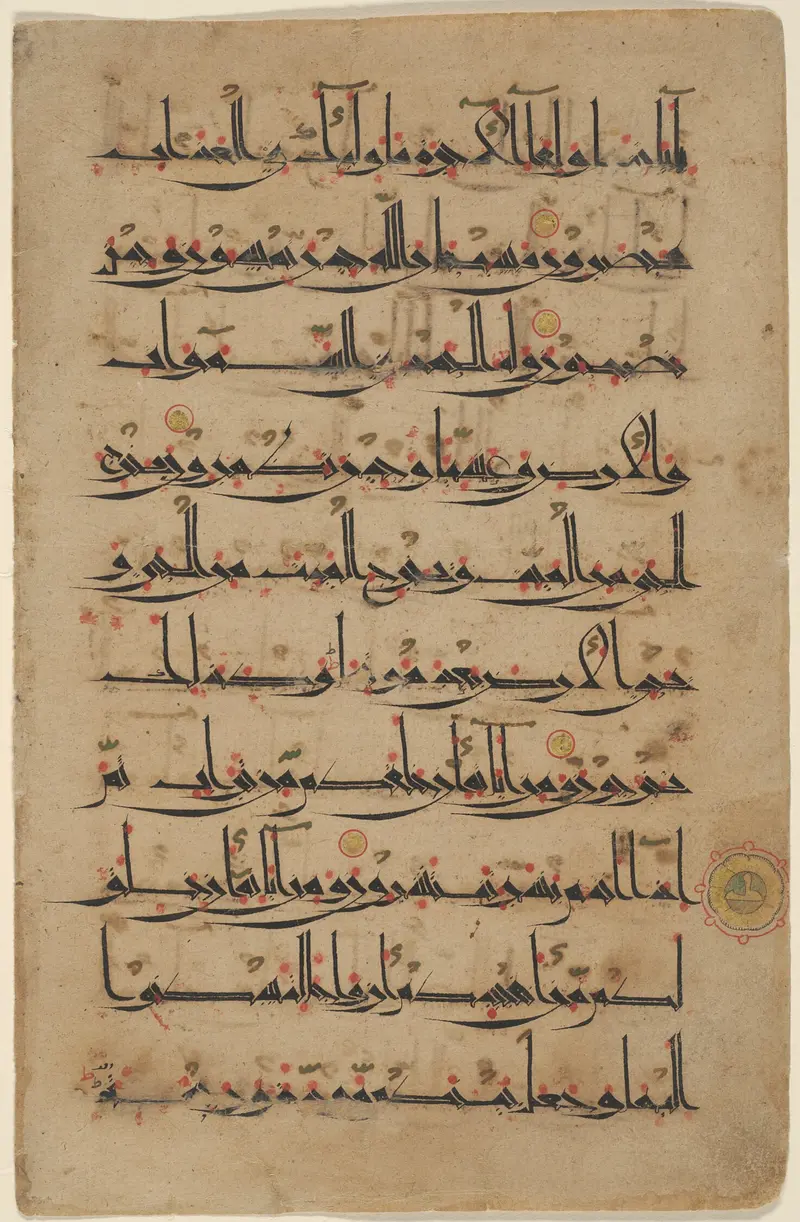
Qur'an leaf in Eastern Kufic script
Islamic
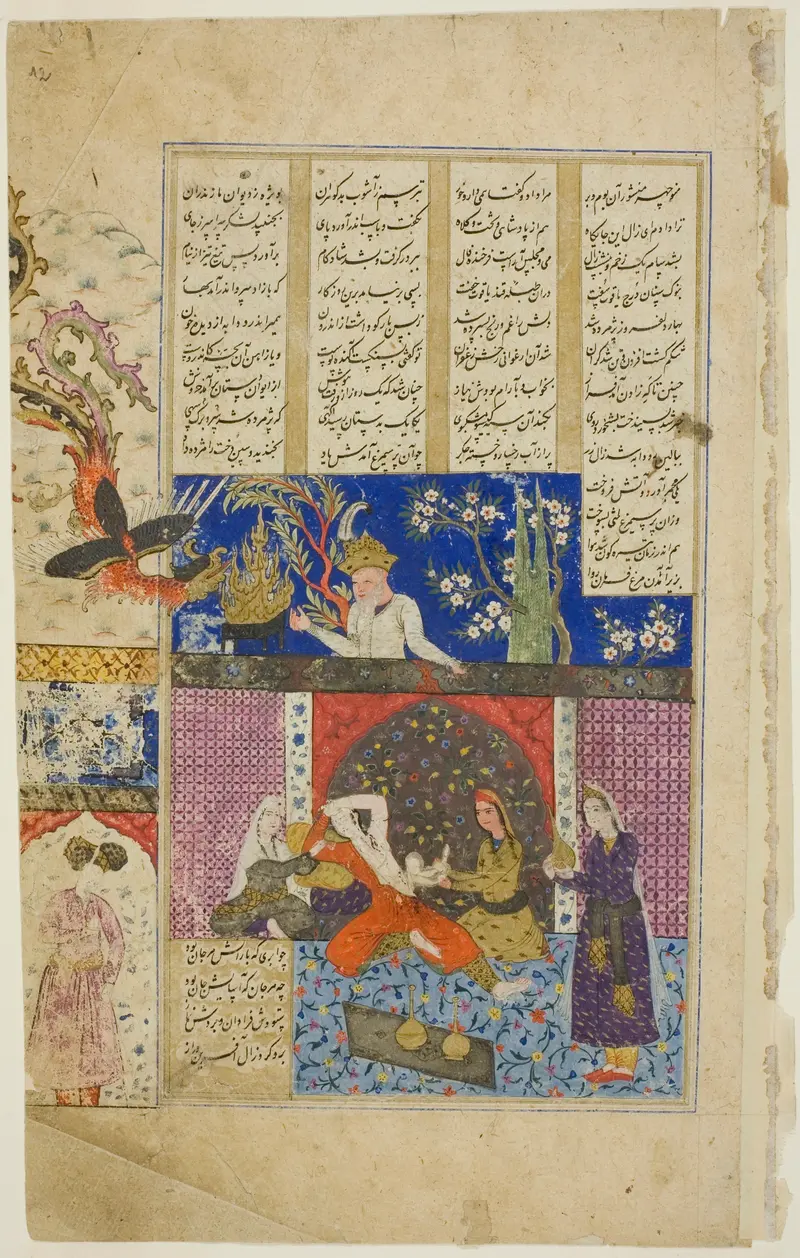
The Birth of Rustam, page from a copy of the Shahnama of Firdausi
Islamic





