
Discover insights about this artwork
An Allegory Of Spring — History & Facts
In An Allegory of Spring, Sebastian Vrancx presents a lively scene filled with vibrant colors. The painting features figures adorned in floral garments, symbolizing the arrival of spring. A lush landscape serves as the backdrop, with blooming flowers and greenery enhancing the joyful atmosphere.
The overall composition conveys a sense of celebration and renewal. The painting is executed in oil on panel, a common medium during the Dutch Golden Age. Vrancx employs a rich palette, utilizing bright greens, yellows, and pinks to evoke the essence of spring. The figures are depicted with intricate details, showcasing the artist's skill in rendering textures and fabrics.
The balance of light and shadow adds depth to the scene, enhancing its vibrancy. Sebastian Vrancx was a notable Flemish painter known for his allegorical works. This painting, created in the early 1620s, reflects the themes of renewal and fertility associated with spring. An interesting fact about this work is that it was likely commissioned for a private collection, highlighting the demand for seasonal allegories in the 17th century.
Vrancx's ability to blend figures with nature exemplifies the harmony celebrated during this period.
More Artworks by Sebastian Vrancx
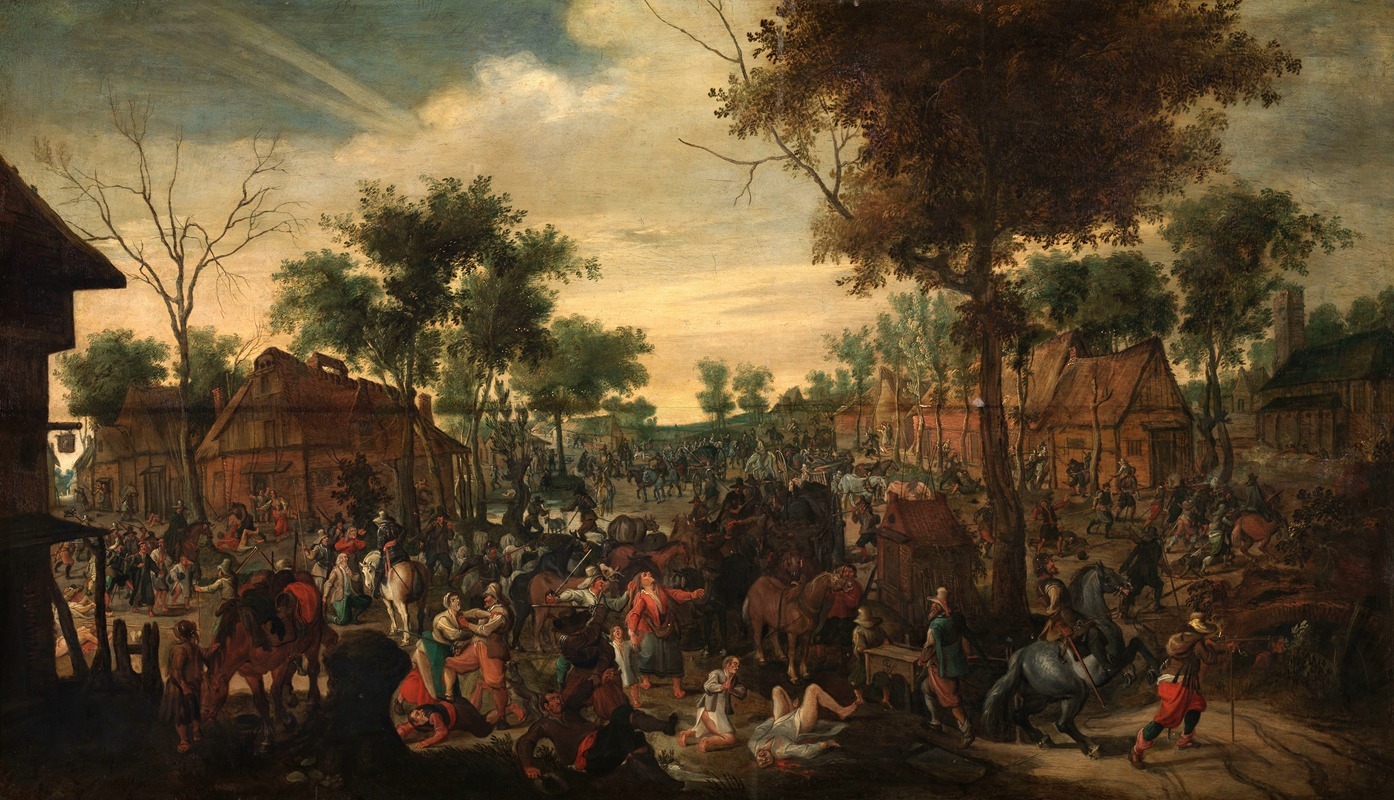
Plundering of a Hamlet
Sebastian Vrancx
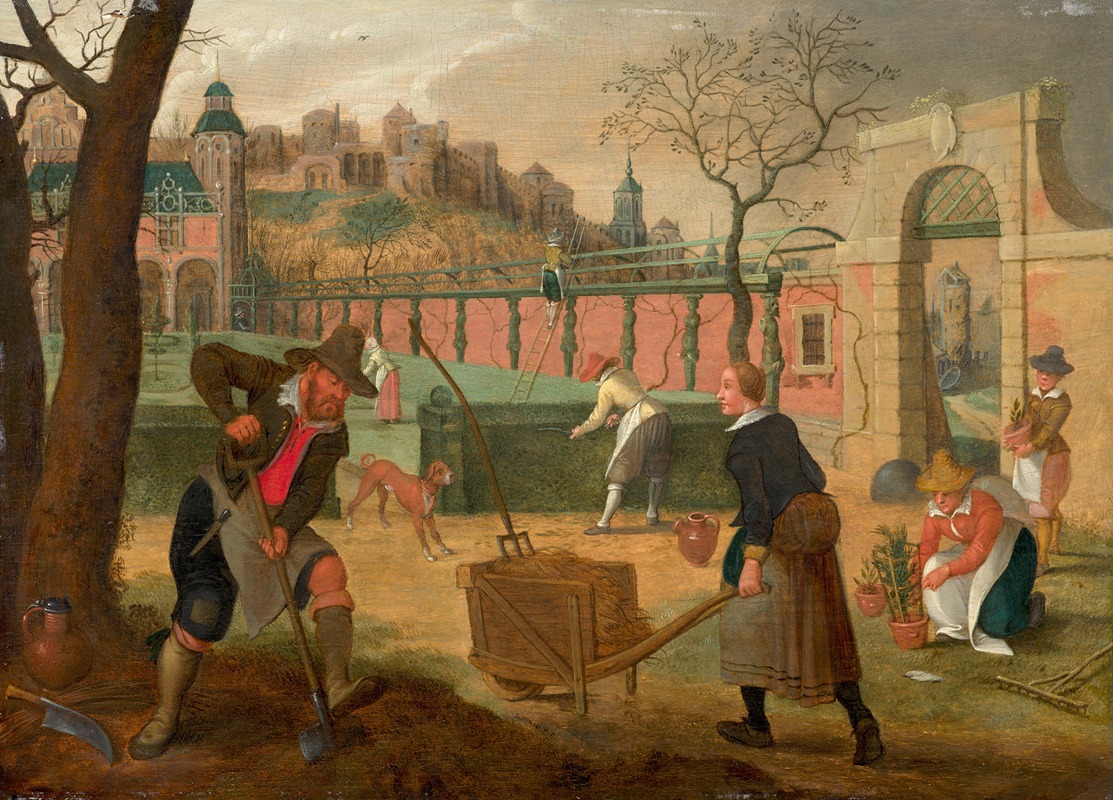
Spring or The month of March
Sebastian Vrancx
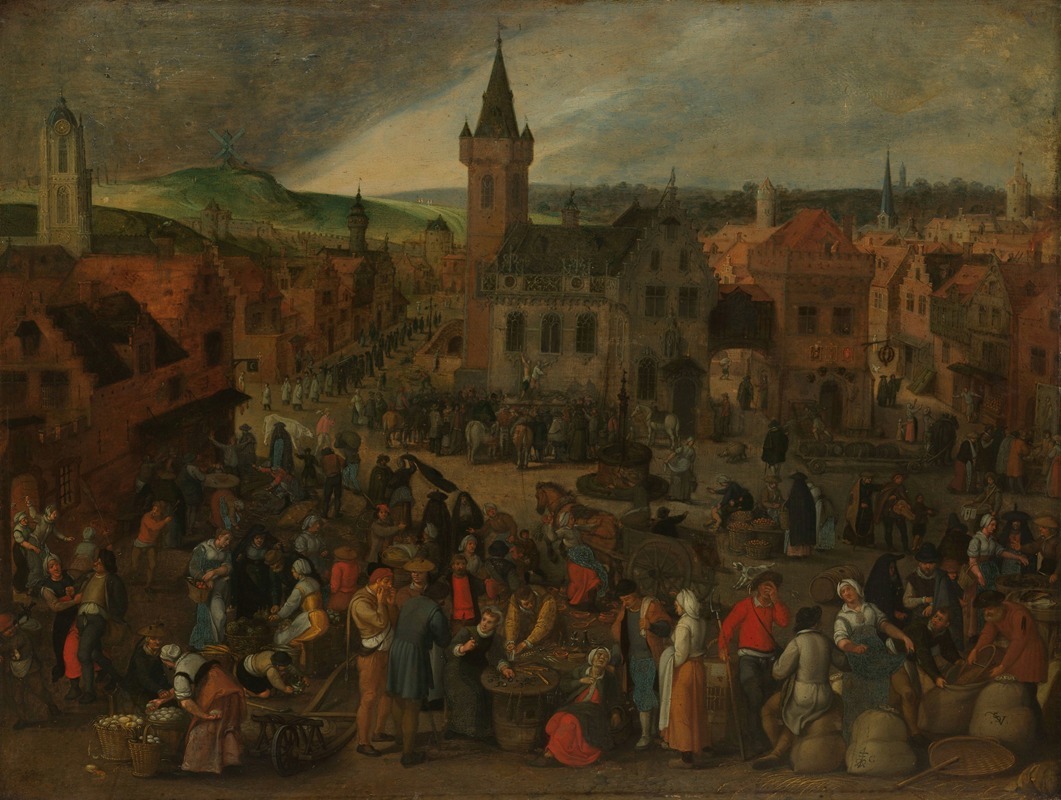
Market Day in a Flemish Town
Sebastian Vrancx
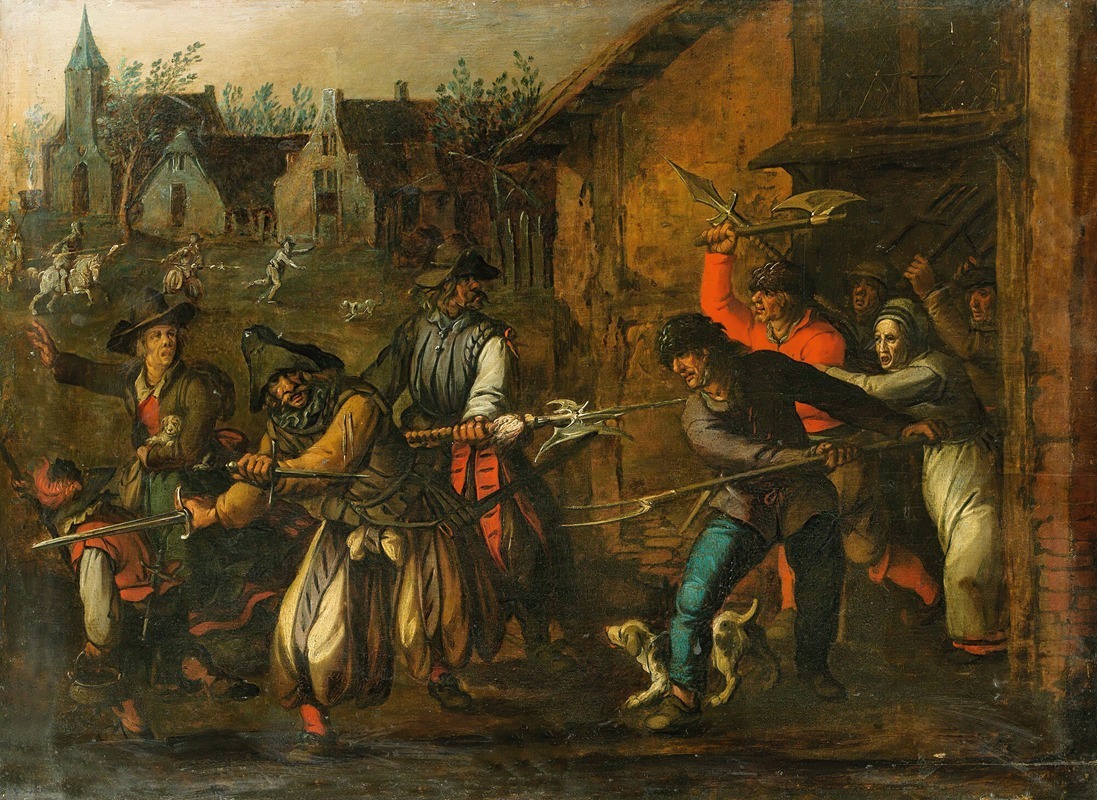
Pillage scene
Sebastian Vrancx
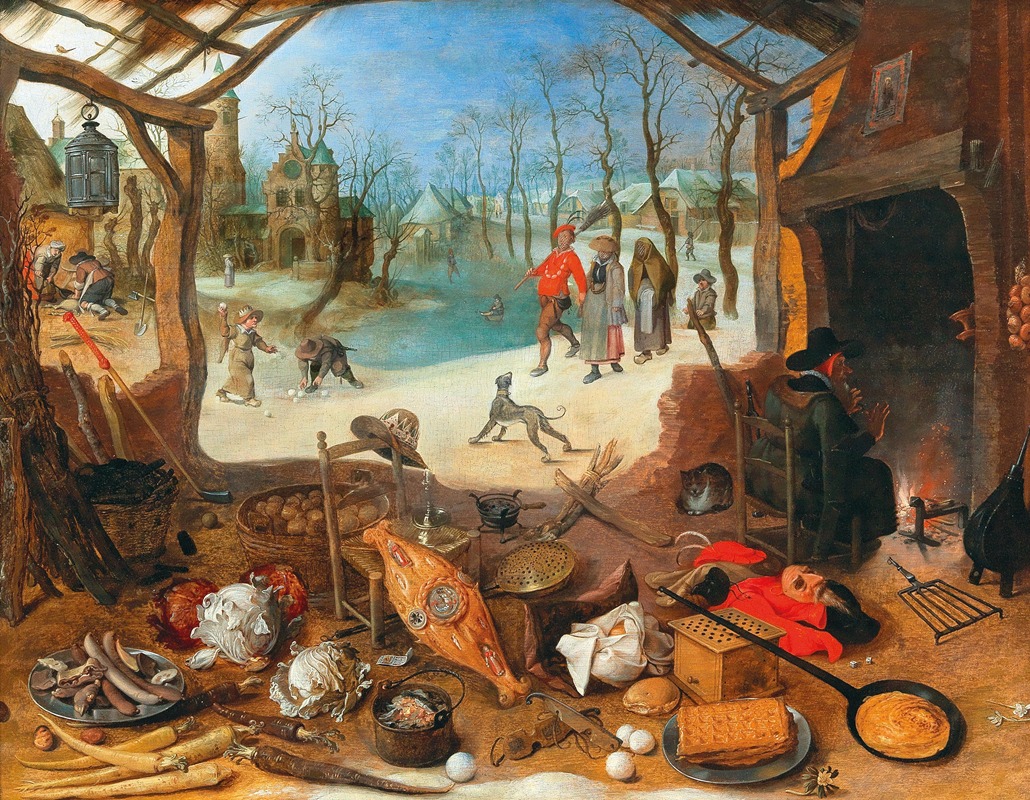
An Allegory of Winter
Sebastian Vrancx
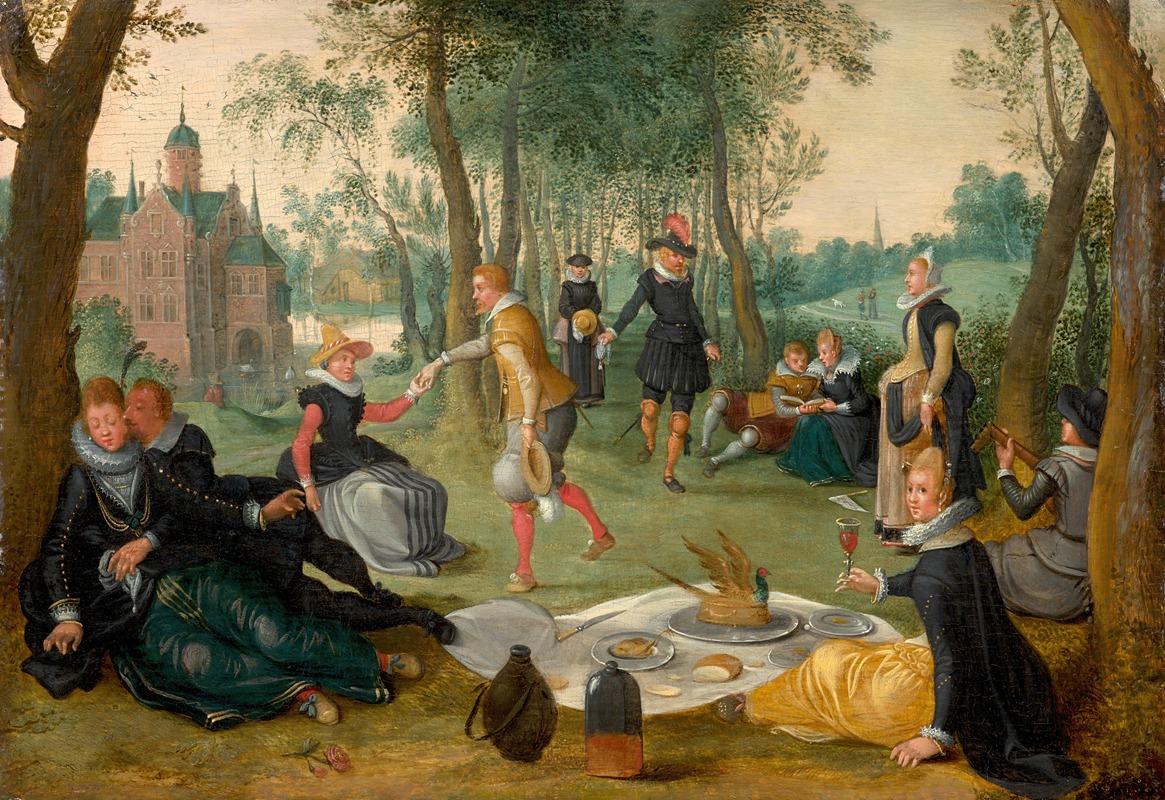
Elegant company having lunch in a landscape
Sebastian Vrancx
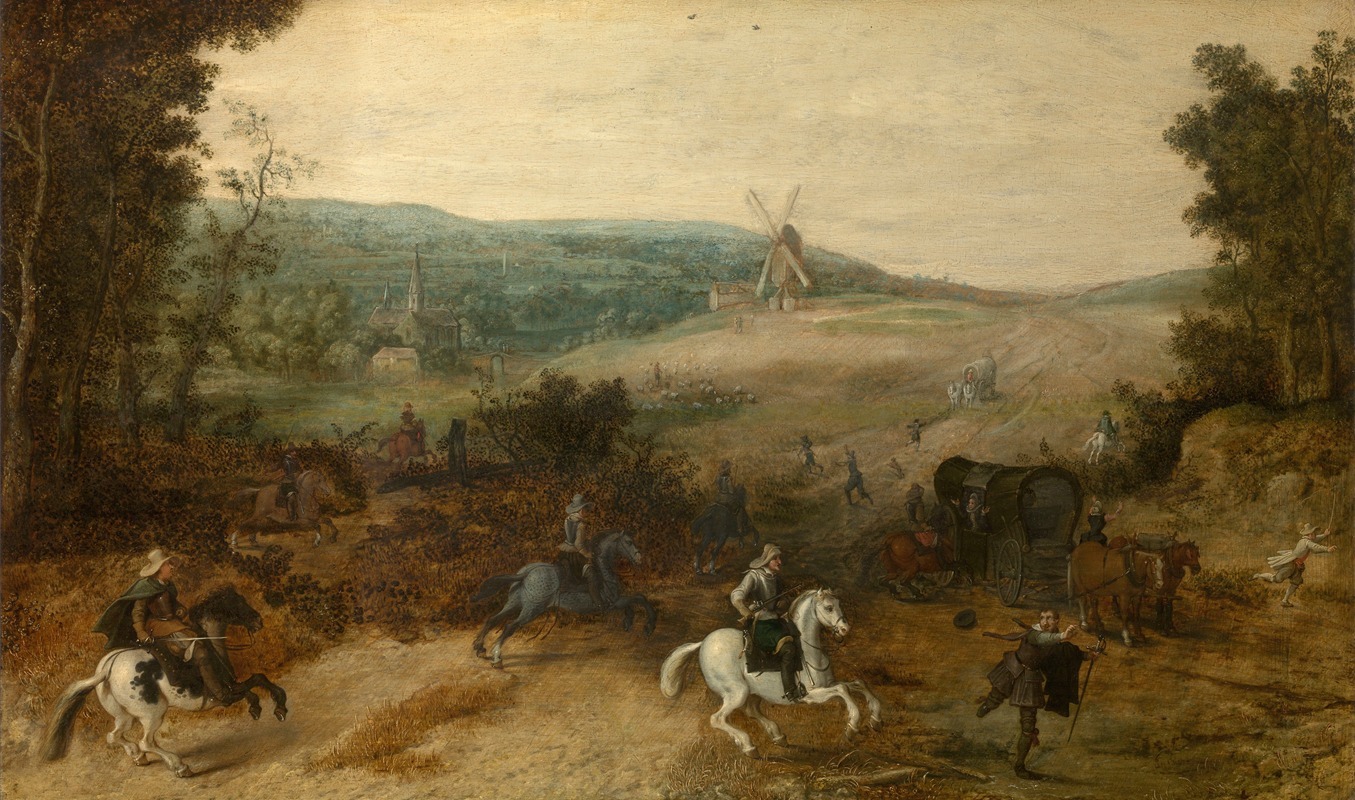
Landscape with Travellers Attacked by Robbers
Sebastian Vrancx
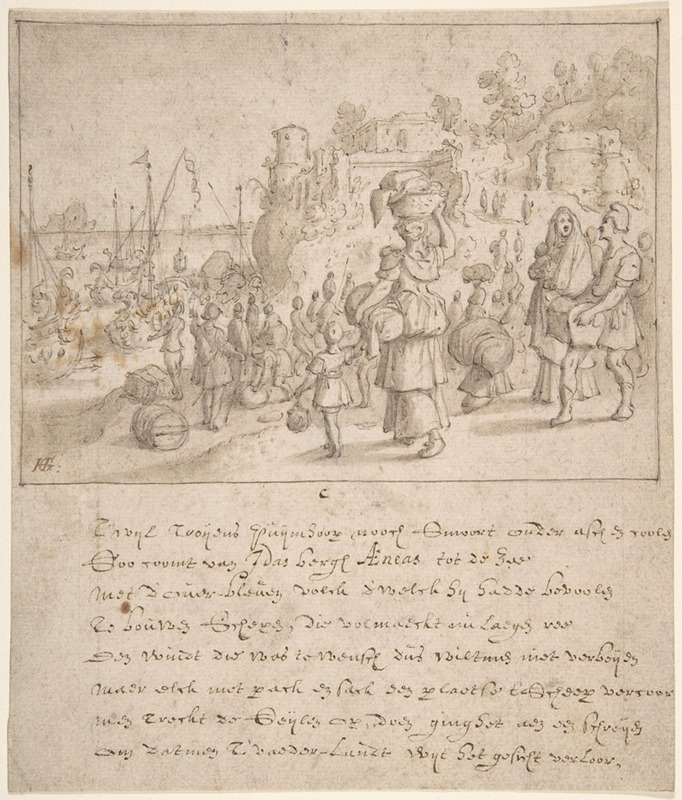
Leaving Troy
Sebastian Vrancx
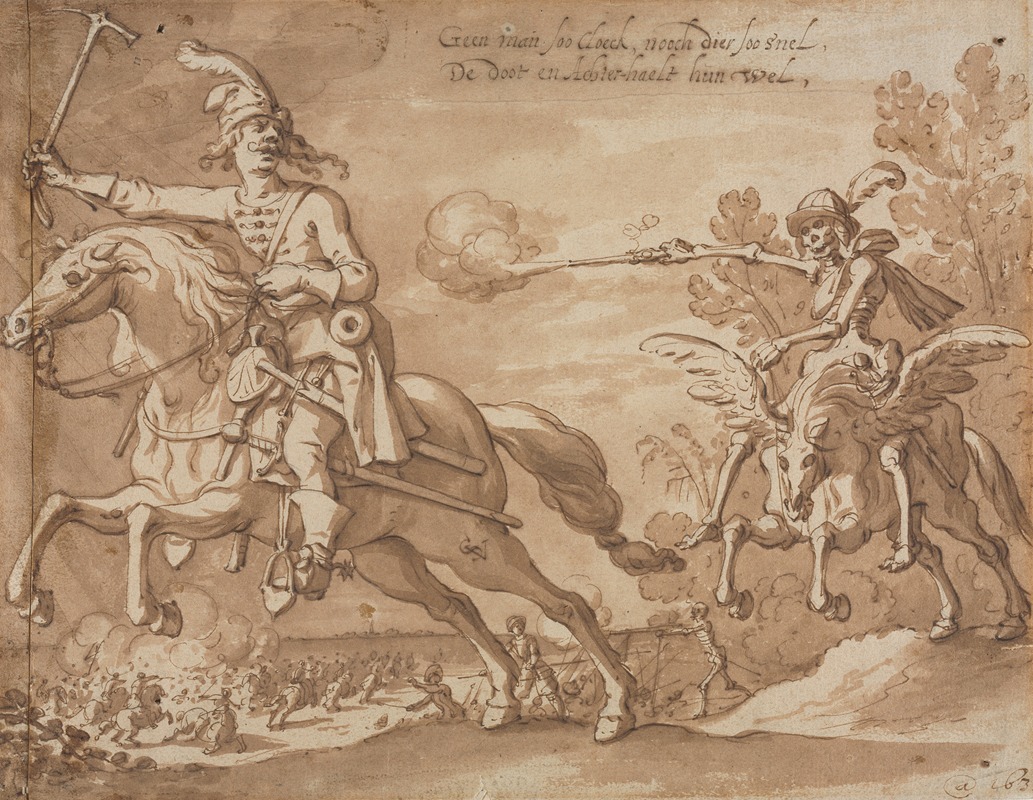
Death on Horseback Chasing a Flying Knight
Sebastian Vrancx
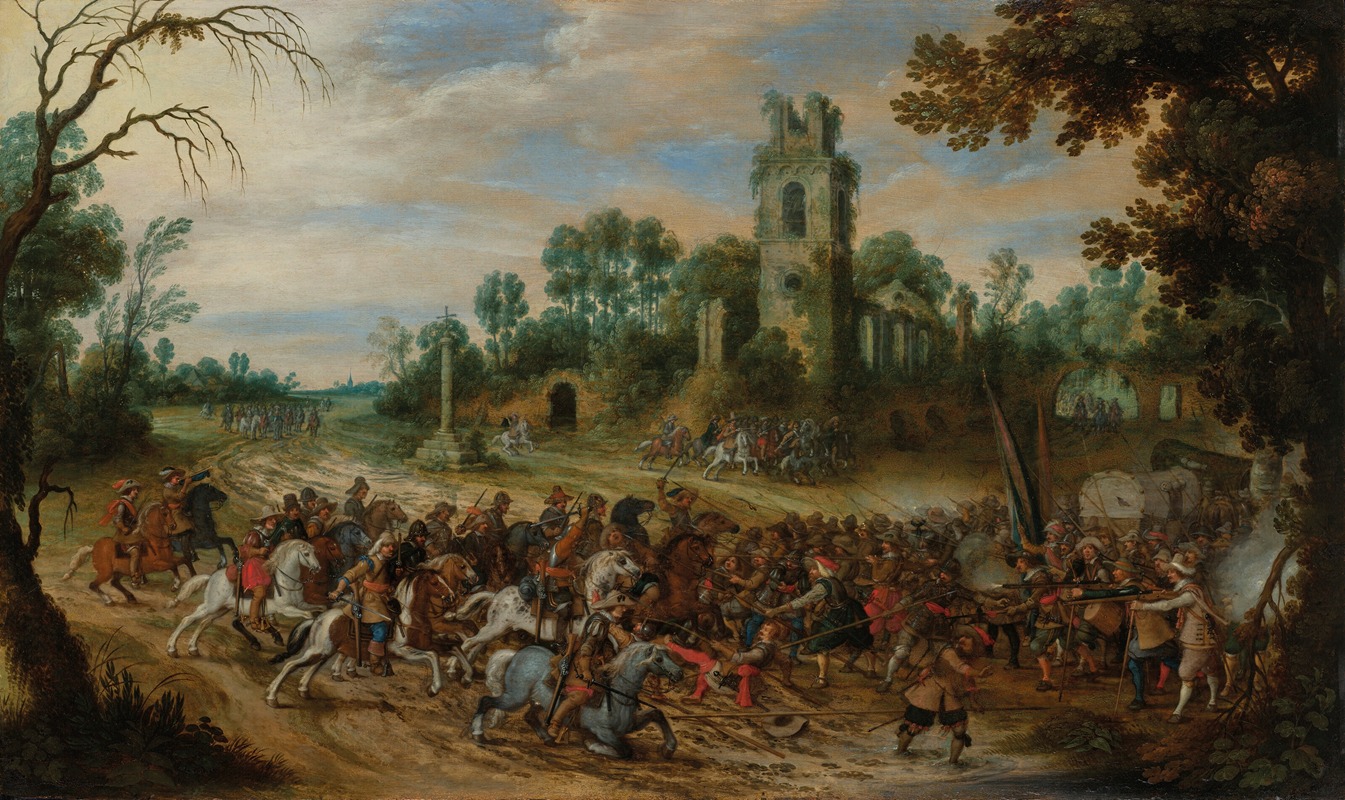
A Battle Before Some Ruins
Sebastian Vrancx
More Allegory Art
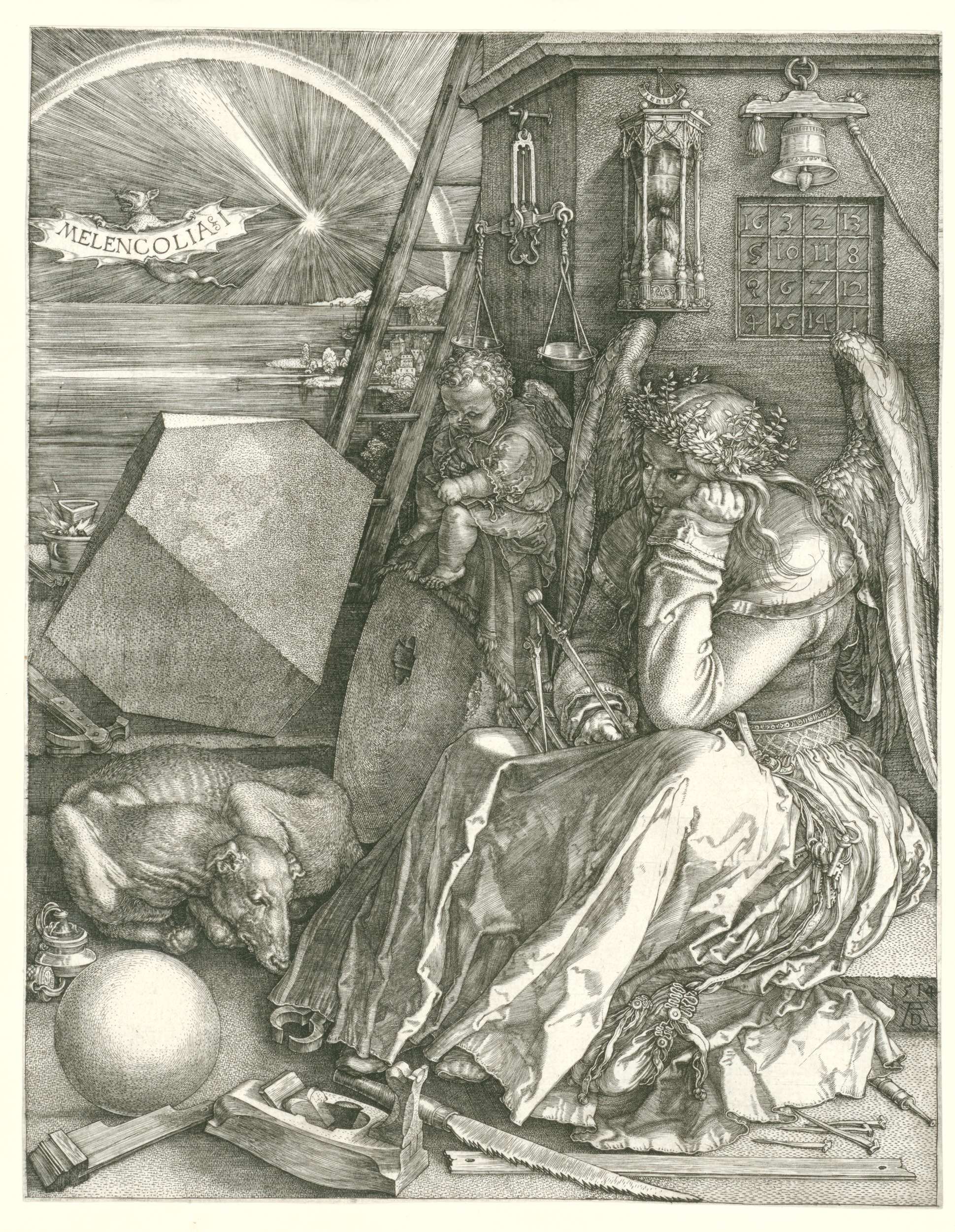
Melancholia
Albrecht Dürer
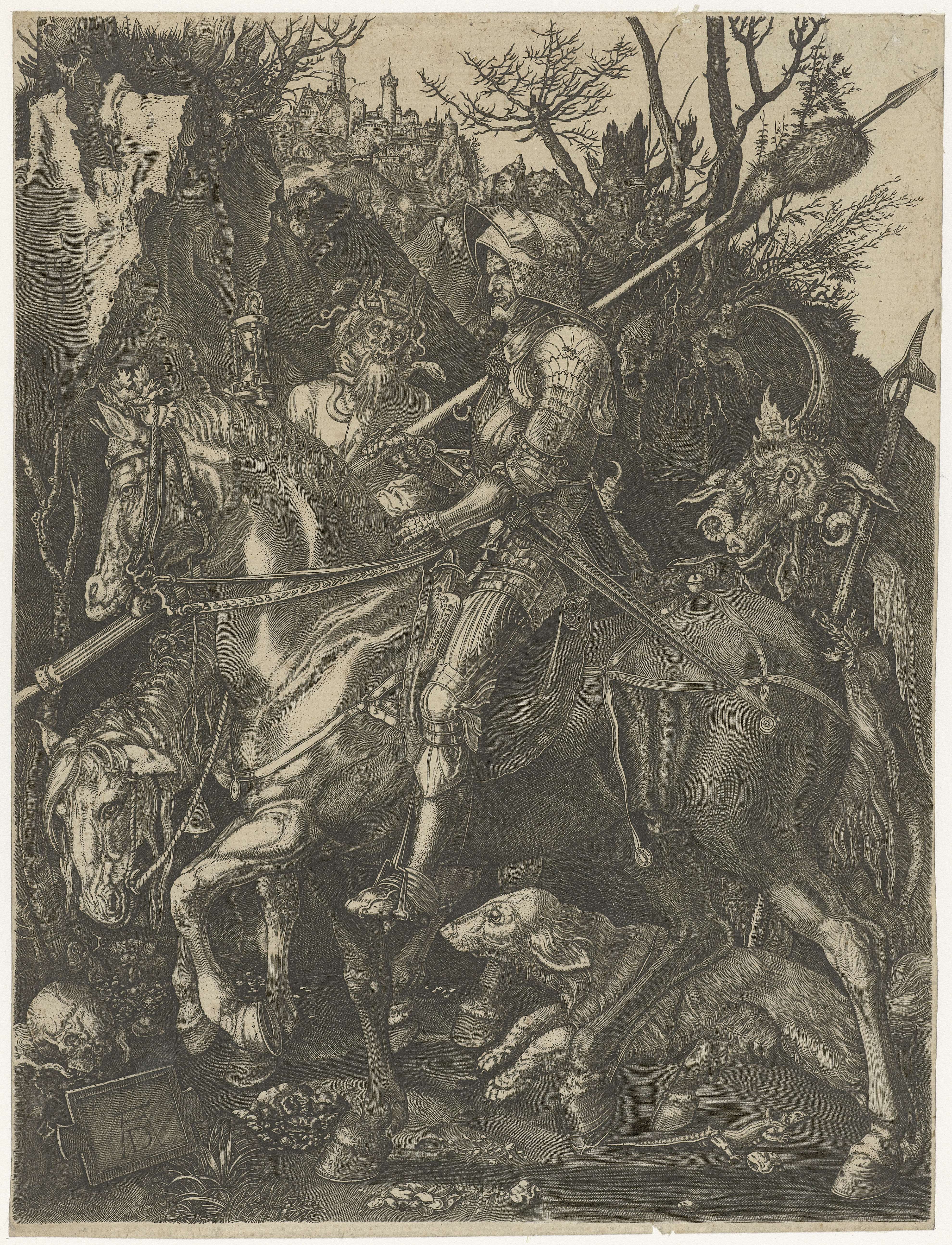
Ridder, Dood en Duivel
Unknown Artist
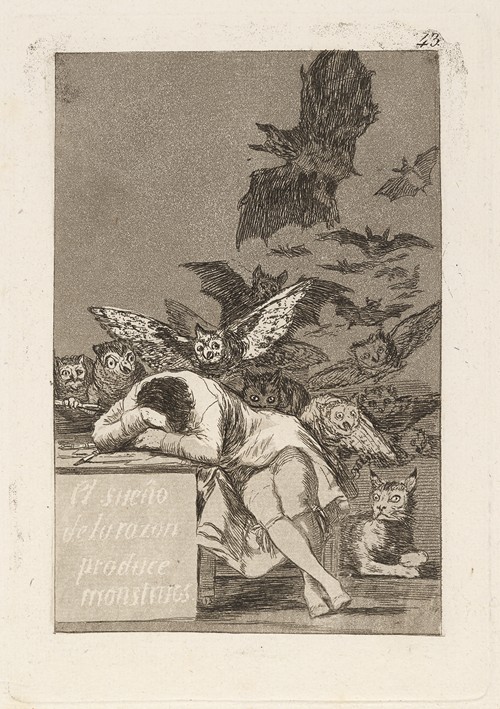
El sueño de la razon produce monstruos. (The sleep of reason produces monsters.)
Francisco de Goya
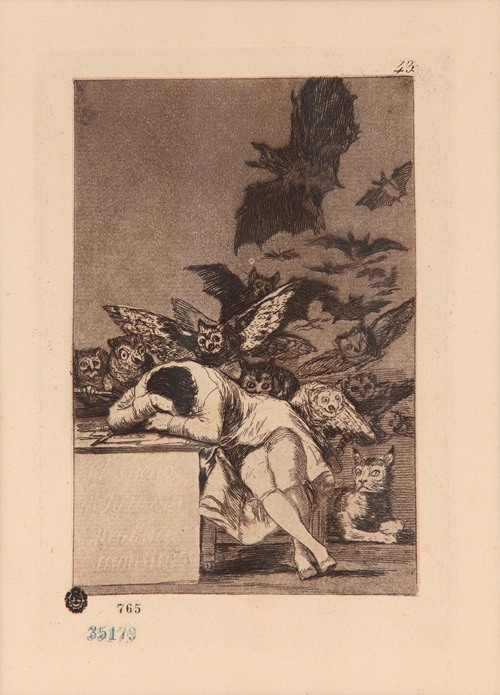
El sueño de la razon produce moustruos (Serie Caprichos)
Francisco de Goya
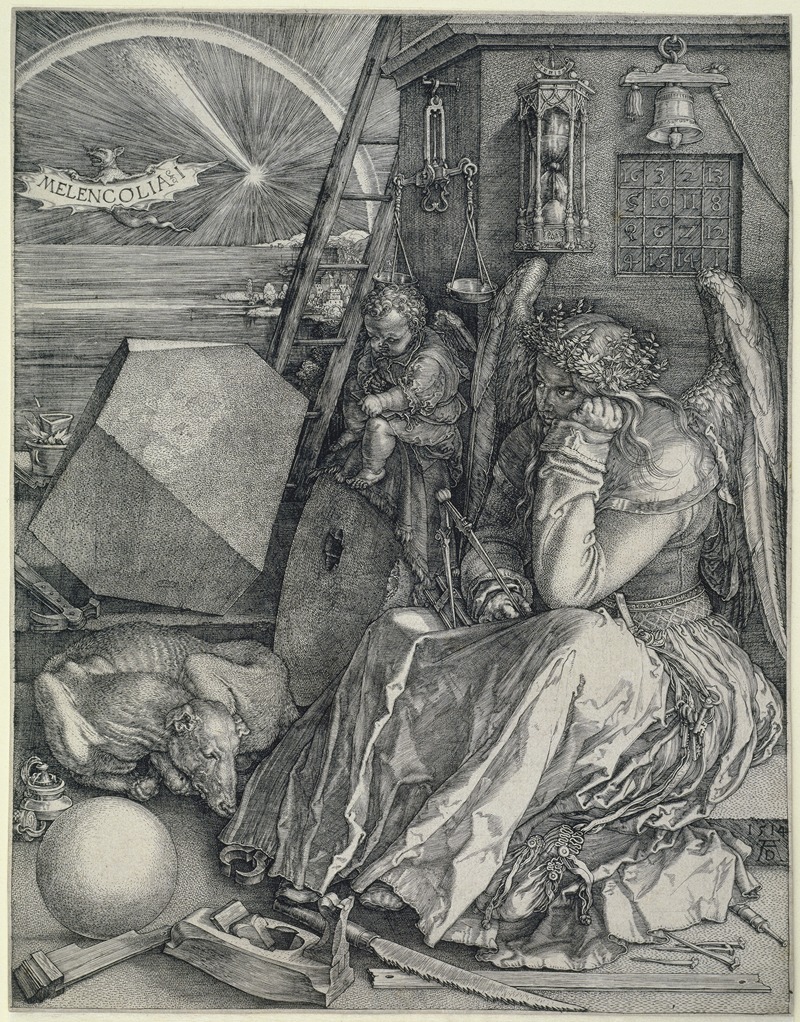
Melencolia I (The Melancholy)
Albrecht Dürer
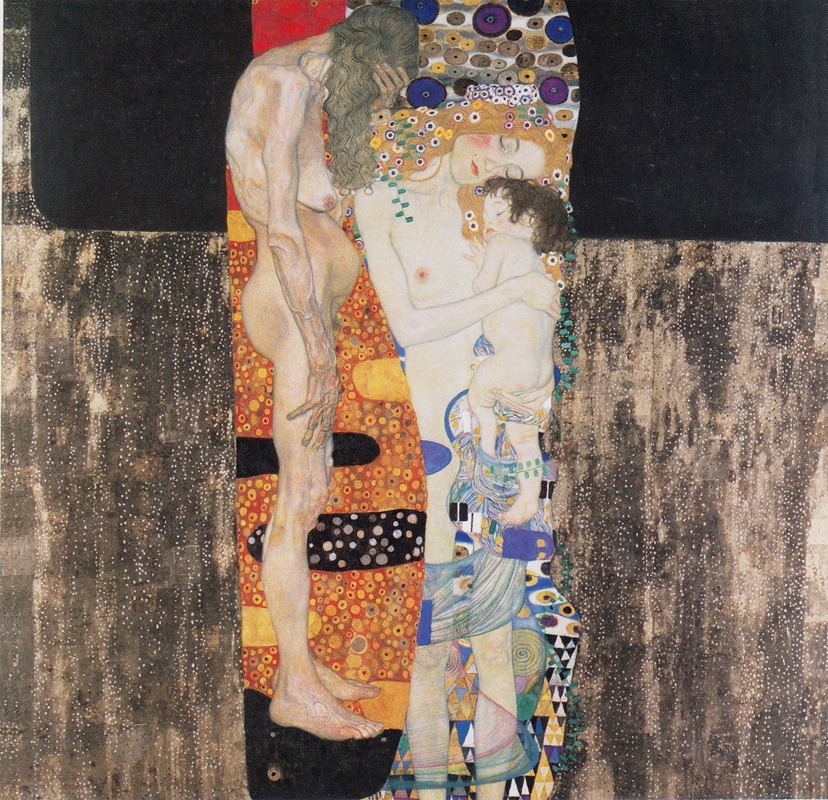
The Three Ages of the Woman
Gustav Klimt