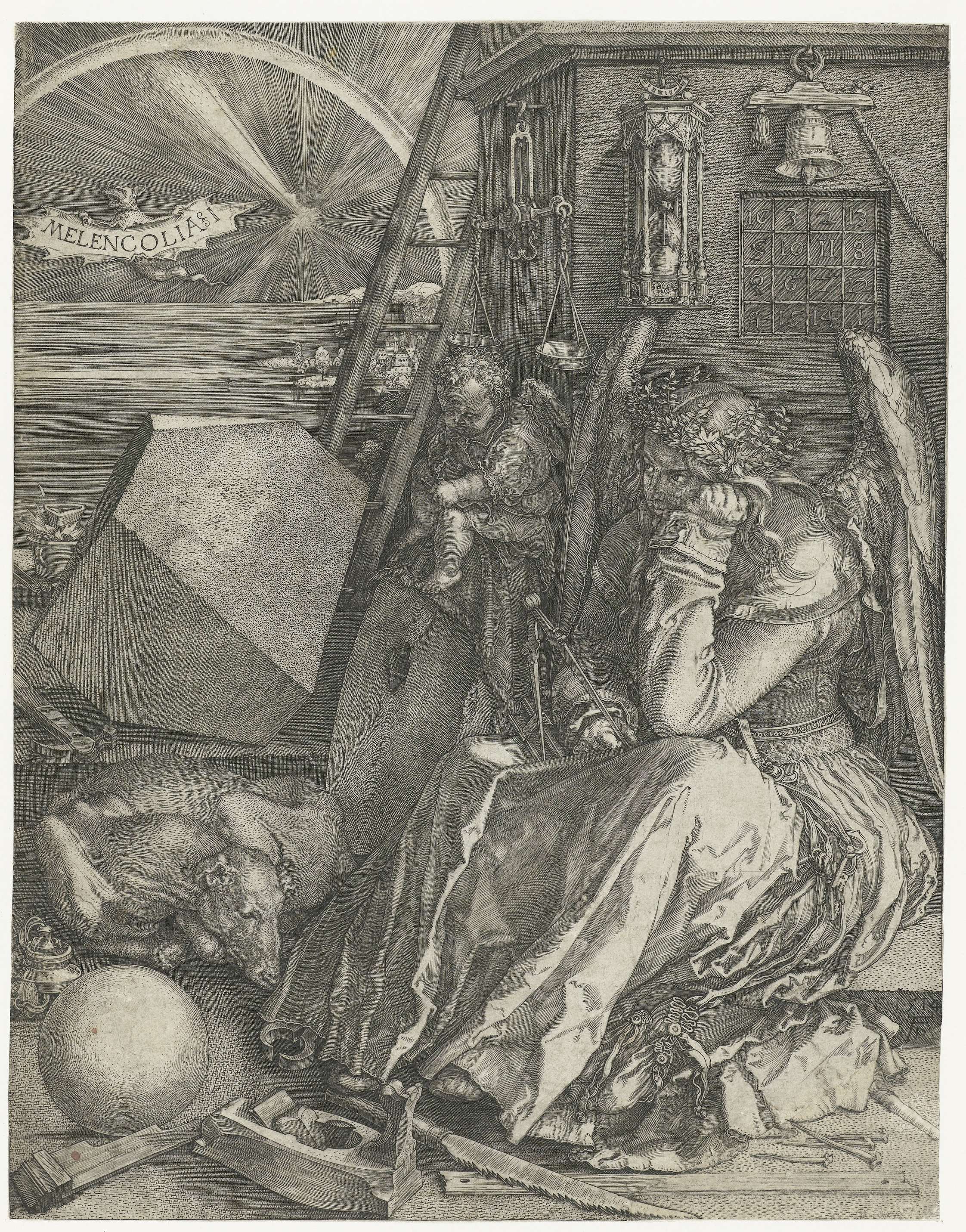
Discover insights about this artwork
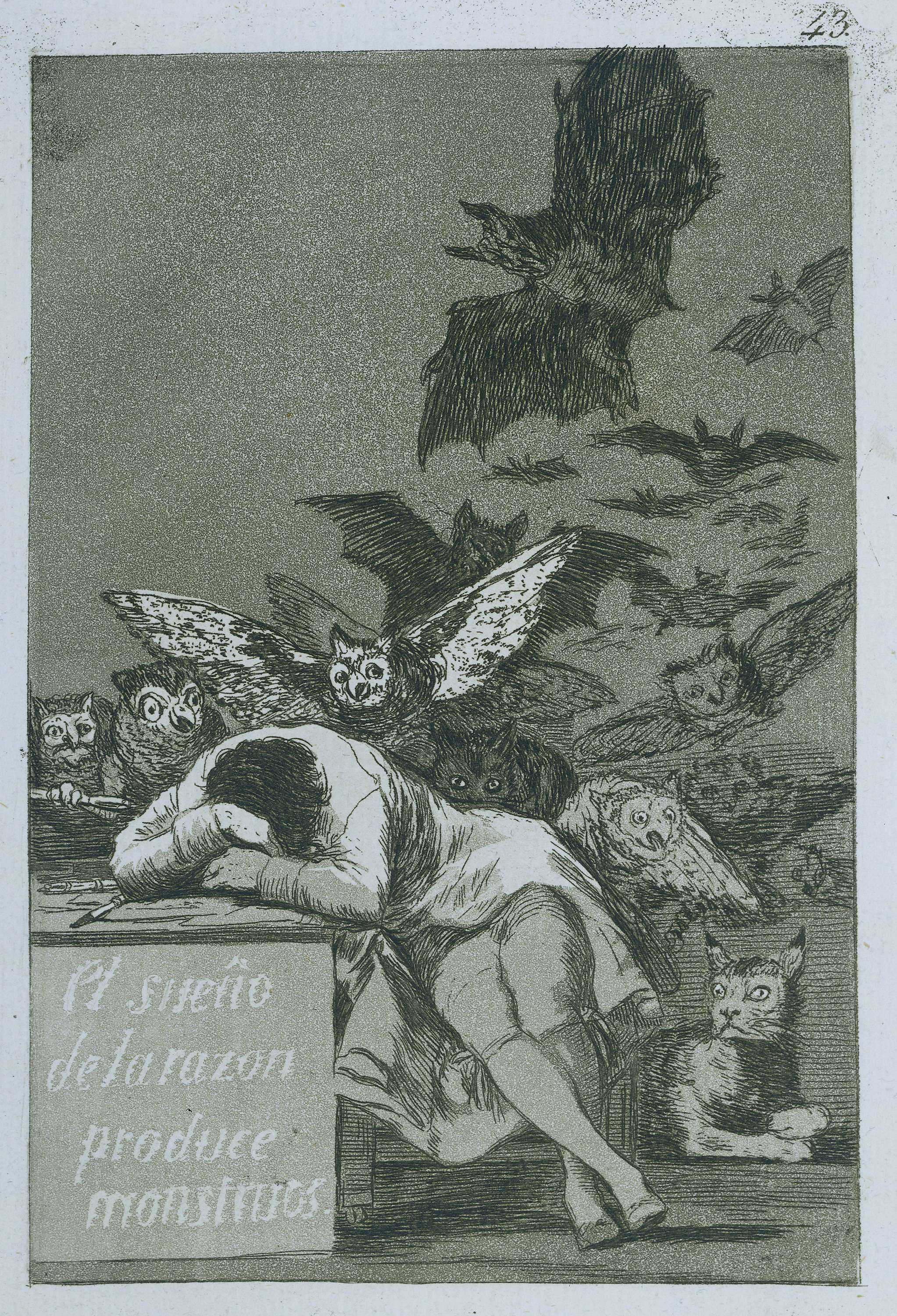
El sueño de la razon produce monstruos. (The sleep of reason produces monsters.) — History & Facts
In El sueño de la razón produce monstruos, we see a dark and chaotic scene filled with nightmarish creatures. The colors are muted, dominated by browns and blacks, creating a sense of dread. A figure slumps over a desk, symbolizing the loss of reason and control.
Surrounding this figure are various monsters, representing the fears and anxieties that arise when rational thought is abandoned. This artwork is an etching, a technique that allows for fine detail and strong contrasts. The lines are sharp and expressive, capturing the tension between the figure and the surrounding monsters. Goya's use of light and shadow enhances the dramatic effect of the scene.
The composition draws the viewer's eye to the central figure, emphasizing the theme of reason versus chaos. Francisco de Goya created this work during a turbulent time in Spain, reflecting his concerns about society and the human condition. El sueño de la razón produce monstruos is part of a series called 'Los Caprichos,' which critiques the social and political issues of the time. An interesting fact about this piece is that it illustrates Goya's belief that without reason, humanity is susceptible to its darkest instincts.
This work remains a powerful commentary on the balance between rational thought and irrational fears.
More Artworks by Francisco de Goya
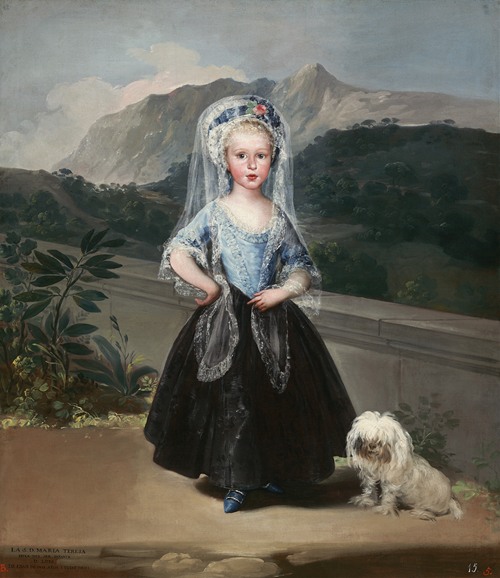
María Teresa de Borbón y Vallabriga,later Condesa de Chinchón
Francisco de Goya
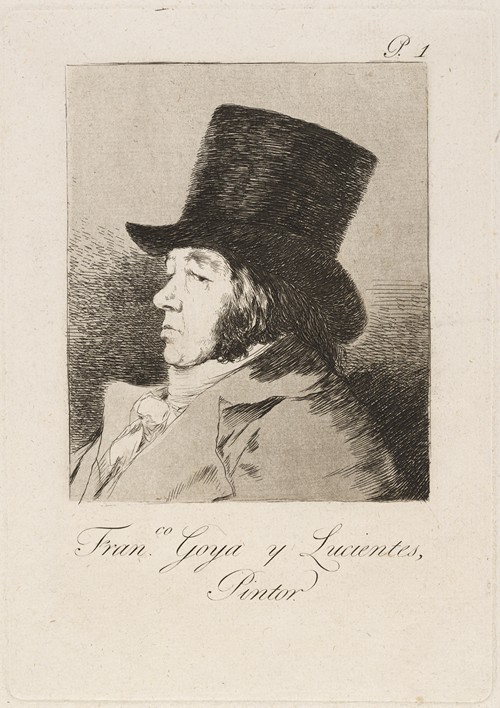
Francisco Goya y Lucientes, Pintor (Francisco Goya y Lucientes, painter)
Francisco de Goya
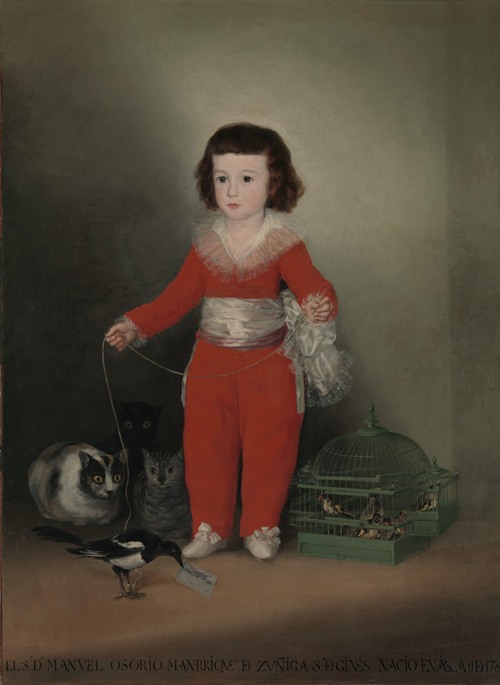
Manuel Osorio Manrique de Zuñiga (1784–1792)
Francisco de Goya
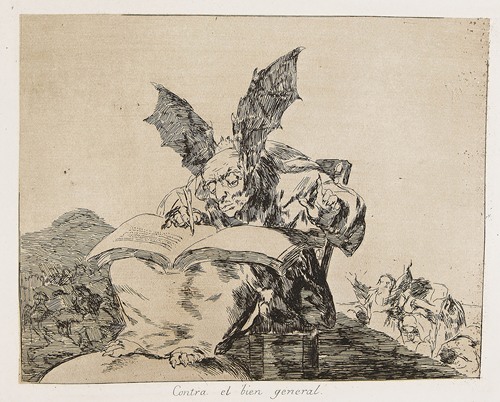
Los desastres de la guerra
Francisco de Goya
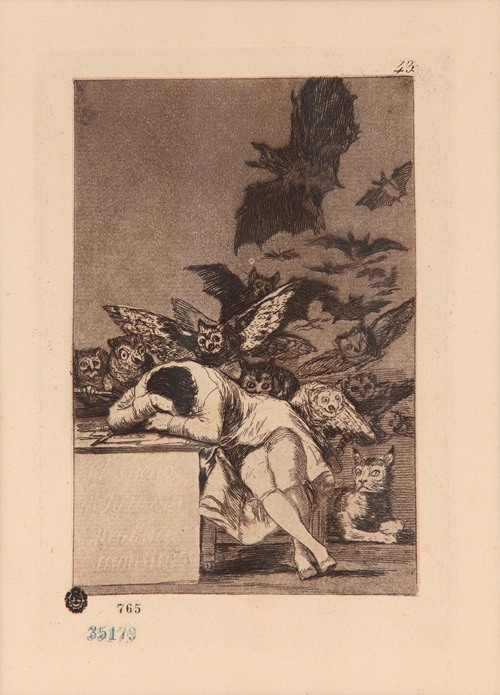
El sueño de la razon produce moustruos (Serie Caprichos)
Francisco de Goya
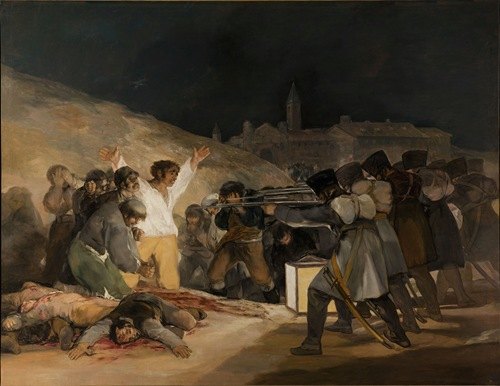
The Third of May
Francisco de Goya
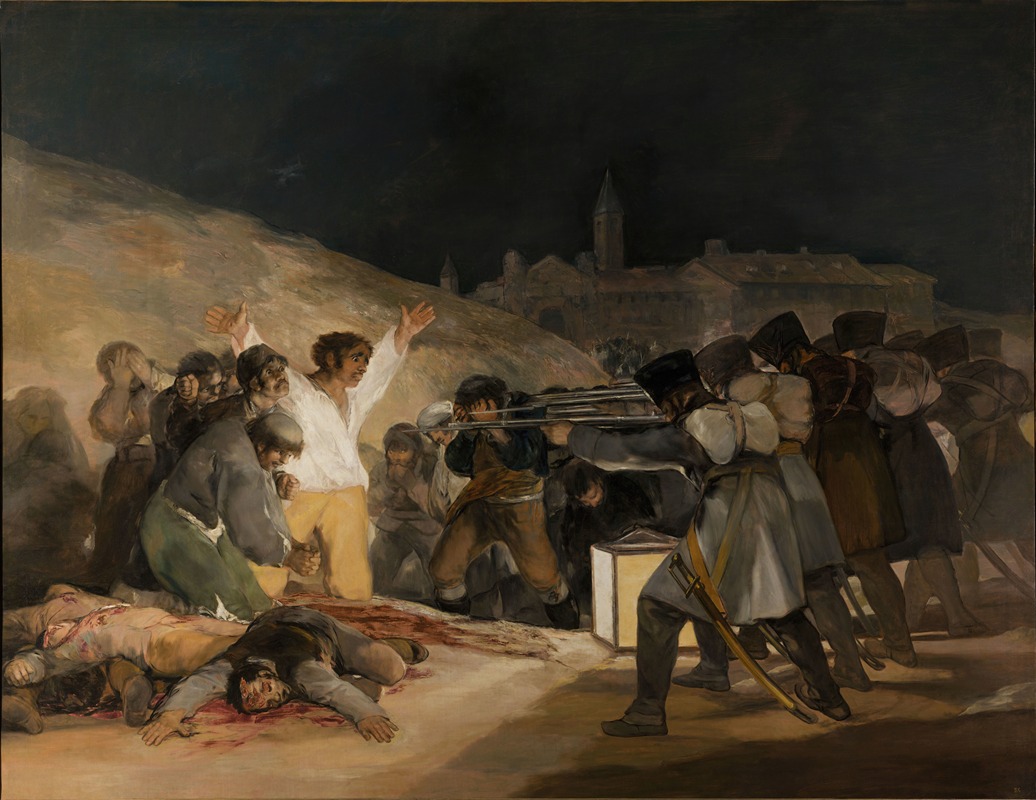
The Third of May 1808
Francisco de Goya
De slaap van de rede brengt monsters voort
Francisco de Goya
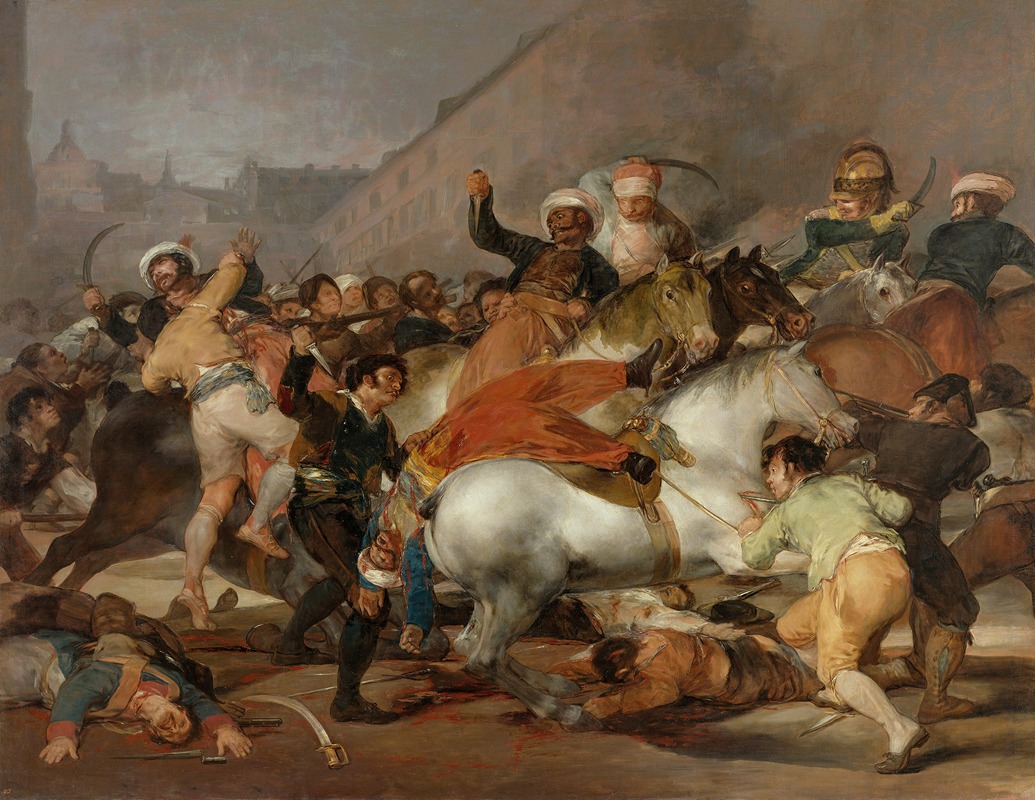
The Charge of the Mamelukes (1814)
Francisco de Goya

La maja desnuda
Francisco de Goya