Discover insights about this artwork
The Three Ages of the Woman — History & Facts
In The Three Ages of the Woman, Gustav Klimt presents a striking composition featuring three female figures representing youth, maturity, and old age. The colors are rich and vibrant, with gold and deep hues dominating the canvas. Each figure is adorned with intricate patterns and textures, characteristic of Klimt's style.
The background is abstract, enhancing the focus on the figures and their symbolic meanings. The painting is executed in oil on canvas, a medium that allows for the detailed patterns and textures that Klimt is known for. The dimensions are approximately 180 x 200 cm, making it a large and impactful work. The use of gold leaf and decorative elements reflects the Art Nouveau style, which Klimt helped to define.
The arrangement of the figures creates a sense of continuity and connection between the different stages of life. Gustav Klimt created The Three Ages of the Woman around 1905, during a period when he was exploring themes of femininity and the human experience. This work is notable for its allegorical representation of the life cycle, a common theme in Klimt's oeuvre. An interesting fact is that Klimt often used models from his personal life, and this painting reflects his deep interest in the female form and identity.
The painting is housed in the Belvedere Museum in Vienna, Austria.
More Artworks by Gustav Klimt
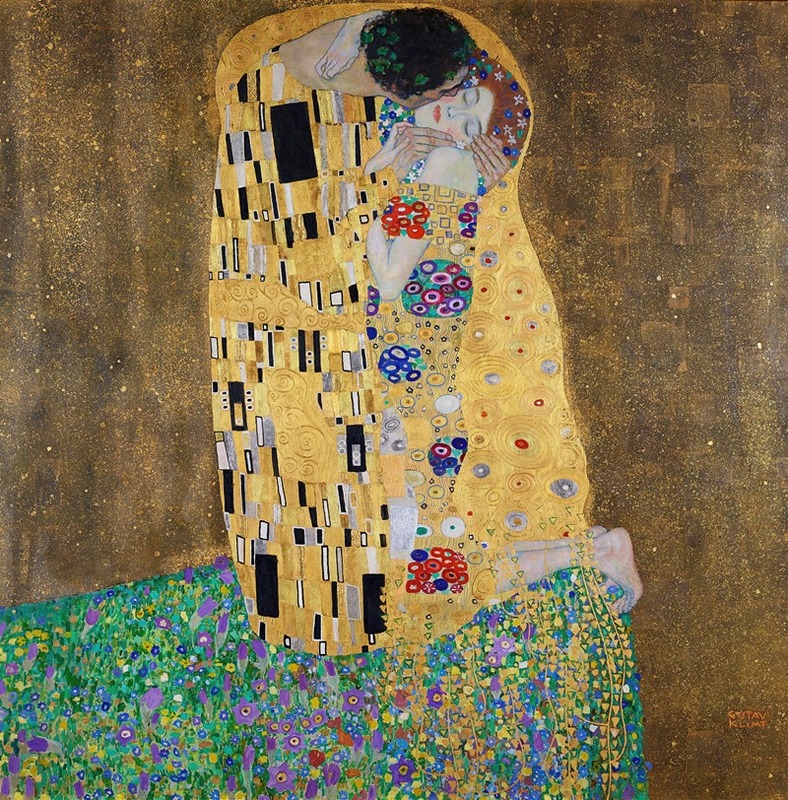
The kiss
Gustav Klimt
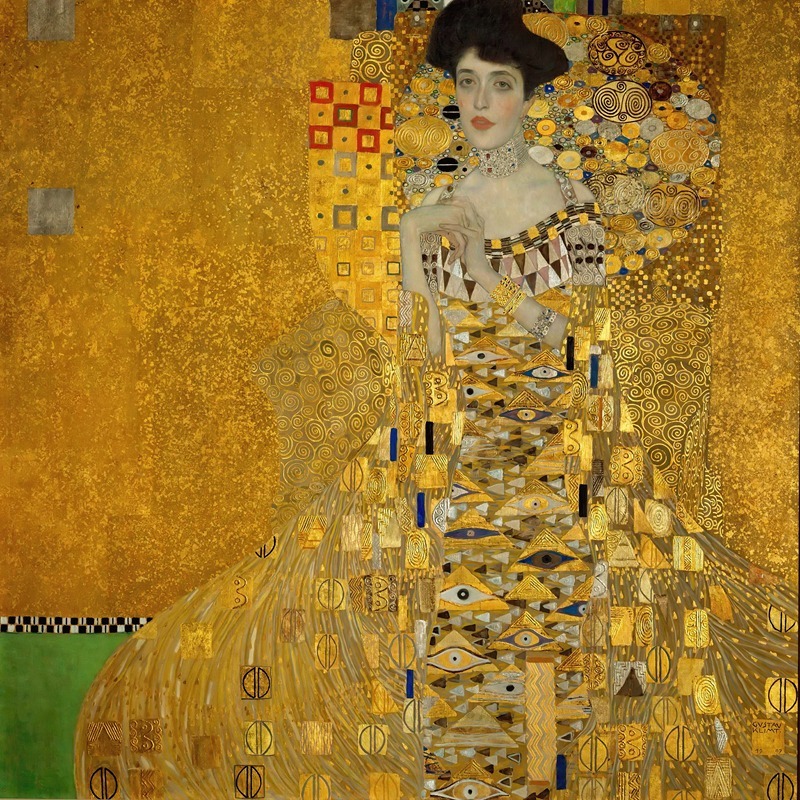
Portrait of Adele Bloch-Bauer I
Gustav Klimt
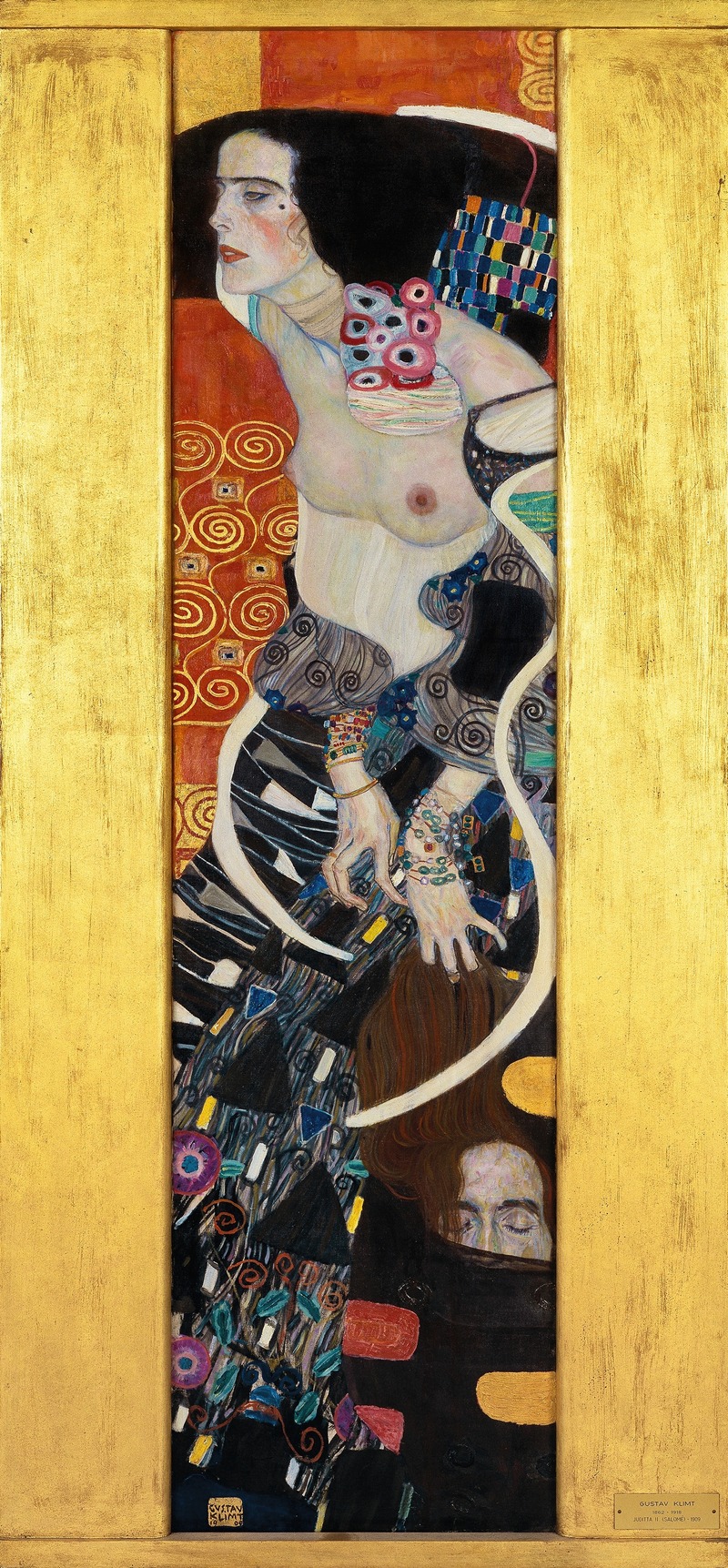
Judith II (Salome)
Gustav Klimt
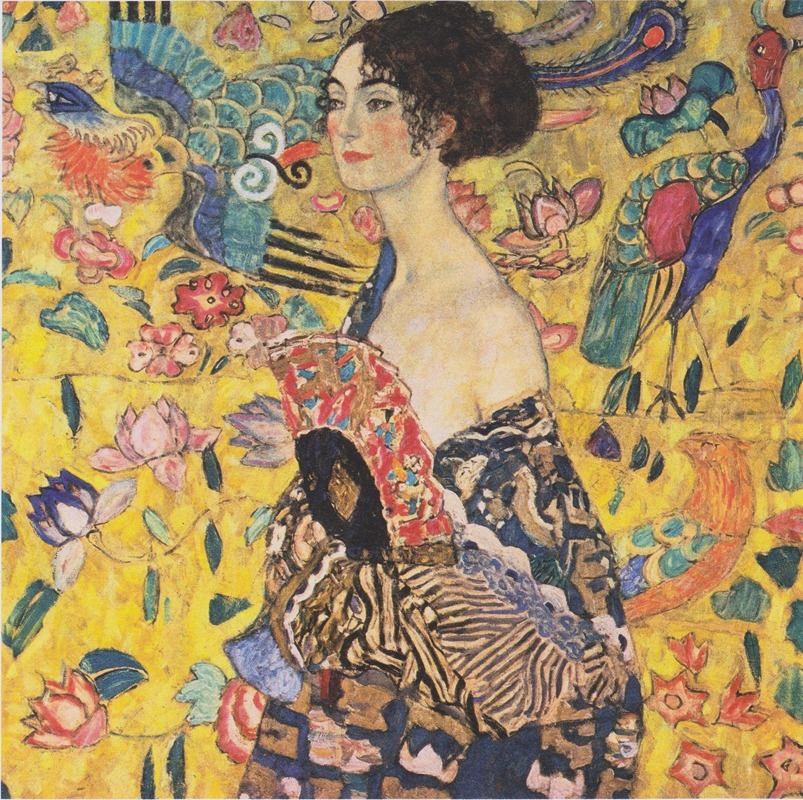
Woman with fan
Gustav Klimt
The kiss (lovers)
Gustav Klimt
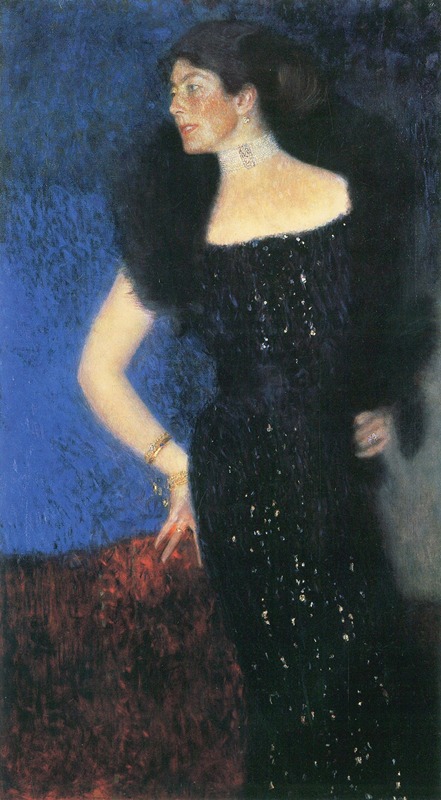
Portrait of Rose von Rosthorn-Friedmann
Gustav Klimt
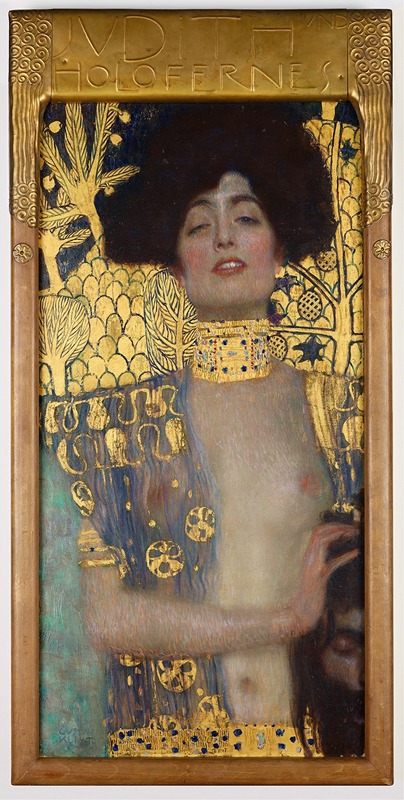
Judith
Gustav Klimt
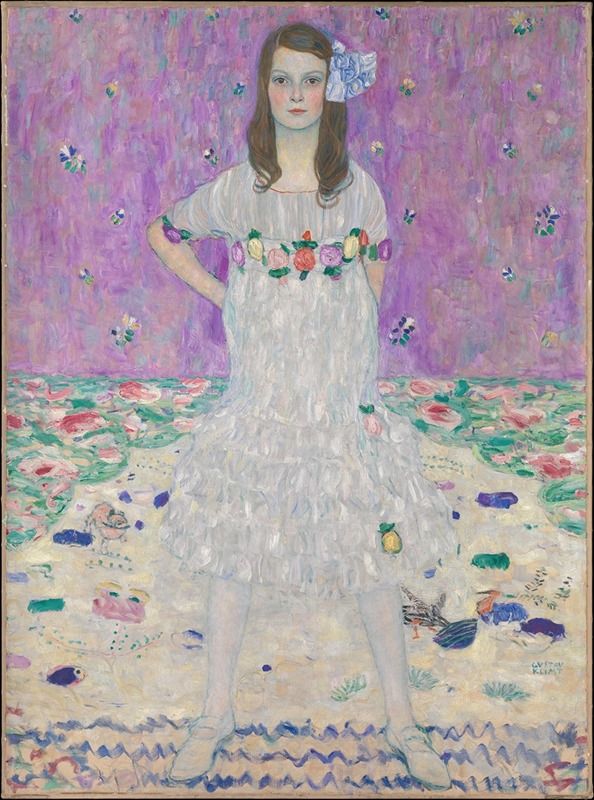
Mäda Primavesi
Gustav Klimt
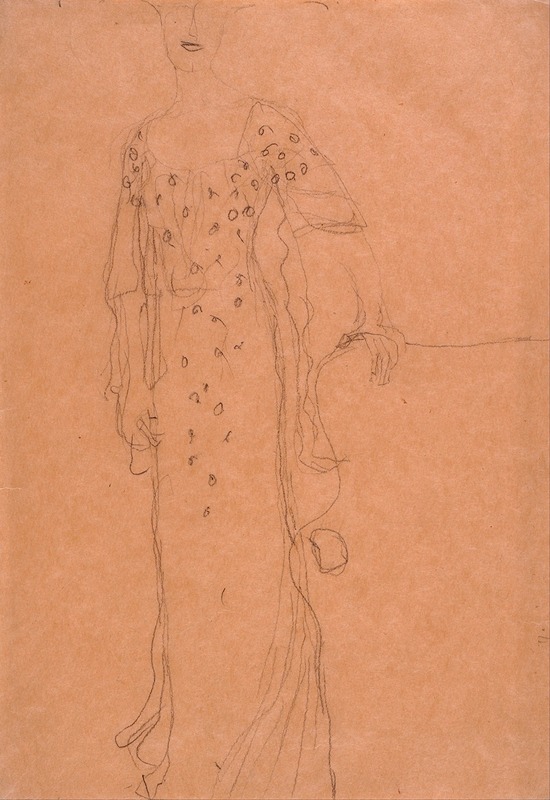
Study for Portrait of Adele Bloch-Bauer I
Gustav Klimt
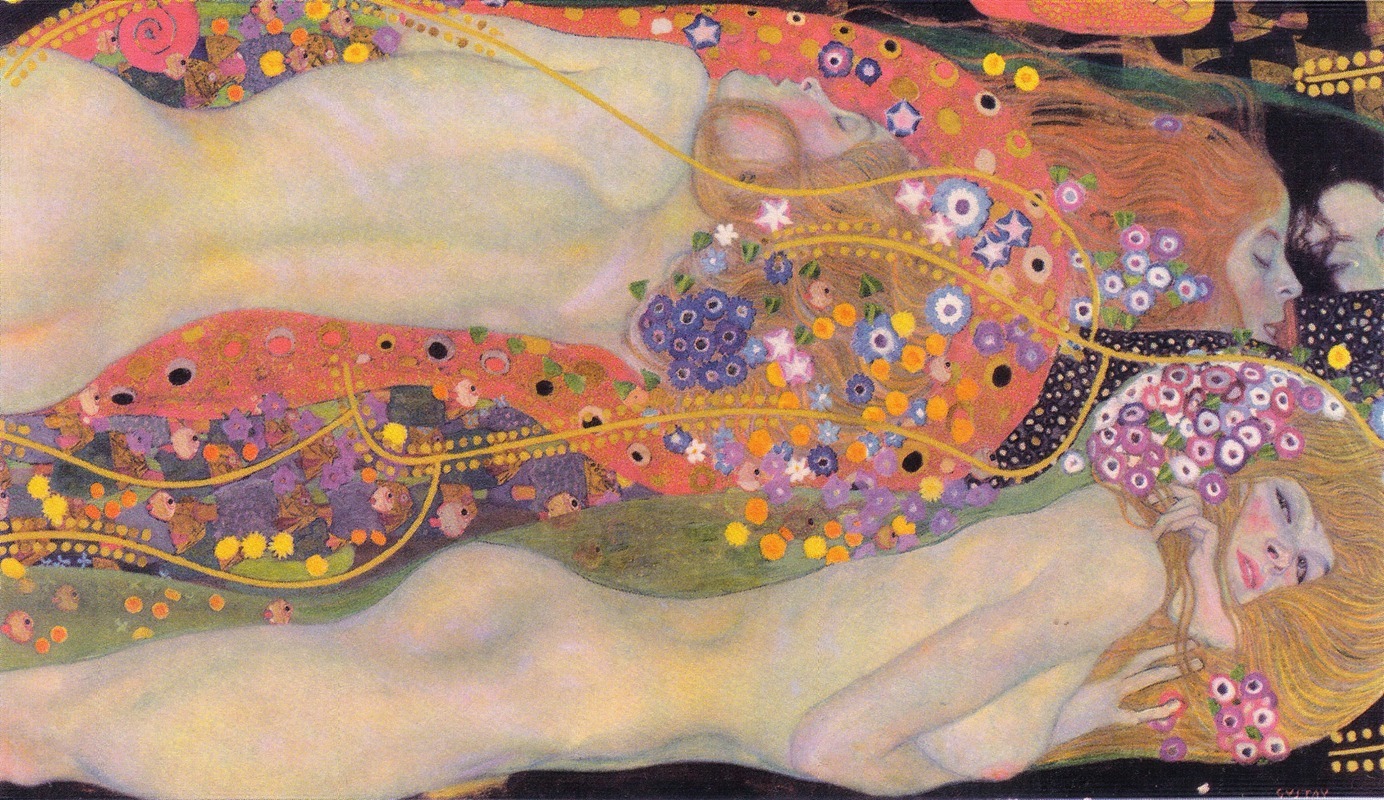
Water Serpents II
Gustav Klimt