An Italian landscape with travellers — History & Facts
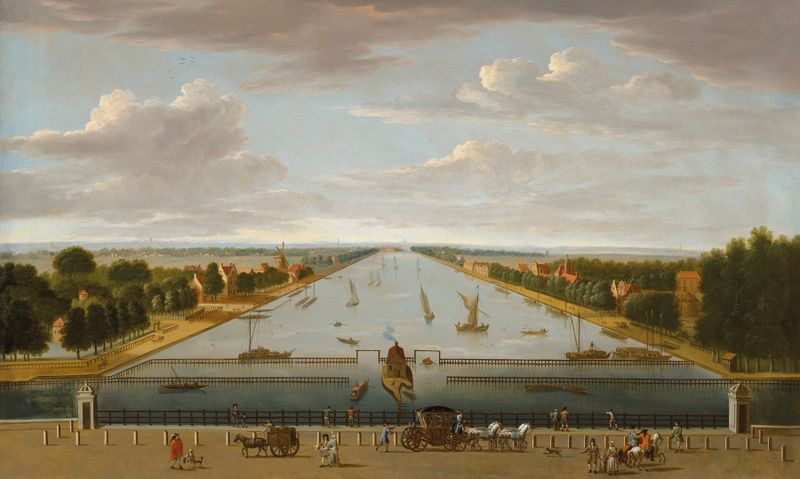
When did color learn to lie? The heart of obsession can twist even the most vibrant hues into deceiving specters, inviting us to question reality through art. Look closely at the gentle undulations of the hills; the verdant greens and warm earth tones blend seamlessly, creating a tapestry that beckons the eye. Notice how the skies, painted in soft blues, swirl with clouds that appear to dance just above the horizon. The travelers, small figures amidst this grand landscape, draw the viewer's gaze as they traverse the winding path.
Each brushstroke is deliberate, the paint thick in some areas, almost tangible, while elsewhere it caresses the canvas with feathery lightness. Delve deeper and you'll uncover a contrast between the idyllic scenery and the solitary figures wandering through it. The travelers’ postures hint at weariness and yearning, suggesting that the beauty surrounding them is both a reprieve and an unachievable ideal. The landscape, lush and inviting, whispers of adventure yet simultaneously evokes a sense of solitude, as if the vibrant colors mask an underlying melancholy.
This tension reflects not only the artist's vision but also resonates with the age-old struggle between desire and fulfillment. In the 17th century, the Dutch School was deeply engaged in the richness of landscape painting, often infused with personal or cultural narratives. This period saw artists exploring the world around them, capturing its essence in ways that celebrated both nature and human presence. The creators of this piece were part of a broader movement, grappling with themes of obsession and exploration, while also reflecting the economic prosperity and cultural exchanges of their time.
As they painted, they were not merely recording scenery; they were infusing it with the very essence of humanity's restless pursuits.