The Amstel from the Hogesluis facing South — History & Facts
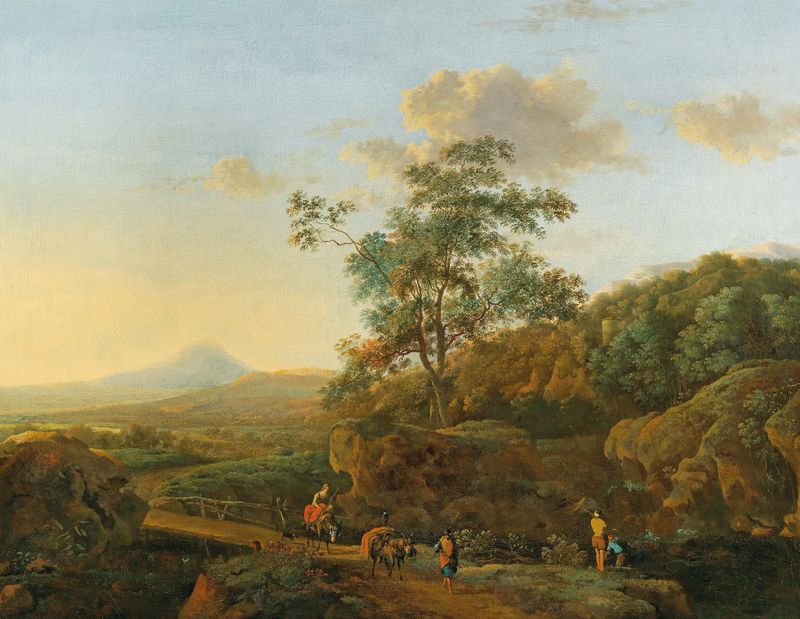
In the tranquil embrace of the past, memories linger like the soft brushstrokes of a painting, evoking nostalgia in the heart of the viewer. The serene scene invites contemplation, beckoning you to engage with its stillness and to uncover the stories woven into its fabric. Look to the horizon, where the gentle sweep of the Amstel River draws the eye to the farthest edge of the canvas. The Dutch School captures the essence of water, masterfully rendering reflections that shimmer in luminous blues and silvers.
Notice the intricate play of light dancing upon the surface, as boats glide languidly, their sails catching the soft, golden hues of the sun. The composition, with its balanced arrangement of urban life and nature, creates a harmonious dialogue between stillness and movement. As you peer deeper, small details emerge that illuminate the emotional landscape of the work. The varied brushstrokes convey a sense of fleeting moments, while the contrasting colors reflect the duality of life along the river—joy intermingled with shadows, serenity layered with the whispers of labor.
Each element holds significance, hinting at the stories of the people and the history captured within the frame. The architecture along the banks looms grand yet inviting, a reminder of human presence against nature's backdrop. In the 18th century, this artwork emerged from the Dutch Golden Age, a period when artists were exploring the interplay of light and shadow with remarkable precision. The artist, part of a collaborative tradition, painted this scene while embracing the burgeoning interest in landscape and cityscape depictions.
The world around them brimmed with economic prosperity, and a deep reverence for the natural world began to find its place within the canvas.