
Andreas — History & Facts
Can paint confess what words never could? In Andreas, the artist skillfully captures the essence of ecstasy, inviting the viewer into a realm where emotions transcend verbal expression. Look to the left to see the figure of Andreas, poised in a moment of intimate reflection. The meticulous detail in the flowing lines of his attire contrasts with the vibrant reds and rich golds that envelop him, drawing your gaze deeper into the inner world he inhabits. The delicate play of light across his face highlights the subtle nuances of his expression, while the shadowed background enhances the sense of isolation, amplifying his emotional intensity. Yet, there’s more beneath the surface: the juxtaposition of the ornate clothing against the simplicity of his surroundings speaks to the tension between external appearances and internal truths.
The positioning of his hands—a gesture both open and contained—evokes a sense of yearning, as if he is caught between longing and the fulfillment of desire. Every brushstroke whispers secrets of ecstasy and contemplation, encouraging a dialogue between the viewer's own experiences and the artist's vision. Hans Sebald Beham created Andreas between 1545 and 1546 in Nuremberg, a time when the artist was deeply engaged in the rise of printmaking and the Reformation's complex cultural landscape. As a prominent figure in the Northern Renaissance, Beham’s work reflects a fusion of emotional depth and meticulous craftsmanship, capturing the spirit of an era ripe with artistic exploration and personal introspection.
More Artworks by Hans Sebald Beham
Browse all →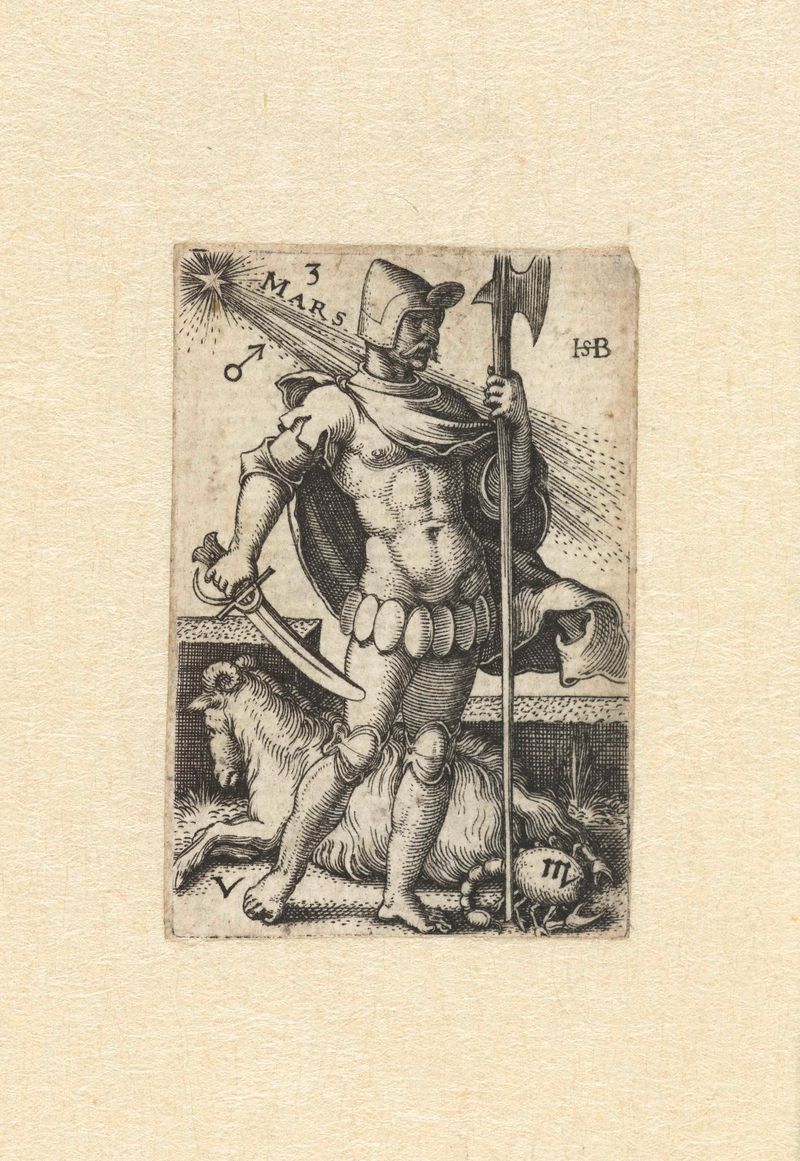
Mars met sterrenbeelden Ram en Schorpioen
Hans Sebald Beham

Achilles in gevecht met Hector
Hans Sebald Beham
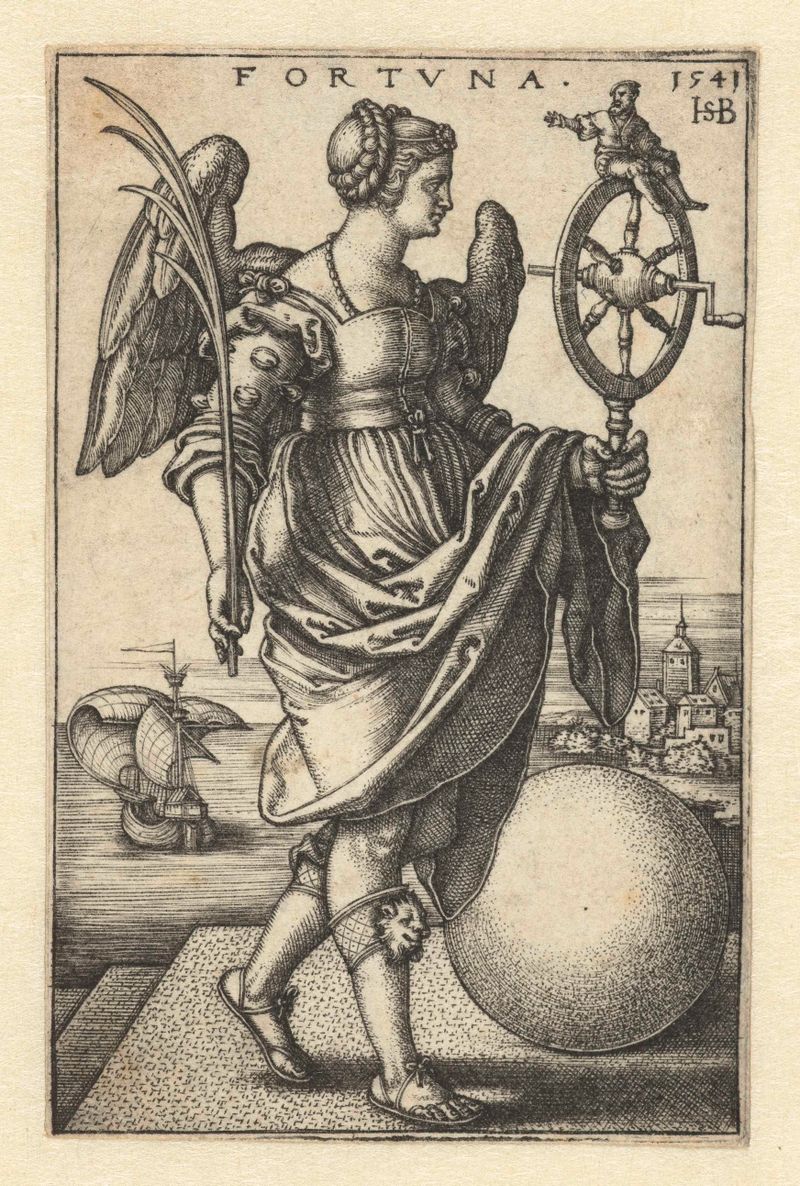
Fortuna
Hans Sebald Beham

Hercules worstelt met Antaeus
Hans Sebald Beham

Twee muzikanten met schalmey en doedelzak
Hans Sebald Beham

Voorzichtigheid (Prudentia)
Hans Sebald Beham

Hercules in gevecht met de Trojanen
Hans Sebald Beham
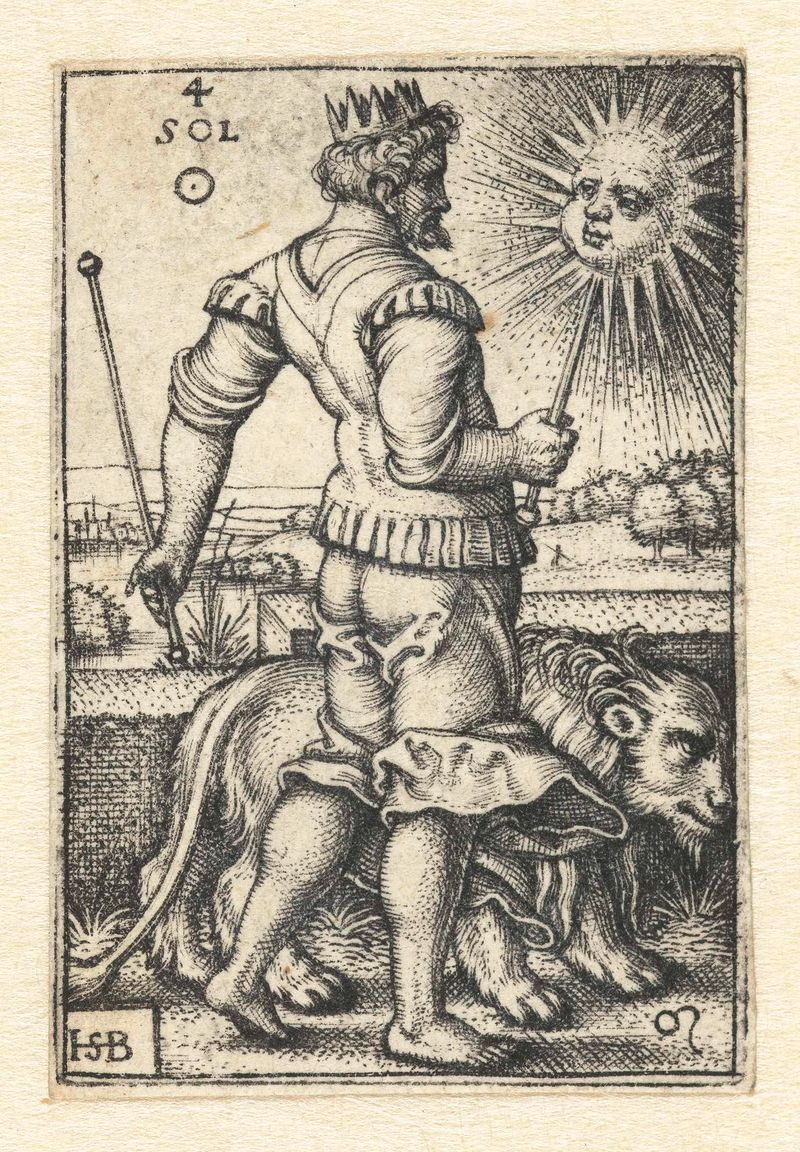
Apollo (Sol) met sterrenbeeld Leeuw
Hans Sebald Beham
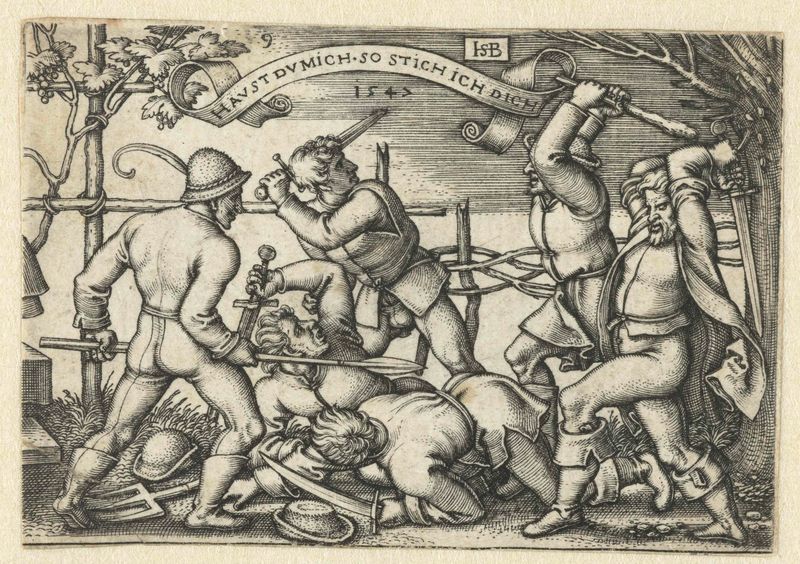
Vechtende boeren met zwaarden
Hans Sebald Beham
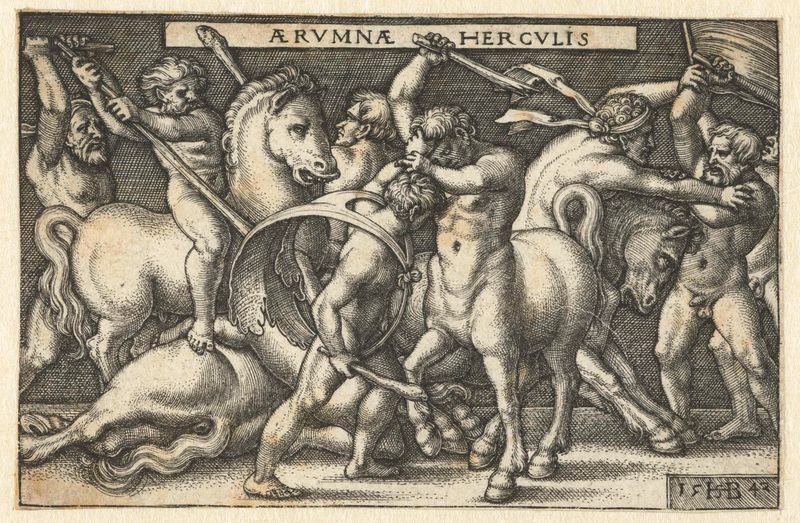
Hercules in gevecht met centaurs
Hans Sebald Beham
More Portrait Art
Browse all →
Las meninas
Diego Velázquez

Self-portrait with a Bandaged Ear and Pipe
Unidentified artist

Girl with a Pearl Earring
Johannes Vermeer

The Sampling Officials of the Amsterdam Drapers’ Guild, Known as ‘The Syndics’
Rembrandt van Rijn

The Hundred Guilder Print: the man seen on the back in the lower left corner
Rembrandt van Rijn

Portrait of Dr Gachet
Vincent van Gogh