
Andreas en Thomas — History & Facts
Can beauty exist without sorrow? In Andreas en Thomas, Hans Sebald Beham captures the delicate interplay of mortality and reverence, provoking contemplation on the transient nature of existence. Look to the left at the serene figure of Andreas, whose gentle gaze seems to hold a world of unspoken thoughts. The warm light cascading over his features brings forth a lifelike quality, while Thomas, positioned to the right, stands in a more shadowed repose. Notice the intricate details in their clothing—rich textures that contrast against the starkness of their surrounding space—imbuing their figures with a palpable sense of presence.
The muted palette, primarily composed of earthy tones, draws focus to the subtle expressions etched on their faces, hinting at a deeper narrative of connection and vulnerability. Beyond the surface, the piece reflects profound emotional tensions. The juxtaposition of light and shadow not only enhances the figures’ three-dimensionality but signifies the duality of life and death. Their serene faces are an embodiment of acceptance, yet hints of melancholy linger, suggesting that beauty is often intertwined with loss.
Each brushstroke seems to whisper the inevitable passage of time, inviting the viewer to reflect on their own mortality amidst a backdrop of quiet grace. Beham created this work in 1520 during a period of artistic transition in Europe, marked by the rise of the Northern Renaissance. This era saw a shift towards a more humanistic approach in art, where individual emotion and detailed realism gained prominence. As a member of the Nuremberg school, Beham was influenced by these changes, navigating his own path while contributing to a broader dialogue on life, beauty, and the transient nature of existence.
More Artworks by Hans Sebald Beham
Browse all →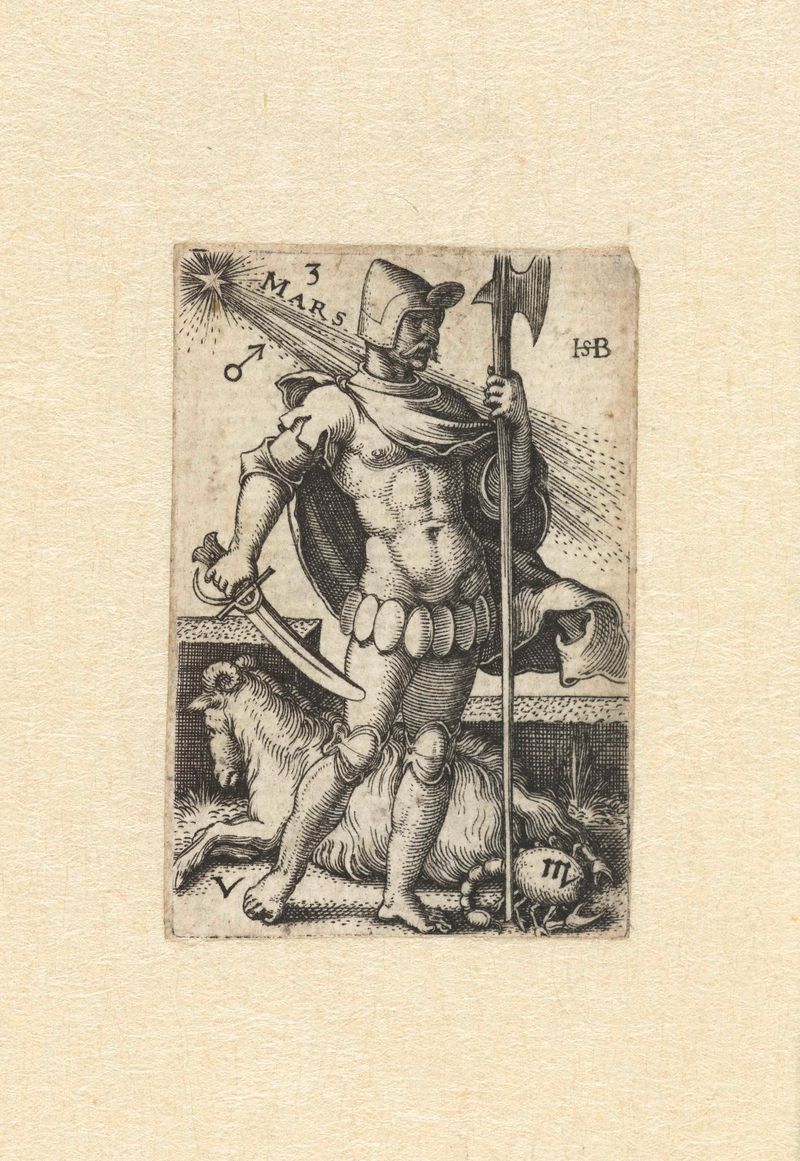
Mars met sterrenbeelden Ram en Schorpioen
Hans Sebald Beham

Achilles in gevecht met Hector
Hans Sebald Beham
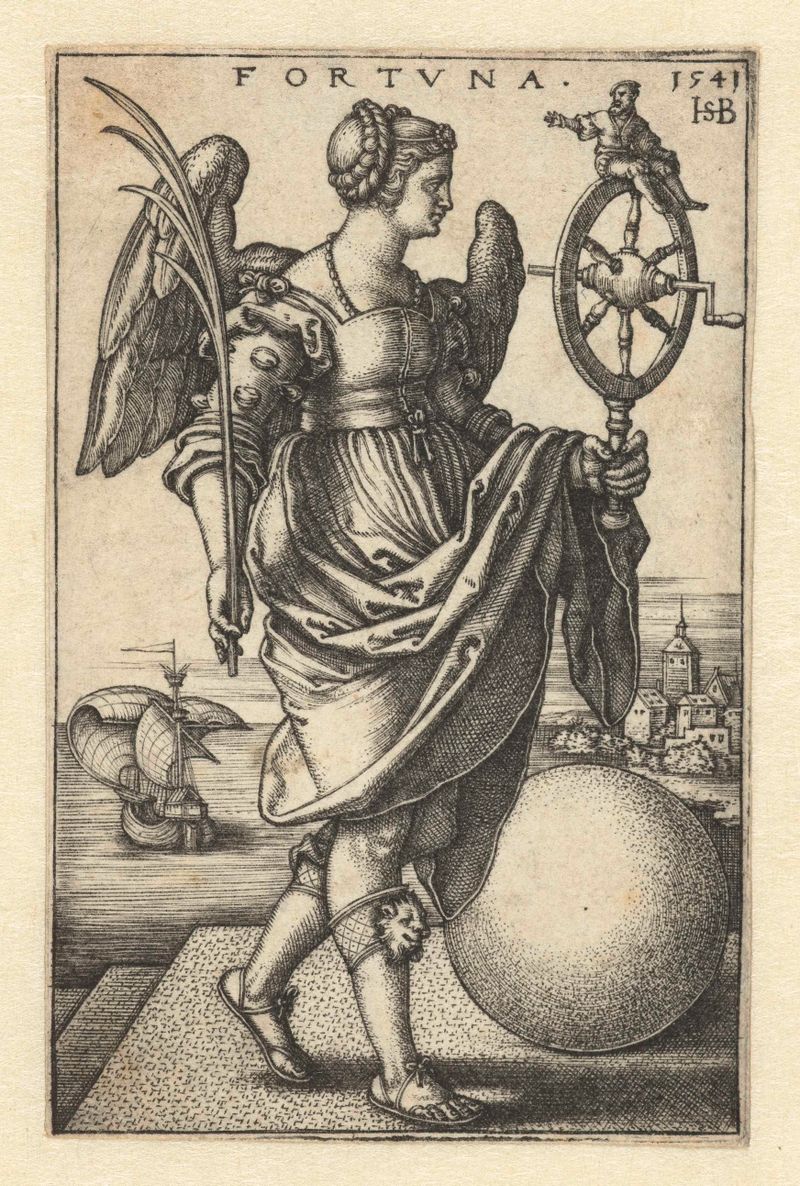
Fortuna
Hans Sebald Beham

Hercules worstelt met Antaeus
Hans Sebald Beham

Twee muzikanten met schalmey en doedelzak
Hans Sebald Beham

Voorzichtigheid (Prudentia)
Hans Sebald Beham

Hercules in gevecht met de Trojanen
Hans Sebald Beham
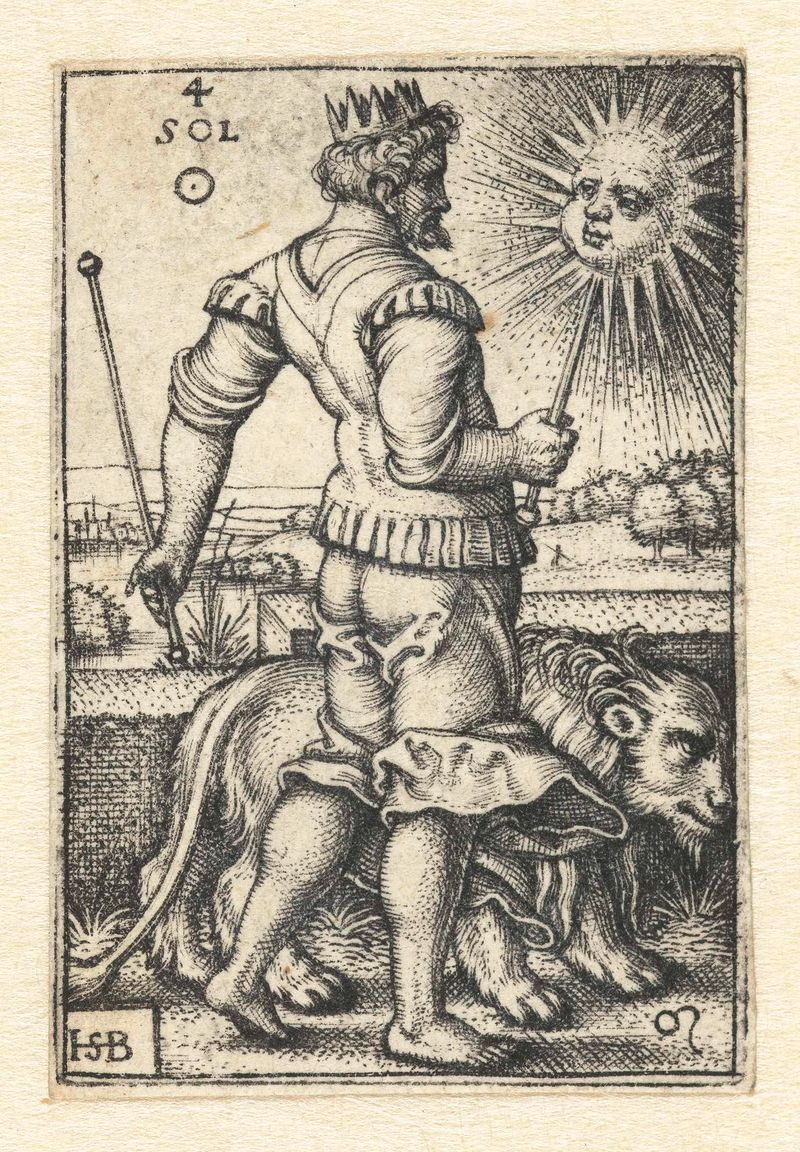
Apollo (Sol) met sterrenbeeld Leeuw
Hans Sebald Beham
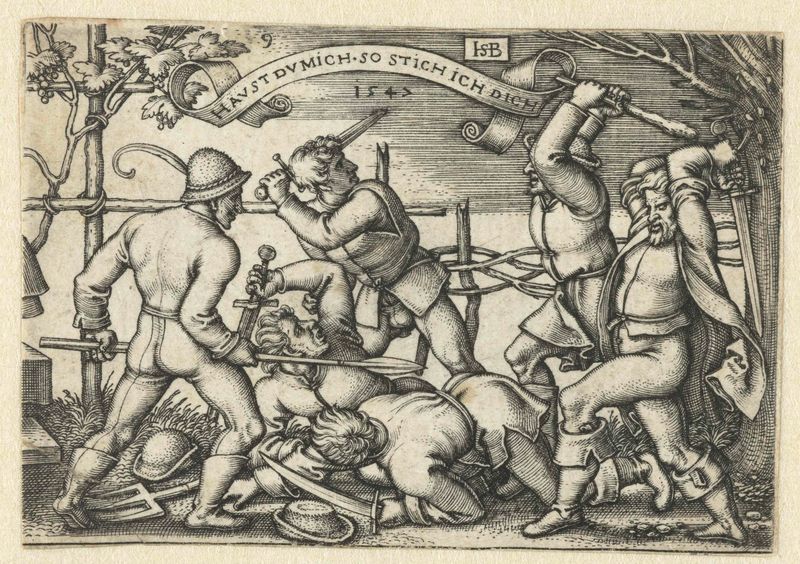
Vechtende boeren met zwaarden
Hans Sebald Beham
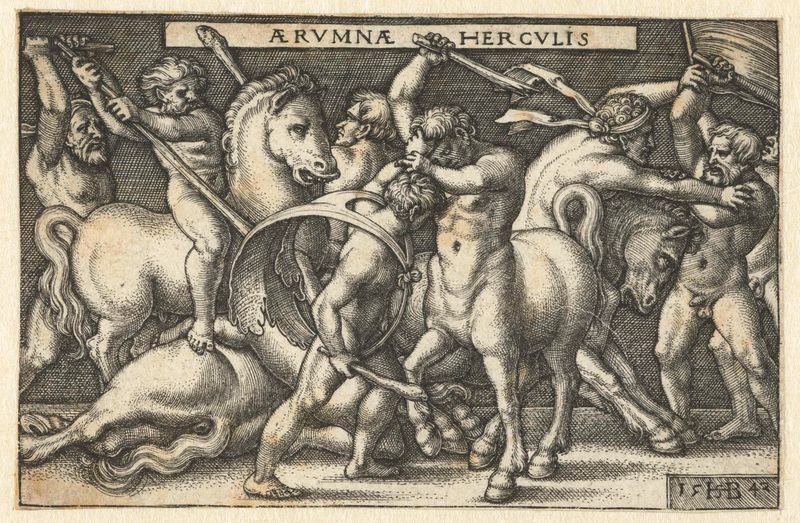
Hercules in gevecht met centaurs
Hans Sebald Beham
More Portrait Art
Browse all →
Las meninas
Diego Velázquez

Self-portrait with a Bandaged Ear and Pipe
Unidentified artist

Girl with a Pearl Earring
Johannes Vermeer

The Sampling Officials of the Amsterdam Drapers’ Guild, Known as ‘The Syndics’
Rembrandt van Rijn

The Hundred Guilder Print: the man seen on the back in the lower left corner
Rembrandt van Rijn

Portrait of Dr Gachet
Vincent van Gogh