
Ange — History & Facts
A figure hovers in a space that feels neither earthly nor entirely imagined, her hands pressed together in prayer, her gaze directed outward with a calm that is both childlike and otherworldly. The delicate folds of her white garment seem to defy gravity, trailing softly into the blue-grey void, as if she is suspended between two realms. The arching gold frame, inscribed with the words “Sa mémoire est comme un parfum,” sets a tone of remembrance and longing, inviting the viewer to consider the painting as both portrait and memorial.
Light gathers gently around her head, forming a subtle halo that marks her as angelic, yet her features are unmistakably those of a real young girl—individual, remembered, mourned. Painted by Ary Scheffer in 1847, this work belongs to a moment when portraiture and spiritual allegory often intertwined, especially in the wake of personal loss. The source identifies the figure as Mademoiselle de Montblanc, depicted after her death, and the painting’s purpose is clear: to offer comfort and a vision of innocence preserved. In the mid-19th century, such images were cherished tokens for grieving families, blending the conventions of Romantic sentiment with a restrained, almost neoclassical clarity.
History has kept few traces of this particular painting’s journey, but its presence in a modern collection allows us to witness how art could transform private sorrow into a vision meant to linger—like a fragrance, as the inscription promises—long after the sitter herself had vanished.
More Artworks by Ary Scheffer

Princess Marie d'Orléans in Her Studio
Ary Scheffer
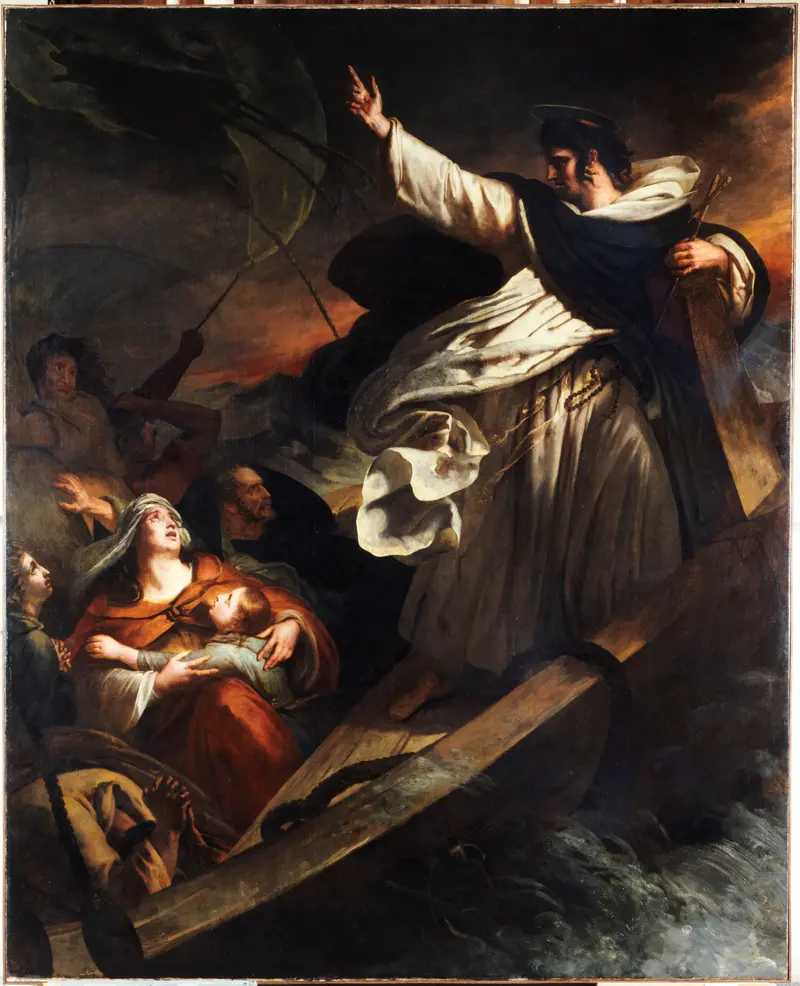
Saint Thomas d'Aquin prêchant la confiance en Dieu pendant la tempête
Ary Scheffer
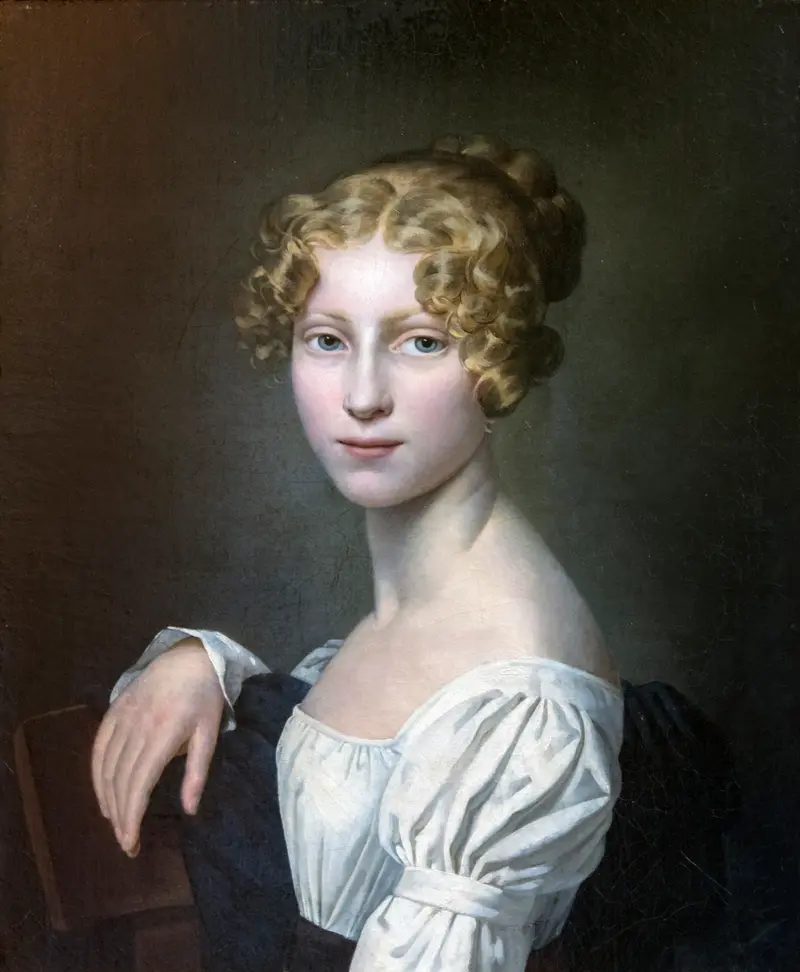
Pauline de Rémusat par Ary Scheffer
Ary Scheffer
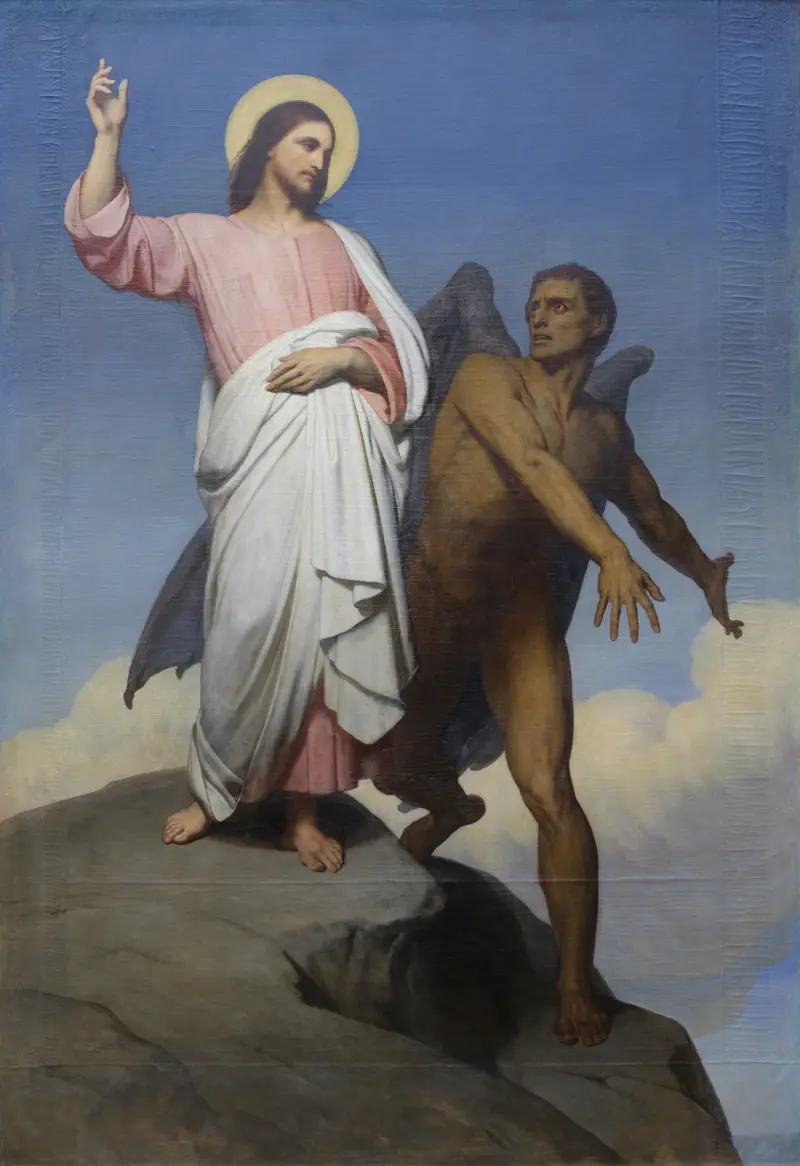
La Tentation du Christ Musée du Louvre Peintures MI 285
Ary Scheffer
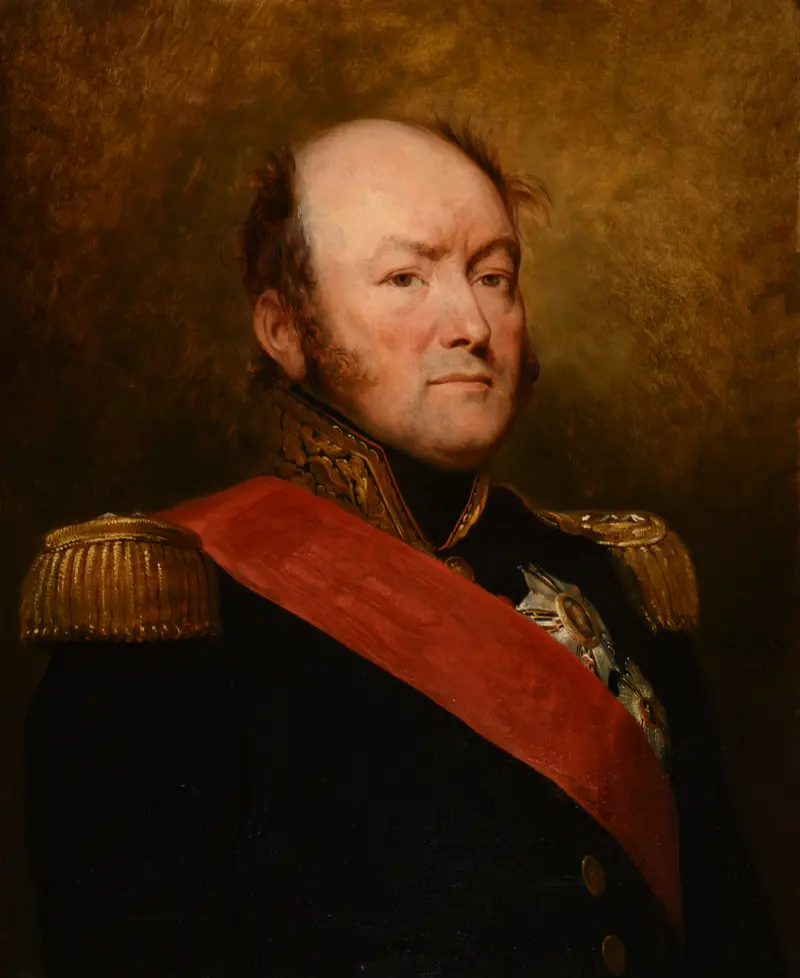
Comte Drouet d'Erlon
Ary Scheffer
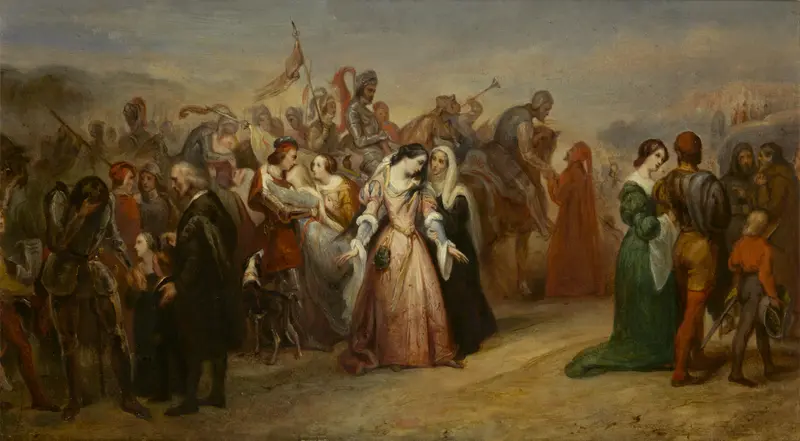
Lenore - de terugkeer van het leger
Ary Scheffer
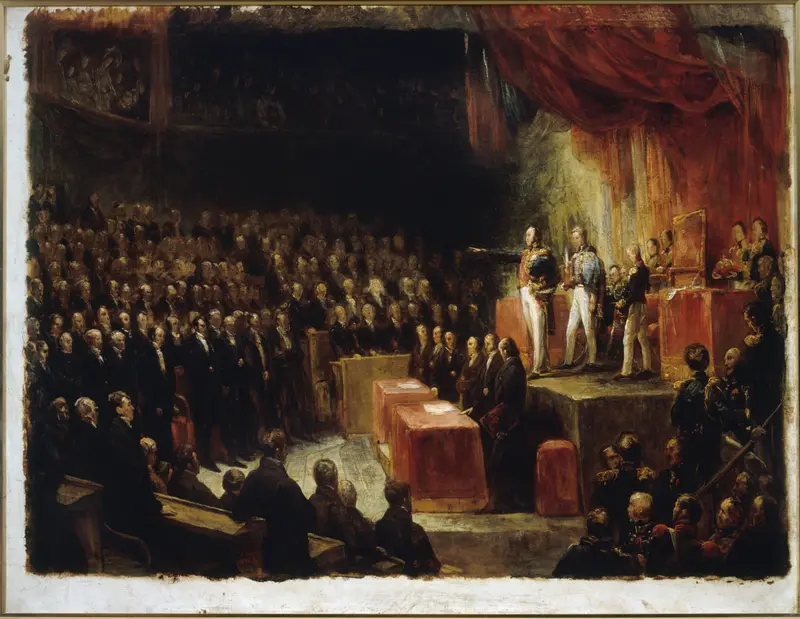
Louis Philippe prêtant serment devants les chambres, le 9 août 1830 P1537 Musée Carnavalet
Ary Scheffer
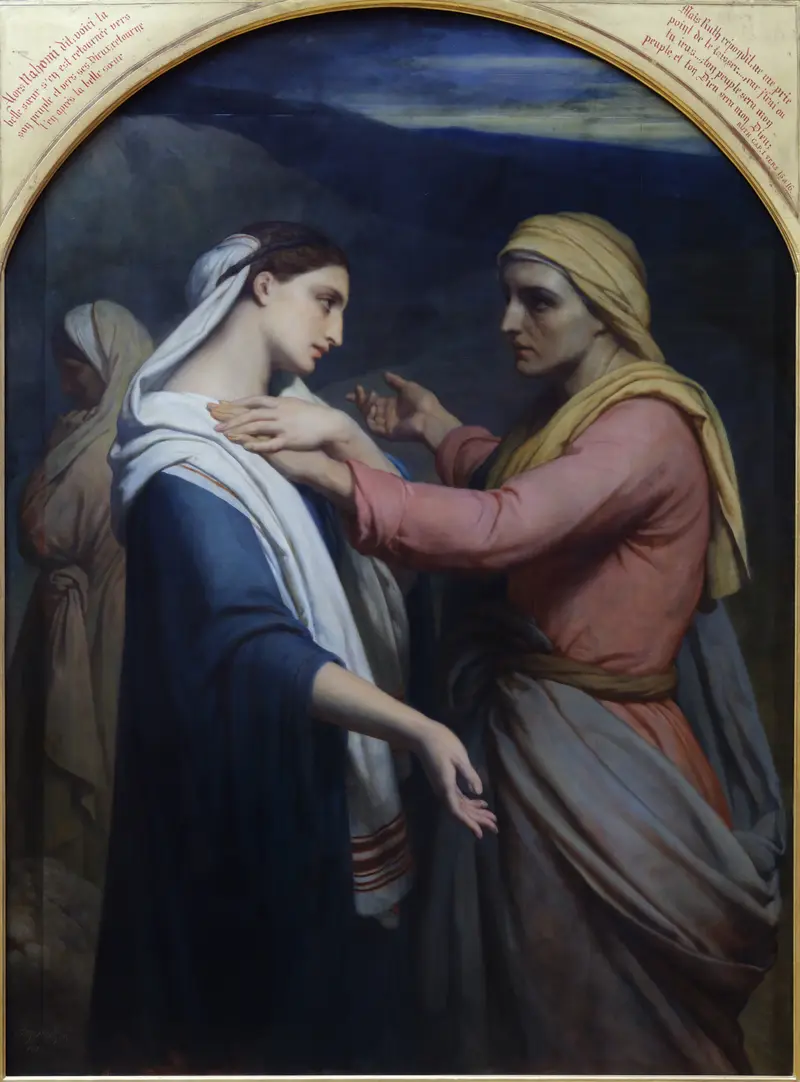
Ruth et Noémi Musée du Louvre Peintures RF 2013 4
Ary Scheffer

Figuur van een treurende engel DM S 70 Dordrechts Museum
Ary Scheffer
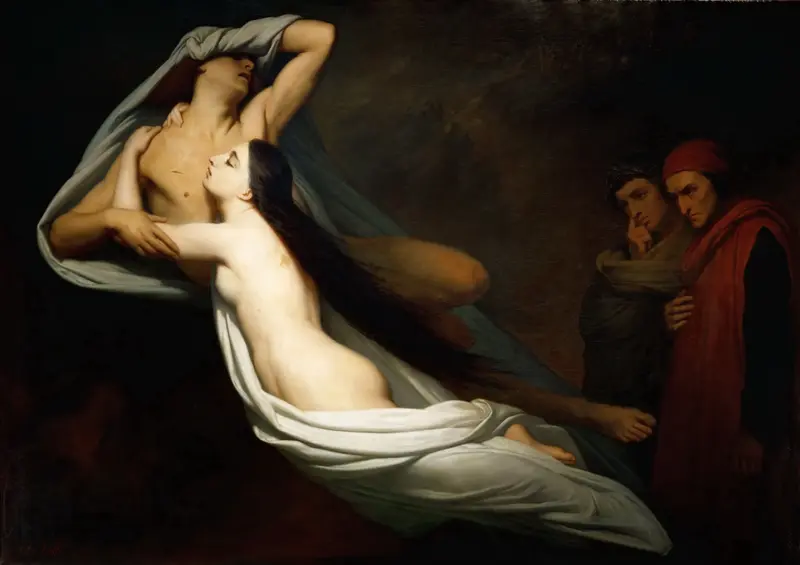
Francesca da Rimini and Paolo Malatesta appraised by Dante and Virgil
Ary Scheffer





