
Angelnder Junge — History & Facts
What if silence could speak through light? In Angelnder Junge, the viewer is invited to contemplate not only the presence of the young boy but the ethereal quality of the surrounding light that envelops him. Look to the left and notice the soft, golden hues that cascade through the scene, illuminating the boy’s delicate features. His innocent expression, caught between contemplation and curiosity, draws your gaze, while the subtle play of light accentuates the gentle folds of his clothing. The background, a blend of serene greens and browns, further enhances the sense of tranquility, contrasting with the emotional intensity radiating from the figure. Delve deeper into the interplay of light and shadow, where the boy’s serene posture evokes a sense of peace, yet hints at an underlying vulnerability.
Tiny details—such as the soft curl of his hair and the glimmer of light on his hands—whisper stories of innocence lost and dreams yet unformed. This contrast between light and shadow embodies a universal tension, encapsulating a moment poised between childhood and the inevitable passage of time. In 1880, Hans Andersen Brendekilde painted this work during a period marked by shifts in artistic focus towards realism and emotional depth. Living in Denmark, he was influenced by the burgeoning interest in capturing the essence of human experience, as well as the natural world around him.
This piece reflects not only his personal exploration of light and form but also an era that sought to convey deeper emotional truths through art.
More Artworks by Hans Andersen Brendekilde
Browse all →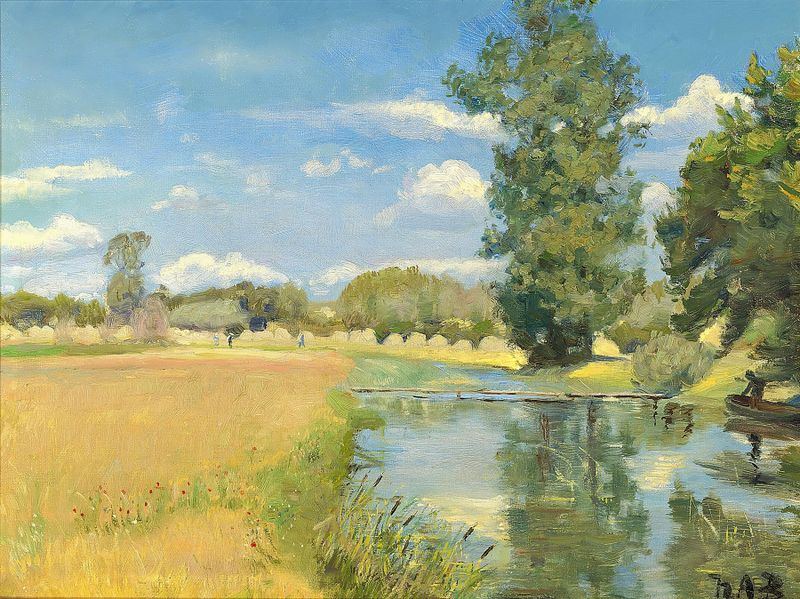
Flod gennem høstlandskab, sommer
Hans Andersen Brendekilde
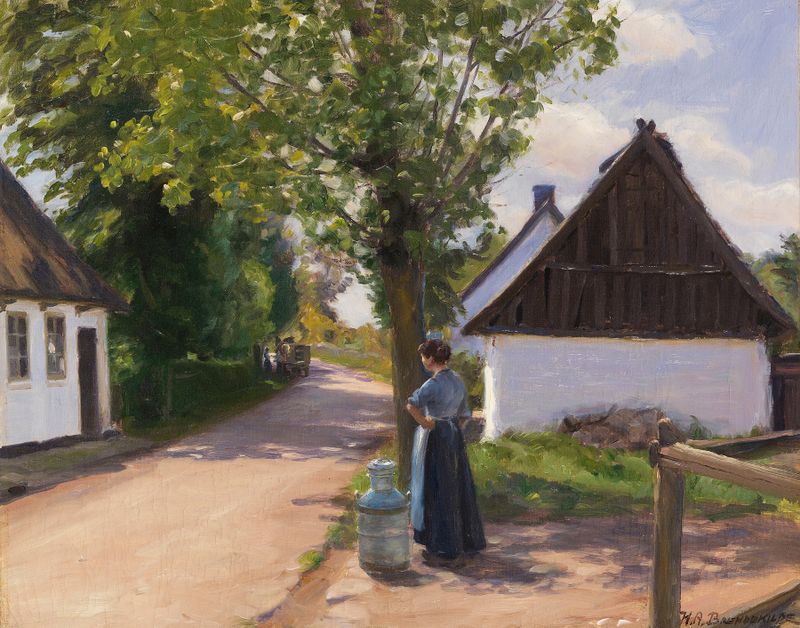
Dänische Dorfstraße mit Bäuerin und Milchmann
Hans Andersen Brendekilde
Dansk landsbygade
Hans Andersen Brendekilde
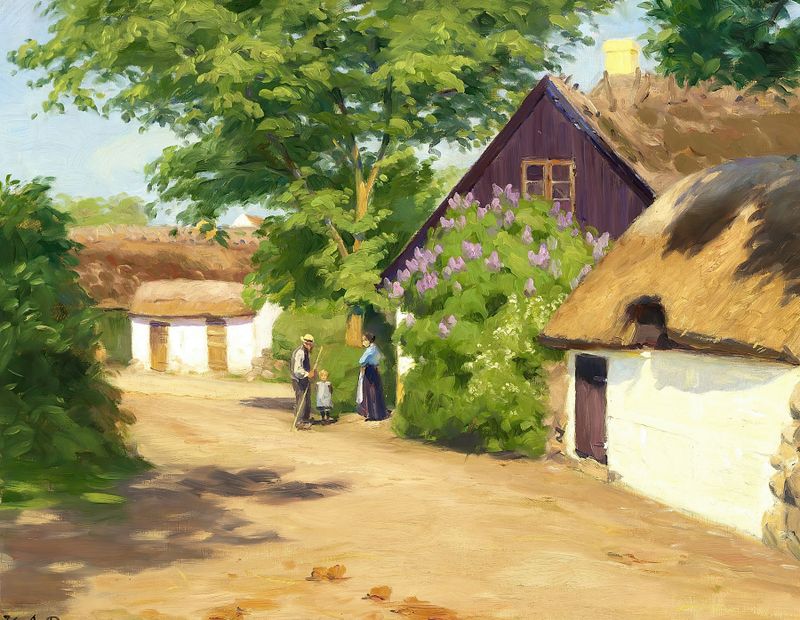
Sommerdag i landsbyen
Hans Andersen Brendekilde
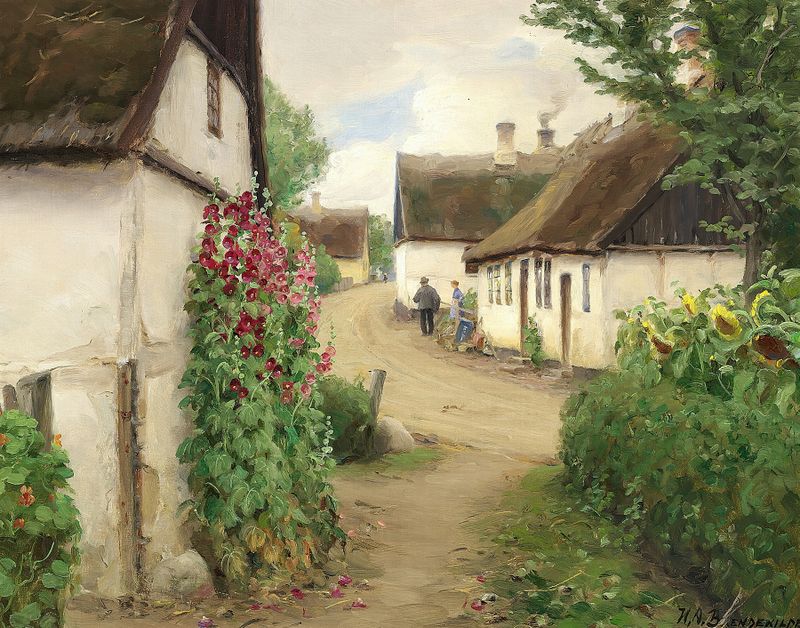
Sommerdag i en landsbygade med solsikker og røde stokroser
Hans Andersen Brendekilde
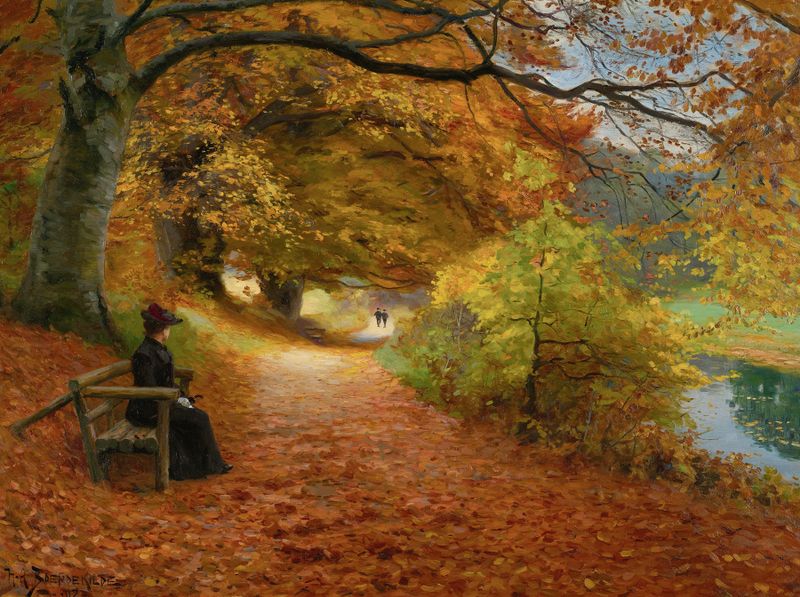
Wooded Path In Autumn
Hans Andersen Brendekilde
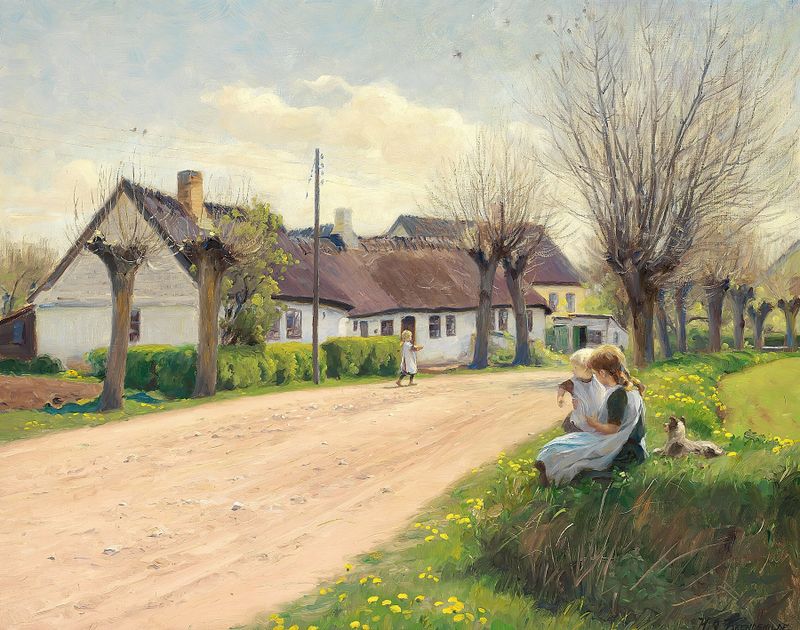
Forår i landsbyen med piger i vejkanten
Hans Andersen Brendekilde
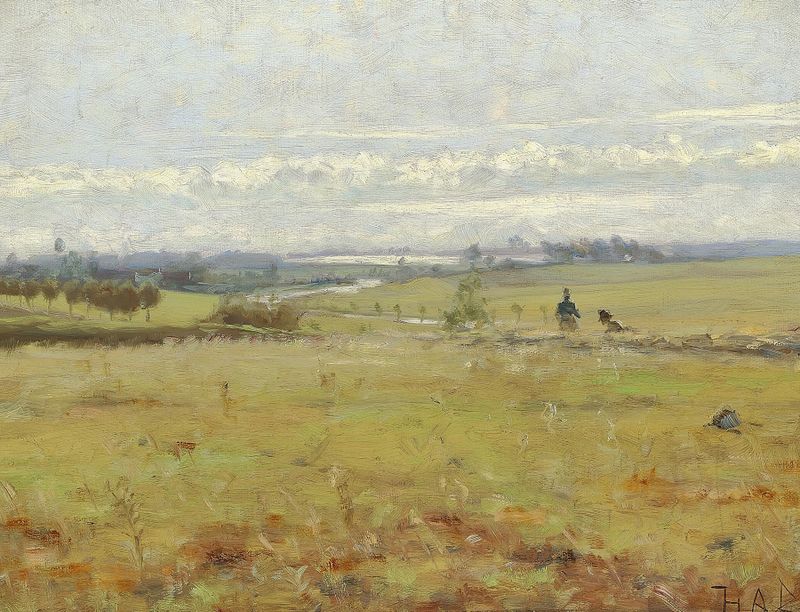
Tidlig Morgen over Mosen
Hans Andersen Brendekilde
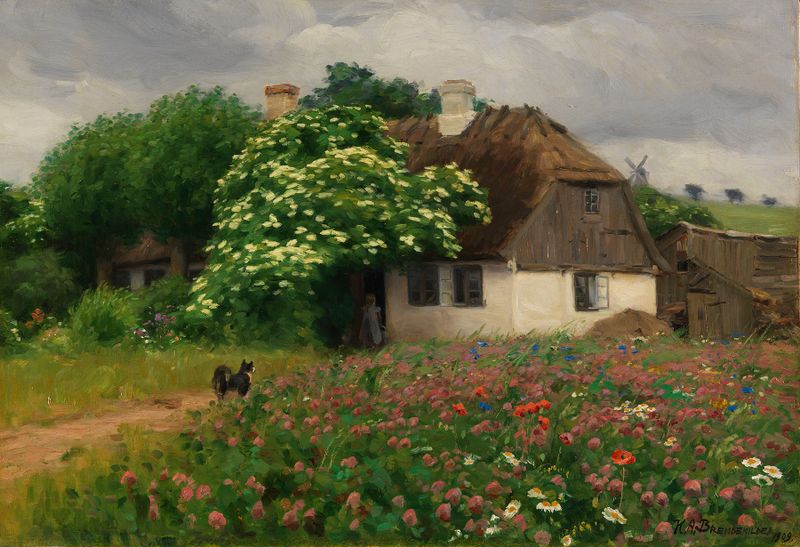
Farmhouse with meadow flowers
Hans Andersen Brendekilde
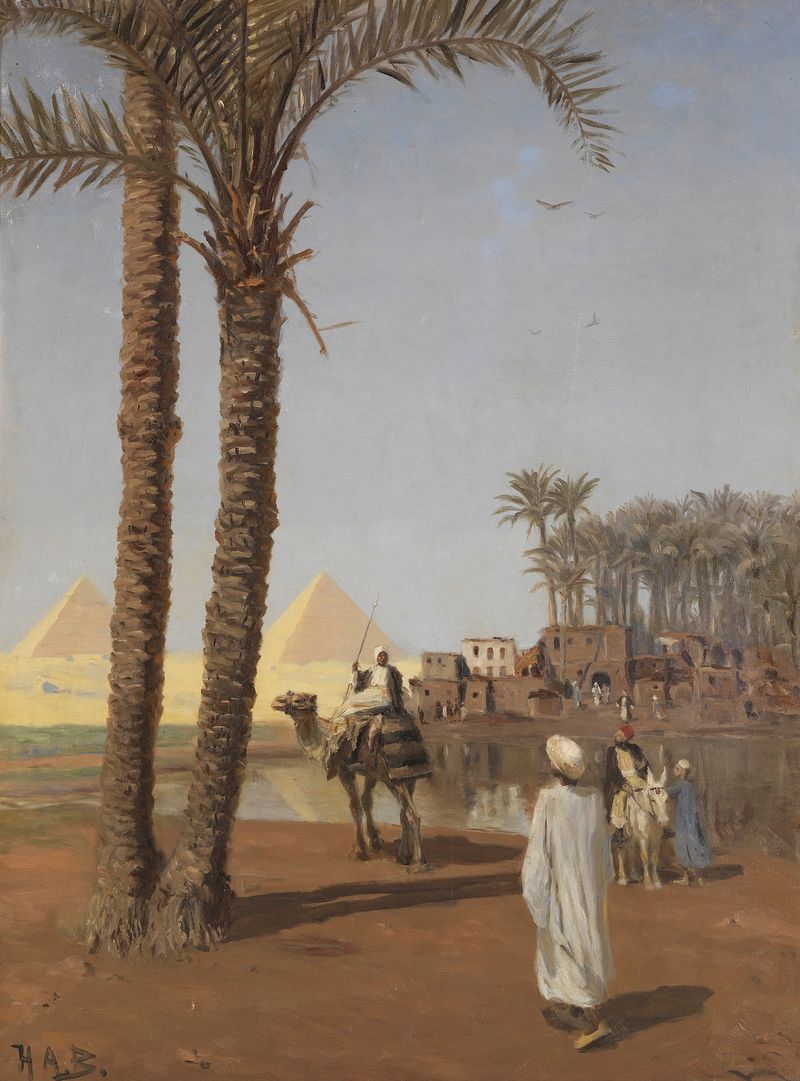
Orientalsk scene
Hans Andersen Brendekilde
More Portrait Art
Browse all →
Las meninas
Diego Velázquez

Self-portrait with a Bandaged Ear and Pipe
Unidentified artist

Girl with a Pearl Earring
Johannes Vermeer

The Sampling Officials of the Amsterdam Drapers’ Guild, Known as ‘The Syndics’
Rembrandt van Rijn

The Hundred Guilder Print: the man seen on the back in the lower left corner
Rembrandt van Rijn

Portrait of Dr Gachet
Vincent van Gogh