
Dänische Dorfstraße mit Bäuerin und Milchmann — History & Facts
Could beauty survive in a century of chaos? In the delicate balance between tradition and change, art becomes a sanctuary for the soul's yearning. Focus on the soft, muted tones that breathe life into the pastoral scene. The milkman, standing tall beside his cart, draws the viewer’s eye with his rustic attire, a gentle reminder of the labor that nurtures the land. Notice how the light drapes over the village road, casting soft shadows that dance between the figures and the earth, symbolizing the passage of time.
Each stroke conveys a sense of harmony, where the simplicity of rural life meets the complexity of human emotion. Emotional tensions emerge as you gaze at the farmer's wife, her hands clasped, embodying both strength and vulnerability. Her expression speaks of resilience amid an evolving world, a reflection of the era's struggles. The contrast between the serene landscape and the weariness in her eyes hints at an unspoken yearning for a way of life that may slip away, an eternal dance between hope and despair, tradition and progress. Created in 1880, this artwork emerged during a time of significant change in Denmark, where rural life was gradually giving way to industrialization.
At this point in his career, the artist was deeply engaged in portraying the lives of ordinary people, capturing their quiet dignity against the backdrop of a transforming society. The painting stands as a poignant testament to the artist’s commitment to preserving the beauty of everyday life amidst the turbulence of the modern age.
More Artworks by Hans Andersen Brendekilde
Browse all →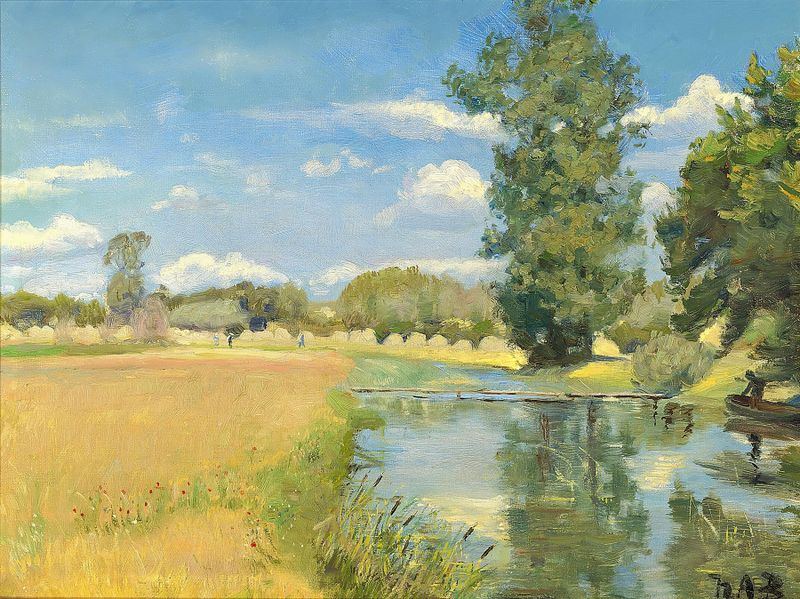
Flod gennem høstlandskab, sommer
Hans Andersen Brendekilde
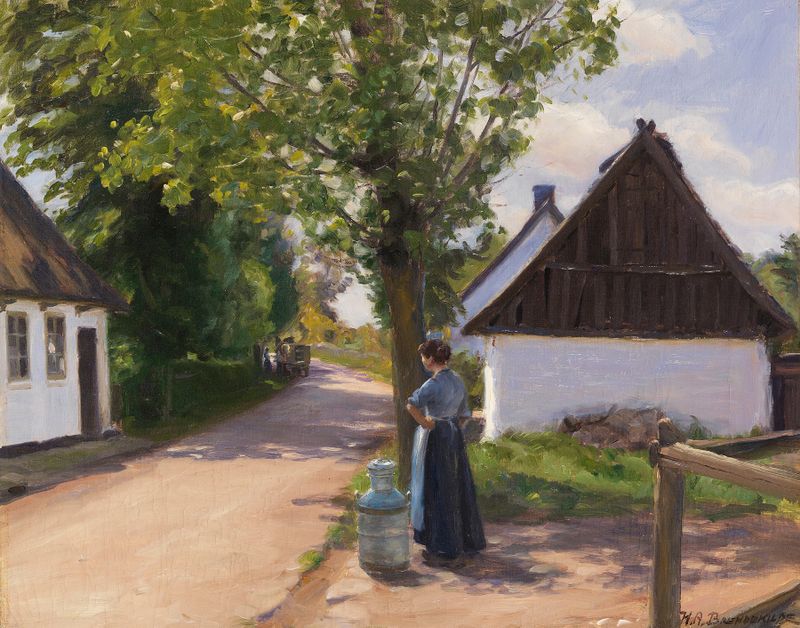
Dansk landsbygade
Hans Andersen Brendekilde
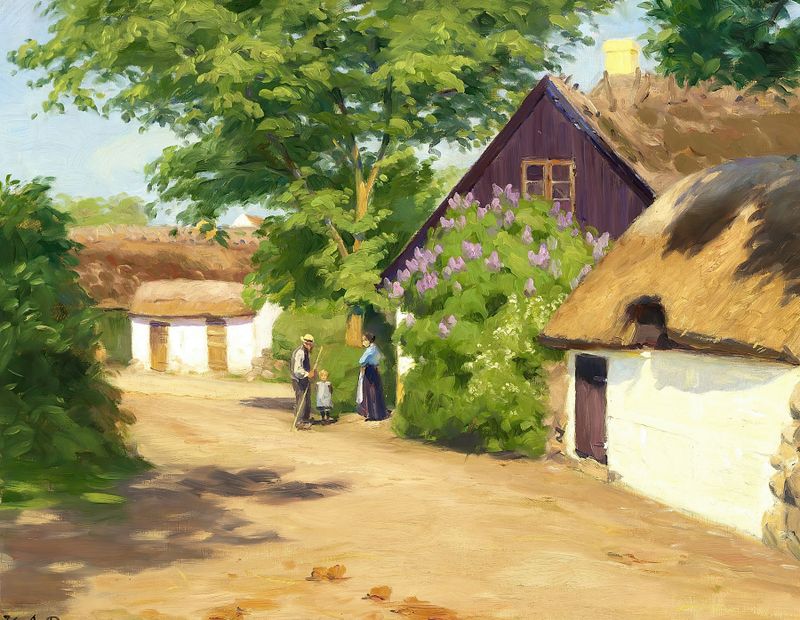
Sommerdag i landsbyen
Hans Andersen Brendekilde
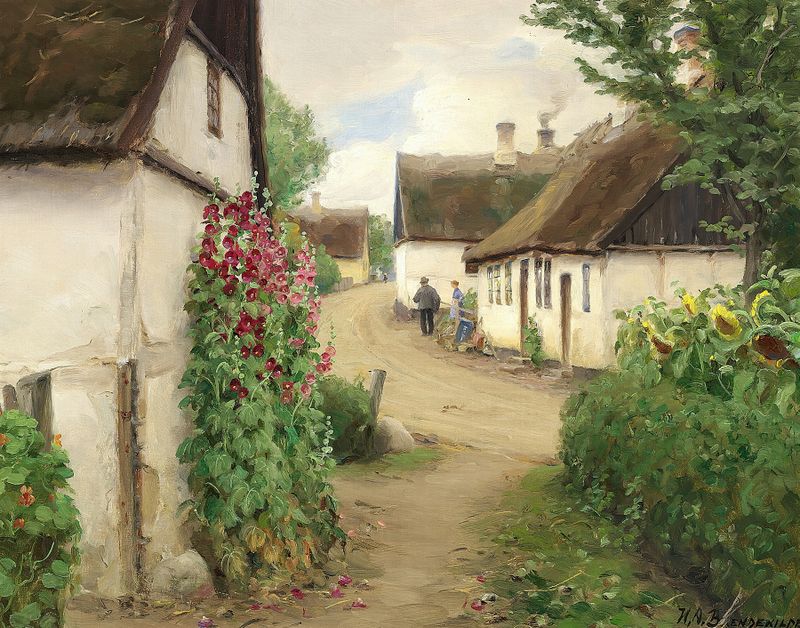
Sommerdag i en landsbygade med solsikker og røde stokroser
Hans Andersen Brendekilde
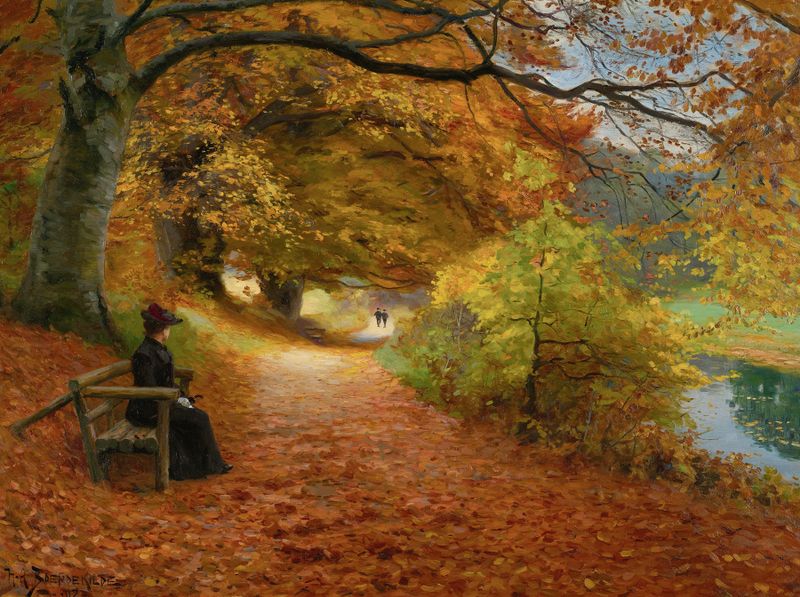
Wooded Path In Autumn
Hans Andersen Brendekilde
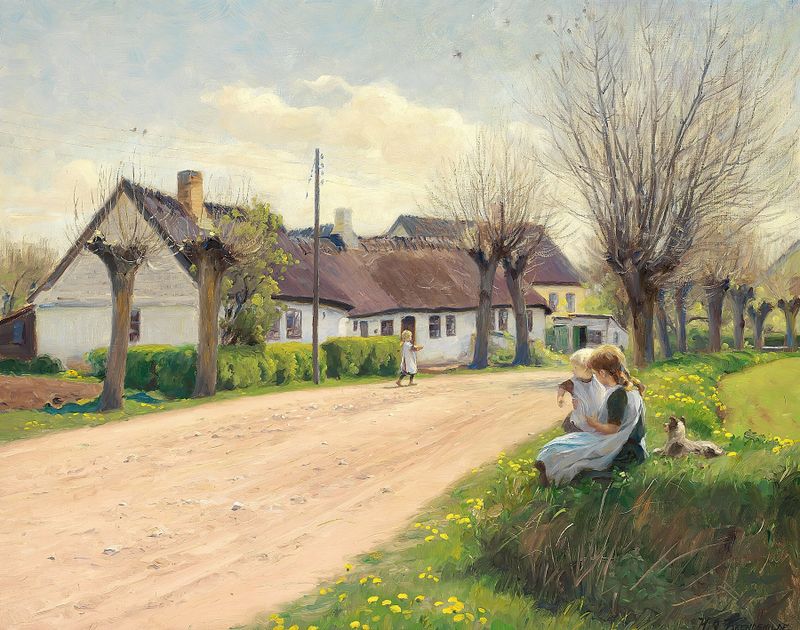
Forår i landsbyen med piger i vejkanten
Hans Andersen Brendekilde
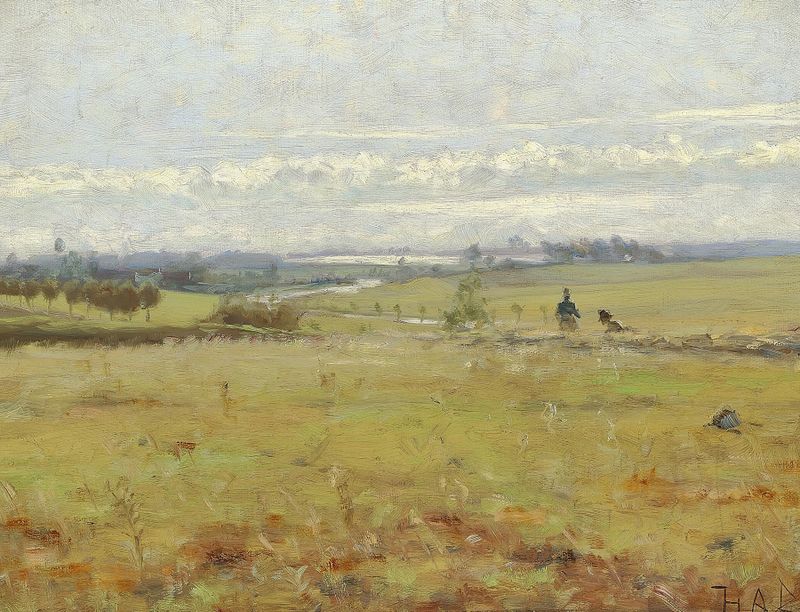
Tidlig Morgen over Mosen
Hans Andersen Brendekilde
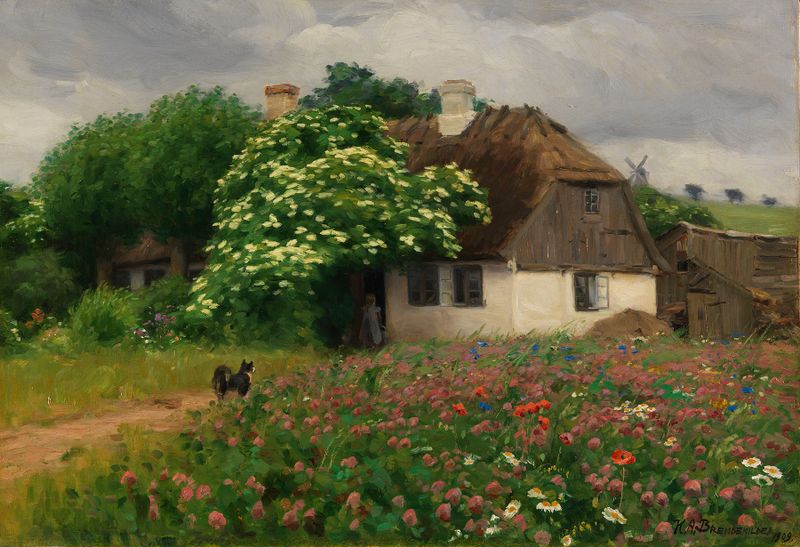
Farmhouse with meadow flowers
Hans Andersen Brendekilde
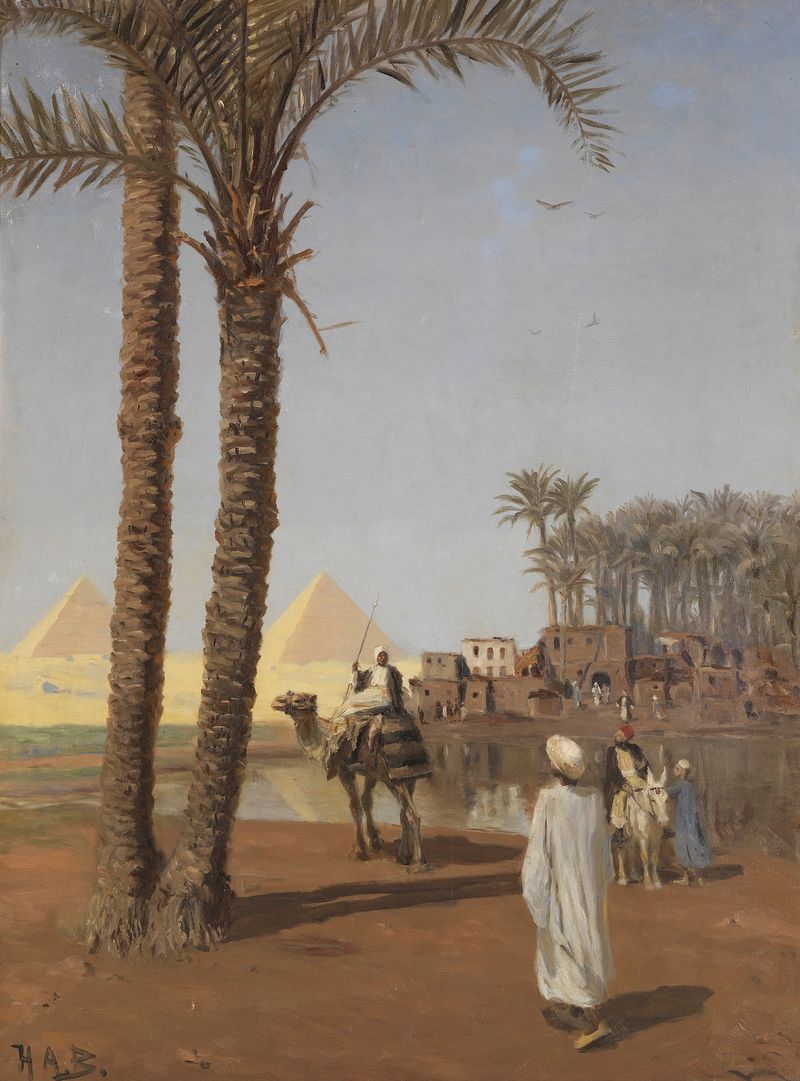
Orientalsk scene
Hans Andersen Brendekilde
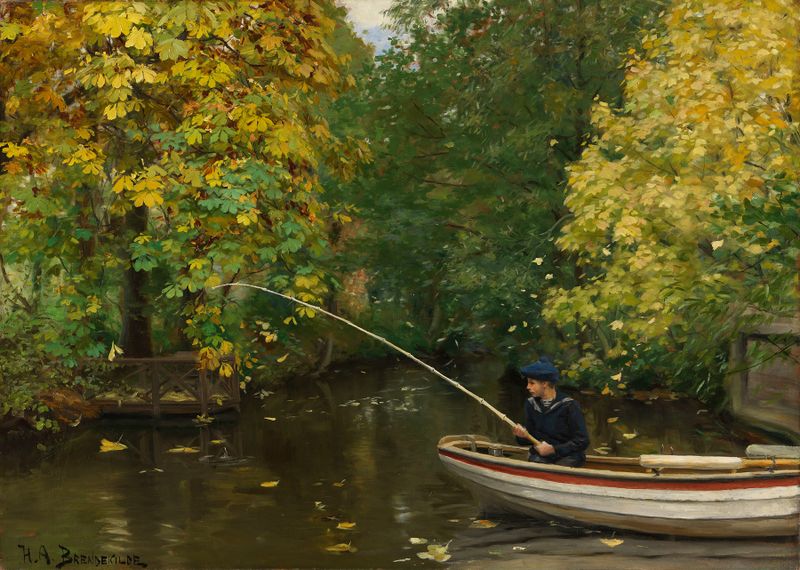
Fishing Boy
Hans Andersen Brendekilde





