
Anker Stilleben Bier und Rettich — History & Facts
What draws the viewer in first is the quiet confidence of the composition: a hunk of rustic bread, a single black radish resting on a plate, a glass of amber beer, and a small salt cellar, each object given its own space and dignity. The light falls evenly, without drama or flourish, allowing the textures to speak: the rough, torn crumb of the bread, the matte, earthy skin of the radish, the cool sheen of the glass. The knife lies ready but unused, hinting at a pause before a simple meal.
There is no clutter, no excess—just the essentials, arranged with the care of someone who knows the worth of everyday pleasures. Painted in 1898, this still life by Albert Anker belongs to a tradition that found beauty in the ordinary, a tradition that flourished in the late nineteenth century as artists turned their attention from grand historical scenes to the poetry of daily life. In Switzerland, where Anker worked, such paintings were often cherished for their honesty and restraint, reflecting a society that valued modesty and order. Still lifes like this one may have hung in middle-class homes or small public spaces, reminders of the quiet satisfaction found in familiar routines.
Today, Anker Stilleben Bier und Rettich resides in the Kunsthaus Zürich collection, a modest but eloquent witness to the era’s appreciation for the humble rituals of nourishment—inviting us, still, to linger over the details.
More Artworks by Albert Anker

Portrait Of A Girl
Albert Anker
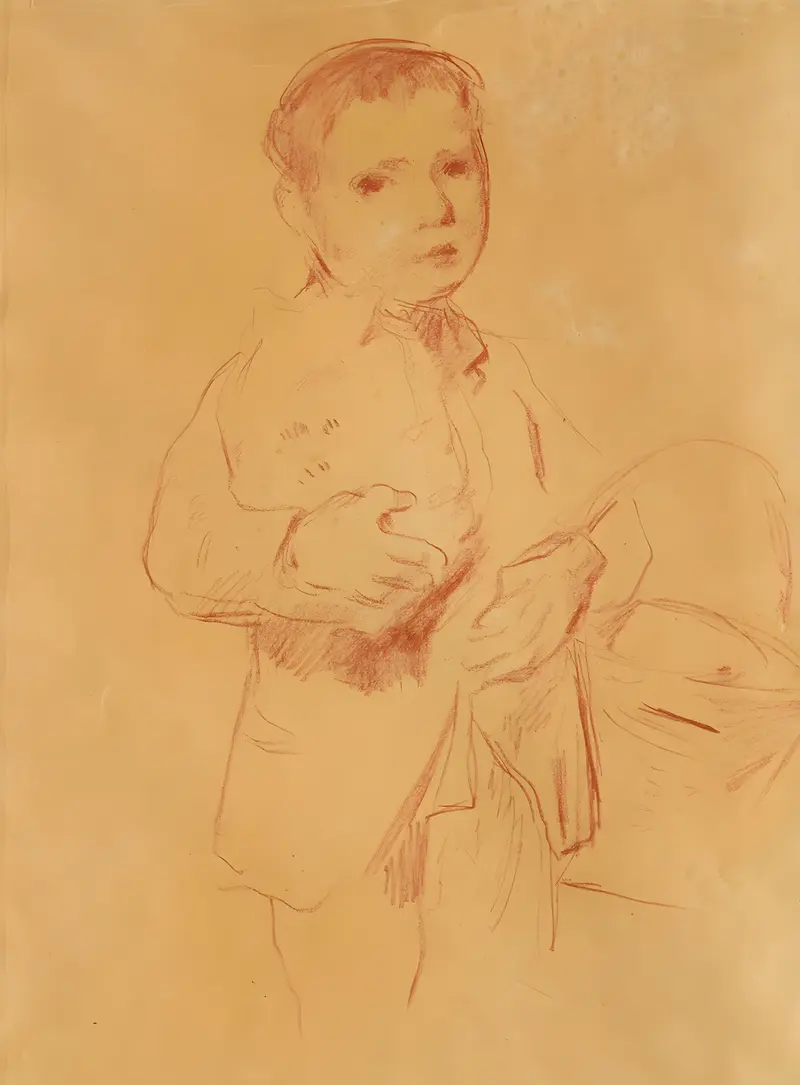
Boy with a basket
Albert Anker
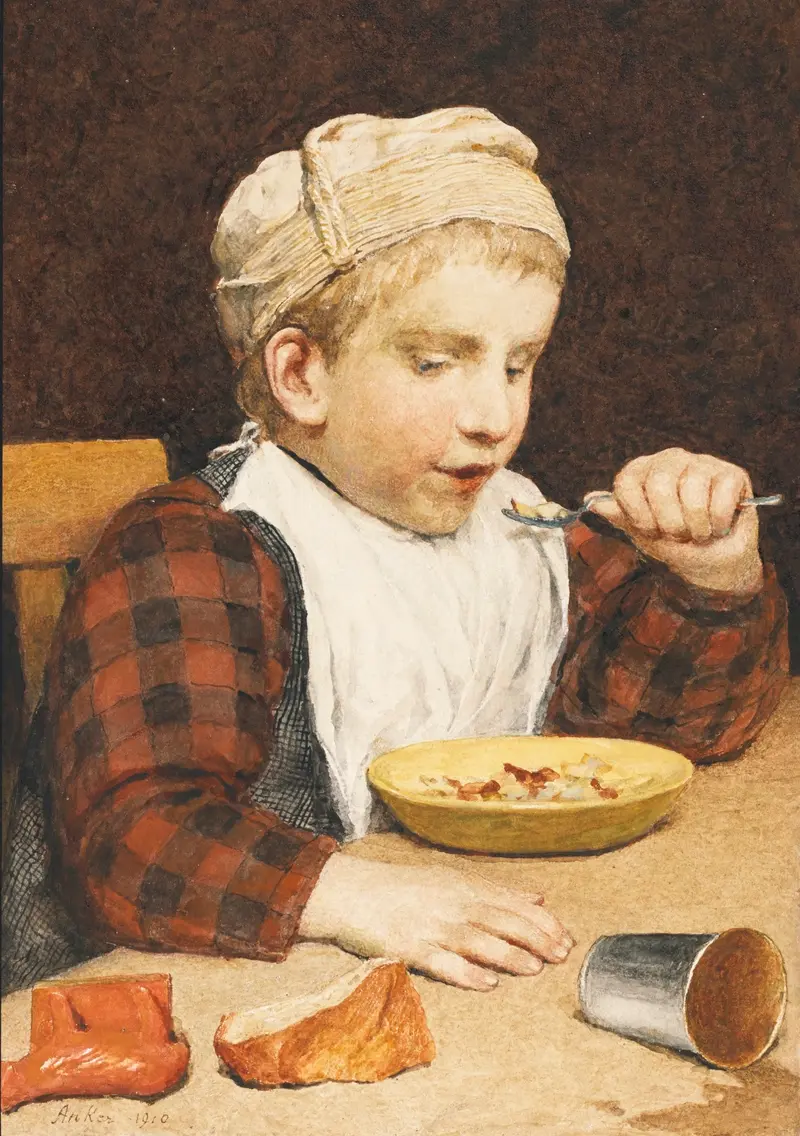
Knabe Mit Mütze Beim Essen
Albert Anker
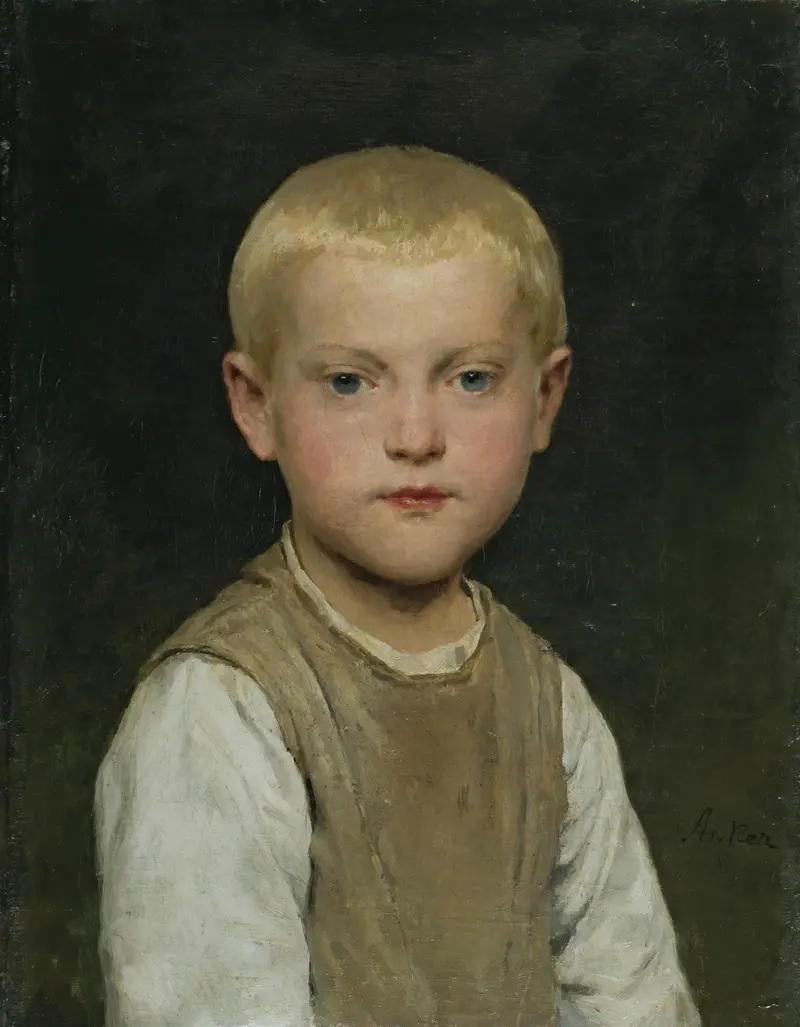
Knabenbildnis (Dr Heiri)
Albert Anker
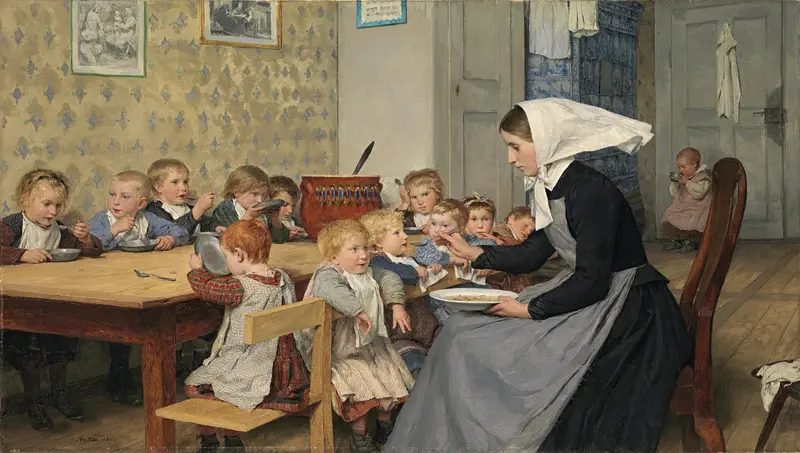
Die Kinderkrippe I
Albert Anker

L’instituteur et le pasteur
Albert Anker
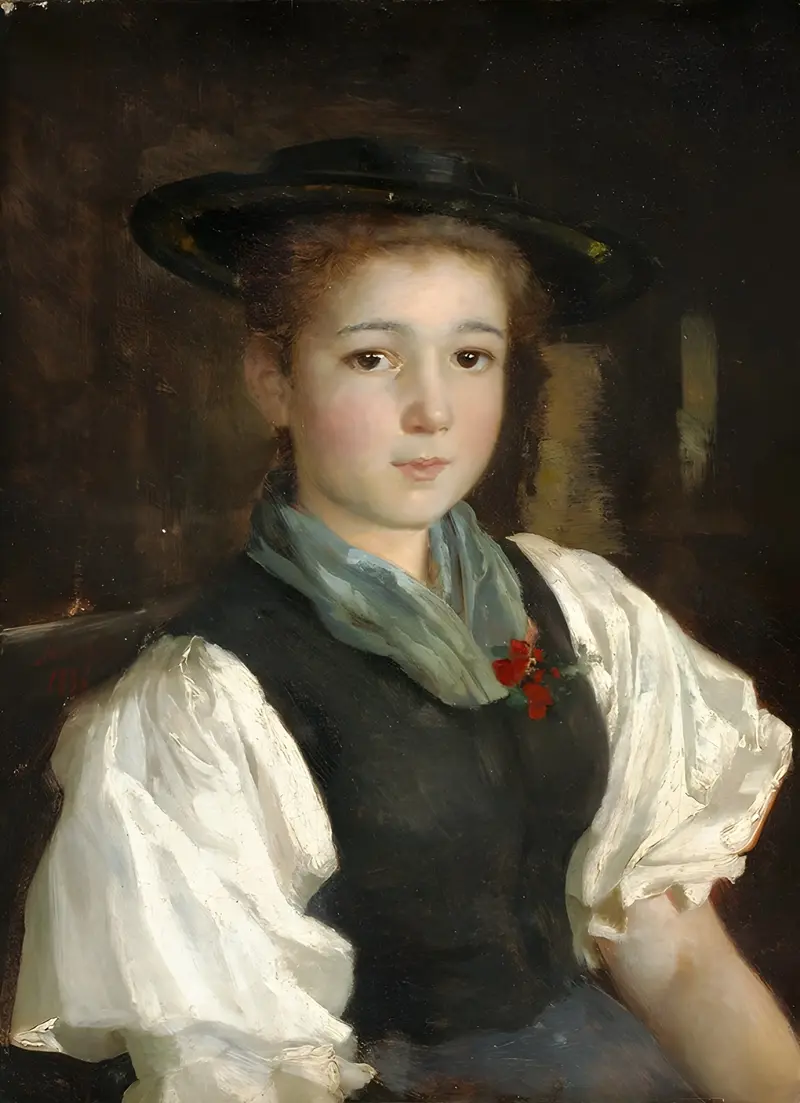
Bauernmädchen (Farm Girl)
Albert Anker
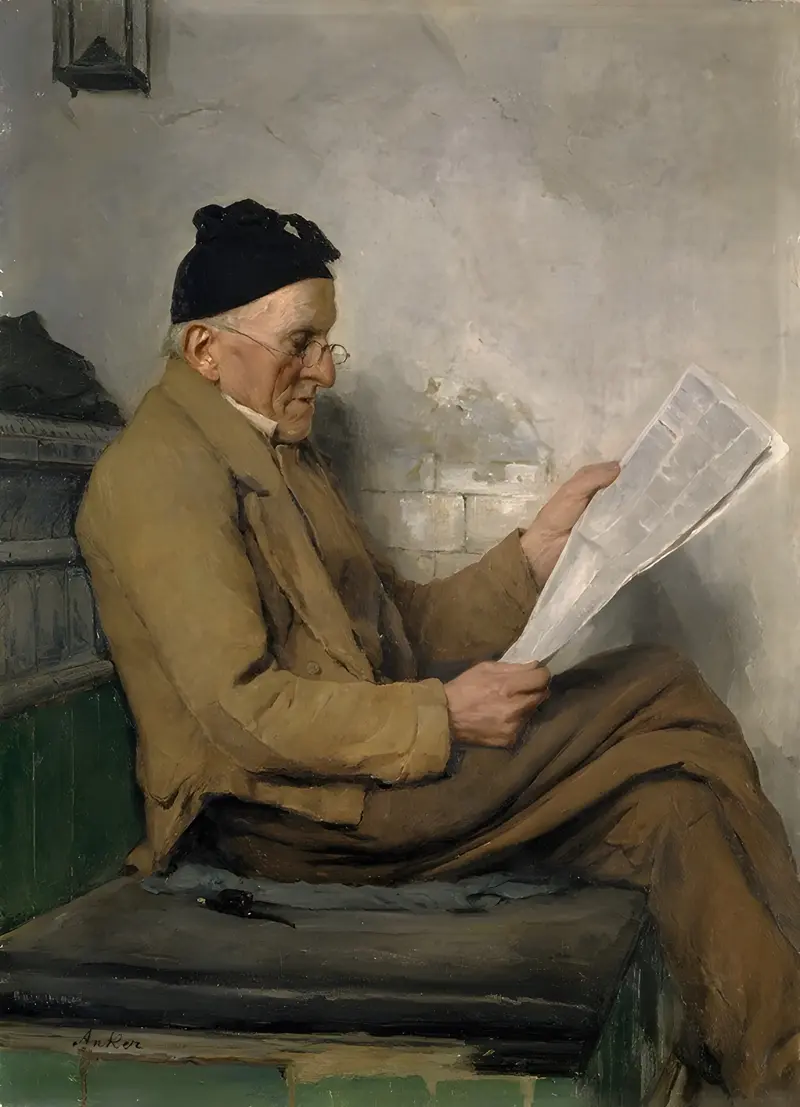
Farmer Reading on the Stove Bench
Albert Anker
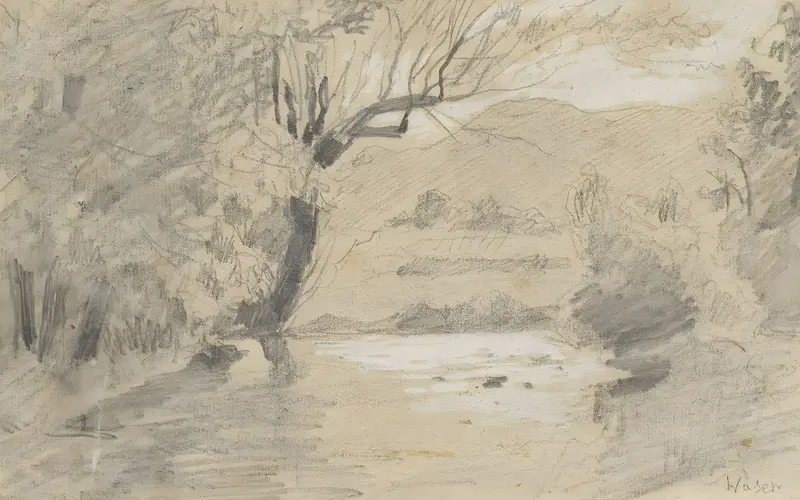
Flusslandschaft in Wasen (Emmental)
Albert Anker
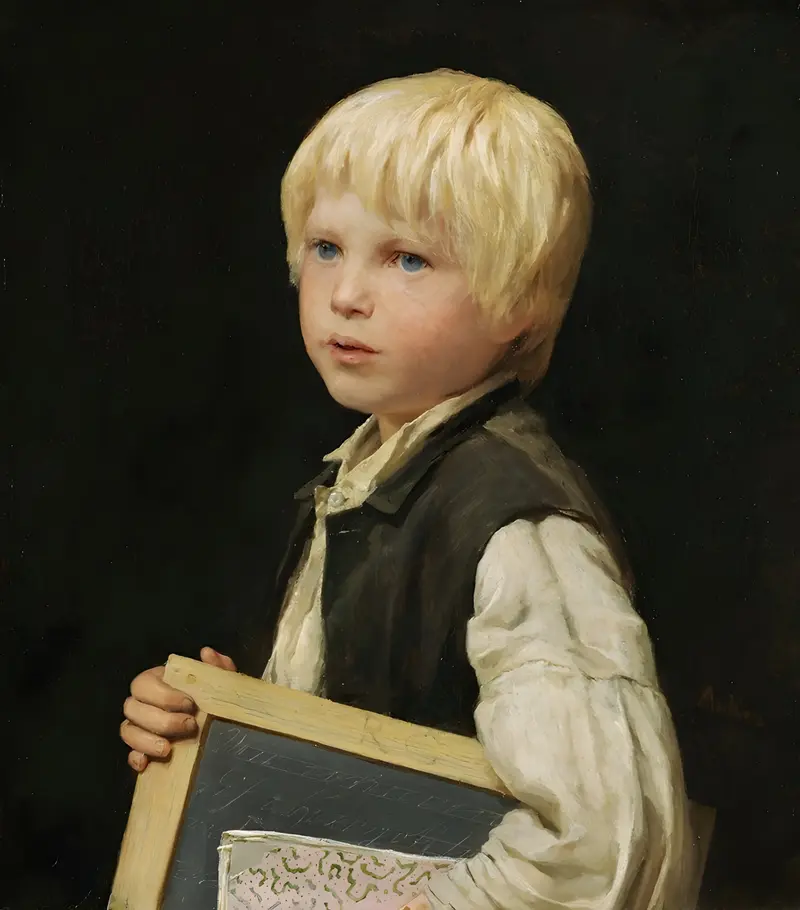
School Boy
Albert Anker





