
Art movement · c. 1840–1880 · France
Realism Art and Paintings
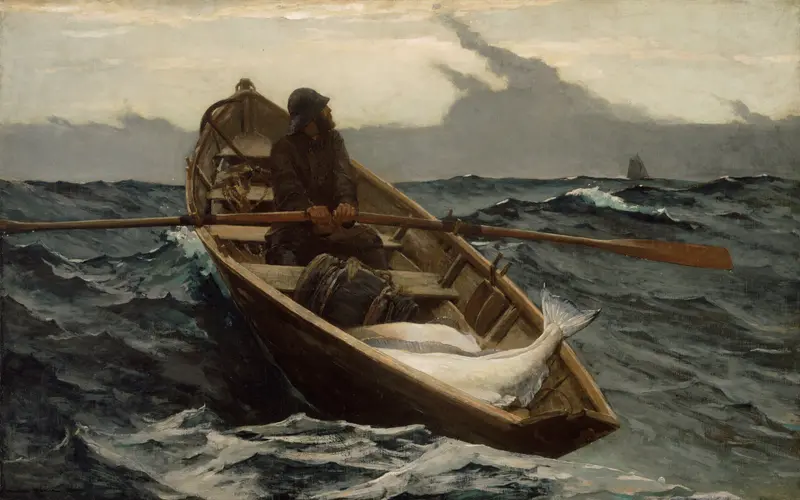
Realism is an art movement that began in France in the 1840s and painted everyday life as it really is: peasants, workers and ordinary people of the time, without idealizing them. It lasted until about 1880 and spread to Germany, Russia and the United States. Its painters include Gustave Courbet, Jean-François Millet, Honoré Daumier, Ilya Repin and Winslow Homer.
The French novelist Champfleury coined the term in the 1840s, and his friend Courbet became its leading painter. When the 1855 World's Fair turned down Courbet's huge The Painter's Studio, he showed it with A Burial at Ornans in a “Pavilion of Realism” he built himself, and the show established him as a Realist.
Browse 13,609 Realism paintings and artworks below, all public domain and free to download.
Selected and written by Pavel MazuelasUpdated November 5, 2026
Part of Art Movements and Painting StylesRelated: Romanticism, Impressionism, Naturalism
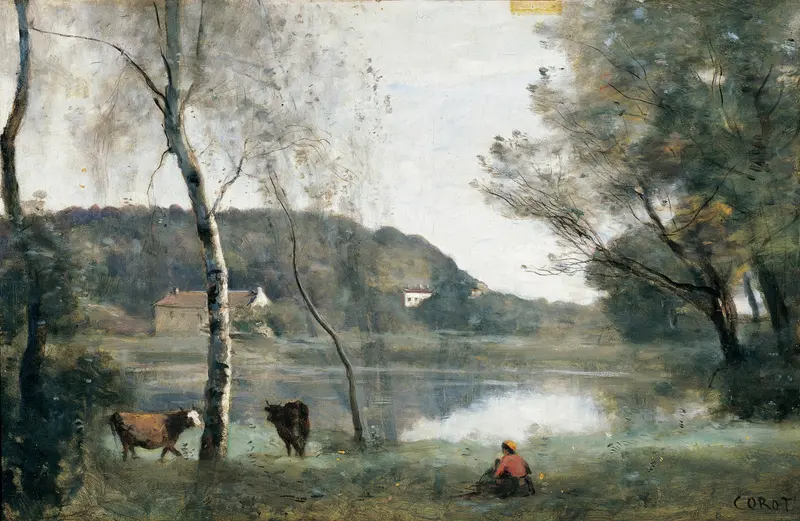
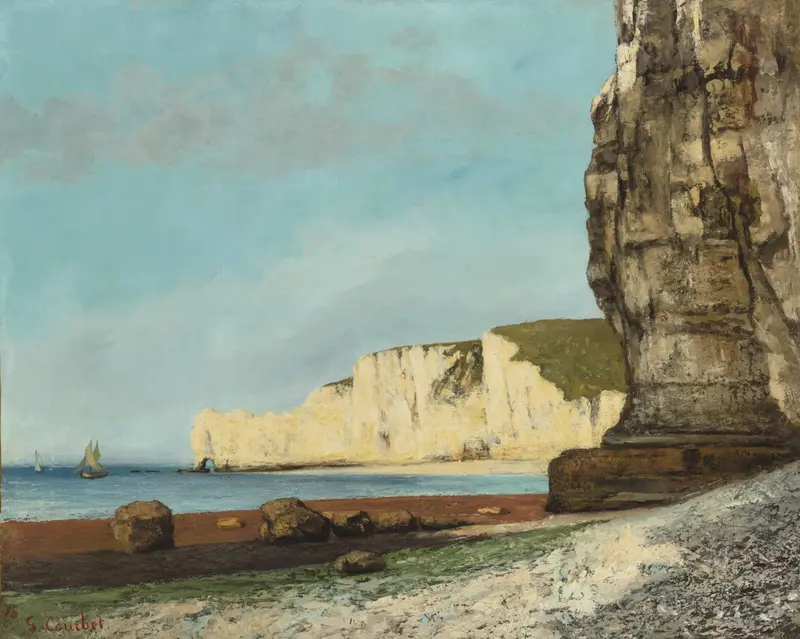
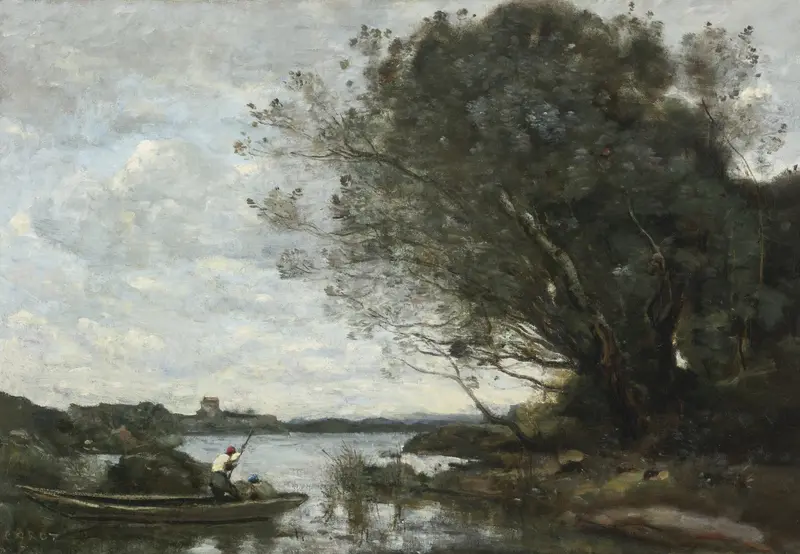
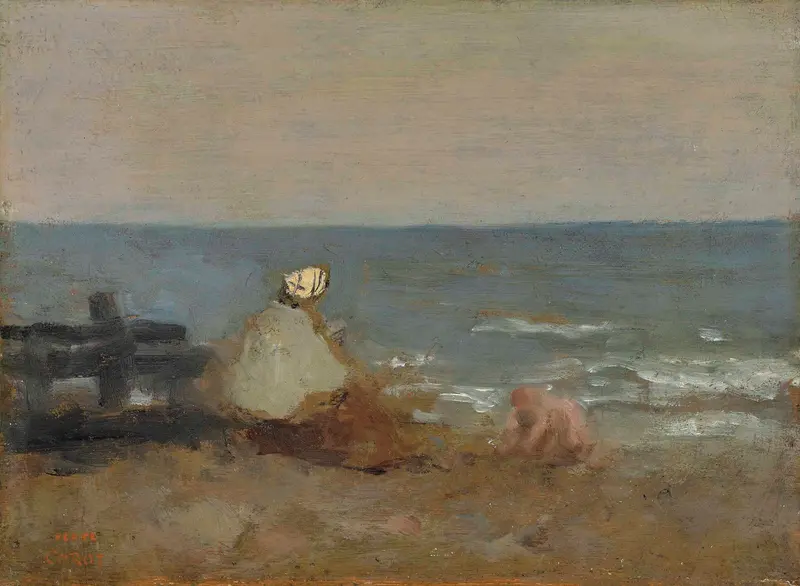
All Realism paintings and artworks
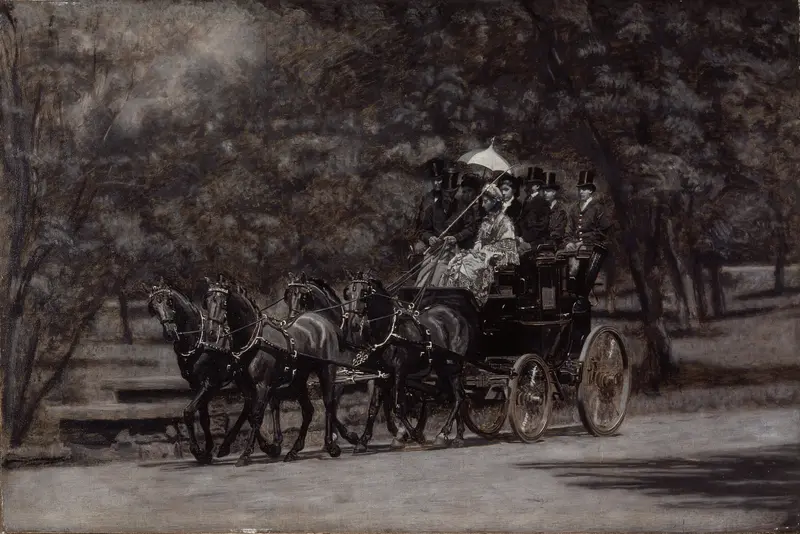
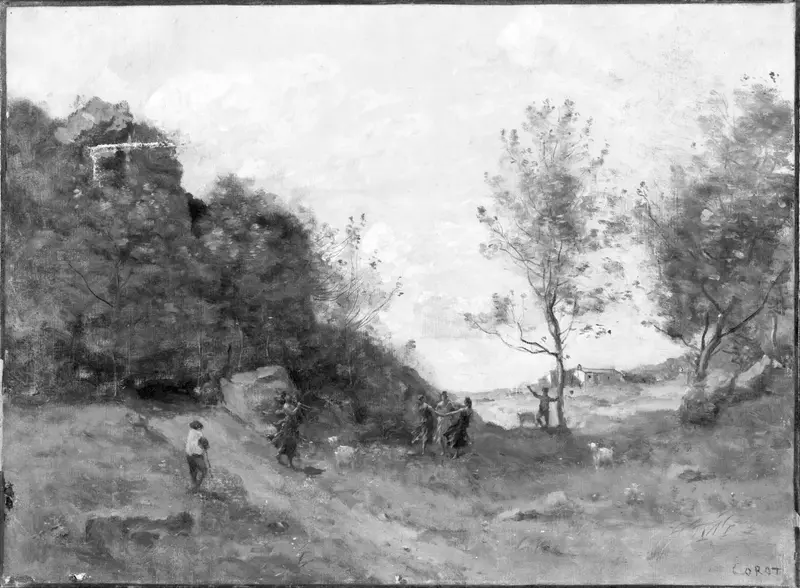
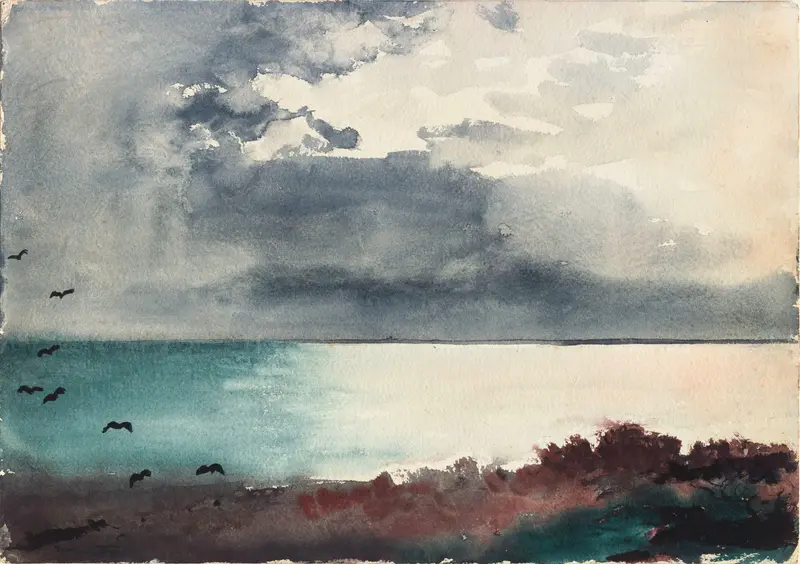
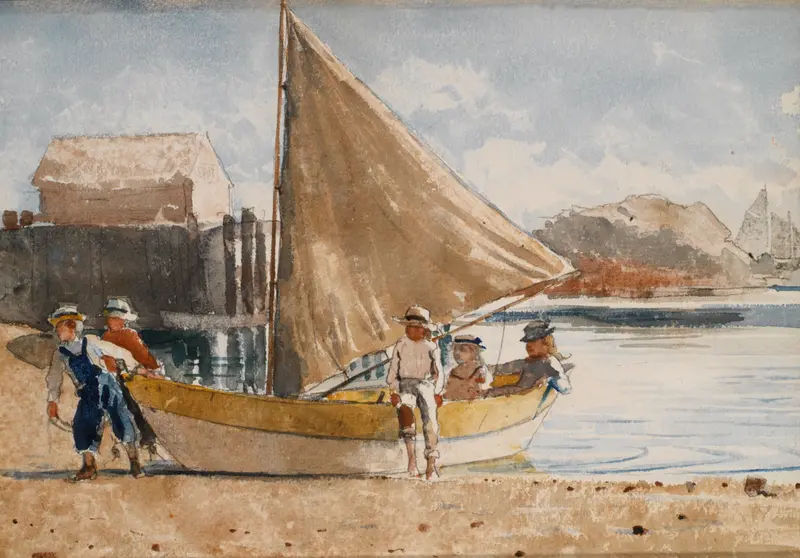
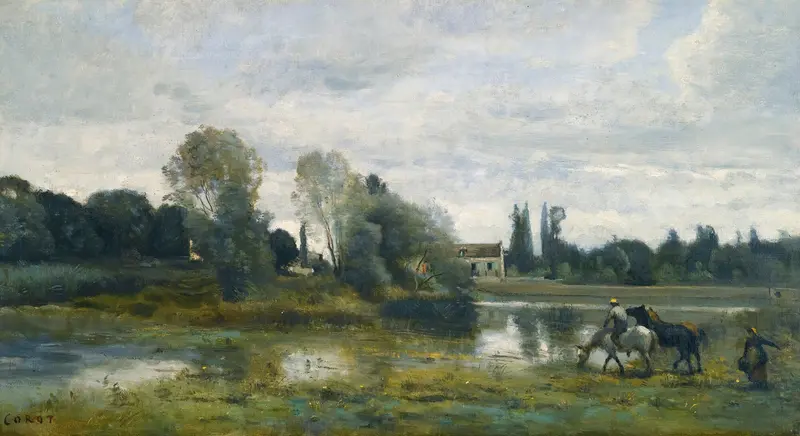
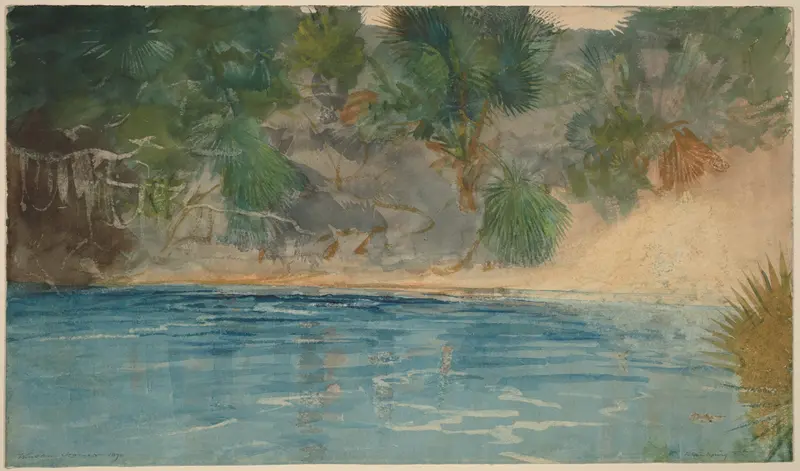
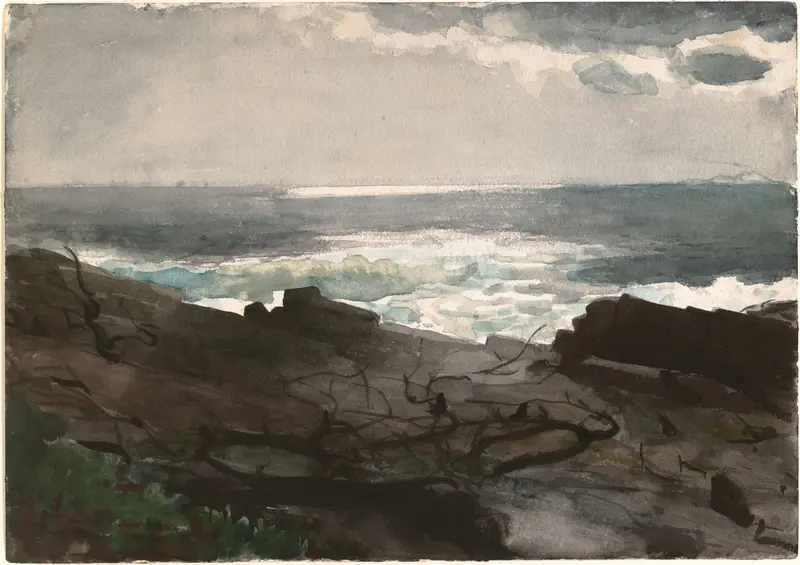
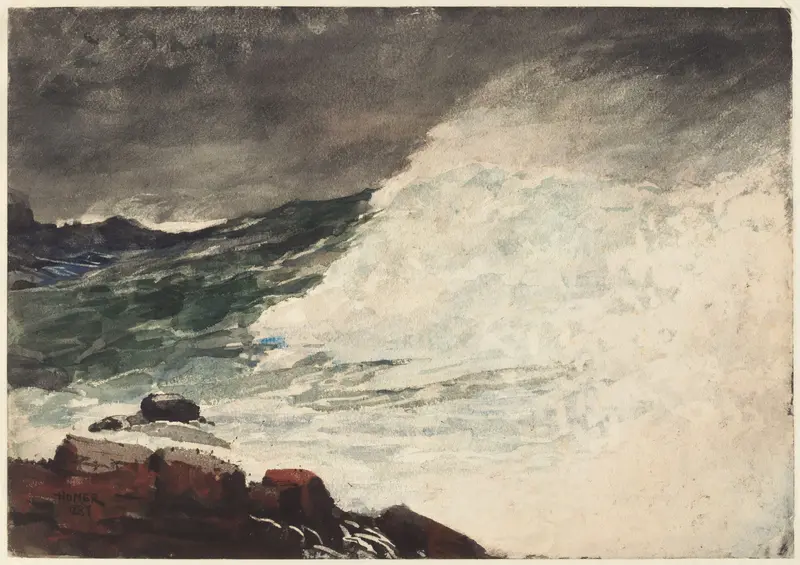
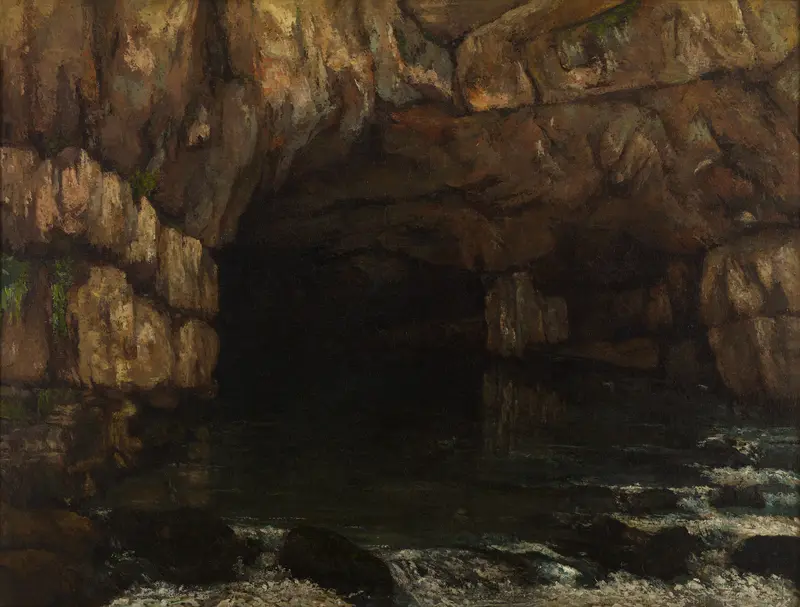
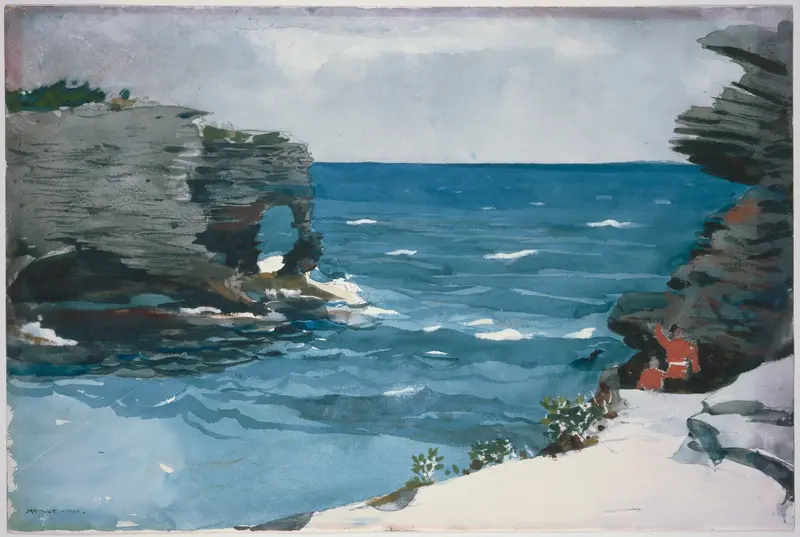
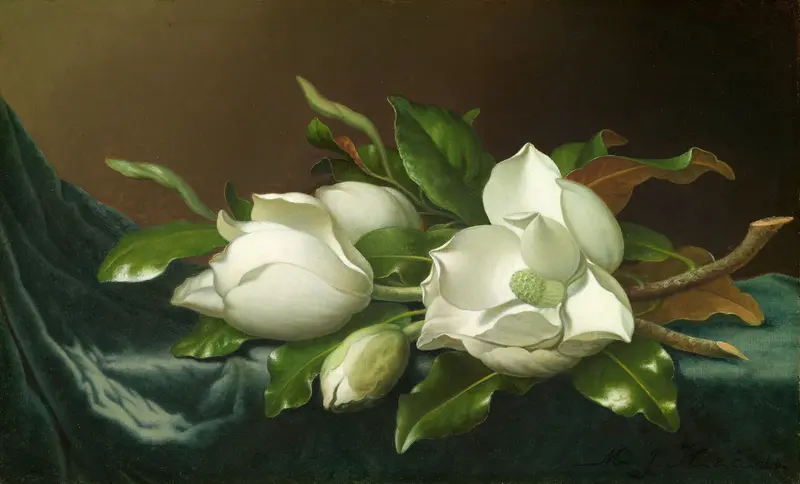
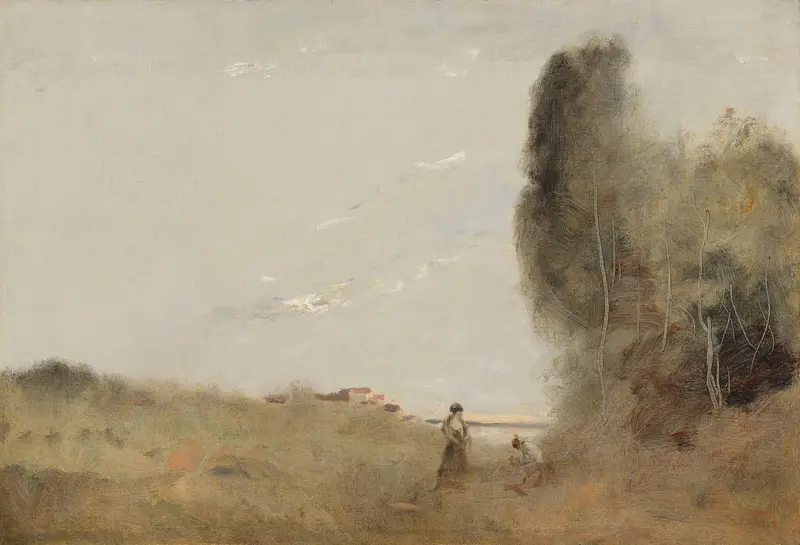
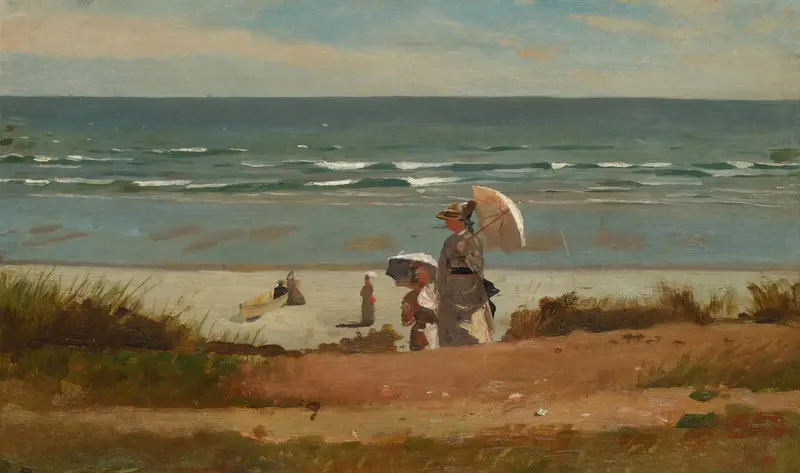
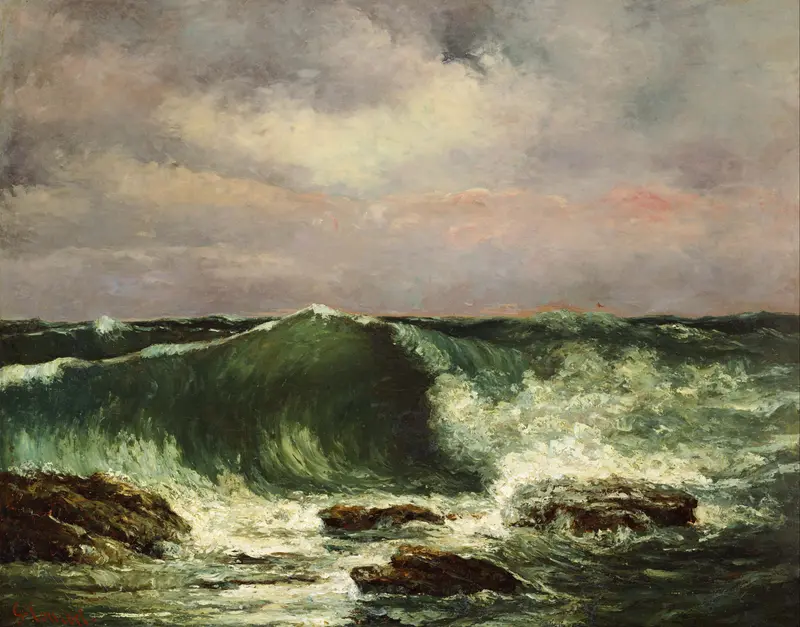
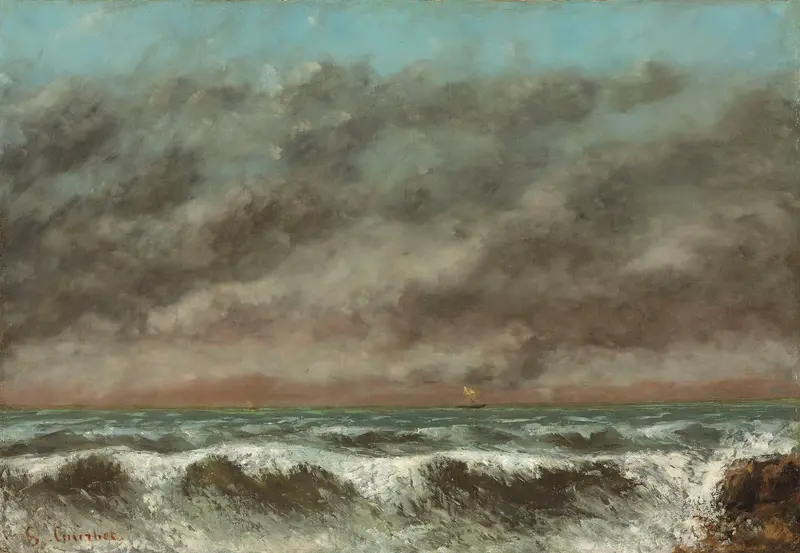
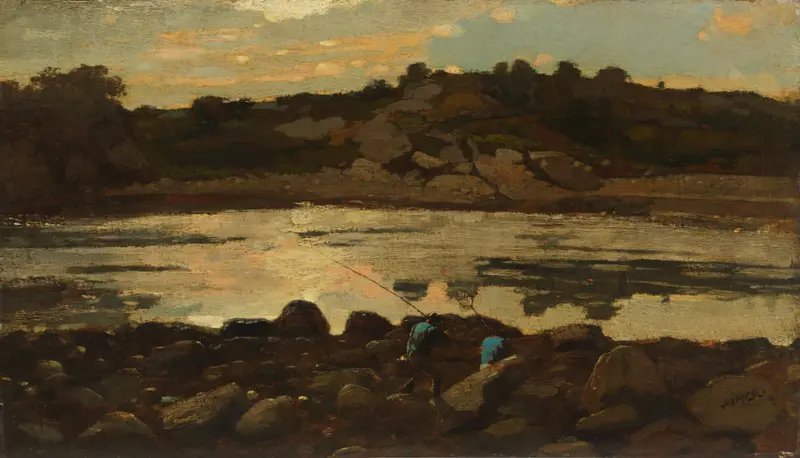
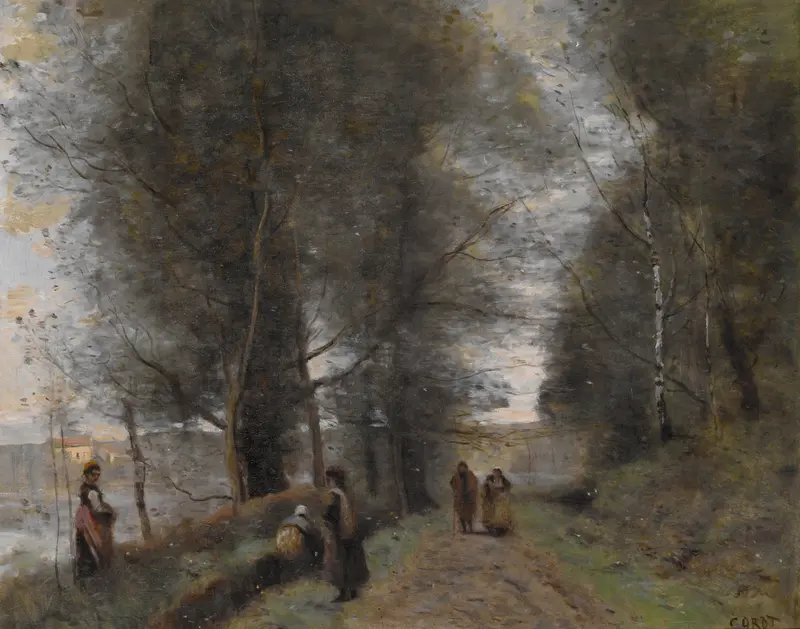
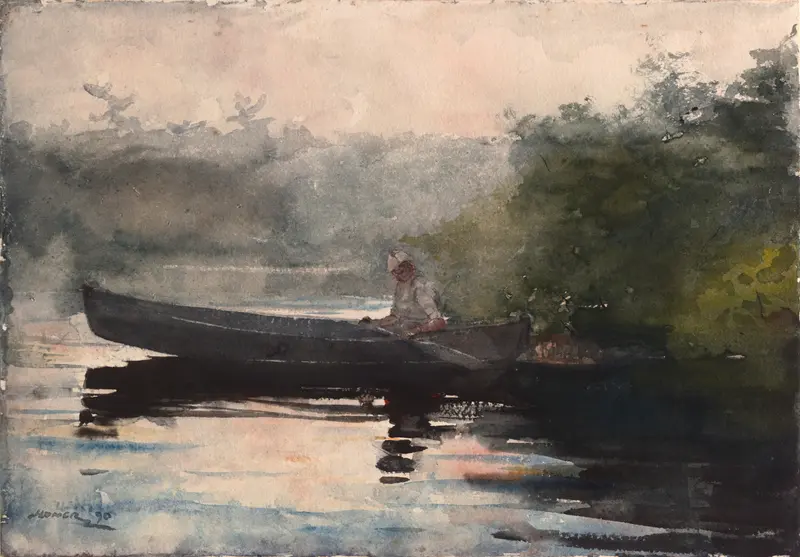
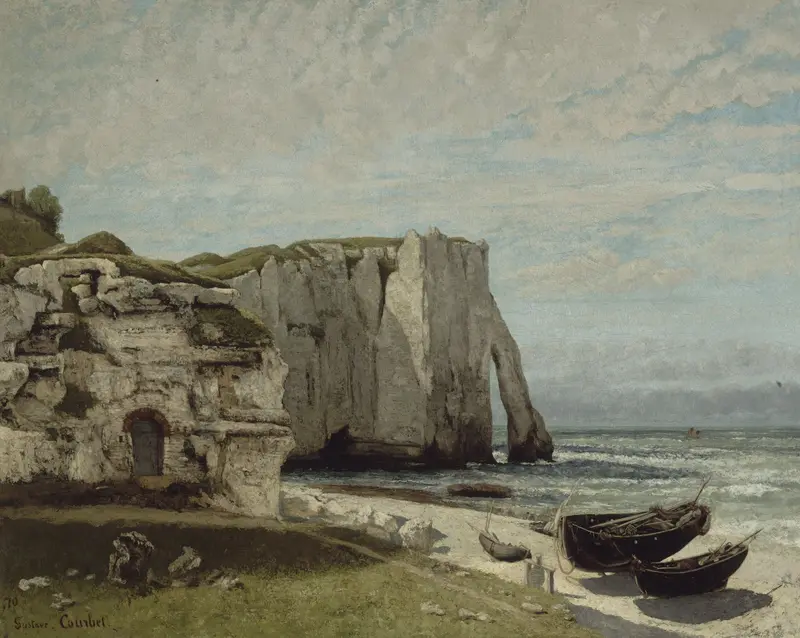
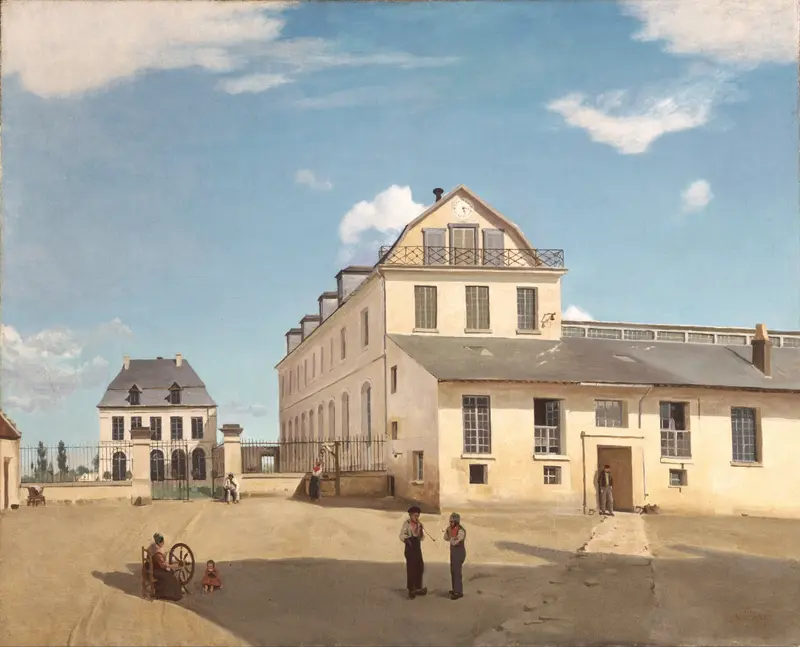
Landscapes, scenes of everyday life, portraits, seascapes and city views, with prints and drawings. All public domain, free to download.
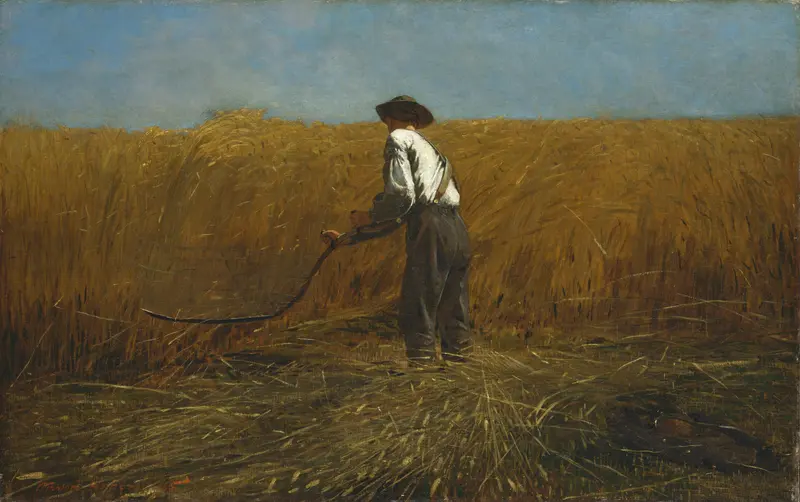

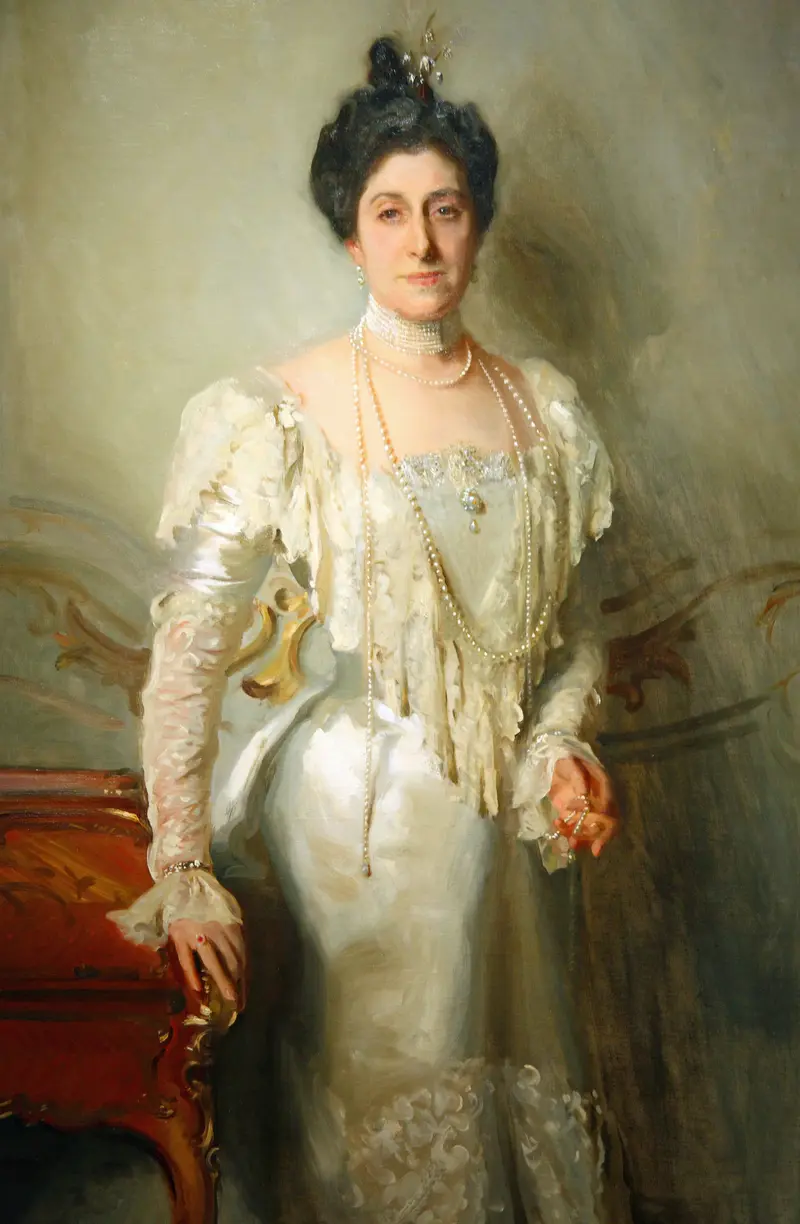
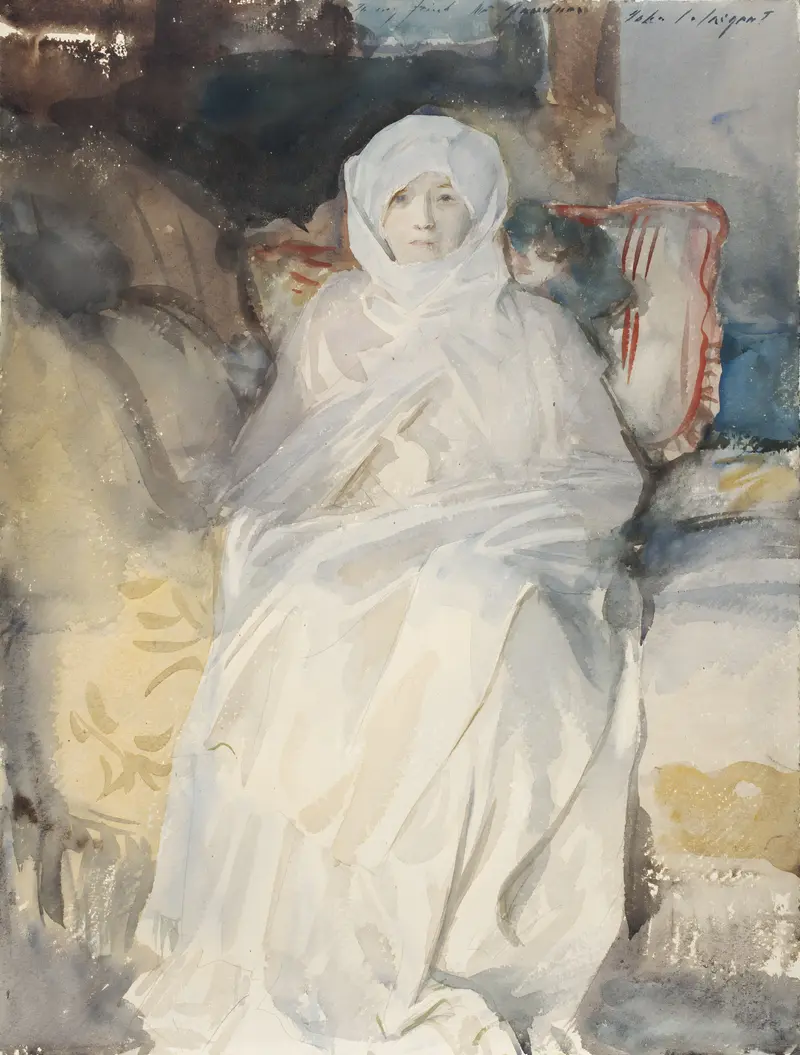
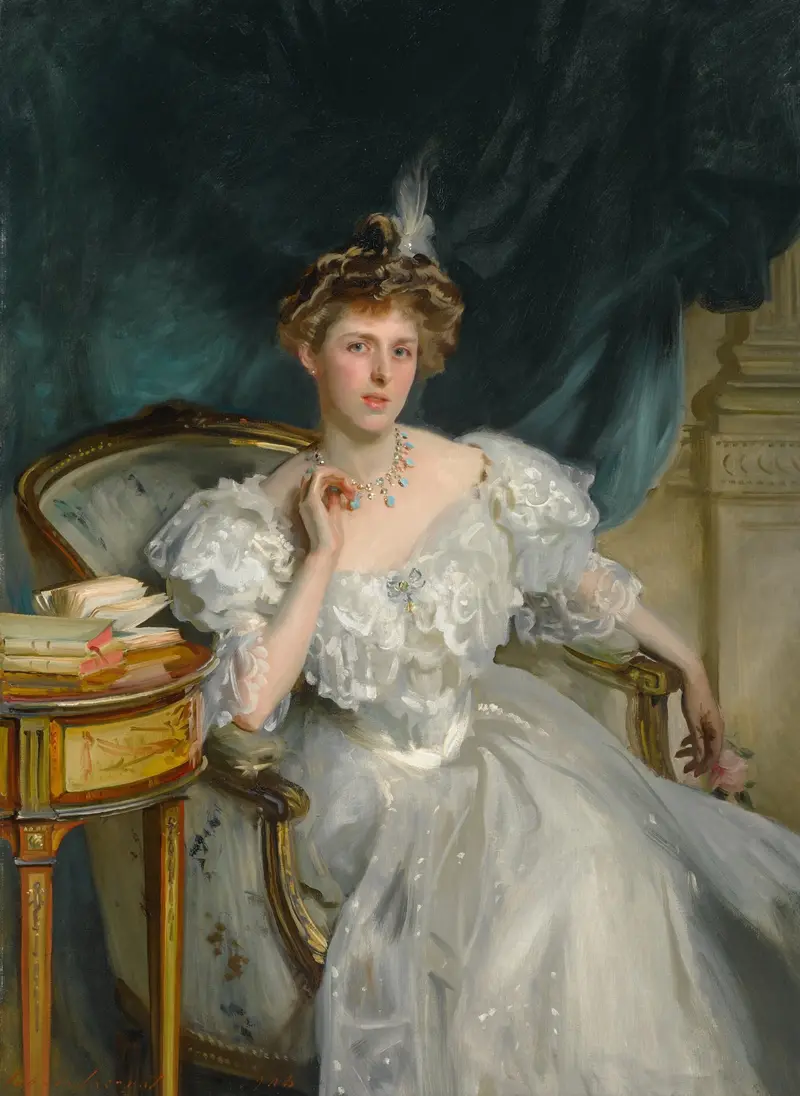

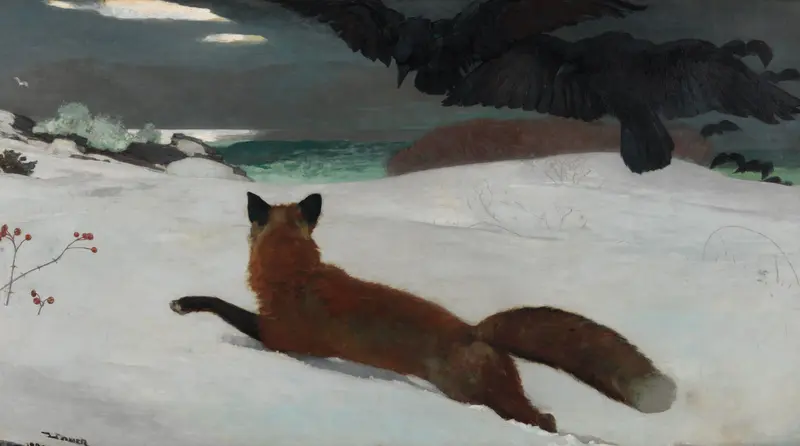
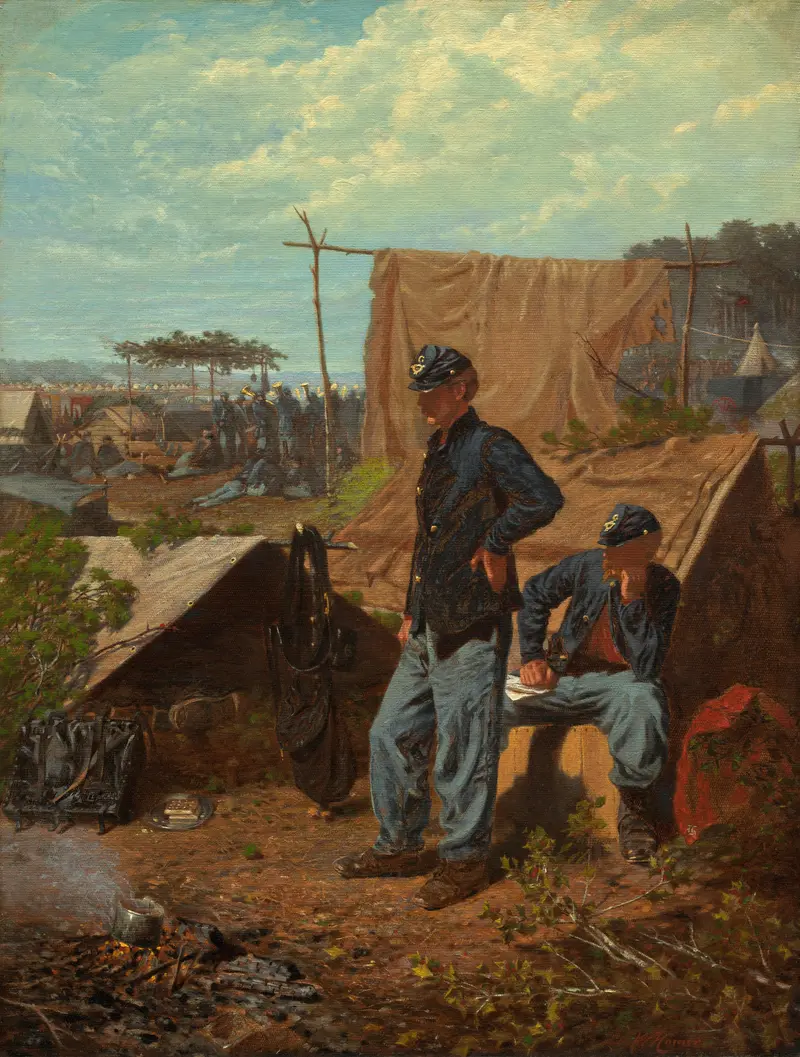
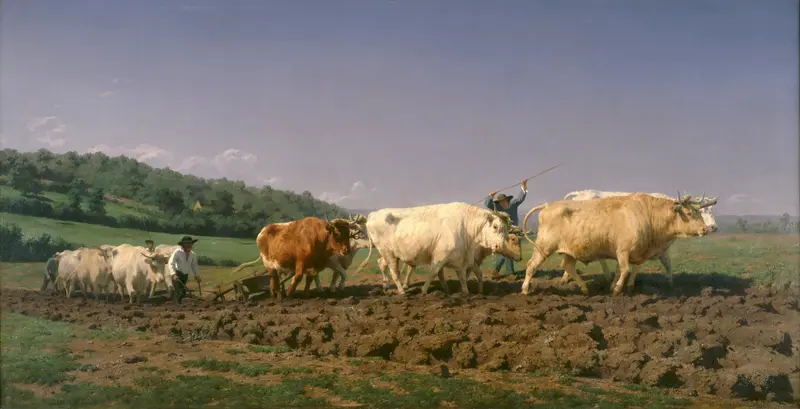
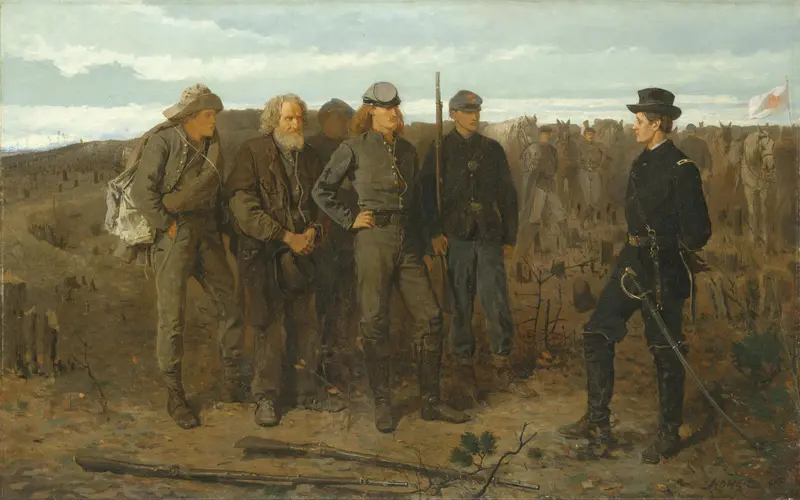


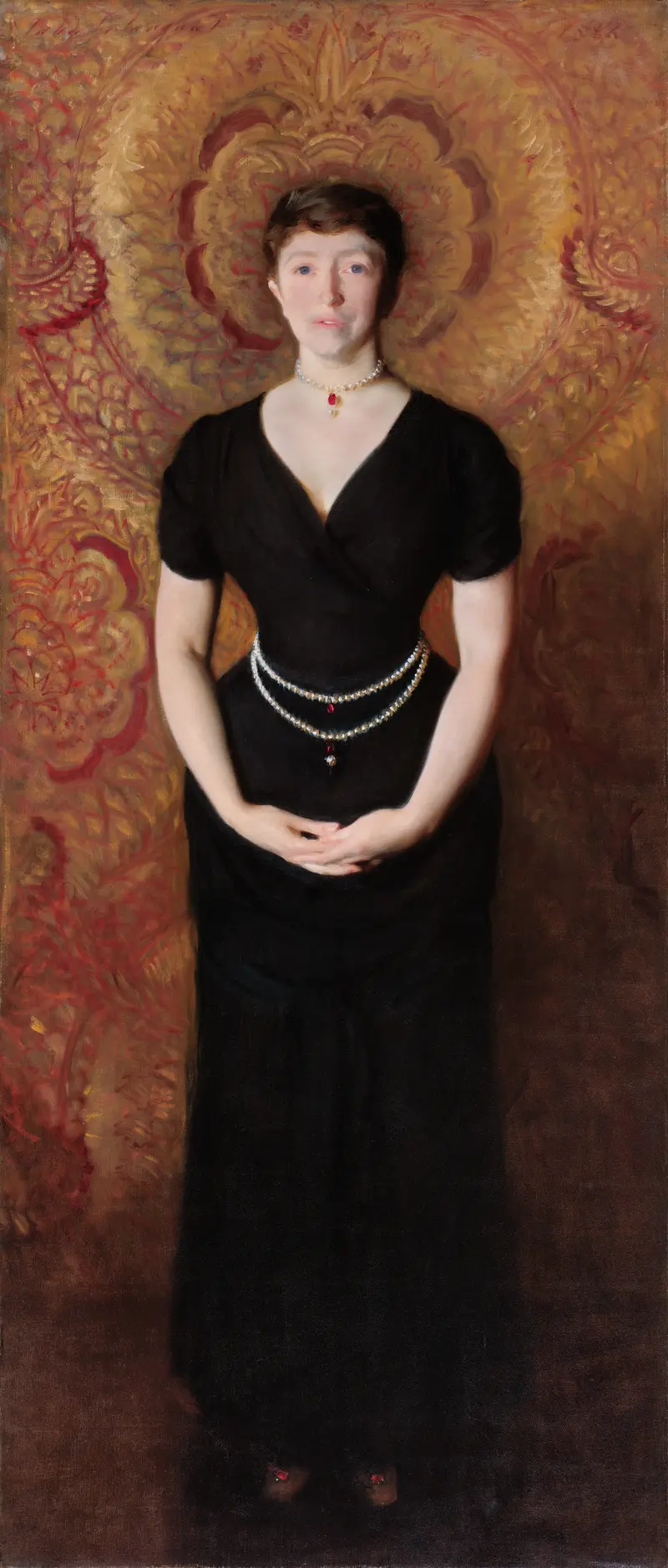
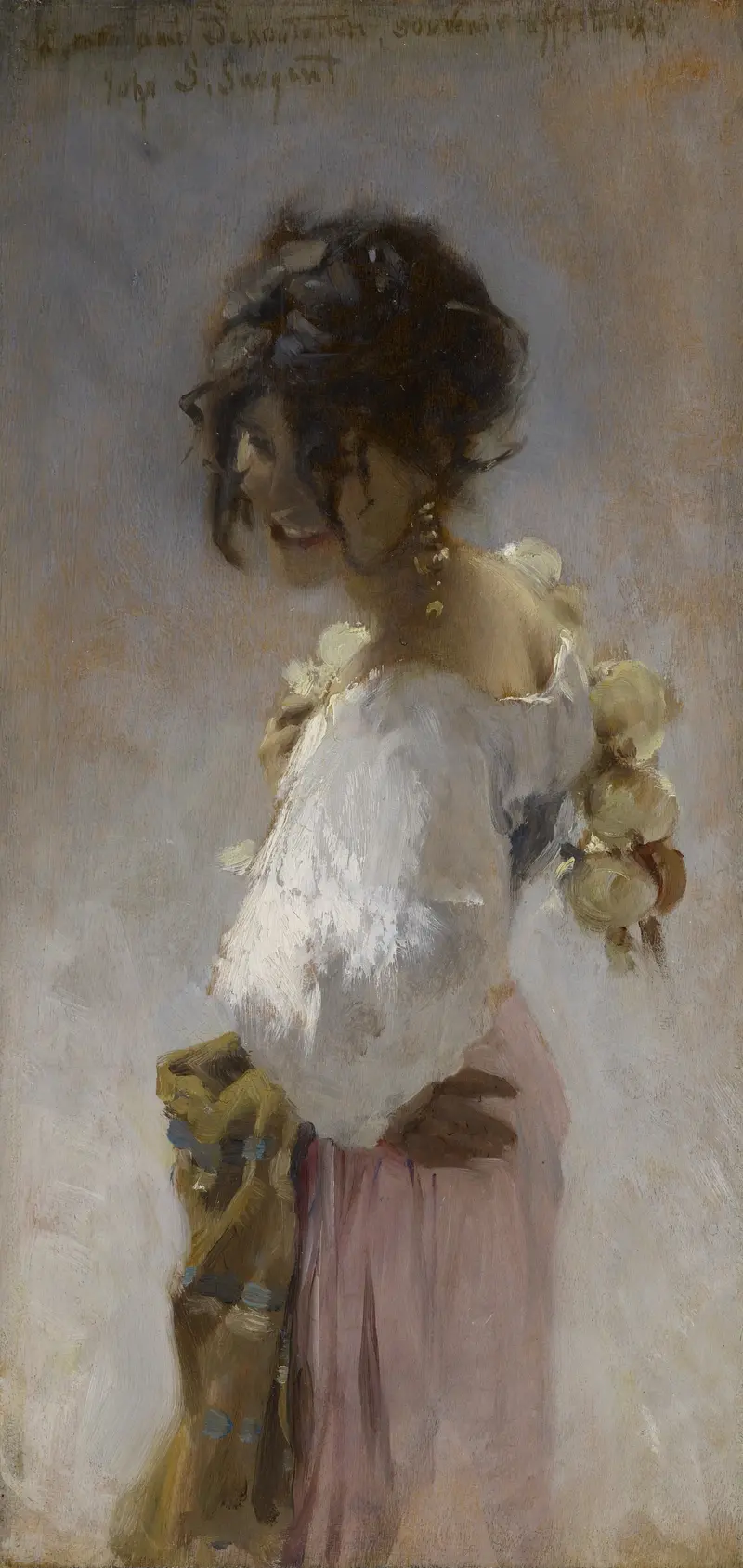
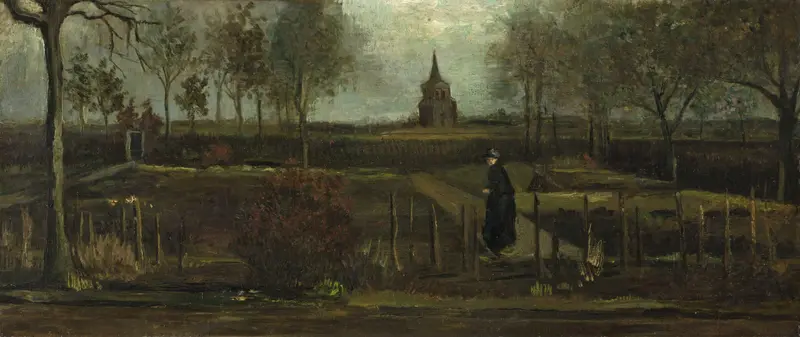
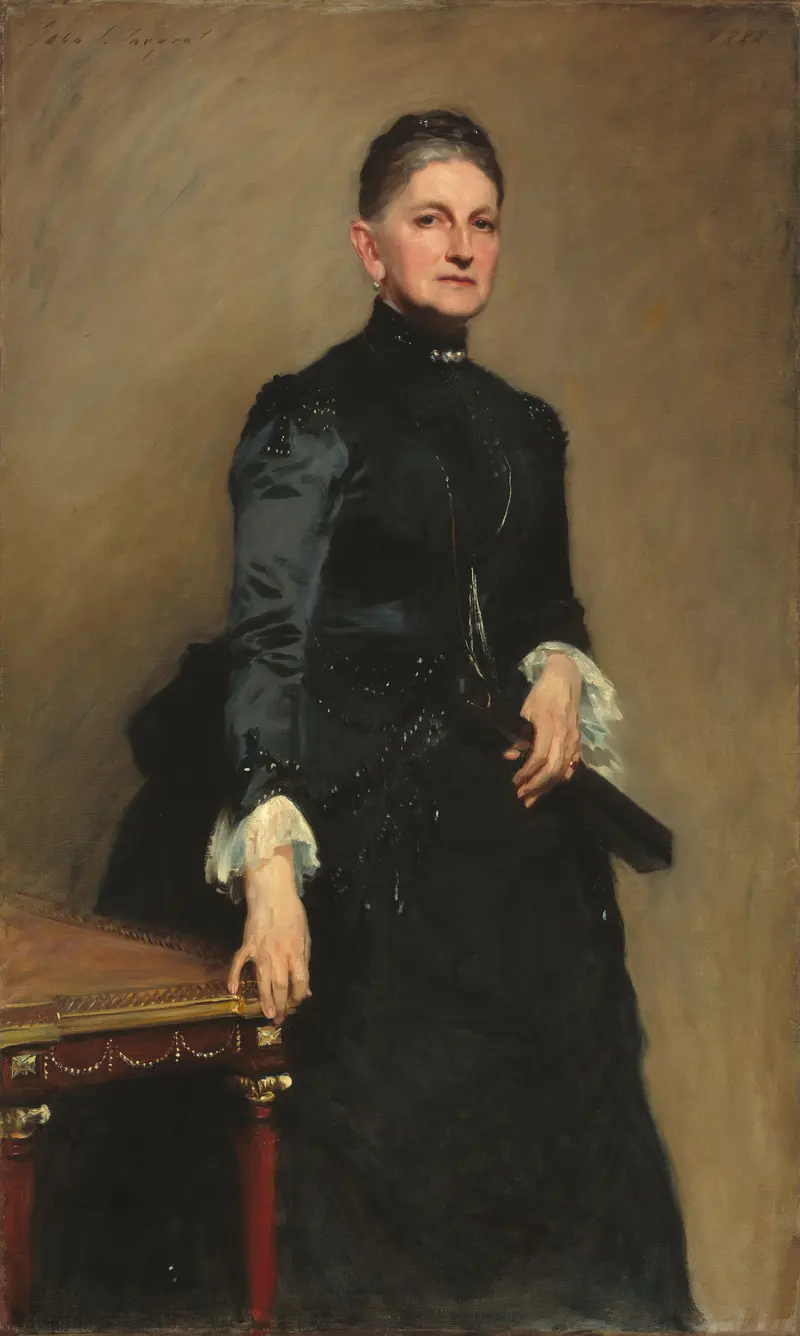
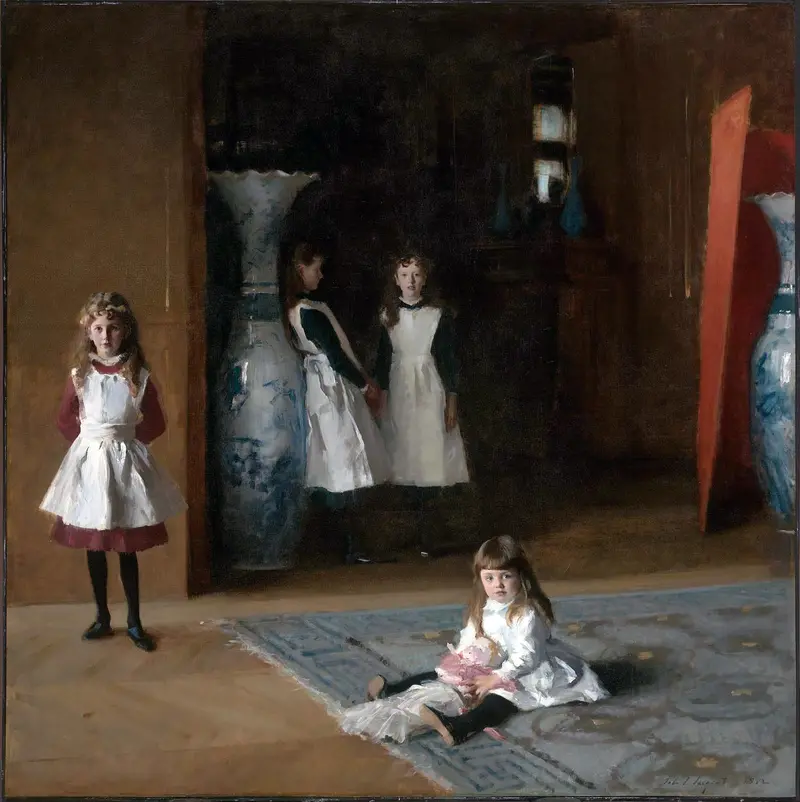
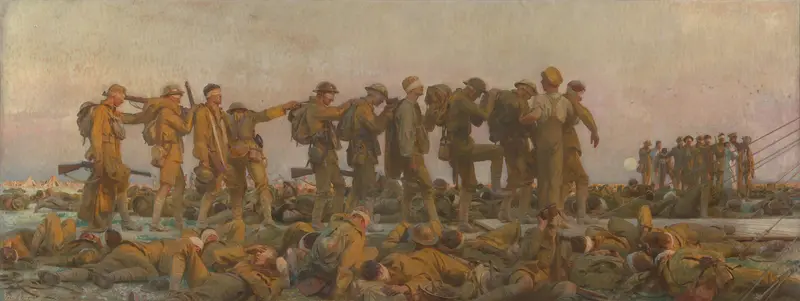

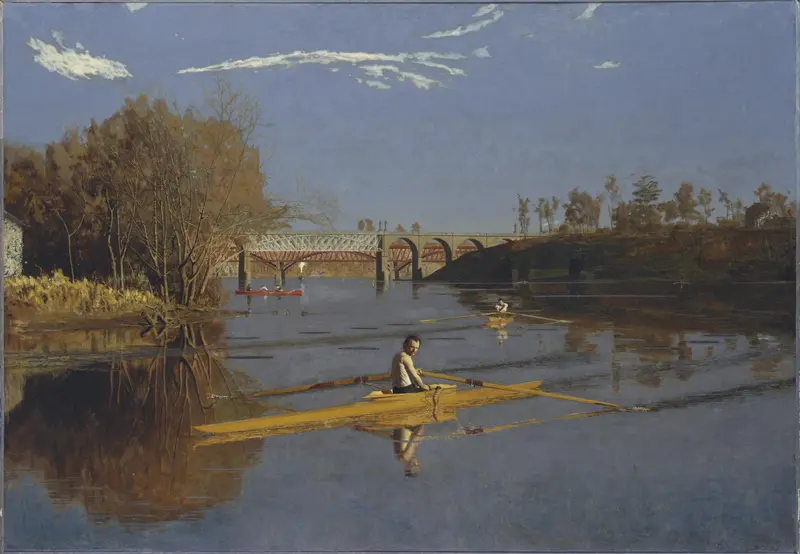
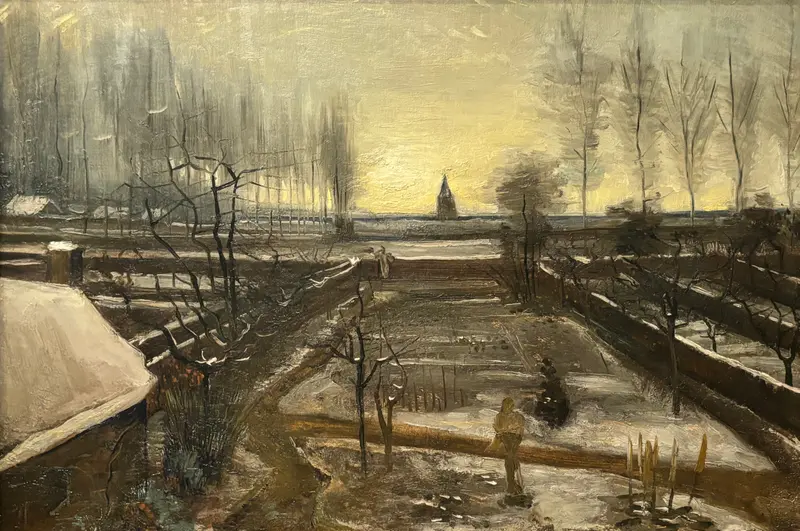
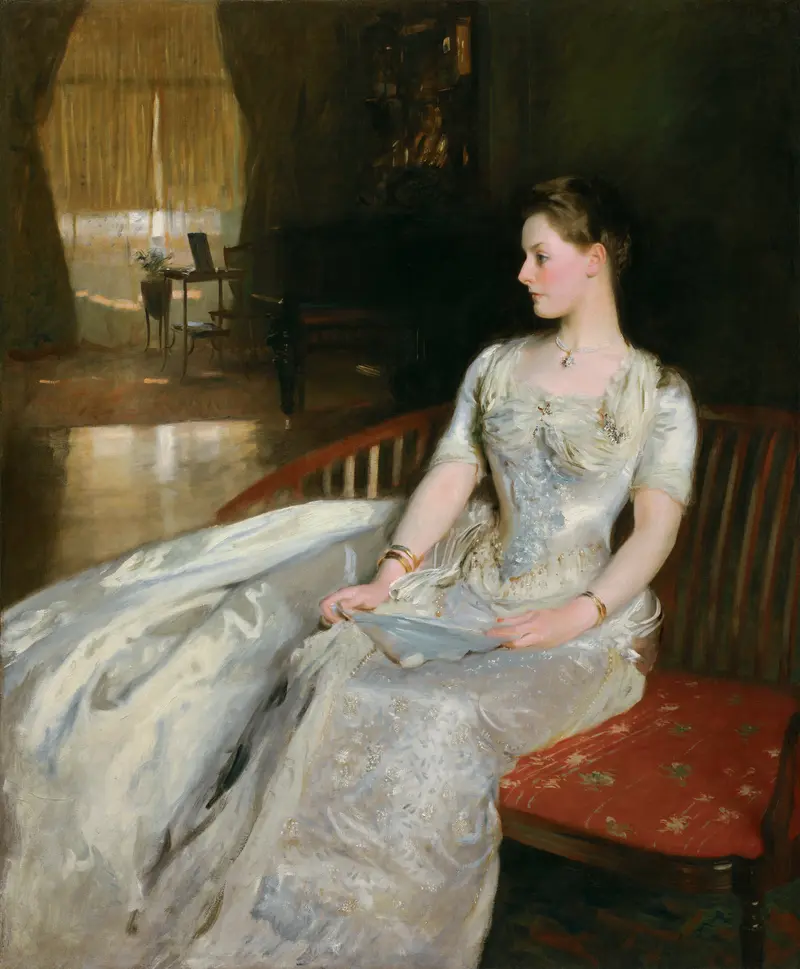
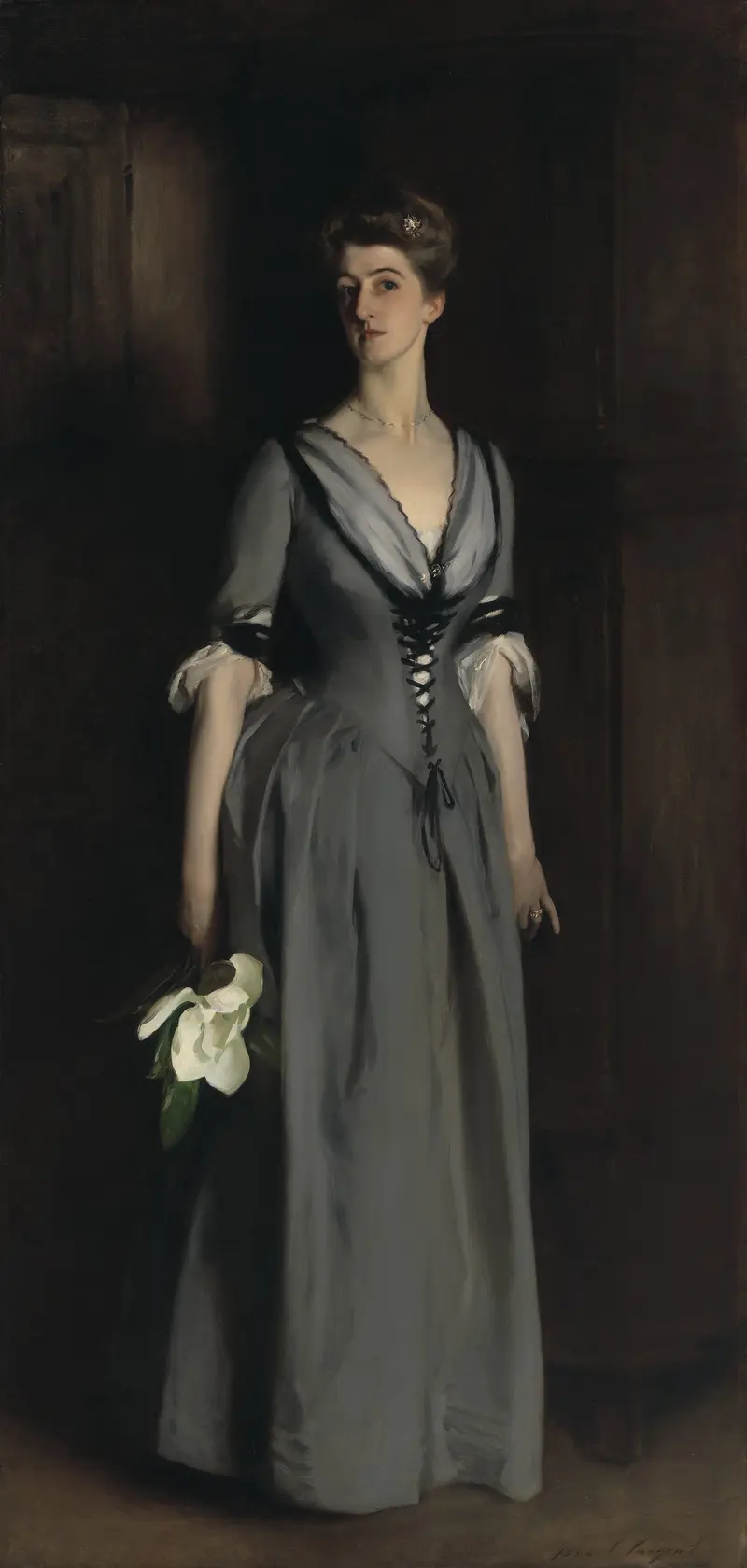
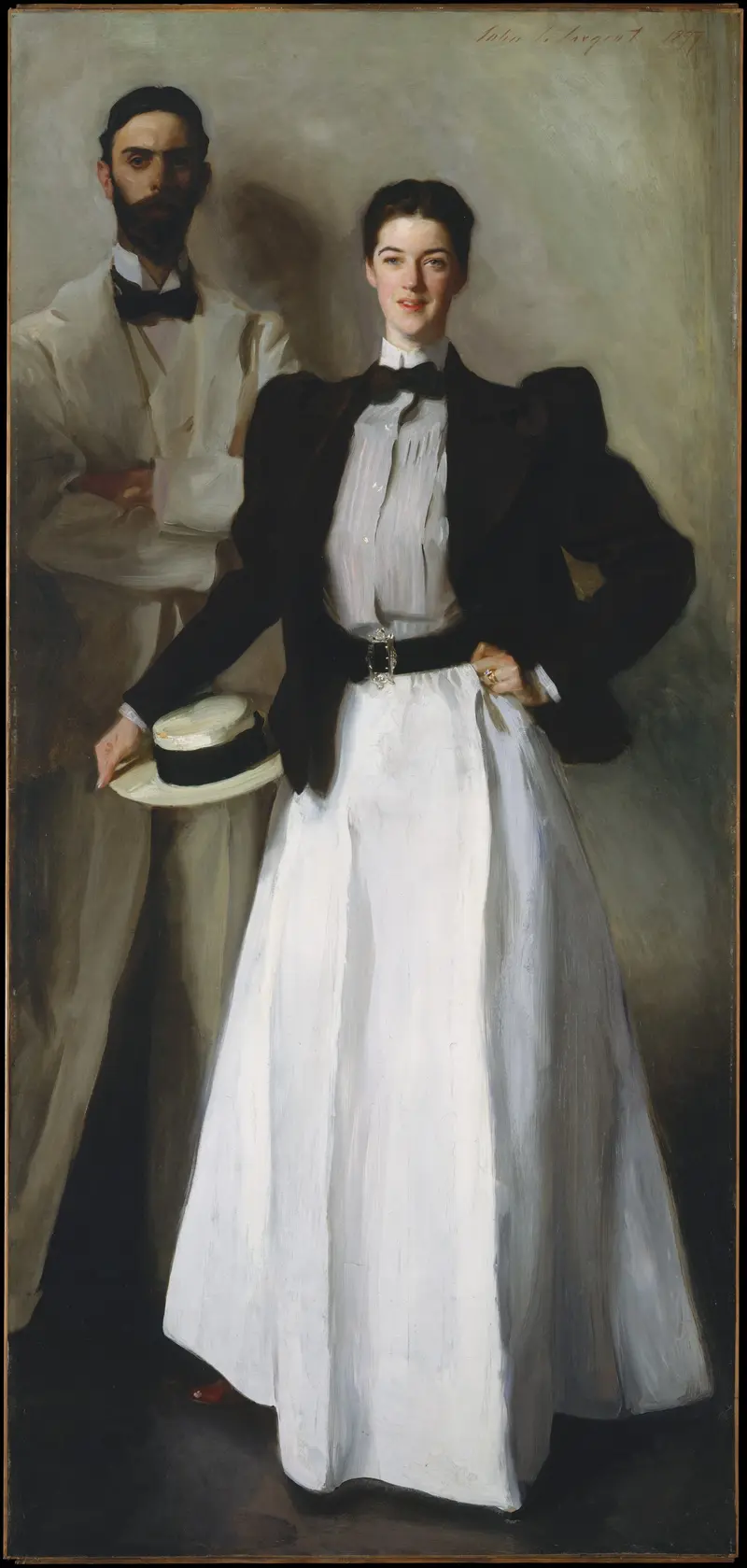
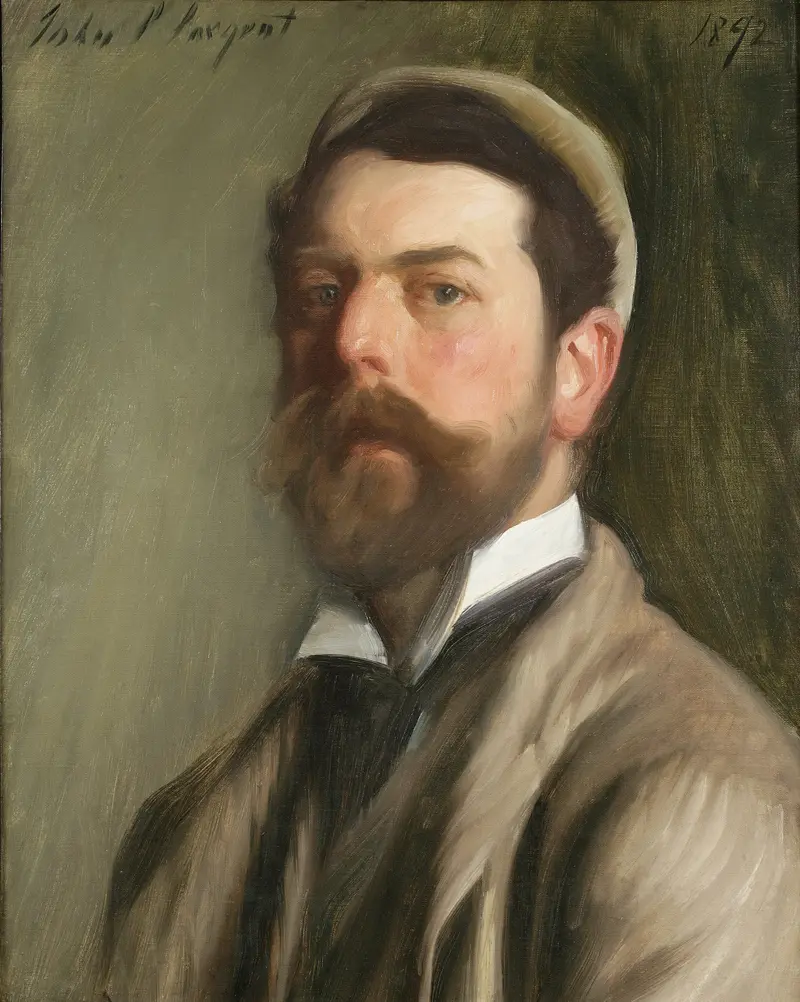
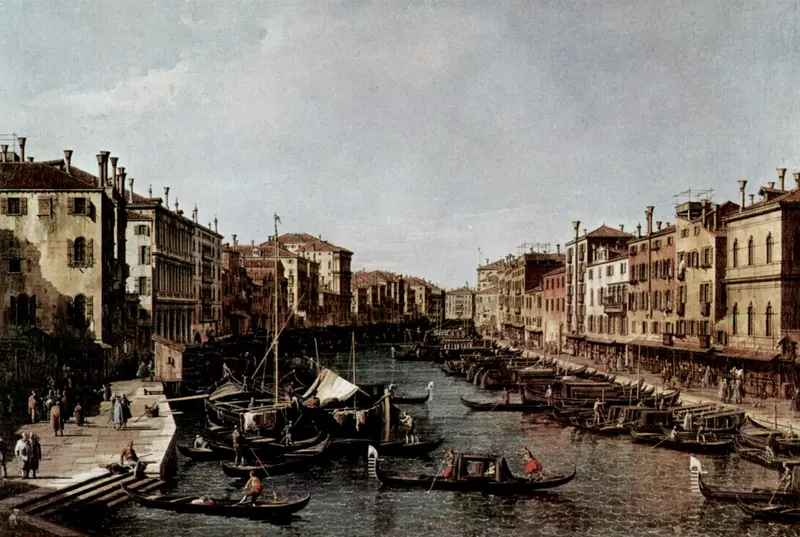
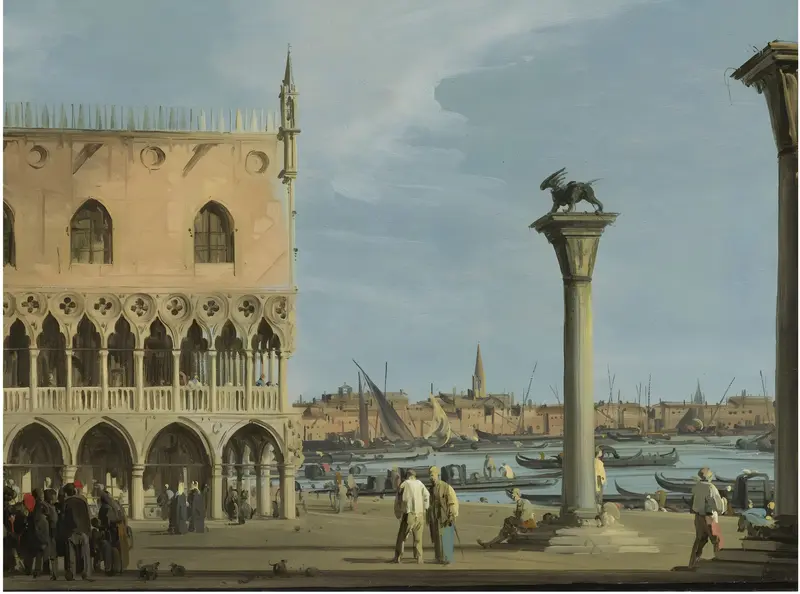

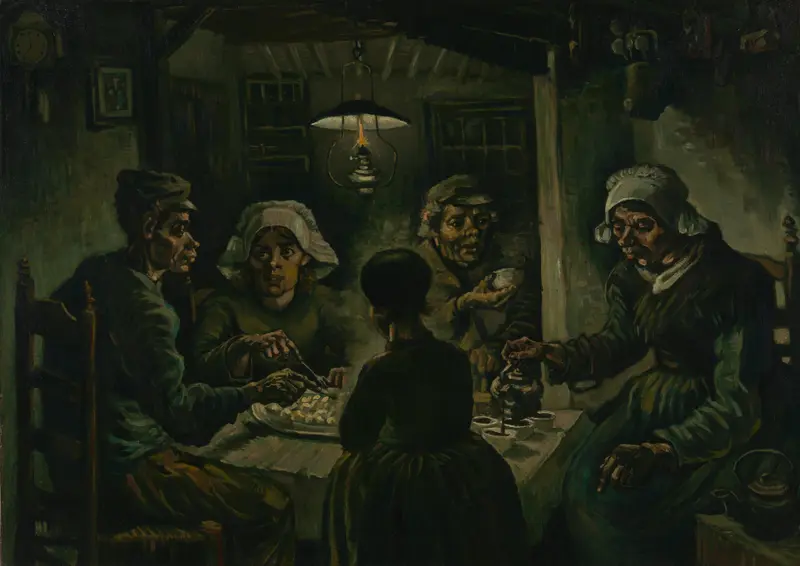
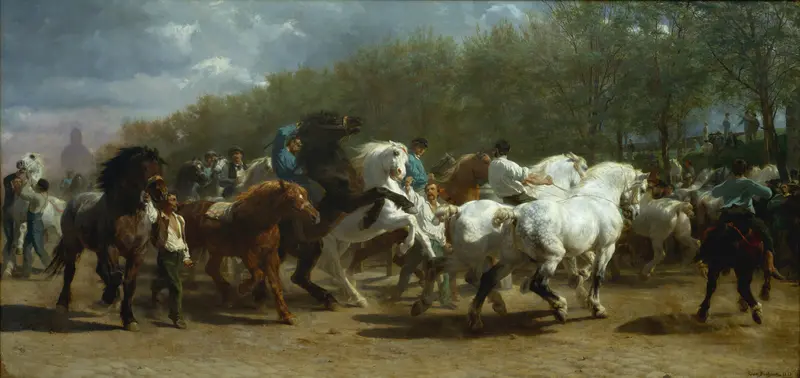





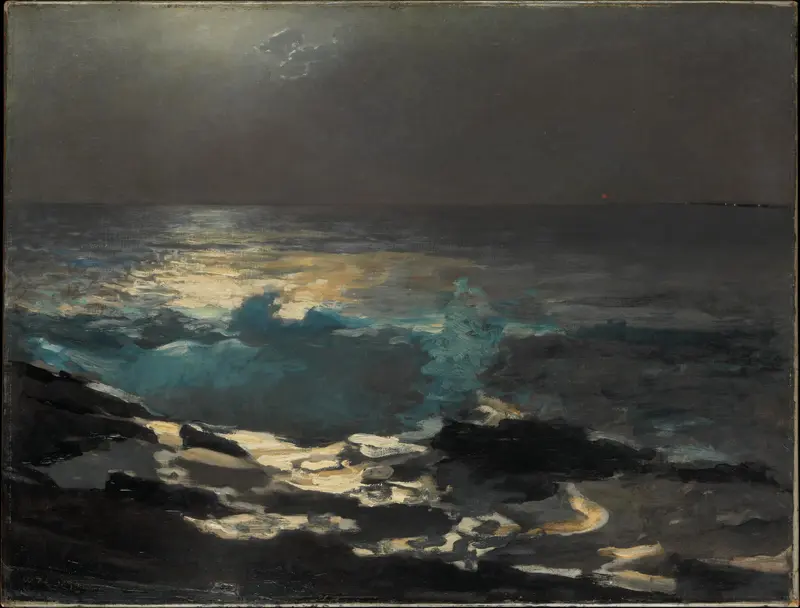
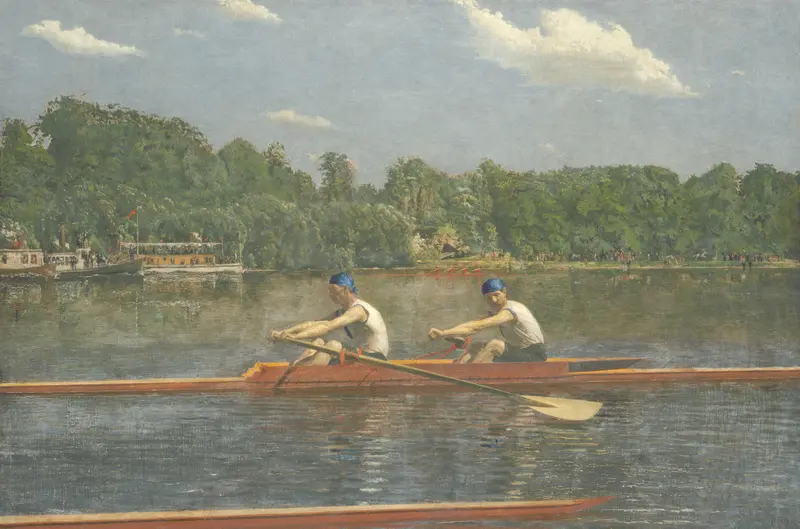
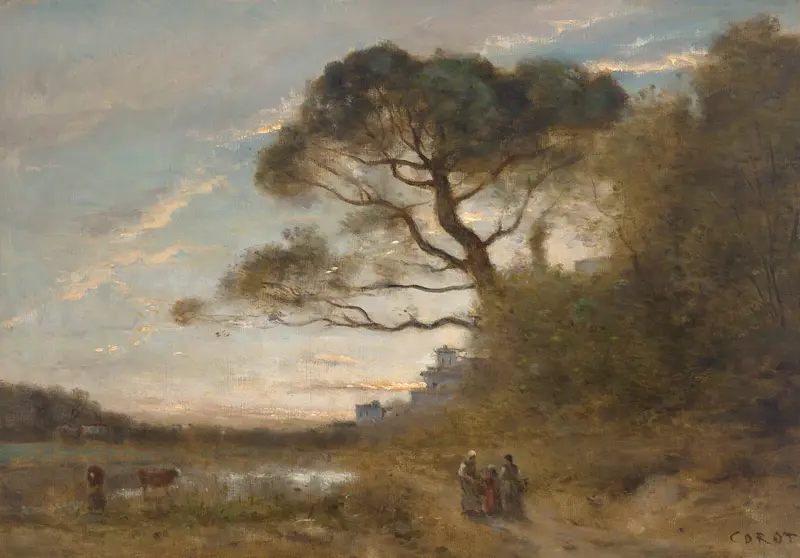

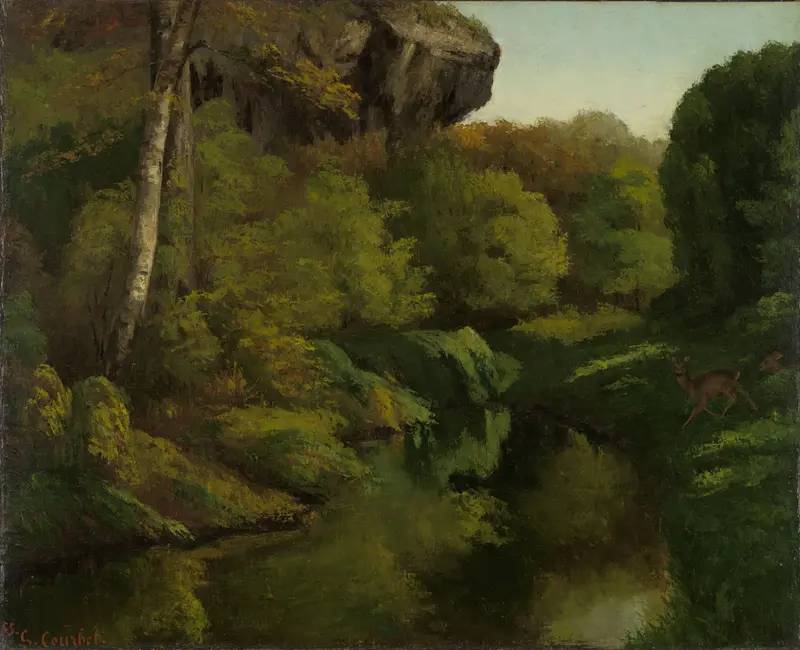


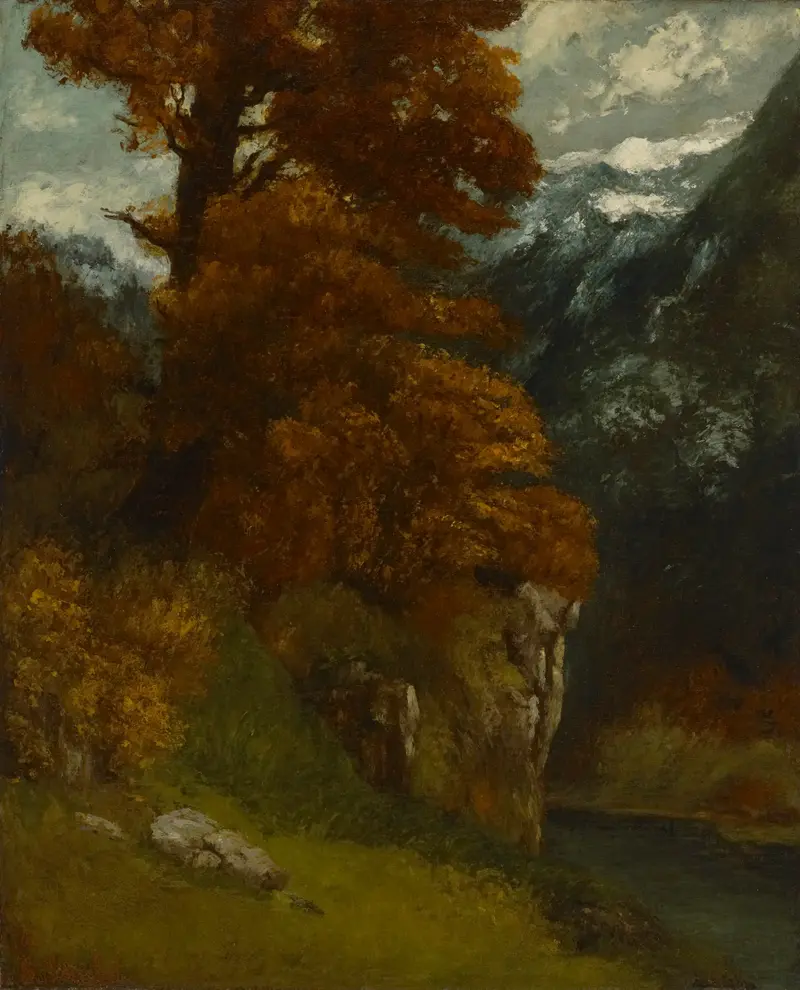
Famous Realism paintings
The best-known paintings of Realism, from Paris to Moscow and Philadelphia; click any one to see it up close and download it free.
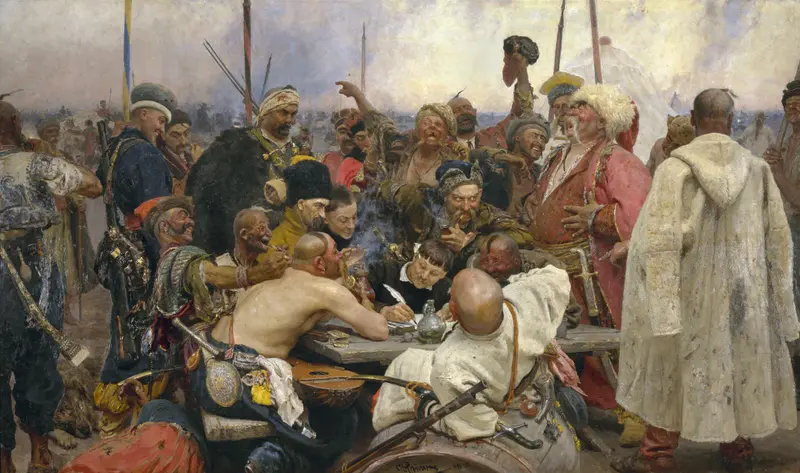 Reply of the Zaporozhian CossacksIlya Repin
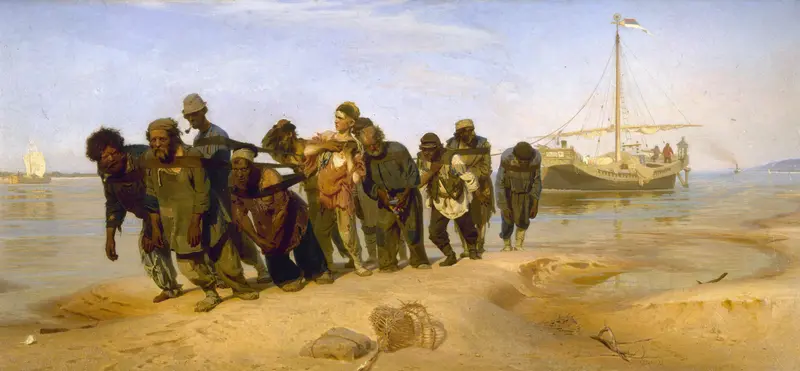 Barge Haulers on the VolgaIlya Repin
 A Burial at OrnansGustave Courbet
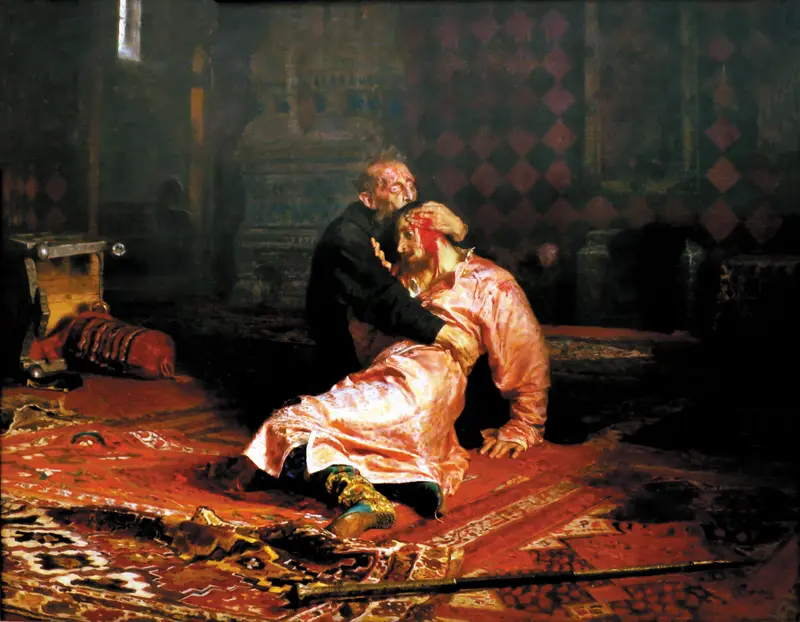 Ivan the Terrible and His Son IvanIlya Repin
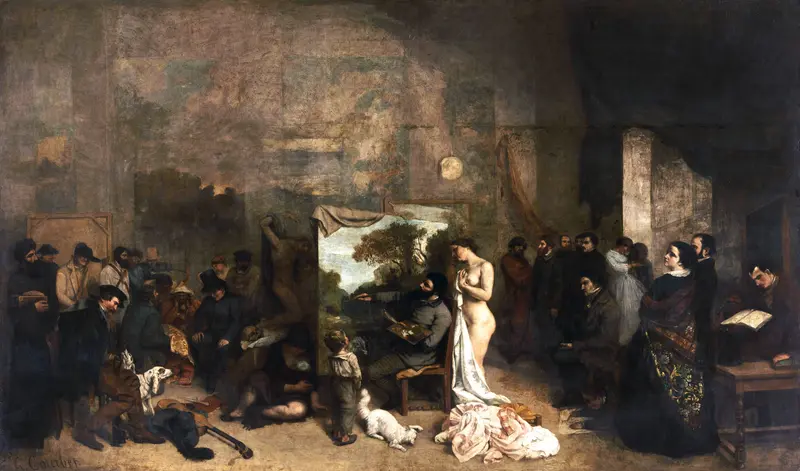 The Painter's StudioGustave Courbet
 Morning in a Pine ForestIvan Shishkin and Konstantin Savitsky
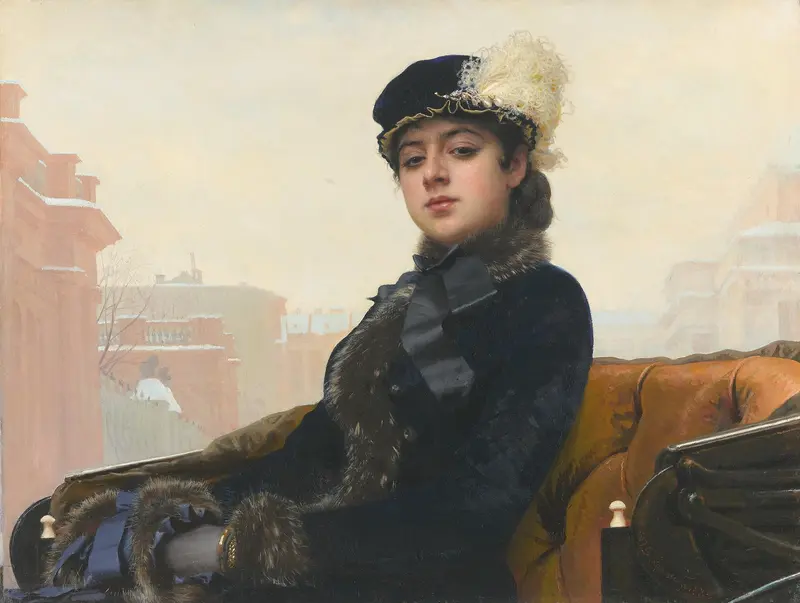 Portrait of an Unknown WomanIvan Kramskoi
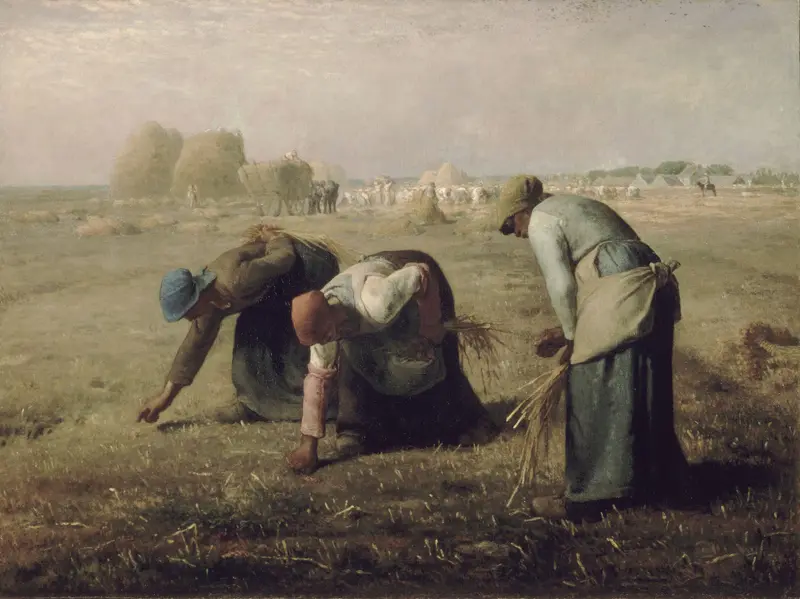 The GleanersJean-François Millet
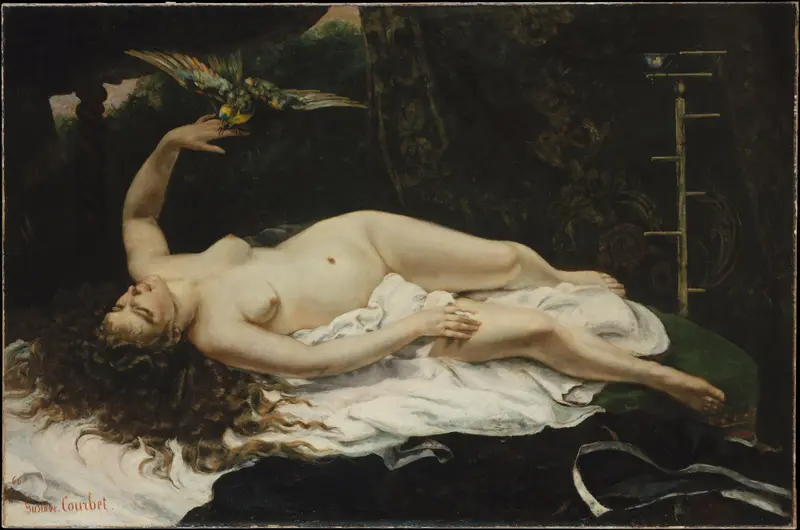 Woman with a ParrotGustave Courbet
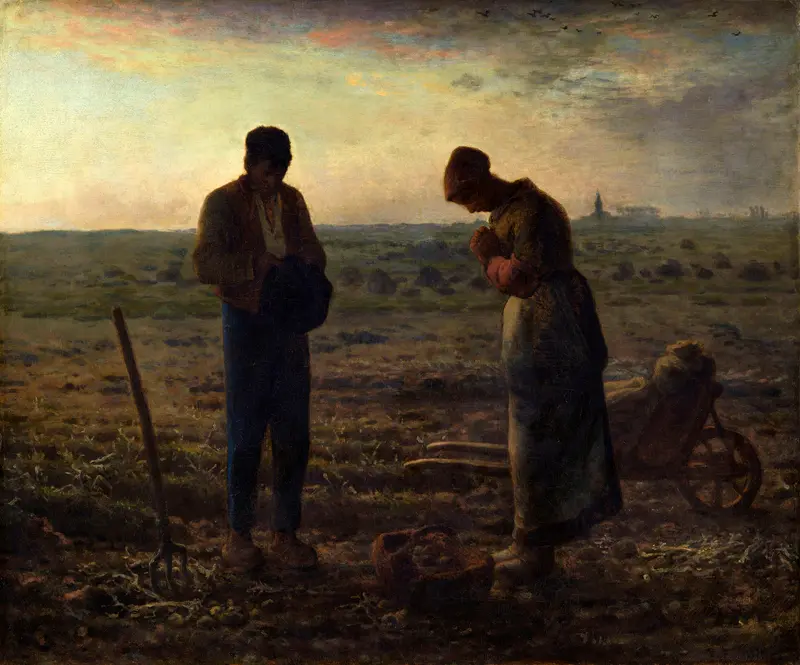 The AngelusJean-François Millet
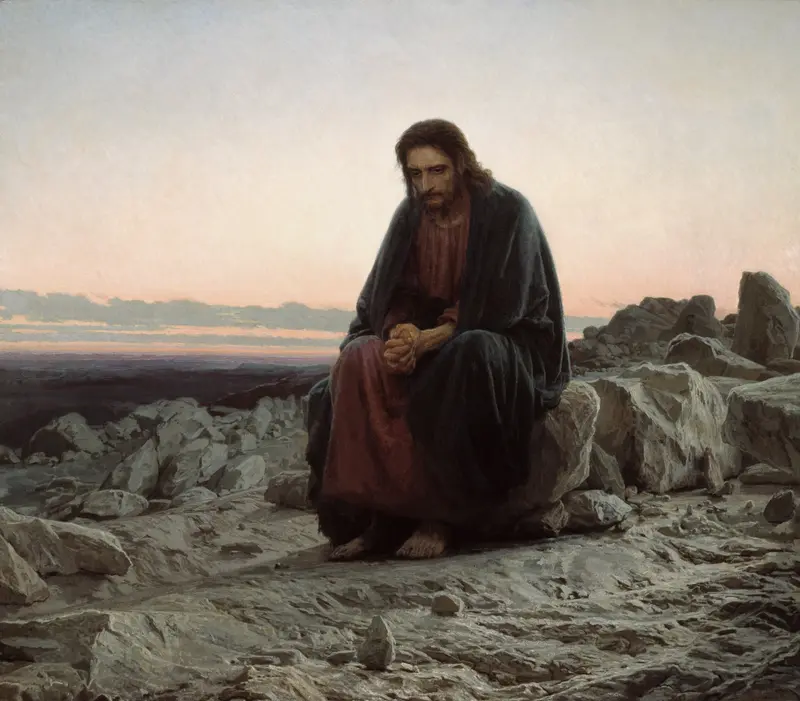 Christ in the WildernessIvan Kramskoi
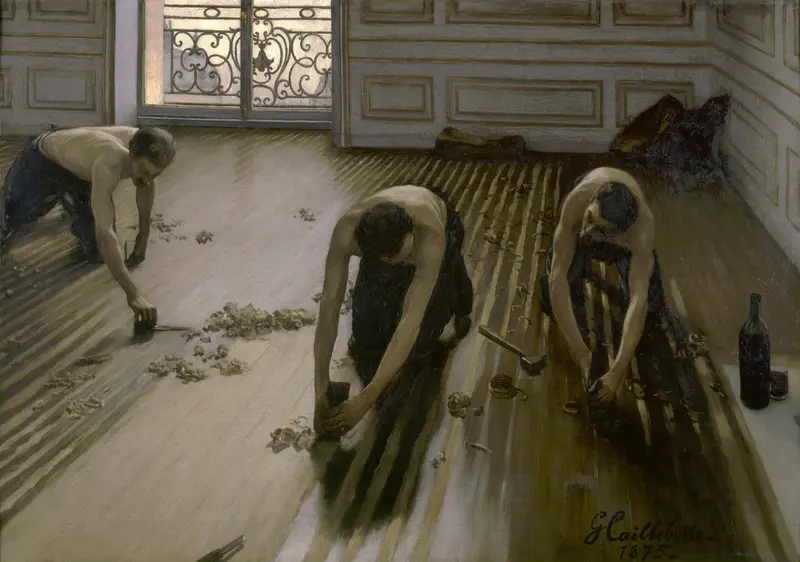 The Floor Scrapers (Les Raboteurs de parquet)Gustave Caillebotte
Famous Realism artists
Ten Realist painters at the heart of the movement, from Courbet and Millet in France to Repin in Russia and Winslow Homer in the United States. Each link opens all their paintings.
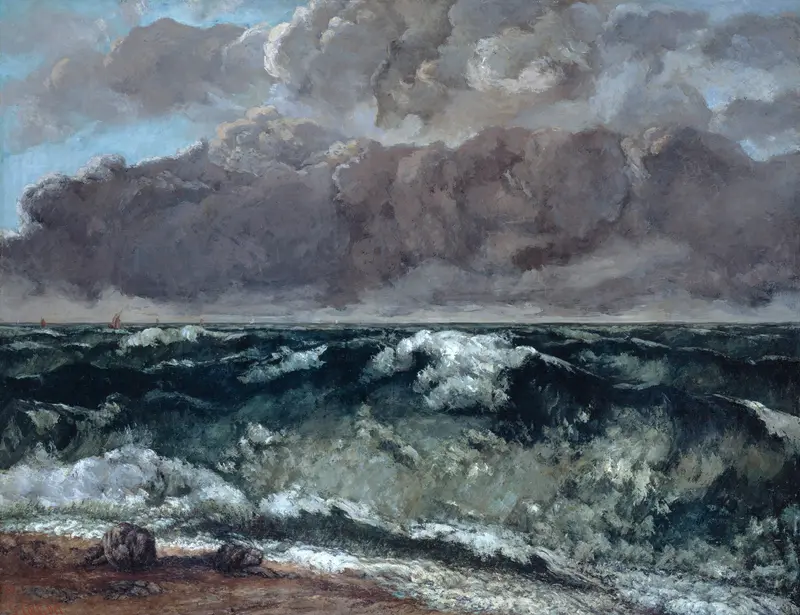 Gustave Courbet1819–1877. The main exponent of Realism in French painting, says the National Gallery. Born at Ornans, he held his own one-man show after the 1855 World's Fair turned down his painting of his studio, and it established him as a Realist.
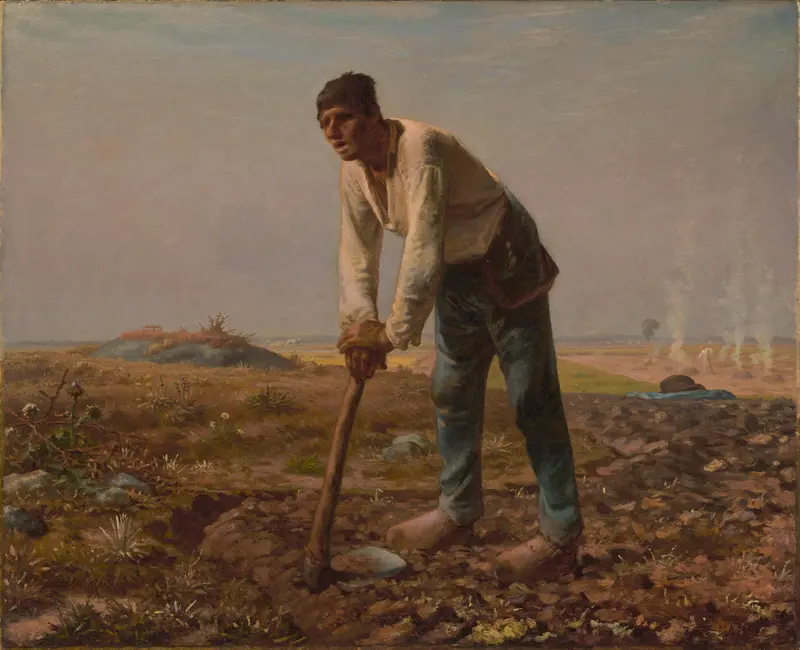 Jean-François Millet1814–1875. Moved, like Daumier, by the spectacle of social injustice, he turned to peasant subjects in the 1840s and from 1849 worked mostly at Barbizon. The Gleaners and The Angelus are in the Musée d'Orsay.
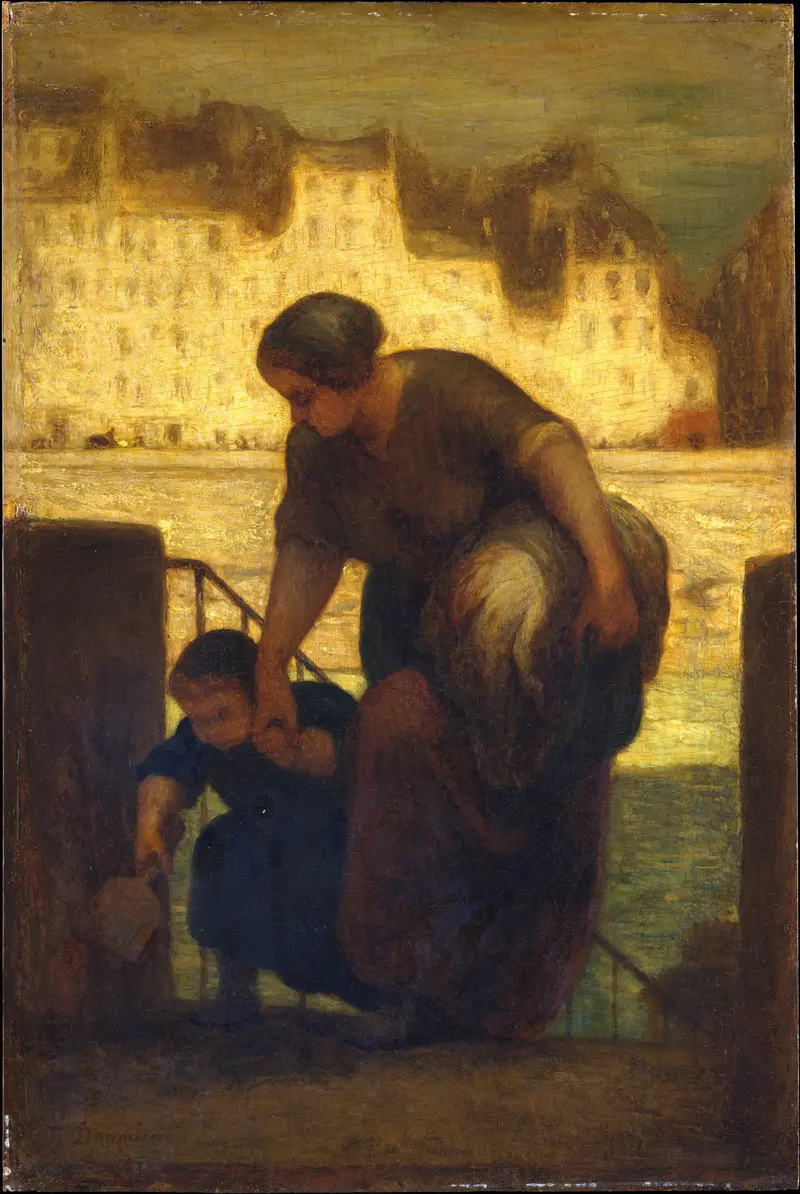
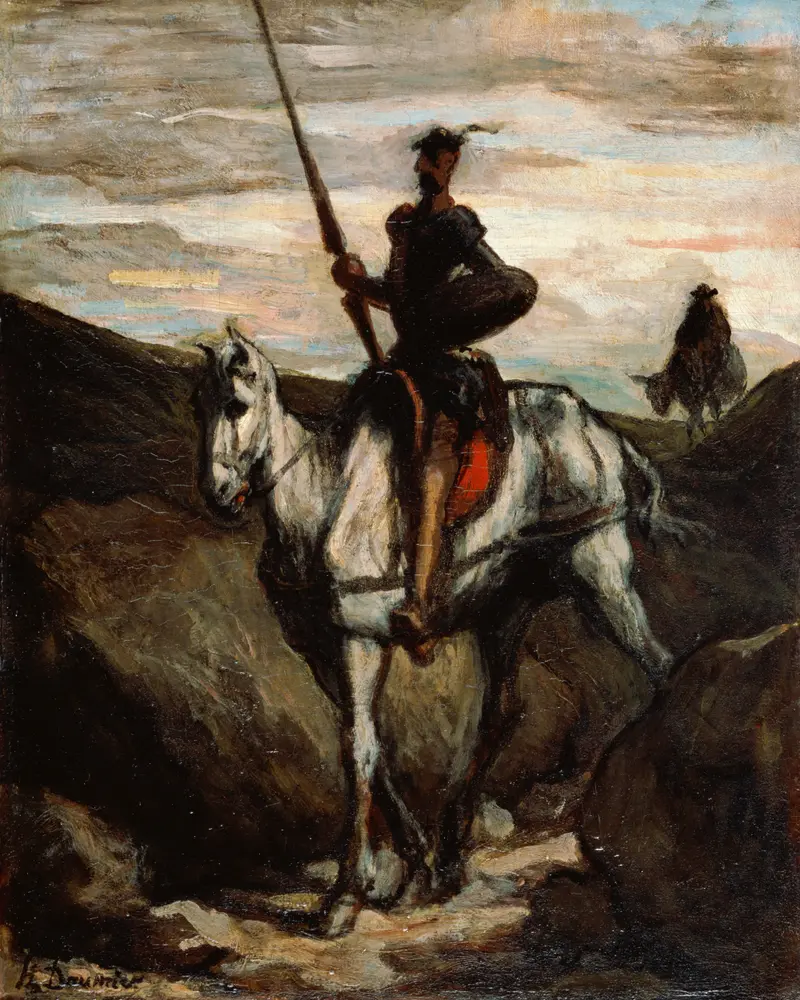 Honoré Daumier1808–1879. A caricaturist whose lithographs mocked King Louis-Philippe; his print Gargantua earned him six months in prison in 1832, says the Art Institute of Chicago. Like Millet, the National Gallery notes, he was moved by the spectacle of social injustice.
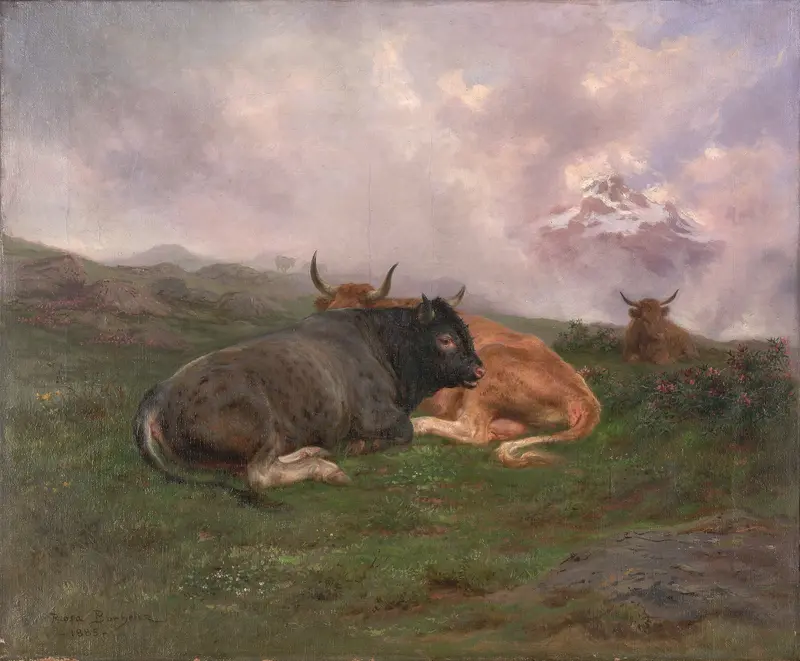 Rosa Bonheur1822–1899. A famous animal painter; her Horse Fair caused a sensation at the 1853 Salon and made her internationally famous, at a time when critics largely disregarded women artists, says the National Gallery.
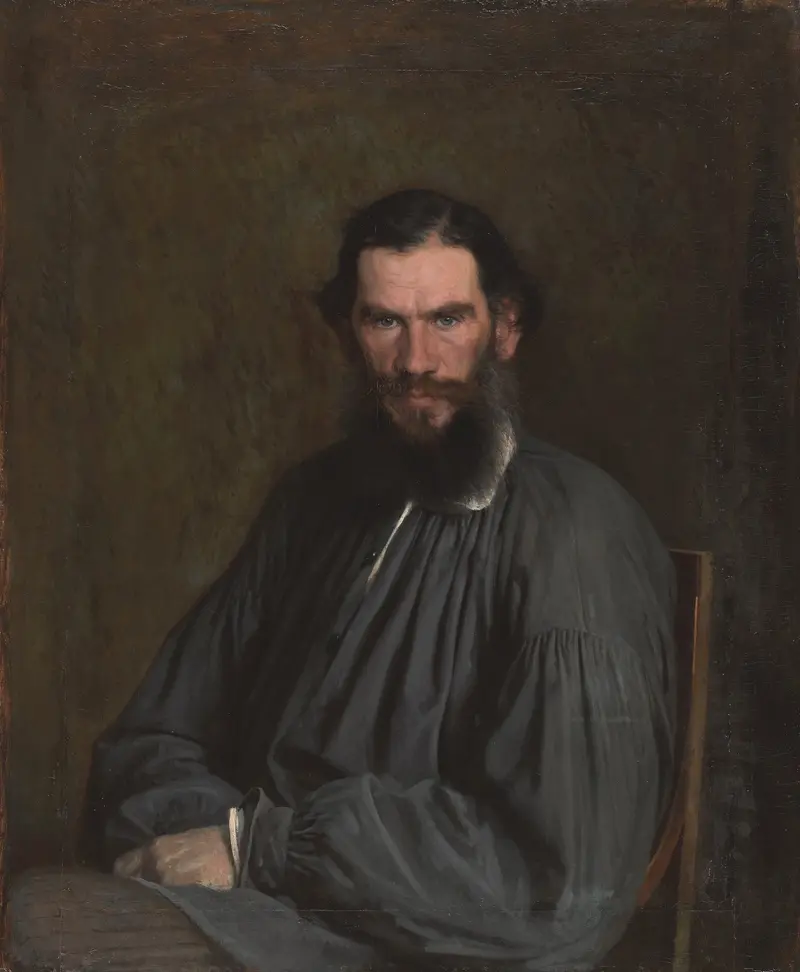 Ivan Kramskoi1837–1887. He started the “rebellion of the fourteen” at the Imperial Academy of Arts in 1863 and was one of the founders and the ideological head of the Society of Travelling Art Exhibitions, the Peredvizhniki, says the Russian Museum. Portrait of an Unknown Woman and Christ in the Wilderness are in the Tretyakov Gallery.
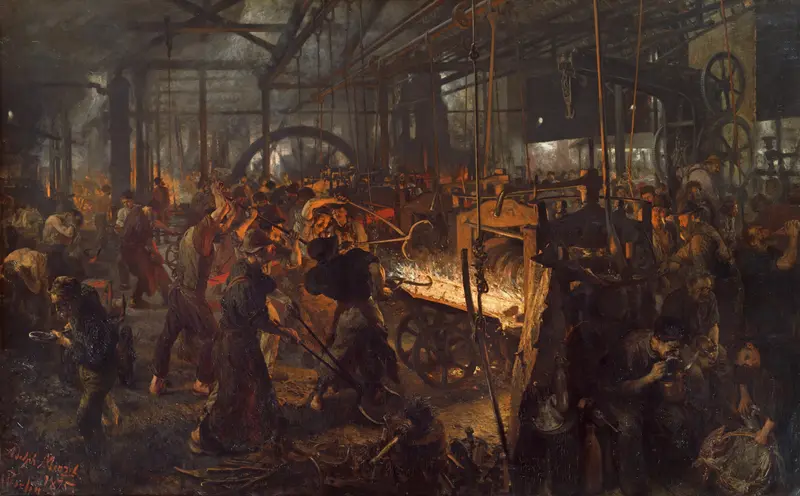 Adolph Menzel1815–1905. The leading German artist of the second half of the 19th century, says the National Gallery: famous for scenes from the court of Frederick the Great, he was also the unparalleled chronicler of life in Berlin.
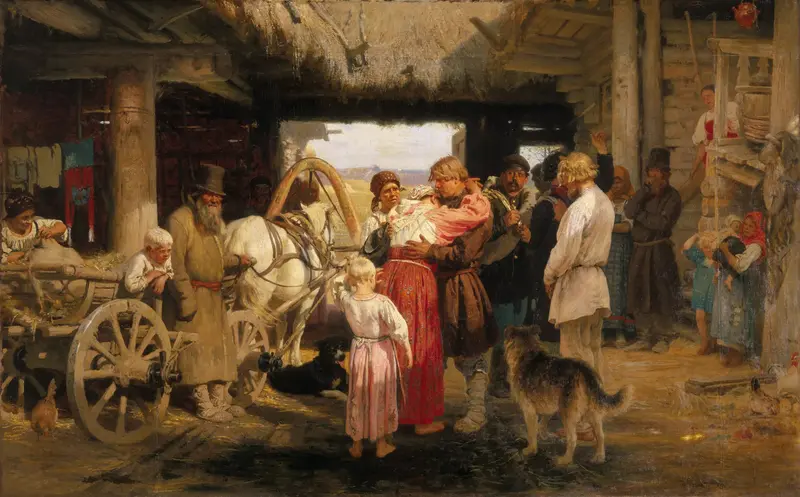 Ilya Repin1844–1930. Studied under Ivan Kramskoi and joined the Society of Travelling Art Exhibitions in 1878. The Russian Museum calls his Barge Haulers on the Volga and Zaporozhian Cossacks the pride of realistic art.
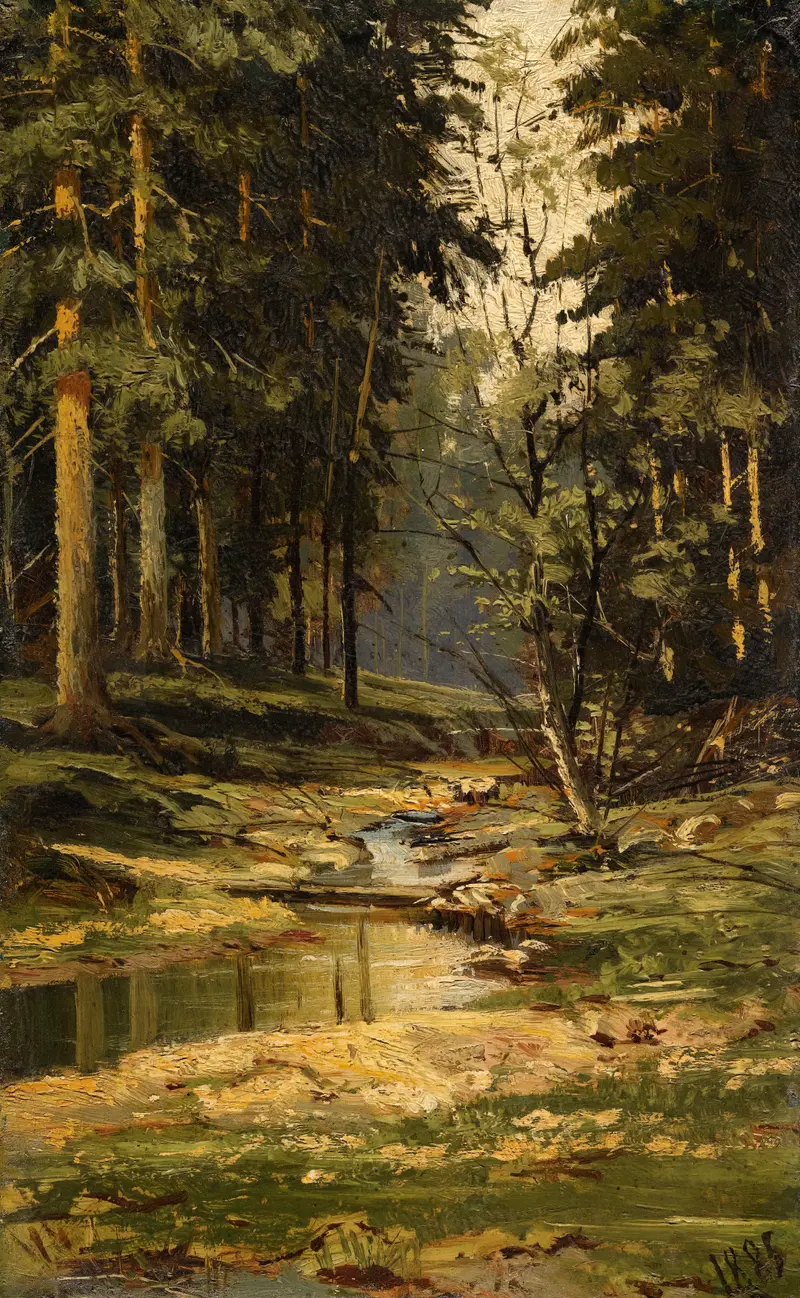 Ivan Shishkin1832–1898. A landscape painter who studied in Moscow and St. Petersburg and worked in Zurich and Düsseldorf. He was a founding member of the Society of Travelling Art Exhibitions and stayed with it until his death, says the Russian Museum.
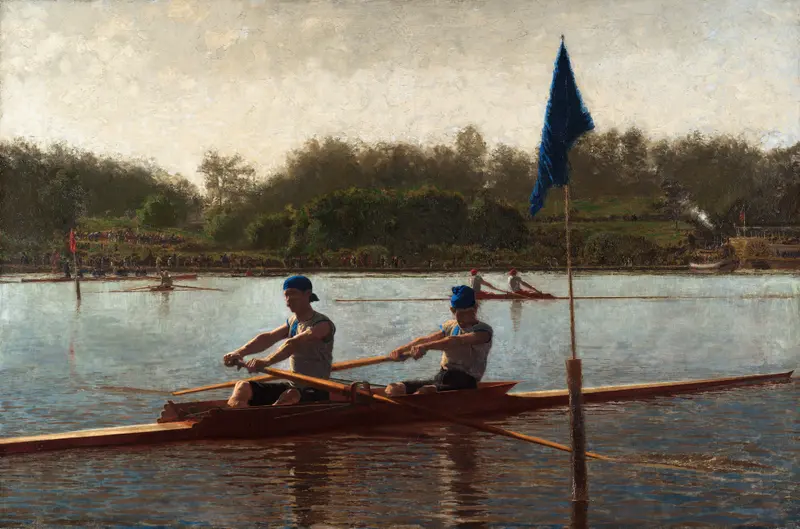 Thomas Eakins1844–1916. A Philadelphia painter who made the study of the nude central to his teaching at the Pennsylvania Academy of the Fine Arts. His Gross Clinic shocked viewers with its realistic detail, says the Philadelphia Museum of Art.
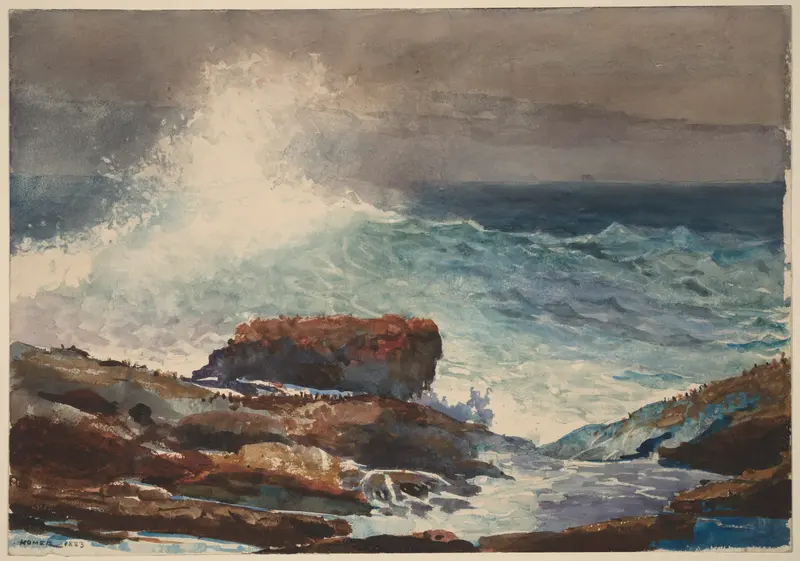
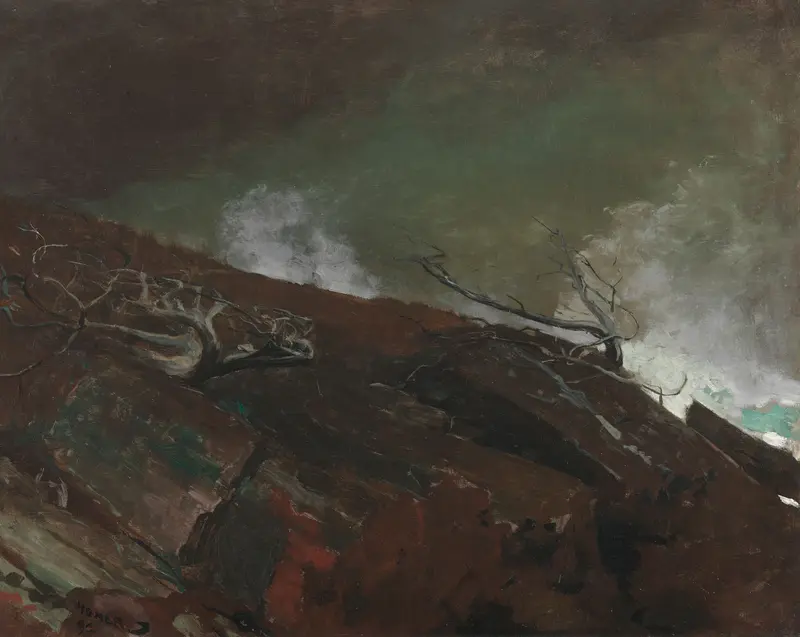
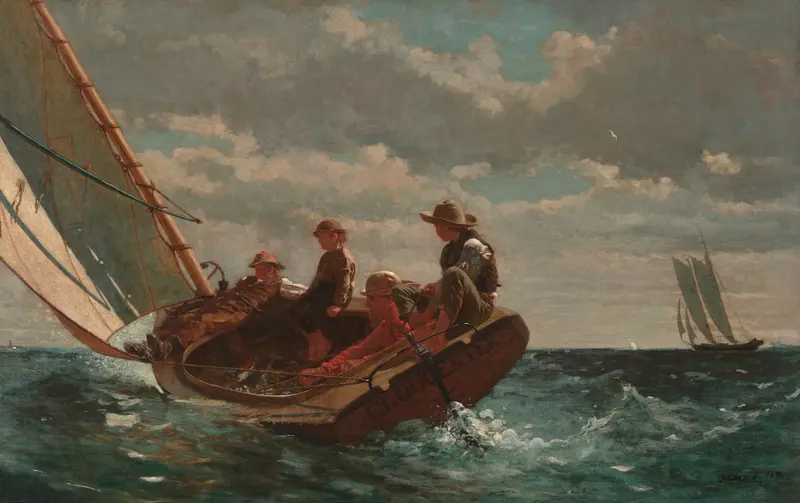 Winslow Homer1836–1910. Began as an illustrator during the Civil War and turned to oil painting in the late 1860s. After a stay in a fishing community at Tynemouth, England, in 1881, he painted almost only people's age-old contest with nature, says the Art Institute of Chicago.
French Realist paintings
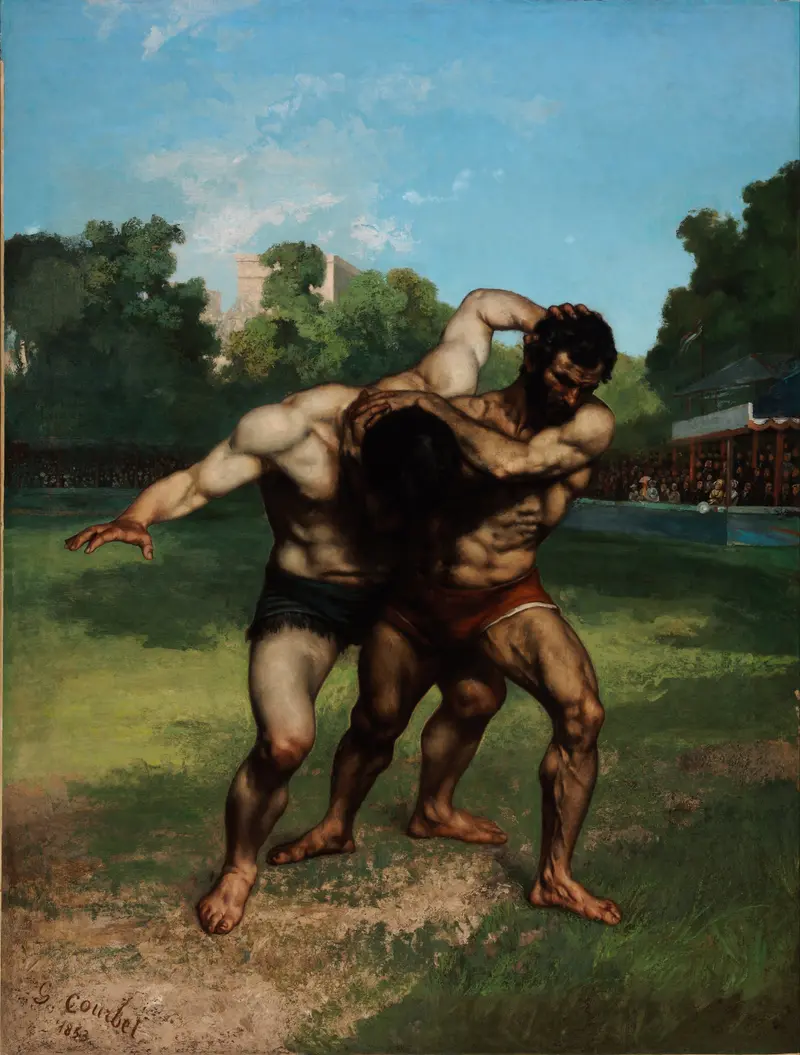
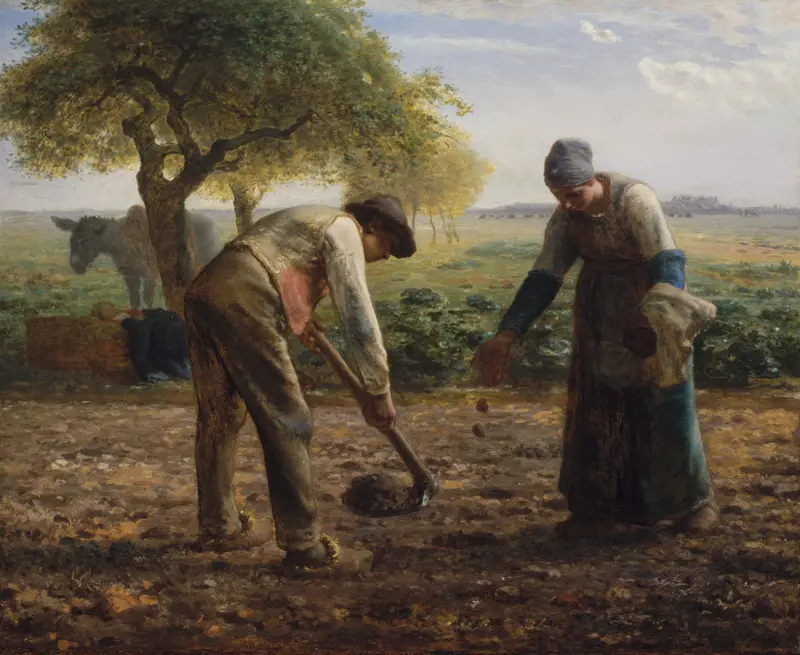
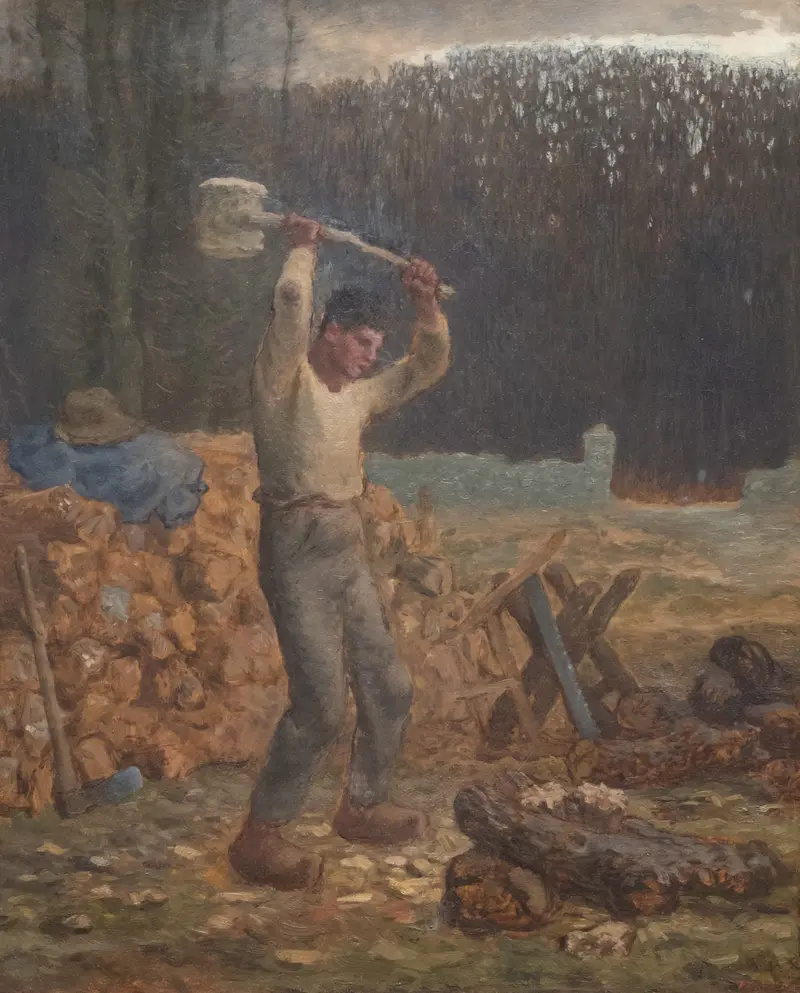
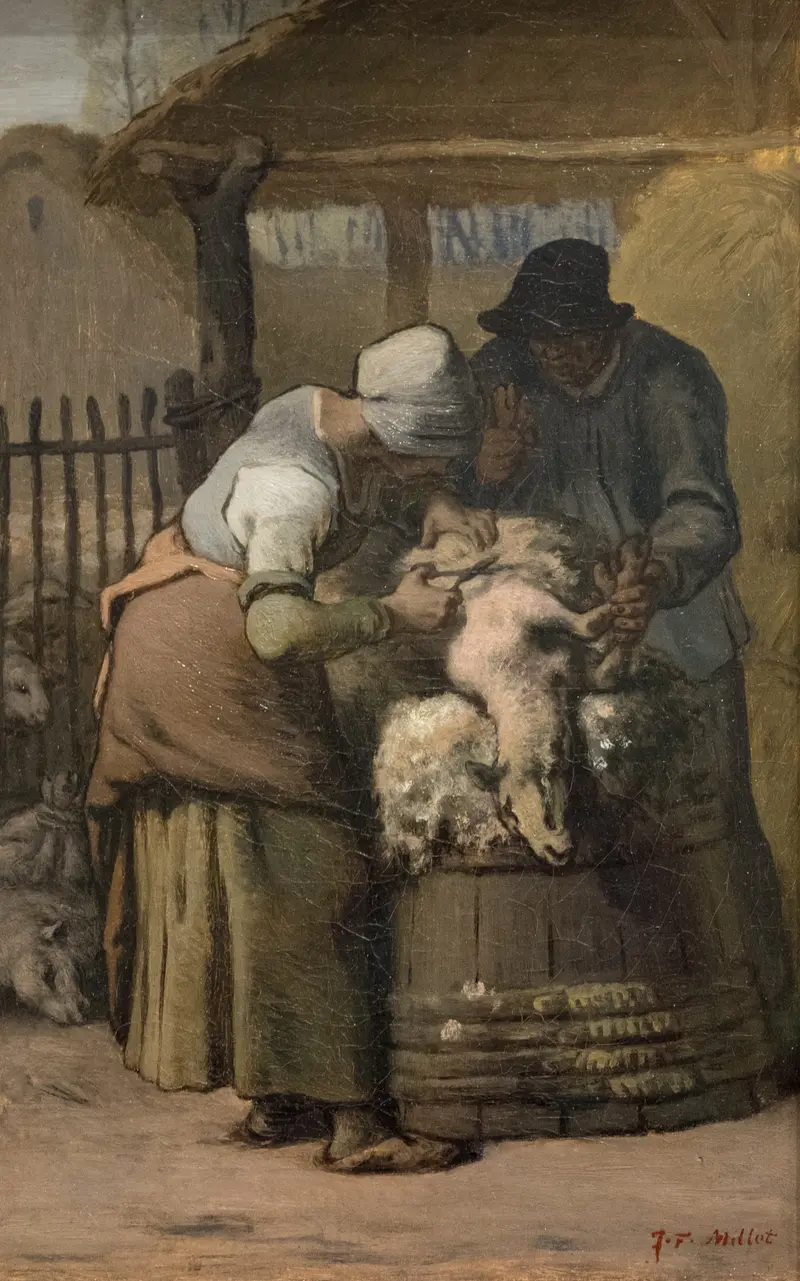
The National Gallery in London calls the Realist movement essentially French, led by Courbet and Millet, who turned from Romantic and classical subjects to paint everyday life in a vigorous, naturalistic style. Millet, like Daumier, was moved by the spectacle of social injustice and painted peasants at work.
Russian Realism and the Peredvizhniki
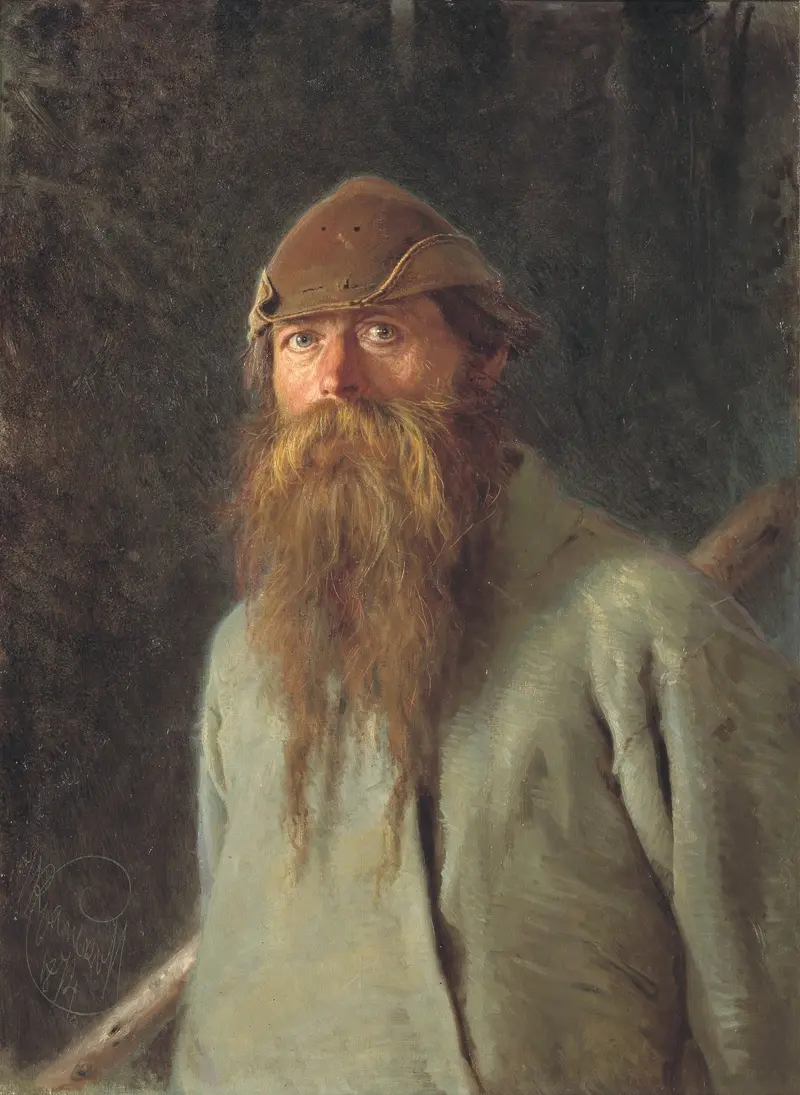
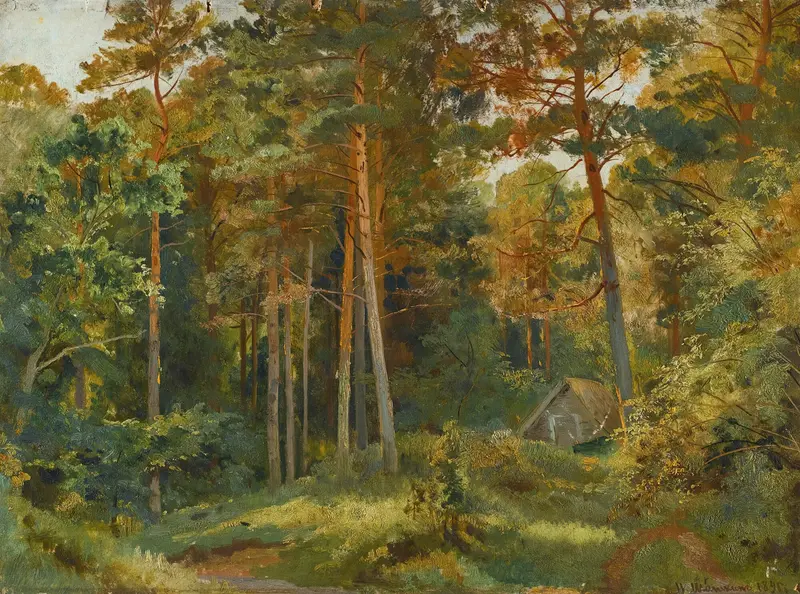
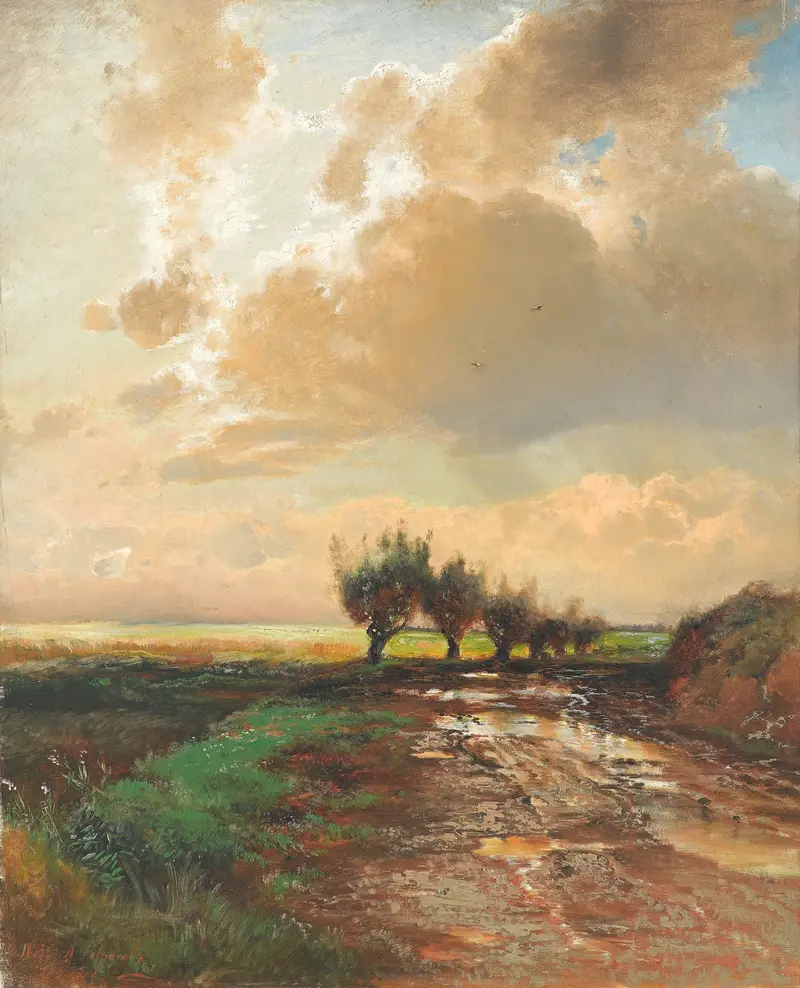
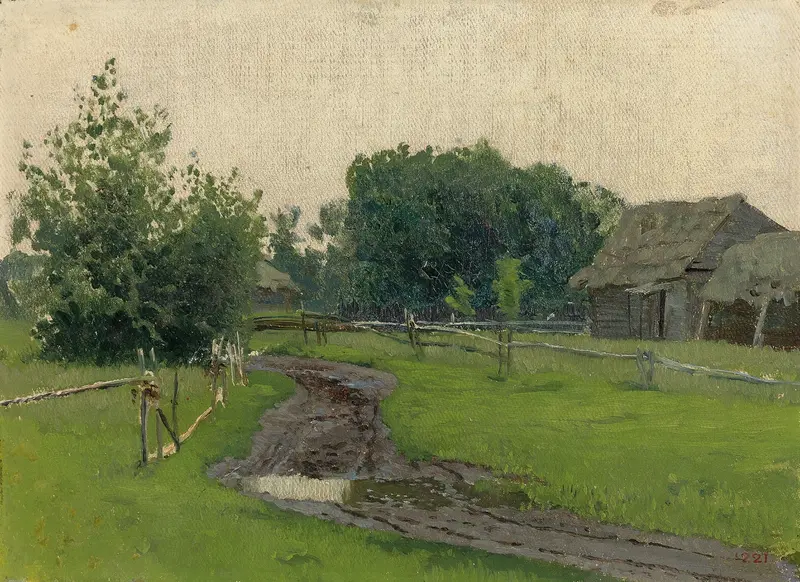
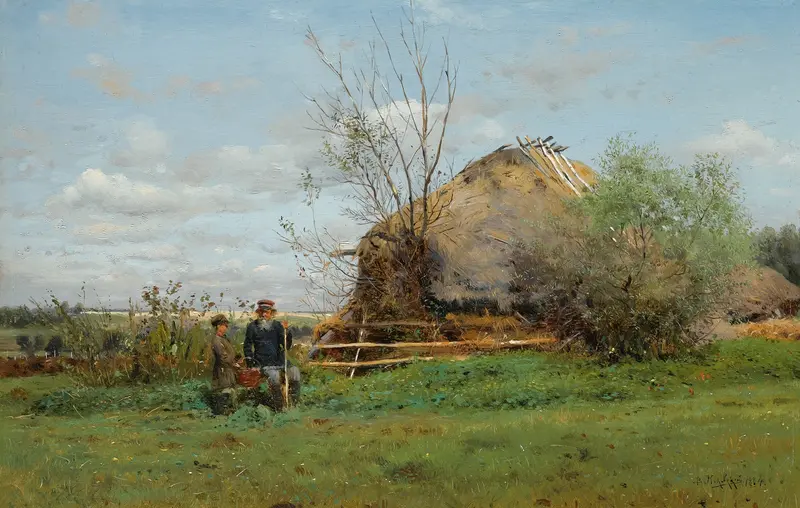
In 1870 Russian painters founded the Society of Travelling Art Exhibitions, the Peredvizhniki; Ivan Kramskoi was one of its founders and its ideological head, says the Russian Museum. Landscape painters such as Ivan Shishkin, a founding member, and Isaac Levitan, a member from 1891, painted the Russian countryside.

American Realism
In the United States, Winslow Homer began as an illustrator during the Civil War and turned his observational skills to oil painting in the late 1860s, says the Art Institute of Chicago. In Philadelphia, Thomas Eakins taught that art should rest on firsthand study of the living figure.

Characteristics of Realism art: how to recognize it
Ordinary people at the scale of history
Courbet gave a village funeral a canvas more than six meters wide, a size usually kept for history painting. The Musée d'Orsay calls his approach radically innovative: an ordinary subject, with no trace of idealizing.
A Burial at Ornans, Gustave Courbet
Work and the working poor
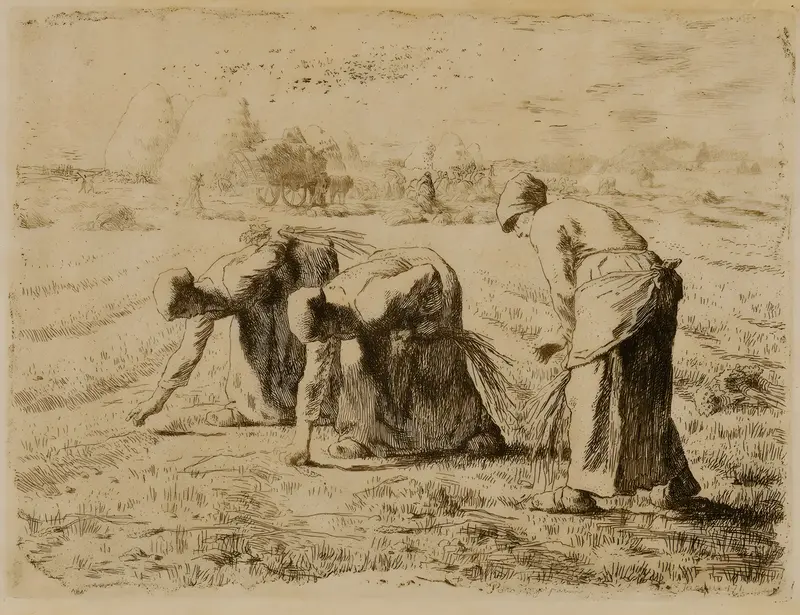
Millet's gleaners bend double over the stubble to pick up what the harvesters missed. The Musée d'Orsay says they embody the rural working class, painted with a dignity free of miserabilism.
The Gleaners, Jean-François Millet
Modern city life
Caillebotte painted workmen planing a Paris floor, one of the first pictures of the urban working class, says the Musée d'Orsay. The Salon jury of 1875 turned it down.
The Floor Planers, Gustave Caillebotte
The body without idealizing
Courbet's nude is a model with her clothes thrown aside and her hair undone, not a goddess. Salon viewers were shocked, the Met says, while his defender Castagnary praised a “woman of our time.”
Woman with a Parrot, Gustave Courbet

Hard, observed detail
Eakins painted a real surgeon at work, with blood on his fingers and scalpel. Many viewers were repelled by what was considered “ugly and inartistic realism,” the Philadelphia Museum of Art notes.
Portrait Of Dr. Samuel D. Gross (The Gross Clinic), Thomas Eakins
Painted from real people
Repin made two trips to the Volga and based each hauler on a portrait of a real man he met there. The Russian Museum says the picture opened a whole new era in genre painting.
Barge Haulers on the Volga, Ilya Repin
Before and after Realism
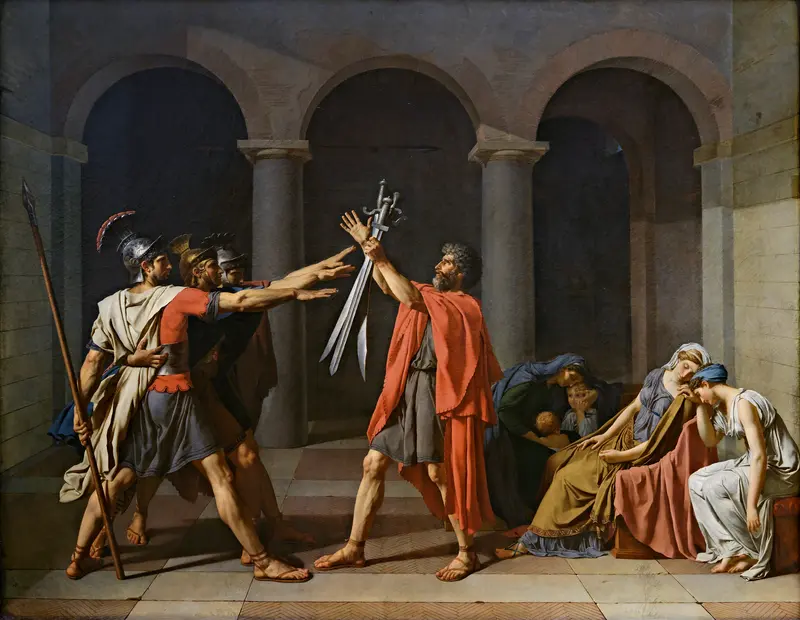 Neoclassicismc. 1750–1850
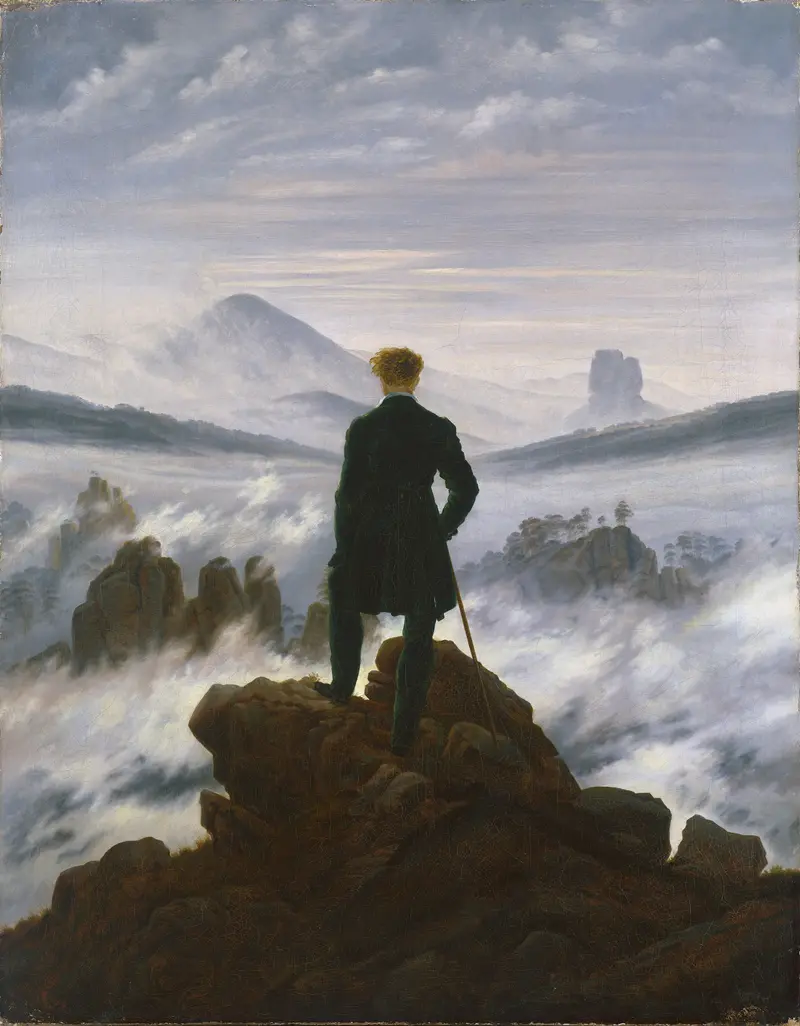 Romanticismc. 1780–1850
- Realismc. 1840–1880
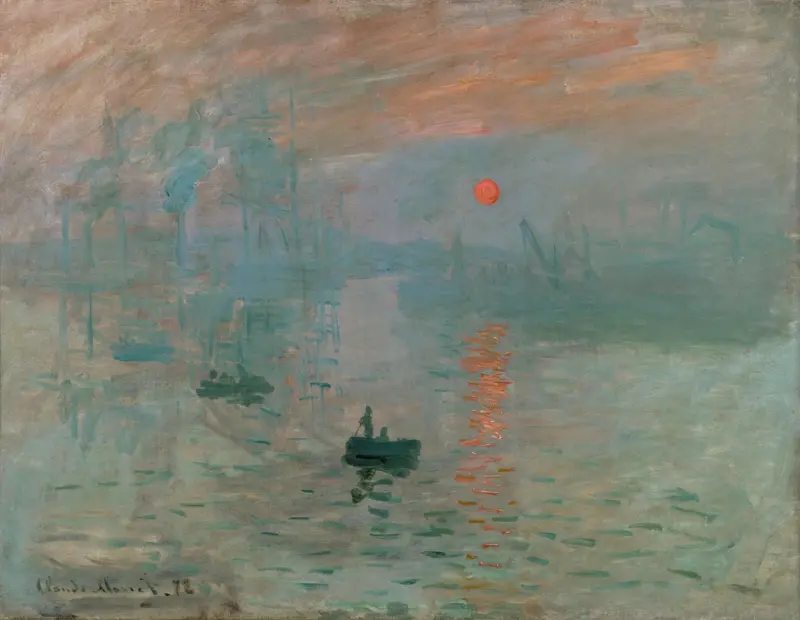 Impressionismc. 1867–1886
 Naturalismlate 1870s–1890s
Realism vs Romanticism and Impressionism
| Compared | Romanticism | Realism | Impressionism |
|---|---|---|---|
| When | c. 1780–1850 | c. 1840–1880 | c. 1867–1886 |
| Subject | Wild nature, storms, recent wars and revolutions, the Middle Ages, nightmares | Everyday life: peasants, workers, city streets, ordinary people | Landscapes and scenes of modern everyday life |
| Aim | Emotion, drama and individual expression | Truth to life, without idealizing | Fleeting effects of light, painted quickly on the spot |
| Famous example | Friedrich, Wanderer above the Sea of Fog | Courbet, A Burial at Ornans | Monet, Impression, Sunrise |
| Key artists | Friedrich, Turner, Constable, Delacroix, Goya | Courbet, Millet, Daumier, Repin, Homer | Monet, Renoir, Degas, Pissarro, Morisot |
List of famous Realism paintings and their artists
The famous Realism paintings: who painted them, when, and where each one is today.
Show the listHide the list
| Painting | Painted by | Year | Medium | Size | Located in | City |
|---|---|---|---|---|---|---|
| Reply of the Zaporozhian Cossacks | Ilya Repin | 1880–1891 | Oil on canvas | 203 × 358 cm (79.9 × 140.9 in) | Russian Museum | St. Petersburg |
| Barge Haulers on the Volga | Ilya Repin | 1870–1873 | Oil on canvas | 131.5 × 281 cm (51.8 × 110.6 in) | Russian Museum | St. Petersburg |
| A Burial at Ornans | Gustave Courbet | 1849–1850 | Oil on canvas | 315 × 668 cm (124 × 263 in) | Musee d'Orsay | Paris |
| Ivan the Terrible and His Son Ivan | Ilya Repin | 1885 | Oil on canvas | 199.5 × 254 cm (78.5 × 100 in) | Tretyakov Gallery | Moscow |
| The Painter's Studio | Gustave Courbet | 1854–1855 | Oil on canvas | 361 × 598 cm (142.1 × 235.4 in) | Musee d'Orsay | Paris |
| Morning in a Pine Forest | Ivan Shishkin and Konstantin Savitsky | 1889 | Oil on canvas | 139 × 213 cm (54.7 × 83.9 in) | Tretyakov Gallery | Moscow |
| Portrait of an Unknown Woman | Ivan Kramskoi | 1883 | Oil on canvas | 75.5 × 99 cm (29.7 × 39 in) | Tretyakov Gallery | Moscow |
| The Gleaners | Jean-François Millet | 1857 | Oil on canvas | 83.5 × 110 cm (32.9 × 43.3 in) | Musee d'Orsay | Paris |
| Woman with a Parrot | Gustave Courbet | 1866 | Oil on canvas | 129.5 × 195.6 cm (51 × 77 in) | Metropolitan Museum of Art | New York |
| The Angelus | Jean-François Millet | 1857–1859 | Oil on canvas | 55 × 66 cm (21.7 × 26 in) | Musee d'Orsay | Paris |
| Christ in the Wilderness | Ivan Kramskoi | 1872 | Oil on canvas | 180 × 210 cm (70.9 × 82.7 in) | Tretyakov Gallery | Moscow |
| The Floor Scrapers (Les Raboteurs de parquet) | Gustave Caillebotte | 1875 | Oil on canvas | 102 × 147 cm (40.2 × 57.9 in) | Musee d'Orsay | Paris |
| Swimming | Thomas Eakins | 1885 | Oil on canvas | 69.5 × 92.4 cm (27.4 × 36.4 in) | Amon Carter Museum of American Art | Fort Worth |
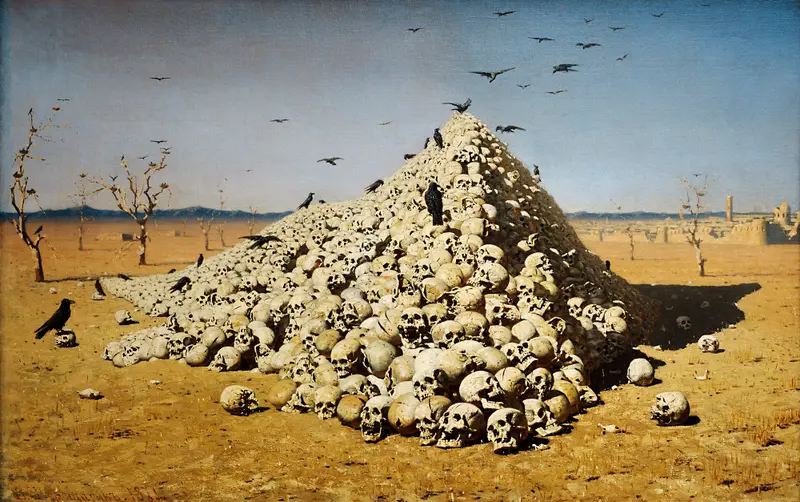
| The Apotheosis of War | Vasily Vereshchagin | 1871 | Oil on canvas | 127 × 197 cm (50 × 77.6 in) | Tretyakov Gallery | Moscow |
| Jewish Woman with Oranges | Aleksander Gierymski | 1880–1881 | Oil on canvas | 65 × 54 cm (25.6 × 21.3 in) | National Museum in Warsaw | Warsaw |
| The Horse Fair | Rosa Bonheur | 1852–1855 | Oil on canvas | 244.5 × 506.7 cm (96.3 × 199.5 in) | Metropolitan Museum of Art | New York |
| Ploughing in the Nivernais | Rosa Bonheur | 1849 | Oil on canvas | 134 × 260 cm (52.8 × 102.4 in) | Musee d'Orsay | Paris |
| In the Bower | Aleksander Gierymski | 1882 | Oil on canvas | 137 × 148 cm (53.9 × 58.3 in) | National Museum in Warsaw | Warsaw |
| The Gross Clinic | Thomas Eakins | 1875 | Oil on canvas | 243.8 × 198.1 cm (96 × 78 in) | Philadelphia Museum of Art | Philadelphia |
| The Rooks Have Returned | Alexei Savrasov | 1871 | Oil on canvas | 62 × 48.5 cm (24.4 × 19.1 in) | Tretyakov Gallery | Moscow |
| The Chess Players | Thomas Eakins | 1876 | Oil on wood | 29.8 × 42.6 cm (11.7 × 16.8 in) | Metropolitan Museum of Art | New York |
| Rye | Ivan Shishkin | 1878 | Oil on canvas | 107 × 187 cm (42.1 × 73.6 in) | Tretyakov Gallery | Moscow |
| Flute Concert with Frederick the Great in Sanssouci | Adolph Menzel | 1850–1852 | Oil on canvas | 142 × 205 cm (55.9 × 80.7 in) | Alte Nationalgalerie | Berlin |
| The Third-Class Carriage | Honoré Daumier | 1864 | Oil on canvas | 65.4 × 90.2 cm (25.7 × 35.5 in) | Metropolitan Museum of Art | New York |
| Golden Autumn | Isaac Levitan | 1895 | Oil on canvas | 82 × 126 cm (32.3 × 49.6 in) | Tretyakov Gallery | Moscow |
Realism: questions and answers
What does Realism mean in art?
In art, Realism means painting everyday life as it really is, without idealizing it. In its specific sense, Tate explains, it is the mid-19th-century movement that painted subjects from everyday life in a naturalistic manner, and the National Gallery in London calls the Realist movement essentially a 19th-century French phenomenon, associated above all with Gustave Courbet and Jean-François Millet. The Getty's art vocabulary adds that Realist painting showed reality with precision and vividness of detail, “including unpleasant characteristics.”
Sources: Tate: Realism · National Gallery: Realist (glossary) · Getty AAT: Realist
What are the characteristics of Realism art?
Realism art shows ordinary people of its own time, painted from observation and without idealizing them. Tate lists its typical subjects as peasant and working-class life, city streets, cafés and popular entertainments, and a new frankness about the body, chosen with “a certain grittiness.” Courbet gave such scenes the huge canvases once kept for history painting, as in A Burial at Ornans, and painters such as Thomas Eakins and Ilya Repin worked from real models and close study.
Sources: Tate: Realism · Musée d'Orsay (Google Arts & Culture) · Amon Carter Museum of American Art · State Russian Museum
When did the Realism art movement start and end?
Realism began in France in the 1840s and was at its height until about 1880. Tate says the French novelist Champfleury coined the term in the 1840s, and the National Gallery notes that Courbet's one-man exhibition of 1855 established him as a Realist. Outside France it lasted longer: in Russia the Society of Travelling Art Exhibitions, founded in 1870, kept realist painting going through the rest of the century, and the Getty's vocabulary dates the Realist style from the mid- through the late 19th century.
Sources: Tate: Realism · National Gallery: Gustave Courbet · Russian Museum: Ivan Kramskoi · Russian Museum: Ivan Shishkin · Getty AAT: Realist
Who started Realism?
Gustave Courbet is the painter most closely tied to the start of Realism. Tate says the term was coined by the novelist Champfleury and exemplified in the work of his friend Courbet, and the National Gallery calls Courbet the main exponent of Realism in 19th-century French painting. Jean-François Millet, who turned to peasant subjects and had his first popular success at the Salon of 1848, and the caricaturist Honoré Daumier belonged to the same generation.
Sources: Tate: Realism · National Gallery: Gustave Courbet · National Gallery: Jean-François Millet · Art Institute of Chicago: Honoré Daumier, The Past, the Present, the Future
Why did Realism start?
Realism started as a reaction against the Romantic and classical traditions, which painters felt had drifted away from real life. The Getty's vocabulary says it developed in reaction to the Romantic style, and the National Gallery says the Realists rejected “the literary and exotic subjects of the Romantics and the idealised forms of the Classicists” to paint everyday life. Tate adds that academic rules had produced art that often looked artificial and removed from real life; Millet, the National Gallery notes, was moved by the spectacle of social injustice.
Sources: Getty AAT: Realist · National Gallery: Realist (glossary) · Tate: Realism · National Gallery: Jean-François Millet
Who are the famous Realism artists?
The central Realism artists are Gustave Courbet, Jean-François Millet and Honoré Daumier in France, with Rosa Bonheur, whose Horse Fair made her internationally famous. The movement then spread: in Germany to Adolph Menzel and Wilhelm Leibl, counted among Germany's greatest realists; in Russia to the Peredvizhniki, whose ideological head was Ivan Kramskoi, with Ivan Shishkin and Ilya Repin; and in the United States to Winslow Homer and Thomas Eakins.
Sources: National Gallery: Realist (glossary) · National Gallery: Rosa Bonheur · National Gallery: Adolph Menzel · German History in Documents and Images (German Historical Institute): Wilhelm Leibl, Three Women in Church · Russian Museum: Ivan Kramskoi · Russian Museum: Ilya Repin · Art Institute of Chicago: Winslow Homer, Croquet Scene · Philadelphia Museum of Art
What are some famous examples of Realism art?
Famous examples of Realism art include Courbet's A Burial at Ornans (1849–1850), Millet's The Gleaners (1857) and The Angelus (1857–1859), Rosa Bonheur's The Horse Fair (1852–1855), Daumier's The Third-Class Carriage (1864), Ilya Repin's Barge Haulers on the Volga (1870–1873), Thomas Eakins's The Gross Clinic (1875) and Repin's Reply of the Zaporozhian Cossacks (1880–1891). Most of the French ones are in the Musée d'Orsay in Paris; The Horse Fair and The Third-Class Carriage are at the Met in New York.
Sources: Musée d'Orsay (Google Arts & Culture) · Musée d'Orsay (Google Arts & Culture) · Metropolitan Museum of Art · Metropolitan Museum of Art · State Russian Museum: Barge Haulers on the Volga · Philadelphia Museum of Art · State Russian Museum
What is the difference between Realism and Impressionism?
Realism is mainly about what is painted: everyday life, shown truthfully. Impressionism is mainly about how it is painted: quickly, often outdoors, with broken brushstrokes that catch passing effects of light, Tate says, and naturalism combined with Realism's subjects led to it. The two overlapped in Paris: Caillebotte's Floor Scrapers, which the Musée d'Orsay counts among the most accomplished realist works, was shown at the second Impressionist exhibition in 1876.
Sources: Tate: Impressionism · Tate: Naturalism · Musée d'Orsay (Google Arts & Culture)
What was Russian Realism, and who were the Peredvizhniki?
The Peredvizhniki were Russian realist painters who founded the Society of Travelling Art Exhibitions in 1870. The Russian Museum names Ivan Kramskoi as one of its founders and its ideological head, and Vasily Perov, Ivan Shishkin and Nikolai Ge as founding members; Arkhip Kuindzhi was a member from 1875, Ilya Repin from 1878 and Isaac Levitan from 1891. The museum calls Repin's Barge Haulers on the Volga and Zaporozhian Cossacks the pride of realistic art.
Sources: Russian Museum: Ivan Kramskoi · Russian Museum: Vasily Perov · Russian Museum: Ivan Shishkin · Russian Museum: Nikolai Ge · Russian Museum: Arkhip Kuindzhi · Russian Museum: Ilya Repin · Russian Museum: Isaac Levitan · Russian Museum, Virtual Branch: Ilya Repin (Russian)
What is American Realism in art?
In the 19th century, American Realism means painters such as Winslow Homer and Thomas Eakins, who painted American life from close observation. Homer began as an illustrator during the Civil War before turning to oil painting in the late 1860s, the Art Institute of Chicago says, and Eakins's The Gross Clinic (1875) repelled many viewers with what was considered “ugly and inartistic realism.” The same name is also used for 20th-century painters such as Edward Hopper, who fall outside this 19th-century movement.
Sources: Art Institute of Chicago: Winslow Homer, Croquet Scene · Philadelphia Museum of Art
Is Realism the same as realistic or photorealistic art?
No. Realism, the art movement, belongs to the 19th century; “realistic” describes any picture that looks like the real world. Tate notes that the word is also used generally for art painted in a realistic, almost photographic way, and the National Gallery separates that general sense from the Realist movement. Photorealism is a different style that emerged in Europe and the US in the late 1960s, Tate says.
Sources: Tate: Realism · National Gallery: Realism (glossary) · Tate: Photorealism
Where can you see famous Realism paintings?
In Paris, the Musée d'Orsay has Courbet's A Burial at Ornans and Millet's The Gleaners and The Angelus. In New York, the Metropolitan Museum of Art has Rosa Bonheur's The Horse Fair, Daumier's The Third-Class Carriage and Courbet's Woman with a Parrot. Repin's Barge Haulers on the Volga and Zaporozhian Cossacks are in the State Russian Museum in St. Petersburg, his Ivan the Terrible and His Son Ivan in the Tretyakov Gallery in Moscow, and Eakins's The Gross Clinic is in Philadelphia.
Sources: Musée d'Orsay (Google Arts & Culture) · Metropolitan Museum of Art · Metropolitan Museum of Art · Metropolitan Museum of Art · State Russian Museum: Barge Haulers on the Volga · State Russian Museum · Russian Museum, Virtual Branch: Repin, sketch for Ivan the Terrible, 1882 (Russian) · Philadelphia Museum of Art
Is Realism art in the public domain, and can I download it free?
Yes. Every painter of the famous paintings and painter cards on this page died by 1930, so their paintings are in the public domain in the United States and in countries where copyright ends 70 years after the artist's death. You can download them free and use them for anything, including commercial projects. A few countries have their own rules on photographs of artworks, so check them if you publish outside the U.S.
Sources: Cornell University Library: Copyright Term and the Public Domain
How we chose the famous paintings
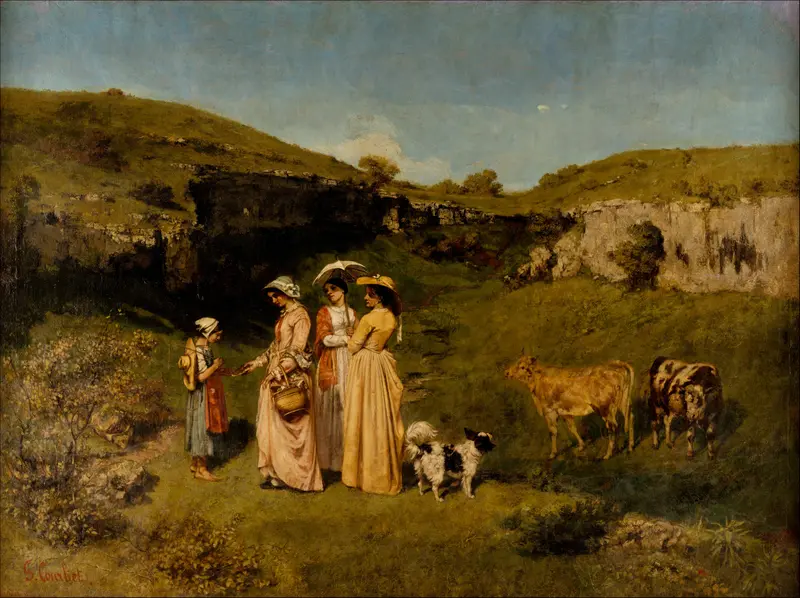
The famous paintings on this page are the Realist paintings known most widely around the world, measured by the number of languages that have an encyclopedia entry about each one, checked in November 2026. No painter has more than three of them, which is why Repin's Religious Procession in Kursk Province and Courbet's Young Ladies of the Village appear in their own rows further down.
We include only paintings by the movement's own painters, or that the holding museum, Wikidata or our catalogue classes as Realist, and only from the movement's 19th-century years, so the 20th-century American Realism of Edward Hopper is not among them.
Dates, sizes and locations come from the museums' own records and from Wikidata.
Spotted a mistake? Tell us and we will correct it.