
Anker Stilleben Kaffee und Cognac — History & Facts
What first arrests the eye in Anker Stilleben Kaffee und Cognac is the quiet dialogue between objects—each vessel and morsel set with deliberate care against a deep, warm backdrop. The white sugar cubes, heaped generously in their bowl, catch the light and draw it toward the creamy porcelain cup and saucer, their blue pattern a delicate whisper against the starkness of the linen. The black coffee pot anchors the composition, its matte surface absorbing the glow, while the amber cognac in its glass decanter and matching glass glows with a subtle invitation.
Every object is poised, not merely for use, but as a participant in a silent ritual of hospitality and pleasure. Painted in 1877, this still life belongs to a tradition that flourished in nineteenth-century Europe, when artists like Albert Anker turned their attention to the rituals of daily life. Such works were often destined for private homes, celebrating the comforts of the table and the quiet luxury of well-appointed interiors. The genre, once reserved for symbols of wealth or vanitas, here becomes an ode to the everyday, reflecting a world where coffee and cognac mark both routine and reward.
Little is recorded about the specific history of this painting, but its presence in the collection catalogued by Sandor Kuthy and Hans Lüthy hints at a life spent in appreciative company. The viewer is left to imagine the unseen hands that will soon reach for cup or glass, and to linger over the painter’s invitation to pause.
More Artworks by Albert Anker

Portrait Of A Girl
Albert Anker
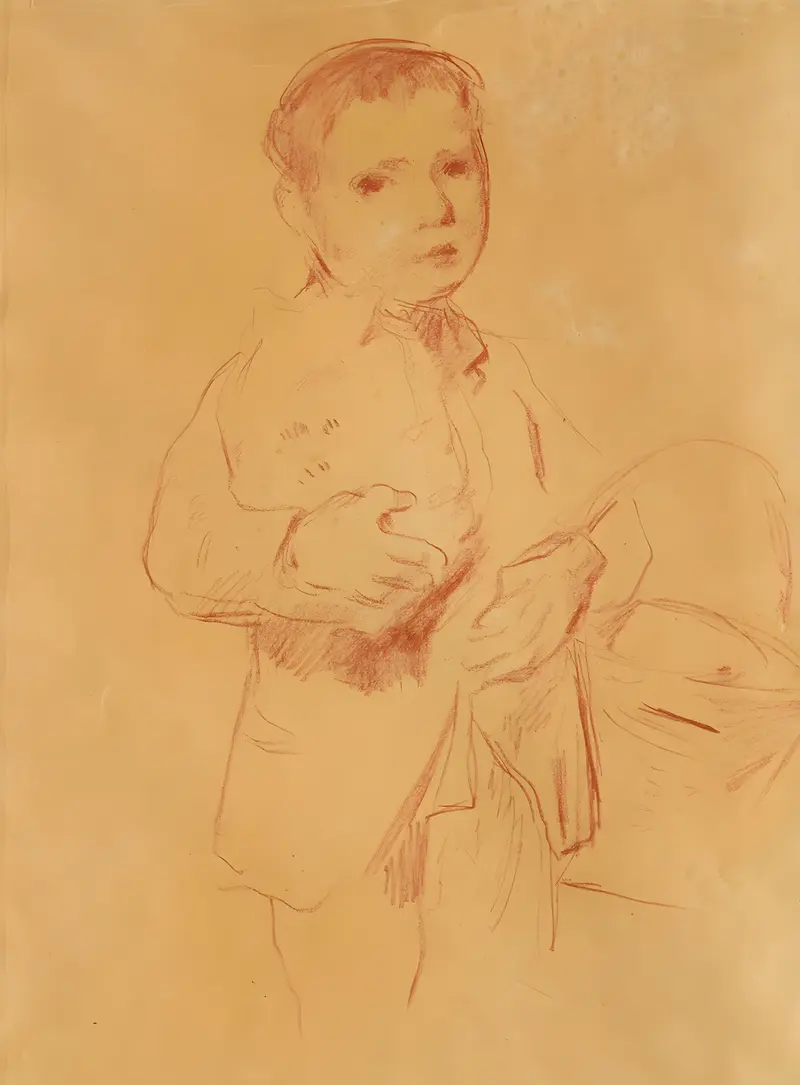
Boy with a basket
Albert Anker
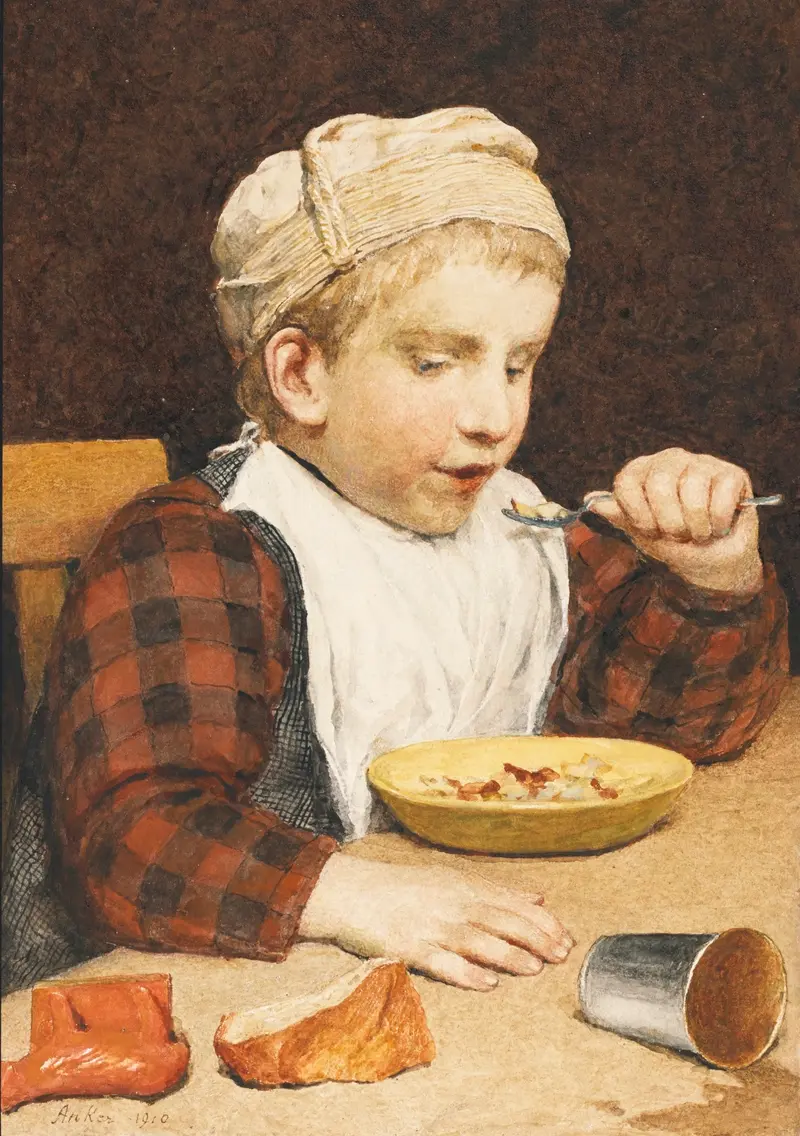
Knabe Mit Mütze Beim Essen
Albert Anker
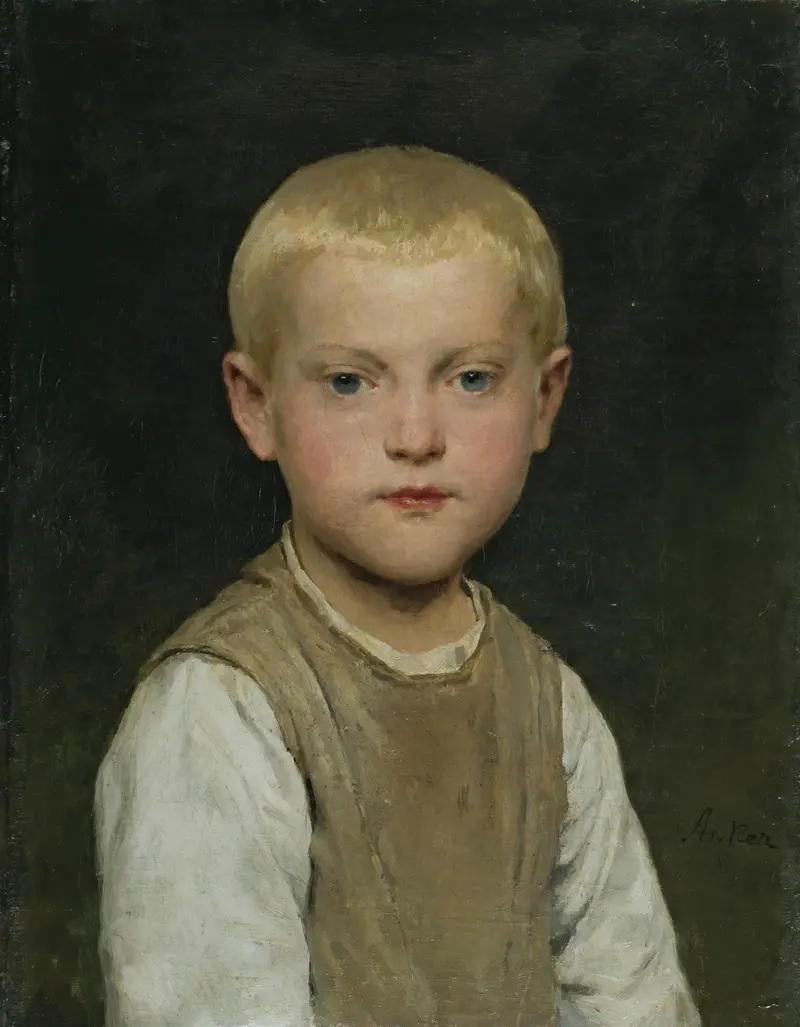
Knabenbildnis (Dr Heiri)
Albert Anker
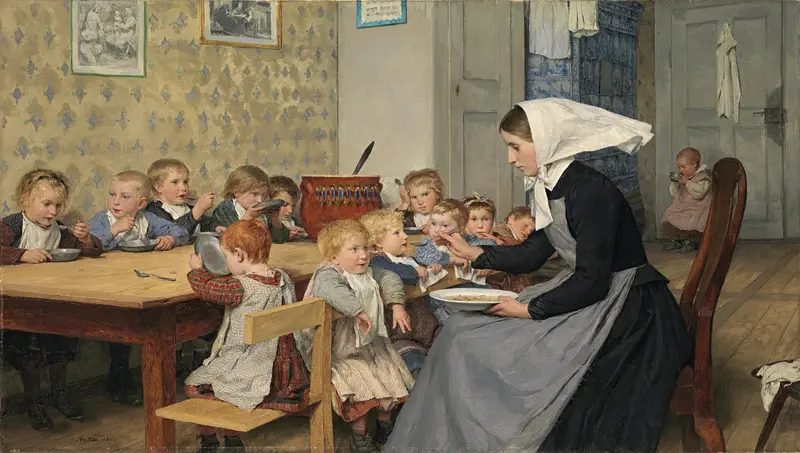
Die Kinderkrippe I
Albert Anker

L’instituteur et le pasteur
Albert Anker
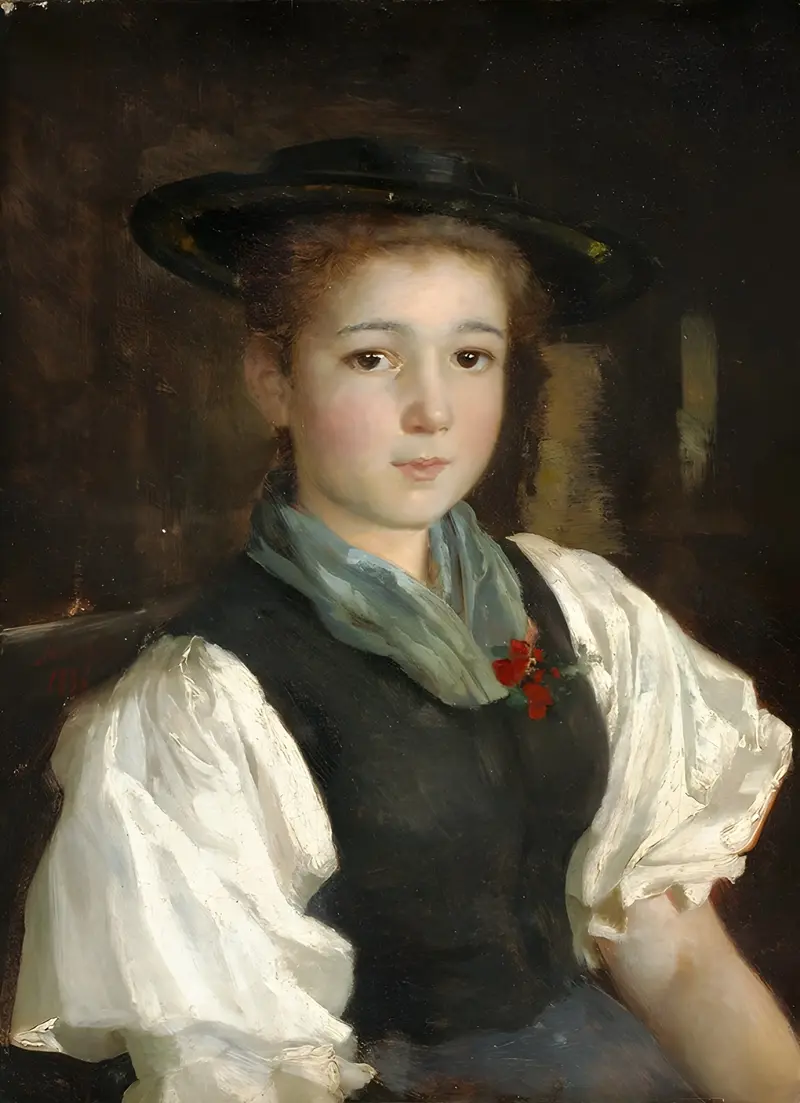
Bauernmädchen (Farm Girl)
Albert Anker
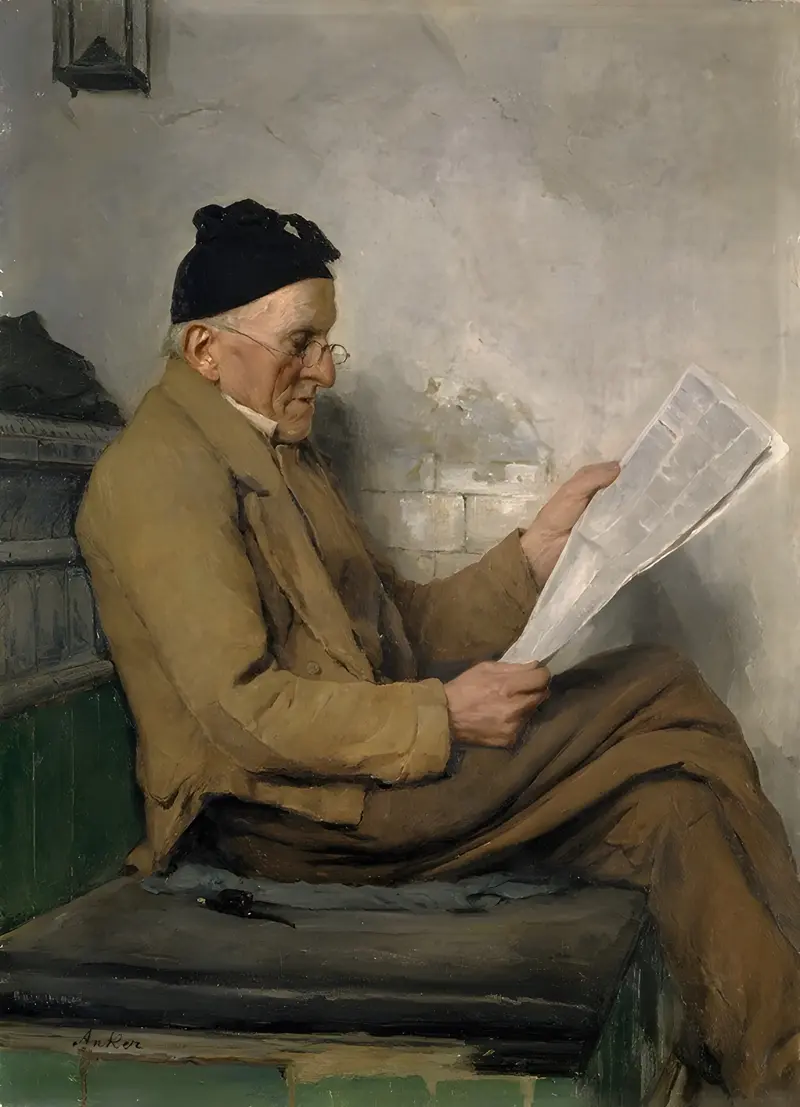
Farmer Reading on the Stove Bench
Albert Anker
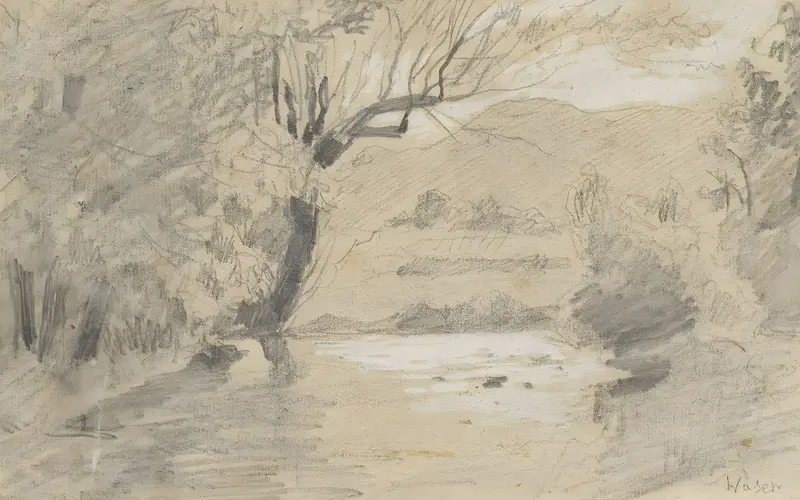
Flusslandschaft in Wasen (Emmental)
Albert Anker
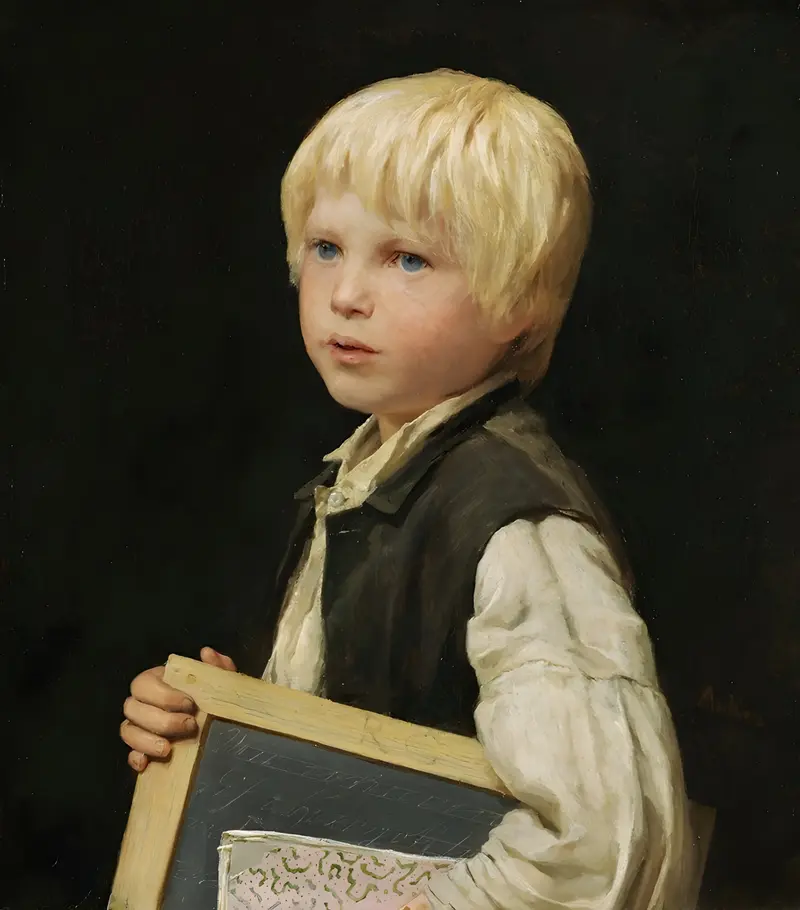
School Boy
Albert Anker





