
Ansicht von Belp — History & Facts
In the fleeting moment of creation, the artist captures the essence of mortality — a profound reflection on the transience of life and the permanence of memory. Look to the center of the canvas, where rolling hills embrace a quaint village, bathed in a gentle light that suggests both dawn and dusk. Notice how the delicate brushstrokes render the landscape, creating an interplay of texture and soft hues that brings warmth to the scene. The contrasting coolness of the sky above, transitioning from azure to blush, evokes a sense of calm before the inevitable passage of time.
Every detail, from the fluttering leaves to the quaint rooftops, invites the viewer to pause and reflect. In the foreground, the intertwining pathways suggest journeys taken and lives lived, while the distant mountains loom, silently witnessing the unfolding of life’s fragile moments. The interplay of light and shadow serves as a metaphor for the duality of existence — joy interspersed with loss, vibrancy tempered by stillness. Such contrasts underscore the artwork’s meditation on mortality, urging us to cherish the present even as we acknowledge its impermanence. In creating this piece, the artist, Johann Ludwig Aberli, was situated in the vibrant cultural milieu of late 18th-century Switzerland, where he explored themes of landscape and nostalgia.
This artwork emerged during a period marked by enlightenment and a growing appreciation for nature's beauty, reflecting not only Aberli’s personal experiences but also the societal longing for permanence in an ever-changing world.
More Artworks by Johann Ludwig Aberli
Browse all →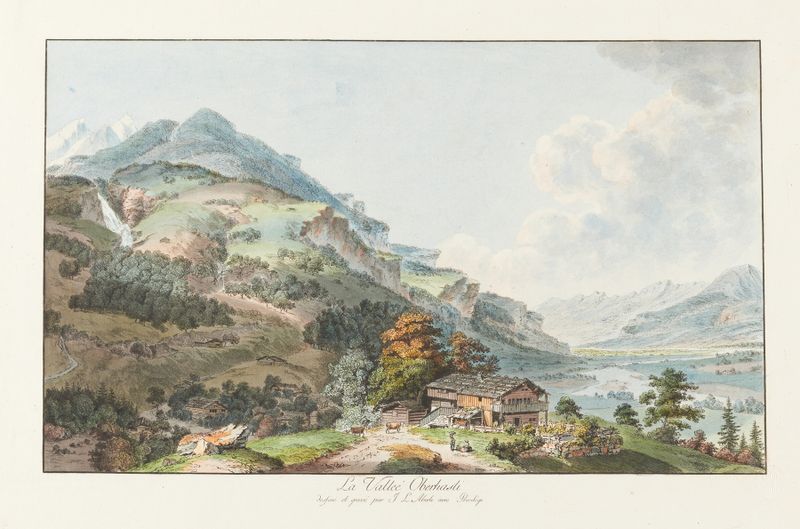
La Vallée Oberhasli
Johann Ludwig Aberli
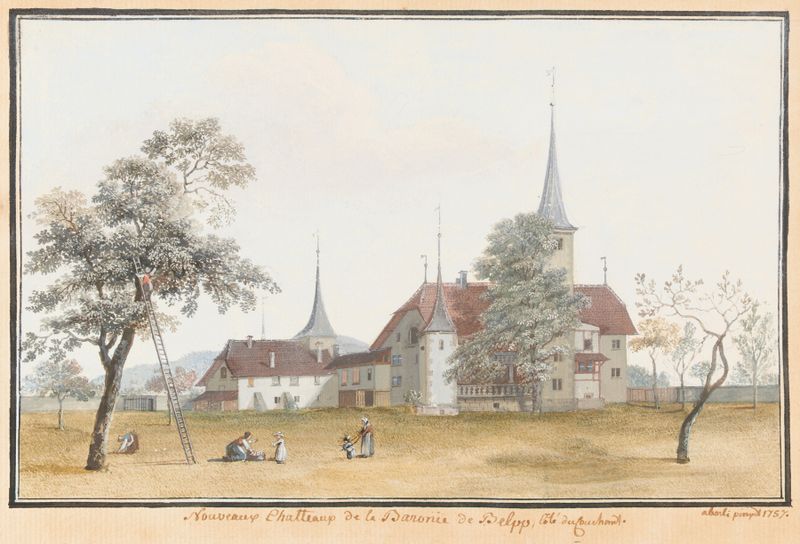
Nouveaux Chatteaux de la Baronie de Belpp; Côté du Couchant
Johann Ludwig Aberli
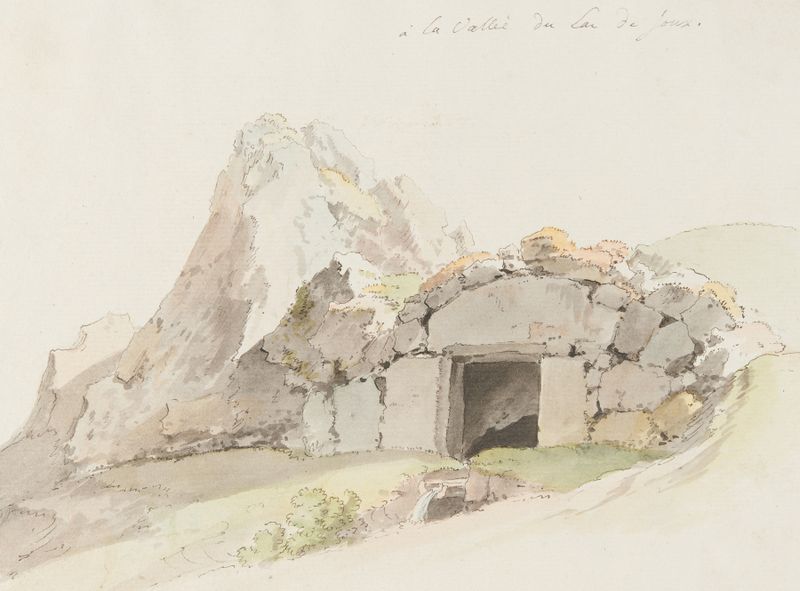
à la Vallèe du Lac de Joux
Johann Ludwig Aberli
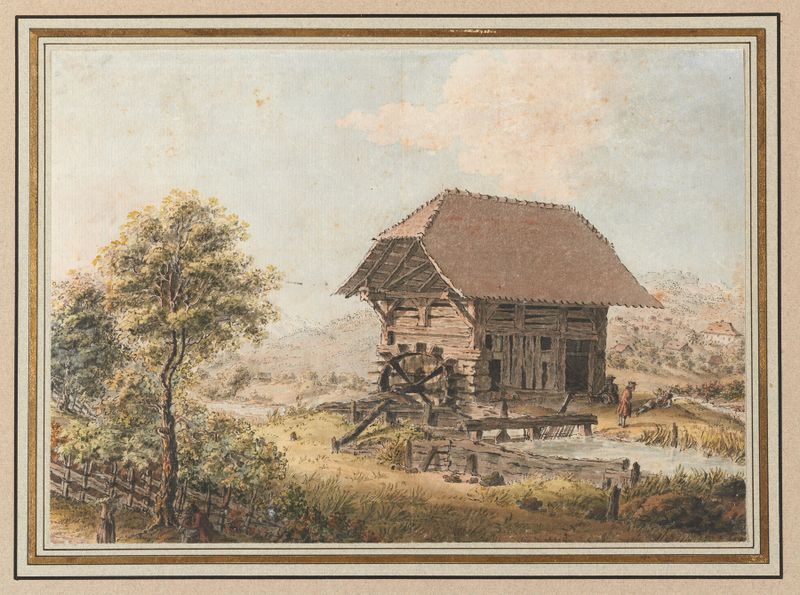
Ansicht einer Mühle im Berner Mittelland
Johann Ludwig Aberli
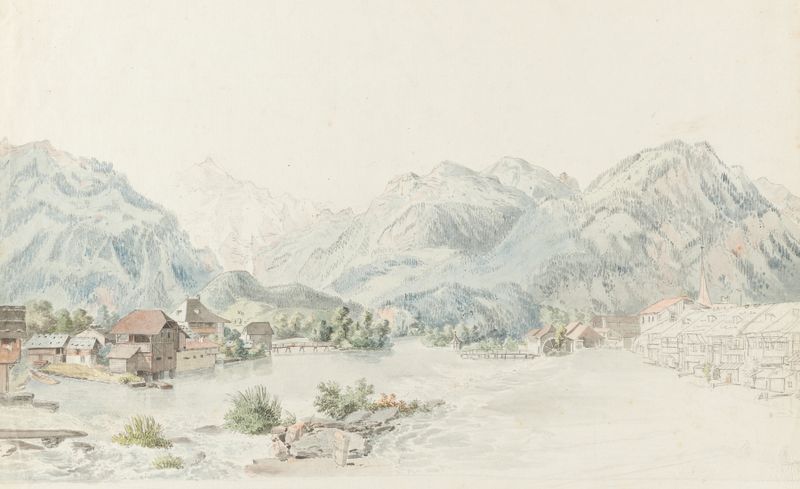
Ansicht von Unterseen
Johann Ludwig Aberli
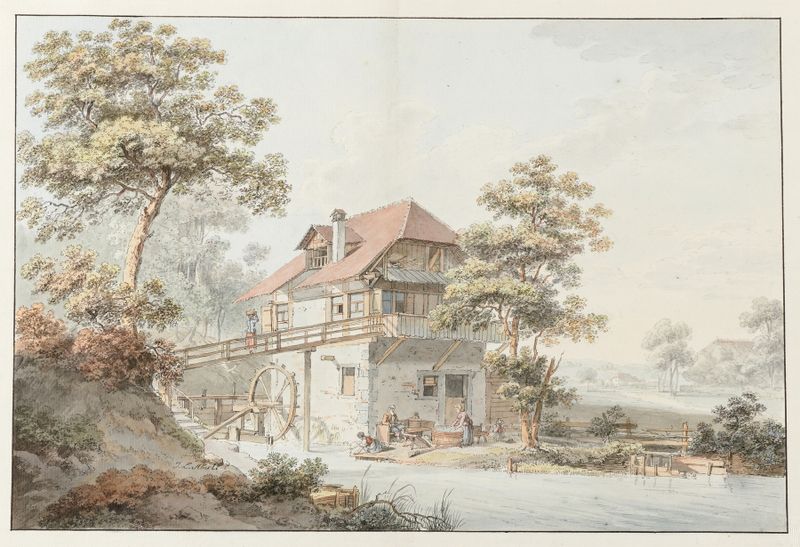
Ansicht einer Mühle im Berner Mittelland.
Johann Ludwig Aberli
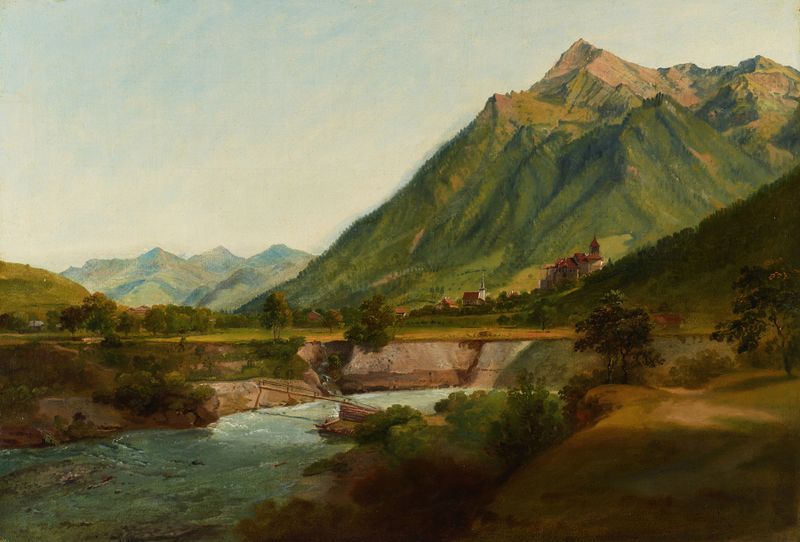
Vue du Château de Wimmis et des environs
Johann Ludwig Aberli
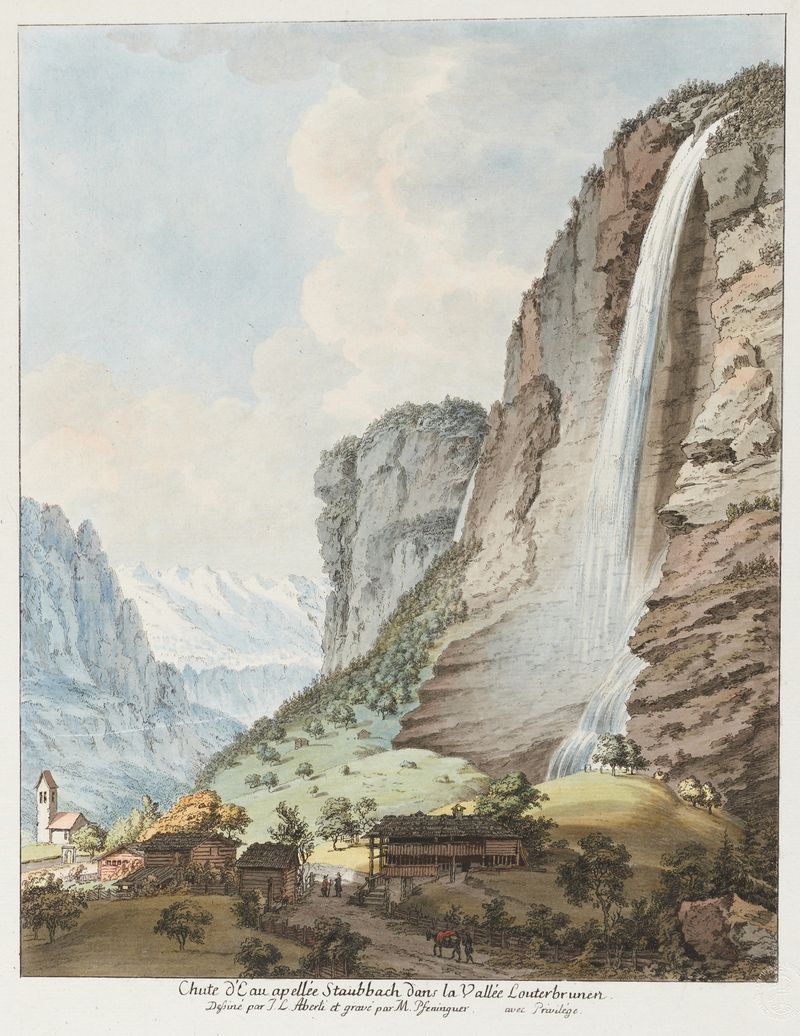
Chute d’Eau apellée Staubbach dans la Vallée Louterbrunnen
Johann Ludwig Aberli
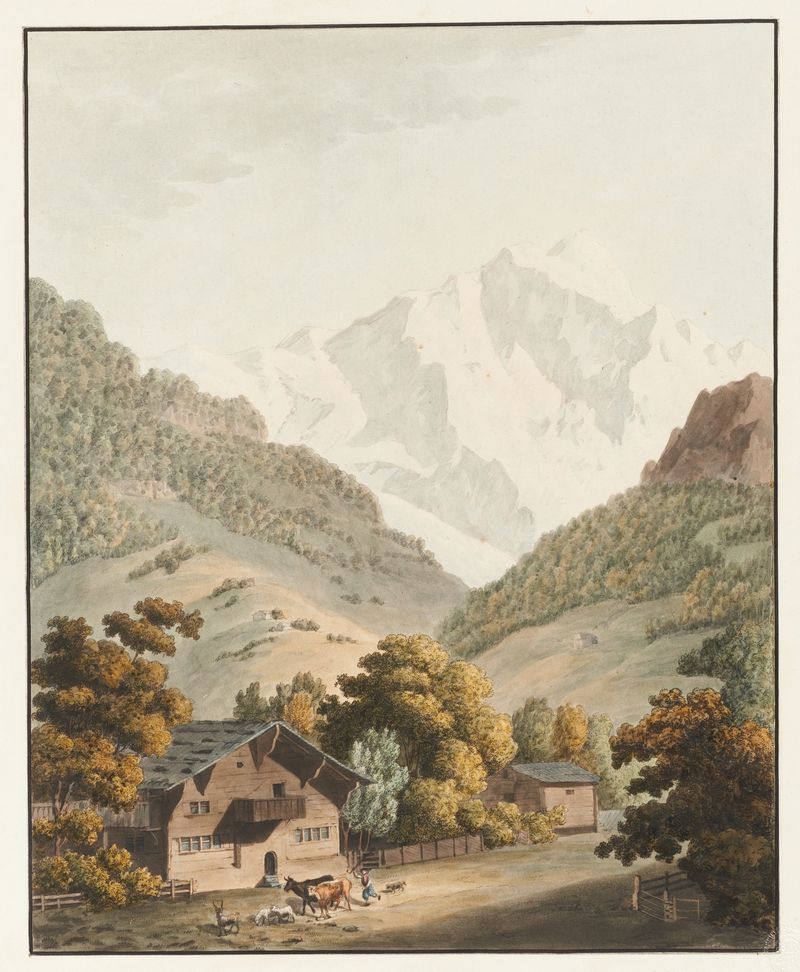
Vue du Jungfrau-Horn
Johann Ludwig Aberli
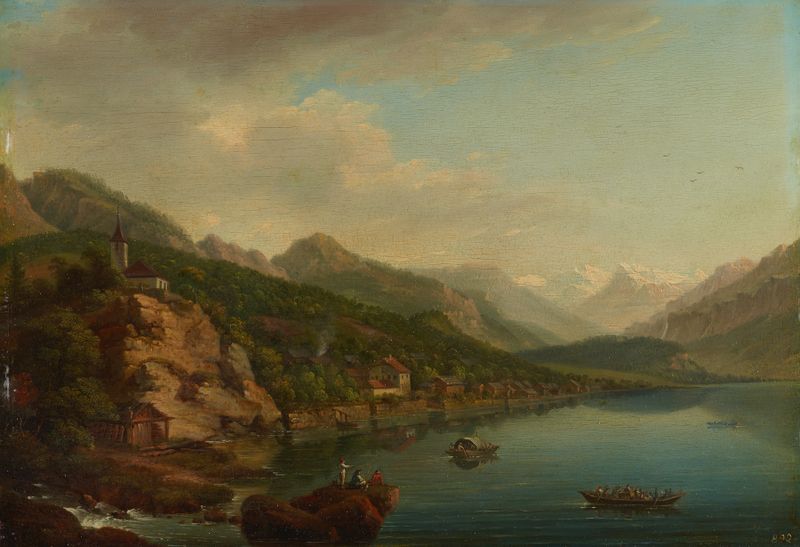
Vue du Village et du Lac de Brientz
Johann Ludwig Aberli





