
Ansicht von Dordrecht mit der Grote Kerk — History & Facts
When did color learn to lie? In this tranquil tableau, silence resounds, suggesting the unspoken stories woven into the fabric of a city at rest. Look to the left, where the towering silhouette of the Grote Kerk rises majestically against a soft blue sky. The delicate interplay of light and shadow reveals intricate architectural details, while gentle strokes of ochre and pastel hues illuminate the quiet waters, creating a mirror of serenity. The artist's use of muted colors invites a contemplative gaze, drawing the eye across the harmonious composition of land and sky, water and stone. Beneath the calm surface, an emotional tension stirs—a contrast between the stillness of the scene and the vibrant life that once thrived within its bounds.
The boats, seemingly lifeless upon the glassy river, hint at an era of bustling trade, now reduced to echoes of their past. The soft brushwork breathes life into the shadows, suggesting that beneath the silence lies history, waiting to be uncovered. In 1871, the artist captured Ansicht von Dordrecht mit der Grote Kerk against the backdrop of an evolving art scene, where naturalism began to bridge the gap with impressionism. Working in Dordrecht, van Bommel found inspiration in the tranquil beauty of the Dutch landscape, amidst a period of burgeoning artistic exploration.
His focus on light and atmosphere reflected a broader movement in Europe, where artists sought to convey a deeper emotional resonance through the natural world.
More Artworks by Elias Pieter van Bommel
Browse all →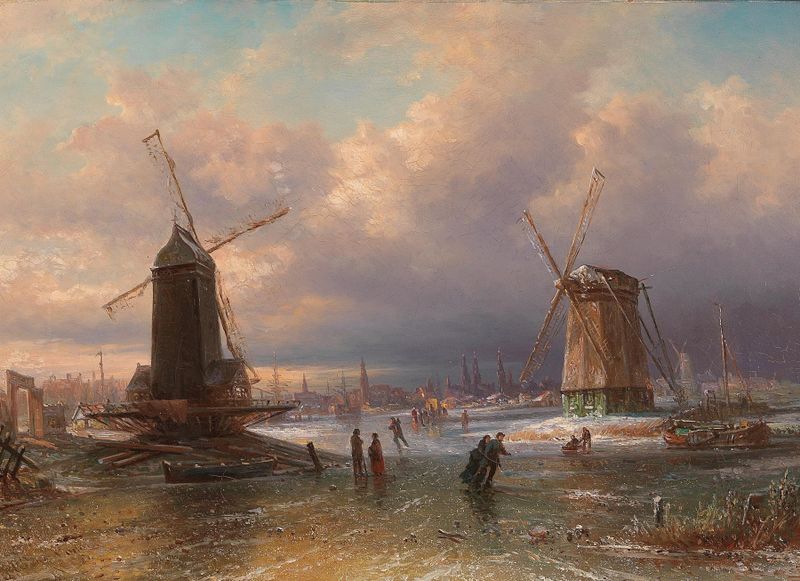
Winter Pleasures on the Ice outside a Dutch Town
Elias Pieter van Bommel
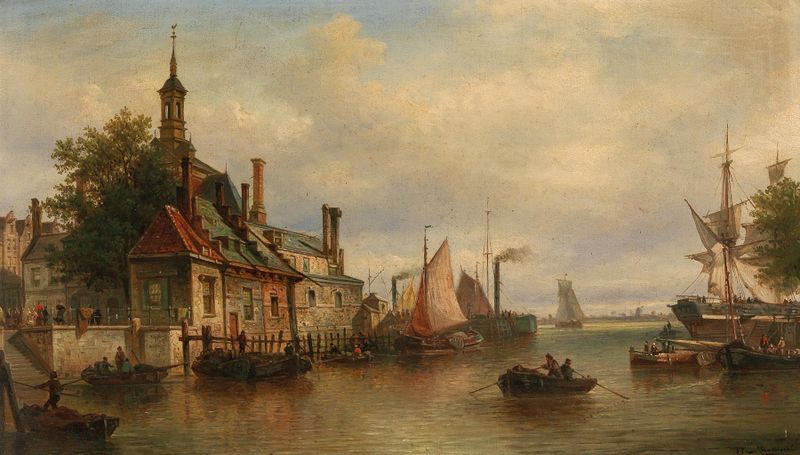
The Old Hanse Gate on the Maas in Rotterdam
Elias Pieter van Bommel

The Singel and Brouwersgracht, Amsterdam
Elias Pieter van Bommel

View from the Nieuwengracht in Amsterdam
Elias Pieter van Bommel
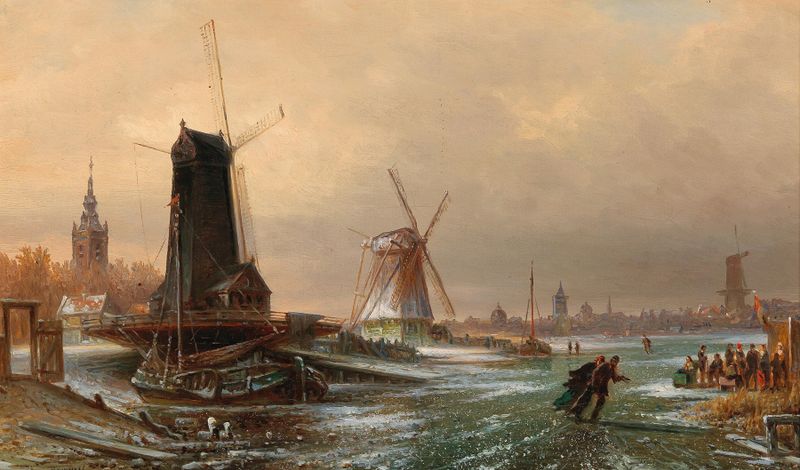
Dutch Sawmill, Water Mill and Flour Mill, near Amsterdam
Elias Pieter van Bommel
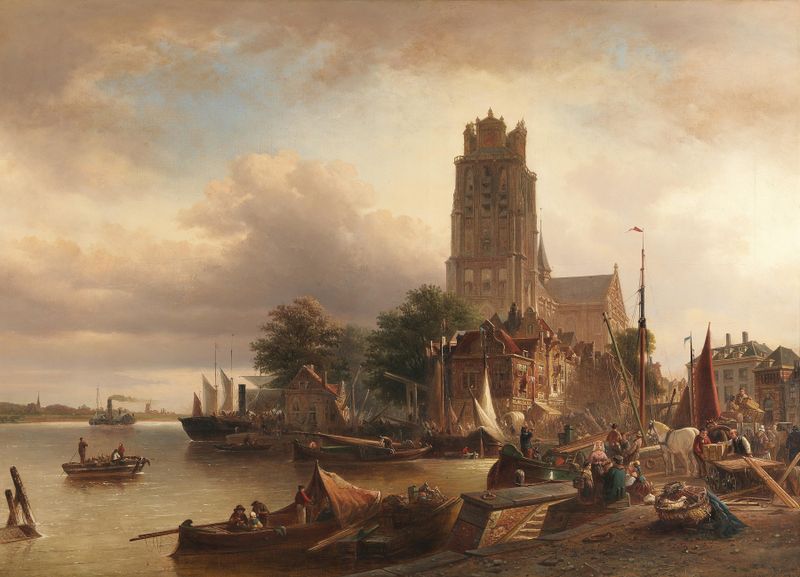
Dordrecht
Elias Pieter van Bommel

Motif Of Dordrecht
Elias Pieter van Bommel

A Winter View of the City of Dordrecht
Elias Pieter van Bommel
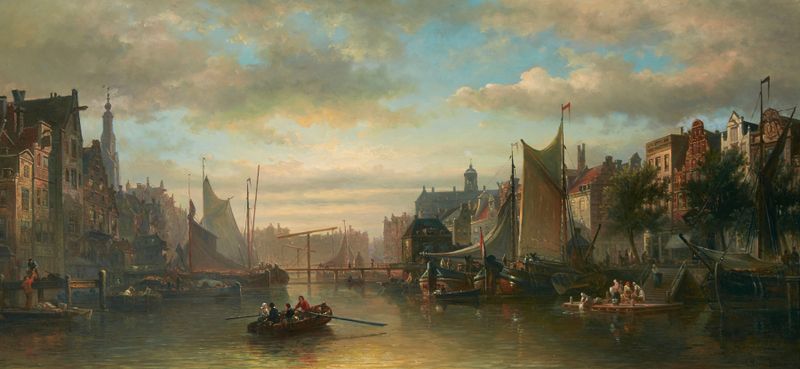
A view of Amsterdam
Elias Pieter van Bommel
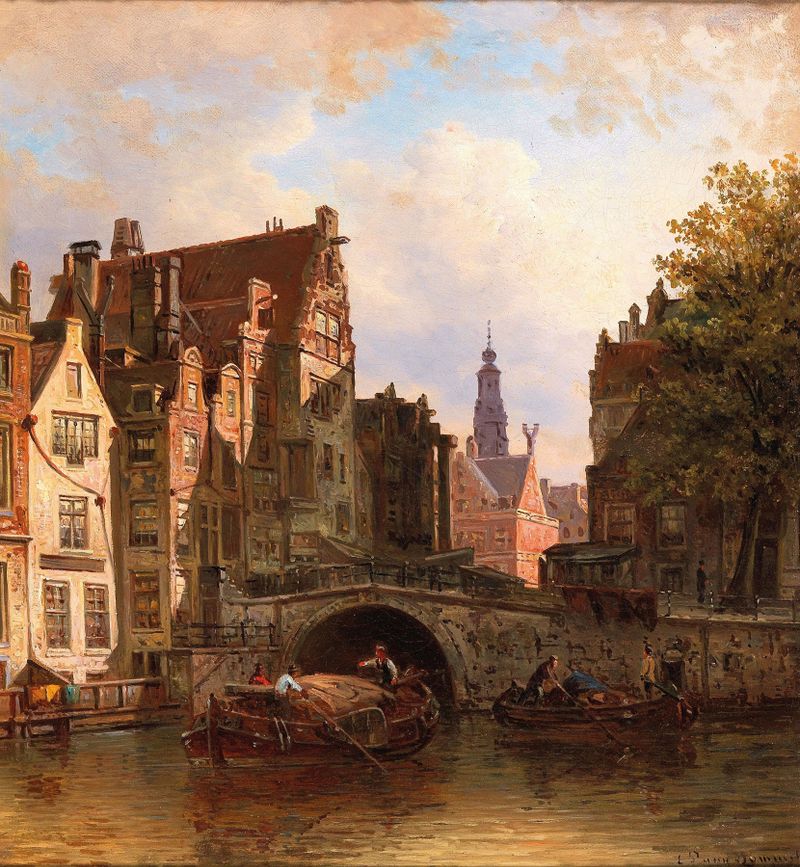
Scene in Amsterdam
Elias Pieter van Bommel
More Architecture Art
Browse all →
The statue of Liberty
Frédéric Auguste Bartholdi

View of Houses in Delft, Known as ‘The Little Street’
Johannes Vermeer

View of Houses in Delft, Known as ‘The Little Street’
Johannes Vermeer

The Cathedral in Rouen. The portal, Grey Weather
Claude Monet

The yellow house
Vincent van Gogh

The Church in Auvers-sur-Oise, View from the Chevet
Vincent van Gogh