
Scene in Amsterdam — History & Facts
Can paint confess what words never could? In the absence of sound, the stillness cradles untold stories, inviting viewers to listen closely to the whispers of a captured moment. Look to the center where a quiet canal glimmers, reflections dancing on its surface like secrets waiting to be discovered. Notice how the light gently bathes the old buildings that rise along the water’s edge, their rich, muted tones exuding a sense of nostalgia. The brushwork is delicate, lending an almost ethereal quality to the scene, while shadows linger, hinting at the presence of unseen lives and histories. Delve deeper into the subtle contrasts: the serene water against the textured facades evokes a sense of peace, yet there’s an underlying tension in the solitude of the empty street.
The absence of people suggests a moment frozen in time, where silence reigns and stories remain untold. Each element, from the distant horizon to the foreground’s stark clarity, converges to create an emotional landscape that speaks volumes in its quietude. Elias Pieter van Bommel painted Scene in Amsterdam during a period when the Dutch school was exploring the complexity of urban life and landscapes. Though the exact date remains unknown, the artist was active in the early to mid-19th century, a time marked by a growing fascination with realism and the interplay of light and shadow.
His work reflects a deep engagement with the world around him, capturing the essence of a city steeped in both beauty and silence.
More Artworks by Elias Pieter van Bommel
Browse all →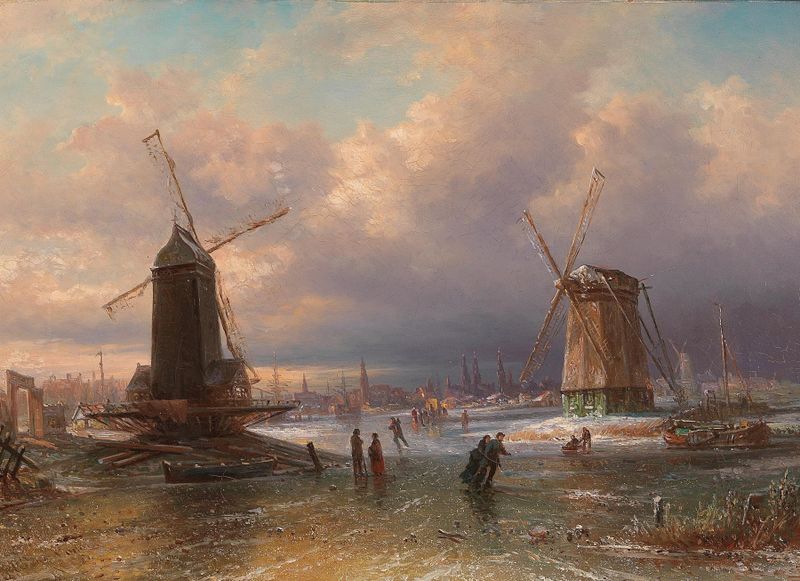
Winter Pleasures on the Ice outside a Dutch Town
Elias Pieter van Bommel
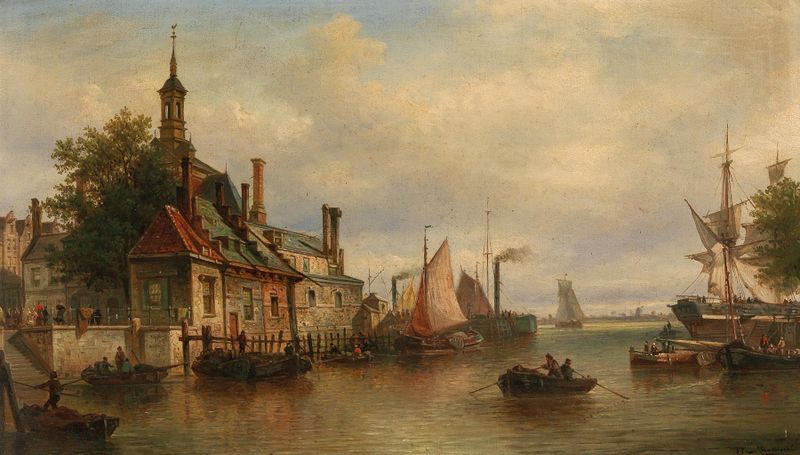
The Old Hanse Gate on the Maas in Rotterdam
Elias Pieter van Bommel

The Singel and Brouwersgracht, Amsterdam
Elias Pieter van Bommel

View from the Nieuwengracht in Amsterdam
Elias Pieter van Bommel
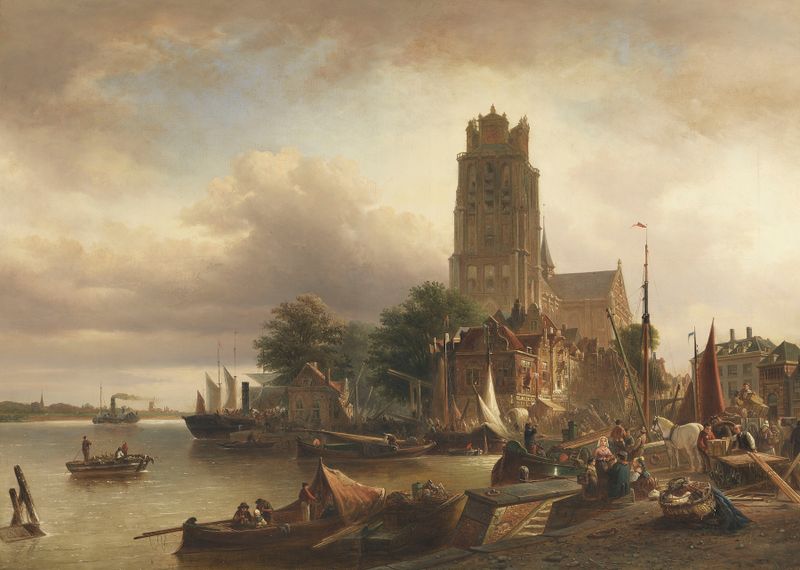
Ansicht von Dordrecht mit der Grote Kerk
Elias Pieter van Bommel
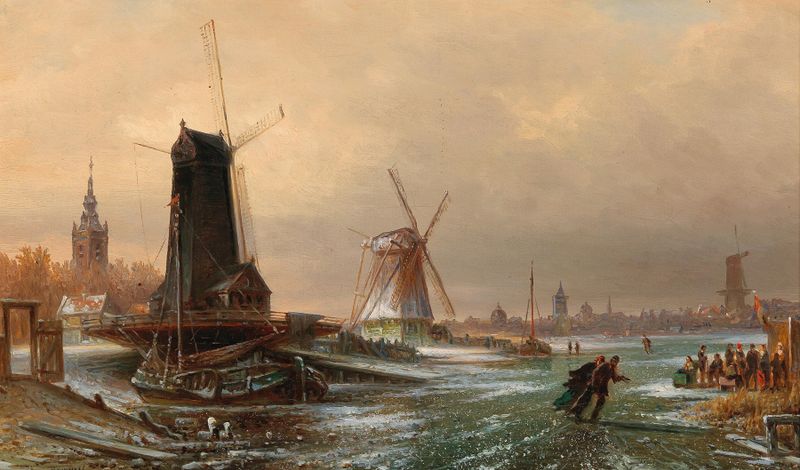
Dutch Sawmill, Water Mill and Flour Mill, near Amsterdam
Elias Pieter van Bommel
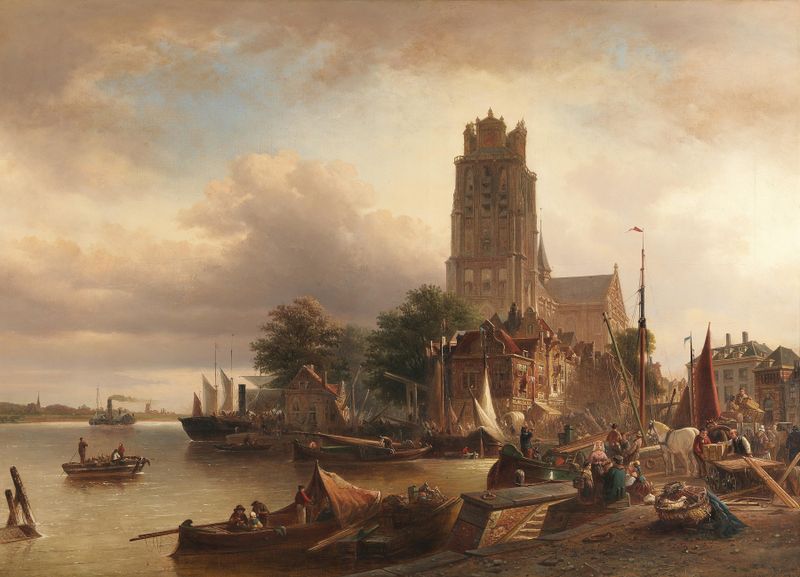
Dordrecht
Elias Pieter van Bommel

Motif Of Dordrecht
Elias Pieter van Bommel

A Winter View of the City of Dordrecht
Elias Pieter van Bommel
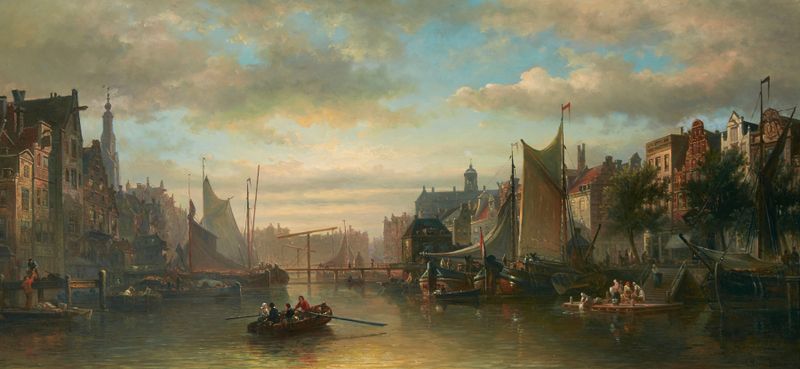
A view of Amsterdam
Elias Pieter van Bommel





