Arbres au clair de lune — History & Facts
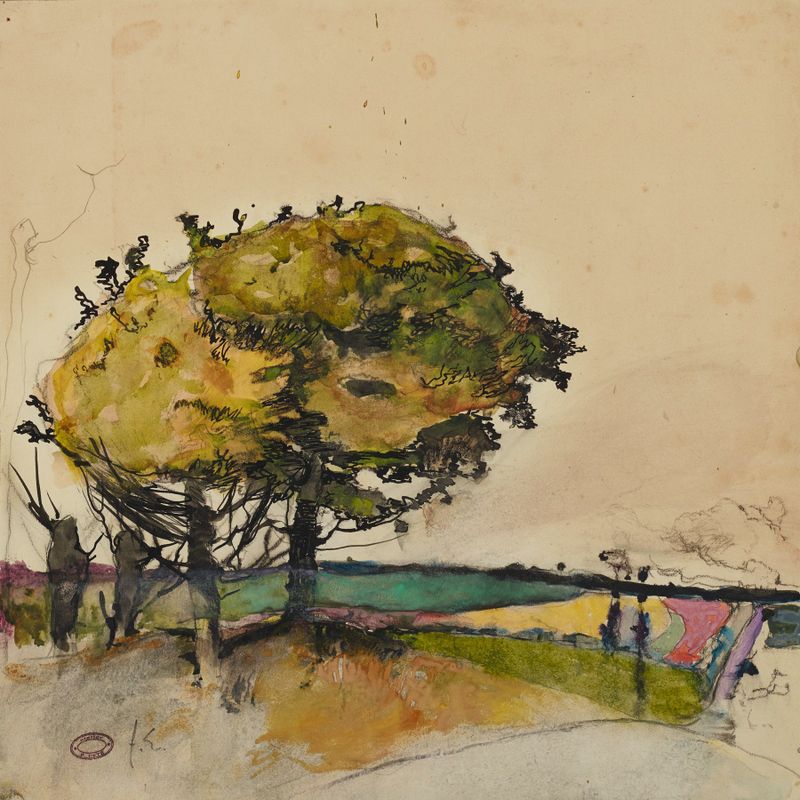
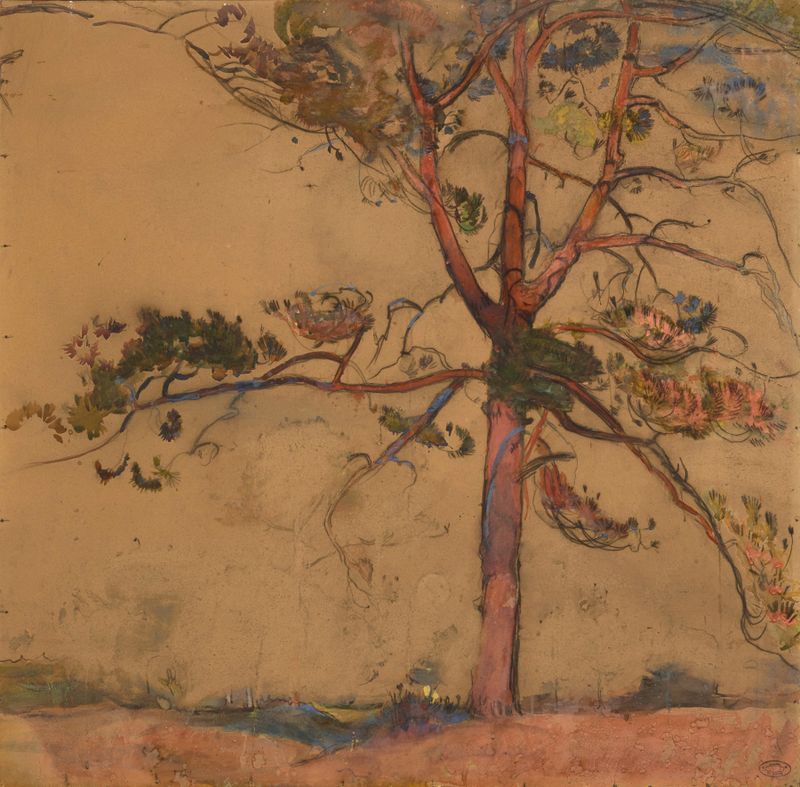
This reflection invites us to explore the intricacies of creation, where joy and sorrow intertwine seamlessly. Look to the center of the canvas, where silvery light filters through a dense canopy of foliage, casting ethereal shadows on the ground below. The trees stand as silent guardians, their twisted branches reaching skyward, while the delicate interplay of light and dark creates a dreamlike atmosphere. Rich greens and muted blues are infused with hints of shimmering gold, evoking a sense of mystery and enchantment that draws the viewer deeper into the scene. Beneath this serene exterior lies a complex interplay of emotions.
The juxtaposition of vibrant foliage against the stark moonlight suggests a tension between life and the night's quiet solitude. Each brushstroke captures not just the trees, but the weight of awareness—nurturing the beauty of nature while acknowledging the ephemeral quality of existence. The gold flecks that embellish the leaves hint at the fragility of beauty, serving as reminders that creation often breathes life into both joy and pain. Florence Esté painted this work during an undefined period marked by personal introspection and a growing interest in the nuances of natural landscapes.
Emerging within a broader artistic movement that embraced both Impressionism and Symbolism, Esté was likely exploring her own relationship with the world around her, seeking to capture the interplay of light and shadow that defines the human experience. This painting encapsulates her quest to find beauty within complexity, inviting viewers into her intimate vision of creation.